

Sightseeing in Hunza: Culture & Must‑See Spots
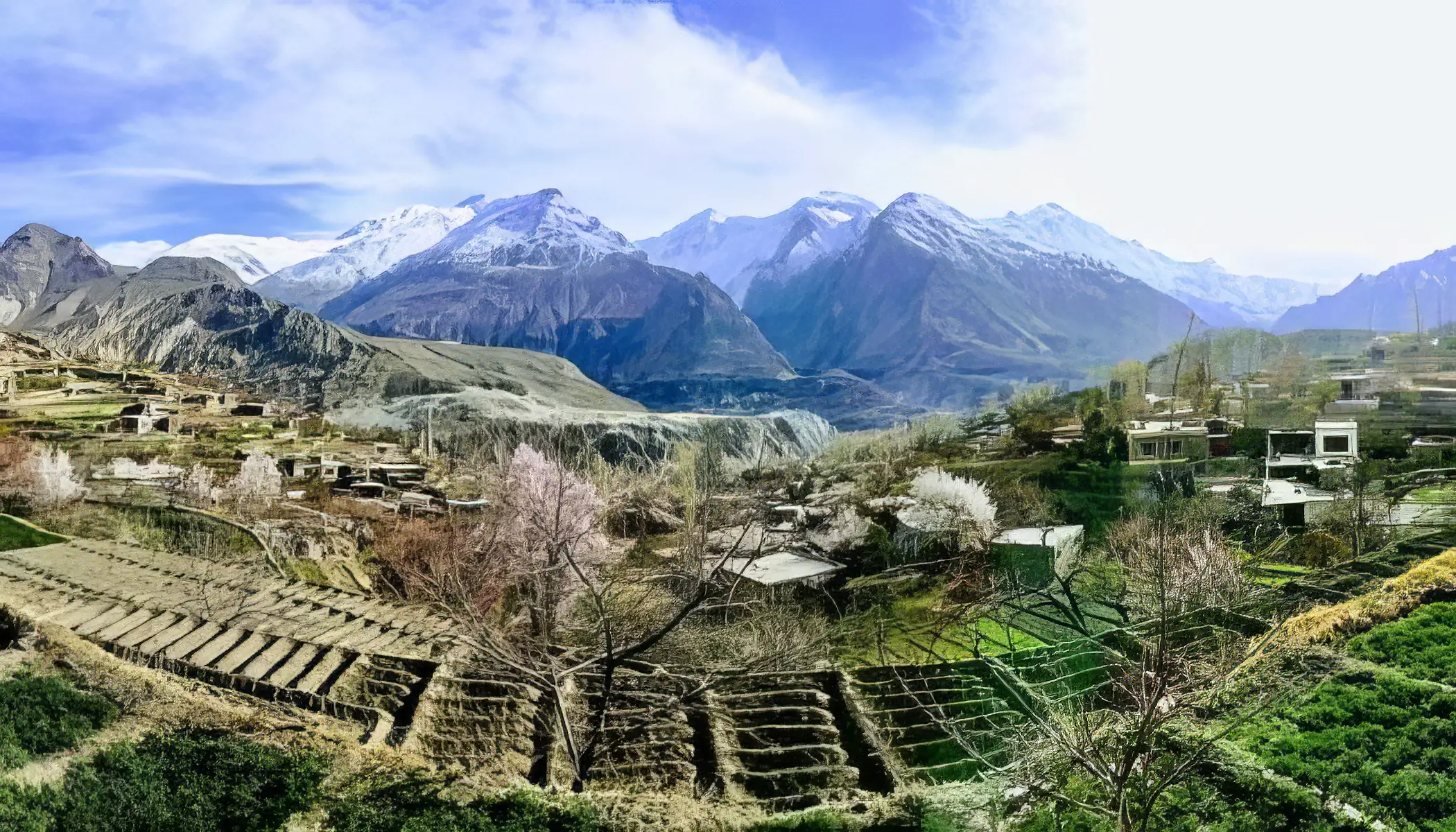
This mountainous region is known for its beautiful landscapes, cultural heritage, and hospitality. It features terraced fields, traditional villages, and offers opportunities for trekking and exploring local traditions among the towering peaks of the Karakoram Range.
- Airport
- Gilgit at 100 km – Int'l.
- Est. Visit Days
- 5 days
Overview
Hunza is a mountainous region in Pakistan known for its remarkable landscapes and rich culture. Pros include amazing views, opportunities for trekking, and a welcoming local community. However, access can be challenging due to road conditions, especially in winter. Limited infrastructure may affect amenities like healthcare and internet connectivity. Overall, Hunza is ideal for nature lovers but may not suit everyone’s needs for convenience.
Traffic & Transport
The best way to explore the area is by using local transport options such as shared vans or private taxis, which can be easily found at various points throughout the region. The roads are generally well-maintained, but it's important to be cautious of steep and winding routes. For a more immersive experience, consider hiring a local guide who can provide insights while navigating the scenic landscapes. Walking is also an option for shorter distances, allowing visitors to enjoy the elegant surroundings. Reliable taxi services operate in the area, with several companies offering competitive rates for both short trips and full-day hires. While there may not be widely used taxi-booking apps specific to this region, many drivers can be contacted directly through local hotels or tourist information centers for convenient arrangements.
History
This region was historically part of the ancient Silk Road, facilitating trade between Central Asia and South Asia. It was ruled by various local dynasties, including the Shahis and later the Mirs. In the 19th century, it became a princely state under British influence following conflicts in the area. The region saw significant turmoil during the First and Second Anglo-Afghan Wars. Today, its diverse culture reflects influences from various ethnic groups and historical interactions.
Itinerary Sample
Here is a sample 5-day itinerary for exploring Hunza, Pakistan:
– First day: Arrive in Hunza and settle into your accommodation. Visit Karimabad and explore Baltit Fort for panoramic views of the valley. Enjoy dinner with local cuisine.
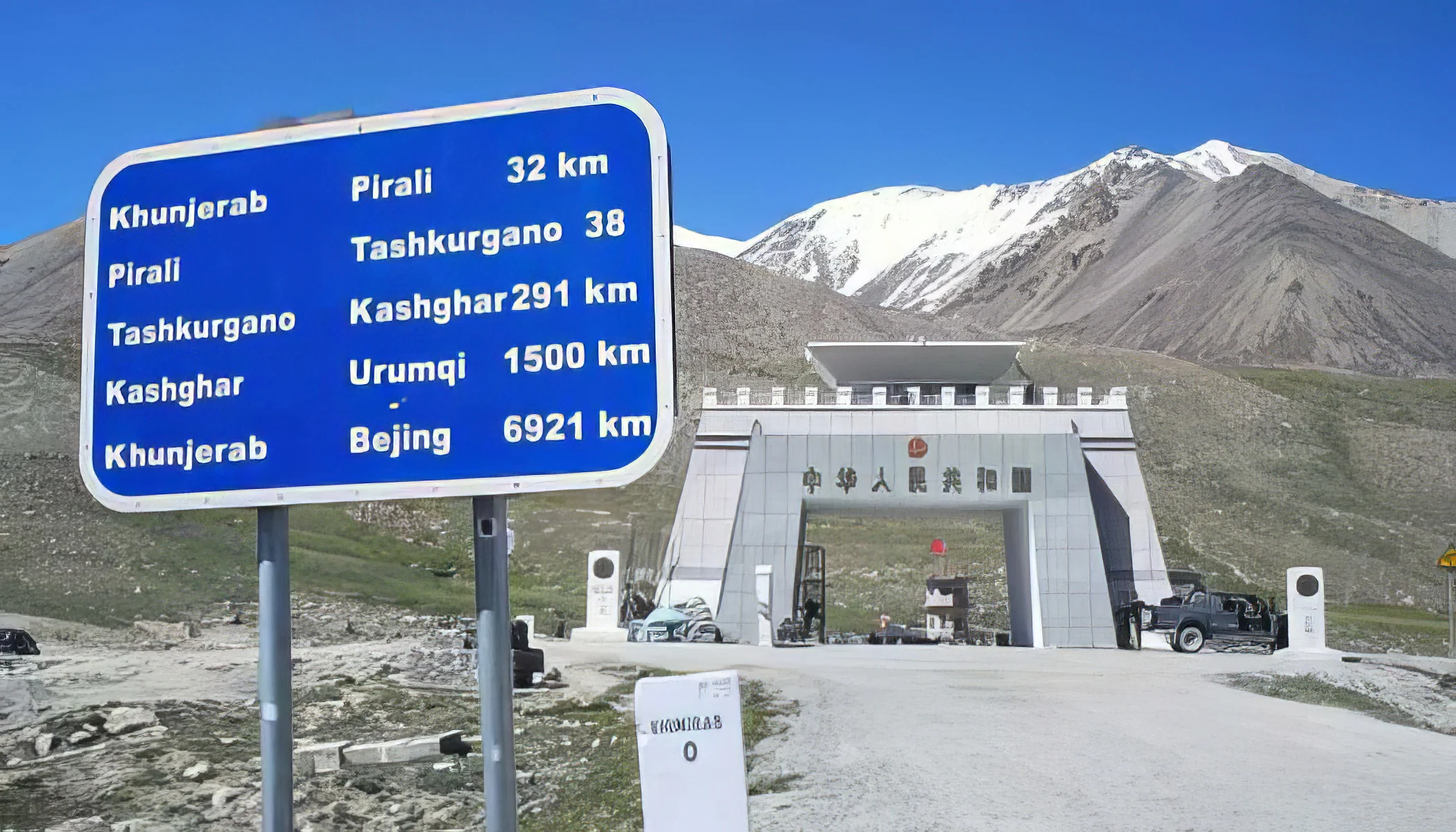
– Second day: Take a trip to Khunjerab Pass, the highest paved international border crossing. Enjoy the scenic drive through the Karakoram Highway and return to Hunza in the evening.
– Third day: Visit Attabad Lake, known for its turquoise water. Engage in activities like boating or simply relax by the lakeside. Return to Karimabad for overnight stay.
– Fourth day: Explore Passu Cones and visit nearby villages. Take photographs of stunning landscapes and interact with locals. Return to Hunza for dinner.
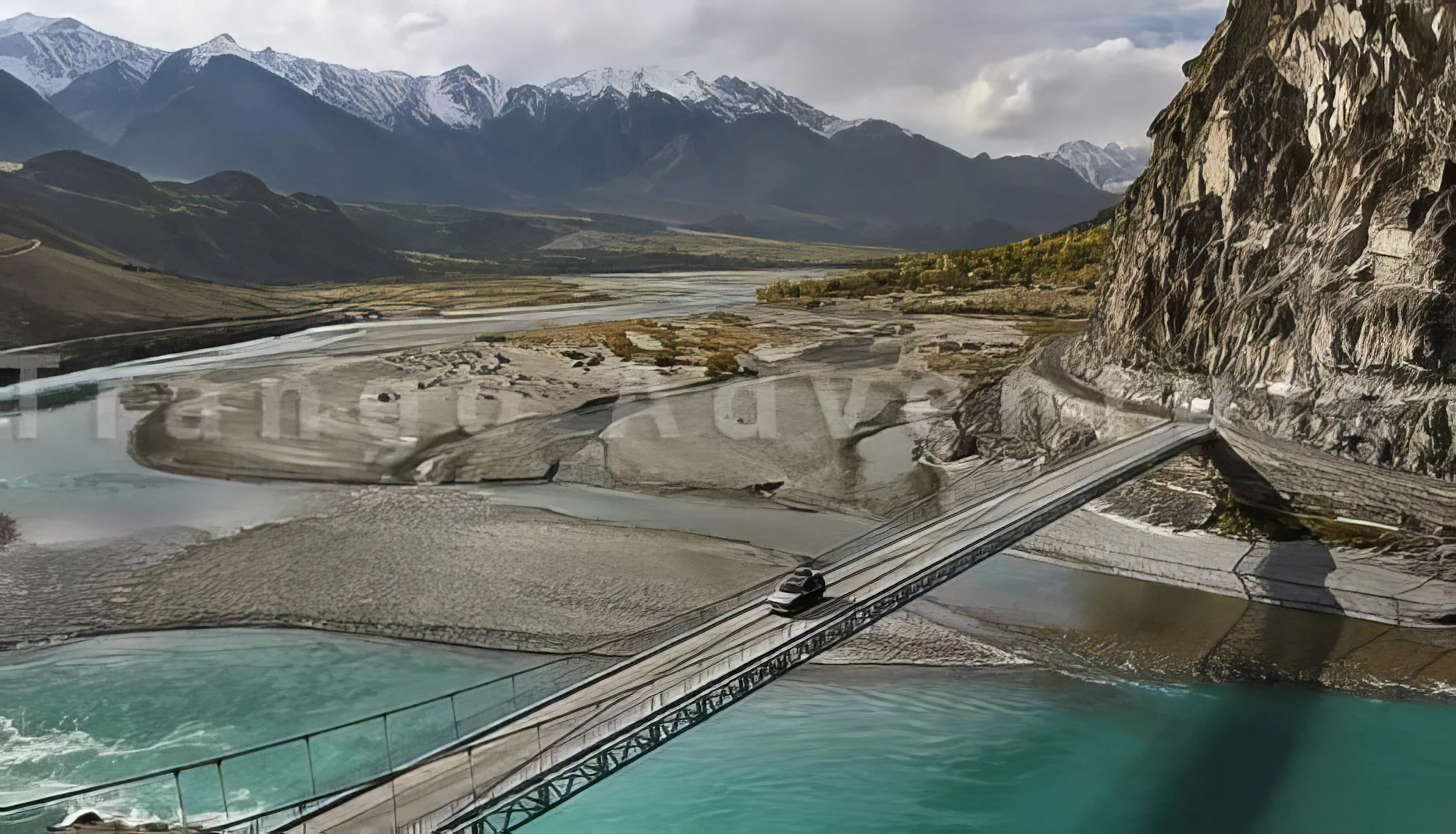
– Fifth day: Visit Husseini Suspension Bridge, one of the longest bridges in Pakistan. Spend time shopping for local handicrafts before departing from Hunza.
Near Excursion
This region offers several day-trip options with gorgeous natural and cultural attractions. Here are some suggestions:
– Attabad Lake at 30 km: A lake formed by a landslide in 2010, known for its striking turquoise waters.
– Passu Cones at 50 km: Iconic pointed peaks offering magnificent views and photo opportunities.
– Khunjerab Pass at 150 km: The highest paved international border crossing, connecting Pakistan with China.
– Gulmit at 40 km: A charming village with rich history and access to trekking routes.
– Rakaposhi Viewpoint at 75 km: Offers panoramic views of the majestic Rakaposhi mountain, great for photography.
Attraction
A destination known for its lovely mountainous landscapes and rich cultural heritage.
– Baltit Fort: A 700-year-old fort showcasing ancient architecture and offering panoramic valley views.
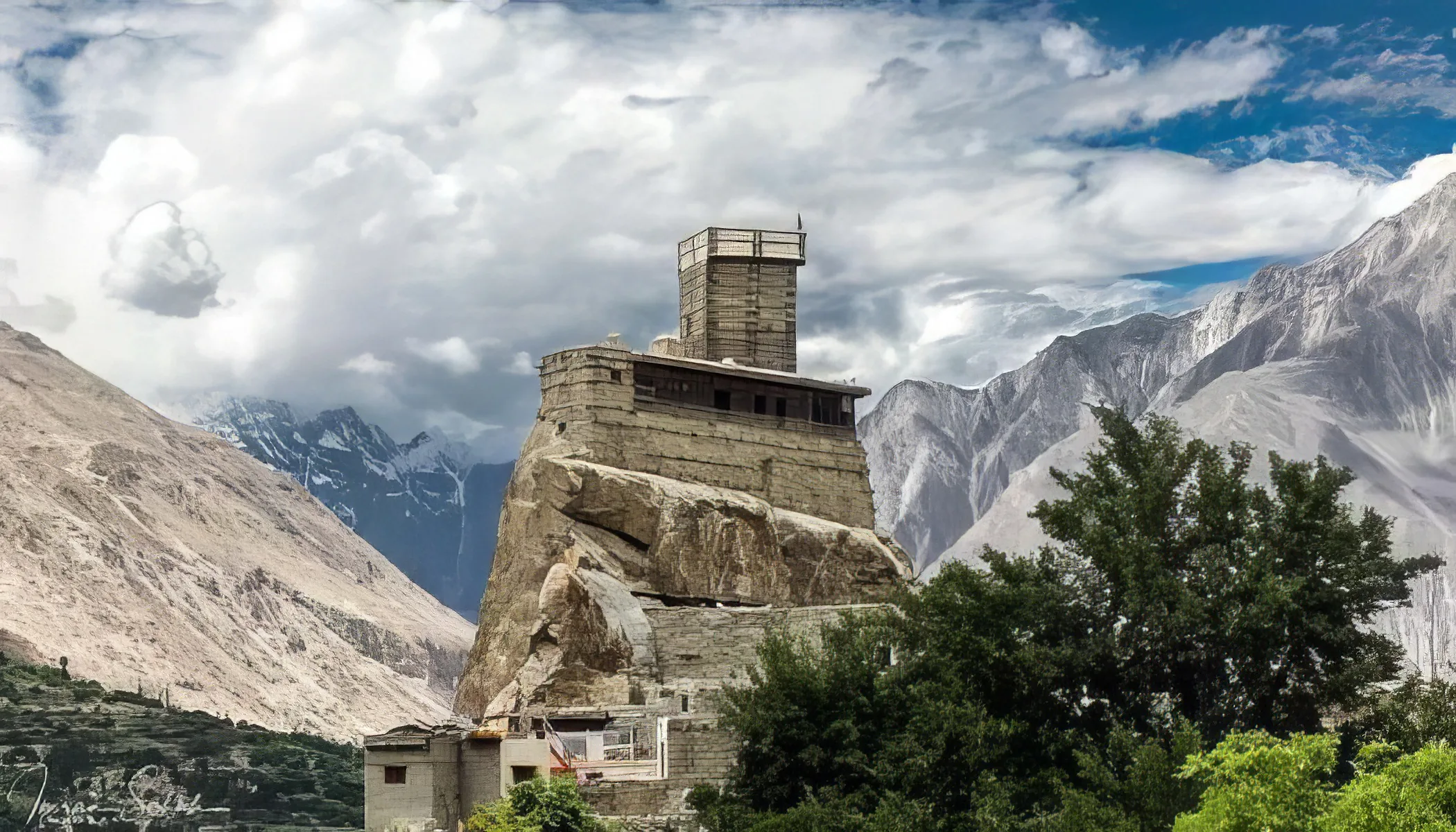
– Altit Fort: Historic fort with a museum, representing the region's history and culture.
– Attabad Lake: A turquoise lake formed by a landslide, popular for boating and scenic beauty.
– Passu Cones: Iconic sharp peaks providing impressive scenery, ideal for photography enthusiasts.
– Khunjerab Pass: The highest paved international border crossing, featuring beautiful mountain vistas.
– Rakaposhi Viewpoint: Offers spectacular views of the towering Rakaposhi peak from a convenient roadside stop.
Activity
Hunza offers remarkable landscapes, cultural experiences, and outdoor activities for travelers seeking adventure and exploration in a unique setting.
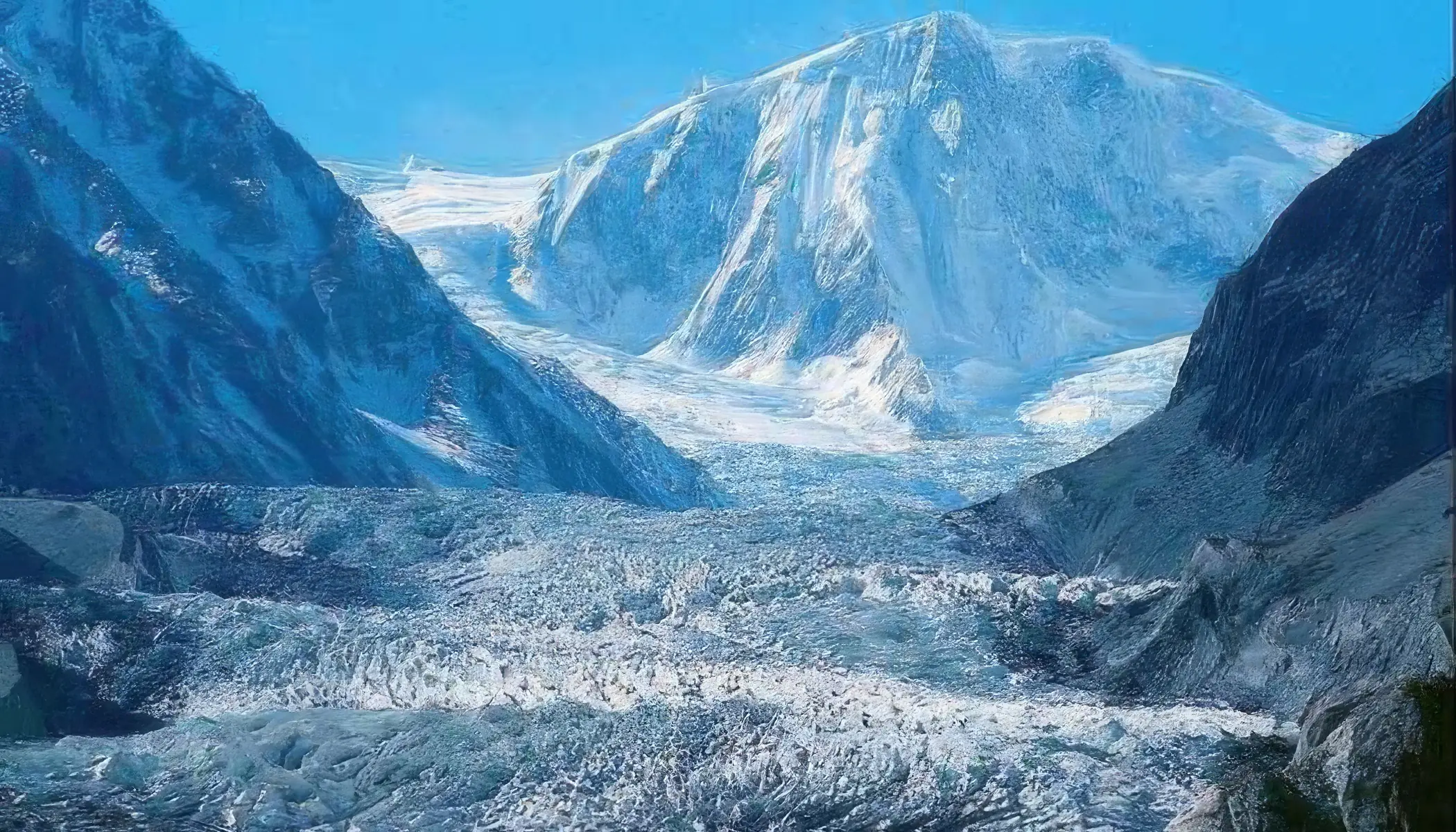
– Trekking to Ultar Sar Base Camp: A challenging trek with handsome views of peaks and glaciers in the Karakoram range.
– Visit Baltit Fort: Explore this historic fort that provides insight into the local culture and gorgeous views of Hunza Valley.
– Experience local festivals: Participate in animated cultural events showcasing traditional music, dance, and food throughout the year.
– Hiking to Passu Glacier: Enjoy a scenic hike to witness the majestic glacier surrounded by towering mountains.
– Attend a cooking class: Learn to prepare traditional Hunza dishes using local ingredients while enjoying the hospitality of residents.
Shopping
You can find local handicrafts, including handwoven shawls and rugs. Traditional jewelry made from silver and semi-precious stones is also available. Dry fruits, especially apricots, are popular gifts. You may also consider purchasing handmade wooden items. Local art pieces and paintings can be unique souvenirs as well. Overall, shopping here offers a glimpse into the local culture.
Arts & Culture
The region is known for its traditional music and dance, particularly the Attan, which is performed during celebrations and festivals. Local artisans create refined handicrafts, including woodwork and embroidery, reflecting the rich cultural heritage. Annual events often include cultural festivals that showcase local art, music, and dance. Additionally, there are opportunities to experience traditional storytelling and poetry recitals in the community.