

Sightseeing in Hydra: Culture & Must‑See Spots
A picturesque island in the Aegean Sea, known for its well-preserved architecture, car-free streets, and energetic arts scene. It's a popular destination for both tourists and artists seeking tranquility and inspiration.
- Size
- 50 square km
- Est. Visit Days
- 2 days
Overview
Hydra, a small Greek island in the Saronic Gulf, is known for its charismatic harbor, traditional stone mansions, and donkeys as the main means of transportation, as motor vehicles are banned. The island offers a harmonious atmosphere with beautiful architecture and a rich maritime history, including the Historical Archives Museum and the Museum of Hydra. However, Hydra can be quite crowded during the peak tourist season, which might detract from the experience for some visitors. Additionally, prices on the island tend to be higher compared to mainland Greece. Despite this, Hydra remains a charming destination with its preserved culture and lovely beaches.
Traffic & Transport
The primary mode of transport for navigating the city is by foot, as the narrow, winding streets are not conducive to vehicle traffic. For longer distances or to reach more remote areas, water taxis and donkeys are popular and traditional options. Bicycles are also available for rent and provide a convenient way to explore at your own pace. It's important to note that there are no cars on the island, contributing to a peaceful and pedestrian-friendly atmosphere. For those in need of taxi services, there are a few reliable taxi companies operating on the island. Additionally, the use of taxi-booking apps like "TaxiBeat" offers a convenient way to hail a ride and provides transparent pricing for visitors.
History
Originally settled in the 16th century by farmers and fishermen, the city was strategically positioned for maritime trade, which flourished during the 18th and 19th centuries. It became a powerful naval force, contributing significantly to the Greek War of Independence against the Ottoman Empire in 1821. The city's fleet played a crucial role in securing independence for Greece. Following this period, it experienced a decline in maritime activity but retained its cultural and architectural charm, with many of its historical mansions and churches still standing as a testament to its past prosperity. Today, it is known for its vibrant arts scene and annual Miaoulia Festival, which commemorates its naval history.
Itinerary Sample
Explore the charming island of Hydra with this 2-day itinerary designed to help you experience its highlights efficiently.
– First day: Visit Hydra Port, explore its quaint boutiques, and enjoy a leisurely walk up to the Prophet Elias Monastery for panoramic views.
– Second day: Take a boat tour around the island, stop for a swim at one of the secluded beaches, and finish your day with a sunset dinner at a waterfront taverna.
Near Excursion
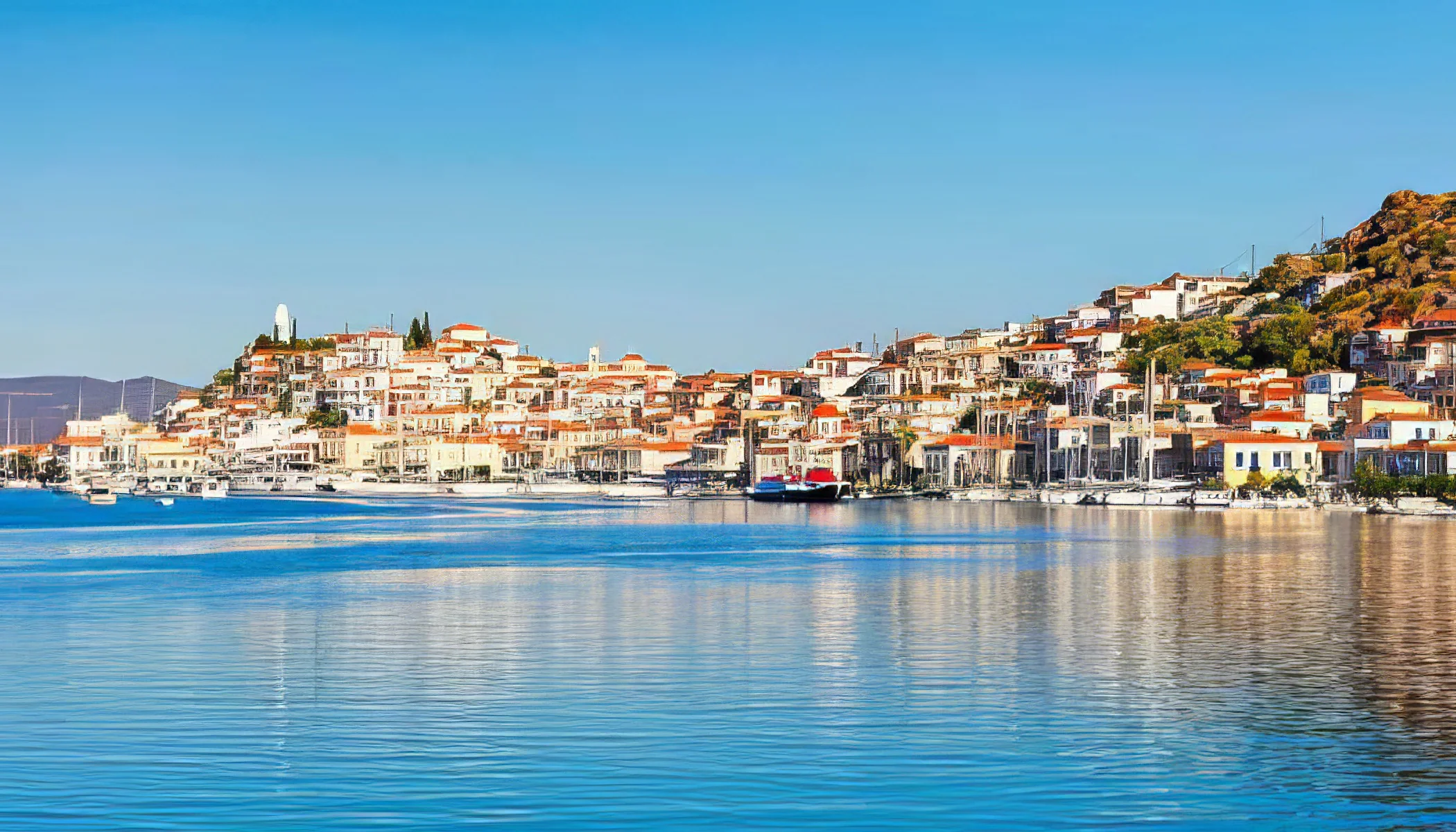
This island offers several interesting day trips within a reasonable distance. Here are some suggestions:
– Poros at 30 km: A small island known for its beautiful beaches and lively town center.
– Spetses at 50 km: Famous for its naval history, charming old town, and horse-drawn carriages.
– Epidavros at 70 km: Home to the ancient theater of Epidaurus, a UNESCO World Heritage site.
– Nafplio at 90 km: A picturesque town with a rich history, featuring the Palamidi Fortress and Bourtzi Castle.
– Mycenae at 100 km: An archaeological site with ruins of an ancient city, including the famous Lion's Gate.
Attraction
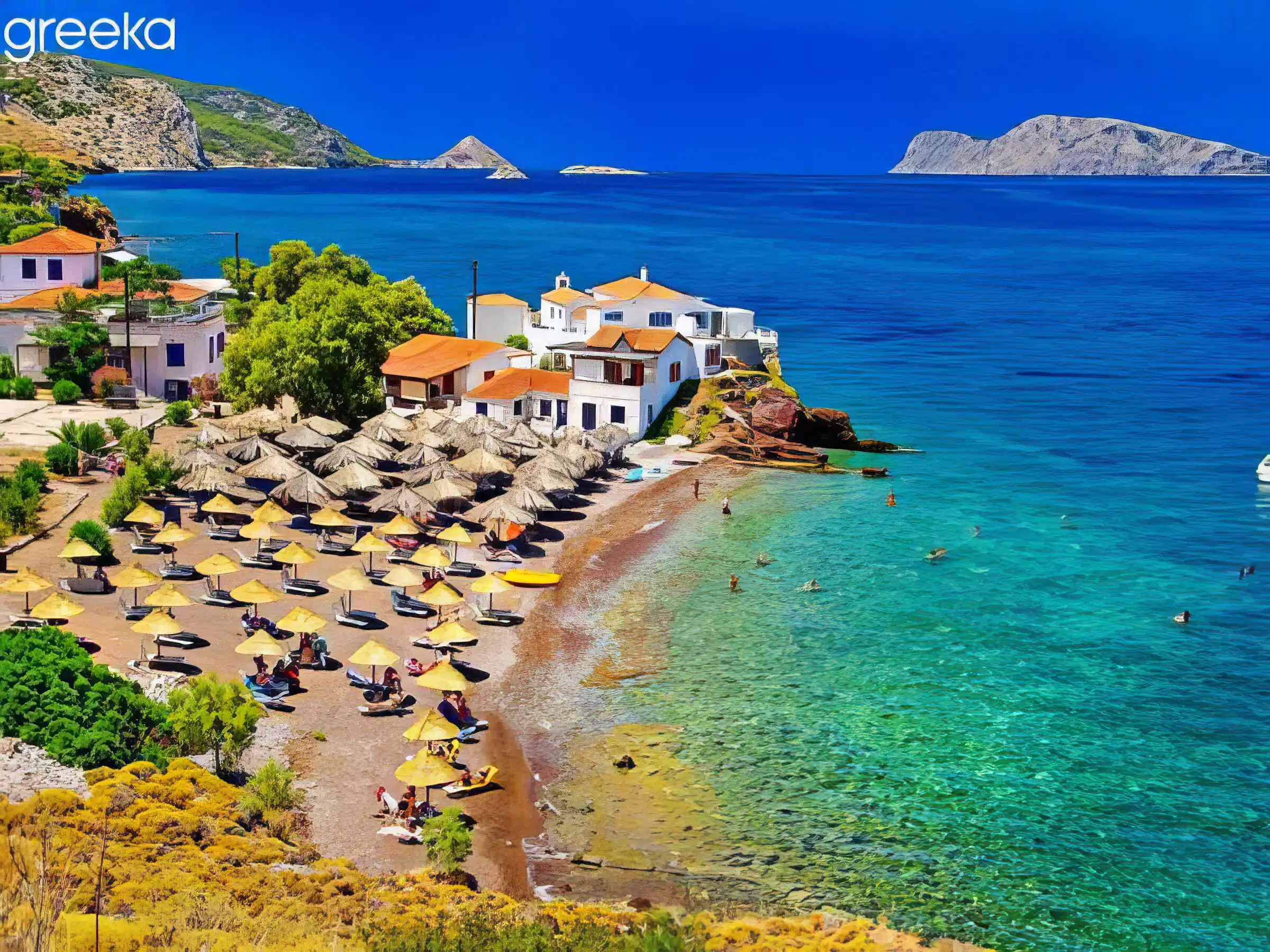
This city is known for its gorgeous harbor, historic architecture, and car-free streets.
– Historical Archives Museum: Offers insights into the island's rich maritime history and cultural heritage.
– Hydra Port: A animated area with cafes, shops, and gorgeous views of the sea and boats.
– Monastery of Prophet Elias: Located on a hill, it provides panoramic views and a peaceful atmosphere.
– Lazaros Koundouriotis Mansion: A well-preserved mansion showcasing traditional architecture and local art.
– Vlychos Beach: A peaceful beach with clear waters, ideal for swimming and relaxation.
– Kamini Village: A charming village with narrow streets, traditional houses, and a small harbor.
Activity
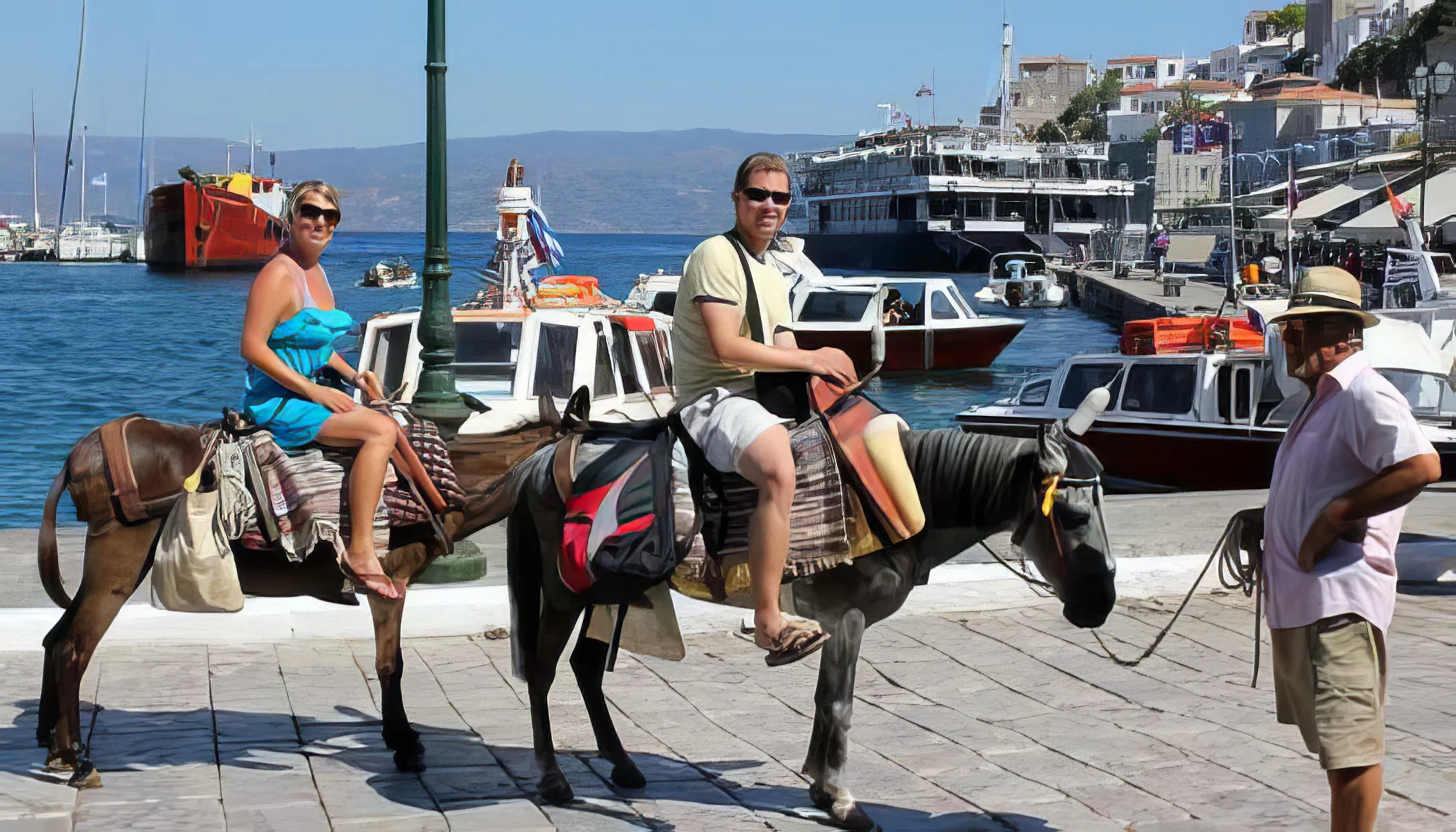
In Hydra, travelers can enjoy scenic walks, donkey rides, and unique maritime experiences.
– Donkey rides: Explore the island's hilly terrain on a traditional donkey ride.
– Hydra Trail Network: Hike various trails offering panoramic views of the island and sea.
– Hydra's Historical Archives Museum: Learn about the island's history and maritime heritage.
– Hydra Horse Carriage Ride: Experience a leisurely tour of the island in a horse-drawn carriage.
– Hydra Sailing Experience: Join a sailing tour or rent a boat to explore Hydra's coastline.
Shopping
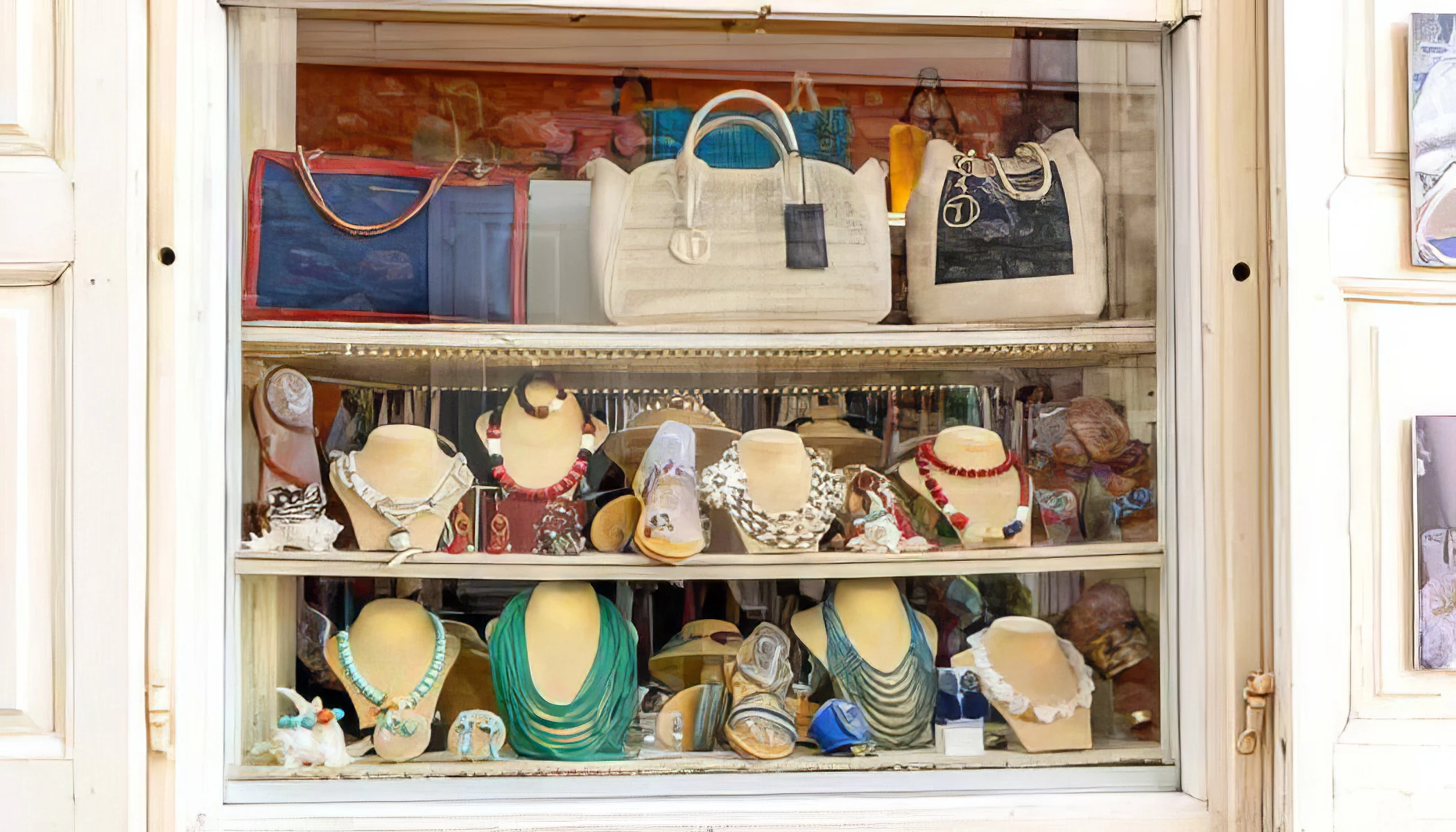
In the city, visitors can enjoy browsing through quaint boutiques and artisan shops. Popular gifts include handmade jewelry, local art, and traditional Greek products like olive oil and spices. Leather goods and embroidered textiles are also unique finds. For a memorable souvenir, consider purchasing a piece of ceramic art, which reflects the local craftsmanship. The waterfront area is particularly good for shopping, offering a variety of stores in a pleasant setting. These items not only serve as great gifts but also help support the local artisans and small businesses.
Arts & Culture
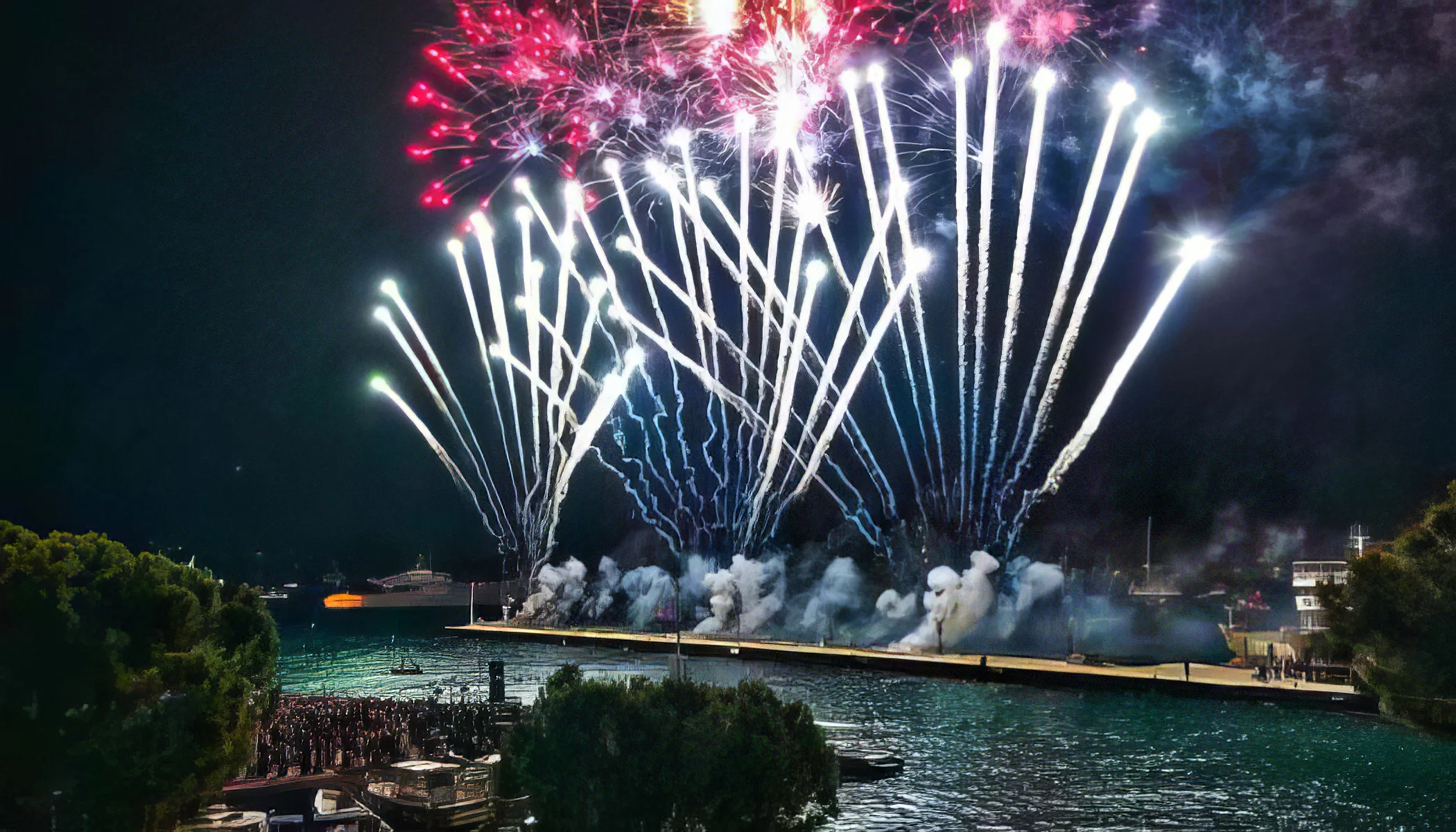
The city hosts the annual Miaoulia Festival, celebrating Admiral Andreas Miaoulis, a hero of the Greek War of Independence, with fireworks and a reenactment of a naval battle. The island is also known for its significant contributions to the visual arts, prominently featuring the Historical Archives Museum which includes exhibits of modern art and historical artifacts. Additionally, many artists are drawn to the island for its inspiring landscapes and architecture, leading to numerous art exhibitions and workshops throughout the year. The island's lack of motorized vehicles contributes to its serene atmosphere, making it a favored retreat for writers and artists.