

Sightseeing in Agra: Culture & Must‑See Spots
This city is known for its historical significance and famous landmarks, including a UNESCO World Heritage Site. It attracts many visitors each year due to its rich culture and architectural heritage, particularly a renowned mausoleum built in the 17th century.
- Population
- 1.6 millions
- Airport
- Kheria – domestic
- Train Station
- Agra Cantt & 2 others
- Est. Visit Days
- 2 days
Overview
Agra, located in northern India, is famous for the Taj Mahal, a UNESCO World Heritage site. Pros include its rich history, cultural significance, and various historical monuments. However, Agra faces challenges such as heavy traffic, pollution, and overcrowding due to tourism. The local infrastructure may not always meet the demands of visitors. Overall, while Agra offers significant attractions, visitors should be prepared for some urban issues.
Traffic & Transport
The city experiences heavy traffic, especially during peak tourist seasons, making it essential for visitors to plan their transport accordingly. The best means of exploring the area is by using a combination of electric rickshaws, bicycles, and walking to navigate through congested streets and narrow lanes. Public buses are also available but may not be the most convenient option for tourists. For a more comfortable experience, hiring a private vehicle or guided tour can help avoid traffic hassles. Reliable taxi companies operating in the area include Meru Cabs and Ola, which offer competitive rates and good service. Additionally, popular taxi-booking apps such as Uber are widely used and provide convenient options for getting around at any time of day.
History
This city was established in the 16th century and became a significant center during the Mughal Empire. It was the site of many important battles, including those during the conflicts between the Mughals and Rajputs. The economy thrived due to its strategic location on trade routes connecting northern India to the Deccan region. The architecture from this period reflects a blend of Persian, Indian, and Islamic styles. Today, it remains known for its historical monuments and cultural heritage from this era.
Itinerary Sample
Explore Agra's rich history and iconic landmarks in this 2-day itinerary.
– First day: Visit the Taj Mahal early morning, explore Agra Fort, and enjoy local cuisine for lunch. In the afternoon, visit Mehtab Bagh for sunset views of the Taj Mahal.
– Second day: Tour Fatehpur Sikri in the morning, then return to Agra for shopping at local markets. Visit Tomb Of Itimad-Ud-Daulah before departure.
Near Excursion
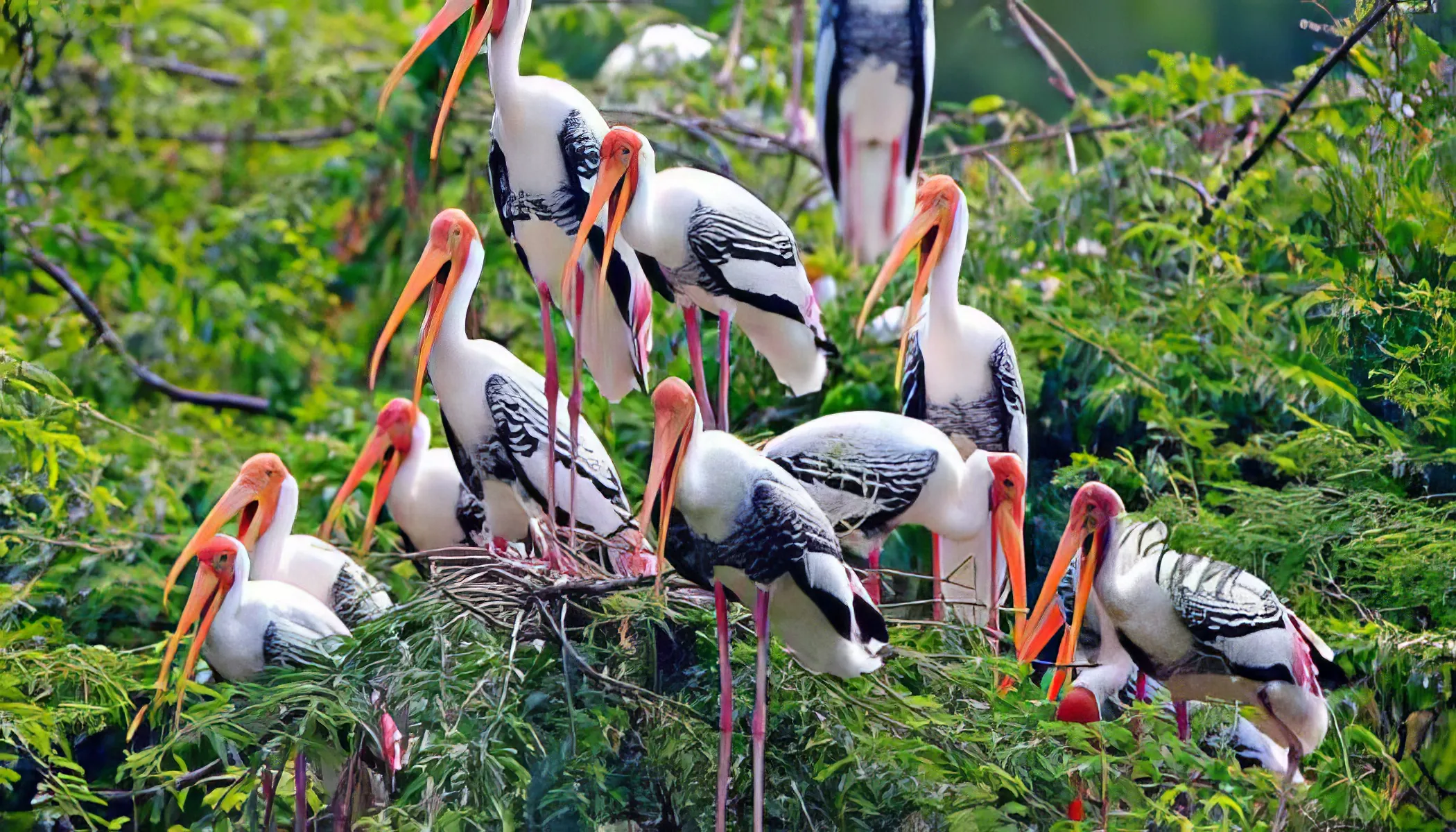
The city is a convenient base for exploring several interesting day-trip destinations. Here are some options:
– Fatehpur Sikri at 40 km: A UNESCO World Heritage site with lovely Mughal architecture and historic significance.
– Mathura at 60 km: Known as the birthplace of Lord Krishna, featuring many temples and religious sites.
– Bharatpur Bird Sanctuary at 65 km: A renowned sanctuary ideal for bird watching and enjoying nature.
– Vrindavan at 75 km: A significant pilgrimage center with numerous temples dedicated to Lord Krishna.
– Chambal Safari Lodge at 80 km: Offers a chance to explore wildlife through river safaris and nature walks.
Attraction
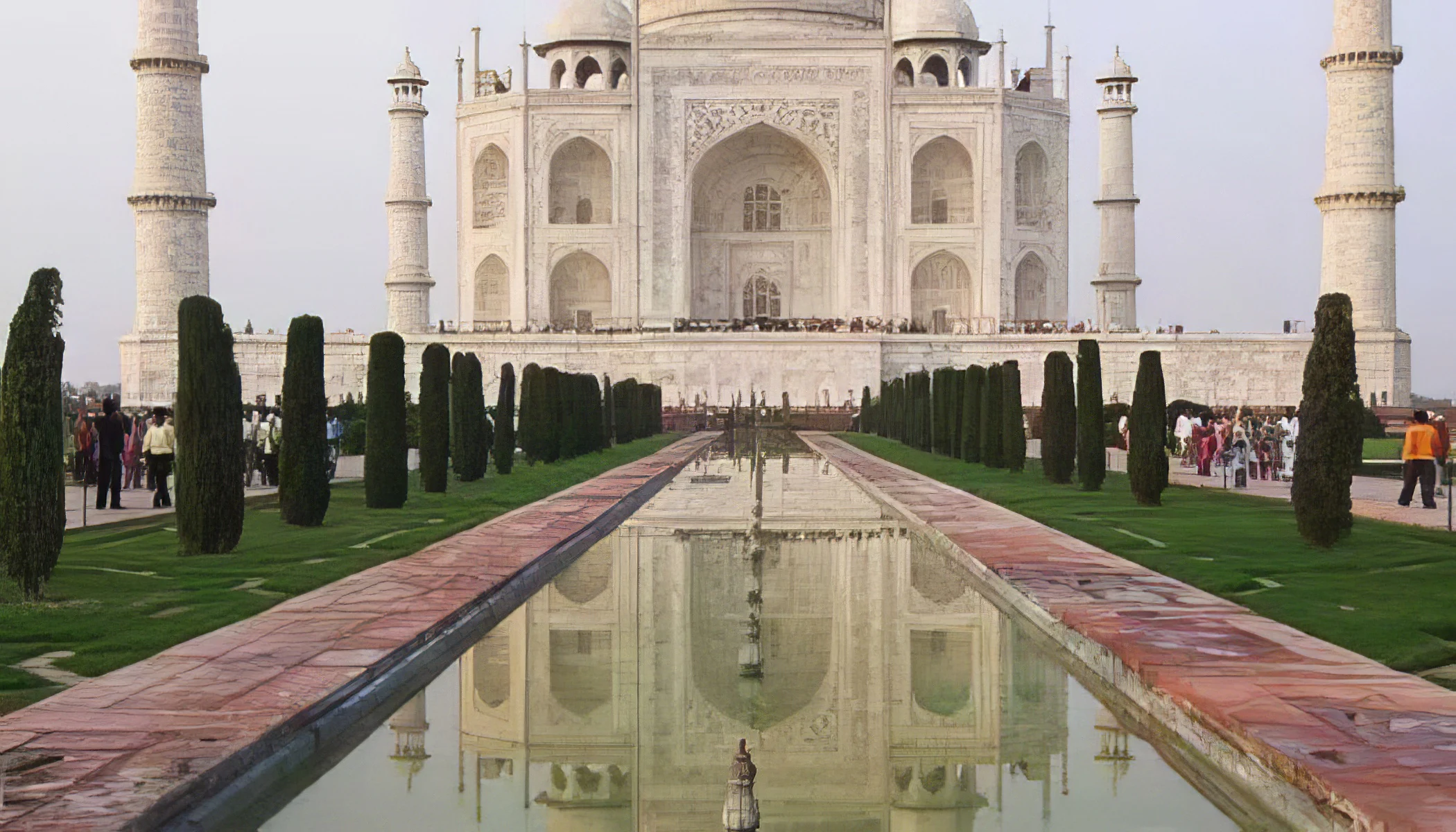
Known for its nice Mughal architecture, this city is a must-visit for history and culture enthusiasts.
– Taj Mahal: A UNESCO World Heritage Site, this marble mausoleum is renowned for its exquisite design and historical significance.
– Agra Fort: This massive red sandstone fort showcases impressive Mughal architecture and offers insights into the region's rich history.
– Fatehpur Sikri: An ancient city with well-preserved palaces, mosques, and courtyards reflecting Mughal grandeur.
– Itimad-ud-Daulah's Tomb: Often called the "Baby Taj," it features sophisticated marble inlay work and beautiful gardens.
– Mehtab Bagh: A garden complex offering a peaceful view of the Taj Mahal across the Yamuna River.
– Akbar's Tomb: The resting place of Emperor Akbar, known for its unique blend of Hindu and Islamic architectural styles.
Activity
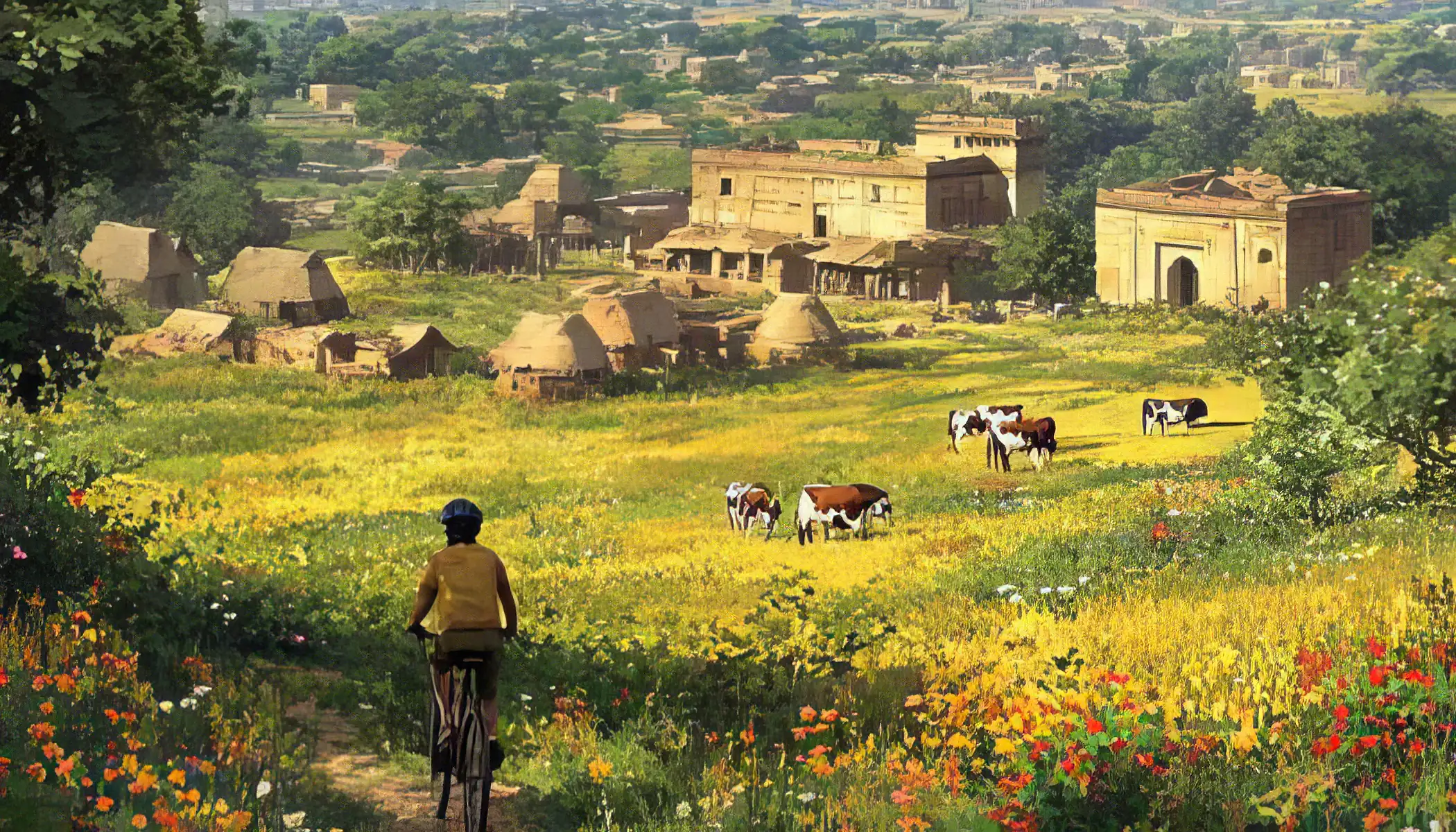
Travelers in Agra can explore historical sites, enjoy local culture, and experience unique activities related to the Taj Mahal.
– Taj Mahal Sunrise Tour: Witness the sunrise over the Taj Mahal for a breathtaking view and quieter atmosphere.
– Agra Fort Night Tour: Experience Agra Fort illuminated at night with guided storytelling about its history.
– Local Street Food Walk: Taste authentic Agra street food while exploring local markets and interacting with vendors.
– Village Cycling Tour: Cycle through nearby villages to see rural life and scenic countryside landscapes.
– Mughal Heritage Walk: Guided walk through lesser-known Mughal architecture sites, highlighting their historical significance and beauty.
Cuisine
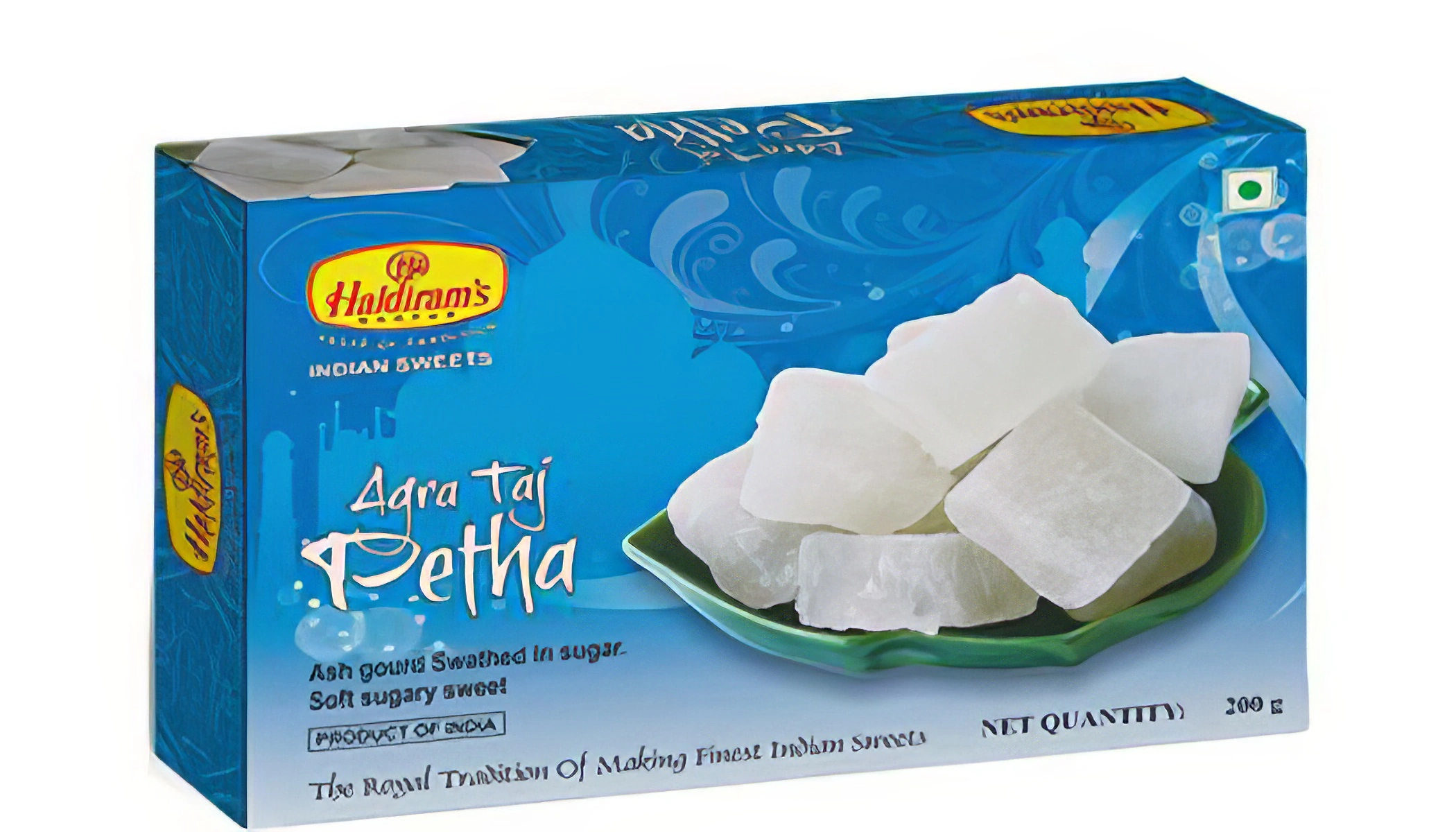
The city offers a mix of Mughlai and local cuisine, known for rich flavors and sweet treats. Some of the city's most famous dishes include:
– Petha: A translucent, soft candy made from ash gourd, often flavored with saffron or rose water.
– Mughlai Paratha: Stuffed flatbread filled with spiced meats or vegetables, reflecting Mughal culinary influence.
– Bedai: A spicy lentil-stuffed deep-fried bread served with potato curry.
– Dalmoth: A crunchy snack made from fried lentils, nuts, and spices.
– Tandoori Chicken: Marinated chicken roasted in a clay oven, seasoned with Indian spices.
Shopping

You can find a variety of handicrafts and souvenirs in local markets. Marble inlay work is a popular item, often inspired by famous monuments. Handwoven textiles and carpets are also available. For gifts, consider traditional sweets like petha, which are unique to the area. Jewelry made from semi-precious stones is another option. These items reflect local culture and craftsmanship.
Arts & Culture
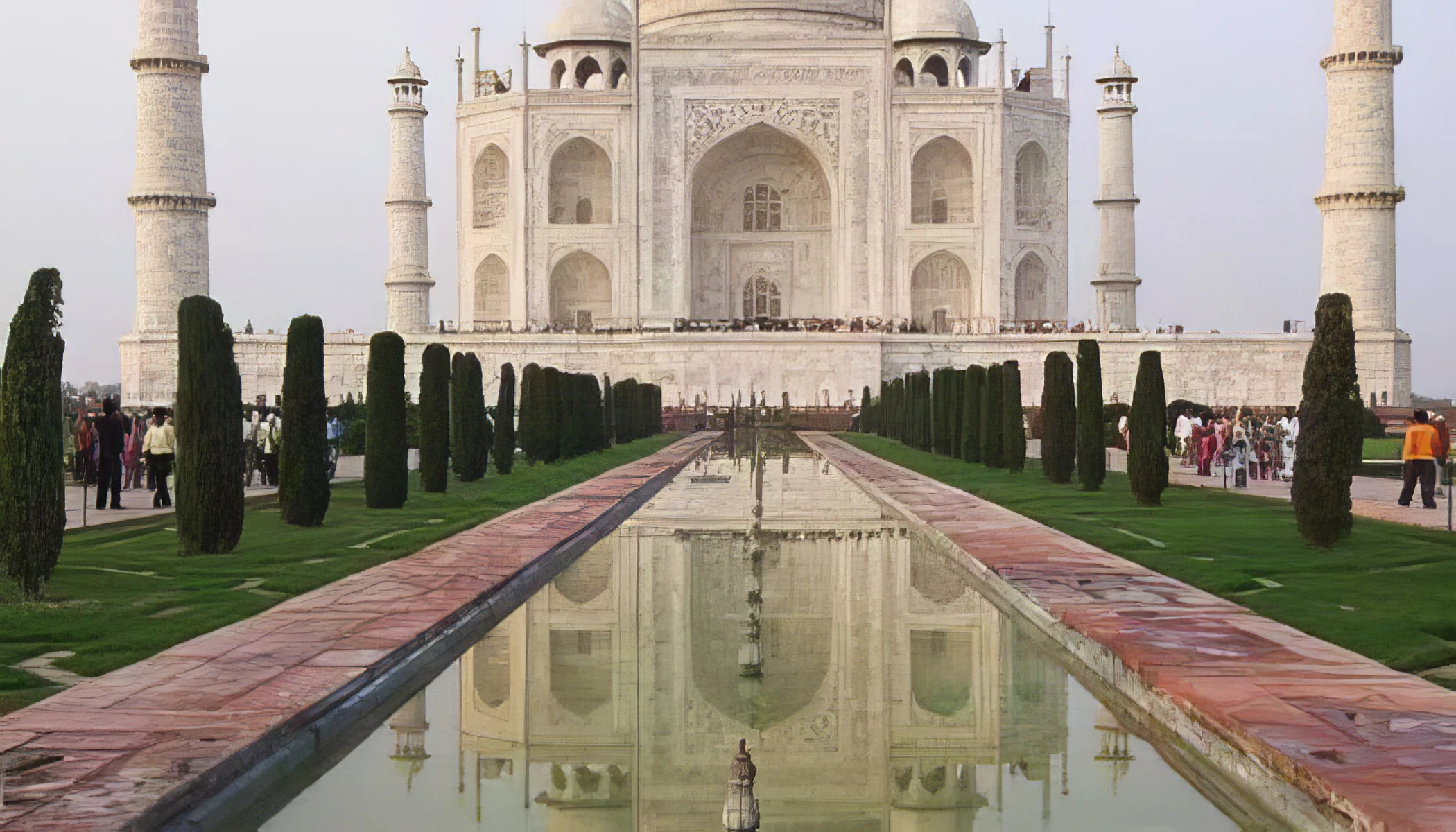
The city is known for its rich Mughal heritage, prominently displayed through its architecture, including the Taj Mahal and Agra Fort. Various cultural events celebrate this heritage, such as the Taj Mahotsav, which showcases local crafts, music, and dance. The city also has a tradition of marble inlay work and handicrafts that reflect its artistic history. Additionally, there are performances of classical music and dance that take place at various venues throughout the year.