

Bandung: Best Things to Do & Top Attractions
Located on the island of Java, this city is known for its cool climate, Dutch colonial architecture, and pretty street food scene. It's also a hub for higher education and fashion.
- Population
- 2.51 millions
- Size
- 167 square km
- Airport
- Husein Sastranegara – Int'l.
- Train Station
- Bandung Station
- Est. Visit Days
- 3 days
Overview
Bandung, Indonesia, known as the "Paris of Java," is a city famed for its pleasant climate and rich cultural heritage. It is a hub of education and creativity, with numerous universities and art centers. Bandung's colonial and art deco architecture, along with its beautiful natural surroundings, attract many visitors. However, the city faces challenges with traffic congestion and rapid urbanization, which can detract from the experience. Despite this, Bandung remains a charming destination with a blend of modernity and tradition.
Traffic & Transport
The city experiences moderate to heavy traffic, especially during peak hours and on weekends, which can significantly impact travel times. For tourists, the best means to explore the city are by using angkot (public minivans), which cover various routes and are a budget-friendly option, or by hiring a local driver for a more personalized experience. Motorbike taxis, known as ojek, are also available and can navigate through traffic more swiftly, making them a practical choice for solo travelers. Renting a car with a driver is another convenient way to travel, offering flexibility and comfort for sightseeing. For reliable taxi services, Blue Bird and Grab are the most recommended companies, known for their professionalism and availability. Both offer convenient mobile apps for booking rides, which provide fare transparency and the option to pay electronically, ensuring a hassle-free travel experience.
History
Originally established as a post during the Dutch colonial period in the early 19th century, the city quickly developed into a center for tea production due to its favorable highland climate. It was a significant location during the Indonesian National Revolution in the 1940s, experiencing several key battles. The city's economy expanded in the 20th century, becoming a hub for textile and garment manufacturing, which significantly influenced its cultural development. This economic growth also attracted migrants from other parts of the archipelago, enriching the city's cultural diversity. Today, it is renowned for its art deco architecture, which reflects its history of being a colonial administrative and military center.
Itinerary Sample
Explore Bandung, Indonesia over three days with a planned itinerary that covers key attractions and experiences.
– First day: Visit Tangkuban Perahu Volcano, then explore the nearby Ciater Hot Spring. End your day at Braga Street for dining and shopping.
– Second day: Head to Kawah Putih, a sensational crater lake, in the morning. In the afternoon, visit the nearby tea plantations and the Situ Patenggang Lake.
– Third day: Spend your day in the city visiting the Geology Museum and Gedung Sate, then shop at Cihampelas Walk, known for its jeans shops.
Near Excursion
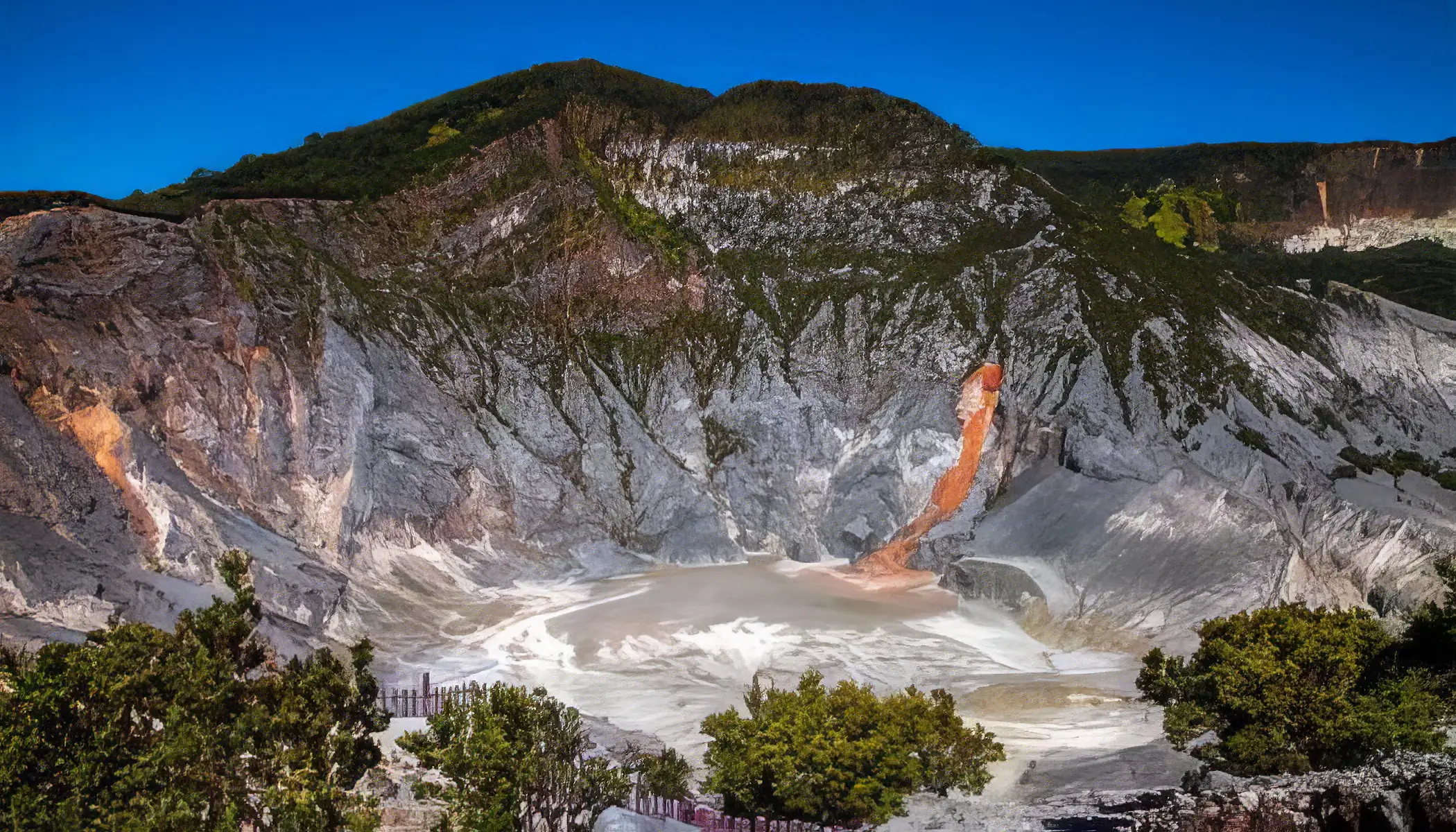
This city offers several interesting day trips within a short distance. Here are some suggestions:
– Tangkuban Perahu at 30 km: An active volcano with a scenic crater that you can explore.
– Kawah Putih at 50 km: A nice volcanic crater lake with striking turquoise water.
– Ciater Hot Springs at 32 km: Natural hot springs perfect for relaxation and therapeutic baths.
– Situ Patenggang at 47 km: A comfortable lake surrounded by tea plantations, ideal for picnics and boat rides.
– Cibodas Botanical Garden at 85 km: A large garden with diverse plant species and beautiful landscapes.
Attraction
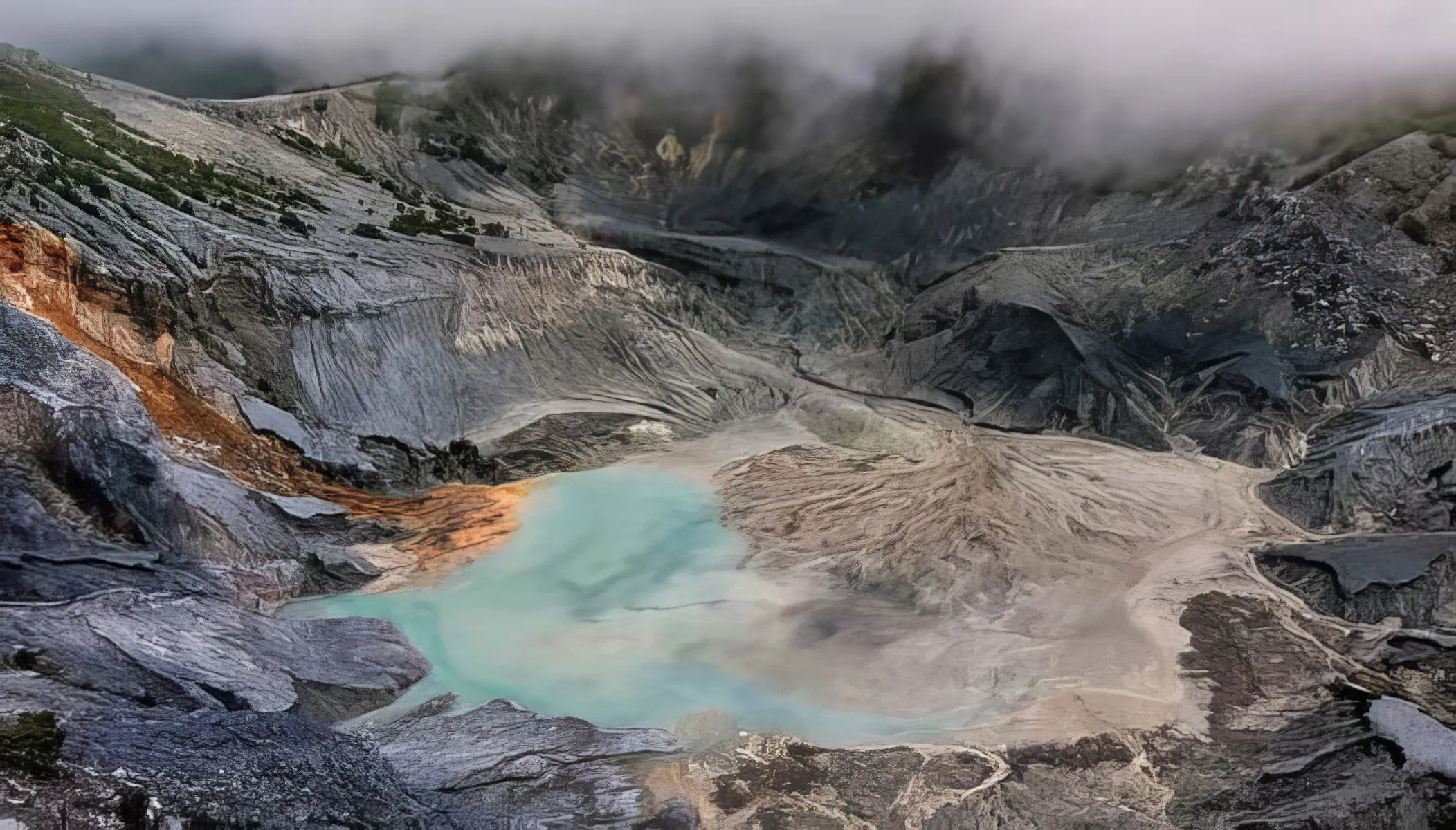
Known for its cool climate and colonial architecture, the city offers a mix of natural beauty and cultural attractions.
– Tangkuban Perahu: An active volcano with a scenic crater that you can explore and take photos of.
– Kawah Putih: A beautiful volcanic crater lake with milky white water and a surreal landscape.
– Braga Street: A historic street lined with cafes, boutiques, and colonial-era buildings.
– Saung Angklung Udjo: A cultural center showcasing traditional Sundanese music and dance performances.
– Trans Studio: One of the largest indoor theme parks in Southeast Asia, offering various rides and entertainment.
– Gedung Sate: An iconic government building known for its unique architecture and historical significance.
Activity
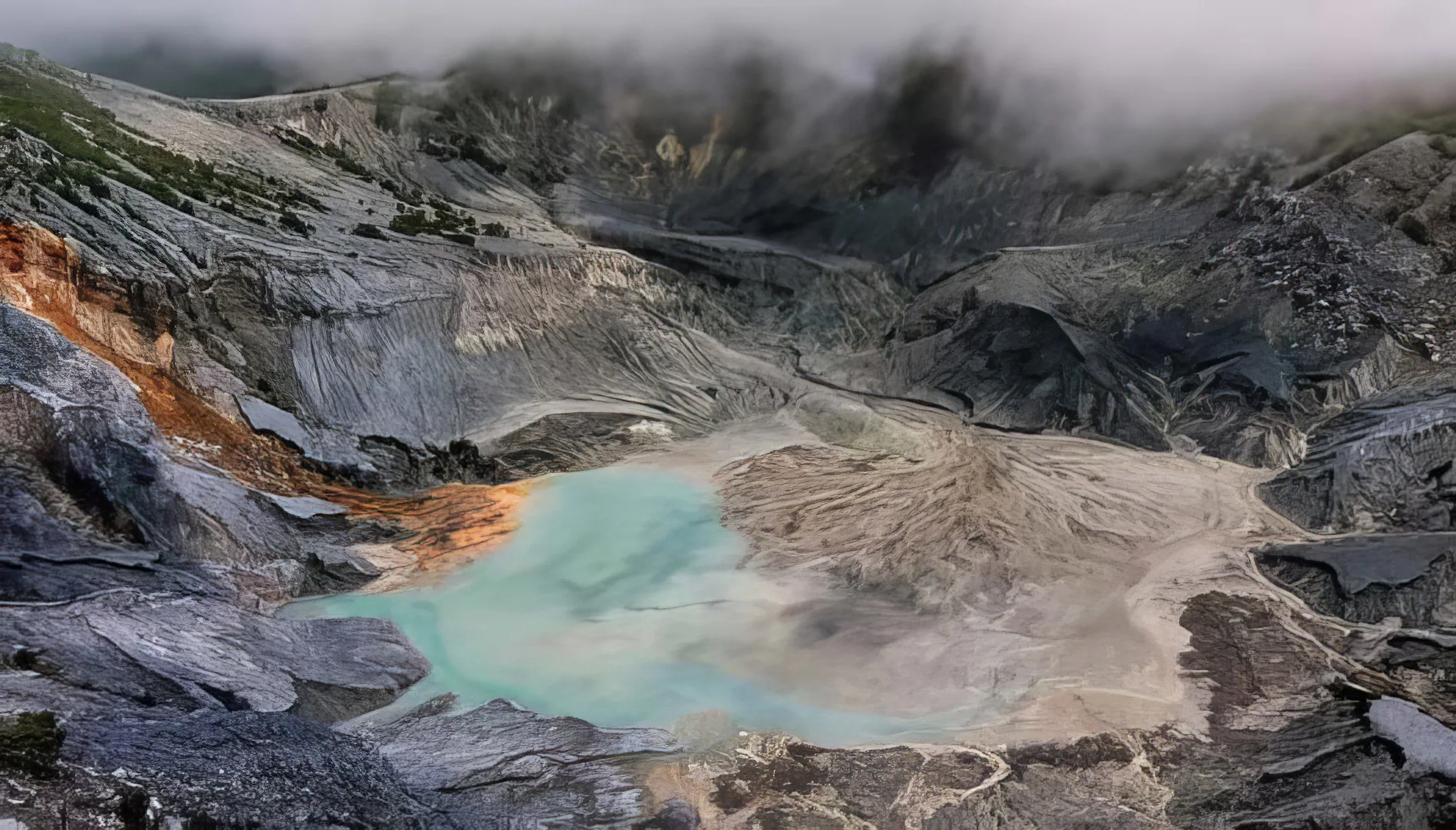
Bandung offers unique volcano hikes, hot springs, tea plantations, and cultural experiences.
– Tangkuban Perahu Volcano: Hike or drive to the crater of this active volcano.
– Kawah Putih: Visit a fascinating turquoise-colored volcanic crater lake.
– Ciwidey Tea Plantation: Explore tea fields and learn about tea production.
– Dusun Bambu: Enjoy family-friendly activities in a scenic bamboo-themed leisure park.
Cuisine
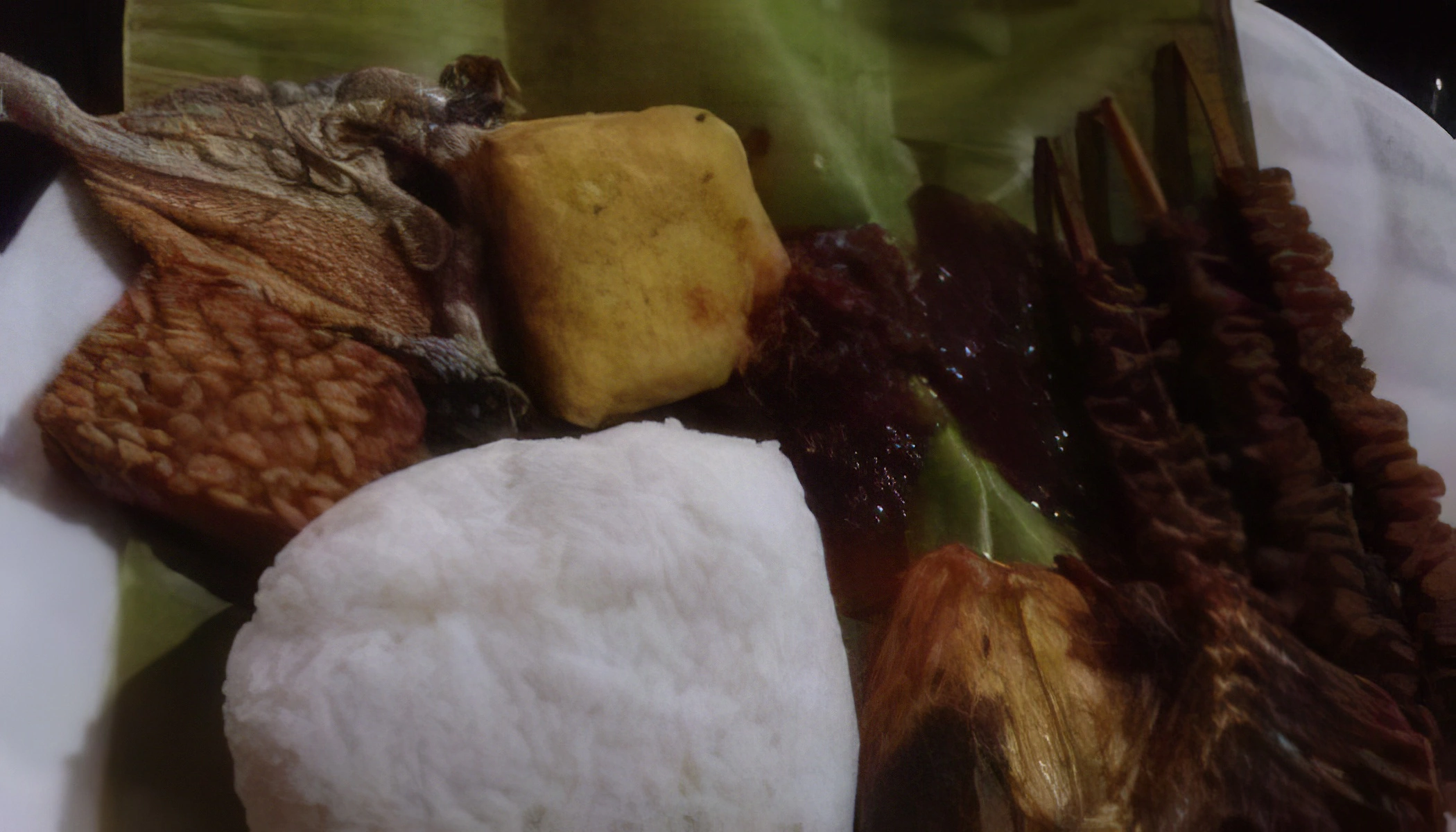
The city offers a charming food scene with a mix of traditional Sundanese cuisine and modern culinary innovations. Street food and local eateries are popular among both locals and tourists.
– Nasi Timbel: Steamed rice wrapped in banana leaves, served with fried chicken, tofu, tempeh, and sambal.
– Batagor: Fried fish dumplings served with peanut sauce.
– Siomay: Steamed fish dumplings with vegetables, served with peanut sauce.
– Mie Kocok: Beef noodle soup with bean sprouts, lime, and fried shallots.
– Surabi: Traditional pancake made from rice flour, often topped with sweet or savory ingredients.
– Colenak: Grilled fermented cassava served with sweet coconut sauce.
Shopping
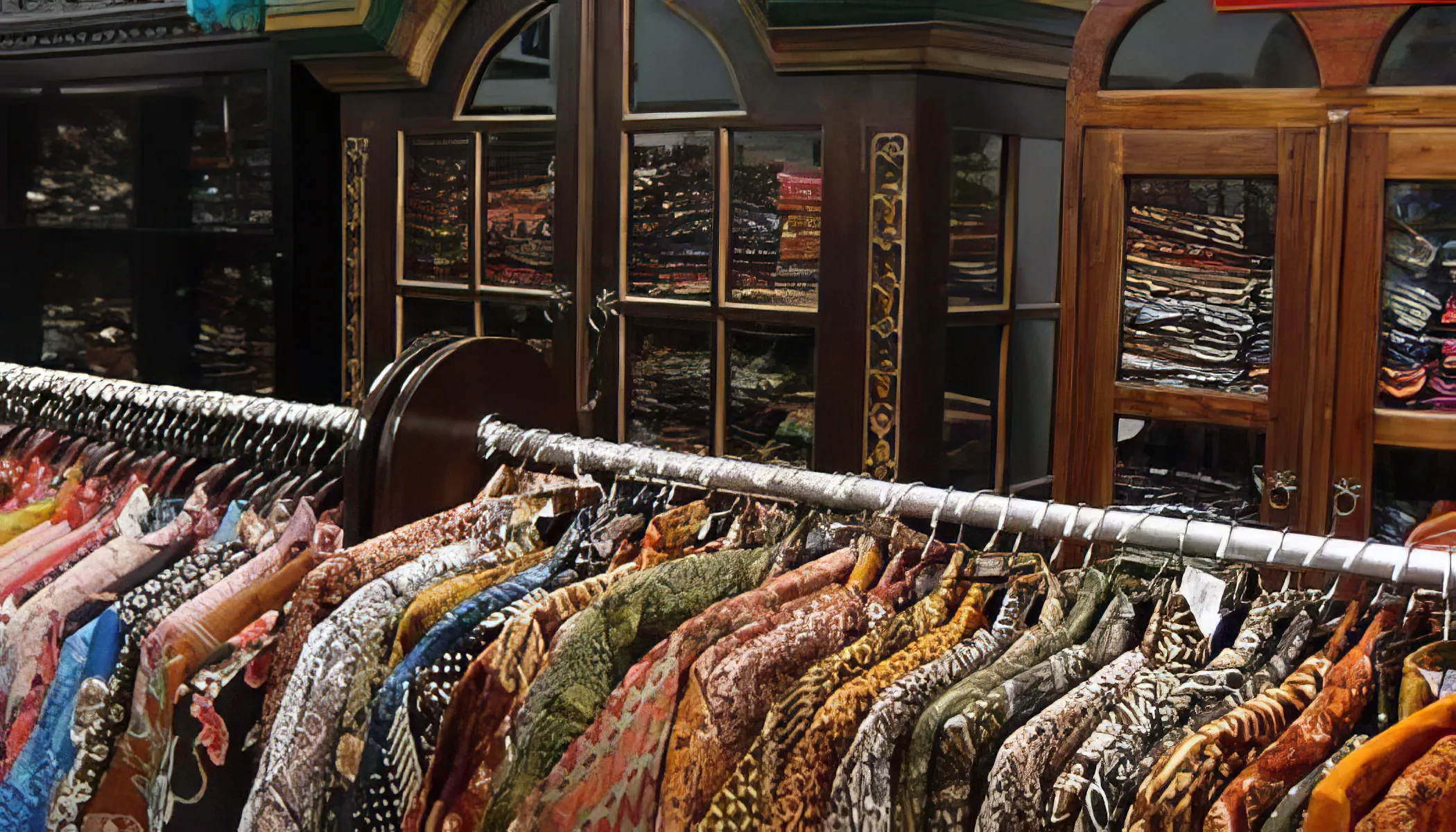
The city offers a beautiful shopping experience, particularly known for its factory outlets along Jalan Riau and Jalan Dago, where tourists can find branded goods at discounted prices. The floating market in Lembang is not only a place to shop but also to experience local culture and cuisine. For a unique gift, consider purchasing traditional Angklung, a musical instrument made of bamboo, or distinctively patterned Batik fabric, which reflects the local artistry. Another popular souvenir is the Wayang Golek, a traditional Sundanese puppet. These items not only serve as mementos but also support local artisans.
Arts & Culture
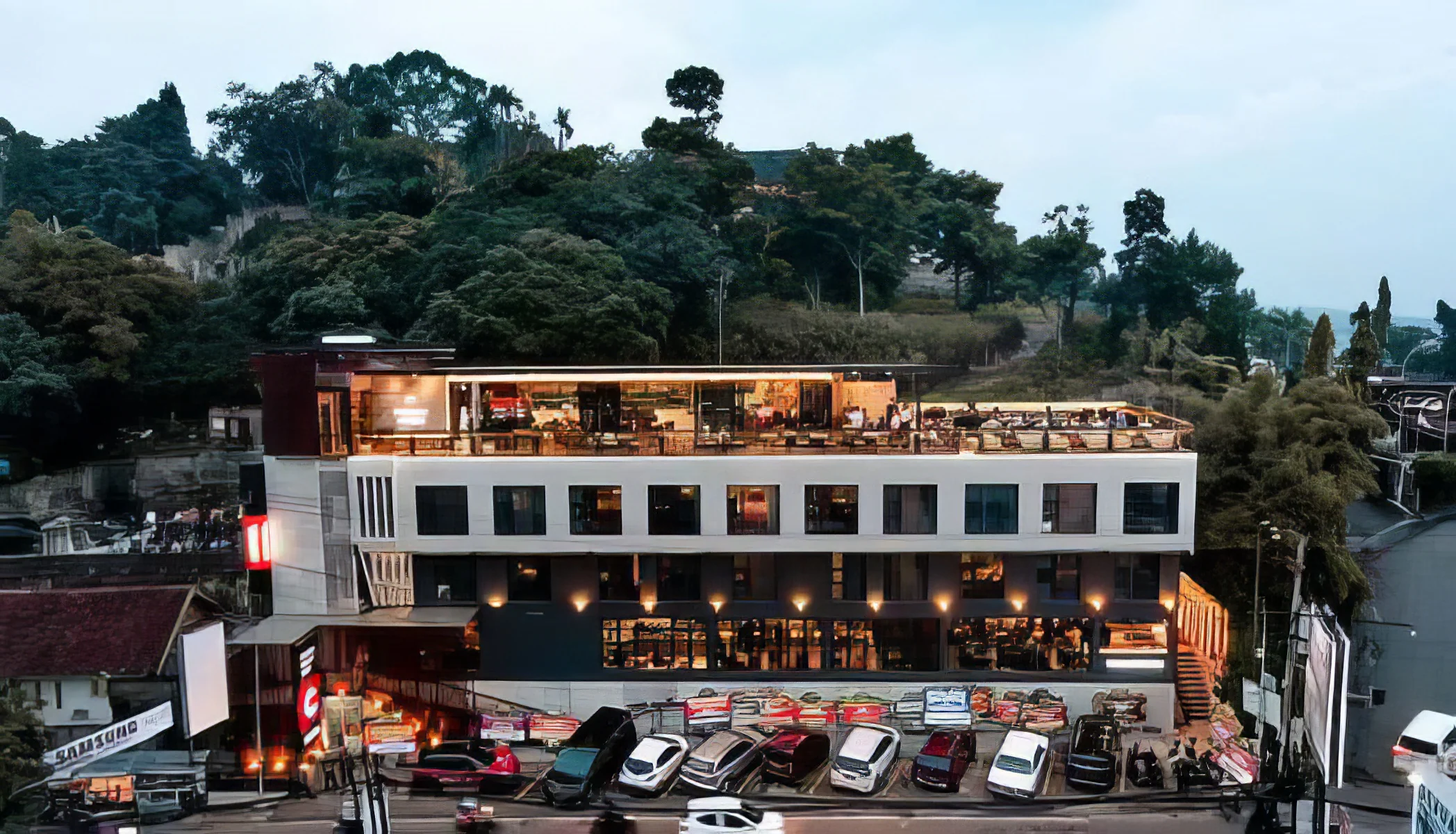
The city hosts the annual Bandung Creative Week, which showcases local fashion, design, and crafts, highlighting the region's charming creative industry. It is also home to the NuArt Sculpture Park, dedicated to the works of Indonesian sculptor Nyoman Nuarta, offering a blend of cultural art exhibits and dense green spaces. The Saung Angklung Udjo provides a cultural performance and workshop venue focused on the traditional Sundanese bamboo instrument, the angklung. Additionally, the city's art deco architecture from the colonial era adds a historical layer to its cultural landscape.