

Lombok: Best Things to Do & Top Attractions
Located east of Bali, this island is known for its immaculate beaches, the majestic Mount Rinjani, and traditional Sasak culture. It's a popular destination for surfing, hiking, and exploring local handicraft villages.
- Airport
- Zainuddin Abdul Madjid – Int'l.
- Est. Visit Days
- 5 days
Overview
Lombok, an island in Indonesia, is known for its beaches and surfing spots, particularly at Kuta and Banko Banko. The Gili Islands, off the northwest coast, are popular for diving and snorkeling. The island's Mount Rinjani is a massive volcano and a major climbing destination. However, Lombok can be prone to earthquakes, which may affect travel plans. Additionally, infrastructure on the island is not as developed as in more touristy areas like Bali.
Traffic & Transport
The city experiences moderate traffic, with peak congestion during rush hours and in popular tourist areas. The best means to explore the city is by motorbike, which offers flexibility to navigate through traffic and access narrower streets. For longer distances, renting a car with a driver is a convenient option, providing comfort and the ability to enjoy the scenic routes. Public buses are available but may not be the most efficient for tourists due to limited routes and crowded conditions. For reliable taxi services, Blue Bird is a well-known and trusted company, known for its metered fares and professional drivers. Additionally, the Gojek app offers both motorbike rides and car services, allowing for easy booking through the app with transparent pricing.
History
Historically, the city was once part of the Balinese kingdom in the 18th and 19th centuries, influencing its culture and architecture. It was later ceded to the Dutch East Indies in 1894, marking a shift in colonial control. The city's strategic location also made it a target during World War II, experiencing Japanese occupation from 1942 to 1945. This period significantly impacted local trade and economy. Post-independence, the city has thrived as a center for traditional crafts, particularly pottery and handwoven textiles, which are integral to its cultural identity.
Itinerary Sample
Explore Lombok over 5 days, experiencing its natural beauty, culture, and adventure. Here’s a suggested itinerary:
– Day 1: Arrive in Lombok, check into your hotel, and relax at Senggigi Beach, enjoying the sunset and local cuisine.
– Day 2: Visit the indigenous Sasak village to learn about local culture, then head to Kuta Beach for surfing or sunbathing.
– Day 3: Trek to the Sendang Gile and Tiu Kelep waterfalls in Senaru, and explore the surrounding luxurious forests.
– Day 4: Take a day trip to the Gili Islands for snorkeling, diving, and enjoying the natural beaches.
– Day 5: Explore Mataram, the capital city, visiting the Islamic Center and the Mayura Water Palace before departure.
Near Excursion
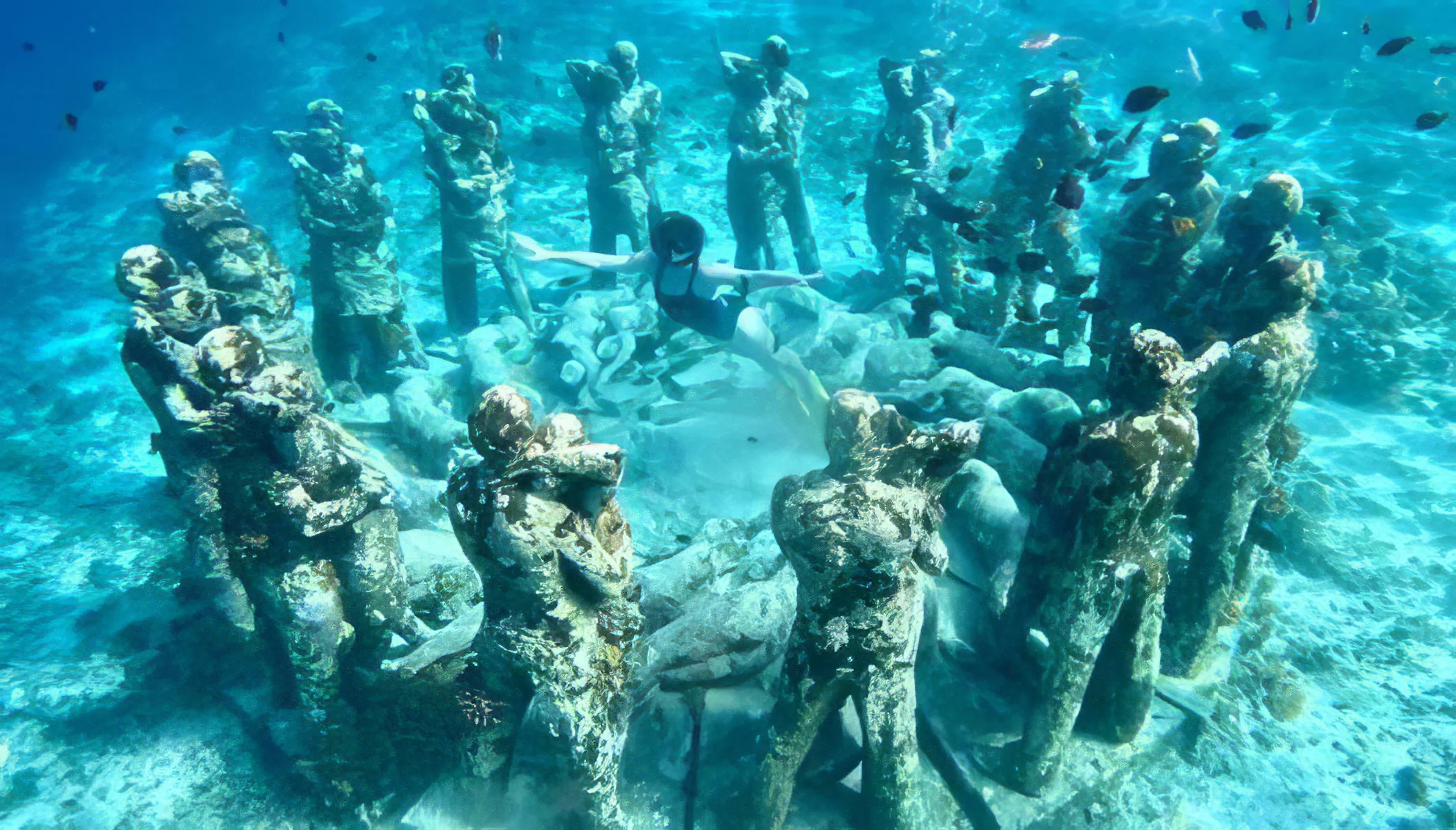
This island offers several interesting day trips for tourists. Here are some suggestions:
– Gili Islands at 35 km: Famous for their clear waters, snorkeling, and animated marine life.
– Mount Rinjani at 50 km: A challenging trek with beautiful views and a crater lake.
– Kuta Beach at 60 km: Known for its beautiful white sand beaches and surfing spots.
– Tiu Kelep Waterfall at 70 km: A scenic waterfall surrounded by lush jungle, perfect for a refreshing swim.
– Sembalun Village at 80 km: A traditional village offering cultural insights and beautiful mountain views.
Attraction
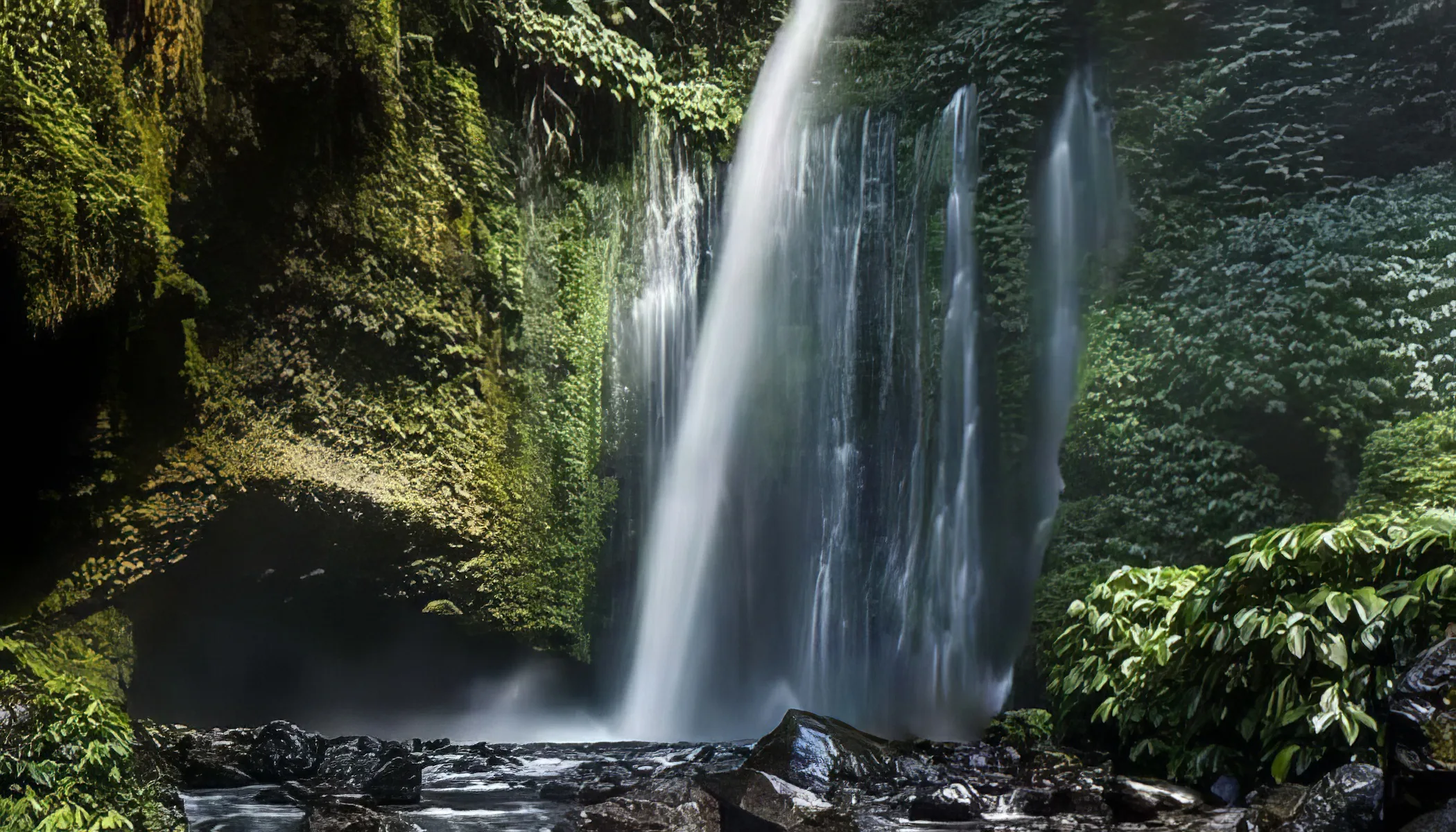
This city is known for its beautiful beaches, stunning landscapes, and cultural heritage.
– Mount Rinjani: A popular trekking destination with a scenic crater lake and hot springs.
– Gili Islands: Three small islands famous for clear waters, snorkeling, and animated nightlife.
– Kuta Beach: A great spot for surfing and enjoying white sandy beaches.
– Tiu Kelep Waterfall: A gorgeous waterfall located in a dense forest.
– Pura Lingsar: A unique temple complex that blends Hindu and Muslim traditions.
– Senggigi Beach: Known for its beautiful sunsets and relaxed atmosphere.
Activity
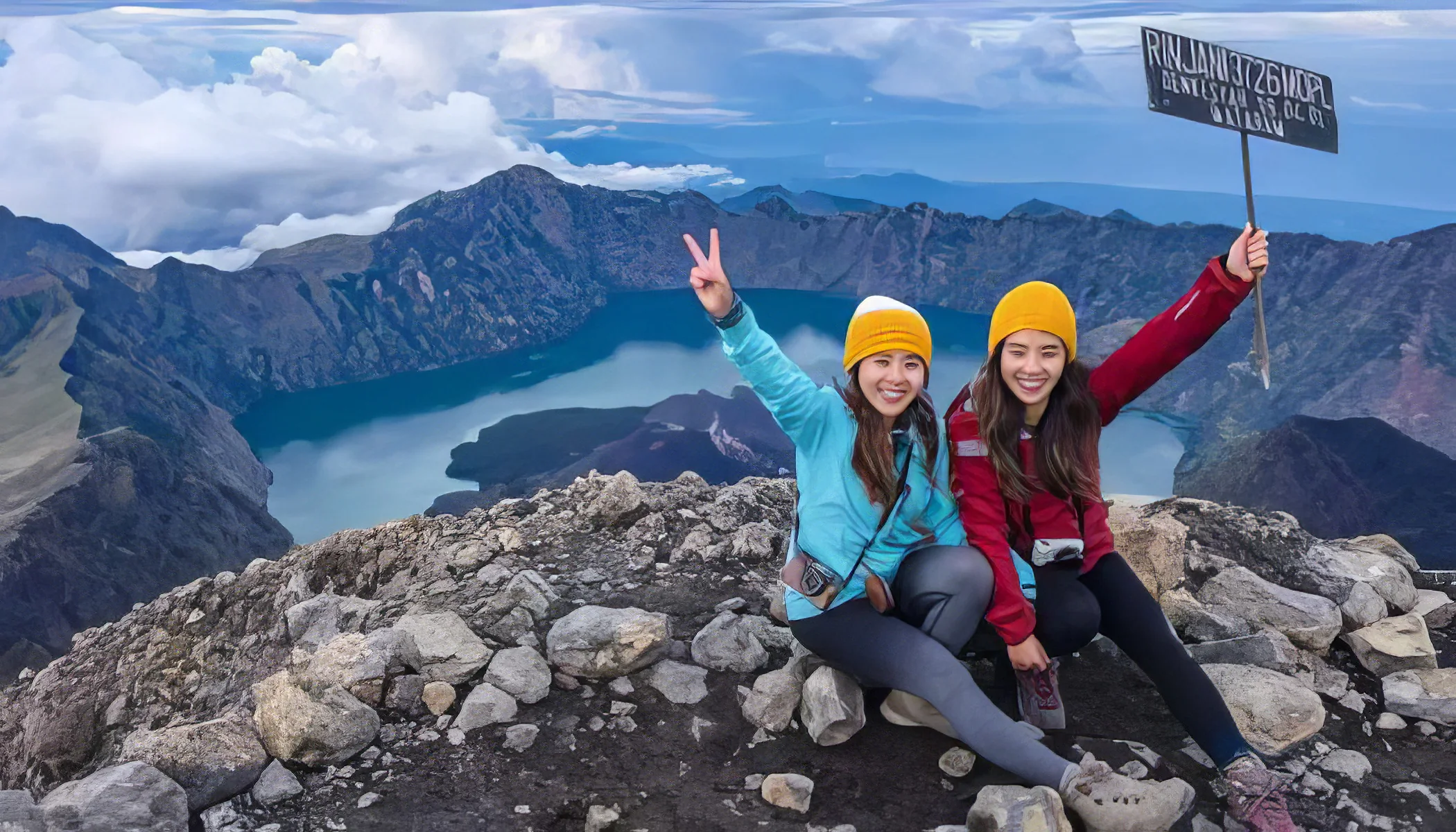
In Lombok, travelers can enjoy unique cultural experiences, beautiful beaches, and adventurous outdoor activities.
– Mount Rinjani Trekking: Hike to the summit of Indonesia's second-highest volcano for beautiful views.
– Sasak Village Tours: Visit traditional Sasak villages to learn about local customs and crafts.
– Gili Islands Snorkeling: Explore lovely coral reefs and marine life around the Gili Islands.
– Sasak Pottery Making: Participate in a pottery-making workshop to learn about traditional Sasak pottery techniques.
– Waterfall Chasing: Visit various waterfalls like Tiu Kelep and Sendang Gile for refreshing natural beauty.
Cuisine
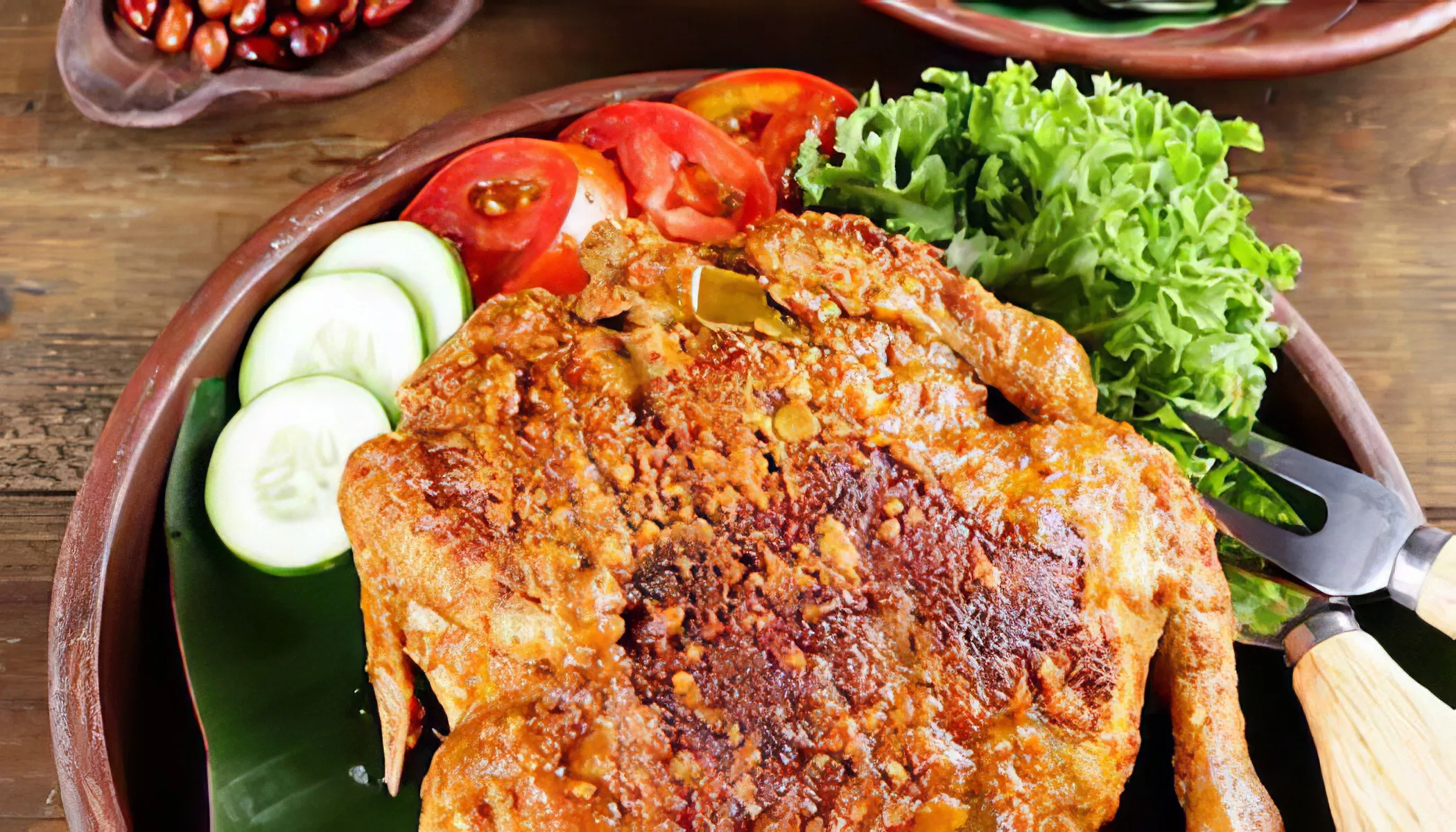
The city offers a beautiful food scene with a mix of traditional Indonesian flavors and unique local dishes. Street vendors and local markets are popular spots to explore.
– Ayam Taliwang: Spicy grilled chicken marinated with a blend of local spices.
– Plecing Kangkung: Water spinach salad served with spicy sambal sauce and peanuts.
– Sate Rembiga: Skewered beef marinated in a spicy, sweet sauce, then grilled.
– Nasi Balap Puyung: Spicy rice dish with shredded chicken, soybeans, and sambal.
– Bebalung: Hearty beef rib soup with a rich, spicy broth.
– Serabi: Traditional pancake made from rice flour and coconut milk, often served with sweet toppings.
Shopping
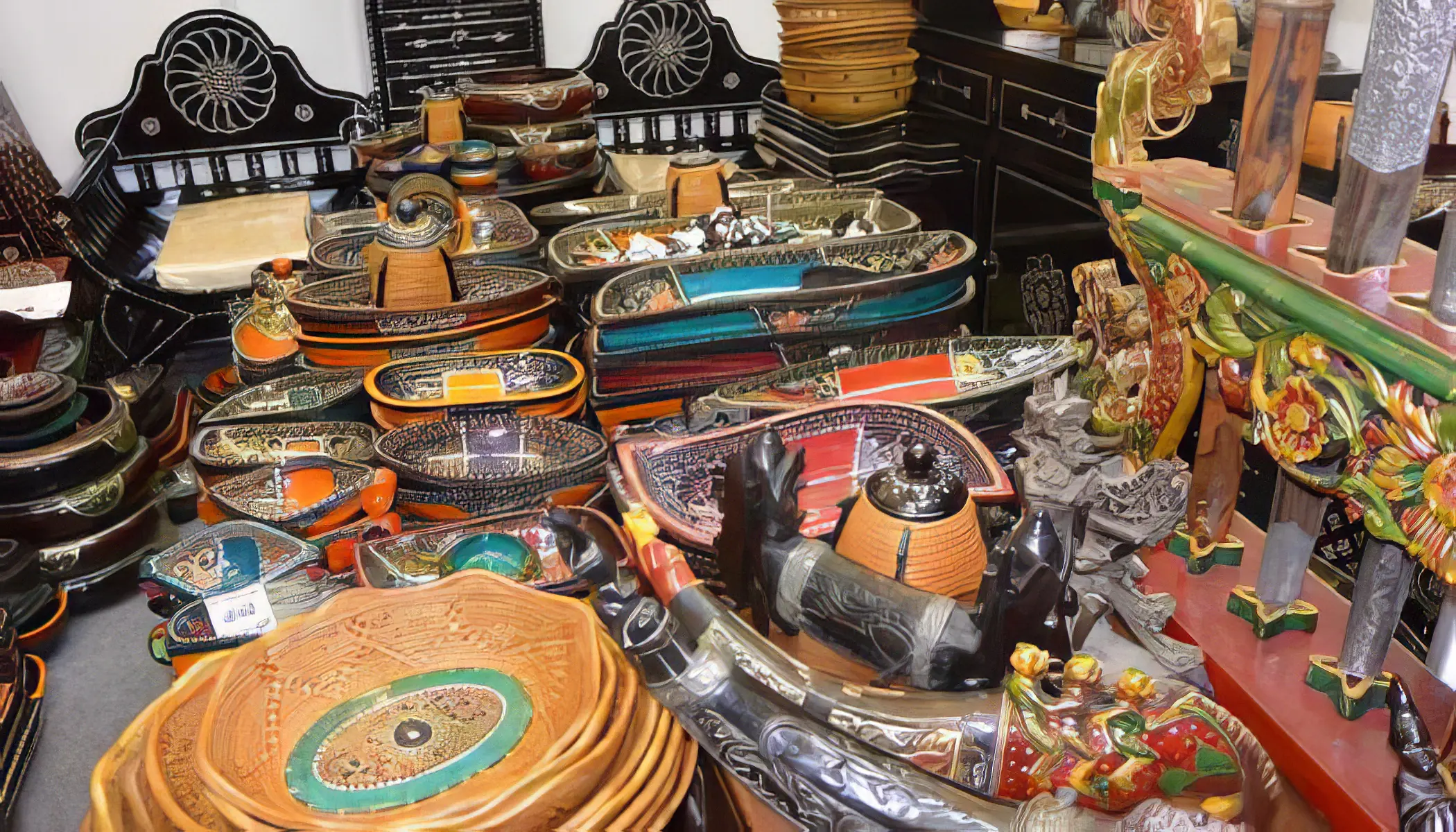
In the city, you can explore local markets like Cakranegara Market for unique handicrafts and textiles. Traditional Sasak fabric, known as ikat weaving, makes a great gift, showcasing intricate designs. Pearls and pearl jewelry are also popular, reflecting the area's connection to the sea. Pottery from local villages offers another authentic gift option, with distinctive styles and techniques. For a broader selection, Mataram Mall provides a variety of shops selling both local and international goods. These items not only serve as beautiful gifts but also support local artisans and their crafts.
Arts & Culture
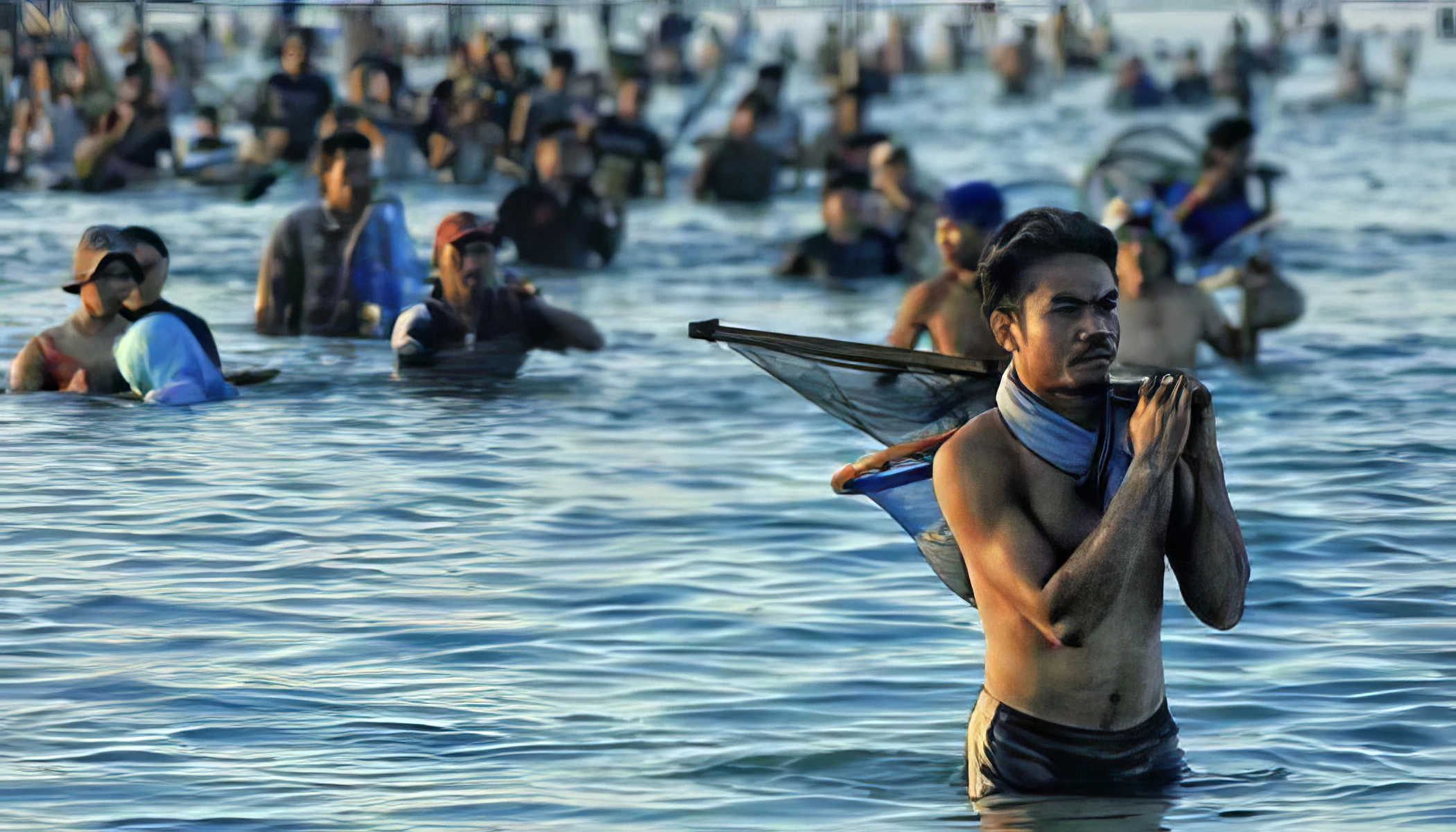
The city hosts the Bau Nyale Festival, a cultural event celebrating the annual sea worm harvesting ritual, which is rich in folklore and local tradition. Sasak Sade Village offers insights into the indigenous Sasak culture, showcasing traditional weaving and architecture. The city also features numerous traditional dance performances, such as the Gandrung and Cilokaq, which are integral to local celebrations and ceremonies. Art enthusiasts can explore local handicrafts, particularly pottery and basket weaving, which reflect the island's artisan skills.