

Makassar: Best Things to Do & Top Attractions
Located on Sulawesi's southwest coast, this city is a major port and commercial hub, known for its seafood, historic Fort Rotterdam, and as a gateway to the Tana Toraja highlands.
- Population
- 1.43 millions
- Airport
- Sultan Hasanuddin – Int'l
- Train Station
- Makassar Station
- Est. Visit Days
- 2 days
Overview
Makassar, located in Indonesia, is a pretty port city known for its rich history as a trading hub. The city offers a blend of traditional and modern attractions, with historical sites like Fort Rotterdam and the Trans Studio Makassar theme park. Makassar is also a gateway to the beautiful Tana Toraja region, famous for its unique culture and landscapes. However, the city can be quite hot and humid, which might be a challenge for some visitors. Additionally, infrastructure and public transportation in Makassar are still developing, which could affect travel convenience.
Traffic & Transport
The city experiences moderate traffic, with peak congestion during rush hours, particularly in the central areas. For tourists, the best means to explore the city are by using local public transportation, such as angkot (minivans) and becak (pedicabs), which offer a more immersive experience of the local culture. Renting a motorbike is also a convenient option for those comfortable with navigating through traffic. Taxis are available and provide a more comfortable and air-conditioned ride, especially for longer distances. For reliable taxi services, visitors can use Blue Bird Group, which is known for its professionalism and use of meters. Additionally, the Grab app is widely used for booking both taxis and motorbike rides, offering transparent pricing and the convenience of cashless transactions.
History
Historically, this city was a significant trading port in the pre-colonial era, known for its strategic location and as a center of spice trade. It was the site of the Gowa-Talloq War in the 17th century, a protracted conflict that eventually led to its control by the Dutch East India Company. This city was a crucial hub during the colonial period, facilitating trade between the East Indies and Europe. The city's culture reflects a blend of indigenous Bugis and Makassarese traditions, evident in its architecture, language, and performing arts. Today, it continues to celebrate its maritime heritage through annual cultural events and festivals.
Itinerary Sample
Here's a 2-day itinerary to explore Makassar, Indonesia: – First day: Visit Fort Rotterdam, explore the exhibits at Museum Negeri La Galigo, and enjoy the sunset at Losari Beach. – Second day: Take a trip to Samalona Island for snorkeling, then shop at Trans Studio Mall Makassar.
Near Excursion
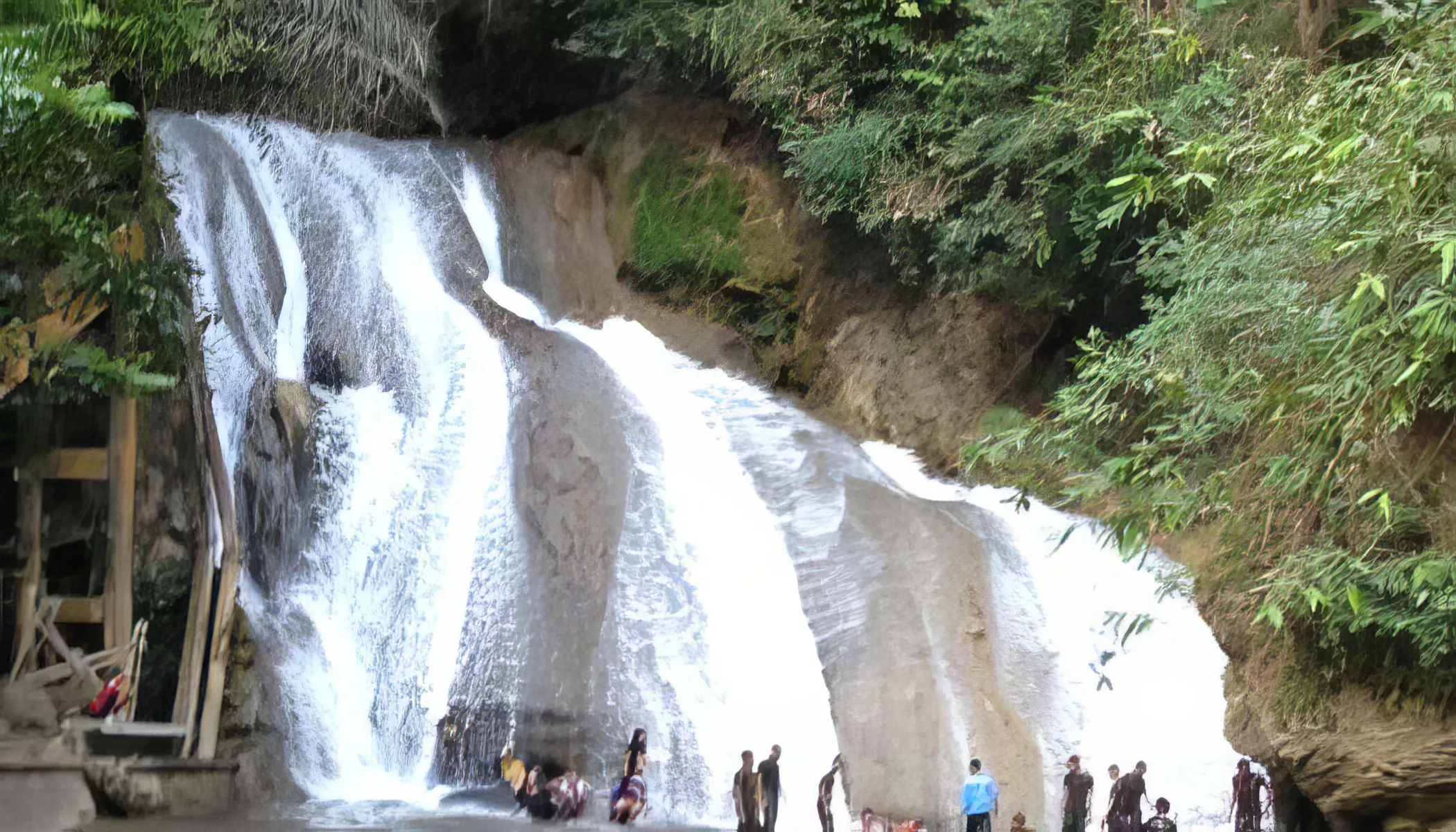
This city offers several interesting day trips within a short distance. Here are some options:
– Bantimurung Waterfall at 45 km: A scenic waterfall known for its butterfly conservation area.
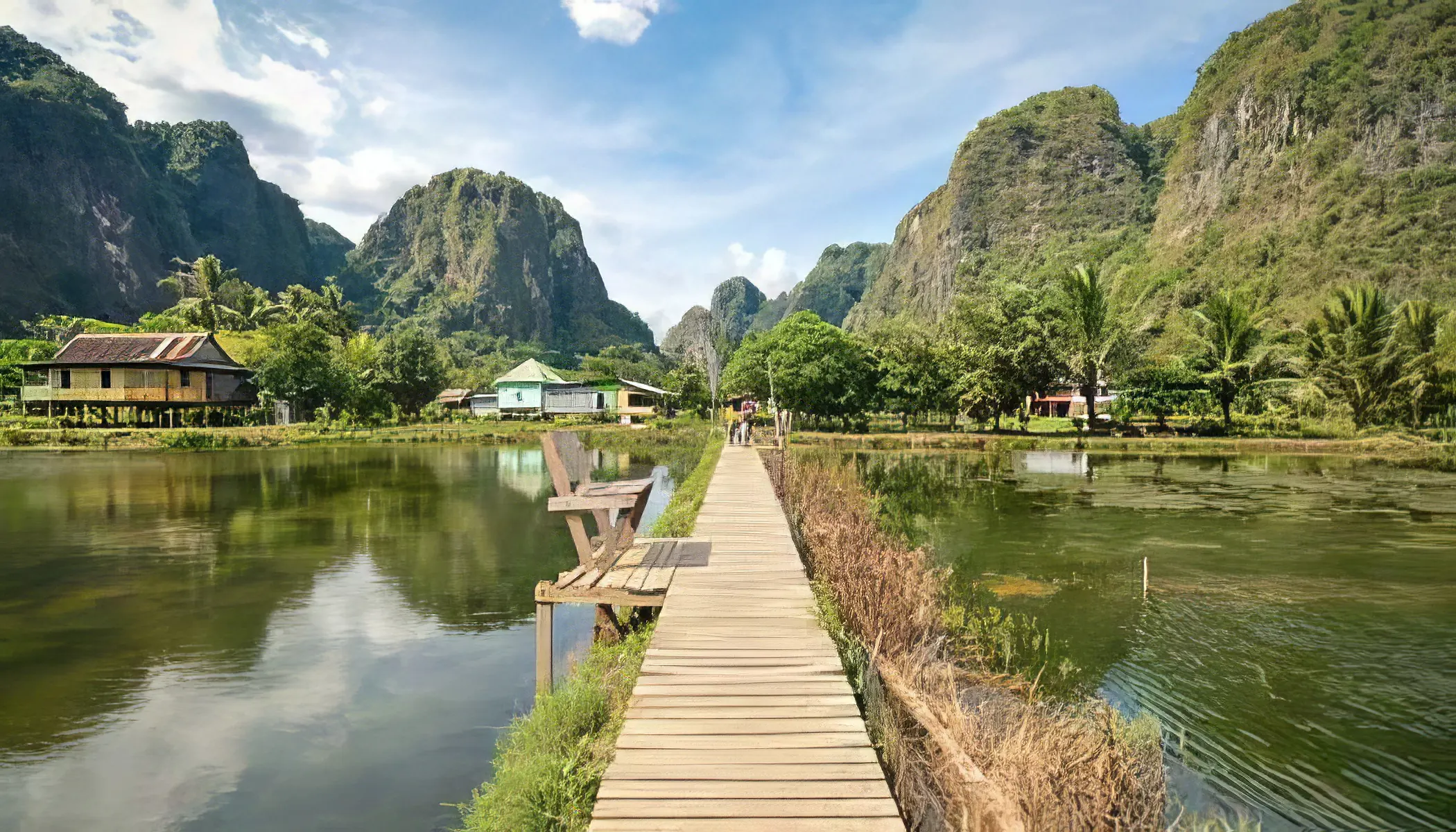
– Rammang-Rammang at 40 km: A karst landscape with handsome bright formations and boat tours.
– Leang-Leang Prehistoric Park at 50 km: Features ancient cave paintings and archaeological sites.
– Bira Beach at 130 km: A beautiful white sandy beach ideal for swimming and snorkeling.
– Malino Highlands at 70 km: A cool mountain retreat with tea plantations and scenic views.
Attraction
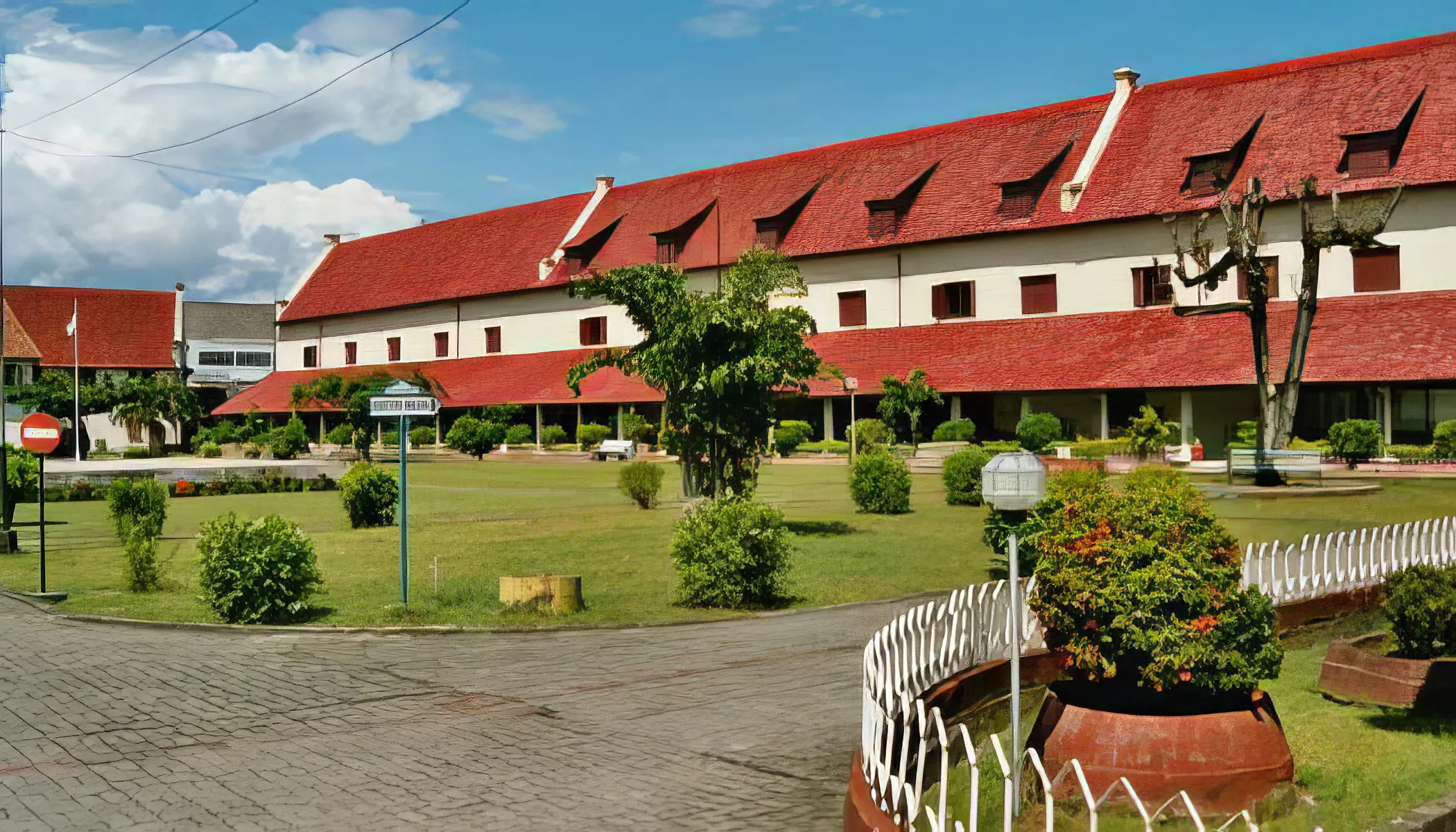
This city offers a mix of cultural heritage, historical sites, and natural beauty for tourists.
– Fort Rotterdam: A well-preserved Dutch fort showcasing local history and culture.
– Losari Beach: A popular spot for sunset views and street food.
– Trans Studio: One of the largest indoor theme parks in Southeast Asia.
– Paotere Harbor: A traditional port where you can see Phinisi boats.
– Bantimurung Waterfall: Known for its beautiful waterfall and butterfly conservation area.
– Samalona Island: A small island ideal for snorkeling and diving.
Activity
Makassar offers unique cultural experiences, historical sites, and natural wonders for travelers seeking authentic Indonesian adventures.
– Fort Rotterdam: Explore a well-preserved Dutch fort with historical exhibits and beautiful architecture.
– Losari Beach: Enjoy a sunset stroll along the beautiful promenade with local street food and sea views.
– Paotere Harbor: Witness traditional Bugis sailing ships and charming daily activities of local fishermen.
– Bantimurung Waterfall: Trek through a abundant national park to reach a fascinating waterfall and butterfly sanctuary.
Cuisine
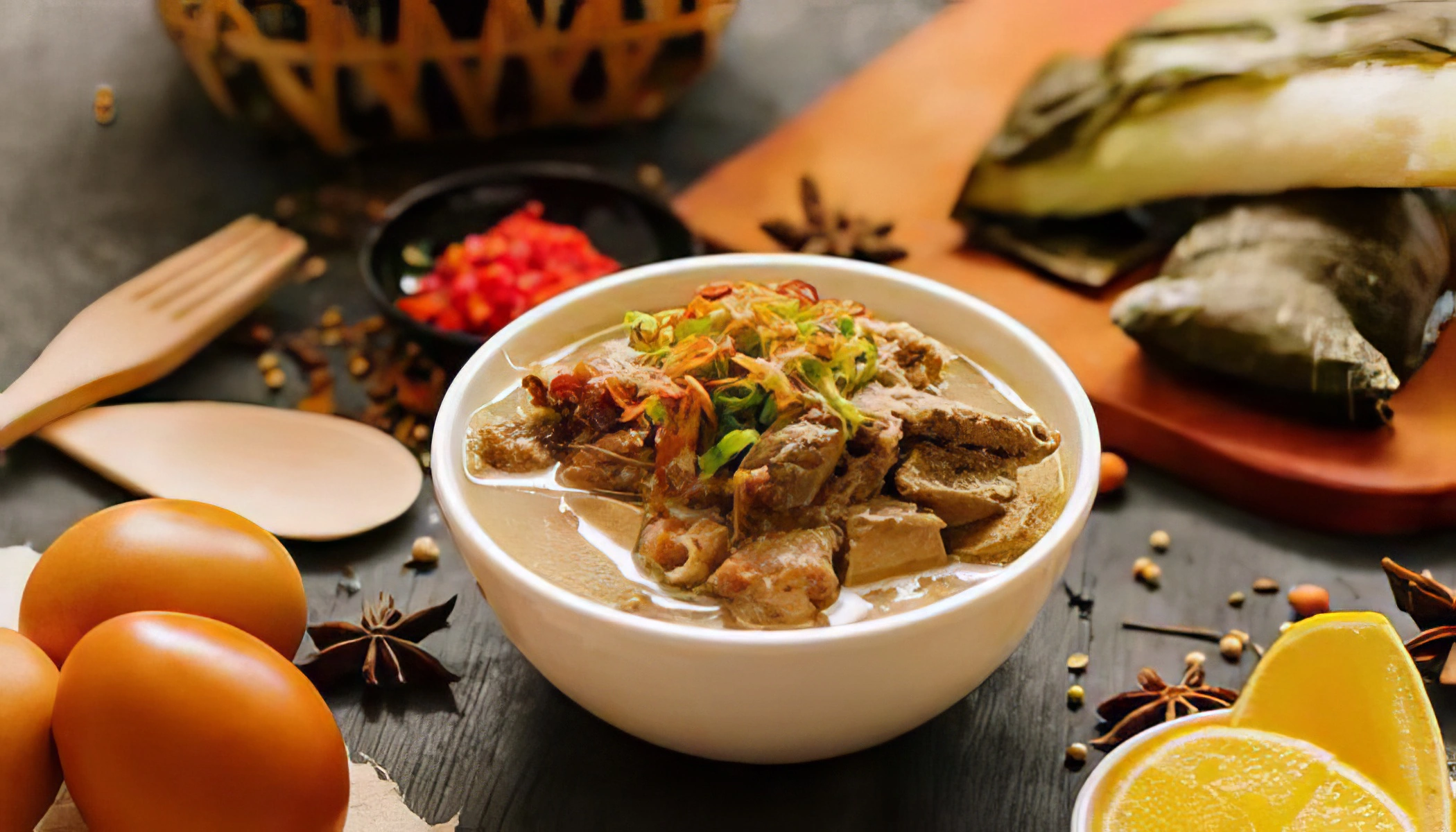
The city offers a rich culinary heritage with a variety of traditional dishes that reflect its coastal and cultural influences. Some of the city's most famous dishes include:
– Coto: A hearty beef soup with peanuts, spices, and served with rice cakes.
– Konro: Beef ribs stewed in a rich, dark broth made from various spices.
– Pallubasa: A savory beef soup similar to Coto but with added grated coconut.
– Pisang Epe: Grilled bananas flattened and topped with palm sugar syrup.
– Sop Saudara: A flavorful soup with beef, liver, and vermicelli noodles.
– Es Pisang Ijo: A dessert of steamed banana wrapped in green rice flour, served with coconut milk and syrup.
Shopping
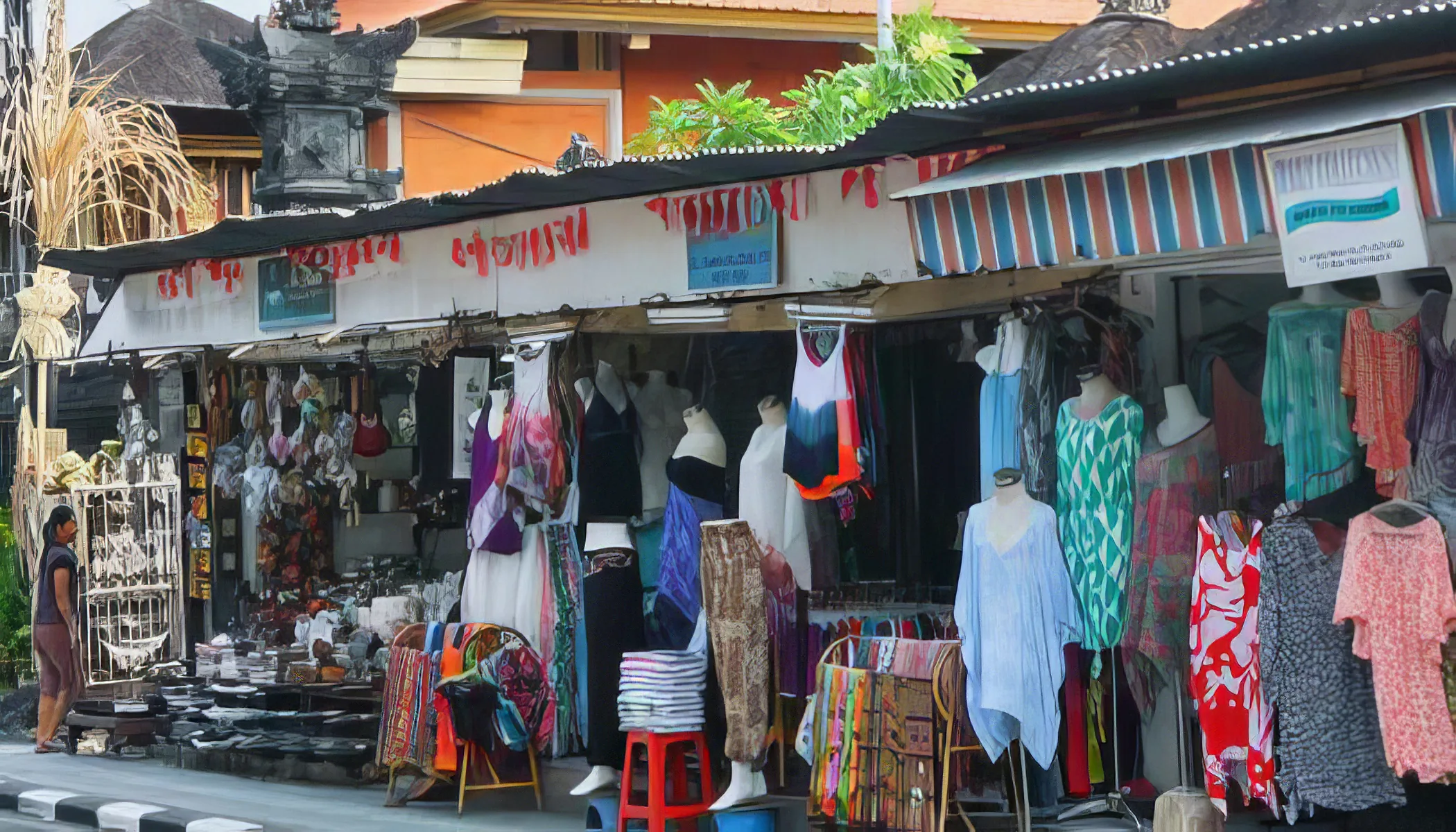
One of the best shopping experiences in the city is visiting the Trans Studio Mall, which offers a variety of local and international brands. For a unique gift, consider purchasing silk sarongs or traditional hand-woven fabrics known as "Sutera Bugis." These textiles are renowned for their quality and sophisticated designs, making them a special souvenir. Another popular gift item is the "Phinisi" wooden ship model, reflecting the city's maritime heritage. Additionally, local culinary treats like Pisang Epe (pressed grilled bananas) and Coto (a traditional meat soup) are available in packaged forms, ideal for gifts.
Arts & Culture
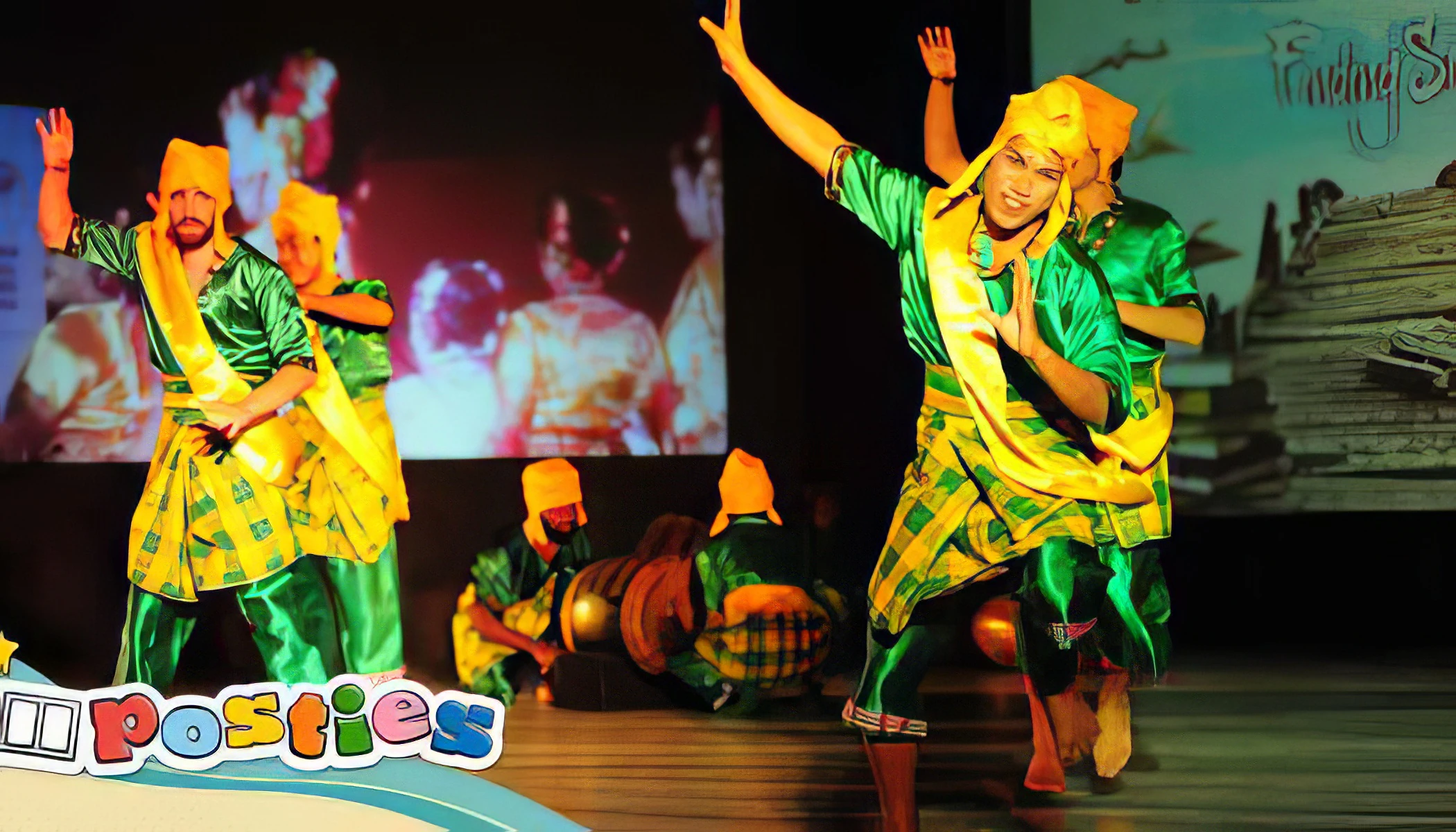
The city hosts the annual Makassar International Writers Festival, which is a significant event attracting authors, artists, and literary enthusiasts from around the globe. It is also known for its lively arts scene, including traditional dance and music performances such as the Pakarena and the musical instrument ensemble of the Angklung. The Fort Rotterdam Cultural Festival showcases local handicrafts, cultural performances, and historical exhibitions. Additionally, the city has several art galleries that feature contemporary and traditional art from local artists.