

Medan Travel Guide: Tourist Places & Activities
Located on Sumatra's northeastern coast, this city is the island's largest and serves as a diverse cultural hub with strong influences from various ethnic groups, including Batak, Chinese, and Malay communities. It's known for its culinary diversity and historical architecture.
- Population
- 2.55 millions
- Size
- 265 square km
- Airport
- Kualanamu – Int'l
- Train Station
- Medan Station
- Est. Visit Days
- 2 days
Overview
Medan, located in Indonesia, is the capital of North Sumatra and a major entry point to the western part of Indonesia. The city is known for its cultural diversity, with a significant population of Javanese, Batak, Malay, and Chinese inhabitants. Medan offers a variety of culinary experiences, including its famous street food scene and traditional Batak cuisine. However, the city faces challenges with traffic congestion and air pollution, which can detract from the overall experience. Additionally, while Medan serves as a hub for exploring the natural beauty of North Sumatra, such as Lake Toba and Bukit Lawang, the city itself may not have as many tourist attractions compared to other destinations in Indonesia.
Traffic & Transport
The city experiences heavy traffic congestion, especially during peak hours, which can significantly impact travel times. For tourists, the best means to navigate the city and explore its attractions are by using local buses, becak (pedicabs), and ojek (motorcycle taxis) for shorter distances. Renting a car with a driver is also a convenient option for those who prefer more flexibility in their itinerary. The Transjakarta bus system offers a relatively efficient way to travel between major points of interest. For reliable taxi services, Blue Bird is a well-known and trusted company, known for its professionalism and use of meters. Additionally, the Gojek app provides a convenient option for booking not only motorbike rides but also car rides, making it a versatile choice for various travel needs.
History
Originally a village called Kampung Medan, the city was established by Guru Patimpus in the 1590s. It grew significantly under Dutch colonial rule due to its strategic location as a center for tobacco and rubber cultivation. The city was a key target during World War II and suffered heavy bombing. Post-independence, it became a hub for government administration and commercial activities in North Sumatra. The city's cultural diversity is reflected in its architecture, cuisine, and annual events, such as the Medan Fair, which showcases local products and traditions.
Itinerary Sample
Explore Medan in two days with this focused itinerary:
– First day: Visit Maimun Palace, explore the Great Mosque of Medan, and enjoy local cuisine at Merdeka Walk.
– Second day: Tour the Tjong A Fie Mansion, visit Rahmat International Wildlife Museum, and shop at Sun Plaza.
Near Excursion
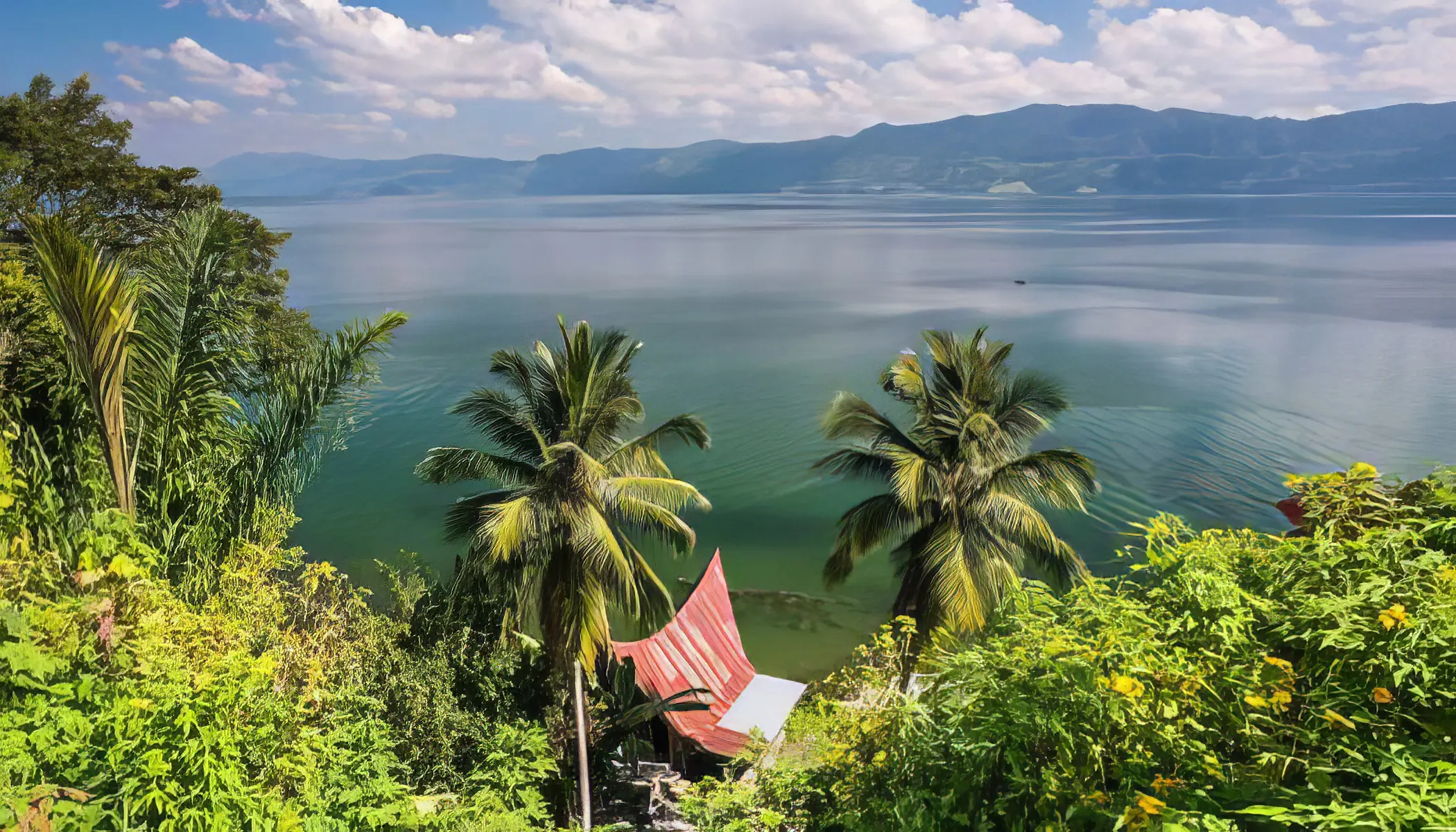
This city offers several interesting day trips within a short distance. Here are some suggestions:
– Lake Toba at 150 km: The largest volcanic lake in the world, ideal for sightseeing and relaxation.
– Berastagi at 70 km: A highland town known for its cool climate, fruit markets, and views of Mount Sinabung.
– Tangkahan at 100 km: A hidden paradise in the jungle, famous for its elephant sanctuary and natural hot springs.
– Bukit Lawang at 90 km: A gateway to Gunung Leuser National Park, known for its orangutan rehabilitation center.
– Samosir Island at 150 km: Located in the middle of Lake Toba, offering traditional Batak culture and scenic views.
Attraction
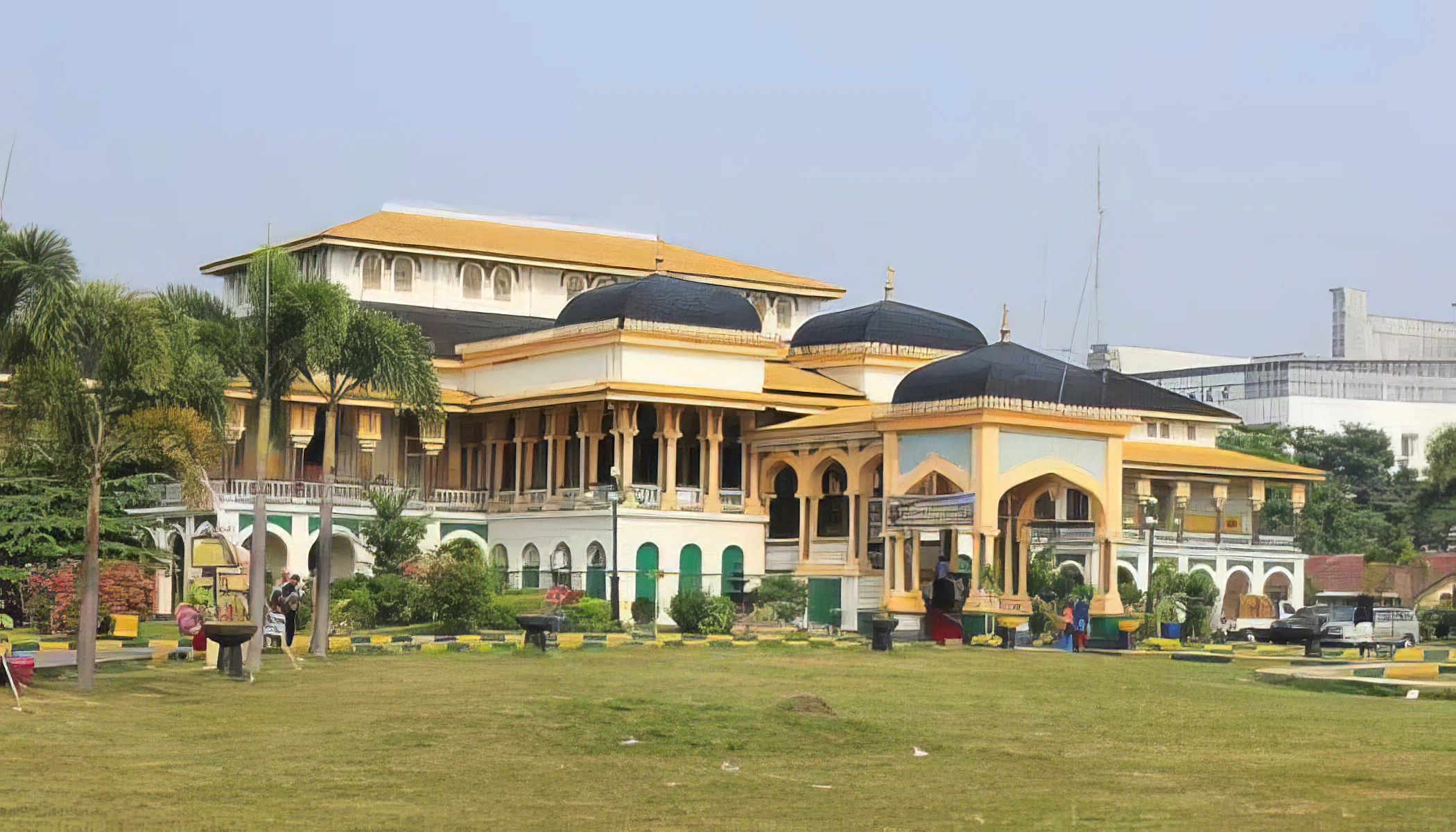
The city offers a mix of cultural heritage, historical sites, and natural beauty for tourists.
– Maimun Palace: A royal palace showcasing Malay and Islamic architecture, built in the late 19th century.
– Tjong A Fie Mansion: A well-preserved mansion reflecting Chinese, Malay, and European architectural styles.
– Great Mosque: An iconic mosque known for its grand design and historical significance.
– Lake Toba: A large volcanic lake with beautiful scenery and a popular spot for relaxation.
– Berastagi: A highland town famous for its cool climate, fruit markets, and views of volcanoes.
– Rahmat International Wildlife Museum: A museum featuring a vast collection of preserved animals from around the world.
Activity
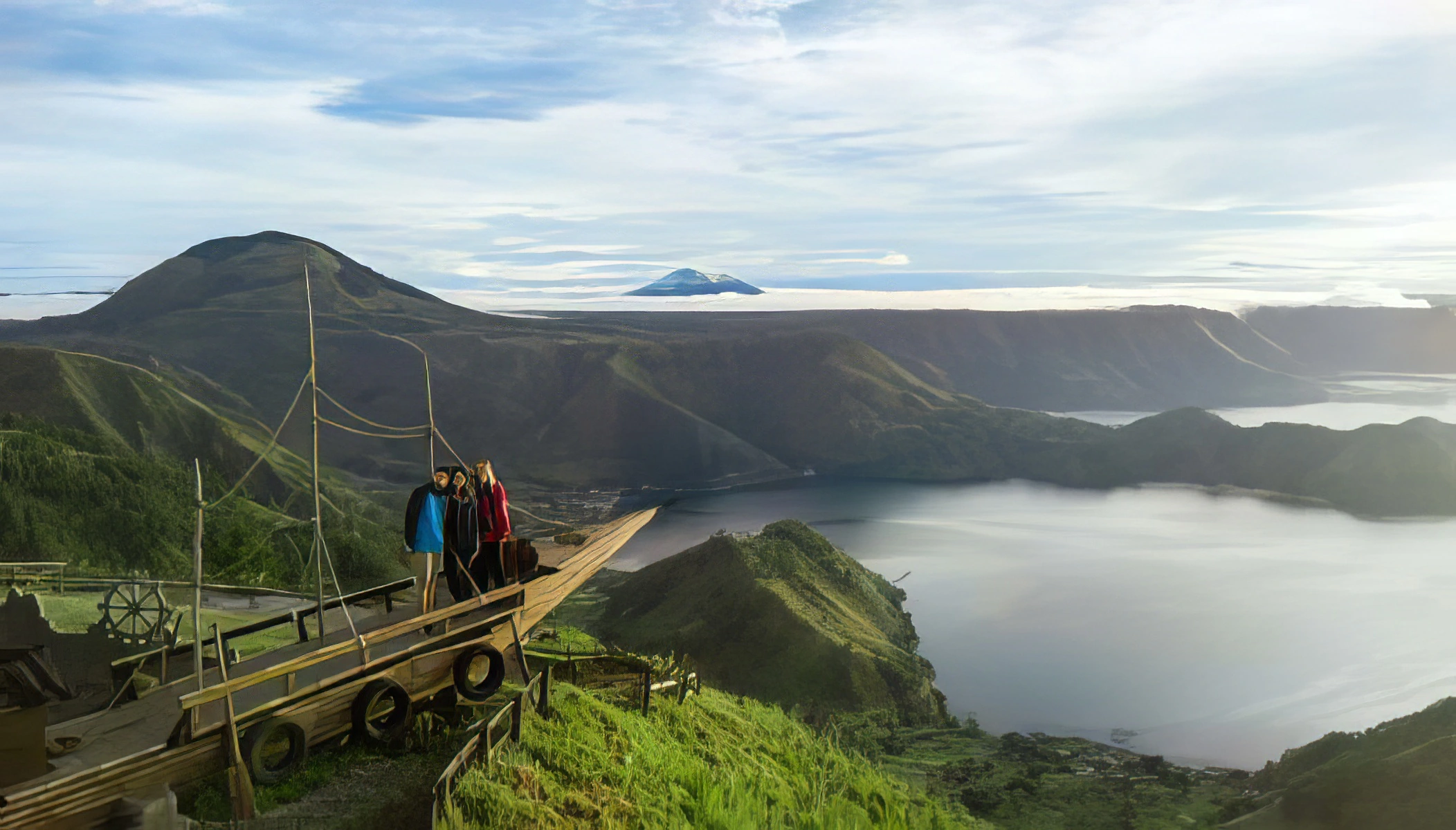
In Medan, travelers can explore unique cultural and culinary experiences, visit traditional markets, and enjoy nature excursions.
– Lake Toba: Visit the largest volcanic lake in the world, offering scenic views and water activities.
– Bukit Lawang: Trek in the rainforest to see orangutans in their natural habitat.
– Sipiso-Piso Waterfall: Witness a fascinating 120-meter waterfall near Lake Toba.
– Maimun Palace: Explore a historical royal palace with Dutch and Malay architectural influences.
– Medan Culinary Tour: Taste diverse local dishes on a guided food tour.
Cuisine
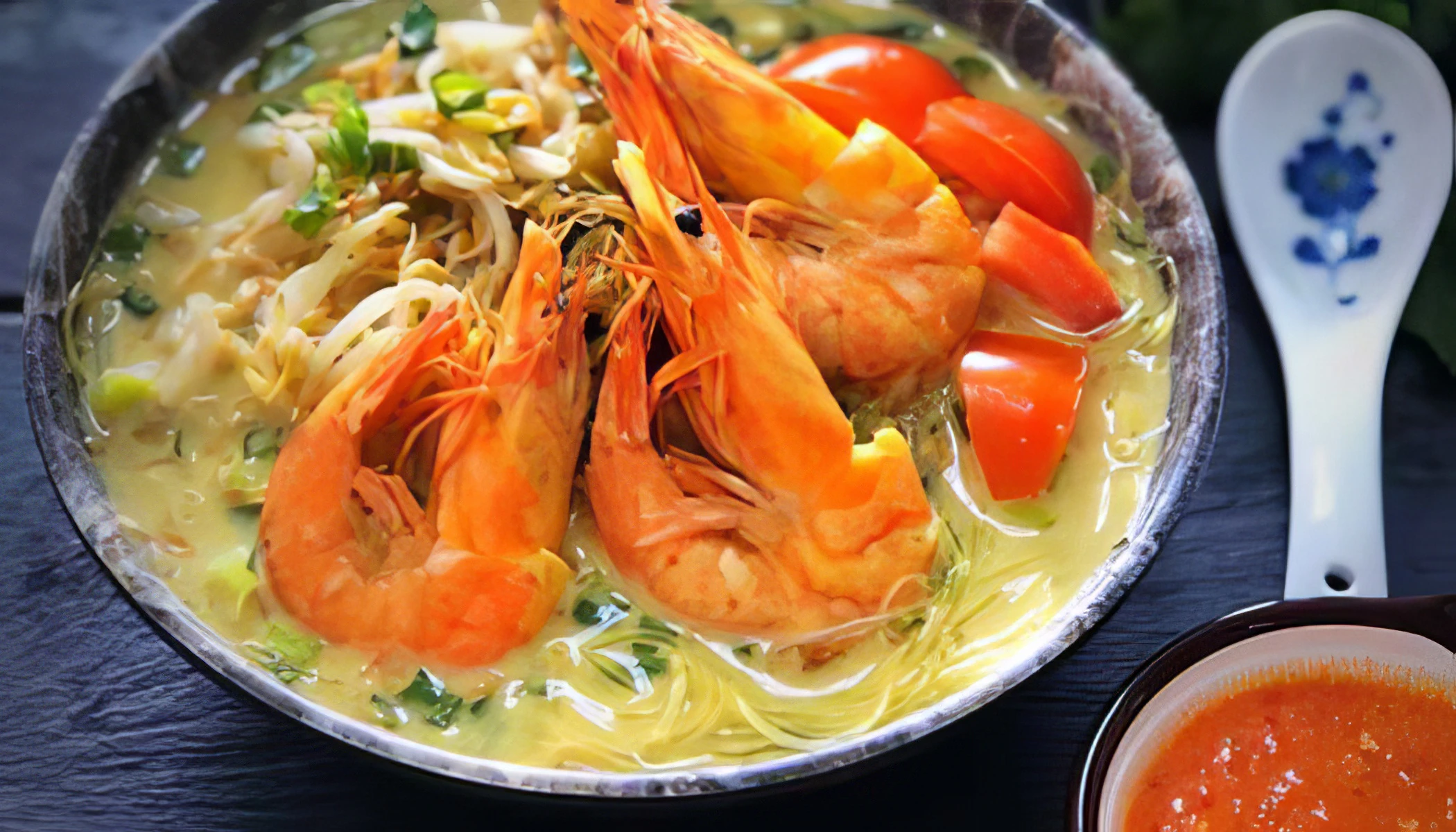
The city offers a rich culinary experience influenced by diverse cultures, featuring a variety of flavorful dishes and desserts. Some of the city's most famous dishes include:
– Soto: A traditional soup with meat, vegetables, and aromatic spices.
– Babi Panggang Karo: Grilled pork served with spicy sambal and rice.
– Mie Aceh: Spicy noodle dish with beef or seafood, rich in spices.
– Lontong Sayur: Rice cakes in coconut milk soup with vegetables and tofu.
– Durian Pancake: Soft pancakes filled with creamy durian fruit.
– Martabak: Savory or sweet stuffed pancake, often filled with meat or chocolate.
Shopping
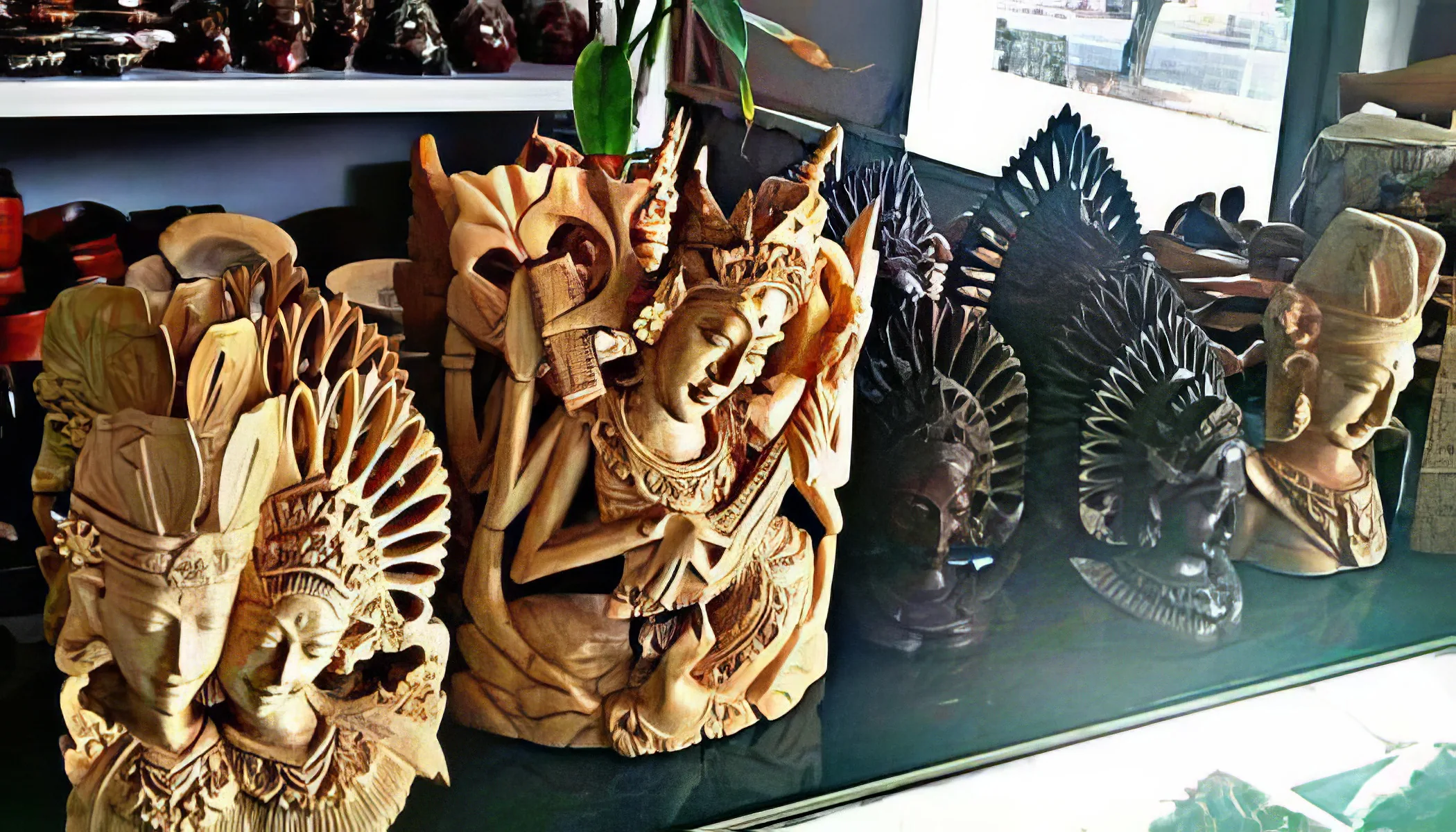
The city offers a attractive shopping experience, particularly at Sun Plaza and Medan Mall, where you can find a variety of local and international brands. For a unique gift, consider purchasing Ulos, a traditional Batak cloth, which is not only beautiful but also holds cultural significance. Another great option is to buy local coffee, as the region is known for its rich coffee plantations. Small, artisanal shops in the city also sell handmade crafts and jewelry, perfect for unique souvenirs. The Pasar Ikan Lama market is ideal for those looking for local spices and culinary ingredients. These items make thoughtful and authentic gifts for those back home.
Arts & Culture
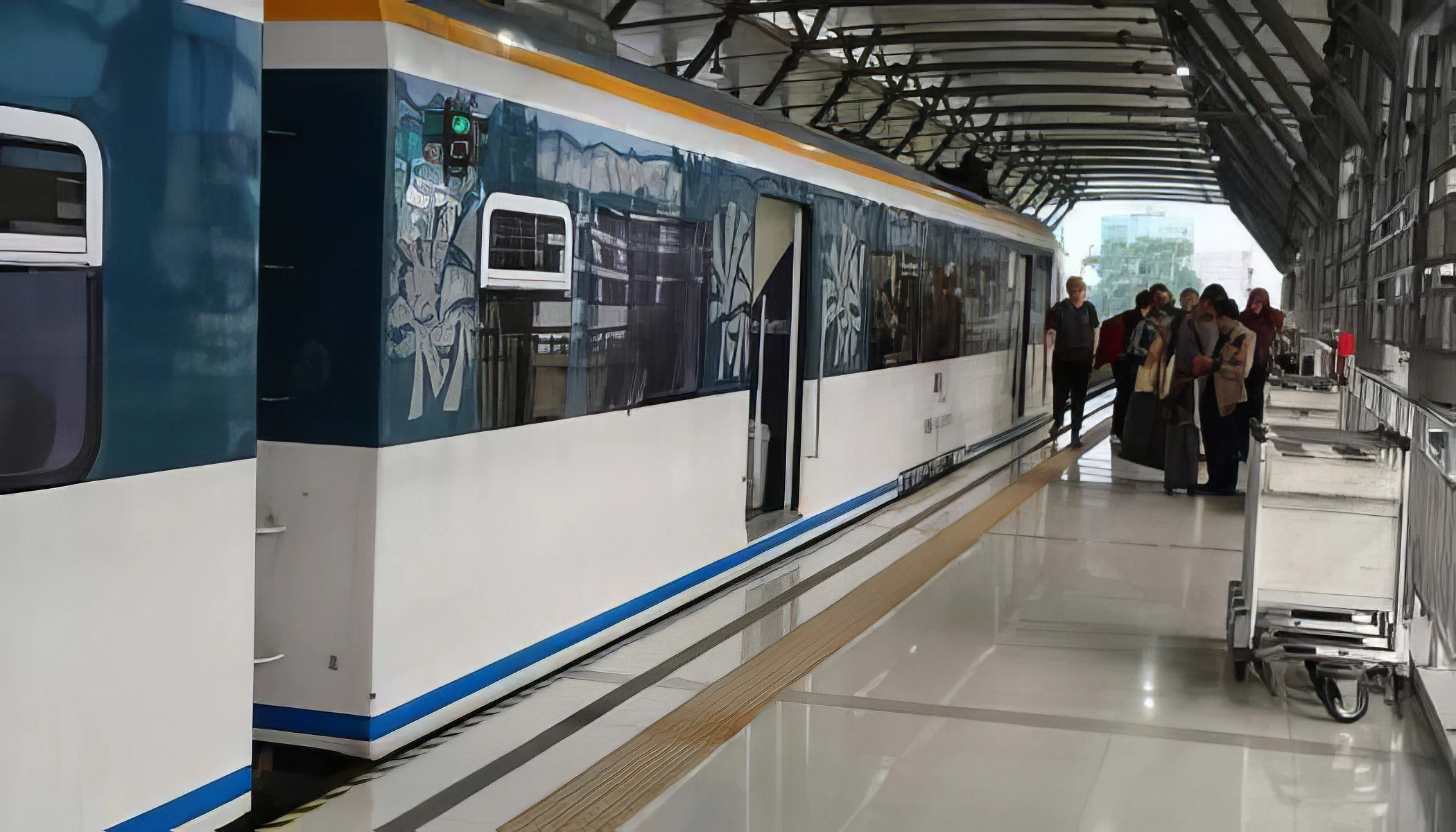
The city hosts the Lake Toba Festival, which showcases Batak culture through music, dance, and sporting events. It is also known for the Medan International Coffee Festival, celebrating the region's coffee culture with tastings and workshops. The city's diverse ethnic makeup is reflected in its arts scene, particularly during the Chinese New Year celebrations, which feature lion dances and fireworks. Additionally, the Maimun Palace offers insights into the royal heritage and architecture of the area.