

Semarang Travel Guide: Tourist Places & Activities
Located on Java's northern coast, this city is the capital of Central Java Province. Known for its Dutch colonial architecture, beautiful Chinatown, and the landmark Lawang Sewu building.
- Population
- 1.67 millions
- Size
- 373 square km
- Airport
- Achmad Yani – Int'l
- Train Station
- Tawang Station
- Est. Visit Days
- 2 days
Overview
Semarang, a city on the north coast of Java, Indonesia, is known for its blend of Javanese and Chinese cultures, reflected in its old town, religious sites, and culinary scene. The city's Old Town area, with its Dutch colonial architecture, is a major draw for history enthusiasts. Additionally, Semarang is home to the iconic Sam Poo Kong temple, a significant historical and cultural site. However, the city faces challenges with traffic congestion and occasional flooding, particularly during the rainy season. Despite these issues, Semarang offers a unique experience for those interested in exploring Indonesia's cultural and historical heritage.
Traffic & Transport
The city experiences moderate traffic, with peak congestion during rush hours, particularly in the central areas. For tourists, the best means to explore the city are by using a combination of traditional becak (pedicabs), app-based motorcycle taxis, and local buses. Becaks are ideal for short distances and offer a unique, cultural experience, while motorcycle taxis provide a quick way to navigate through traffic. Local buses are available for longer routes and are an economical option, although they can be crowded during busy times. For those preferring taxis, reliable companies include Blue Bird and Express, which are known for their professionalism and use of meters. Additionally, the ride-hailing app Gojek is widely used and offers both motorcycle and car rides, providing a convenient option for booking a ride directly from your smartphone.
History
Originally a fishing village, the city was established in the early 18th century by the Dutch East India Company as a strategic port for trade. It quickly grew into a significant center for the export of coffee, tea, and sugar during the Dutch colonial period. The city was a target during World War II and experienced significant damage. Post-independence, it became an important industrial and economic hub, particularly known for textiles and shipbuilding. This historical trajectory has left a cultural legacy reflected in its architecture, which blends Dutch colonial and Javanese influences.
Itinerary Sample
Explore Semarang's rich history and pleasant culture with this 2-day itinerary:
– First day: Visit the old city, Lawang Sewu, and Sam Poo Kong Temple. Enjoy local snacks at Simpang Lima.
– Second day: Explore the Blenduk Church, then head to Gedong Songo Temple and end the day at Umbul Sidomukti for scenic views.
Near Excursion
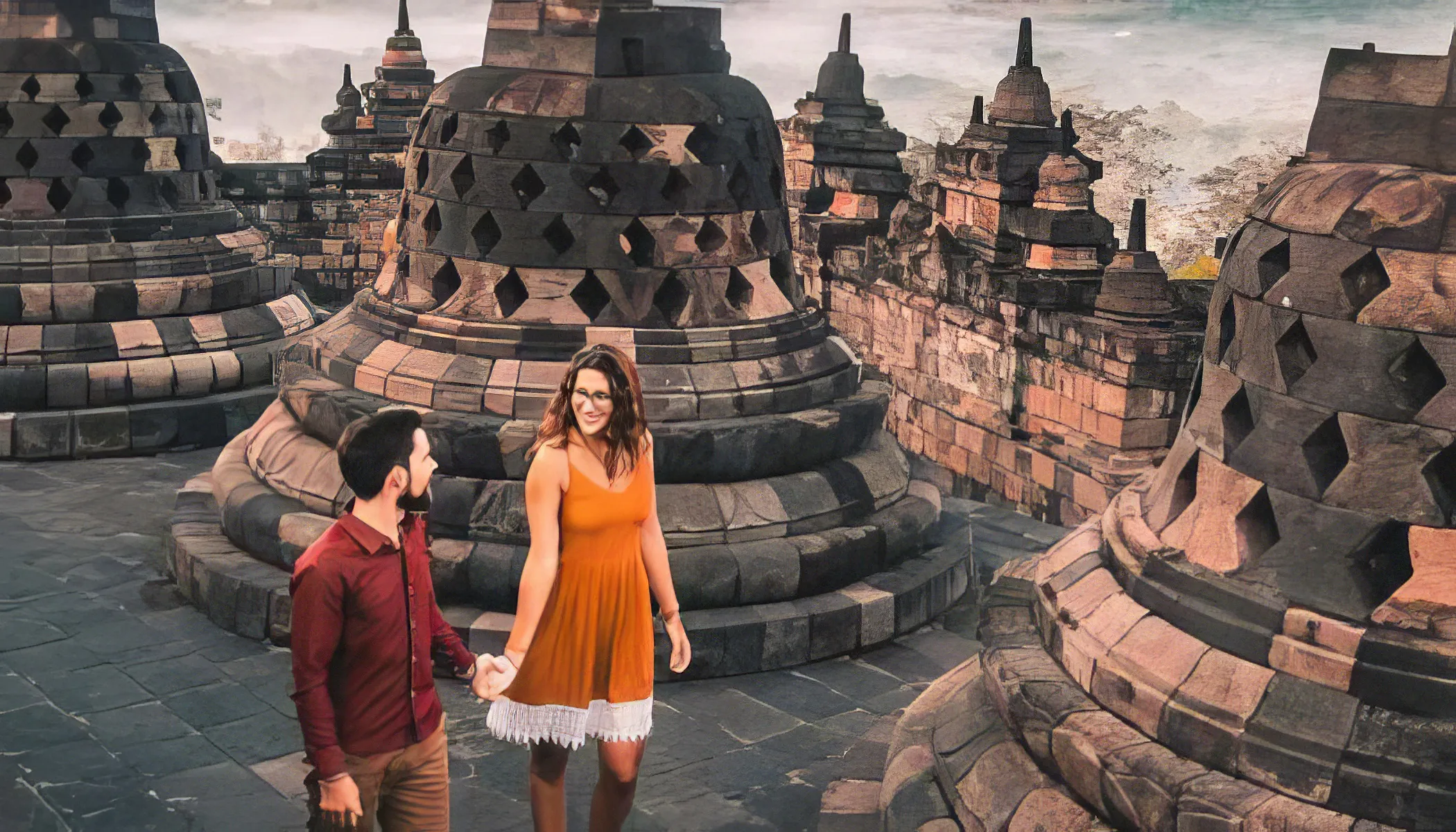
This city offers several interesting day trips within a short distance. Here are some suggestions:
– Borobudur Temple at 90 km: A UNESCO World Heritage site and the world's largest Buddhist temple.
– Gedong Songo Temple at 45 km: A group of Hindu temples located on the slopes of Mount Ungaran.
– Ambarawa Railway Museum at 30 km: A museum showcasing historical locomotives and offering scenic train rides.
– Dieng Plateau at 130 km: A highland area with ancient temples, colorful lakes, and geothermal activity.
– Karimunjawa Islands at 90 km (by ferry): A group of islands known for their beautiful beaches and marine life.
Attraction
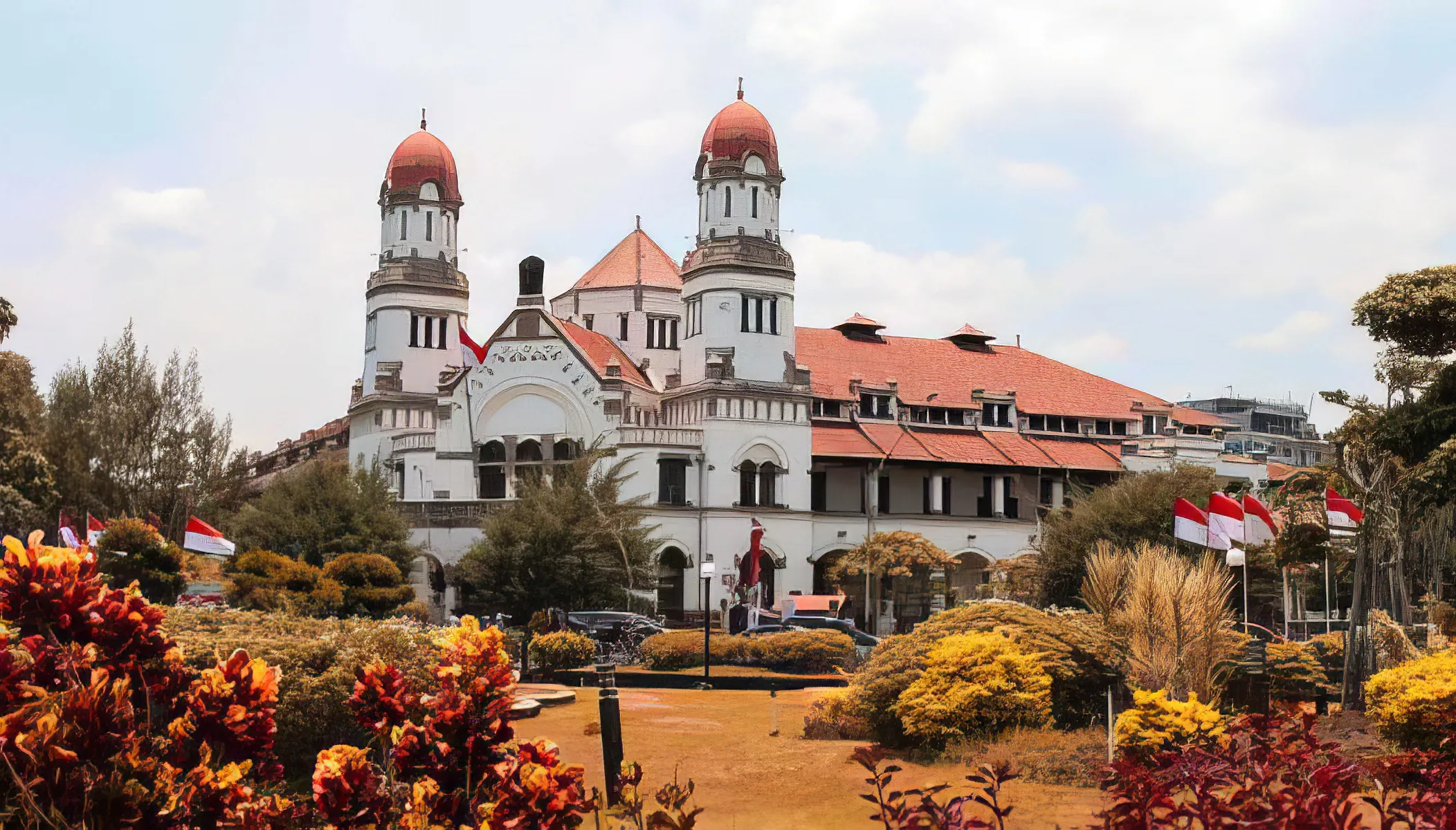
This city offers a mix of historical sites, cultural experiences, and natural beauty for tourists.
– Lawang Sewu: A historic building known for its Dutch colonial architecture and rumored haunted stories.
– Sam Poo Kong Temple: A large Chinese temple complex with beautiful statues and rich history.
– Kota Lama: An old town area with colonial buildings, cafes, and a nostalgic atmosphere.
– Simpang Lima: A lovely city square surrounded by shopping centers and local eateries.
– Tugu Muda: A monument commemorating the struggle for independence, located near Lawang Sewu.
– Brown Canyon: A natural canyon offering scenic views and a popular spot for photography.
Activity
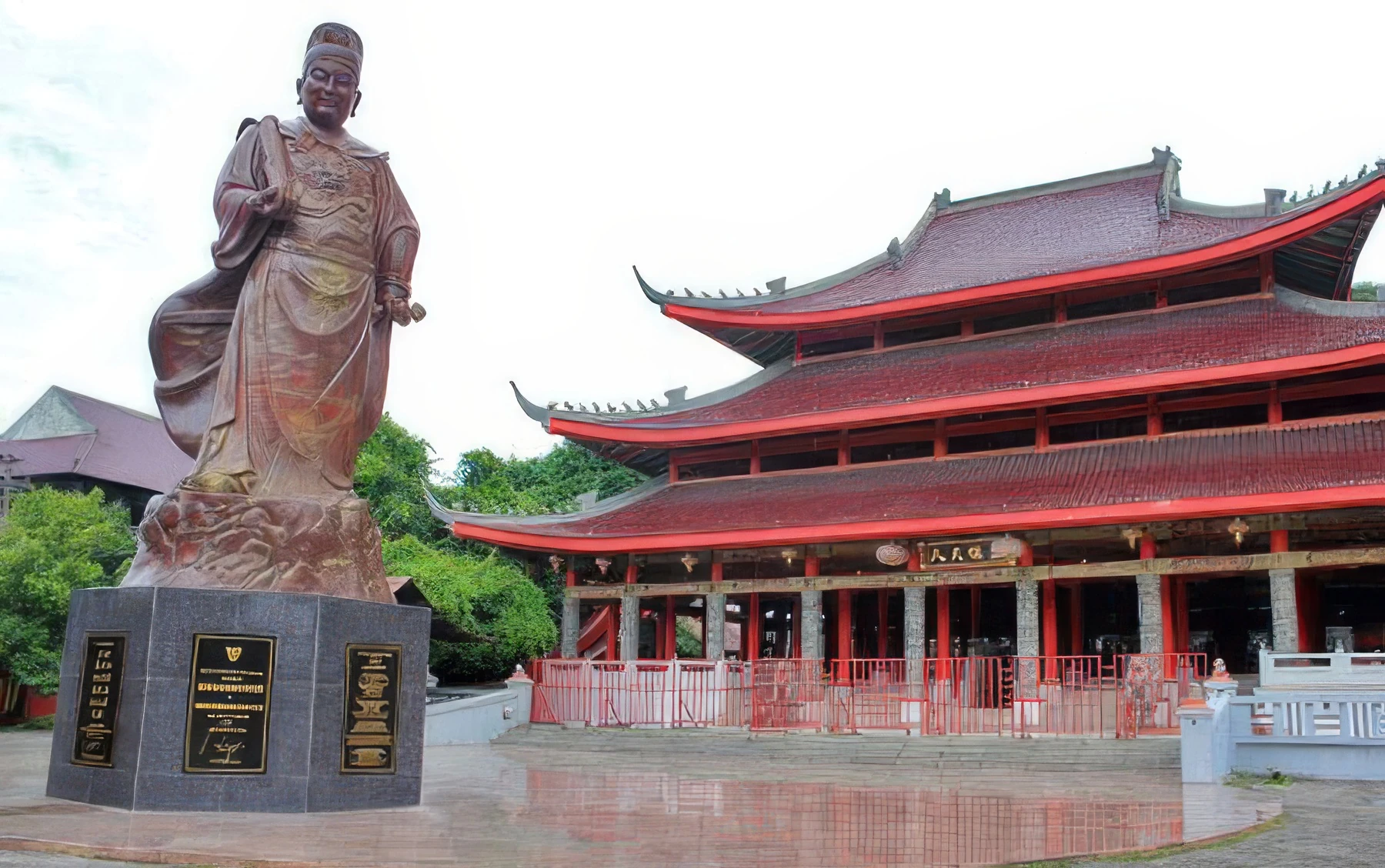
In Semarang, travelers can explore unique blend of Javanese, Chinese, and Dutch influences.
– Sam Poo Kong Temple: Historical Chinese temple with cultural significance.
– Lawang Sewu: Iconic colonial building with a thousand doors.
– Blenduk Church: Oldest Protestant church in Central Java.
– Semarang Old Town: Stroll through well-preserved colonial architecture.
– Marina Beach: Relax on a sandy beach with a view of the city.
Cuisine

The city offers a rich culinary heritage with a mix of Javanese, Chinese, and Dutch influences. Street food and traditional markets are popular spots to explore local flavors. Some of the city's most famous dishes include:
– Lumpia: Spring rolls filled with bamboo shoots, eggs, and chicken or shrimp.
– Tahu Gimbal: Fried tofu with shrimp fritters, bean sprouts, and peanut sauce.
– Bandeng Presto: Pressure-cooked milkfish with soft bones, often fried or grilled.
– Wingko Babat: Coconut and glutinous rice cake, often enjoyed as a snack.
– Nasi Ayam: Chicken rice served with coconut milk-infused rice, shredded chicken, and sambal.
– Pisang Plenet: Flattened grilled bananas topped with various sweet toppings.
Shopping
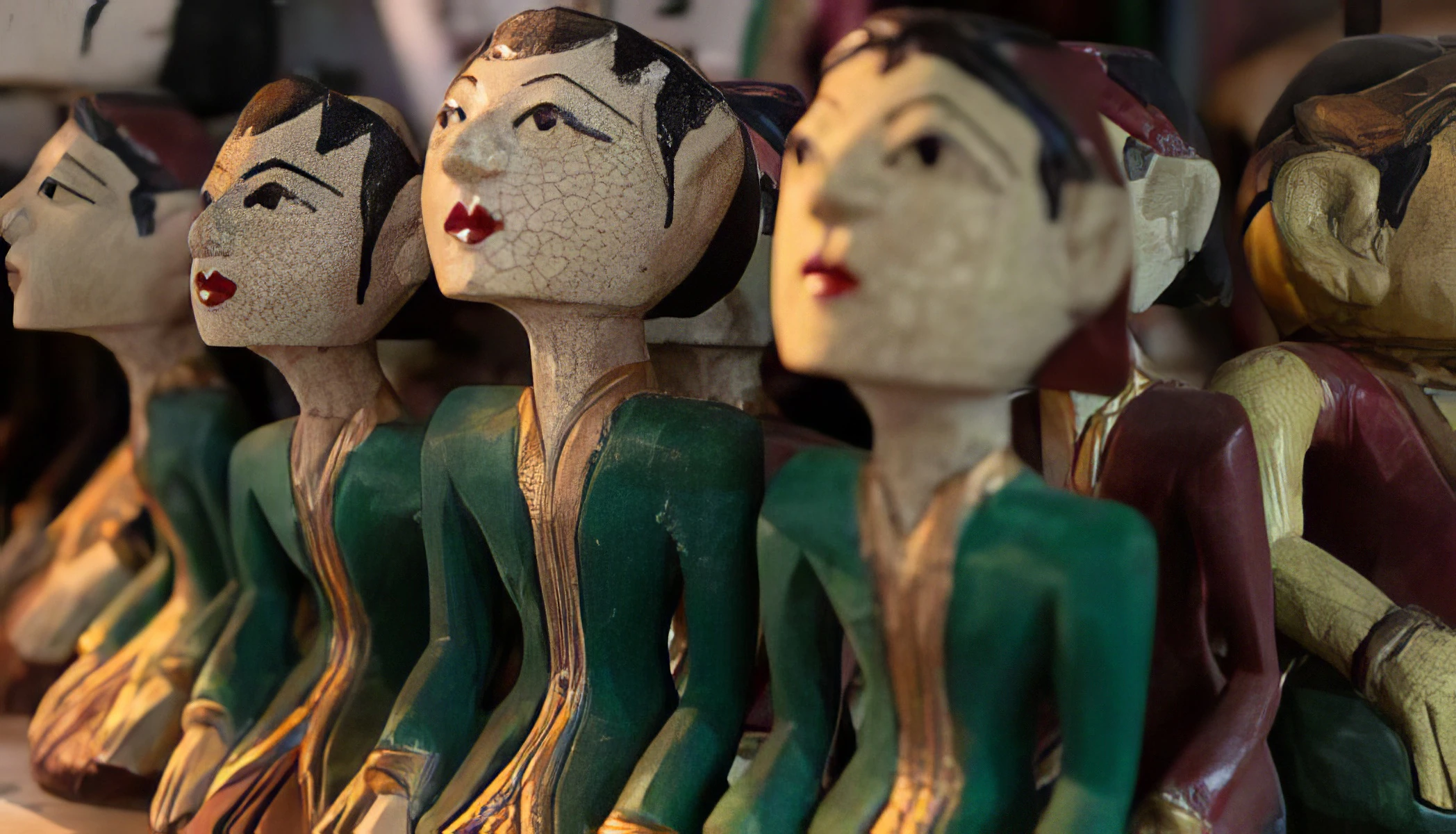
One of the best shopping experiences in the city is visiting the traditional markets like Pasar Johar, where you can explore a variety of local goods and crafts. A popular gift to purchase is Batik, a traditional Indonesian fabric known for its unique patterns and dyeing technique. Another great option is to buy locally made snacks like Lumpia, a type of spring roll that is a culinary specialty of the area. These items not only serve as wonderful souvenirs but also offer a taste of the local culture and craftsmanship.
Arts & Culture
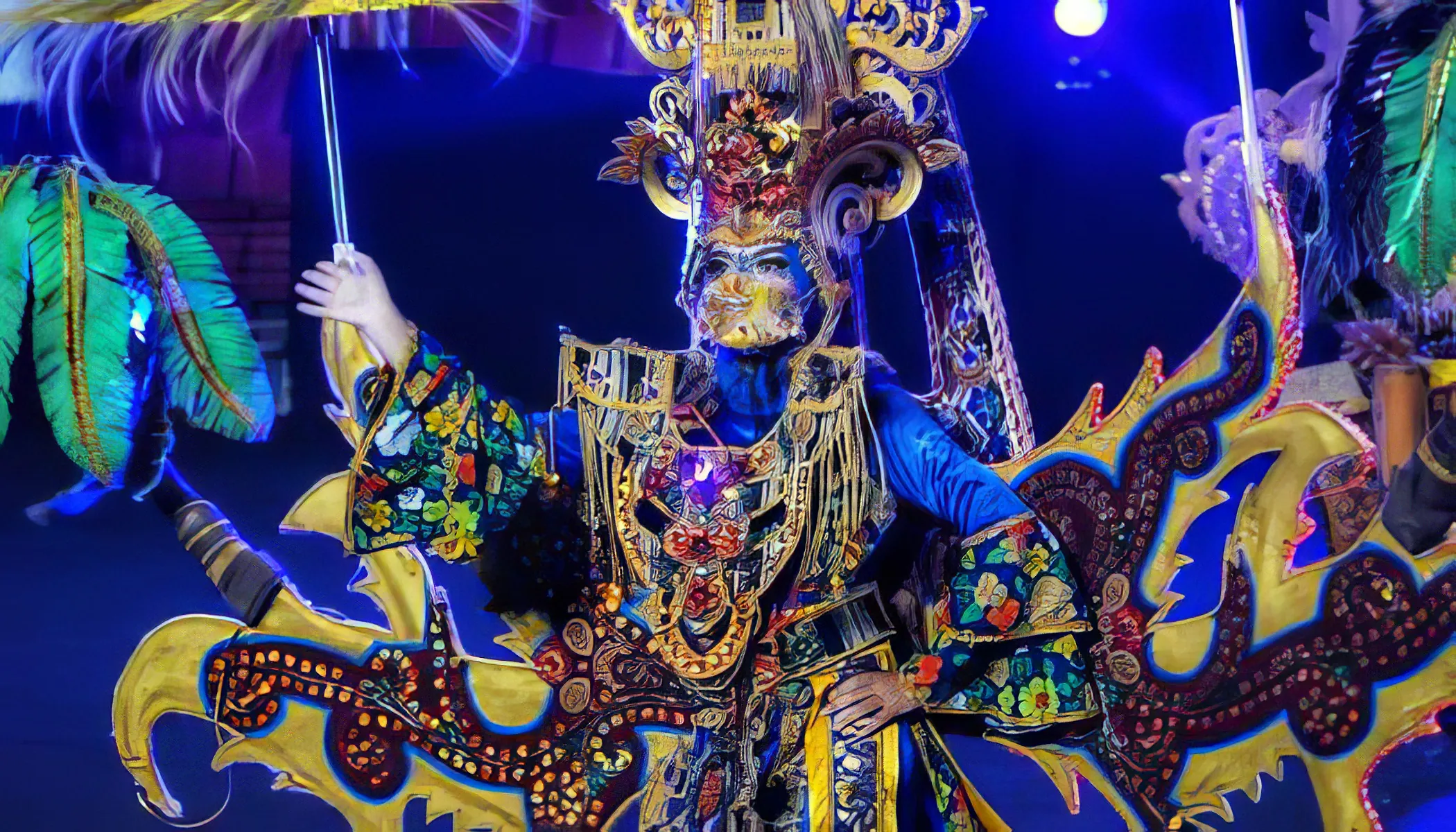
The city hosts the Semarang Night Carnival, an annual event that showcases a parade with vibrant costumes and cultural dances, celebrating the city's anniversary. The Old Town area is known for its Dutch colonial architecture and serves as a backdrop for various cultural activities and art exhibitions. The Lawang Sewu building, a historical landmark, often hosts art installations and cultural performances. Additionally, the city has a thriving contemporary art scene, with numerous galleries and spaces like the Semarang Contemporary Art Gallery promoting local artists.