

Inle Lake Travel Guide: Tourist Places & Activities
This freshwater lake is known for its unique floating gardens and traditional fishing methods. It is surrounded by mountains and home to various ethnic groups, offering cultural experiences and opportunities for boating, birdwatching, and exploring local markets.
- Airport
- Heho – Int'l & 1 other
- Est. Visit Days
- 2 days
Overview
Inle Lake, located in Myanmar, is known for its unique floating gardens and traditional fishing methods. Pros include its scenic beauty, cultural experiences with local tribes, and opportunities for boat tours. However, cons are the increasing tourism which can lead to environmental concerns and limited infrastructure in some areas. Visitors may also find that accommodations vary widely in quality and price. Overall, Inle Lake offers a blend of natural beauty and cultural richness with some challenges related to tourism impact.
Traffic & Transport
The best way to explore the area is by boat, as many attractions are located on the water and can only be accessed this way. Bicycle rentals are also popular for those who prefer to travel on land, providing a scenic and leisurely way to see the surroundings. Walking is another option in certain areas, allowing visitors to immerse themselves in the local culture and environment. Motorbike taxis are available but should be used with caution due to varying road conditions. For reliable taxi services, there are local companies that can be contacted directly; however, rideshare apps may not be widely available in this region. It's advisable to arrange transportation through your accommodation or ask locals for trusted taxi recommendations.
History
The area around Inle Lake has a history of various rulers, including the Shan states and British colonial rule. The British took control in the 19th century, impacting local trade and agriculture. After Myanmar's independence in 1948, the region experienced ethnic tensions and conflicts. The culture reflects a mix of influences, primarily from the Shan people and other ethnic groups. Traditional practices, such as leg-rowing fishing and handicrafts, remain significant to local identity.
Itinerary Sample
Explore Inle Lake with this two-day itinerary focusing on its unique culture and natural beauty.
– First day: Visit the lake by boat, explore the floating gardens, and see local handicrafts at the village markets.
– Second day: Tour the Phaung Daw Oo Pagoda, visit a traditional weaving workshop, and hike to nearby villages for scenic views.
Near Excursion
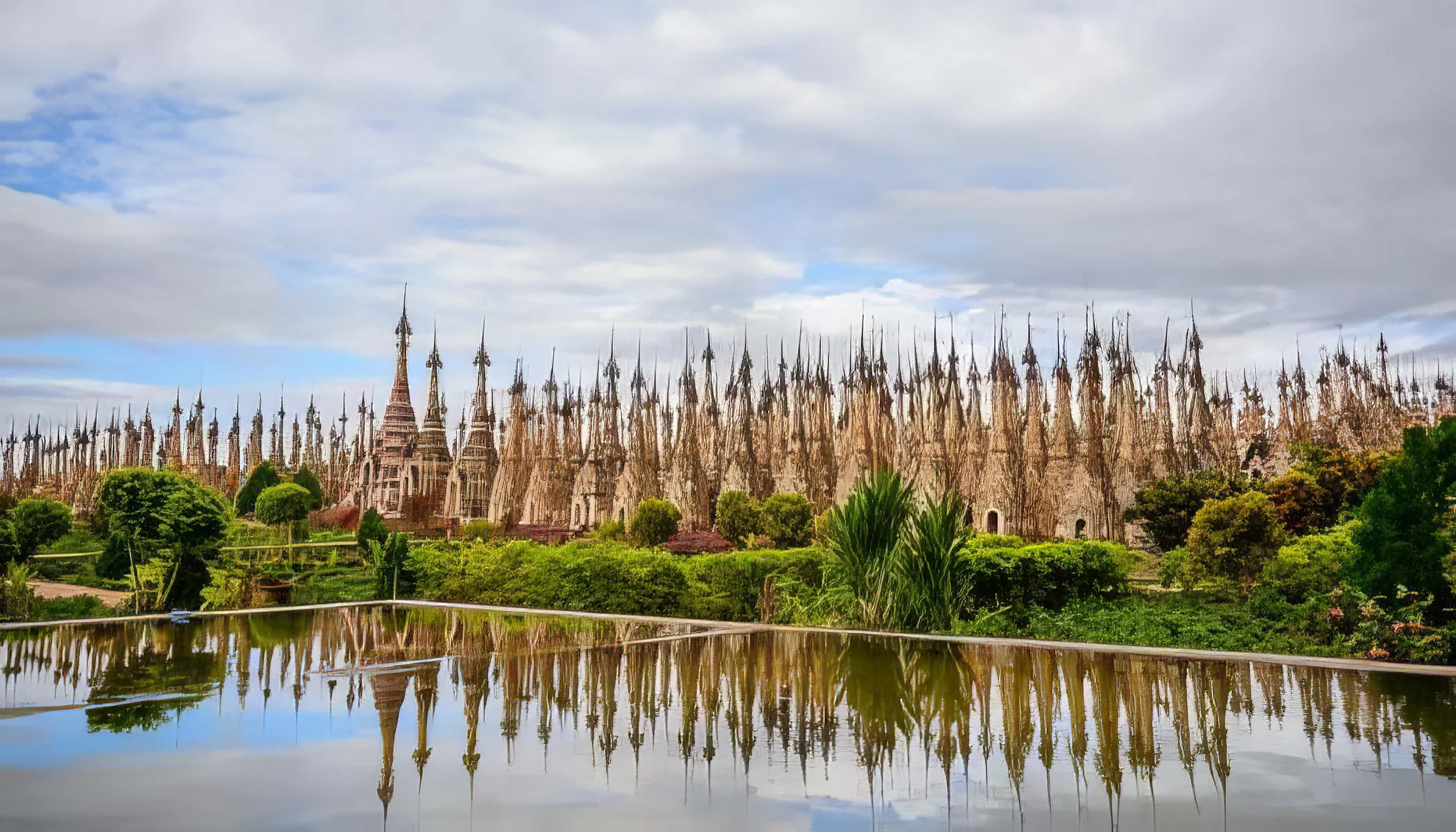
This area offers several interesting day-trip options for travelers. Here are some suggestions:
– Pindaya Caves at 50 km: Explore lovely caves filled with thousands of Buddha images and statues.
– Kalaw at 70 km: A former British hill station offering cool climate and scenic trekking routes.
– Kakku Pagodas at 100 km: Discover an impressive collection of over 2,000 ancient stupas in a remote setting.
– Taunggyi at 35 km: Visit the magnificient capital of Shan State with its attractive markets and cultural sites.
– Ywangan at 120 km: Enjoy coffee plantation tours and explore natural attractions like waterfalls and caves.
Attraction
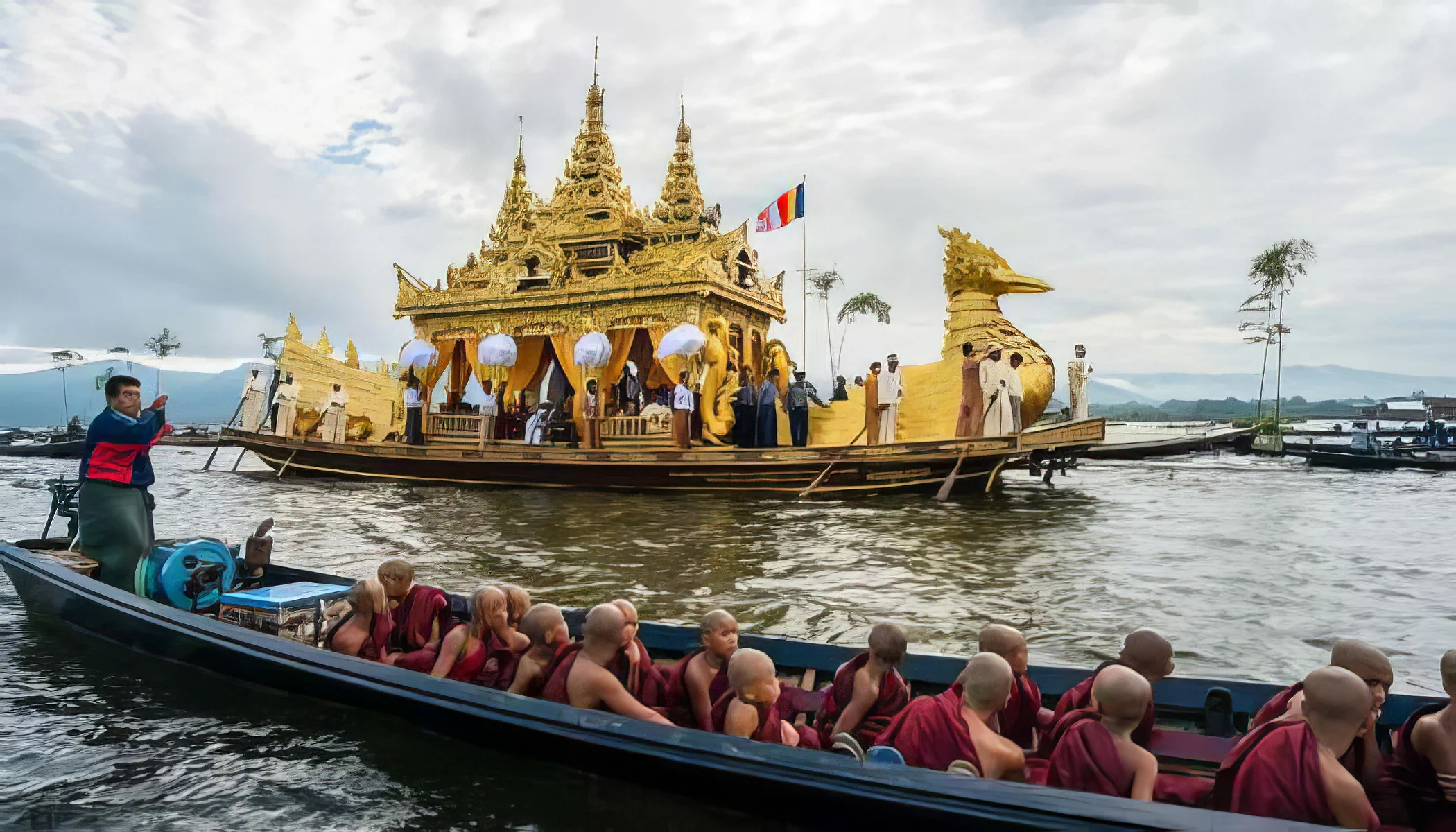
Inle Lake is known for its unique floating villages, traditional markets, and scenic boat tours.
– Phaung Daw Oo Pagoda: A significant Buddhist site, it houses five revered Buddha images covered in gold leaf by devotees.
– Nga Phe Chaung Monastery: Known as the Jumping Cat Monastery, it's famous for its historical significance and beautiful teak structure.
– Floating Gardens: These gardens are cultivated on the lake's surface, showcasing innovative agriculture practices of local farmers.
– Indein Village: Explore ancient pagodas and enjoy a gorgeous view of the surrounding countryside from this historic village.
– Ywama Floating Market: Experience a pretty market on water where locals trade goods from boats in a lively atmosphere.
– Red Mountain Estate Vineyards & Winery: Offers wine tasting with panoramic views of the lake and surrounding hills.
Activity
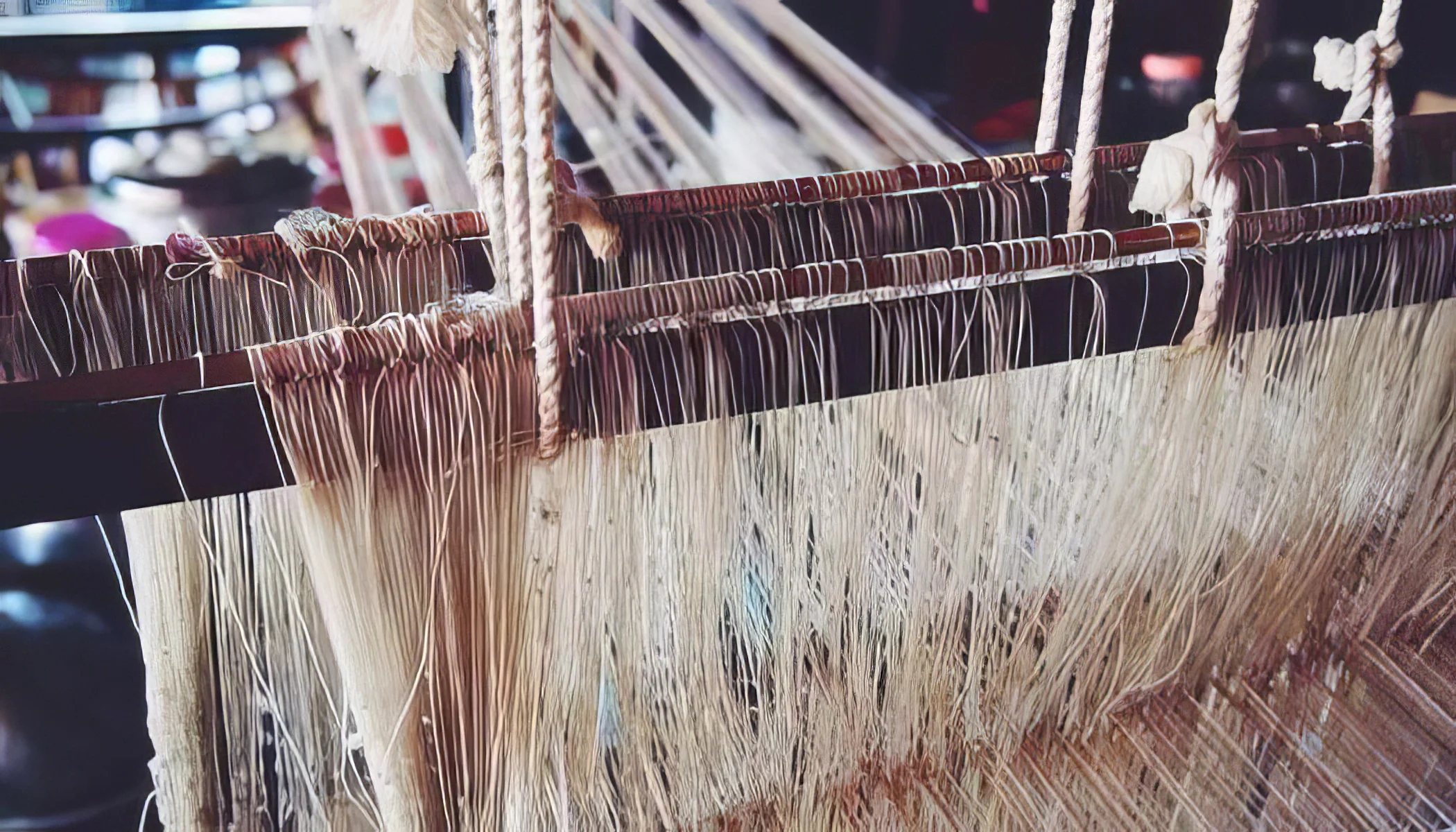
Travelers can explore Inle Lake's unique culture, beautiful landscapes, and traditional crafts through various activities and experiences.
– Floating Gardens: Observe the unique farming methods on floating gardens while enjoying scenic boat rides across the lake.
– Intha Fishermen: Watch the traditional fishing techniques of Intha fishermen using one-legged rowing methods on wooden boats.
– Local Markets: Visit nice local markets to experience authentic food, crafts, and daily life of the local communities.
– Silk Weaving Workshops: Participate in silk weaving workshops to learn about traditional craftsmanship and create your own textile souvenirs.
– Stilt Village Visits: Explore stilt villages built over water to understand local architecture and lifestyle in a unique setting.
Cuisine
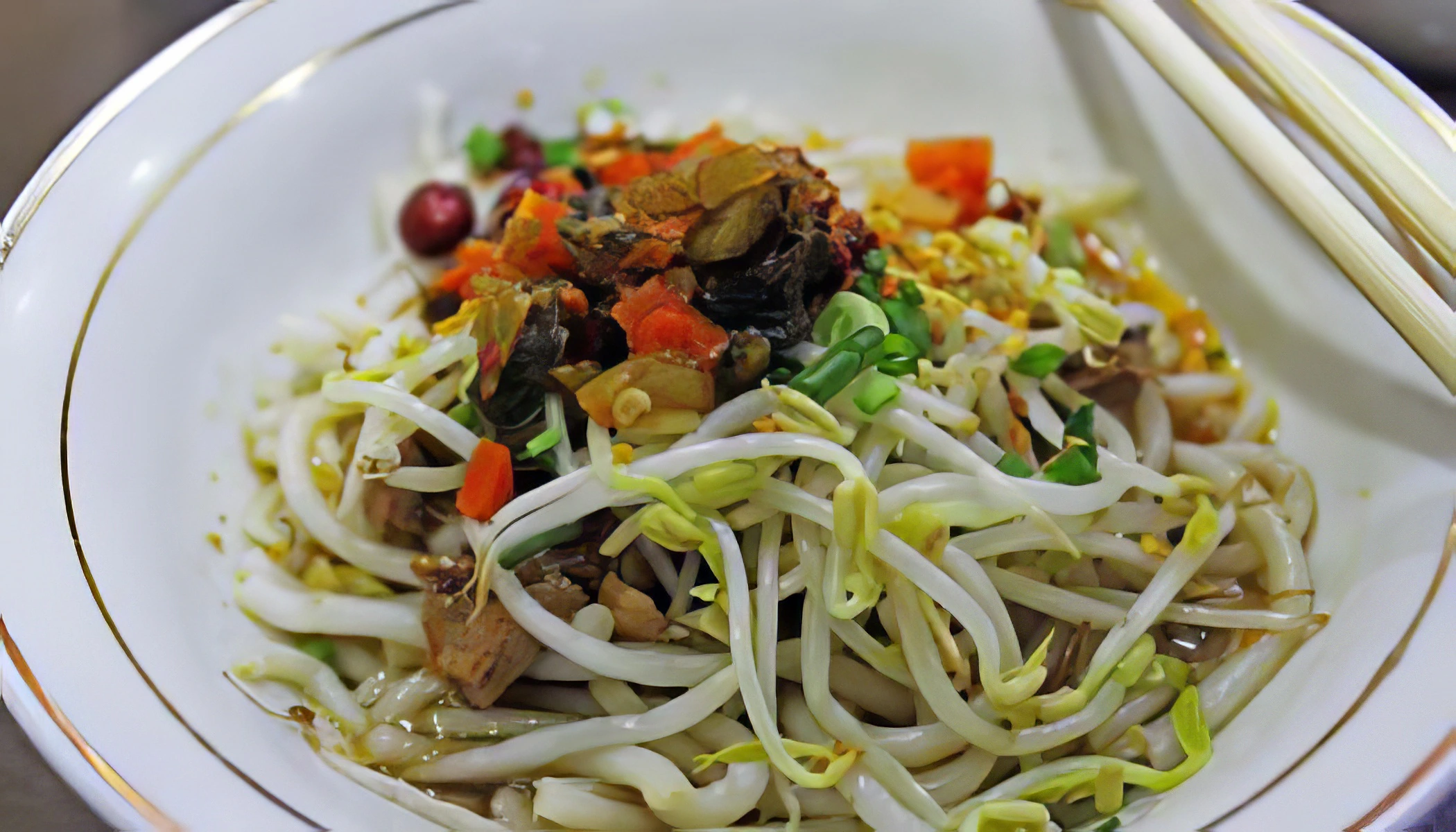
The local food scene features traditional Shan cuisine, with dishes often highlighting fresh ingredients from the region. Some of the area's most famous dishes include:
– Shan Noodles: Rice noodles in a flavorful broth with chicken or pork, topped with garlic and herbs.
– Mohinga: A popular fish-based noodle soup, typically enjoyed for breakfast.
– Tea Leaf Salad: Fermented tea leaves mixed with nuts, seeds, and vegetables for a unique salad experience.
– Tofu Nway: Warm tofu soup made from chickpea flour, served with noodles and spices.
– Nga Htamin: Fish rice prepared with turmeric and served with garlic oil and herbs.
Shopping
There are local markets where you can find handmade crafts, textiles, and traditional clothing. A popular gift item is the Shan paper products, known for their unique designs. You can also purchase silver jewelry made by local artisans. Handwoven baskets and traditional lacquerware are good options as well. Don't forget to try the locally produced tea as a gift or personal treat. Overall, there are various authentic items to choose from.
Arts & Culture
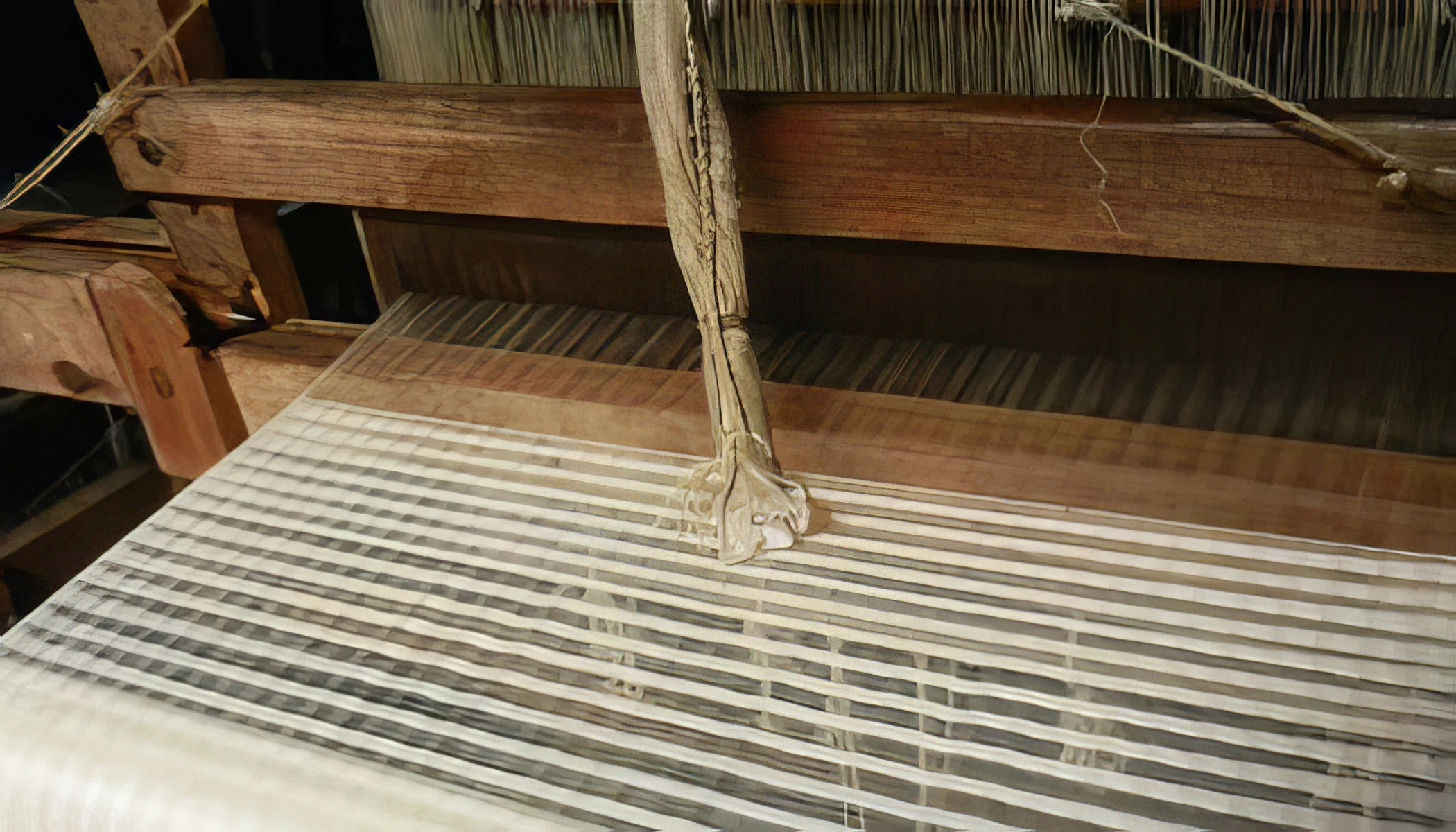
The region is known for its traditional handicrafts, including silk weaving and lotus fabric production, which are often showcased in local workshops. The annual Phaung Daw U Pagoda Festival features boat races and cultural performances, attracting many visitors and highlighting local traditions. Additionally, the local Intha people practice unique fishing techniques that are culturally significant. Various art forms, such as traditional music and dance, are also an important part of community celebrations.