

Nikko: Best Things to Do & Top Attractions
A popular destination known for its remarkable shrines, temples, and national park. Highlights include Toshogu Shrine and Kegon Falls. Ideal for exploring rich history, natural beauty, and experiencing traditional culture.
- Size
- 1 449 square km
- Train Station
- Nikko Station
- Est. Visit Days
- 2 days
Overview
Nikko, a city in Japan's Tochigi Prefecture, is renowned for its rich cultural heritage and beautiful natural landscapes, including the UNESCO World Heritage site of the Shrines and Temples of Nikko. The city is a popular destination for its beautiful mountains, hot springs, and traditional Japanese architecture. However, Nikko can be quite crowded, especially during peak tourist seasons, which might detract from the experience. Additionally, its somewhat remote location can make access a bit challenging for some travelers. Despite these issues, Nikko offers a unique blend of history and nature that is worth exploring.
Traffic & Transport
The city's compact size and well-organized public transportation system make it easy for tourists to navigate and explore. The most convenient and efficient way to get around is by using the local buses, which cover all major tourist attractions. For those who prefer a more scenic route, bicycles are also available for rent at various shops. Additionally, walking is a great option, especially in the central area where many of the historic sites are clustered. For visitors preferring taxi services, there are several reliable taxi companies operating in the city. Additionally, the use of taxi-booking apps like ** and ** provides a convenient option for securing a cab, offering both ease of booking and transparent pricing.
History
Originally established as a center of Shinto and Buddhist mountain worship, the city was a significant site for religious practices. It became particularly renowned after the Buddhist monk Shodo Shonin founded a hermitage here in the 8th century. Throughout the feudal period, it developed as a vital checkpoint and post town on the trade route between the Kanto and Tohoku regions, fostering economic growth. The city's cultural and historical significance was further elevated when the first Tokugawa shogun, Tokugawa Ieyasu, chose it as the location for his mausoleum in the early 17th century. This decision solidified its status as a center for Shinto and Buddhist worship, a tradition that continues to draw visitors for its annual festivals and religious ceremonies.
Itinerary Sample
Explore Nikko over two days, focusing on its rich history, nice nature, and sacred sites.
– First day: Visit Nikko Toshogu Shrine, Futarasan Shrine, and Rinno-ji Temple. Enjoy a stroll in Shinkyo Bridge area.
– Second day: Explore Lake Chuzenji, Kegon Falls, and take a leisurely hike in the surrounding national park.
Near Excursion
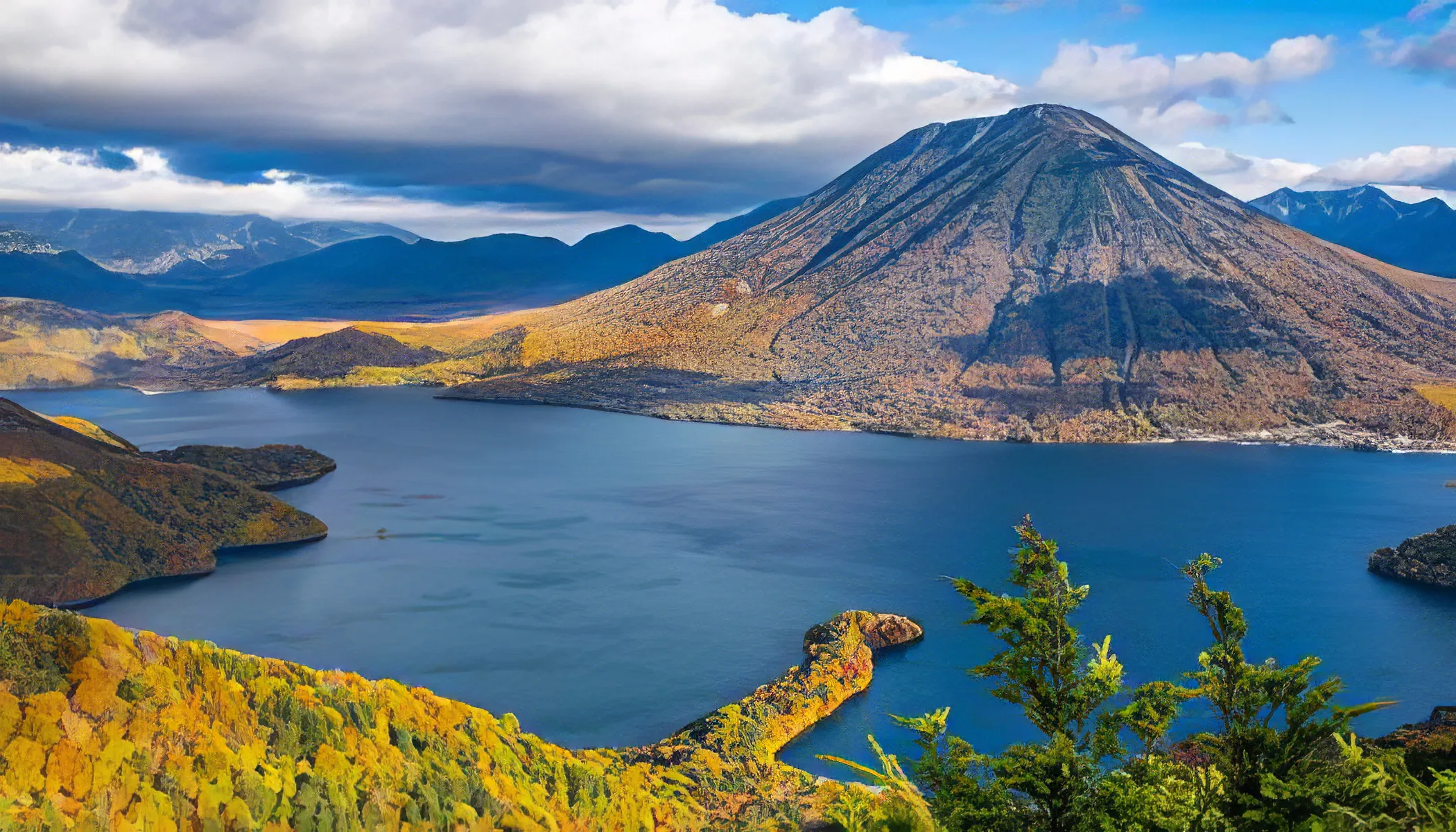
This city is a great starting point for several exciting day trips. Here are some suggestions:
– Lake Chuzenji at 30 km: A scenic lake formed by volcanic activity, ideal for boating and hiking.
– Ashikaga Flower Park at 70 km: Famous for its beautiful wisteria flowers and seasonal displays.
– Oze National Park at 100 km: Offers nice marshlands, hiking trails, and diverse flora and fauna.
– Utsunomiya at 40 km: Known for its delicious gyoza dumplings and historical sites.
– Mashiko at 60 km: A pottery town renowned for its traditional ceramics and craft shops.
Attraction
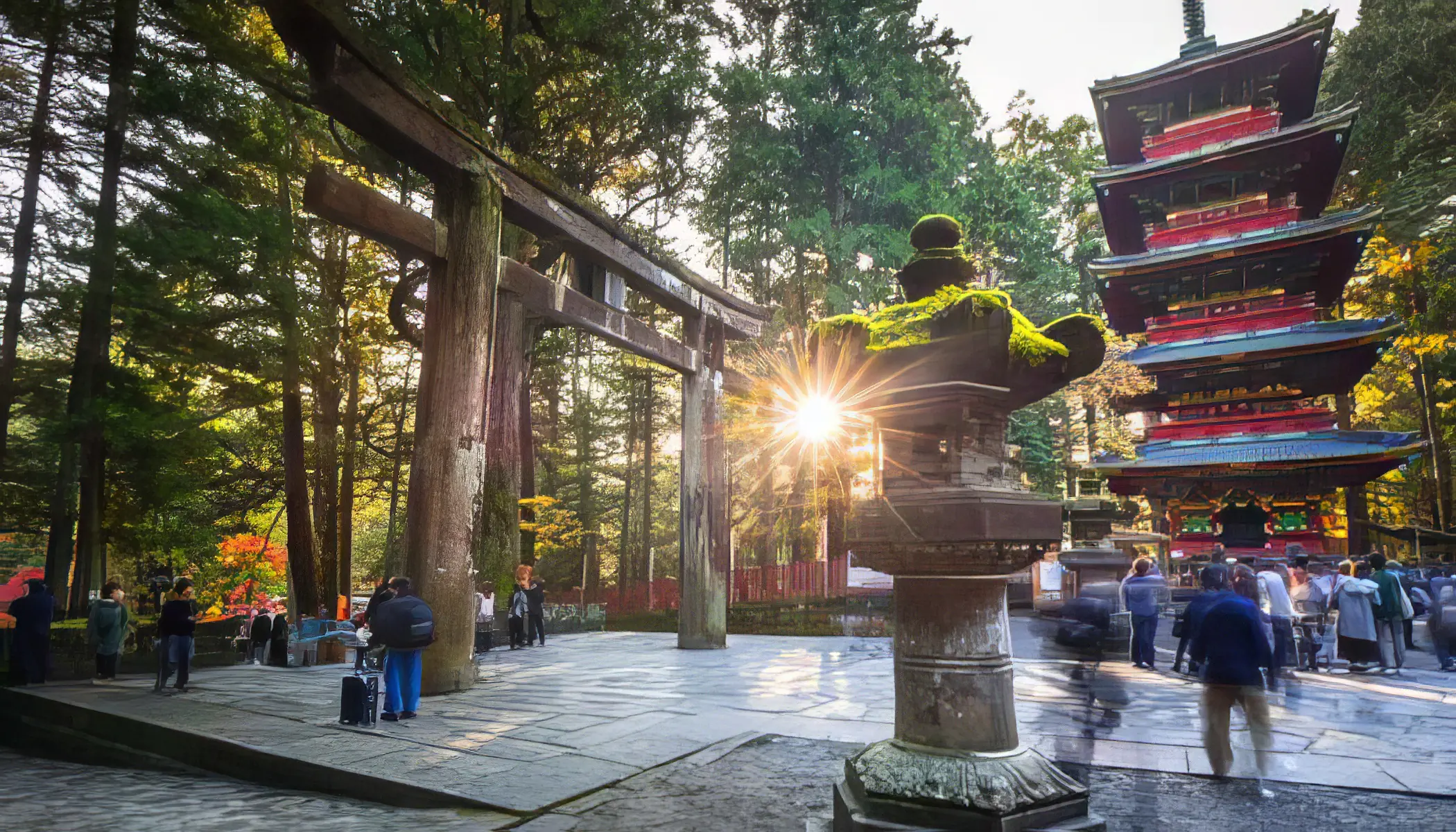
Known for its rich history and natural beauty, this city offers a mix of cultural sites and scenic landscapes.
– Toshogu Shrine: A UNESCO World Heritage site, famous for its ornate architecture and the resting place of Tokugawa Ieyasu.
– Kegon Falls: One of the most beautiful waterfalls, offering gorgeous views especially during autumn.
– Lake Chuzenji: A carefree lake formed by volcanic activity, ideal for boating and hiking.
– Rinnoji Temple: An important Buddhist temple with beautiful gardens and historical significance.
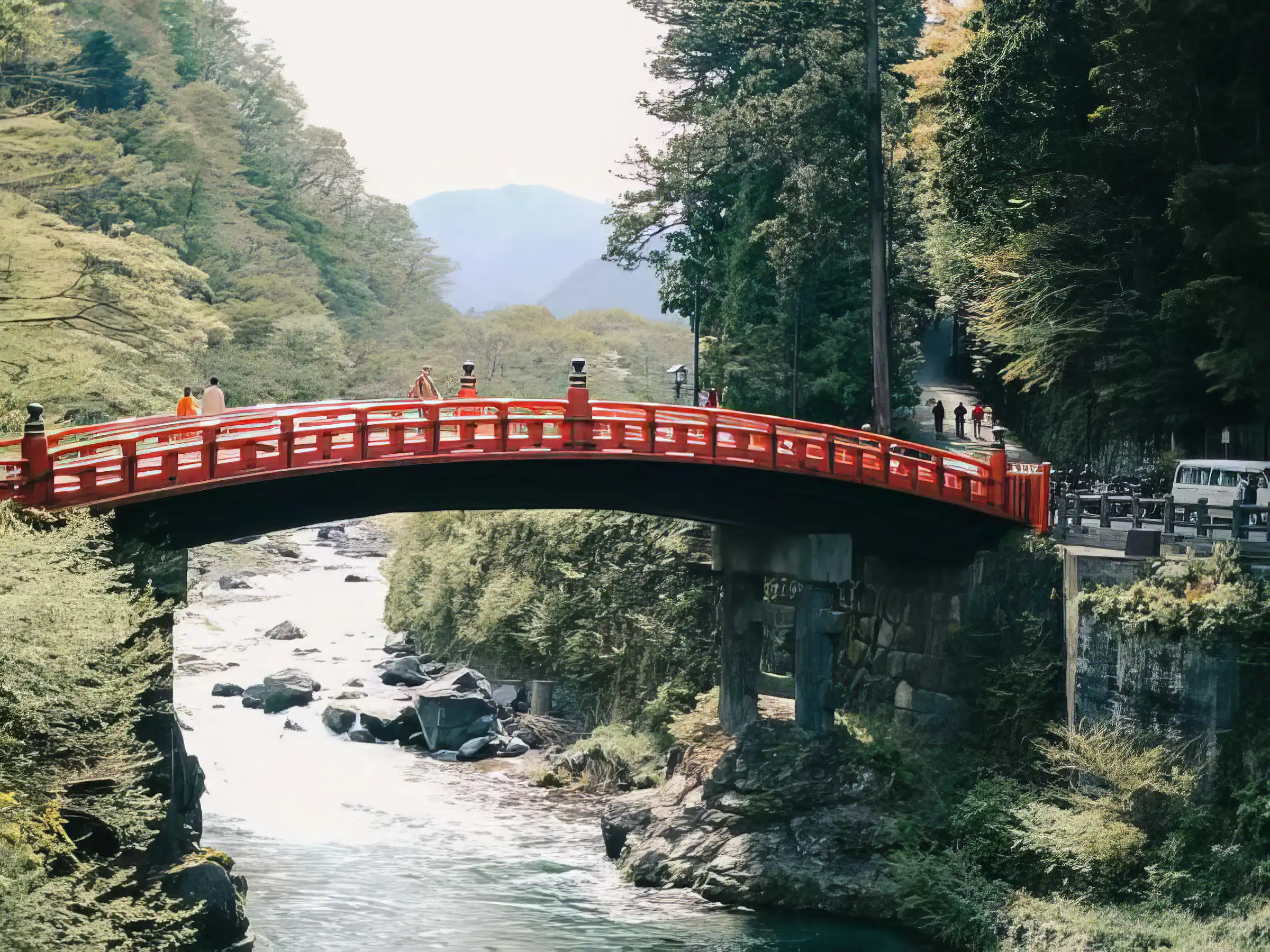
– Shinkyo Bridge: A sacred bridge with pleasant views, often photographed for its striking red color.
– Edo Wonderland: A cultural theme park that recreates the Edo period with performances and activities.
Activity
In Nikko, travelers can experience easygoing nature, historical temples, and unique cultural traditions.
– Toshogu Shrine: Visit the ornate mausoleum of Tokugawa Ieyasu, a UNESCO World Heritage site.
– Kanmangafuchi Abyss: Walk along a scenic trail with Jizo statues and a peaceful river.
– Lake Chuzenji: Enjoy boating, hiking, and scenic views of the surrounding mountains.
– Ryuzu Waterfall: Admire a beautiful two-tiered waterfall surrounded by sumptuous greenery.
– Nikko National Park: Explore diverse landscapes, including mountains, lakes, and hot springs.
Cuisine
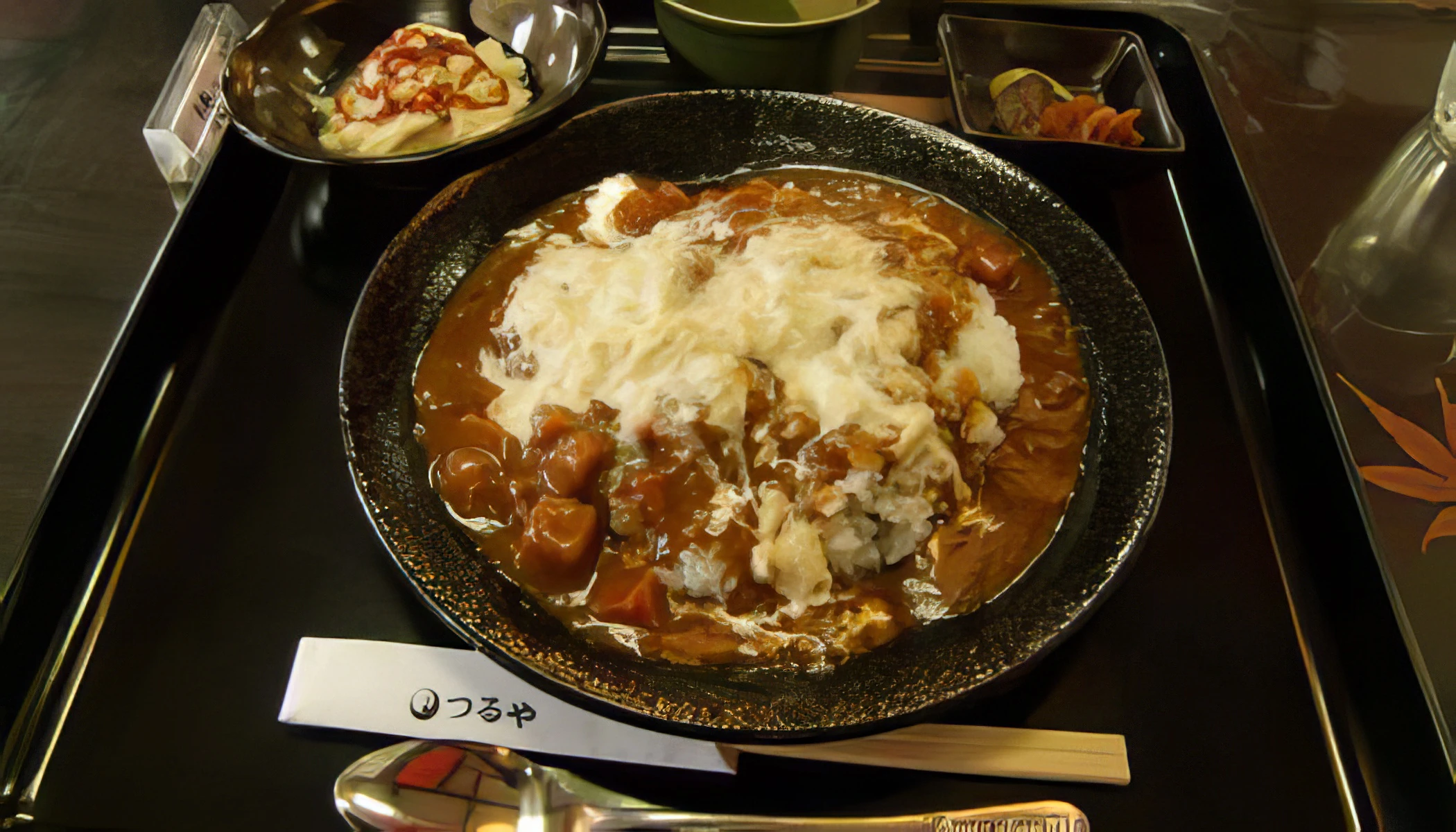
The city offers a unique culinary experience with traditional Japanese dishes and local specialties influenced by its natural surroundings. Some of the city's most famous dishes include:
– Yuba: Delicate tofu skin often served fresh or dried, used in various dishes.
– Nikko Soba: Buckwheat noodles served hot or cold, often with mountain vegetables.
– Yuba Manju: Sweet buns filled with red bean paste and wrapped in yuba.
– Shikaniku: Venison dishes, reflecting the region's hunting culture.
– Nikko Beer: Locally brewed craft beer with a distinct flavor.
– Kakigori: Shaved ice dessert flavored with syrup, popular in summer.
Shopping
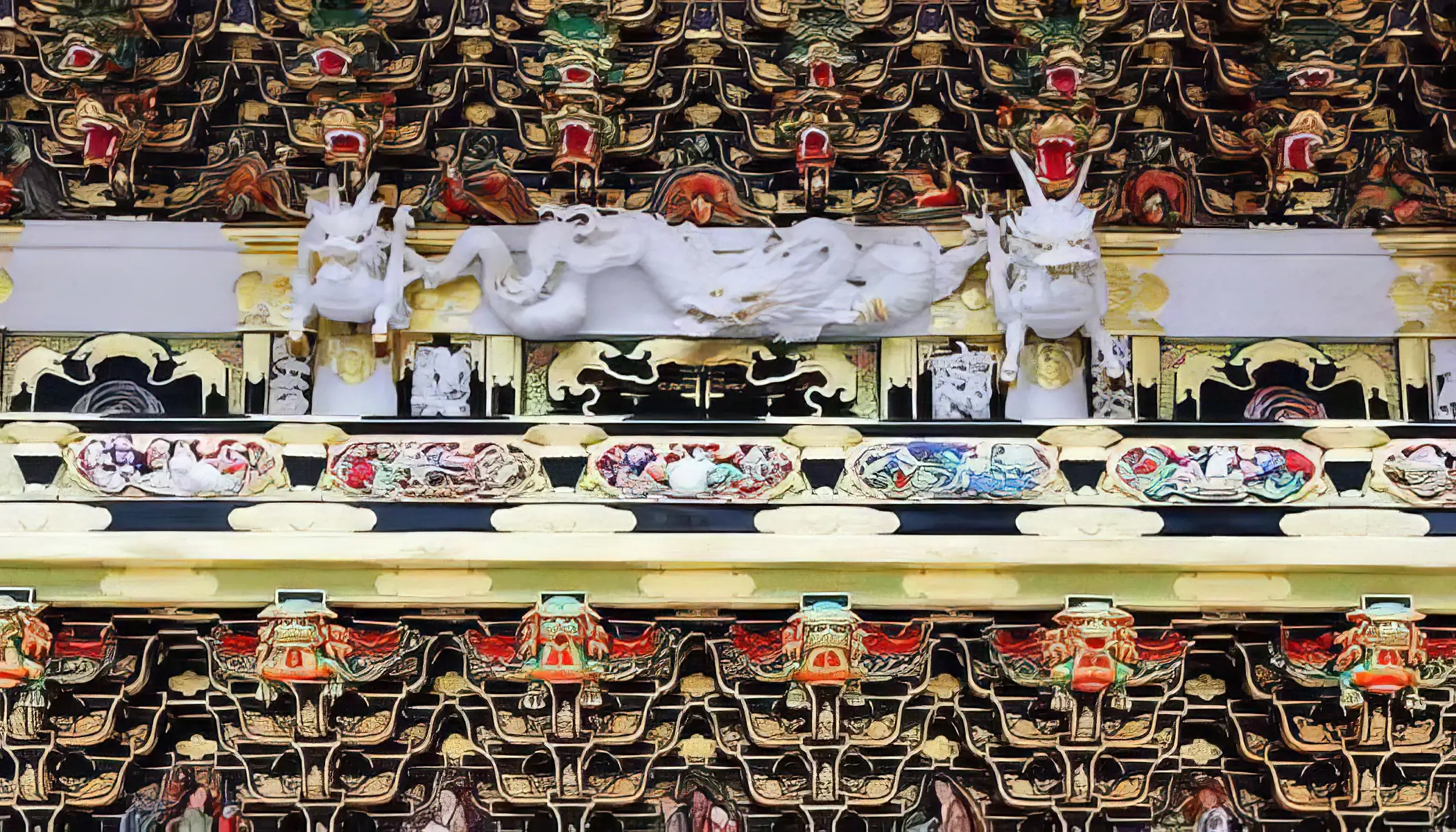
In the city, tourists can enjoy shopping for local crafts such as yosegi-zaiku, a traditional Japanese marquetry technique using intricately patterned wood. Another popular gift is the beautifully crafted lacquerware, known for its durability and artistic value. Visitors often purchase Japanese sake sets, which reflect the area's rich heritage in pottery. Additionally, buying a "ema" (small wooden plaques for writing prayers or wishes) at one of the shrines offers a unique and personal souvenir. Local snacks like "age yuba" (fried tofu skin) are also a favorite take-home treat. These items provide a meaningful and authentic shopping experience for tourists.
Arts & Culture
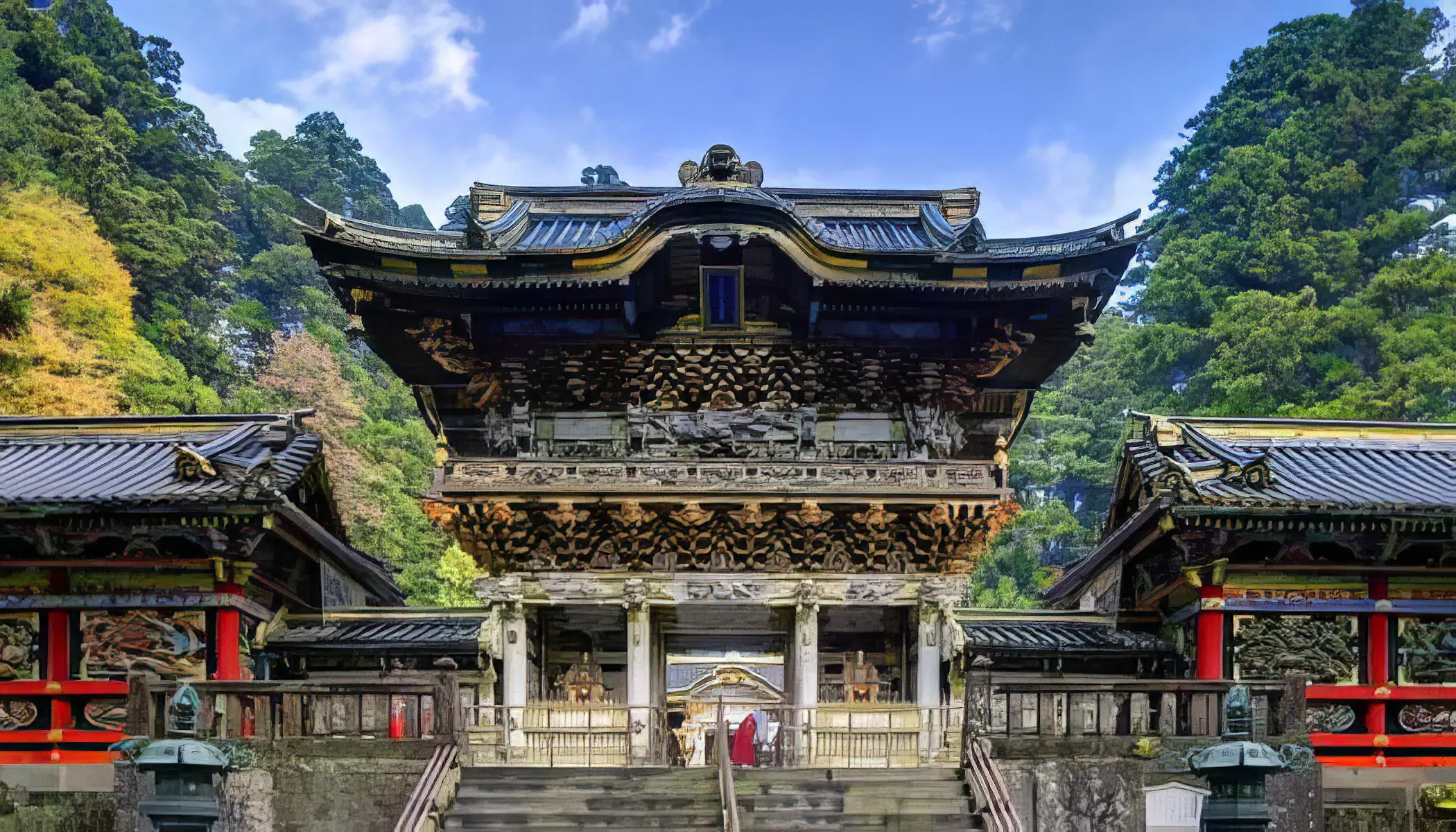
The city is renowned for its historical and cultural significance, particularly the Toshogu Shrine, a UNESCO World Heritage site that hosts the grand Spring and Autumn festivals featuring processions of samurai warriors. It is also home to the Rinnoji Temple, known for its beautiful garden and sacred artifacts. The Kanmangafuchi Abyss offers a laid-back walk lined with stone statues of Jizo, a bodhisattva who protects travelers and children. Additionally, the city celebrates the Yayoi Festival in April, showcasing traditional music, dance, and elaborate floats.