

Sightseeing in Jeju City: Culture & Must‑See Spots
This island city is known for its volcanic landscapes, beautiful beaches, and unique natural attractions. It serves as a gateway to outdoor activities, cultural sites, and local cuisine, making it a popular destination for both tourists and locals.
- Population
- 0.5 millions
- Airport
- Jeju International – Int'l & 0 others
- Est. Visit Days
- 4 days
Overview
Jeju City is the capital of Jeju Island in South Korea, known for its natural beauty and volcanic landscapes. Pros include a mild climate, unique attractions like Hallasan Mountain, and access to beautiful beaches. The city also offers various cultural experiences and local cuisine. However, cons include potential overcrowding during peak tourist seasons and higher prices compared to mainland South Korea. Overall, Jeju City is a popular destination with both advantages and disadvantages for visitors.
Traffic & Transport
Public transportation in the area is well-developed, with buses being the most convenient and cost-effective way to explore. The local bus system connects major attractions and neighborhoods, making it easy for visitors to navigate the city. For a more personalized experience, renting a car or scooter is popular among tourists, allowing for greater flexibility in travel plans. Bicycles are also available for rent, offering a scenic way to enjoy the coastal routes. Reliable taxi services include companies like Jeju Taxi and KST Taxi, both known for their prompt service and English-speaking drivers. Additionally, taxi-booking apps such as Kakao T can be used for convenient rides throughout the area.
History
The region was historically part of the Goryeo Dynasty and later the Joseon Dynasty. It experienced invasions during the Imjin War in the late 16th century, which affected local populations. The island served as a trading post for maritime commerce, particularly with Japan and China. In the 20th century, it faced turmoil during the Korean War and subsequent uprisings. Today, its cultural heritage reflects a mix of traditional practices and modern influences from its complex history.
Itinerary Sample
Explore Jeju City with this 4-day itinerary that highlights key attractions and experiences.
– First day: Visit Hallasan National Park for hiking, then explore Jeju Folk Village to learn about local culture.
– Second day: Discover Seongsan Ilchulbong (Sunrise Peak) and relax at the nearby Seopjikoji coast.
– Third day: Spend time at Manjanggul Cave, followed by a visit to Gimnyeong Beach for some leisure.
– Fourth day: Explore the Jeju Teddy Bear Museum and end with shopping at Dongmun Market for local goods.
Near Excursion
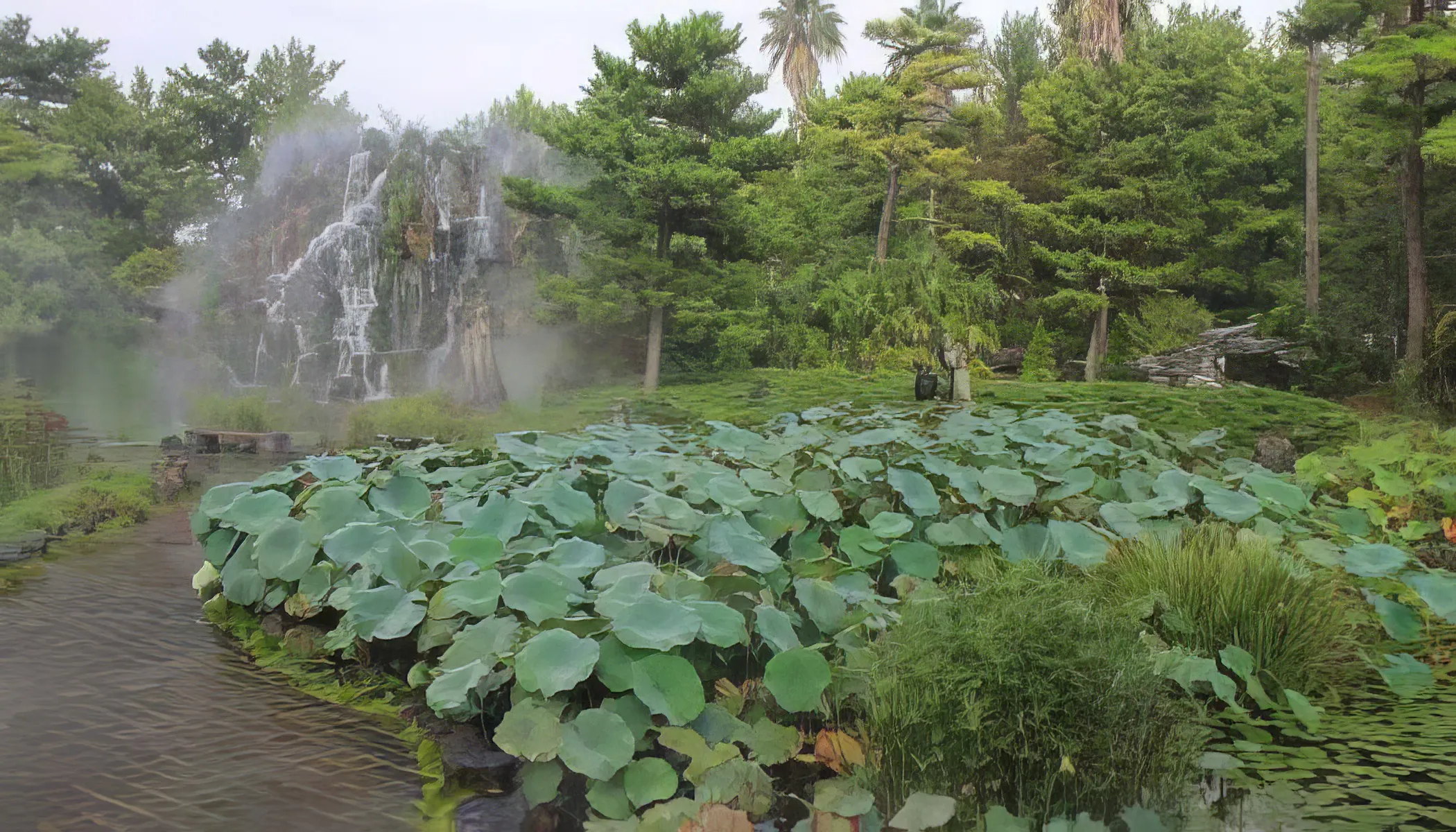
This city offers several interesting day-trip options to explore the island. Here are some suggestions:
– Seongsan Ilchulbong at 45 km: A UNESCO World Heritage site known for its fascinating sunrise views and volcanic crater.
– Manjanggul Cave at 30 km: One of the finest lava tunnels in the world, offering a glimpse into volcanic activity.
– Hallim Park at 33 km: Features various gardens, a folk village, and two lava caves to explore.
– Jeju Stone Park at 35 km: An outdoor museum showcasing the island's unique stone culture and history.
– Halla Mountain at 25 km: South Korea's highest peak with hiking trails offering diverse flora and fauna views.
Attraction
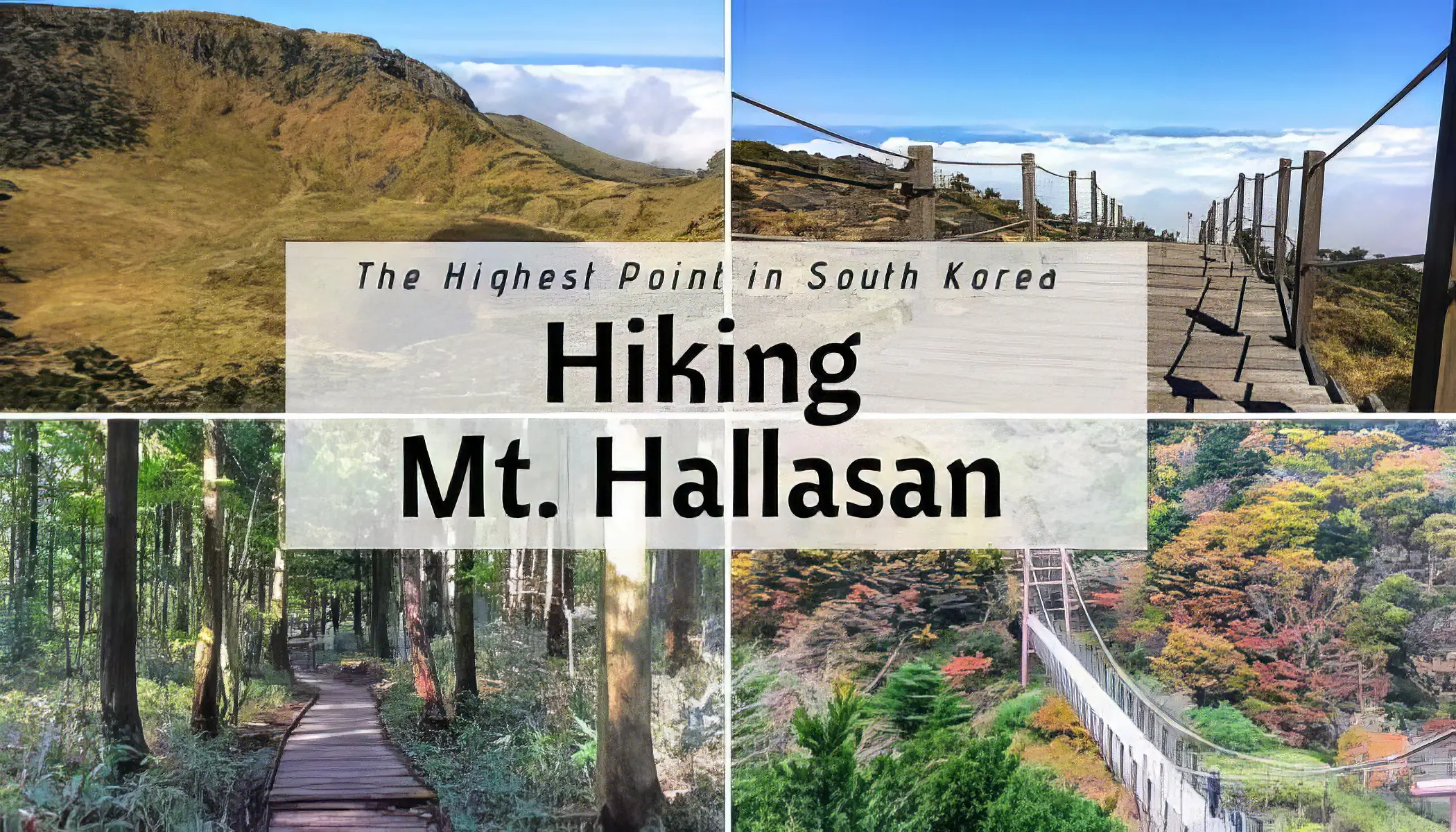
The city is known for its natural beauty and volcanic landscapes.
– Hallasan National Park: Hike the highest mountain with diverse flora and beautiful views of the surrounding island.
– Seongsan Ilchulbong Peak: Experience a UNESCO site formed by volcanic eruptions with a famous sunrise view.
– Manjanggul Cave: Explore one of the world's longest lava tubes, showcasing impressive lava formations.
– Jeju Folk Village Museum: Discover traditional Korean culture through preserved historical buildings and artifacts.
– Cheonjiyeon Waterfall: Enjoy a scenic waterfall surrounded by nice greenery, accessible via a short hiking trail.
– Loveland: Visit an outdoor sculpture park focused on adult themes with unique art installations.
Activity
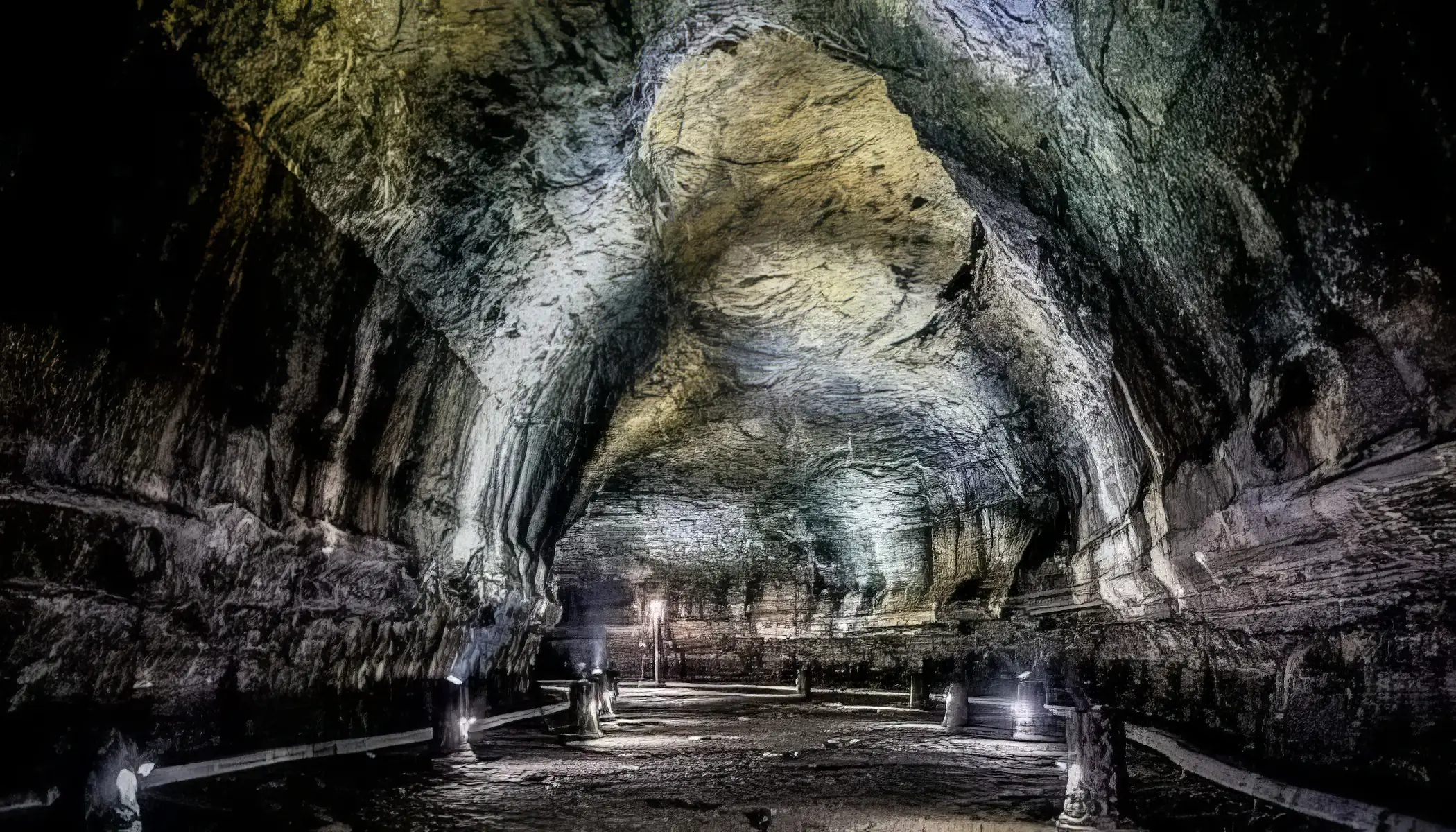
In Jeju City, travelers can explore volcanic landscapes, enjoy local cuisine, and participate in traditional cultural experiences.
– Olle Trail: Hike scenic coastal paths offering views of the ocean and unique rock formations.
– Jeju Folk Village: Experience traditional Korean culture through restored homes and performances depicting local life.
– Hallasan National Park: Trek to South Korea's highest peak with diverse flora and fauna along the trails.
– Manjanggul Cave: Explore one of the longest lava tubes in the world with impressive geological formations.
– Seongsan Ilchulbong: Witness a lovely sunrise from this volcanic crater, a UNESCO World Heritage site.
Cuisine
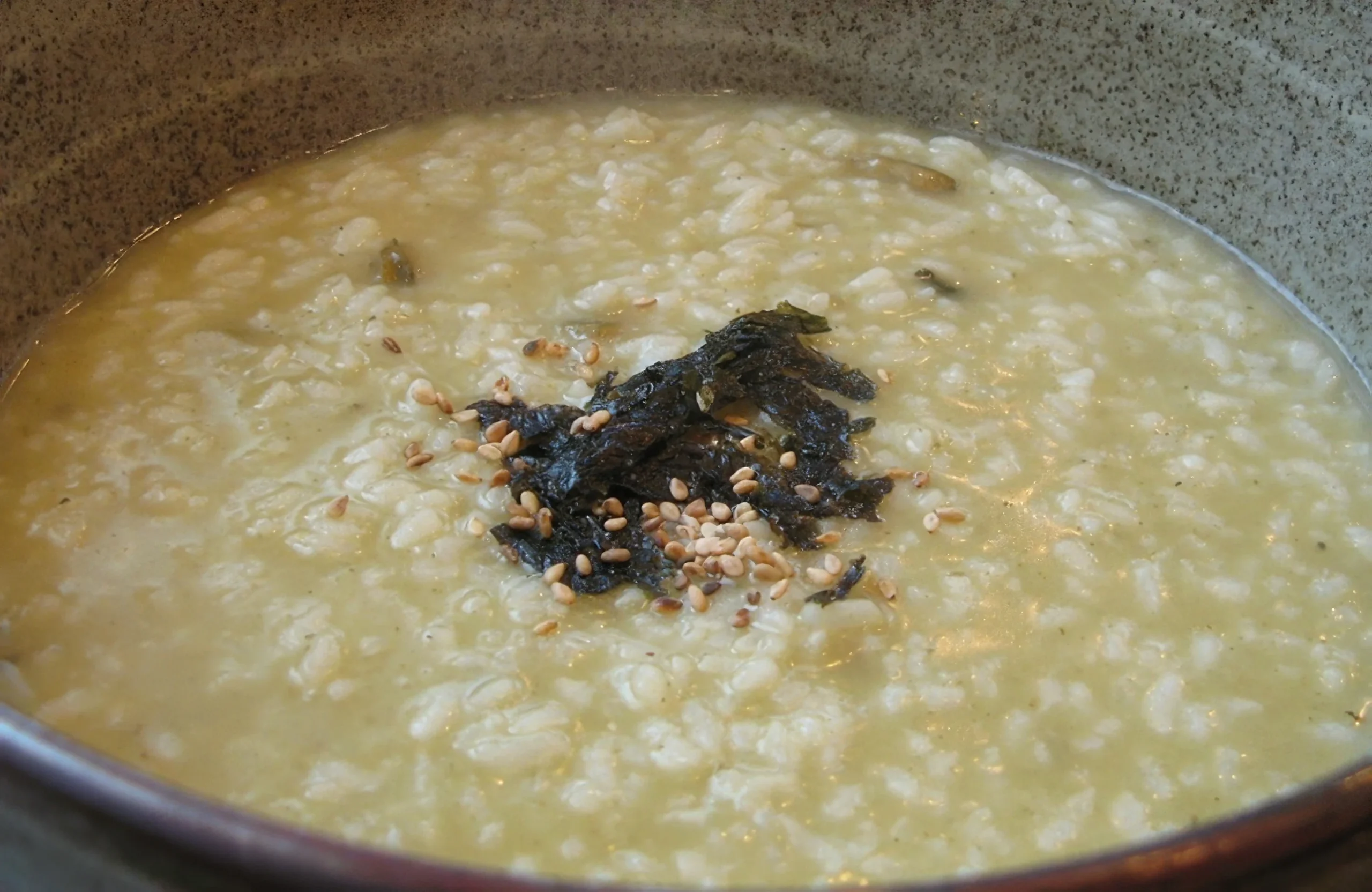
The city is known for its seafood and unique local ingredients, offering dishes that highlight fresh catches from the surrounding waters. Some of the city's most famous dishes include:
– Abalone Porridge: A hearty rice porridge cooked with tender abalone and seasoned lightly.
– Black Pork BBQ: Grilled pork with a distinct flavor, often served with side dishes and dipping sauces.
– Hairtail Fish Soup: A spicy stew featuring hairtail fish, vegetables, and a robust broth.
– Sea Urchin Bibimbap: Rice mixed with sea urchin roe and an assortment of fresh vegetables.
– Hallabong Tangerine Cake: A citrus-flavored cake made using locally grown tangerines.
Shopping
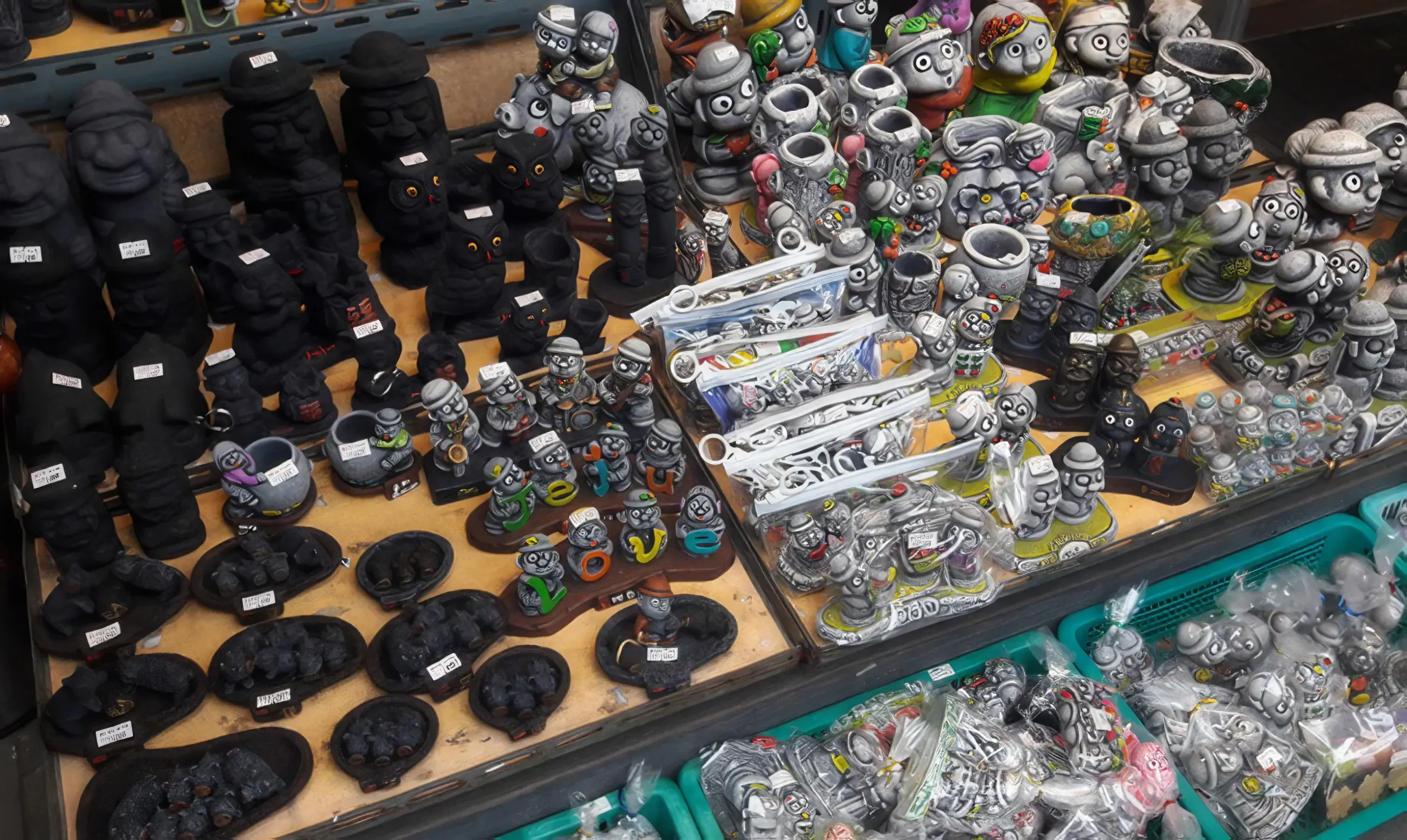
You can find unique local products such as tangerine-based snacks and cosmetics made from volcanic ash. Traditional handicrafts like pottery and jewelry are also available. Markets often sell fresh seafood and local produce. For gifts, consider purchasing Jeju's famous hallabong tangerines or a bottle of soju. Souvenir shops offer items like keychains and magnets featuring local landmarks. Overall, there are various options for shopping and gifts that reflect the area's culture.
Arts & Culture
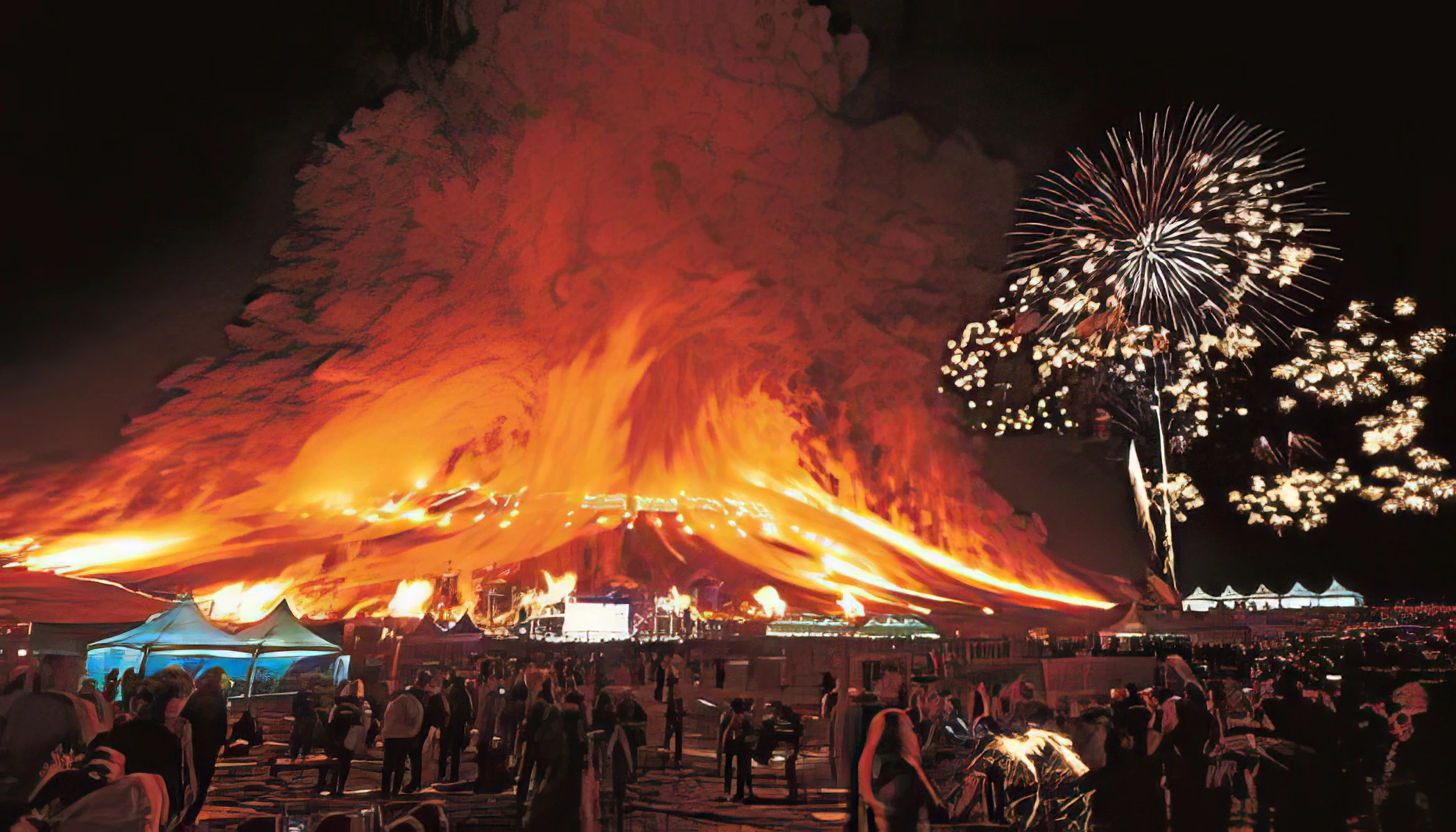
Jeju hosts the annual Jeju Fire Festival, celebrating the island's agricultural practices with traditional fire rituals and performances. The Jeju Art Museum features contemporary art exhibitions focused on local artists and themes. Additionally, the island is known for its stone sculptures and Dol hareubang (stone grandfather) statues, which are significant cultural symbols. Various cultural events often take place at local galleries showcasing traditional crafts and performances.