

Sightseeing in Kampot: Culture & Must‑See Spots
A small town known for its pepper plantations and colonial architecture, it sits near the Preaek Tuek Chhu River, offering scenic views and a gateway to Bokor National Park. Popular for its relaxed atmosphere and riverside activities.
- Est. Visit Days
- 2 days
Overview
Kampot, a city in southern Cambodia, is known for its relaxed atmosphere and colonial architecture, which can be a draw for history enthusiasts. The city is also a gateway to the Bokor National Park, offering opportunities for nature exploration. However, Kampot's infrastructure might not be as developed as in more urbanized areas, which could potentially affect visitors looking for modern amenities. The city's popularity has been increasing in recent years, leading to a growth in tourism facilities but also a potential strain on its resources. Despite this, Kampot remains a charming destination with a unique blend of cultural and natural attractions.
Traffic & Transport
The city's traffic is relatively light compared to larger urban centers, making it pleasant for tourists to navigate. The best means of transport to explore the area are motorbikes, bicycles, and tuk-tuks, which are readily available for hire. Motorbikes offer the most flexibility and are ideal for independent travel, while bicycles provide a slower pace, perfect for enjoying the scenic routes. Tuk-tuks are convenient for those who prefer a more relaxed and guided experience. For those preferring taxi services, there are a few reliable taxi companies operating in the city. Additionally, the use of ride-hailing apps like PassApp provides a convenient option for booking taxis directly from your smartphone.
History
Historically, this city was a significant trading port during the French colonial period due to its access to the sea via the Preaek Tuek Chhu River. It was a hub for the export of pepper, which remains a renowned product of the region. The city's architecture still reflects its colonial past, with many old buildings and shophouses lining the streets. During the Khmer Rouge era, the city, like much of Cambodia, experienced significant hardship and population displacement. In recent years, it has emerged as a popular tourist destination, known for its relaxed atmosphere, riverfront promenade, and surrounding countryside.
Itinerary Sample
Explore Kampot over two days to experience its unique charm and natural beauty. Here’s a simple itinerary:
– First day: Visit the Kampot Pepper Plantation, explore the Phnom Chhngok Cave Temple, and stroll along the Kampot Riverfront.
– Second day: Take a day trip to Bokor National Park, see the abandoned Bokor Hill Station, and enjoy the views at Popokvil Waterfall.
Near Excursion
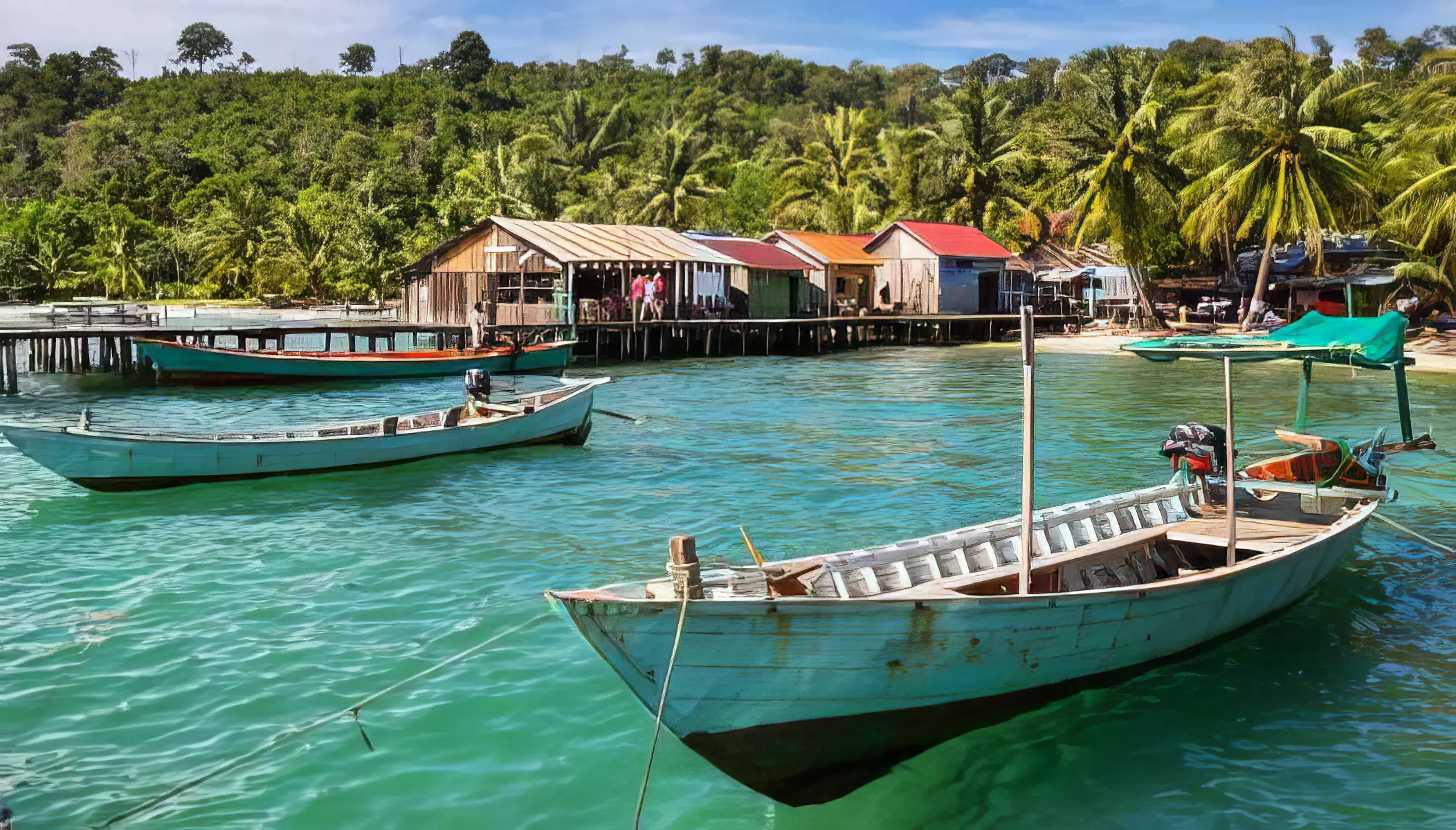
This city offers several interesting day trips within a short distance. Here are some suggestions:
– Kep at 25 km: A coastal town known for its crab market and easygoing beaches.
– Bokor National Park at 42 km: Features cool mountain air, waterfalls, and the historic Bokor Hill Station.
– Phnom Chhngok Cave Temple at 8 km: A pre-Angkorian Hindu cave temple with impressive stalactites and stalagmites.
– Rabbit Island at 30 km: A small island with quiet beaches, accessible by a short boat ride.
– Sihanoukville at 100 km: A popular beach destination with dynamic nightlife and water activities.
Attraction
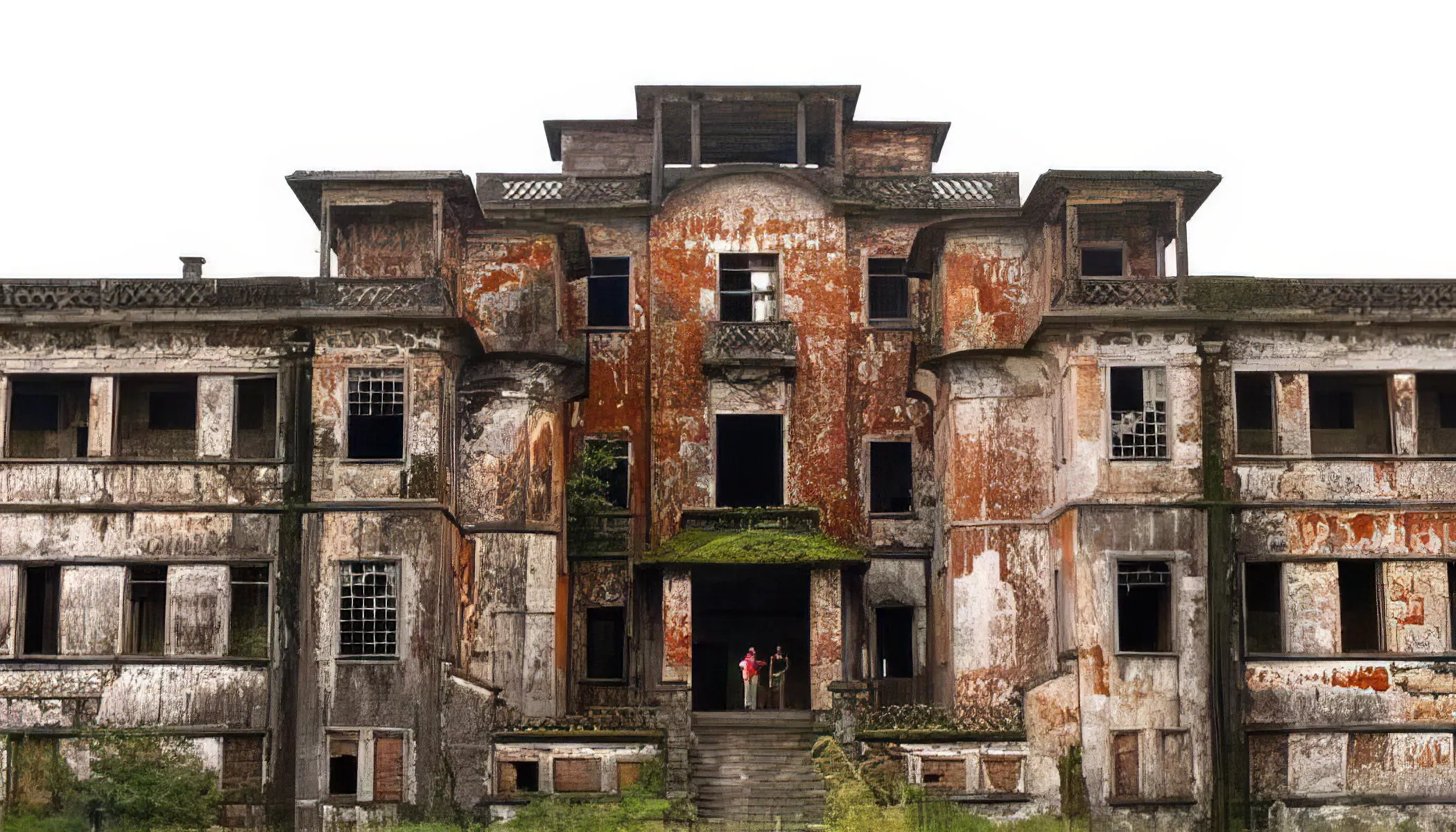
This city is known for its scenic riverside setting, colonial architecture, and nearby natural attractions.
– Bokor Hill Station: An old French colonial hill station with cool climate, abandoned buildings, and nice views.
– Kampot Pepper Plantations: Famous for high-quality pepper, offering tours to see the cultivation process.
– Kep National Park: Offers hiking trails with views of the coastline and surrounding countryside.
– Teuk Chhou Rapids: A popular spot for picnics and swimming in natural rapids.
– La Plantation: A farm that grows various spices, offering educational tours and tastings.
– Phnom Chhngok Cave Temple: A cave with a pre-Angkorian brick temple inside, accessible by a short hike.
Activity
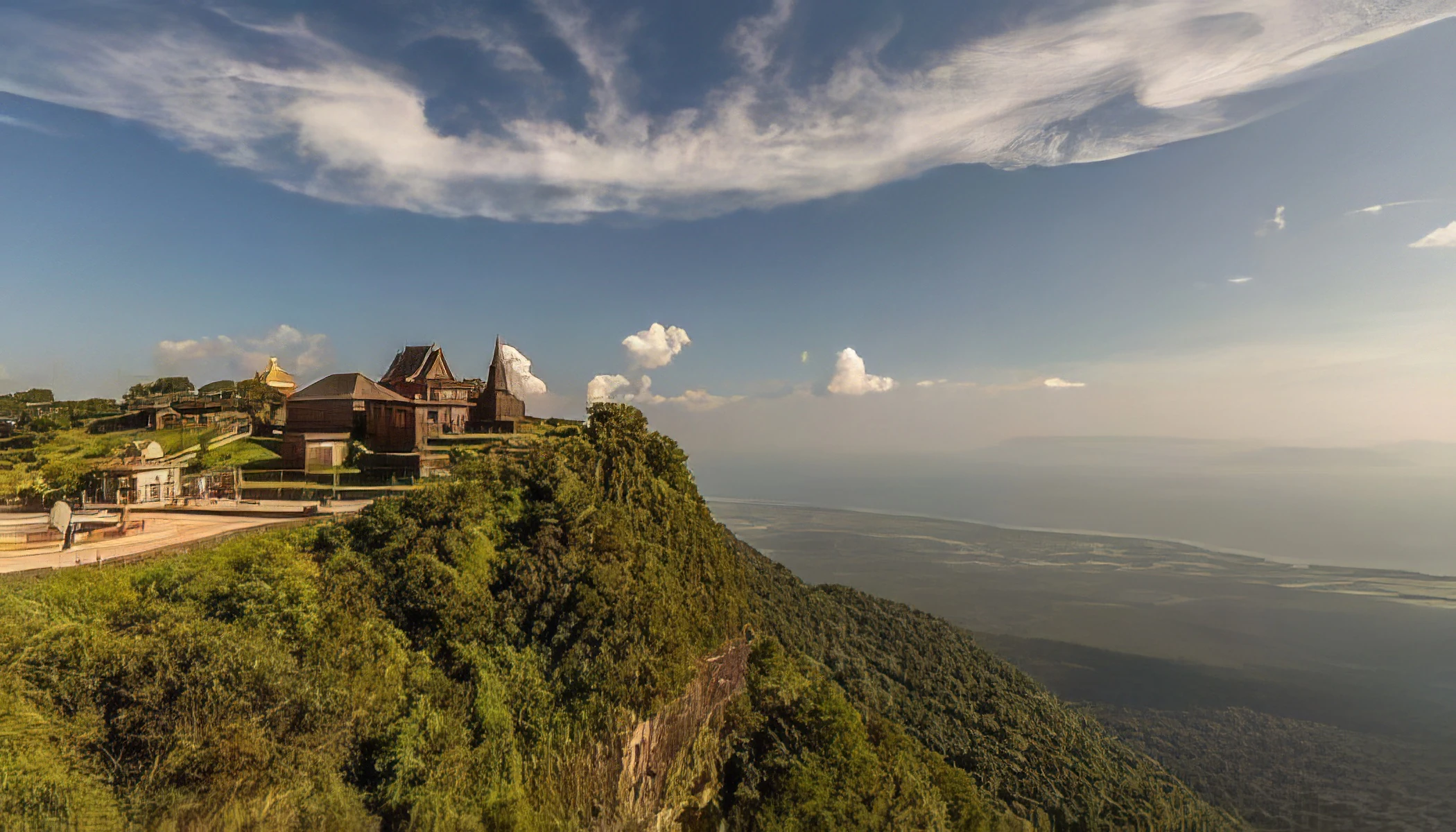
In Kampot, travelers can enjoy river cruises, pepper farm tours, and unique countryside experiences.
– Bokor National Park: Explore abandoned French colonial buildings and enjoy panoramic views.
– Pepper Farm Tours: Learn about Kampot's famous pepper and see how it's grown.
– River Cruises: Relax on a boat trip along the peaceful Kampot River.
– Cycling Tours: Ride through scenic countryside and visit local villages.
– Salt Fields Visit: See the traditional salt production process in action.
Cuisine
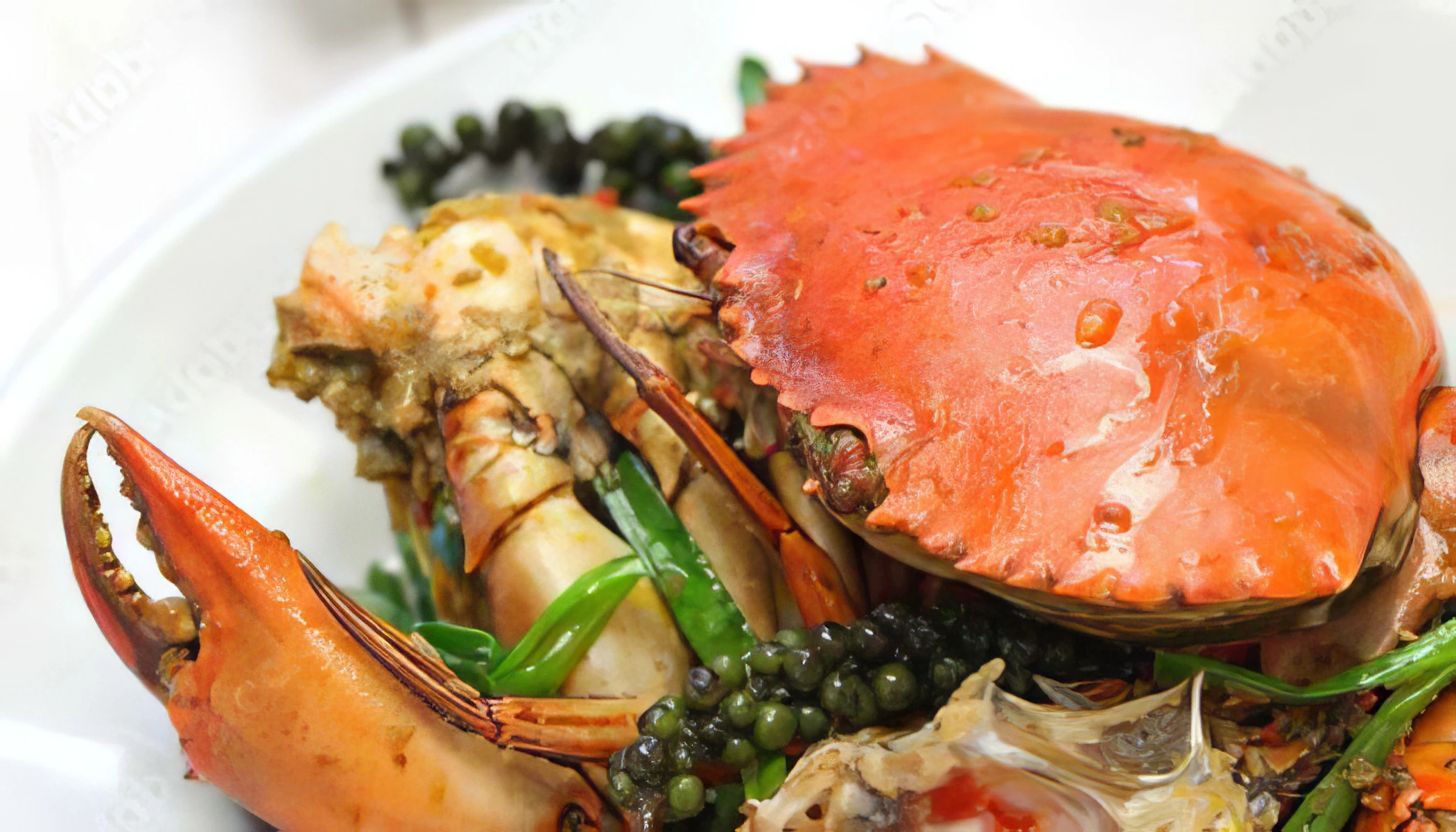
The city is known for its fresh seafood and the use of locally grown Kampot pepper in many dishes. Some of the city's most famous dishes include:
– Crab with Kampot Pepper: Fresh crab stir-fried with aromatic Kampot pepper.
– Amok: Traditional Cambodian fish curry steamed in banana leaves.
– Lok Lak: Stir-fried beef served with a tangy lime and pepper dipping sauce.
– Kuy Teav: Rice noodle soup with pork or beef, flavored with herbs and lime.
– Num Pang: Cambodian-style baguette sandwich filled with meats, pickles, and herbs.
– Sticky Rice with Mango: Sweet sticky rice served with ripe mango slices and coconut milk.
Shopping
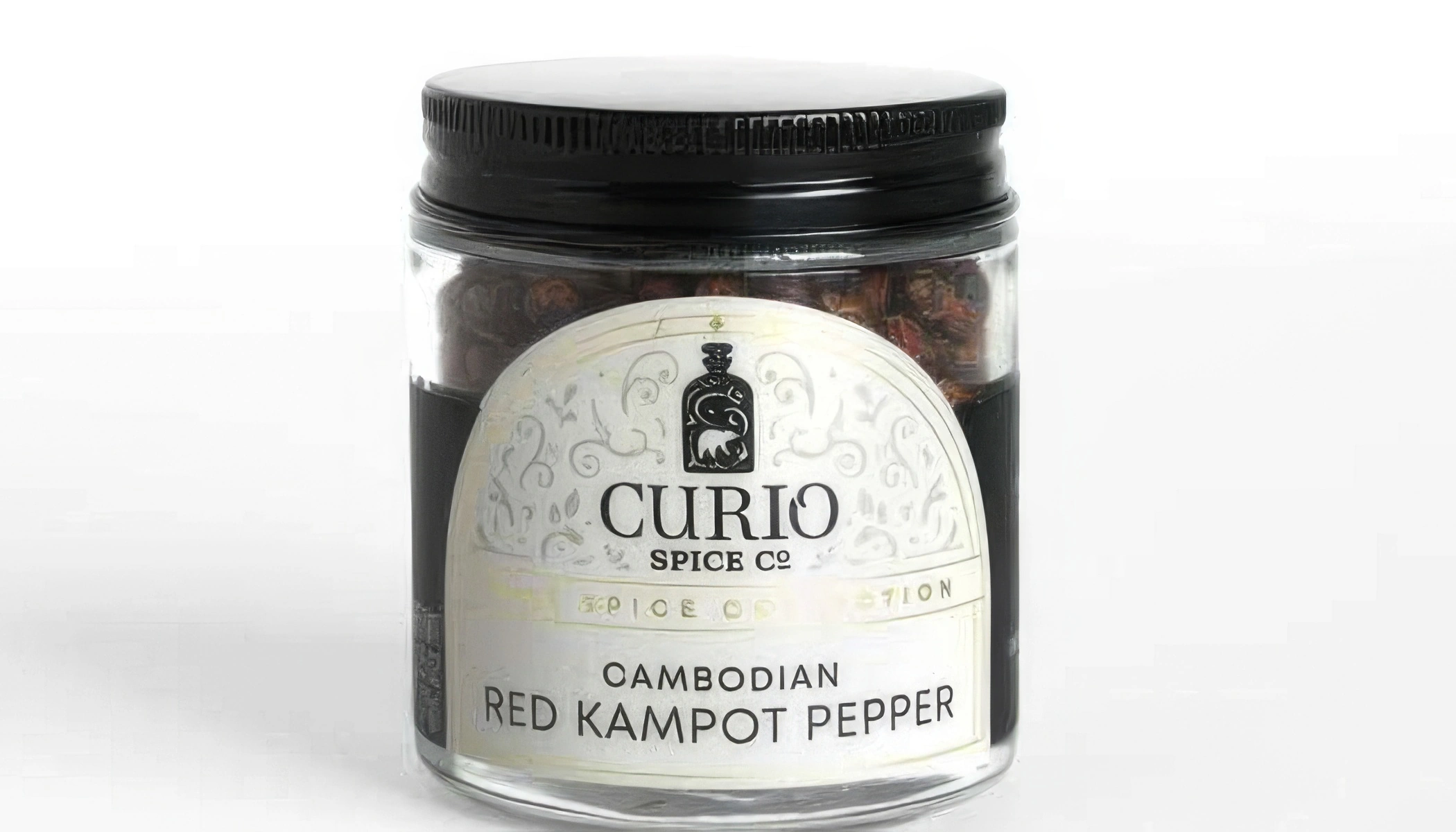
In the city, tourists can enjoy shopping for the famous locally-produced pepper, which is renowned for its quality and flavor. Another unique gift option is Kampot salt, a product of the nearby salt fields. Handicrafts made from local materials and traditional techniques also make meaningful souvenirs. The riverside market offers a variety of local products, from fresh fruits to artisanal goods. For those interested in textiles, there are shops selling traditional Khmer scarves, known as Krama. These items not only serve as great gifts but also support the local economy.
Arts & Culture
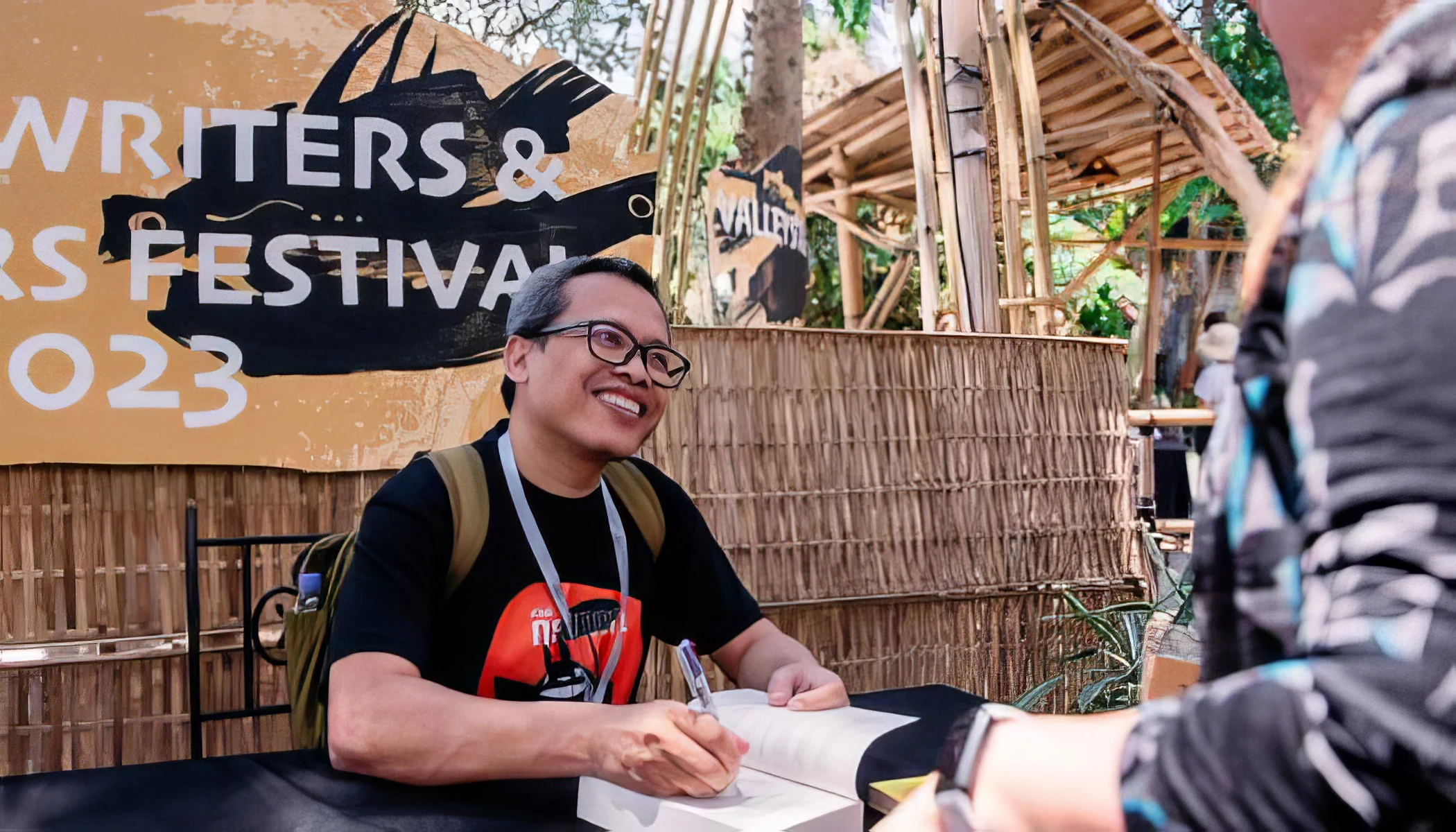
The city is renowned for its well-preserved French colonial architecture, which adds a historical charm and serves as a backdrop for various cultural festivals. It hosts the annual Kampot Writers and Readers Festival, attracting artists, musicians, and writers from around the world to celebrate literature and the arts. Additionally, the city is a hub for music and art, with numerous small galleries and live music venues that showcase both traditional Khmer and contemporary art forms. The Giant Puppet Project, a community arts initiative, also takes place here, involving local children in creating large-scale puppets for public parades.