

Katowice: Best Things to Do & Top Attractions
This city is known for its industrial history and cultural institutions. It features modern architecture, parks, and museums. The area has a growing economy and hosts various events, making it an important urban center in the region.
- Population
- 0.3 millions
- Size
- 165 square km
- Airport
- Katowice International – Int'l
- Train Station
- Katowice & 2 others
- Est. Visit Days
- 2 days
Overview
Katowice is a city in southern Poland known for its industrial history and cultural development. Pros include a growing economy, good transportation links, and a animated arts scene, particularly in music and theater. The city has also invested in green spaces and modern architecture. However, cons include air pollution and a less attractive image compared to other Polish cities like Krakow or Wroclaw. Overall, Katowice offers a unique experience but may not appeal to all tourists.
Traffic & Transport
The city is well-connected with an efficient public transportation system, including trams and buses that make it easy to navigate various attractions. For those who prefer a more personal experience, renting a bike or using electric scooters can be enjoyable options. Walking is also a viable choice, especially in the city center where many points of interest are located close together. Overall, public transport provides a convenient and cost-effective way to explore the area. Reliable taxi services are available through companies such as Uber and Bolt, which operate in the region for convenient rides around the city. Additionally, local taxi companies can be booked via phone or at designated taxi ranks throughout the area.
History
The area was part of the Kingdom of Poland in the early Middle Ages. In the late 18th century, it became part of Prussia following the partitions of Poland. The region saw industrial growth in the 19th century, particularly due to coal mining and steel production. After World War I, it experienced conflict over national borders, leading to uprisings for Polish independence. The city developed a unique cultural identity influenced by both Polish and Silesian traditions.
Itinerary Sample
Here is a suggested 2-day itinerary for exploring Katowice, Poland.
– First day: Visit the Silesian Museum, explore the city center and its architecture, have lunch at a local restaurant, then take a walk in the Valley of Three Ponds park.
– Second day: Tour the Nikiszowiec district, visit the Katowice Cultural Zone, enjoy coffee at a café, and end with a visit to Spodek arena.
Near Excursion
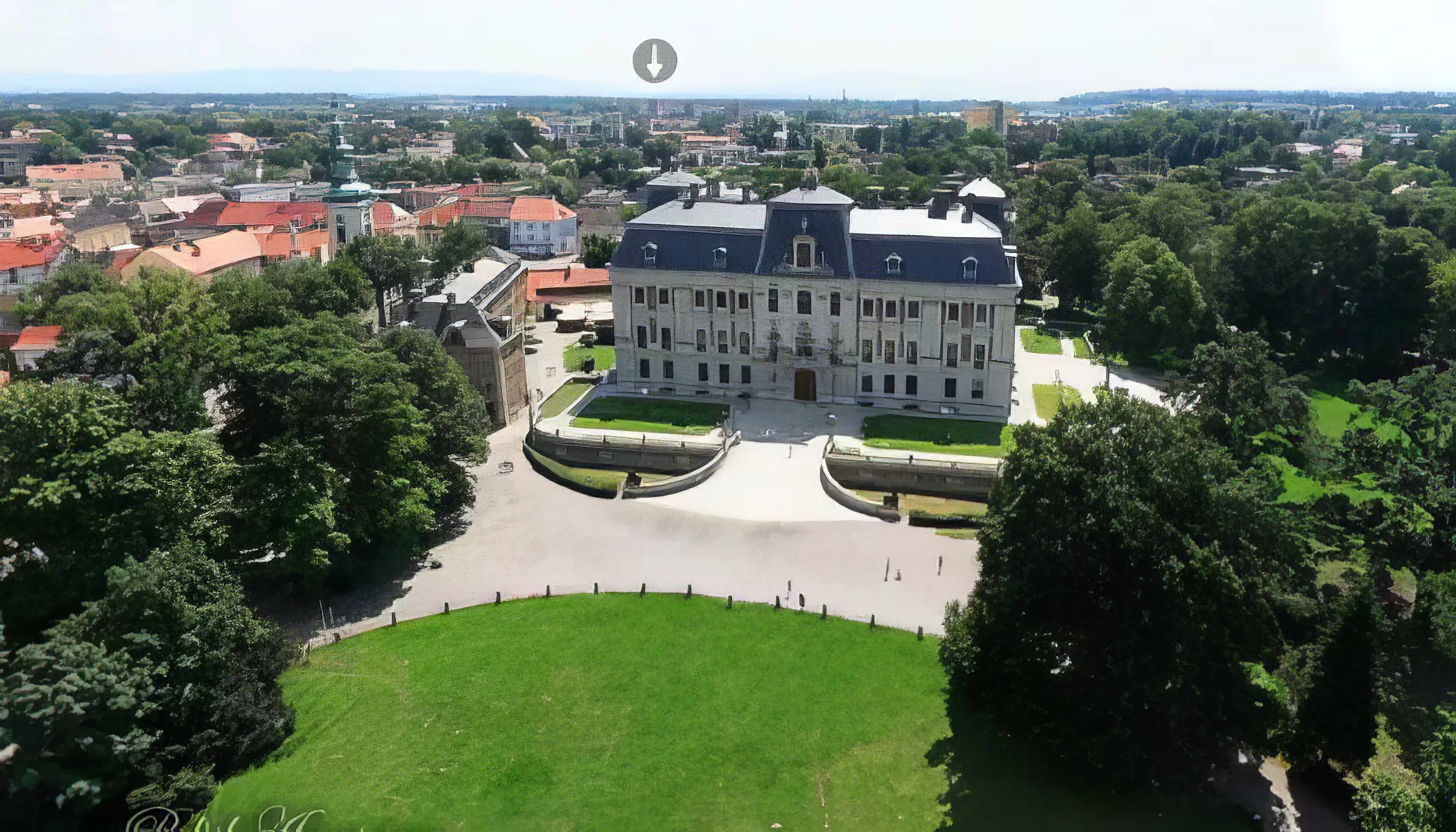
This city serves as a convenient base for exploring several interesting day-trip destinations. Here are some options:
– Auschwitz-Birkenau at 35 km: Visit the largest Nazi concentration and extermination camp, now a solemn memorial and museum.
– Krakow at 80 km: Explore Poland's historic royal capital, with its medieval architecture and lively cultural scene.
– Pszczyna Castle at 40 km: Discover this well-preserved castle with beautiful interiors and an extensive park.
– Bielsko-Biała at 60 km: Enjoy charming old town streets, historical sites, and surrounding mountain landscapes.
– Częstochowa at 120 km: Visit the Jasna Góra Monastery, home to the revered Black Madonna icon.
Attraction
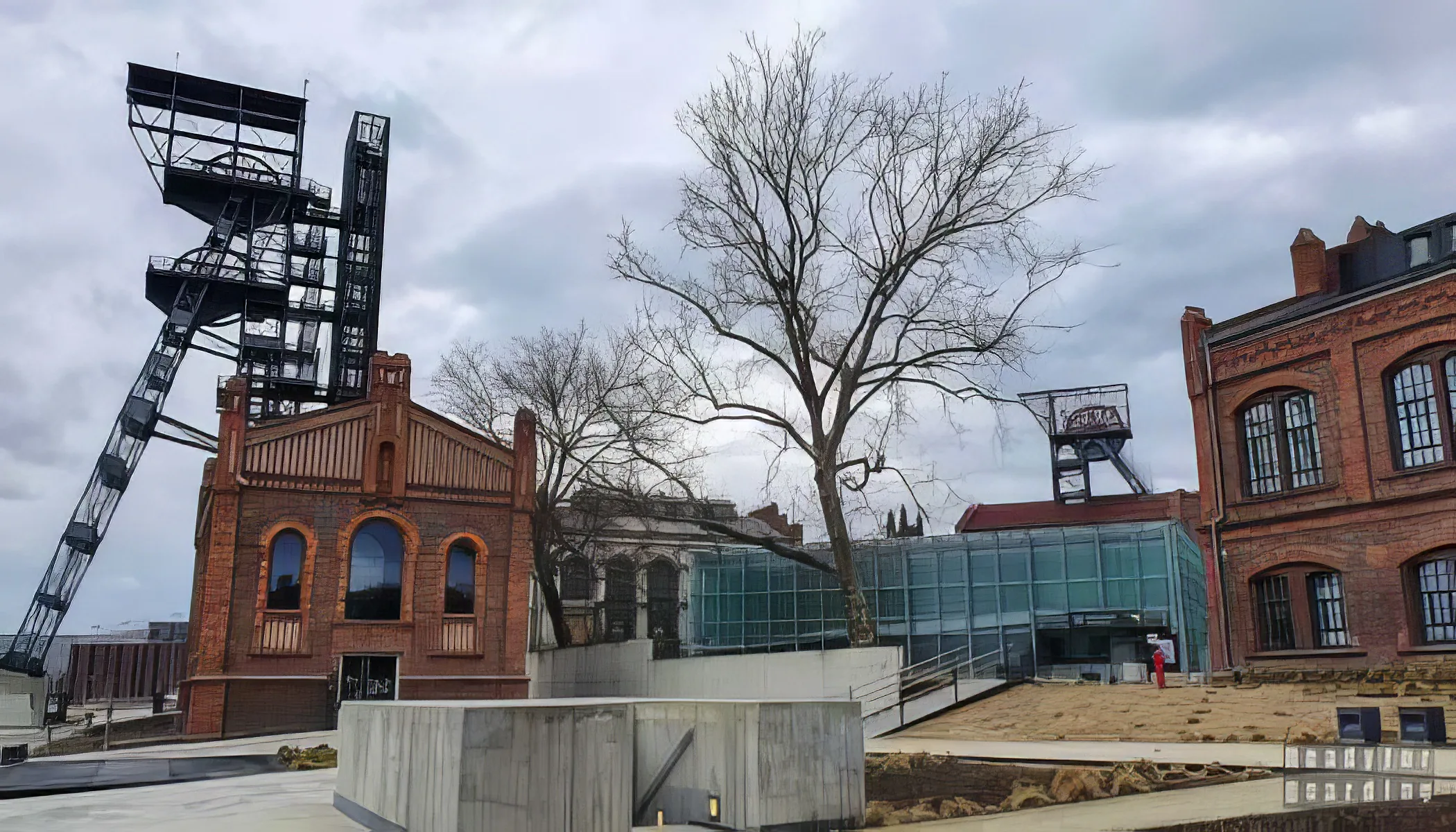
Known for its industrial history and modern architecture, the city offers a mix of culture, art, and green spaces.
– Silesian Museum: Explore regional art and history in underground galleries at this modern museum built on a former coal mine site.
– Spodek Arena: Iconic venue shaped like a flying saucer, hosting concerts and sports events in a unique architectural setting.
– Nikiszowiec District: Walk through this historic workers' district known for its red brick architecture and traditional charm.
– Kosciuszko Park: Relax or take a stroll in one of the city's largest parks with walking trails and scenic views.
– Cathedral of Christ the King: Visit the largest cathedral in the region, notable for its impressive neoclassical design.
– Silesian Zoological Garden: Enjoy diverse animal exhibits spread across spacious grounds in this family-friendly attraction.
Activity
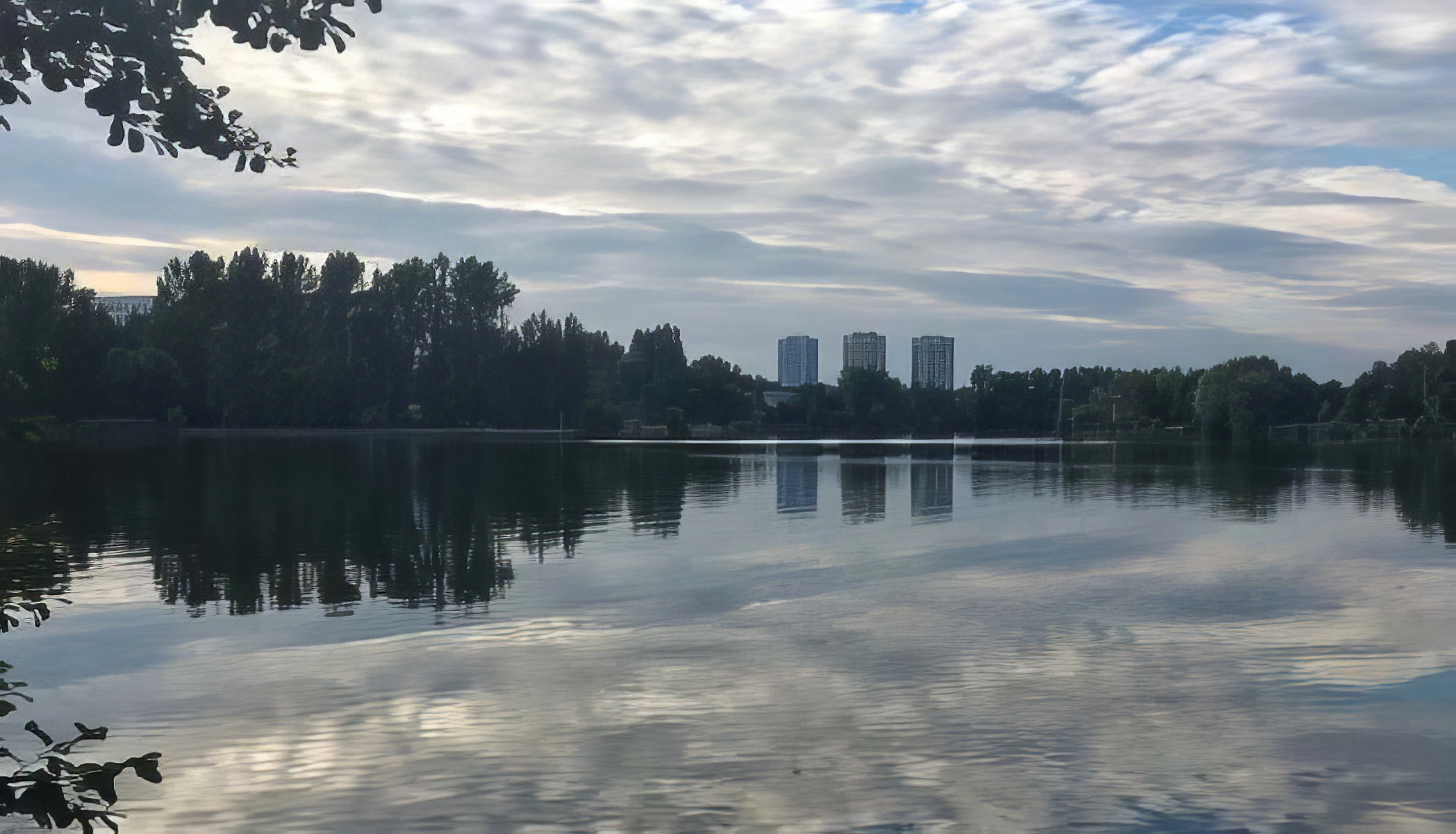
In Katowice, travelers can explore industrial heritage, parks, and local culture through various unique activities and experiences.
– Nikiszowiec: Visit this historic workers’ district with red-brick houses and a distinct architectural style reflecting early 20th-century life.
– Silesian Park: Enjoy outdoor activities, including hiking trails, a zoo, and an amusement park in one of the largest urban parks in Europe.
– Spodek Arena: Attend concerts or sports events at this iconic spaceship-shaped venue known for its unique architecture.
– Valley of Three Ponds: Relax by the scenic ponds offering walking paths, cycling routes, and opportunities for picnicking.
– Giszowiec District: Explore another charming workers’ settlement with beautiful architecture and local shops reflecting regional traditions.
Cuisine
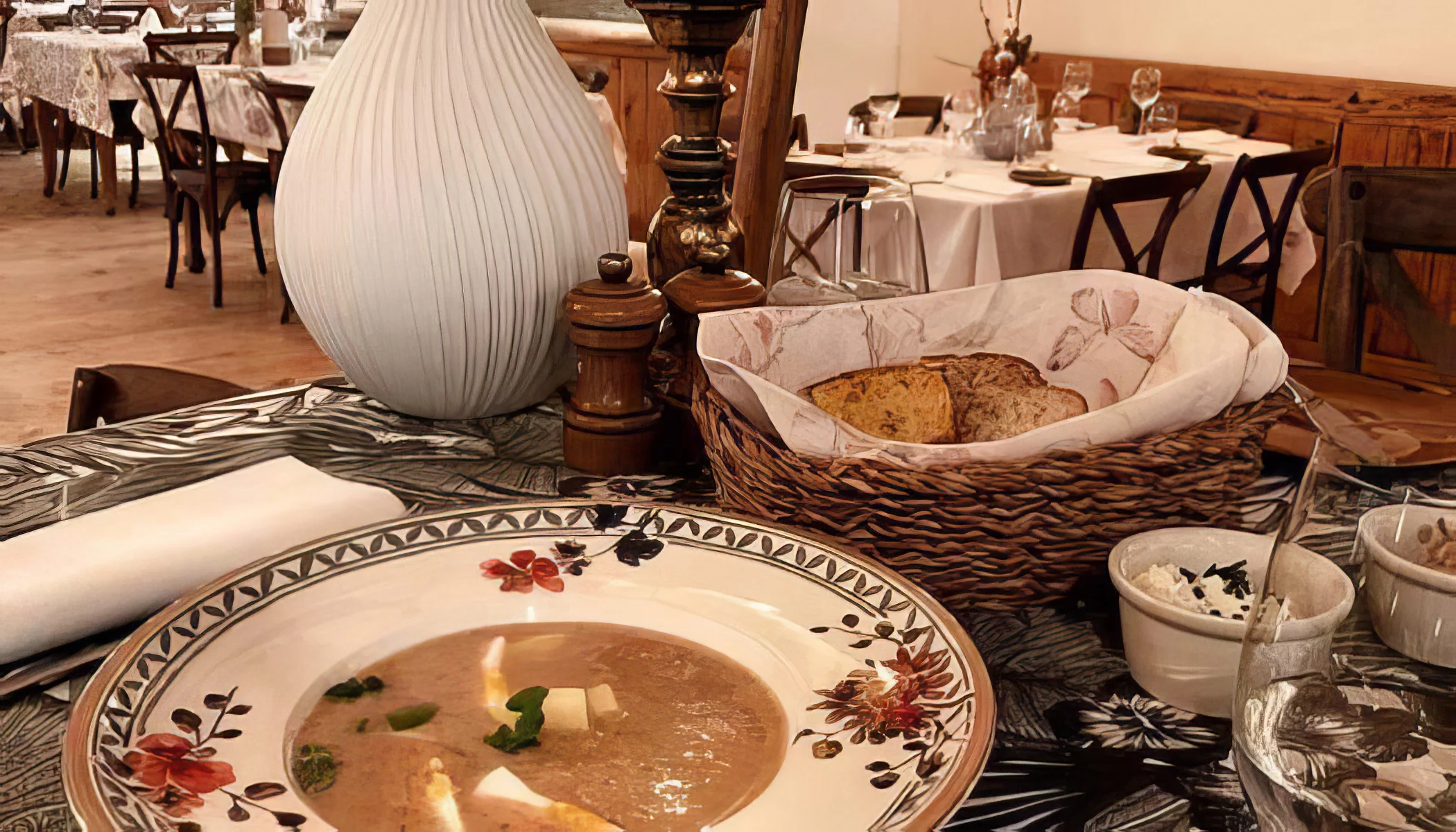
The city offers a mix of traditional Polish cuisine and modern European dishes, reflecting its industrial and cultural heritage. Some of the city's most famous dishes include:
– Pierogi: Dumplings filled with various ingredients like potatoes, cheese, or meat.
– Żurek: Sour rye soup often served with sausage and boiled eggs.
– Bigos: Hearty stew made from sauerkraut, fresh cabbage, and assorted meats.
– Silesian Rolada: Beef rolls stuffed with bacon, pickles, and onions in gravy.
– Makowiec: Poppy seed roll dessert with a sweet filling wrapped in yeast dough.
Shopping
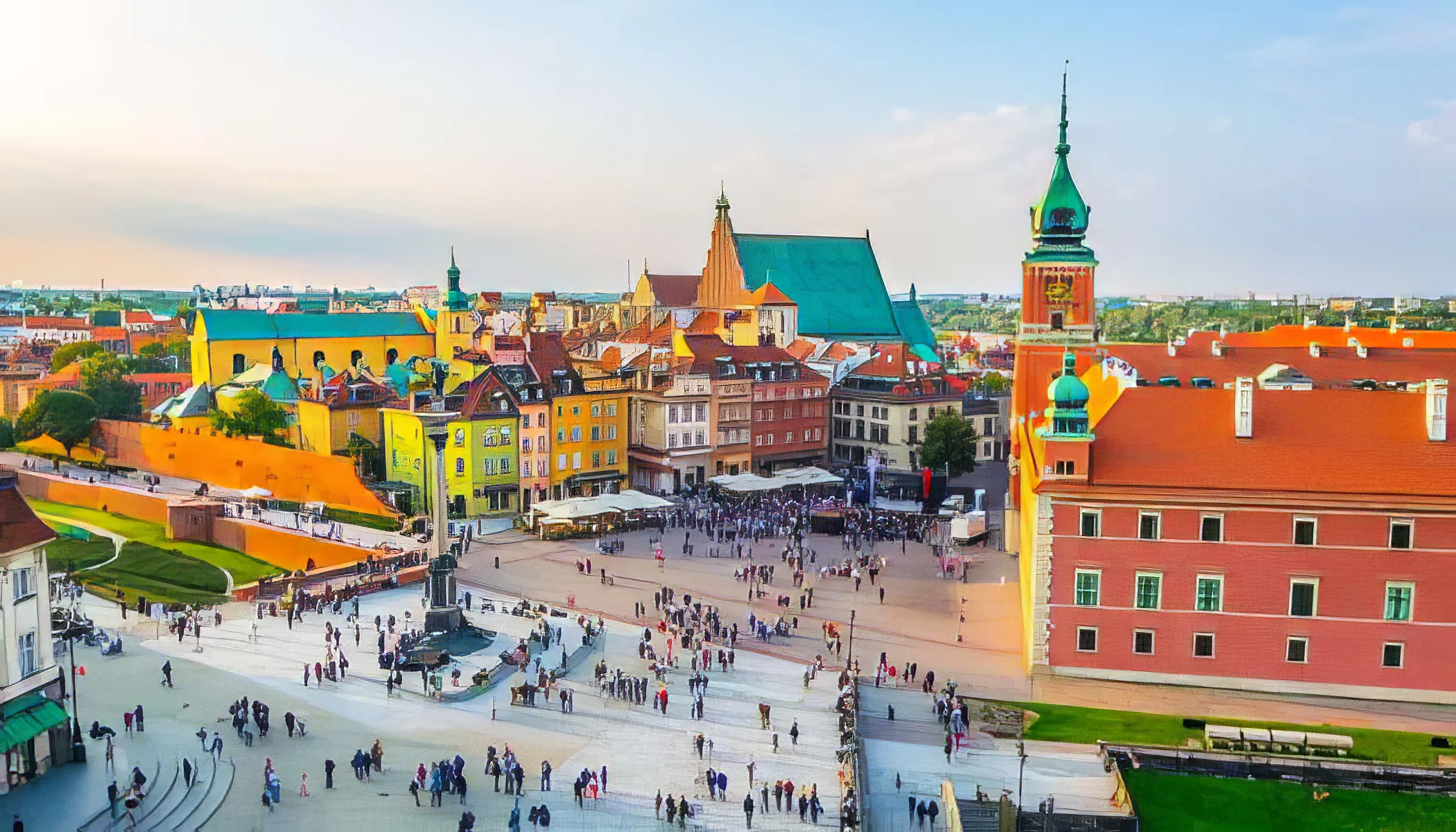
One popular shopping destination is a large shopping mall with various international and local brands. You can find unique Polish pottery, which makes a good gift choice. Traditional amber jewelry is also available and is a common souvenir. Local food products, like honey or regional snacks, are worth considering as gifts. Additionally, you might explore small shops for handmade crafts. Overall, there are several options for both shopping and gifts.
Arts & Culture
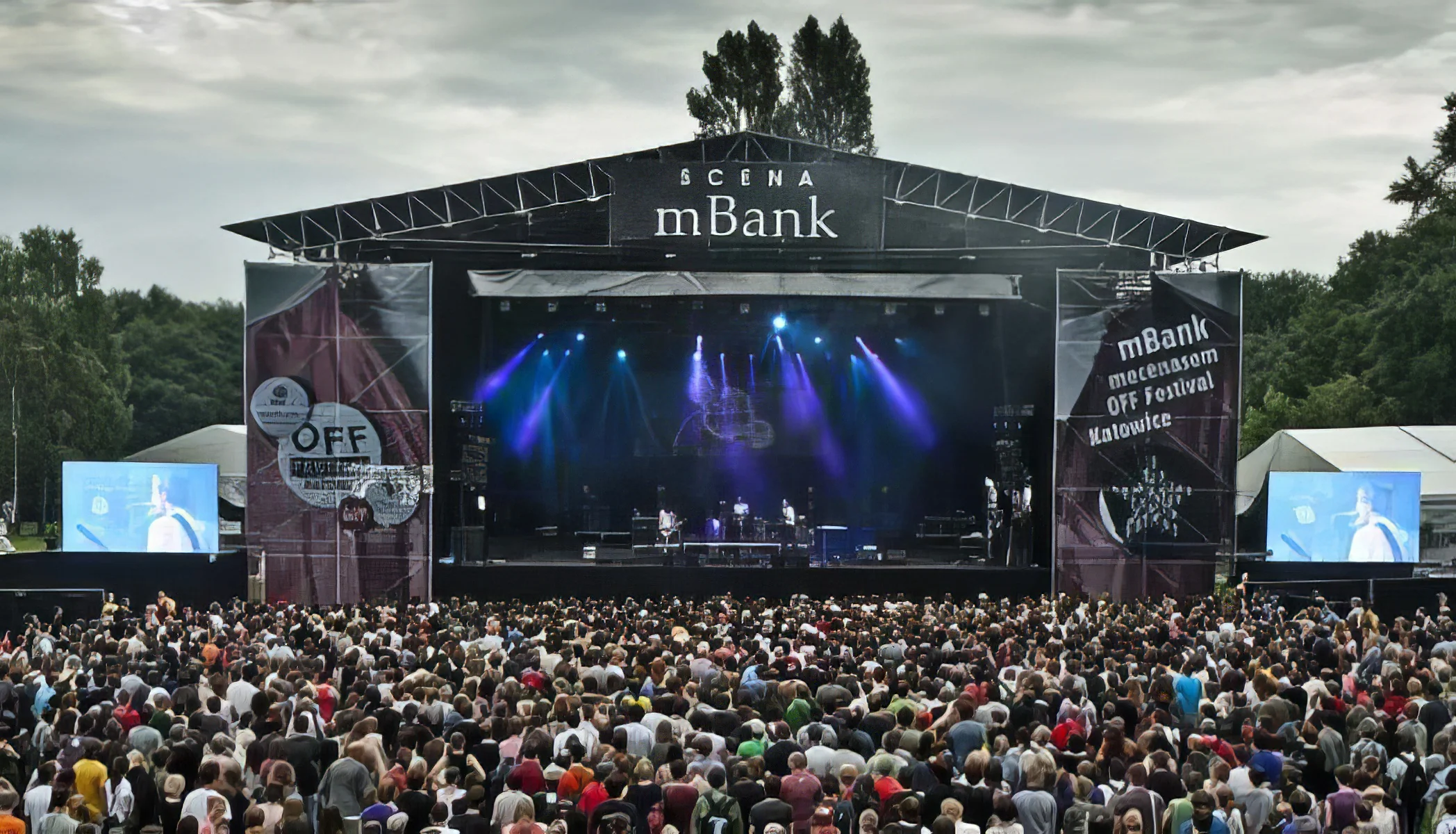
The city hosts the annual OFF Festival, which focuses on alternative music and features various performances. The Silesian Museum offers contemporary art exhibitions and showcases regional history. There are also numerous galleries and cultural centers that promote local artists and host workshops. Additionally, the International Festival of Music is a key event celebrating classical music with performances from various artists.