

Khajuraho: Best Things to Do & Top Attractions
This UNESCO World Heritage Site is known for its handsome temples featuring sophisticated sculptures and carvings. Built between the 9th and 11th centuries, it showcases ancient architecture and art, reflecting the region's historical significance and cultural heritage.
- Airport
- Khajuraho – domestic
- Train Station
- Khajuraho.
- Est. Visit Days
- 2 days
Overview
Khajuraho is a small town in India known for its UNESCO World Heritage-listed temples, famous for their refined erotic sculptures. The main pro of visiting Khajuraho is the unique architectural beauty and historical significance of the temples, attracting tourists interested in art and history. However, the town has limited amenities and accommodations compared to larger cities, which may not suit all travelers. Additionally, it can be quite hot during summer months, making outdoor exploration uncomfortable. Overall, Khajuraho offers a distinct cultural experience but may require some adjustments for visitors seeking more urban conveniences.
Traffic & Transport
The city is relatively small, making it easy to navigate on foot or by bicycle. Auto-rickshaws are a popular mode of transport for tourists, providing a convenient way to reach various attractions while enjoying the local scenery. Additionally, renting a bicycle can be an eco-friendly and enjoyable way to explore the area at your own pace. Public buses are also available, but they may not be as frequent or reliable for tourists. For reliable taxi services, local companies often offer transportation options around the city and nearby attractions. While specific taxi-booking apps may not be widely used in this destination, many visitors find that arranging rides through hotel reception or using local taxi services is effective and convenient.
History
This city was part of the Chandela dynasty from the 9th to the 11th centuries. It flourished as a center for art and architecture, particularly known for its temples. The region faced invasions and conflicts, which impacted its development over time. During the medieval period, it became a significant hub for trade and commerce. Today, it is recognized for its UNESCO World Heritage-listed monuments reflecting cultural heritage.
Itinerary Sample
Here is a suggested 2-day itinerary for exploring Khajuraho.
– First day: Visit the Western Group of Temples, including Kandariya Mahadeva Temple and Lakshmana Temple. Explore the Archaeological Museum in the afternoon. Attend the sound and light show in the evening.
– Second day: Discover the Eastern Group of Temples, focusing on Jain temples. Visit the Southern Group of Temples in the afternoon. Enjoy local cuisine at a restaurant before departure.
Near Excursion
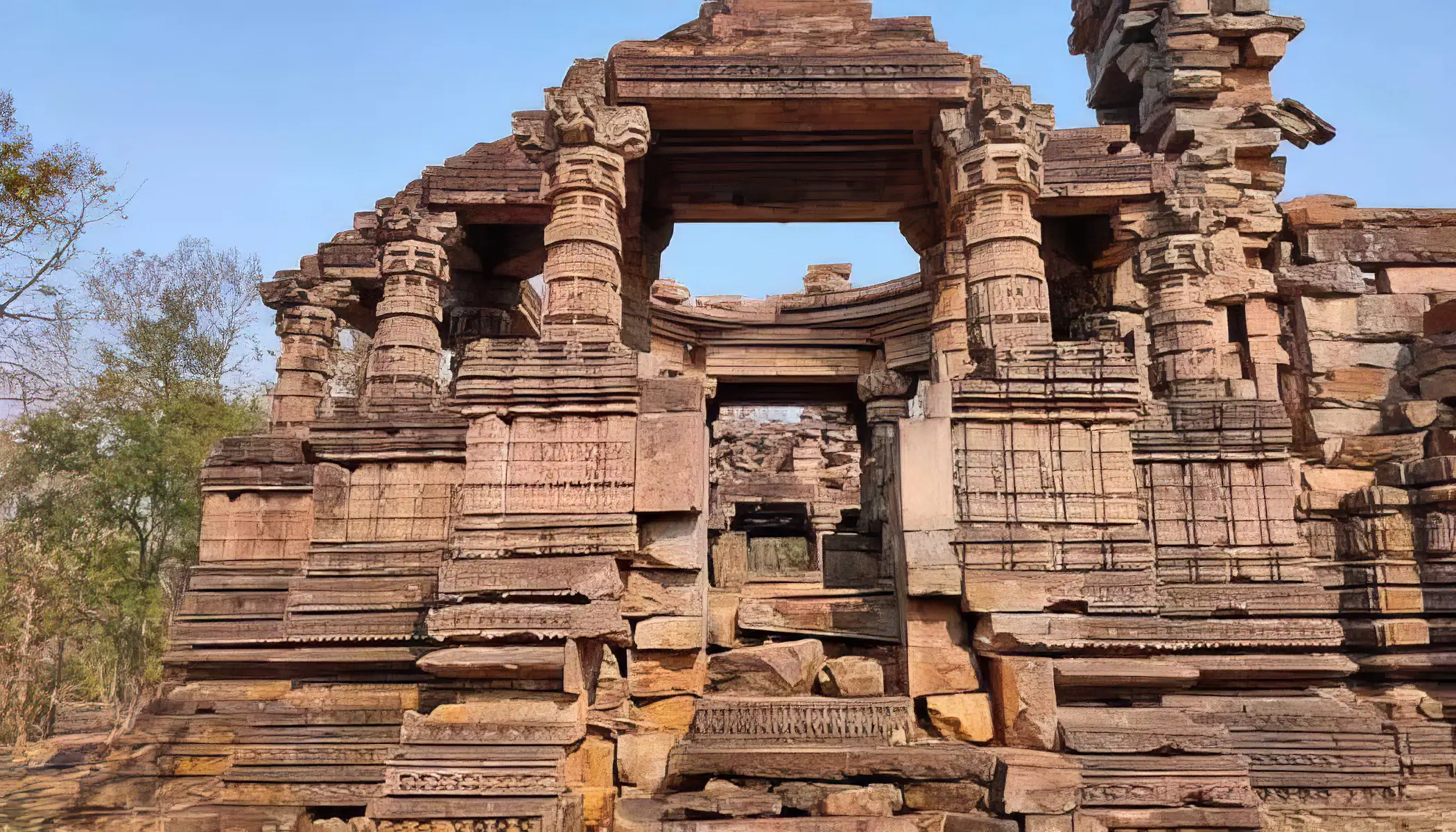
This city offers several cultural and natural day-trip options nearby. Here are some recommendations:
– Panna National Park at 45 km: A wildlife sanctuary known for its tiger reserve and diverse flora and fauna.
– Raneh Falls at 20 km: A charming waterfall with stunning rock formations, best visited during the monsoon.
– Ajaygarh Fort at 80 km: An ancient fort offering panoramic views of the surrounding landscape and historical architecture.
– Chitrakoot at 130 km: A spiritual town with temples, caves, and scenic beauty associated with the epic Ramayana.
– Kalinjar Fort at 100 km: Known for its historical significance and impressive fortifications nestled in the Vindhya Range.
Attraction
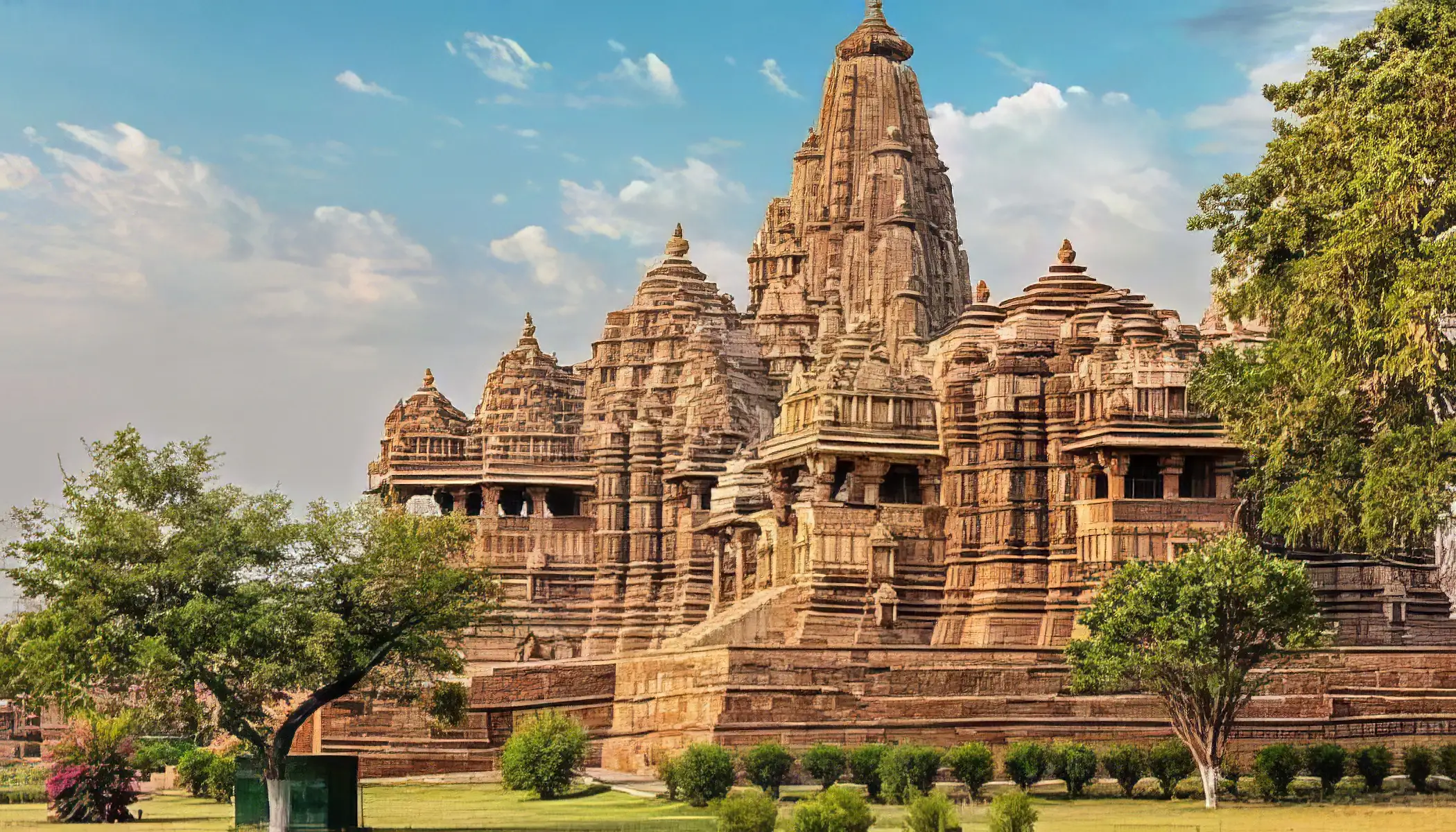
This city is renowned for its historic temples with sophisticated sculptures.
– Kandariya Mahadeva Temple: Known for its nice architecture, it's the largest and most ornate temple in the region.
– Lakshmana Temple: A well-preserved temple famous for its detailed carvings depicting various deities and scenes.
– Vishwanath Temple: Dedicated to Lord Shiva, it features impressive stonework and a large Nandi bull statue.
– Chitragupta Temple: Unique for its dedication to Surya, the Sun God, showcasing exquisite carvings of daily life scenes.
– Devi Jagdambi Temple: Smaller but notable for its erotic sculptures and intricate artistic details.
– Archaeological Museum: Offers insights into regional history with artifacts and sculptures from different eras.
Activity
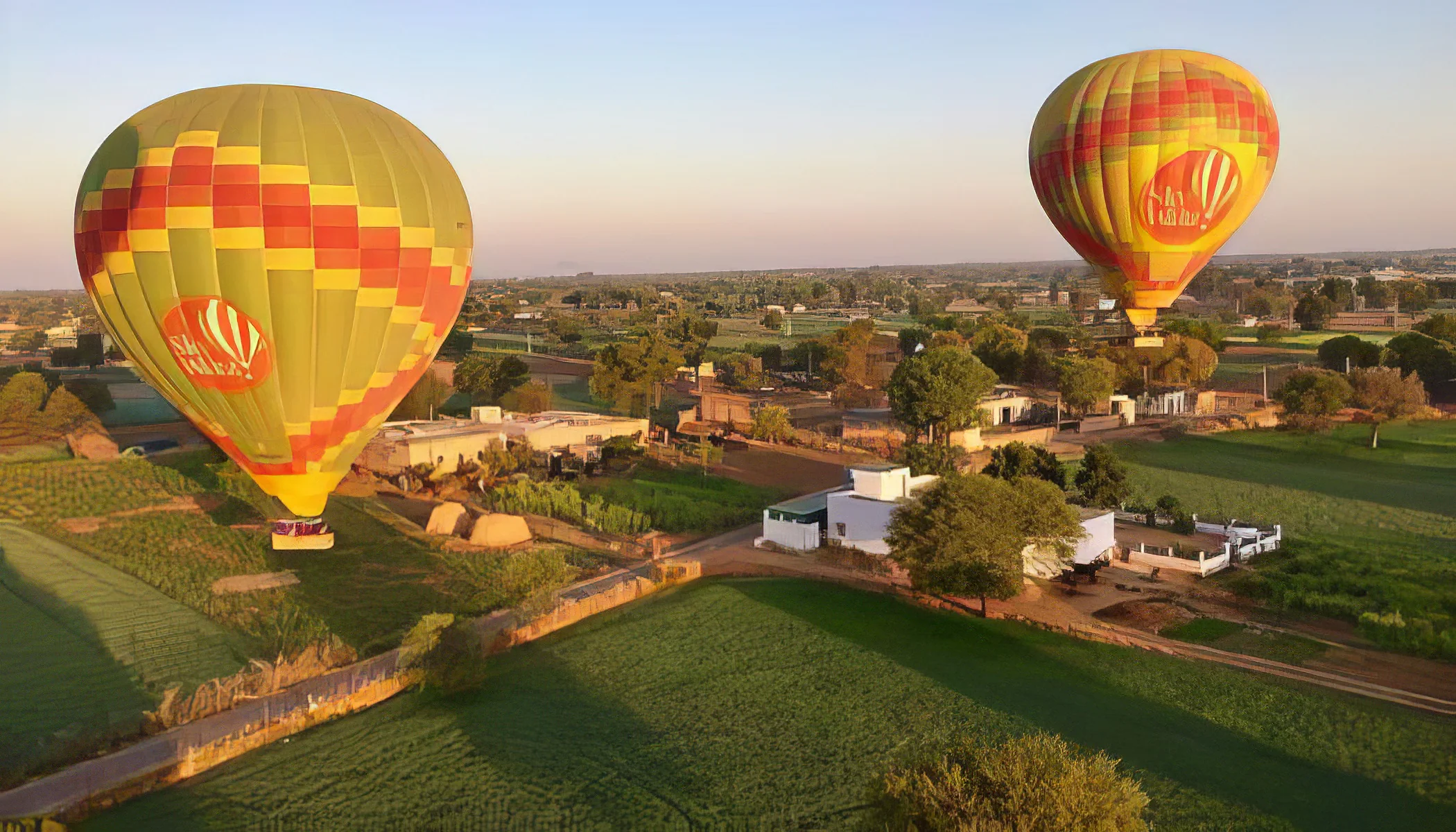
In Khajuraho, travelers can explore famous temples, enjoy local culture, and experience unique festivals throughout the year.
– Dance performances: Witness traditional Indian dance forms showcasing local culture in open-air settings.
– Nature walks: Enjoy guided treks through surrounding forests and villages to observe local flora and fauna.
– Village tours: Visit nearby villages to experience rural life and participate in local crafts and traditions.
– Hot air balloon rides: Get a bird's eye view of the temples and landscapes from above.
– Yoga retreats: Join sessions focusing on wellness and meditation in harmonious environments near the temples.
Shopping
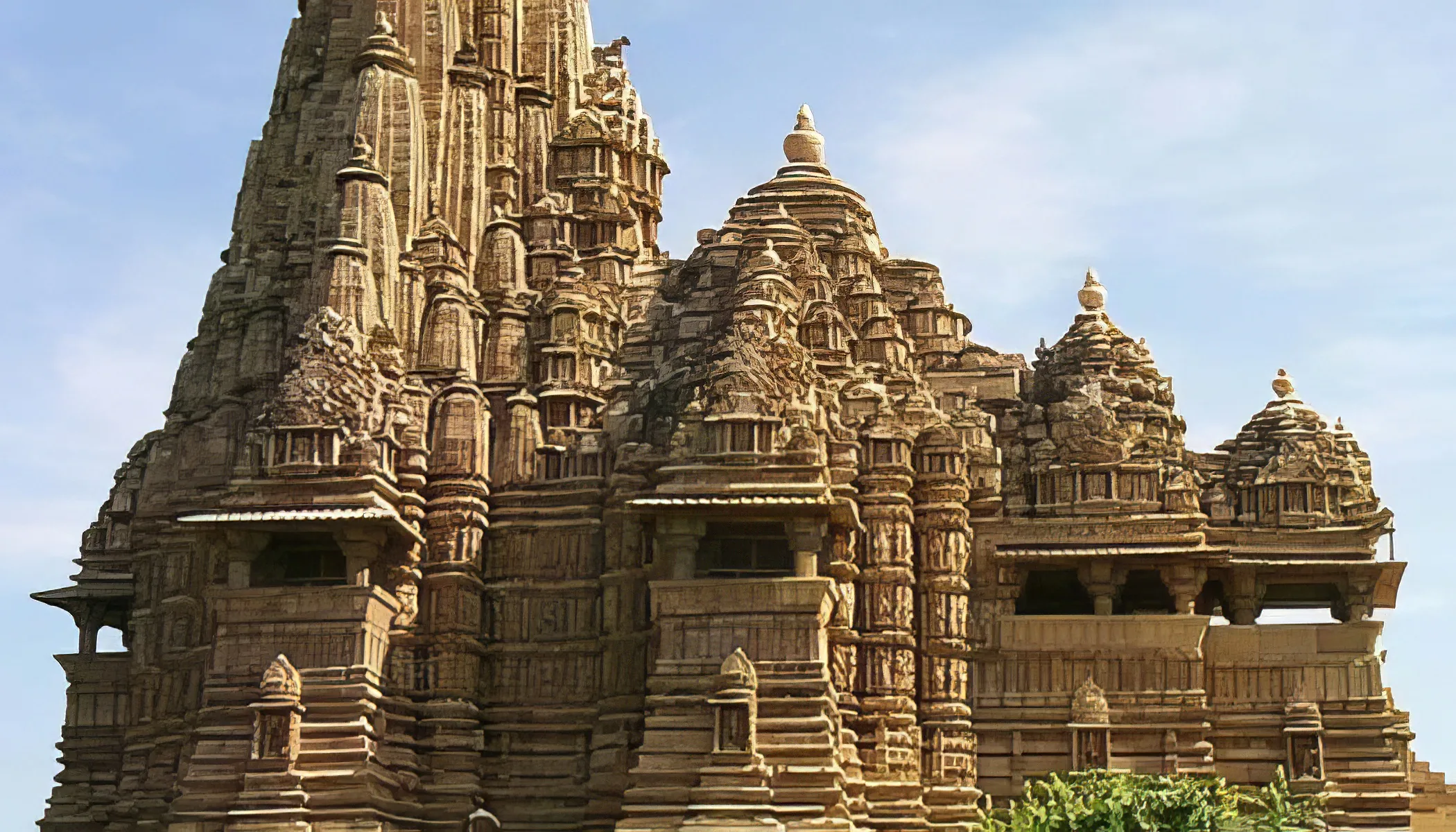
You can find a variety of local handicrafts and souvenirs in the area. Popular items include stone carvings, textiles, and wooden crafts. For gifts, traditional jewelry made by local artisans is a good choice. You may also consider purchasing small sculptures that reflect the region's art style. Bargaining is common in local markets, so be prepared to negotiate prices. Overall, shopping here offers a chance to take home unique cultural items.
Arts & Culture
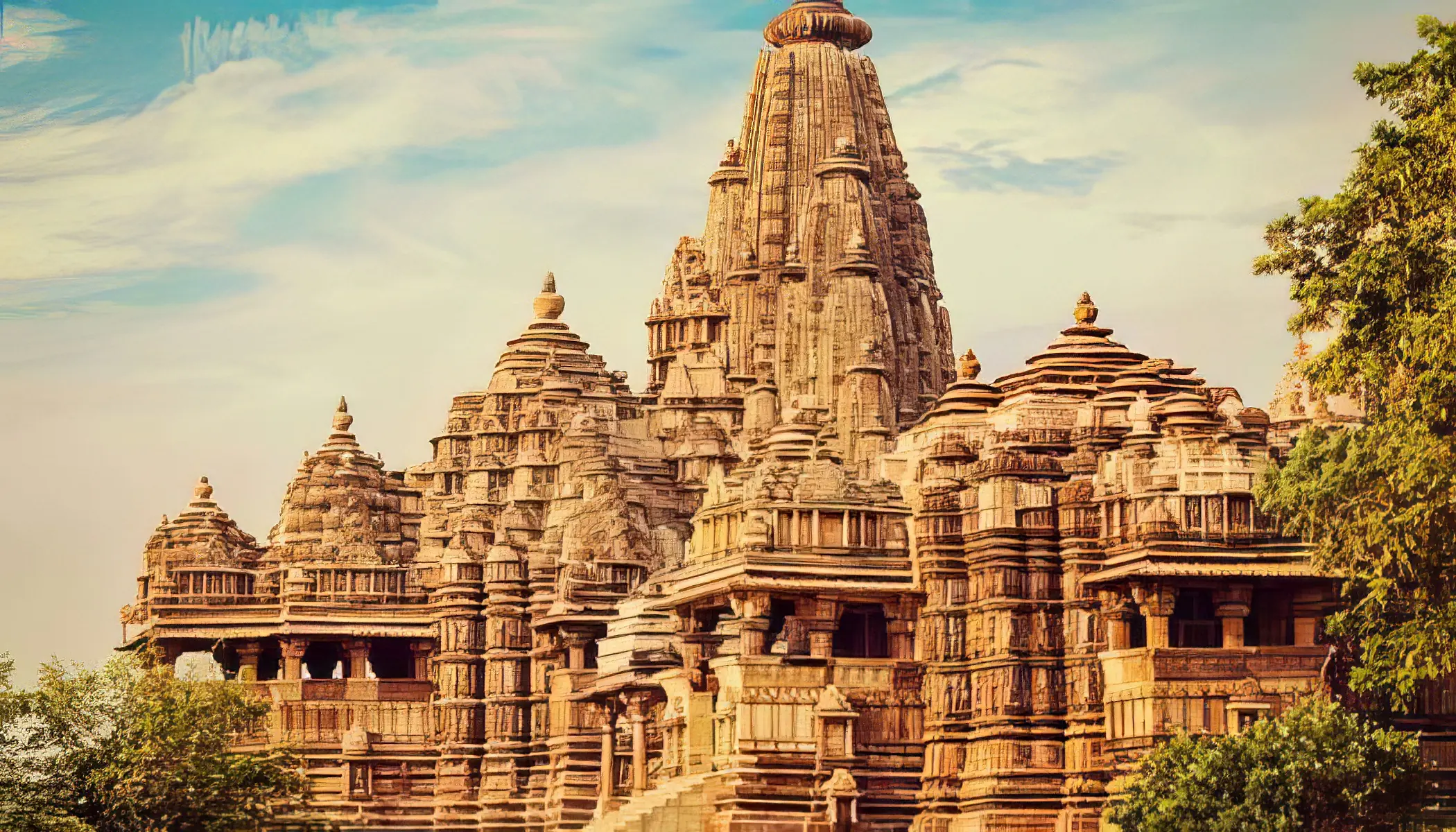
The city is renowned for its UNESCO World Heritage-listed temples, which feature complex sculptures and carvings depicting various aspects of life, including erotic art. The annual Khajuraho Dance Festival celebrates classical Indian dance forms, drawing performers and audiences from across the country. Artisans in the area continue traditional crafts such as stone carving and sculpture making. Various cultural programs and workshops are held throughout the year to promote local arts and heritage.