

Kharkhorin Travel Guide: Tourist Places & Activities
This historic town was once the capital of the Mongol Empire in the 13th century. It features ancient ruins, a museum, and is surrounded by scenic landscapes, making it a significant cultural and archaeological site.
- Est. Visit Days
- 2 days
Overview
Kharkhorin, historically significant as the capital of the Mongol Empire, is located in central Mongolia. Pros include its rich history, with attractions like the Erdene Zuu Monastery and nearby archaeological sites. The city offers a glimpse into Mongolian culture and traditions. However, it has limited modern amenities and infrastructure compared to larger cities. Visitors may find fewer entertainment options and services available.
History
This city was established in the 13th century as a capital of the Mongol Empire under Genghis Khan. It served as a key trade center along the Silk Road, facilitating commerce between East and West. The area was affected by various conflicts, including battles during the Mongolian civil wars. Over time, it became a significant cultural hub for Buddhism and Mongolian traditions. Today, its historical sites reflect its rich past and importance in Mongolian history.
Itinerary Sample
Explore Kharkhorin's historical and cultural sites over two days.
– First day: Visit the Erdene Zuu Monastery, explore ancient ruins of Karakorum, and learn about Mongolian history at the local museum.
– Second day: Take a trip to the Orkhon Valley, enjoy natural scenery, and visit nearby nomadic families for cultural experiences.
Near Excursion
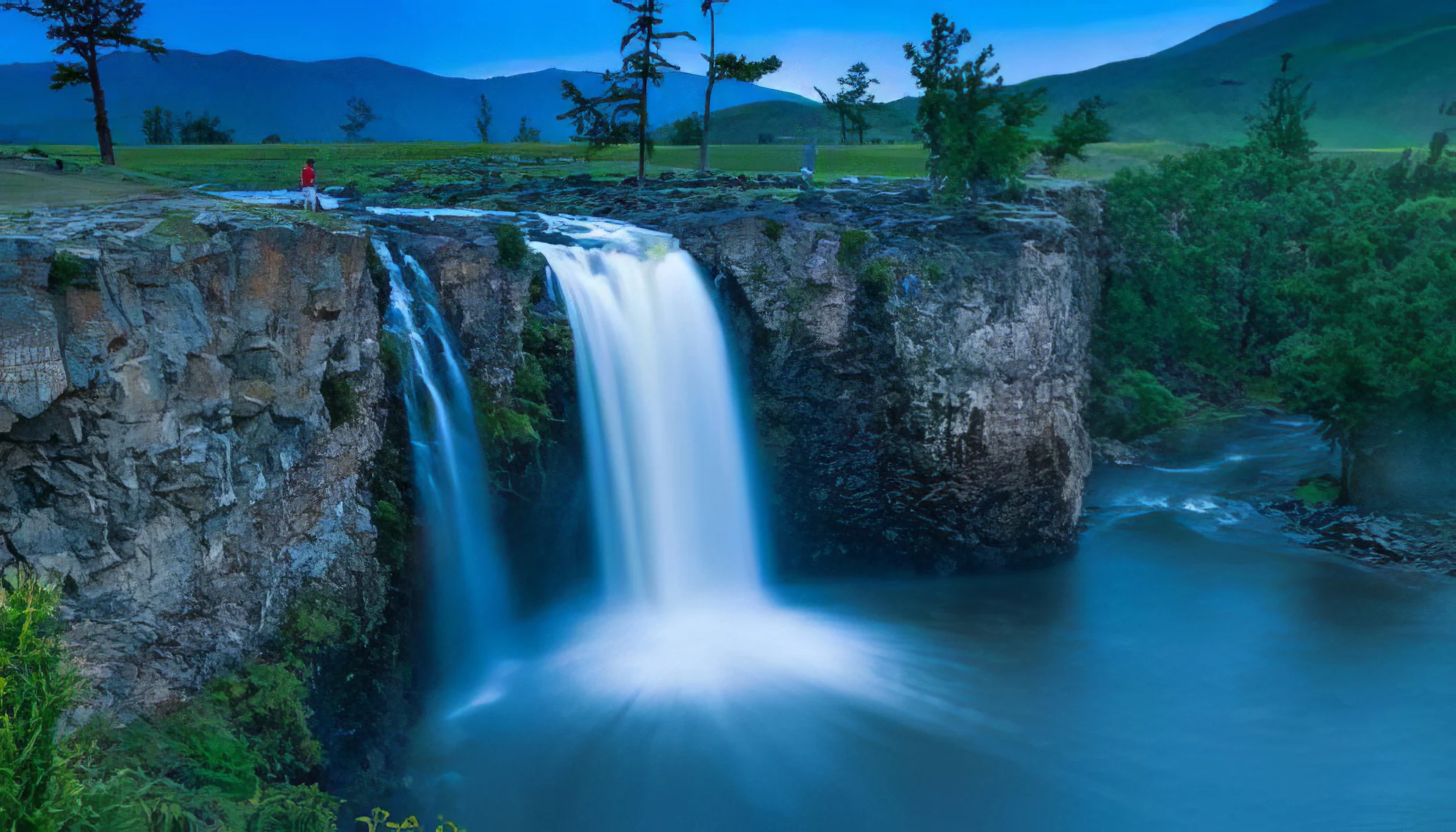
This area offers several interesting day-trip options for exploring Mongolia's natural and historical sites. Here are some suggestions:
– Erdene Zuu Monastery at 1 km: The oldest Buddhist monastery in Mongolia, known for its impressive architecture and historical significance.
– Tövkhön Monastery at 60 km: A small but scenic monastery located on a forested mountain, offering panoramic views of the surrounding landscapes.
– Orkhon Waterfall at 120 km: A beautiful waterfall formed by volcanic eruptions, set in a pleasant valley ideal for picnicking.
– Shankh Monastery at 30 km: One of the oldest monasteries, it played a key role in Mongolian history and culture.
– Khogno Khan Nature Reserve at 90 km: Offers diverse landscapes with sand dunes, mountains, and steppe for hiking and exploring.
Attraction
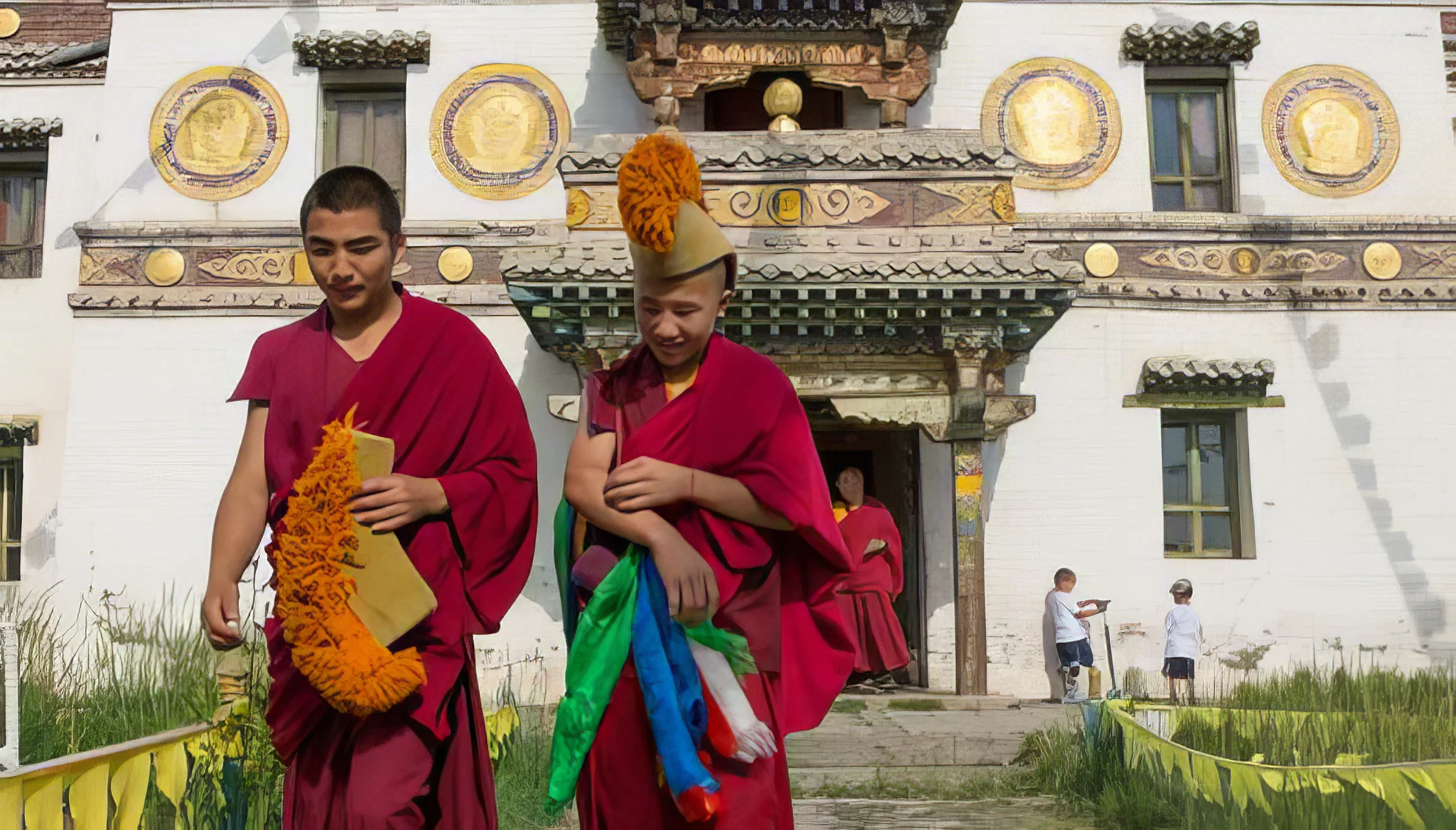
This city is known for its historical significance and ancient ruins.
– Erdene Zuu Monastery: The first Buddhist monastery in the country, it features impressive architecture and several temples.
– Khar Balgas Ruins: Remnants of an old capital from the Uyghur Khaganate period, offering insights into ancient history.
– Kharkhorum Museum: Displays artifacts and exhibits detailing the city's rich history as a former capital.
– Orkhon Valley: A UNESCO World Heritage Site with lovely landscapes and historical importance.
– Turtle Rock: An ancient stone turtle sculpture symbolizing protection, located near the old city walls.
– Shankh Monastery: A smaller but significant monastery known for its traditional religious practices and peaceful setting.
Activity
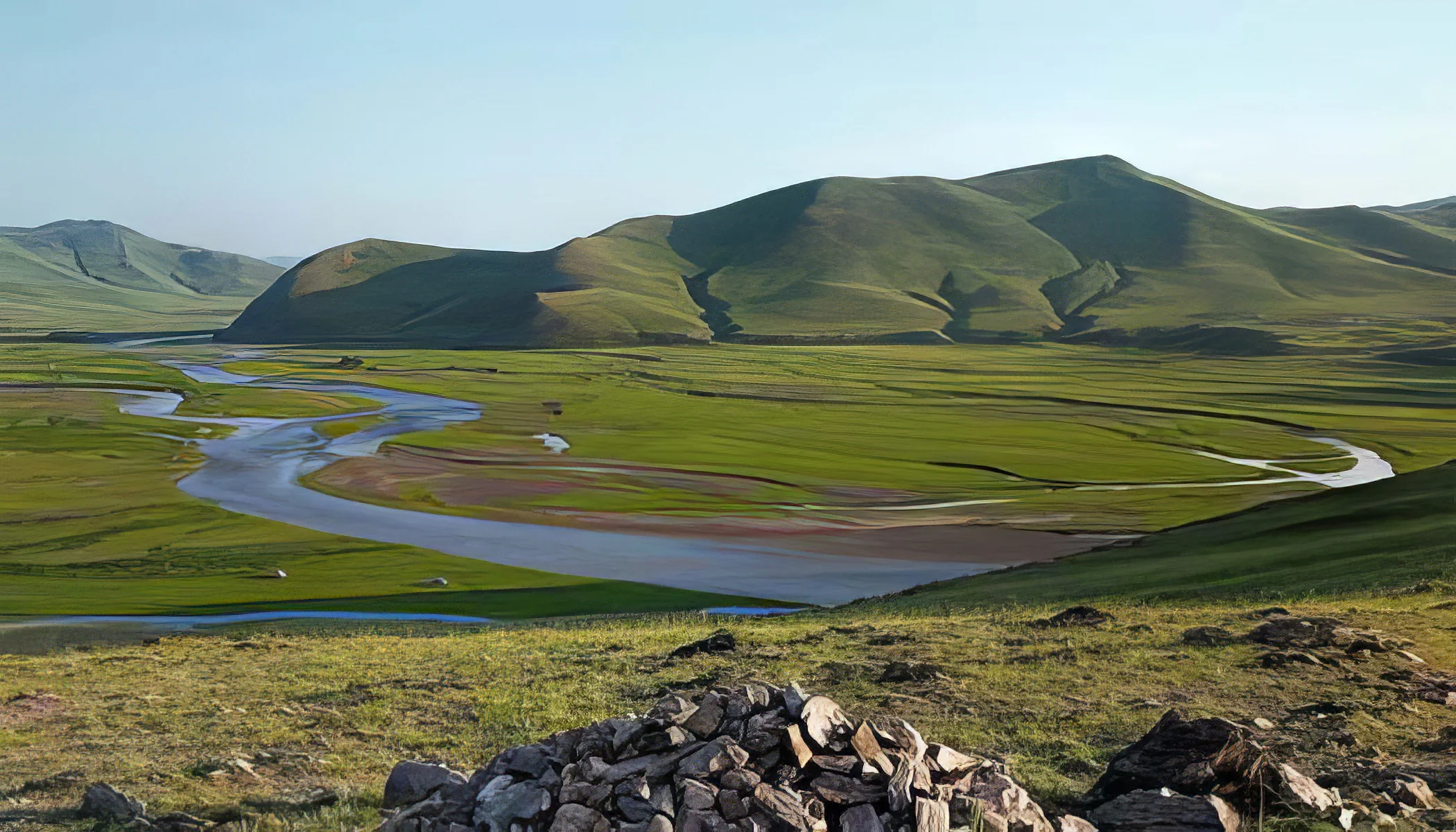
Kharkhorin offers travelers a mix of cultural heritage and outdoor activities in Mongolia's historic heartland.
– Horseback riding: Explore the surrounding landscapes on horseback, experiencing traditional Mongolian culture firsthand.
– Visit Erdene Zuu Monastery: Discover one of Mongolia's oldest Buddhist monasteries with its unique architecture and peaceful atmosphere.
– Stay in a ger camp: Experience traditional nomadic life by sleeping in a ger, enjoying local cuisine and hospitality.
– Hiking in Orkhon Valley: Trek through scenic valleys, witnessing beautiful natural beauty and diverse wildlife along the way.
– Participate in a nomadic lifestyle workshop: Learn about herding techniques, local crafts, and daily life from local nomads.
Arts & Culture
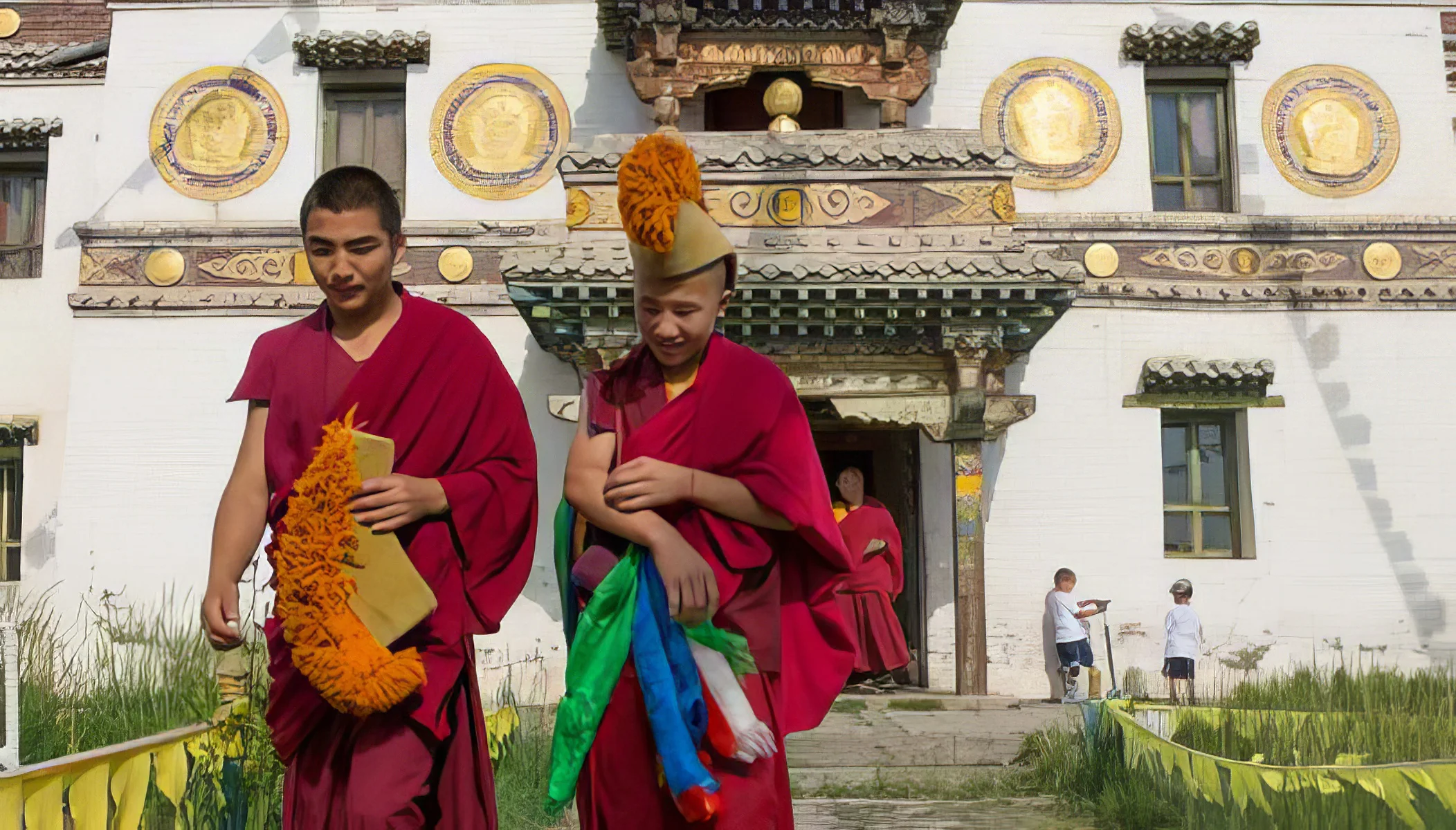
The city is known for the Erdene Zuu Monastery, which features traditional Mongolian Buddhist architecture and art. Local festivals often celebrate Mongolian culture, including music and dance performances. Artisans in the area may showcase traditional crafts such as felt making and wood carving. However, there are no widely recognized annual events that draw international attention in this regard.