

Kiruna Travel Guide: Tourist Places & Activities
This northern town is known for its unique location above the Arctic Circle, famous for the nearby Icehotel and opportunities to see the Northern Lights. It also has a significant iron ore mine and rich Sami culture.
- Size
- 20 000 square km
- Airport
- Kiruna – Int'l
- Train Station
- Kiruna.
- Est. Visit Days
- 4 days
Overview
Kiruna is a town in northern Sweden, known for its mining industry and proximity to the Northern Lights. Pros include unique natural experiences, such as the nearby Icehotel and opportunities for winter sports. The town offers a small community feel and low crime rates. However, it faces challenges like extreme cold temperatures in winter and limited amenities compared to larger cities. Additionally, ongoing mining activities may impact the environment and local infrastructure.
Traffic & Transport
The city is well-connected with various transportation options for tourists. Public buses operate regularly, providing an efficient way to navigate the area, while bicycles can be rented for a more leisurely exploration of the surroundings. Walking is also a viable option, as many attractions are within close proximity. For those looking to venture farther, car rentals are available. For taxi services, several reliable companies operate in the area, including local firms that can be hailed directly or booked via phone. Additionally, popular taxi-booking apps may be available for easier access to rides during your visit.
History
The area was originally inhabited by the Sámi people, who relied on reindeer herding. In the late 19th century, iron ore was discovered, leading to industrial development and immigration. The city grew rapidly due to mining operations, particularly during World War II when demand for iron increased. Ownership of the mines changed hands several times, reflecting broader economic shifts in Sweden. The cultural landscape includes influences from both Sámi traditions and industrial heritage.
Itinerary Sample
Here is a sample itinerary for a 4-day visit to Kiruna, Sweden.
– First day: Arrive in Kiruna, check into your accommodation, and explore the town center. Visit the Kiruna Church and learn about its unique architecture. Enjoy dinner at a local restaurant.
– Second day: Take a guided tour of the Icehotel, experiencing its art and design. Participate in an optional ice sculpting workshop. In the evening, look for the Northern Lights if conditions allow.
– Third day: Go on a snowmobile safari or dog sledding tour in the surrounding wilderness. Experience the Arctic landscape and wildlife. Return to Kiruna for dinner and relax at your accommodation.
– Fourth day: Visit the LKAB Mine for a guided underground tour to learn about mining operations. Explore nearby Abisko National Park for hiking or photography before departing Kiruna.
Near Excursion
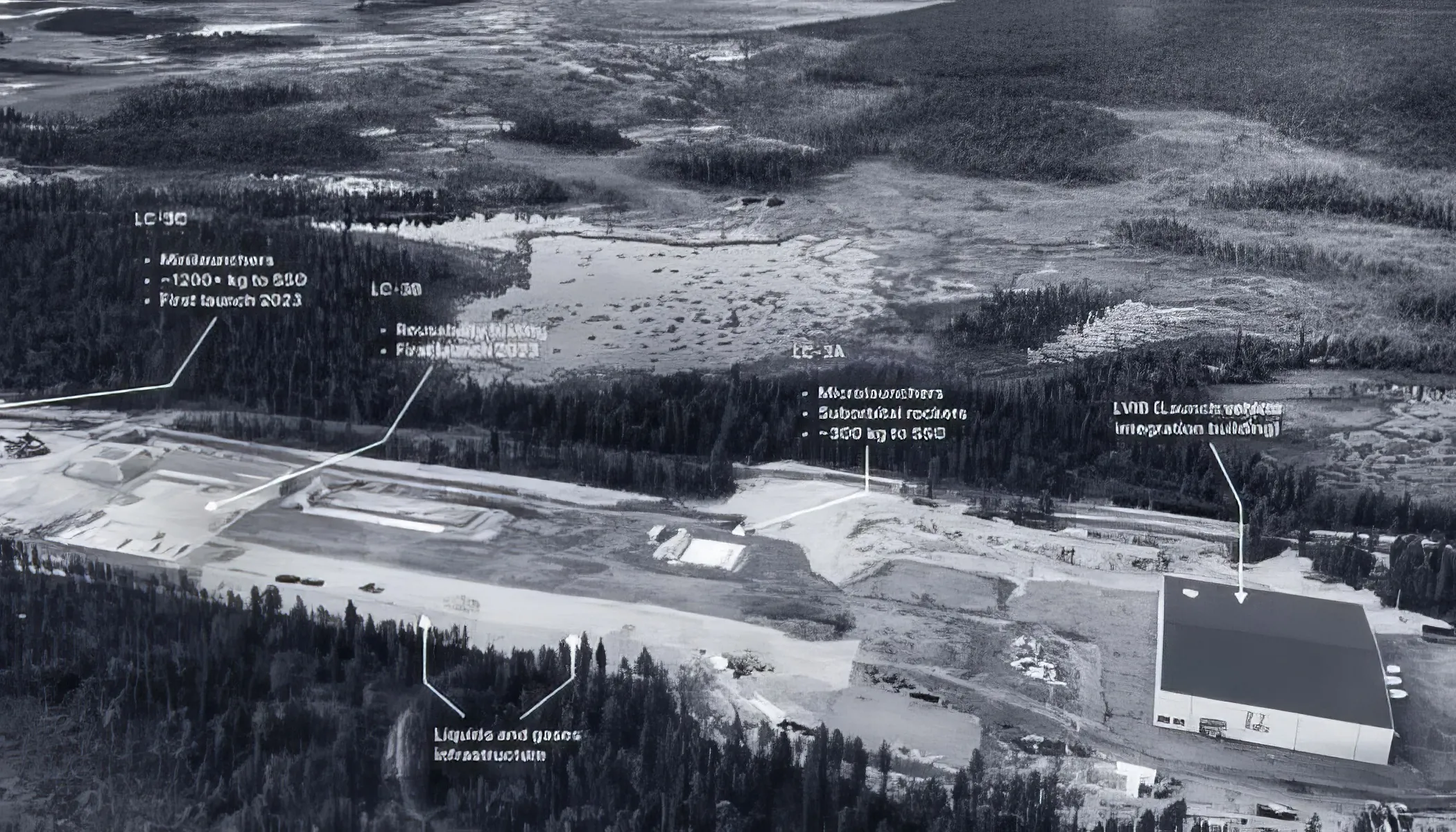
This area offers unique day-trip opportunities for visitors to explore the surrounding landscapes. Here are some options:
– Abisko National Park at 95 km: Known for its scenic trails, waterfalls, and Northern Lights during winter.
– Icehotel at 17 km: A world-famous hotel made entirely of ice and snow, offering guided tours.
– Esrange Space Center at 45 km: A rocket range and research center open for educational visits.
– Jukkasjärvi Church at 18 km: One of Sweden's oldest wooden churches with beautiful carvings and a peaceful setting.
– LKAB Visitor Centre at 0 km: Offers insights into one of the world's largest underground iron ore mines through guided tours.
Attraction
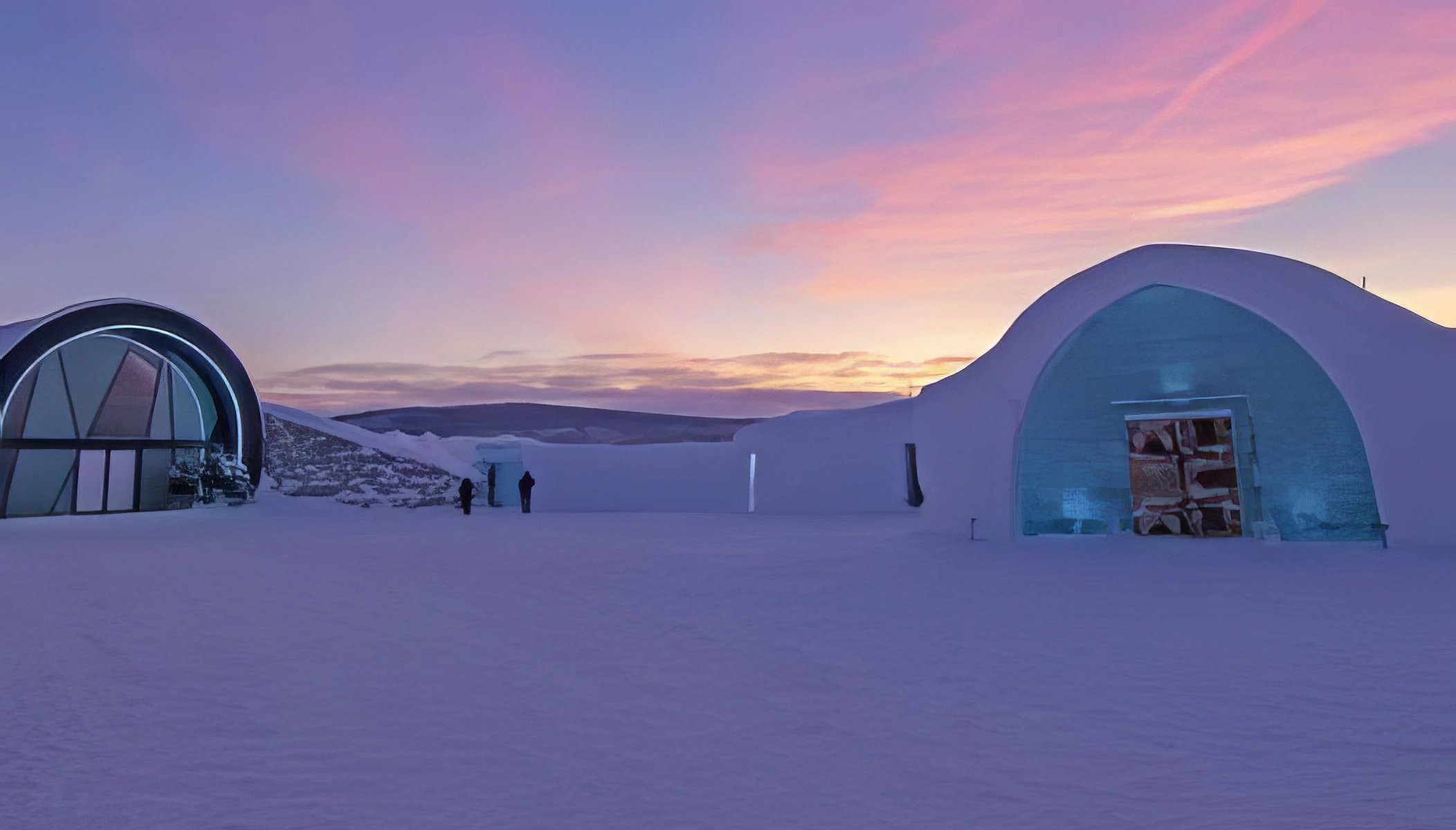
The city is known for its unique Arctic experiences and beautiful natural landscapes.
– Icehotel: A hotel made entirely of ice and snow, rebuilt annually with sophisticated ice sculptures.
– Abisko National Park: Offers impressive views, hiking trails, and a chance to see the Northern Lights.
– LKAB's Visitor Centre: Learn about one of the world's largest underground iron ore mines through guided tours.
– Aurora Sky Station: Located on Mount Nuolja, it's an ideal spot for viewing the Northern Lights.
– Sami Siida – Márkanbáiki: Discover Sami culture and history at this open-air museum with traditional dwellings.
– Kebnekaise Mountain: Sweden's highest peak offers challenging hikes and spectacular panoramic views.
Activity
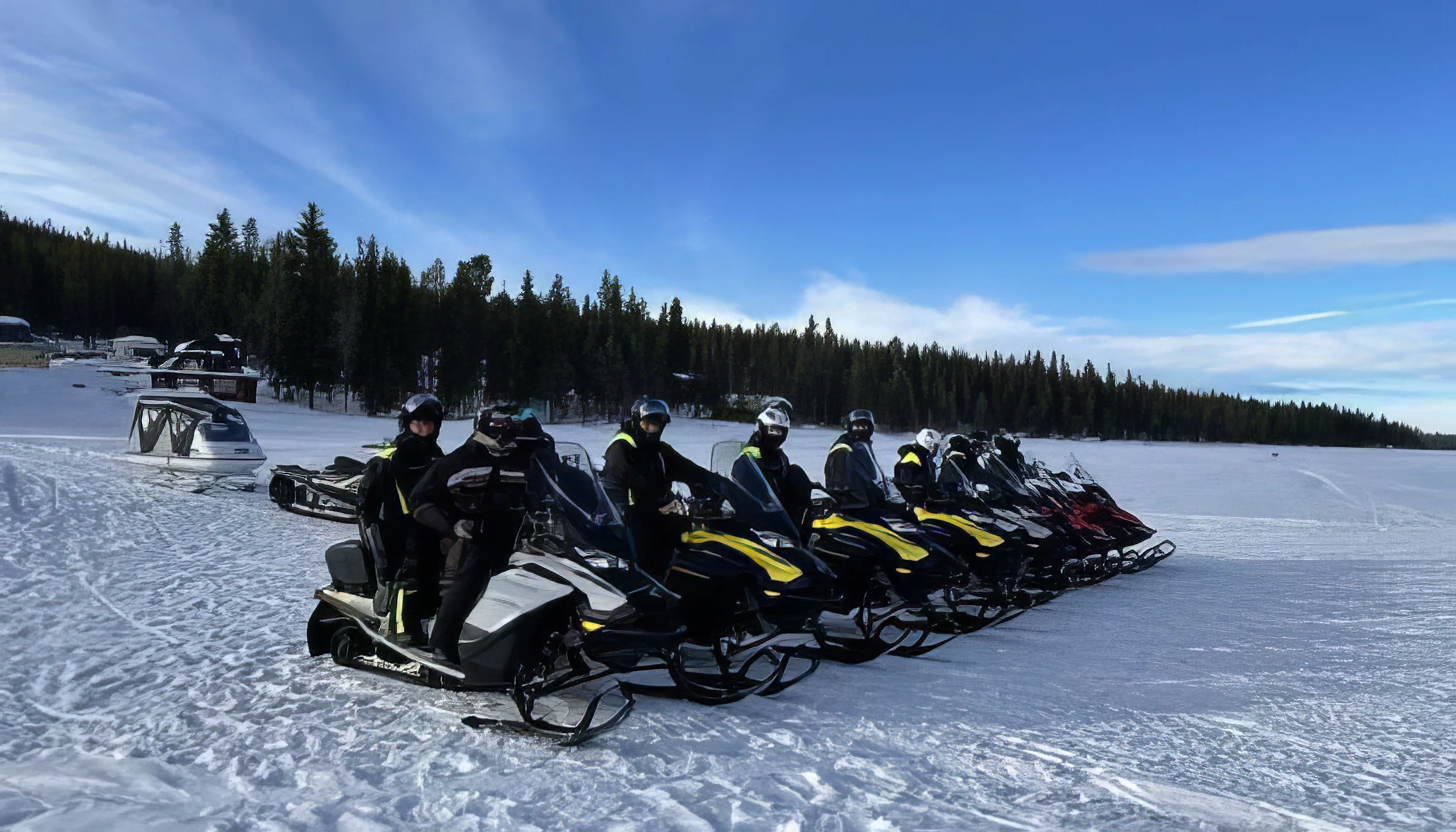
Travelers in Kiruna can enjoy unique experiences like dog sledding, ice fishing, and viewing the Northern Lights.
– Dog Sledding: Experience a thrilling ride through snowy landscapes with trained huskies leading the way.
– Ice Fishing: Try your hand at fishing on frozen lakes, a traditional winter activity in Swedish Lapland.
– Northern Lights Tour: Witness the spectacular Aurora Borealis in a dark sky setting away from city lights.
– Snowmobile Safari: Explore vast wilderness areas on snowmobiles, suitable for beginners and experienced riders alike.
– Sami Culture Experience: Learn about the indigenous Sami people and their traditions through guided tours or local interactions.
Shopping
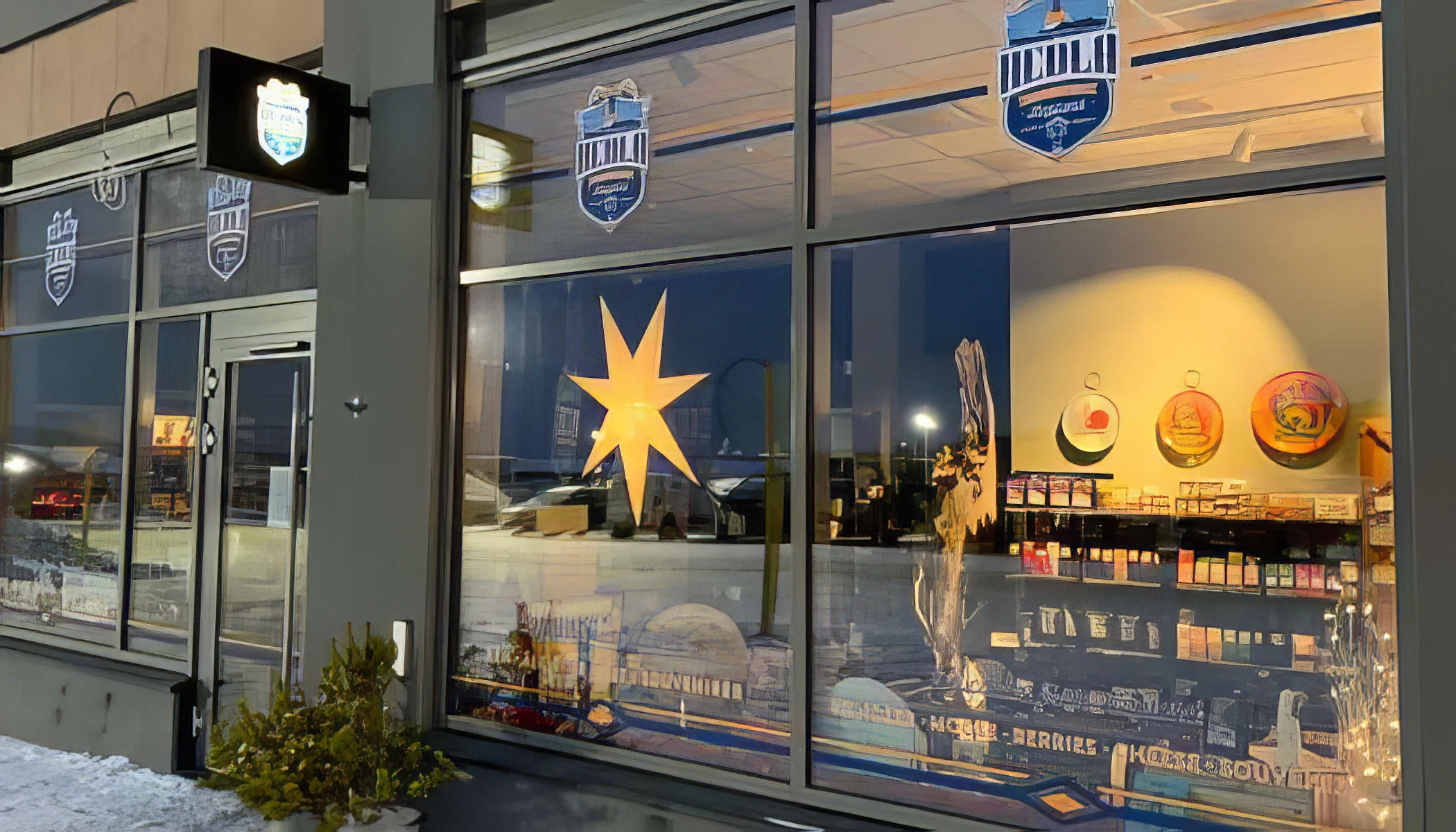
In the city, you can find local shops selling Sami handicrafts, including traditional jewelry and textiles. Reindeer leather products are also popular and make unique gifts. Another option is locally produced food items, such as cloudberry jam or Arctic berries. These gifts reflect the culture and nature of the region. There are also souvenir shops offering items like postcards and magnets. Overall, shopping here provides a chance to take home a piece of local heritage.
Arts & Culture
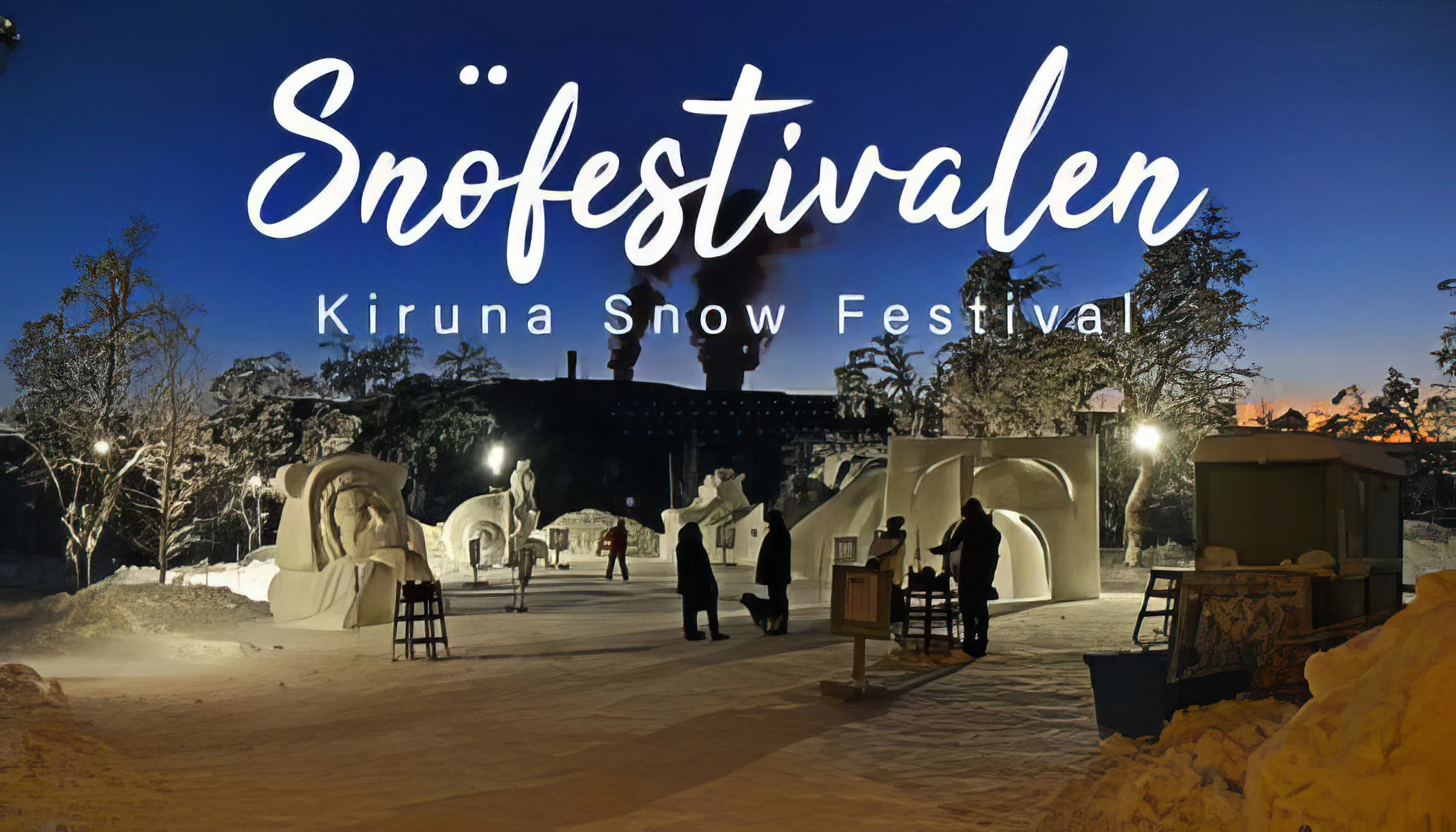
The city hosts the Kiruna Folk Festival, which celebrates local music and traditions. The Kiruna Art Gallery showcases contemporary art, often featuring works inspired by the surrounding landscape. Additionally, the annual Icehotel project includes artistic ice sculptures and installations created by artists from around the world. These events highlight the region's commitment to arts and cultural expression.