

Sightseeing in Kitzbühel: Culture & Must‑See Spots
This town is known for its ski resorts and alpine sports. It features a historic center with traditional architecture and offers various outdoor activities year-round, making it a popular destination for both winter and summer tourism.
- Size
- no data square km
- Airport
- Kitzbühel – Int'l & 1 other
- Train Station
- Kitzbühel Bahnhof.
- Est. Visit Days
- 4 days
Overview
Kitzbühel is a popular ski resort town in Austria, known for its winter sports and charming medieval architecture. Pros include excellent skiing facilities, a lively après-ski scene, and beautiful alpine scenery. The town also offers various shops and restaurants for visitors. However, cons include high prices for accommodation and dining, especially during peak season. Additionally, it can become crowded with tourists in winter months.
Traffic & Transport
The city is well-connected and easy to navigate, with a compact layout that makes walking a popular choice for tourists. For those looking to explore further afield, bicycles can be rented at various locations, providing an enjoyable way to experience the scenic surroundings. Public buses also service the area, offering convenient access to nearby attractions and ski resorts during winter months. Additionally, many hotels provide shuttle services to key points of interest. For taxi services, reliable companies operate in the area, offering on-demand transportation for visitors. Taxi-booking apps may not be widely used; however, local taxis can typically be hailed directly or booked via phone for convenience.
History
The region was part of the Roman Empire, which influenced early settlement patterns. In the Middle Ages, it became a center for silver mining, boosting its economy and attracting merchants. The city was later governed by the Habsburgs, which shaped its political landscape. During the 19th century, it developed as a tourist destination due to its alpine location. Today, it retains cultural traditions from both its mining past and its growth as a ski resort.
Itinerary Sample
Explore Kitzbühel with this 4-day itinerary that covers key attractions and activities.
– First day: Arrive in Kitzbühel, explore the town center, visit St. Andrew's Church, and enjoy dinner at a local restaurant.
– Second day: Take the cable car to Hahnenkamm Mountain, hike the trails, and return for a relaxing evening.
– Third day: Visit the Kitzbühel Museum, explore local shops, and spend time at Schwarzsee Lake for swimming or picnicking.
– Fourth day: Go skiing or snowboarding (seasonal), have lunch in a mountain hut, then depart from Kitzbühel.
Near Excursion
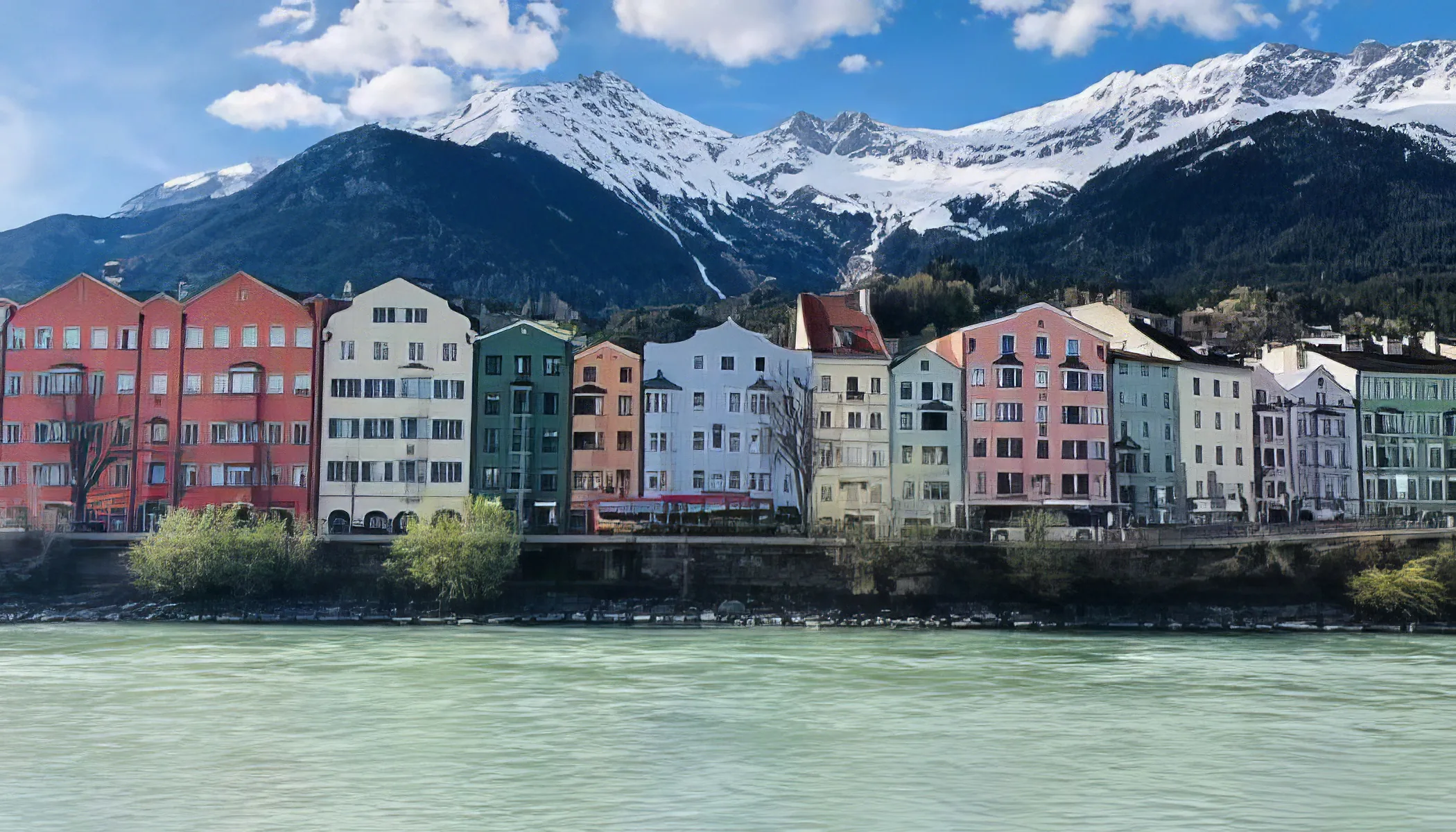
This area offers several interesting day trips to explore the natural beauty and culture of Austria. Here are some suggestions:
– Krimml Waterfalls at 55 km: Europe's highest waterfalls, offering scenic views and hiking opportunities.
– Salzburg at 80 km: A historic city known for its baroque architecture and as the birthplace of Mozart.
– Innsbruck at 95 km: Surrounded by mountains, it's famous for its winter sports and animated old town.
– Grossglockner High Alpine Road at 110 km: A scenic drive through the Austrian Alps with remarkable panoramic views.
– Zell am See at 50 km: A elegant town by a lake, ideal for walking and enjoying mountain vistas.
Attraction
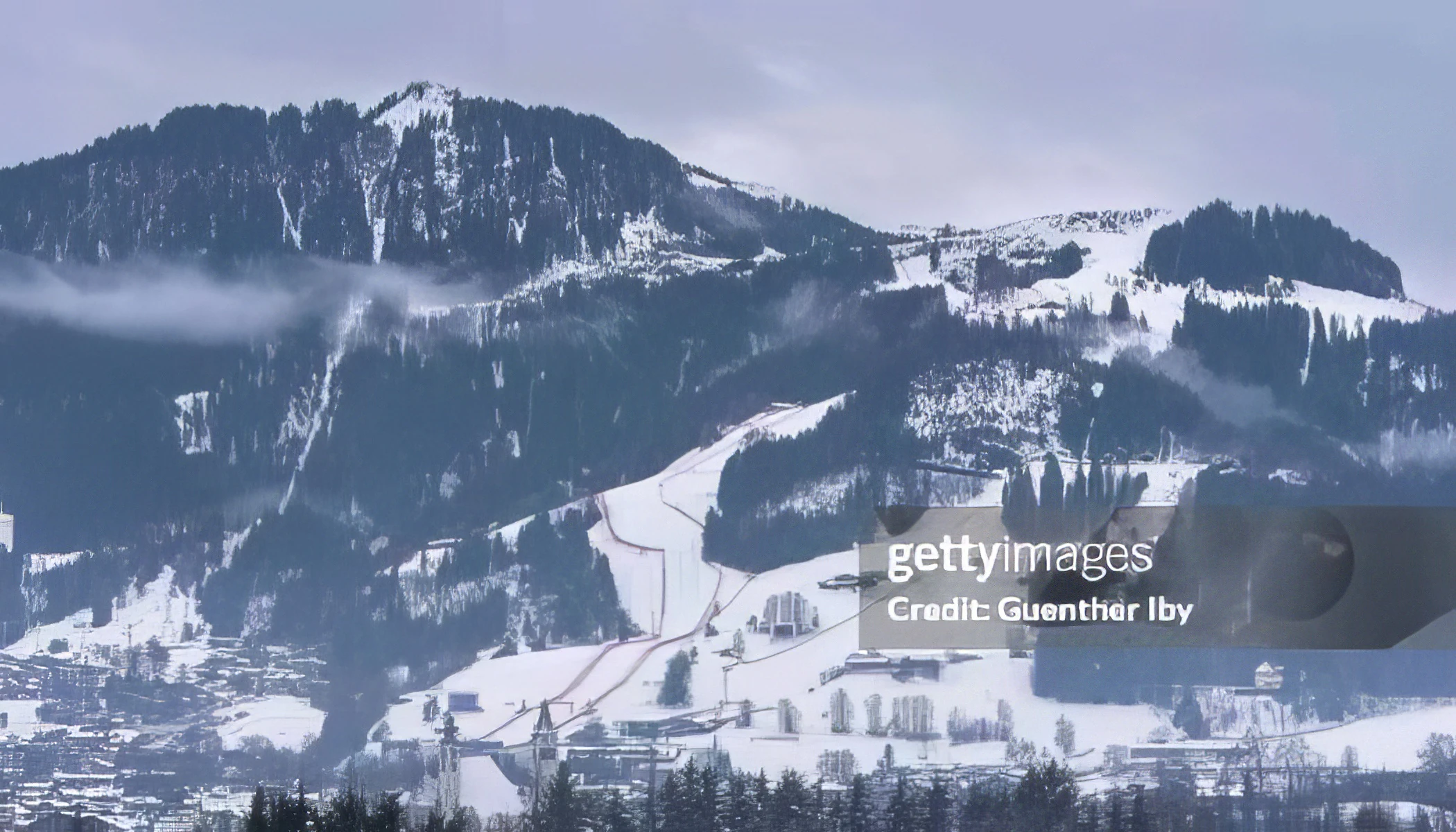
This city is renowned for skiing, charming medieval streets, and charismatic alpine scenery.
– Hahnenkamm: Famous for hosting the annual World Cup ski races; offers challenging slopes and beautiful mountain views.
– Streif Ski Run: One of the most difficult downhill courses globally, attracting professional skiers and adventurers alike.
– Kitzbüheler Horn: A popular spot for hiking in summer and skiing in winter, providing panoramic views of the surrounding Alps.
– Schwarzsee Lake: Known for its beautiful waters and beautiful setting, ideal for swimming or a leisurely walk around its perimeter.
– Alpine Flower Garden: Features a diverse collection of alpine plants and flowers with educational trails explaining local flora.
– Church of St. Andreas: A historic church with impressive frescoes and architecture dating back to the 15th century.
Activity
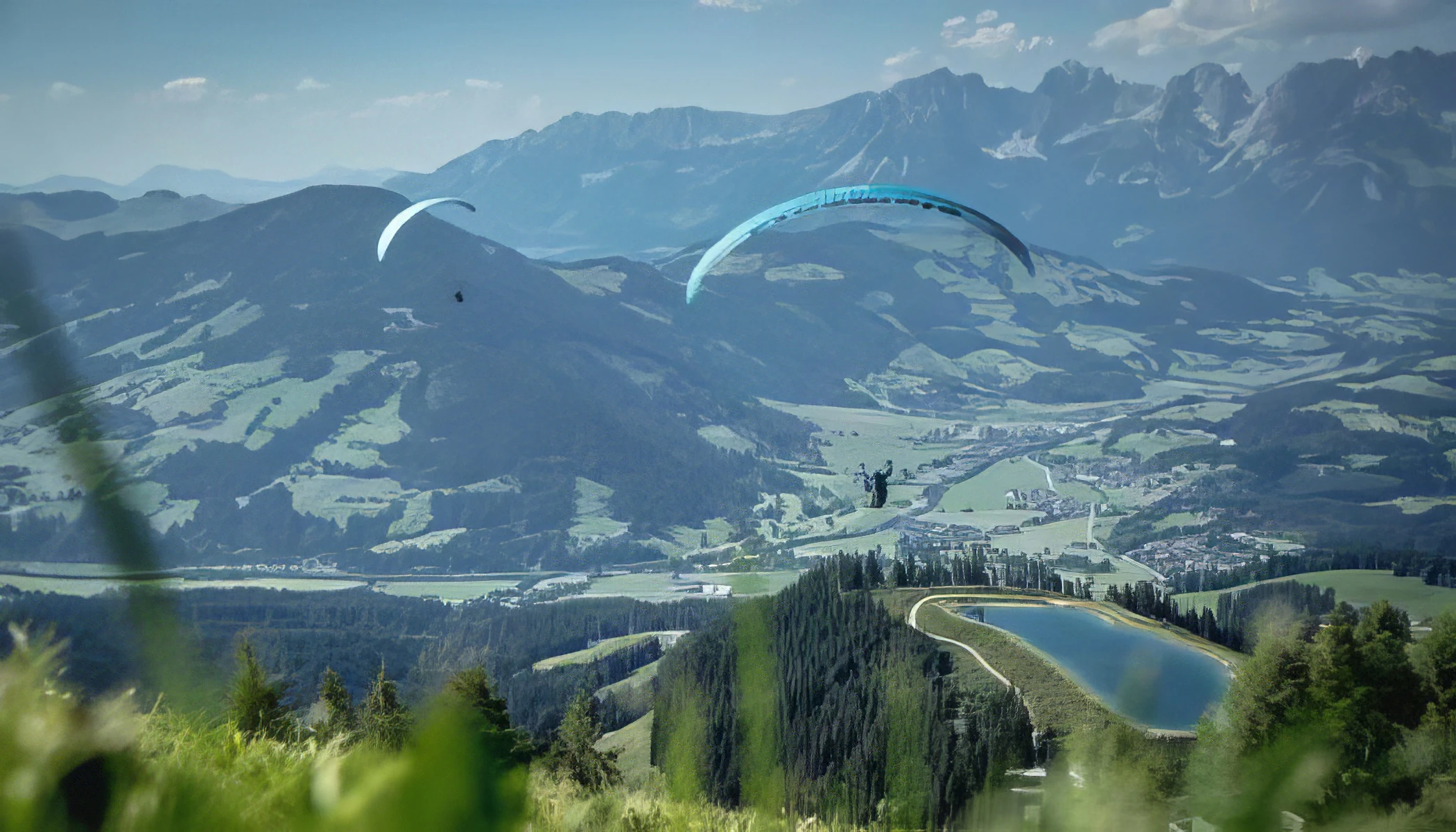
Kitzbühel offers skiing, hiking, and cycling in a scenic alpine setting, along with local culture and outdoor adventures.
– Skiing: Enjoy various slopes for all skill levels during winter months, known for its challenging runs and beautiful views.
– Hiking: Explore numerous trails in summer, ranging from easy walks to more challenging routes with handsome landscapes.
– Mountain biking: Ride on diverse trails suited for different abilities, providing a thrilling biking experience in the mountains.
– Paragliding: Experience the thrill of flying over the Alps, offering unique aerial views of Kitzbühel's landscape.
– Golfing: Play on lovely golf courses surrounded by mountains, suitable for both beginners and experienced golfers.
Shopping
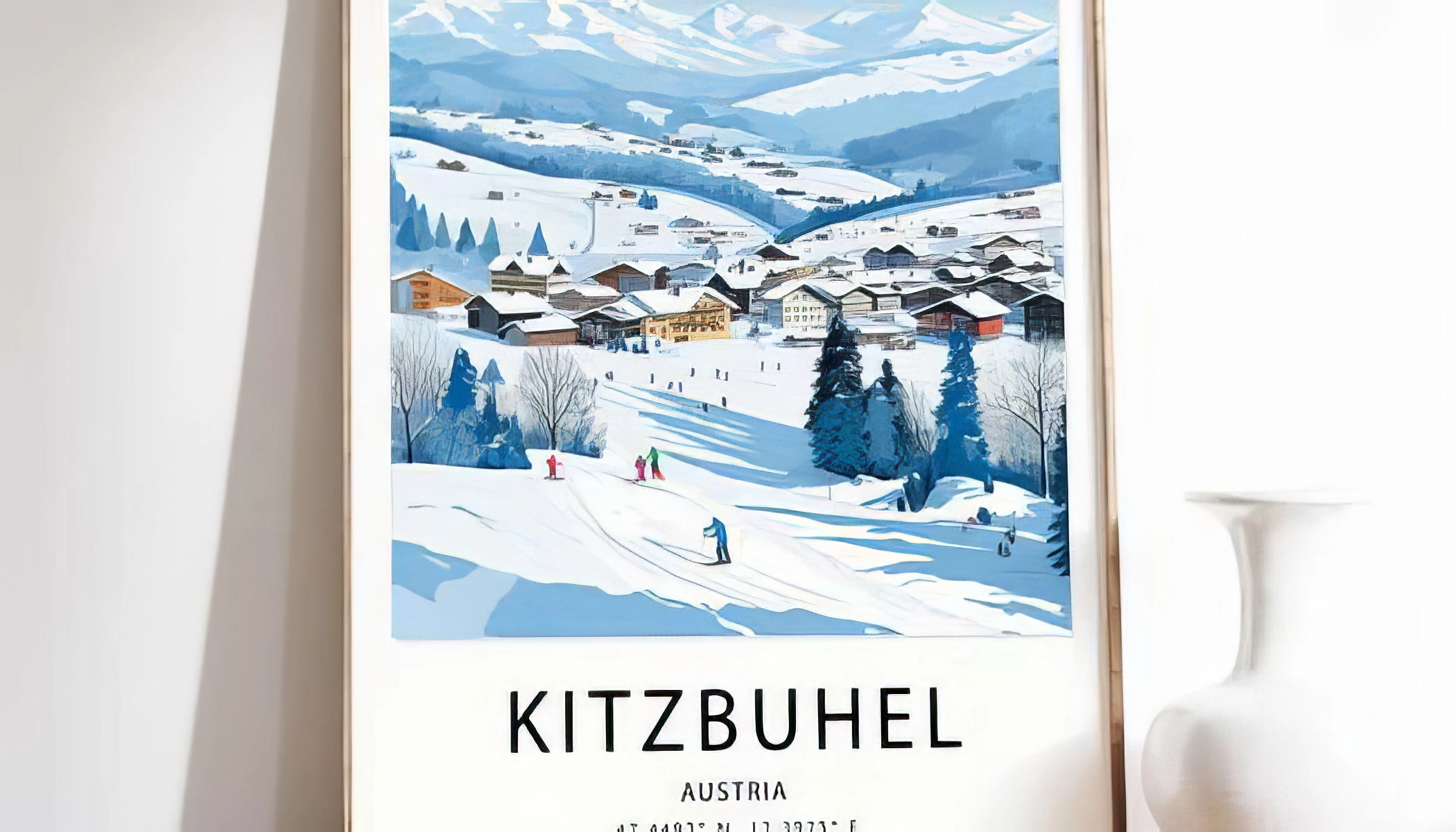
There are several shops offering high-quality ski gear and outdoor clothing, which are popular among visitors. You can also find local specialty foods, such as cheese and schnapps, that make good gifts. Handcrafted wooden items and traditional Austrian souvenirs are available in various stores. Look for unique fashion pieces from local designers as well. For a memorable gift, consider purchasing a piece of jewelry that reflects the region's culture. Overall, shopping here provides a mix of practical items and local crafts.
Arts & Culture
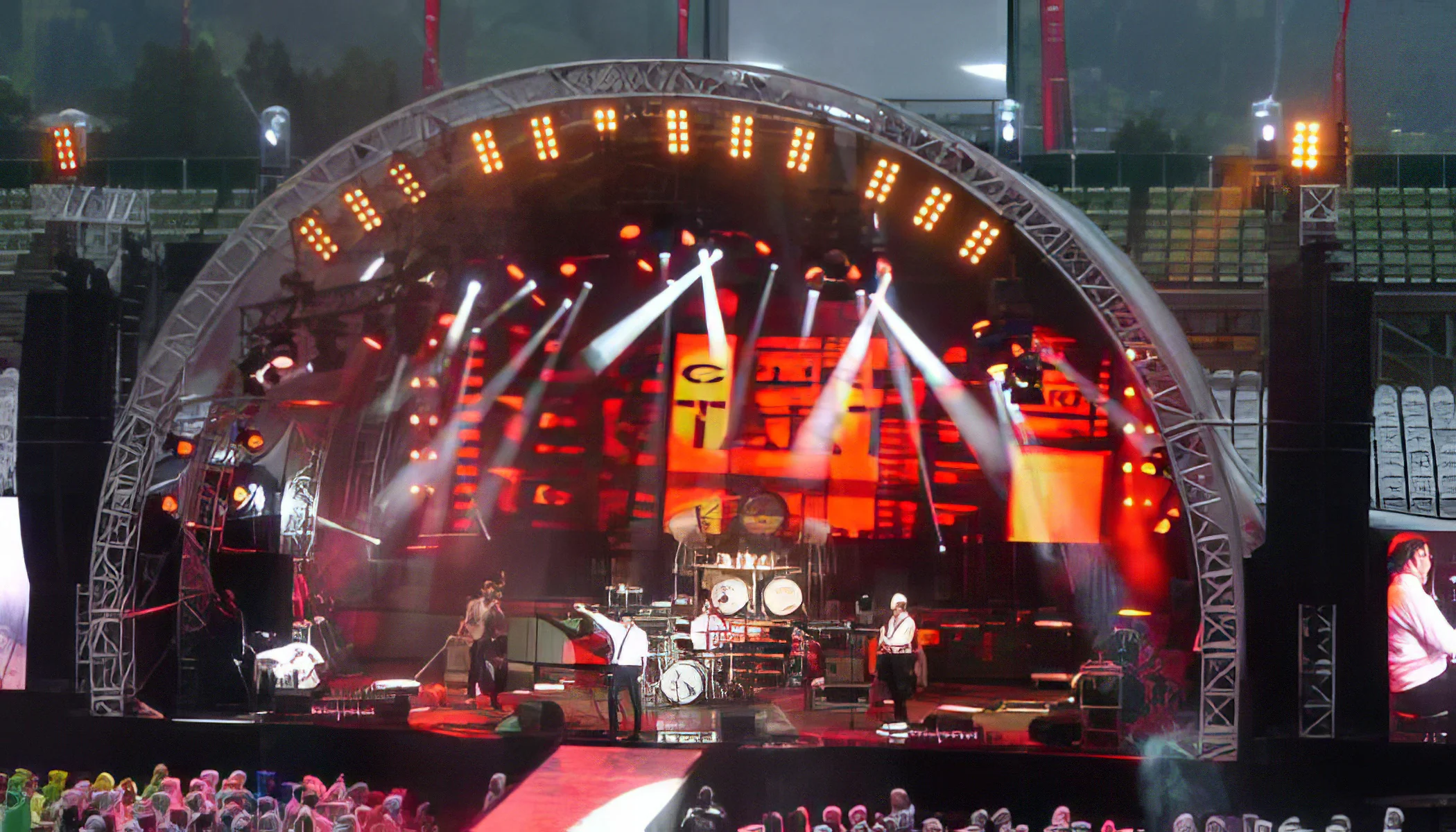
The city hosts various cultural events throughout the year, including music festivals and art exhibitions. The annual Kitzbühel Music Festival features performances from classical musicians. Additionally, there are local galleries showcasing contemporary art by regional artists. The town also celebrates traditional customs through events like the Tyrolean Folk Festival.