

Sightseeing in Kostroma: Culture & Must‑See Spots
This city is located on the Volga River and is known for its historic architecture, including a notable 17th-century monastery. It serves as an important cultural and economic center in the region.
- Airport
- Kostroma Sokerkino – domestic
- Train Station
- Kostroma.
- Est. Visit Days
- 2 days
Overview
Kostroma is a city in Russia known for its historical significance and scenic views along the Volga River. Pros include its well-preserved architecture, such as the Kostroma Ipatiev Monastery, and a rich cultural heritage. The city offers a quieter atmosphere compared to larger Russian cities. However, cons include limited public transportation options and fewer entertainment activities. Overall, Kostroma is suitable for those interested in history and nature but may not appeal to those seeking charming urban life.
Traffic & Transport
Public transportation in the city is quite accessible, with options including buses and trams that connect major attractions. Walking is also a pleasant way to explore the charming streets and riverside promenades, especially in the historic center. Bicycles can be rented from various local shops, providing another eco-friendly option for getting around. For a more personalized experience, consider using guided tours that often include transport. For taxi services, there are several reliable companies available, such as "Yandex.Taxi" and "Gett," which operate through user-friendly apps. These apps allow for easy booking and provide fare estimates, ensuring a convenient travel experience within the city.
History
This city was founded in 1152 and became an important center for trade along the Volga River. It experienced various ownership changes, including being part of the Grand Duchy of Vladimir and later the Grand Duchy of Moscow. The city played a role during the Time of Troubles in the early 17th century, when it was involved in conflicts over succession. In the 18th century, it developed as a center for commerce and industry, particularly known for its textile production. The city's historical architecture reflects its rich past, with many churches and buildings dating back to these significant periods.
Itinerary Sample
This 2-day itinerary will help you explore the key attractions in Kostroma, Russia.
– First day: Visit the Ipatiev Monastery, stroll along the Volga River embankment, and explore the Fire Tower and Kostroma Museum of Wooden Architecture.
– Second day: Tour the Resurrection Church, enjoy the local market, and visit the Kostroma Regional Art Museum before departing.
Near Excursion
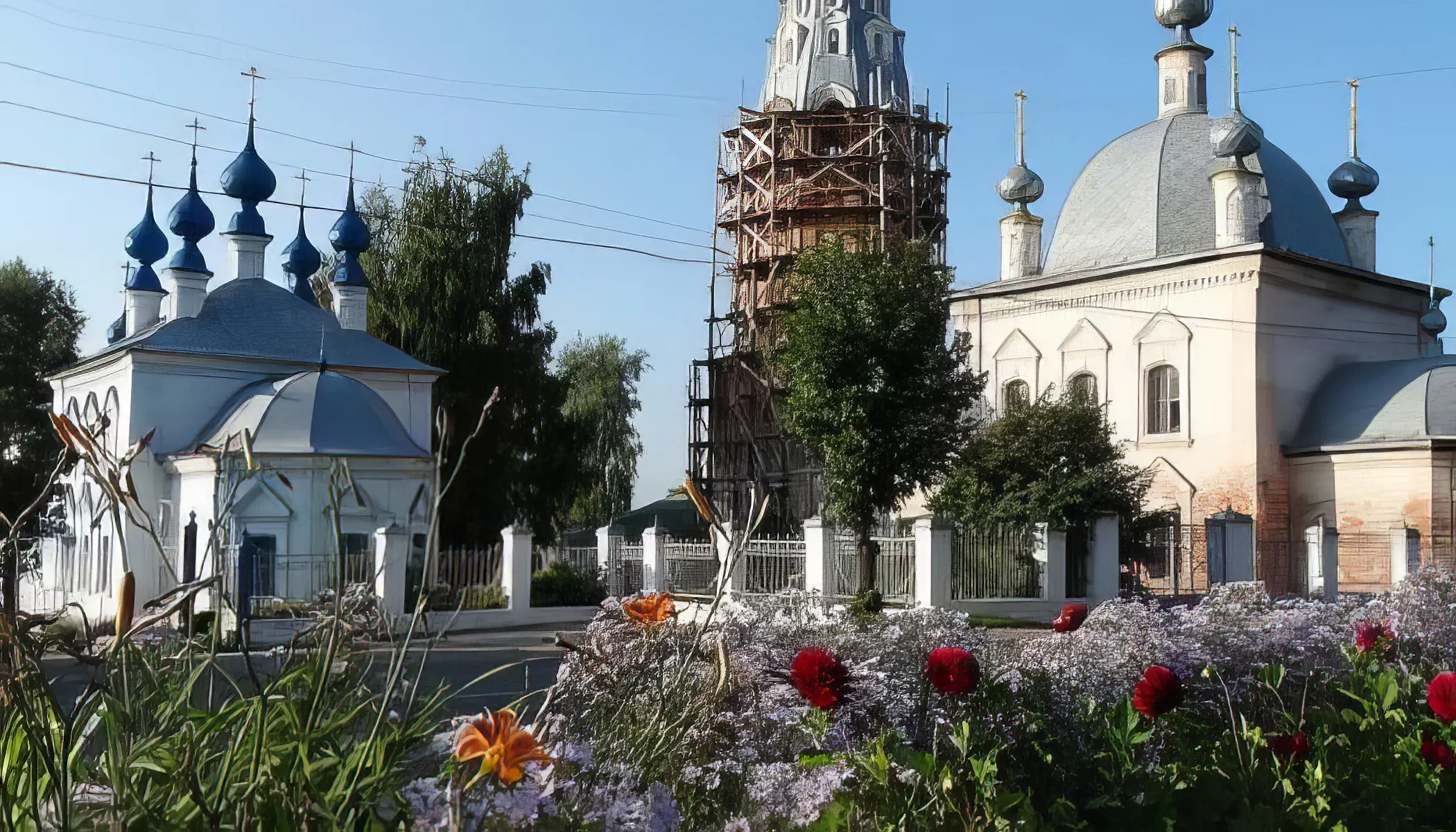
This city offers several interesting day-trip options within a short distance. Here are some suggestions:
– Plyos at 75 km: A charming town on the Volga River, known for its gorgeous landscapes and art history.
– Susanino at 40 km: Famous for its association with Ivan Susanin, offering historical insights and a peaceful rural setting.
– Galich at 100 km: An ancient town featuring architectural heritage and scenic views of Lake Galichskoe.
– Yuryevets at 130 km: Known for its wooden architecture and the birthplace of filmmaker Andrei Tarkovsky.
– Monastery of St. Nicholas Belyikovsky at 50 km: A serene monastery with historical significance and beautiful surroundings.
Attraction
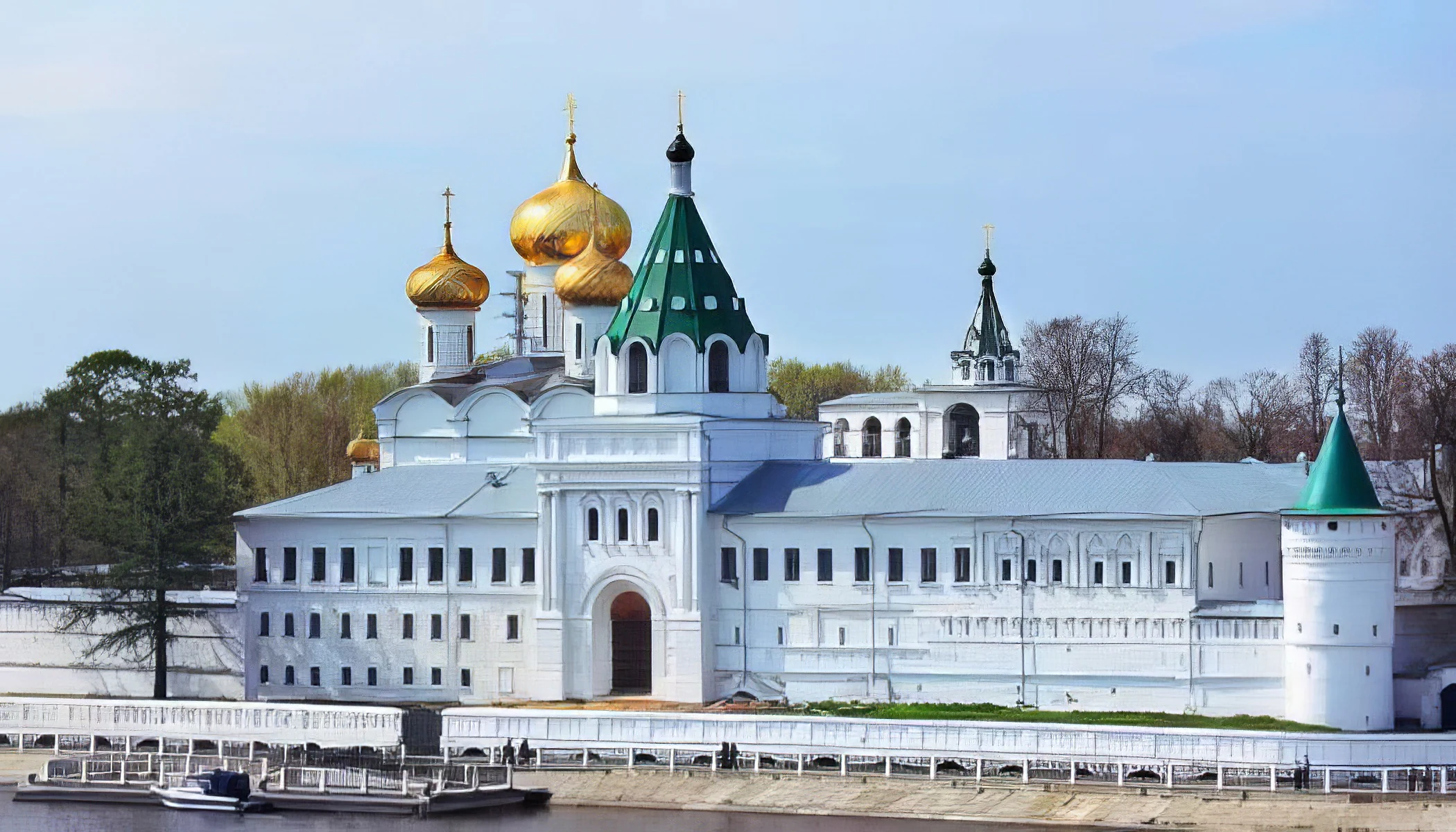
Known for its rich history and architecture, this city offers several notable attractions:
– Ipatiev Monastery: A historic monastery known for its role in Russian history and beautiful architectural details.
– Susaninskaya Square: The central square with a unique radial layout, surrounded by historical buildings.
– Fire Tower: An iconic symbol of the city offering insights into 19th-century fire safety architecture.
– Romanov Museum: Features exhibits related to the Romanov dynasty and local history artifacts.
– Church of the Resurrection on the Debra: Known for its colorful frescoes and traditional Russian church architecture.
– Volga River Embankment: Offers scenic views and a pleasant place for walking along the riverbank.
Activity
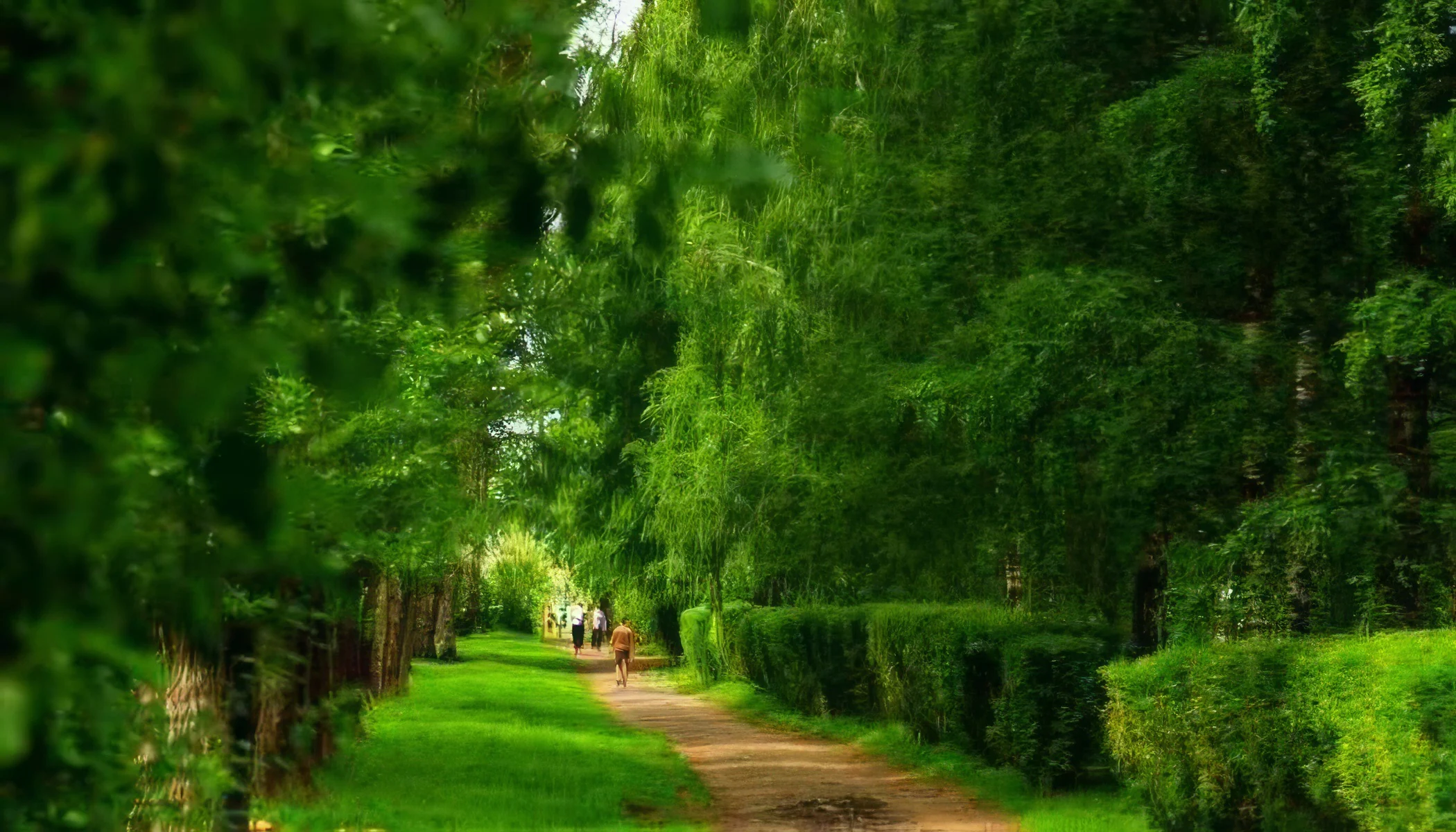
In Kostroma, travelers can explore historic sites, enjoy nature walks, and experience local traditions along the Volga River. – item1: Visit the Ipatiev Monastery, a significant historical site with beautiful architecture and quiet surroundings. – item2: Enjoy a boat tour on the Volga River for scenic views of the city and nearby landscapes. – item3: Participate in traditional Russian craft workshops to learn about local arts and culture. – item4: Take a stroll in the Kostroma Forest Park for nature walks and outdoor activities. – item5: Experience local cuisine at traditional restaurants featuring regional dishes.
Arts & Culture
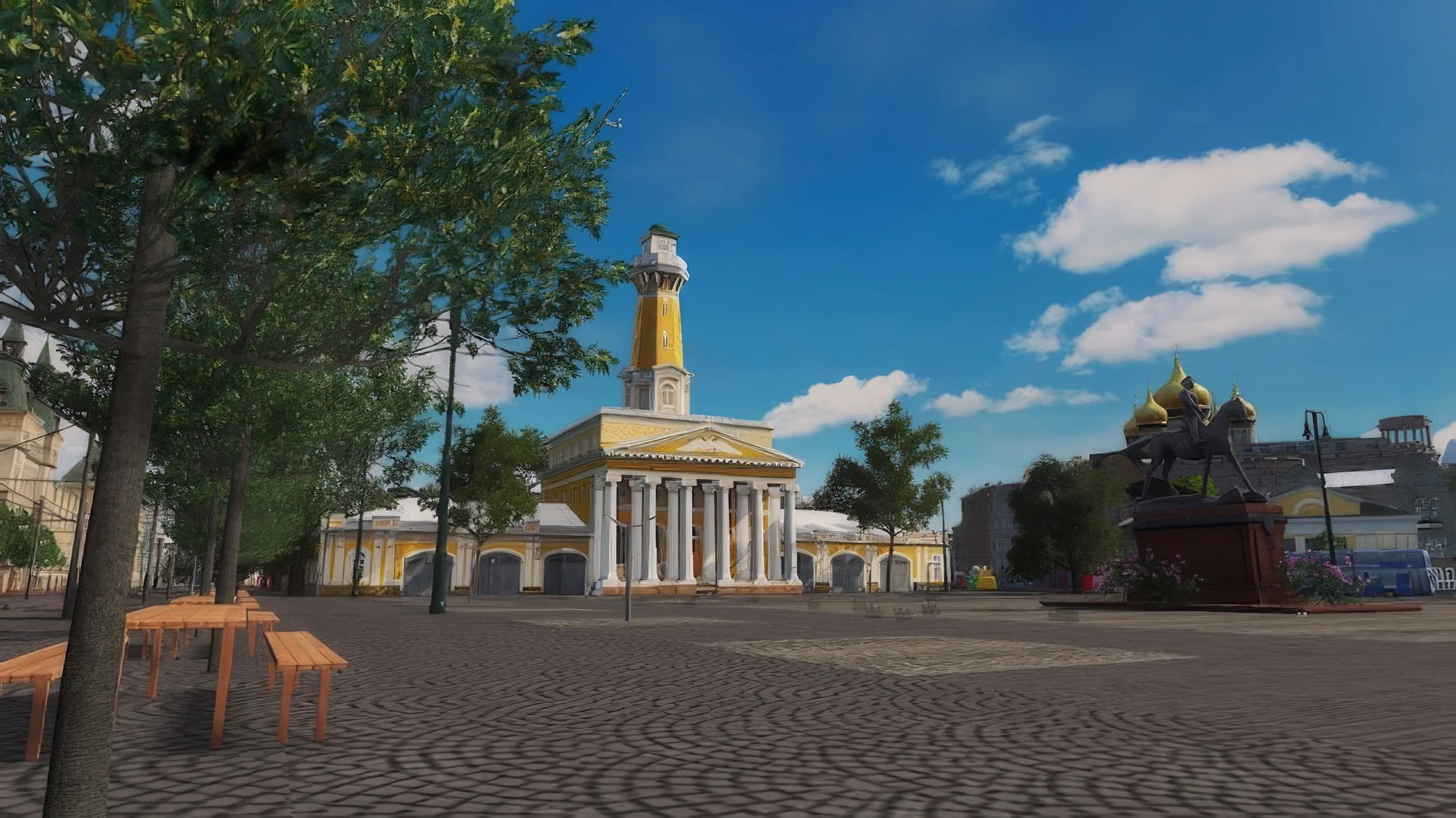
The city is known for its historical wooden architecture, which reflects traditional Russian craftsmanship. The Fire Tower and the Epiphany Monastery are important cultural landmarks. Annual events such as the Kostroma City Day celebrate local arts and traditions with various performances and exhibitions. Additionally, there are theaters that host plays and concerts throughout the year.