

Kotor: Best Things to Do & Top Attractions
This coastal town features well-preserved medieval architecture and beautiful natural scenery, located at the end of a deep bay. It is known for its historic old town, which is a UNESCO World Heritage site, attracting many visitors each year.
- Airport
- Tivat at 8 km – Int'l.
- Est. Visit Days
- 2 days
Overview
Kotor is a coastal city in Montenegro known for its well-preserved medieval architecture and remarkable fjord-like bay. Pros include its rich history, beautiful scenery, and a remarkable local culture. On the downside, it can be crowded with tourists during peak season, which may detract from the experience. Additionally, parking can be difficult and expensive. Overall, Kotor offers a mix of cultural experiences and natural beauty but may require some planning to navigate its popularity.
Traffic & Transport
The city is best explored on foot due to its compact size and narrow streets, making walking the most convenient way to navigate its historic sites. Biking is also an option, with several rental services available for those looking to cover more ground while enjoying the scenic views. Public transportation options are limited within the city itself, but local buses connect it to nearby destinations. For a unique experience, consider taking a boat tour along the coast. For taxi services, reliable companies include "Taxi Kotor" and "Kotor Taxi," which offer prompt service throughout the area. While there may not be widely used taxi-booking apps specific to this location, many visitors find it easy to hail a cab directly or use hotel concierge services for arrangements.
History
This coastal city was part of the Roman Empire and later became a significant port in the Byzantine Empire. In the Middle Ages, it was ruled by various powers, including the Venetians, who influenced its architecture and trade. The city faced numerous attacks during conflicts such as the Ottoman Wars and World War II. It also served as an important center for maritime commerce in the Adriatic Sea. Cultural influences from different periods are reflected in its churches, fortifications, and local traditions.
Itinerary Sample
Explore Kotor, Montenegro with this concise 2-day itinerary.
– First day: Visit Kotor's Old Town, see St. Tryphon Cathedral, climb the fortress for views, and have dinner by the waterfront.
– Second day: Take a boat trip to Perast, explore Our Lady of the Rocks island, and return to Kotor for shopping or local cuisine.
Near Excursion
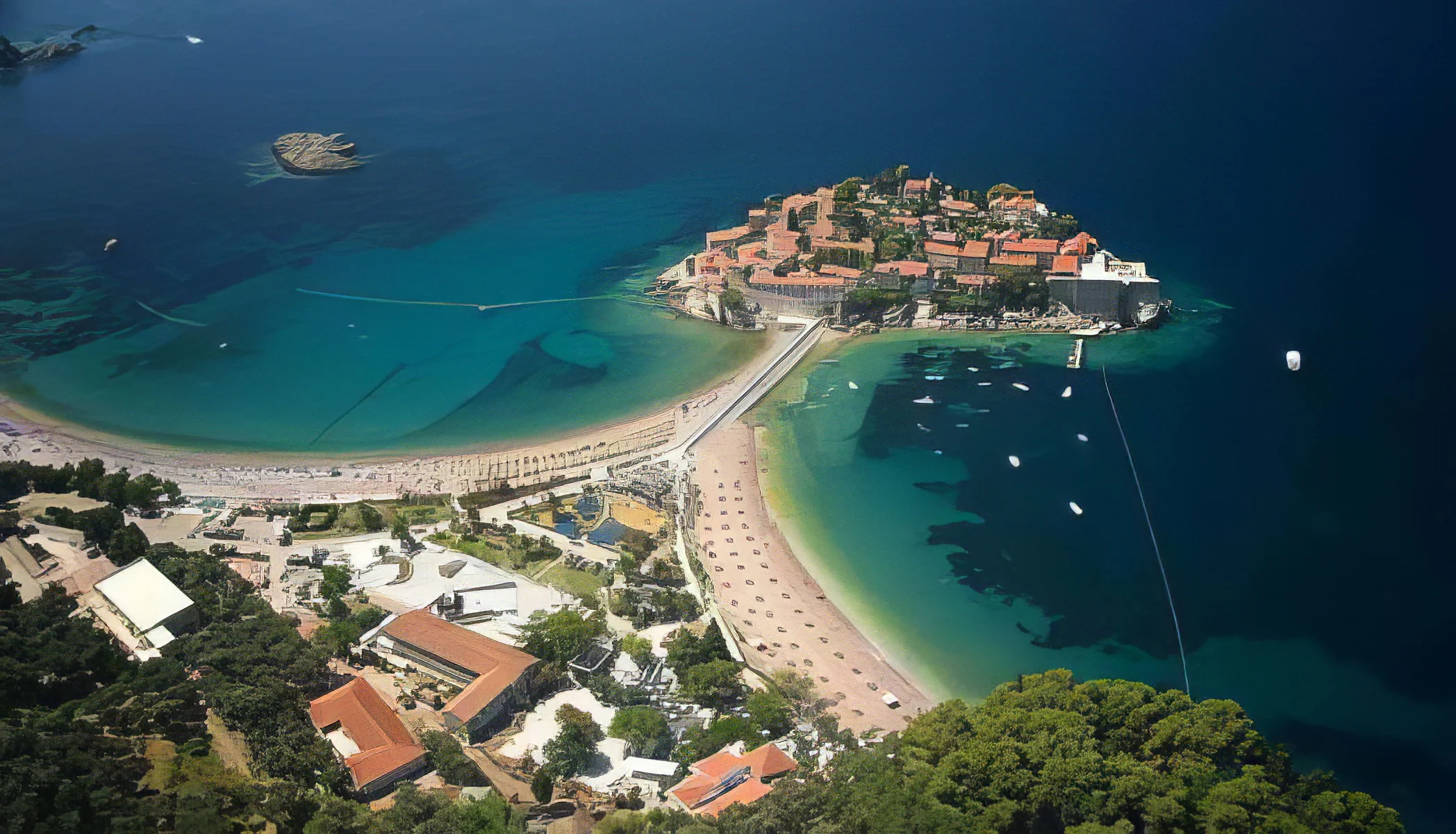
This coastal town offers several special day-trip options for travelers. Here are some suggestions:
– Perast at 12 km: A scenic town with historic churches and the famous Our Lady of the Rocks island.
– Lovćen National Park at 45 km: Features nice views, hiking trails, and the mausoleum of Njegoš.
– Budva at 23 km: Known for its medieval old town, beaches, and pleasant nightlife.
– Skadar Lake National Park at 90 km: Offers boat tours, bird watching, and charming landscapes.
– Cetinje at 50 km: The historical capital with museums and the former royal palace to explore.
Attraction
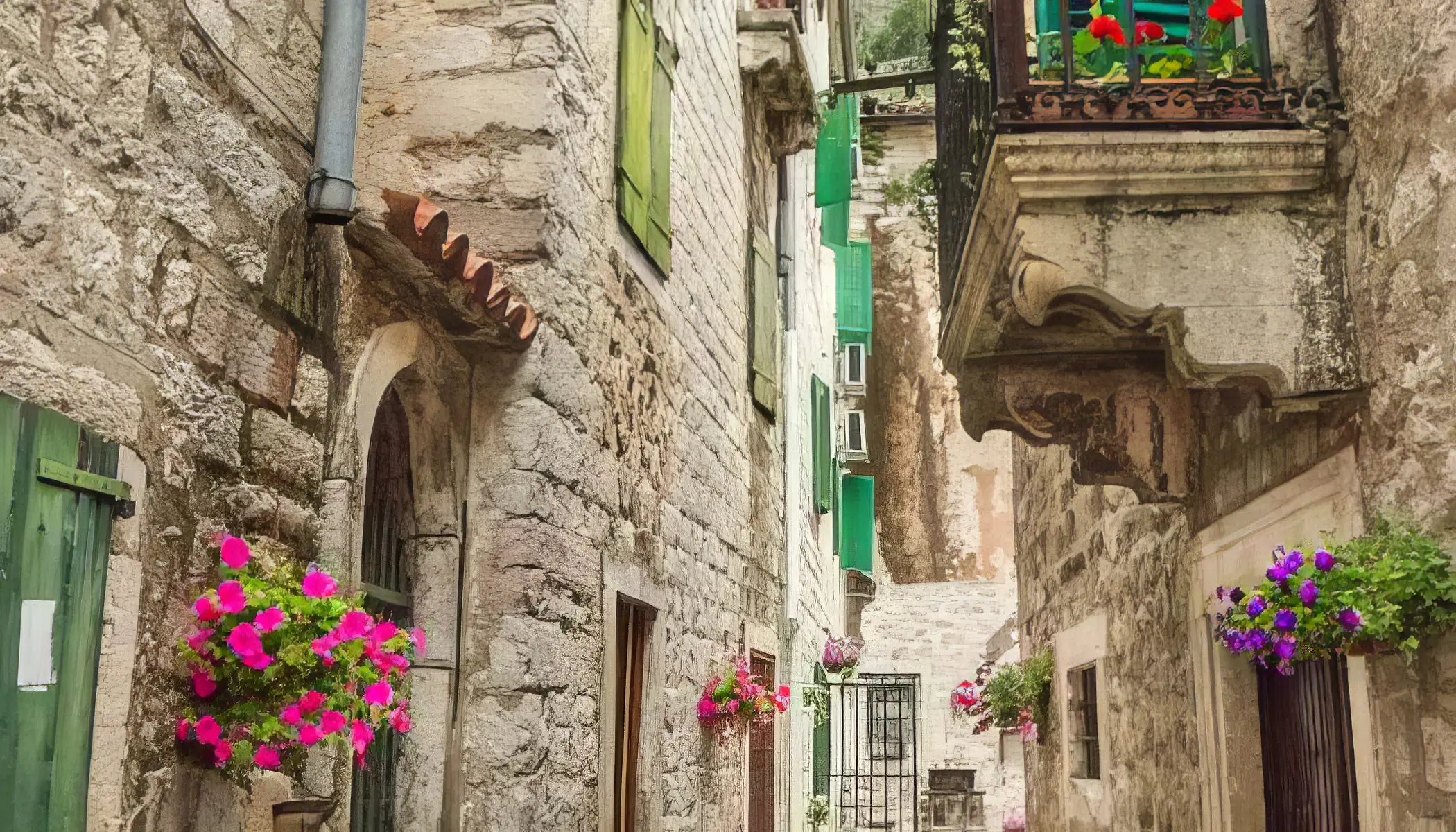
The city is known for its well-preserved medieval architecture and gorgeous natural landscapes.
– Old Town: A UNESCO World Heritage site featuring narrow cobblestone streets, historic churches, and charming squares.
– Kotor Fortress: Offers panoramic views after a challenging hike up the ancient fortification walls.
– Maritime Museum: Showcases the region's rich seafaring history with various exhibits and artifacts.
– St. Tryphon Cathedral: A Romanesque church dating back to the 12th century with nice stone carvings.
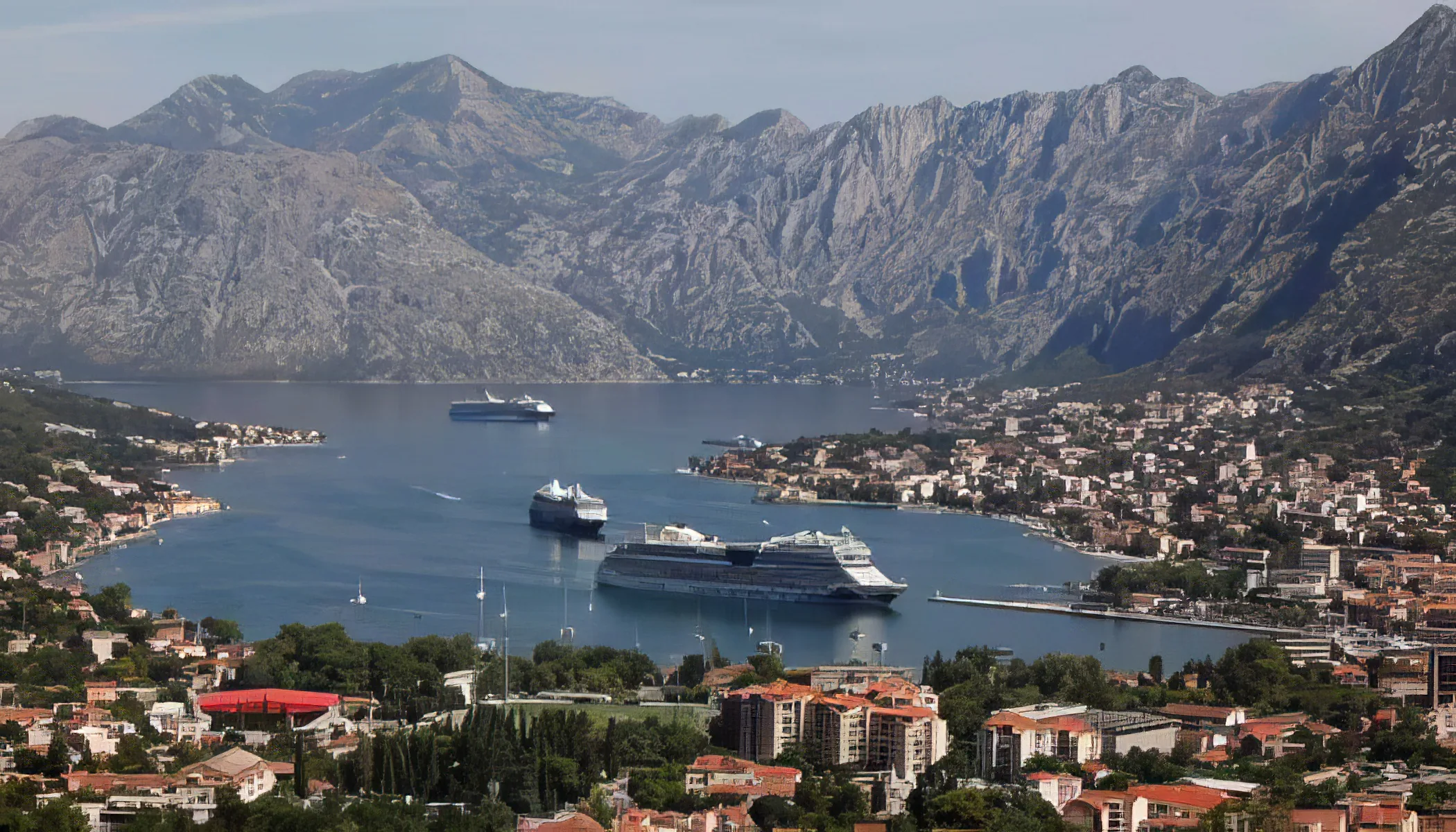
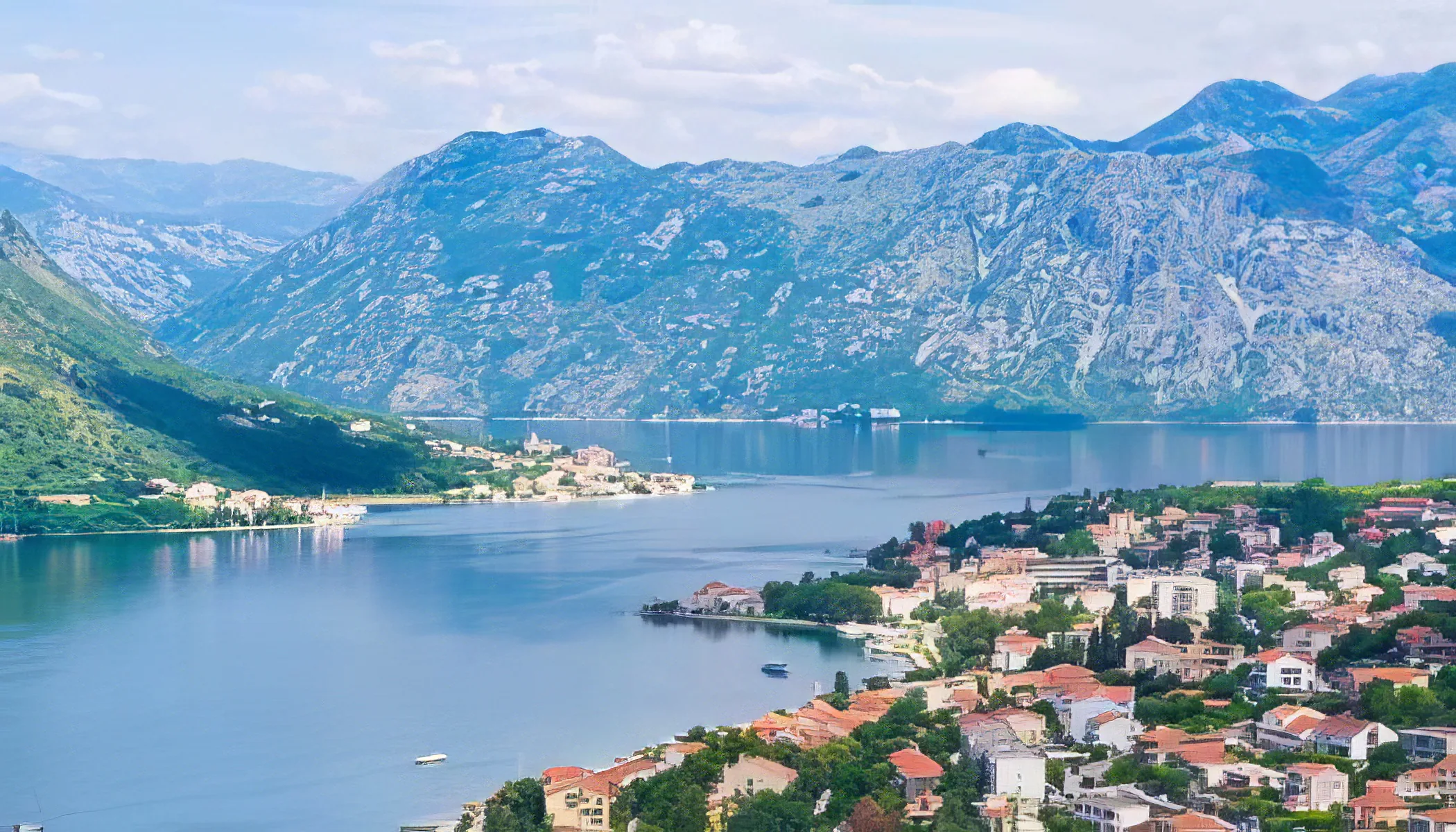
– Bay of Kotor: A scenic bay surrounded by mountains, ideal for boat tours and photography.
– Our Lady of the Rocks: An artificial island with a gorgeous church and museum accessible by boat.
Activity
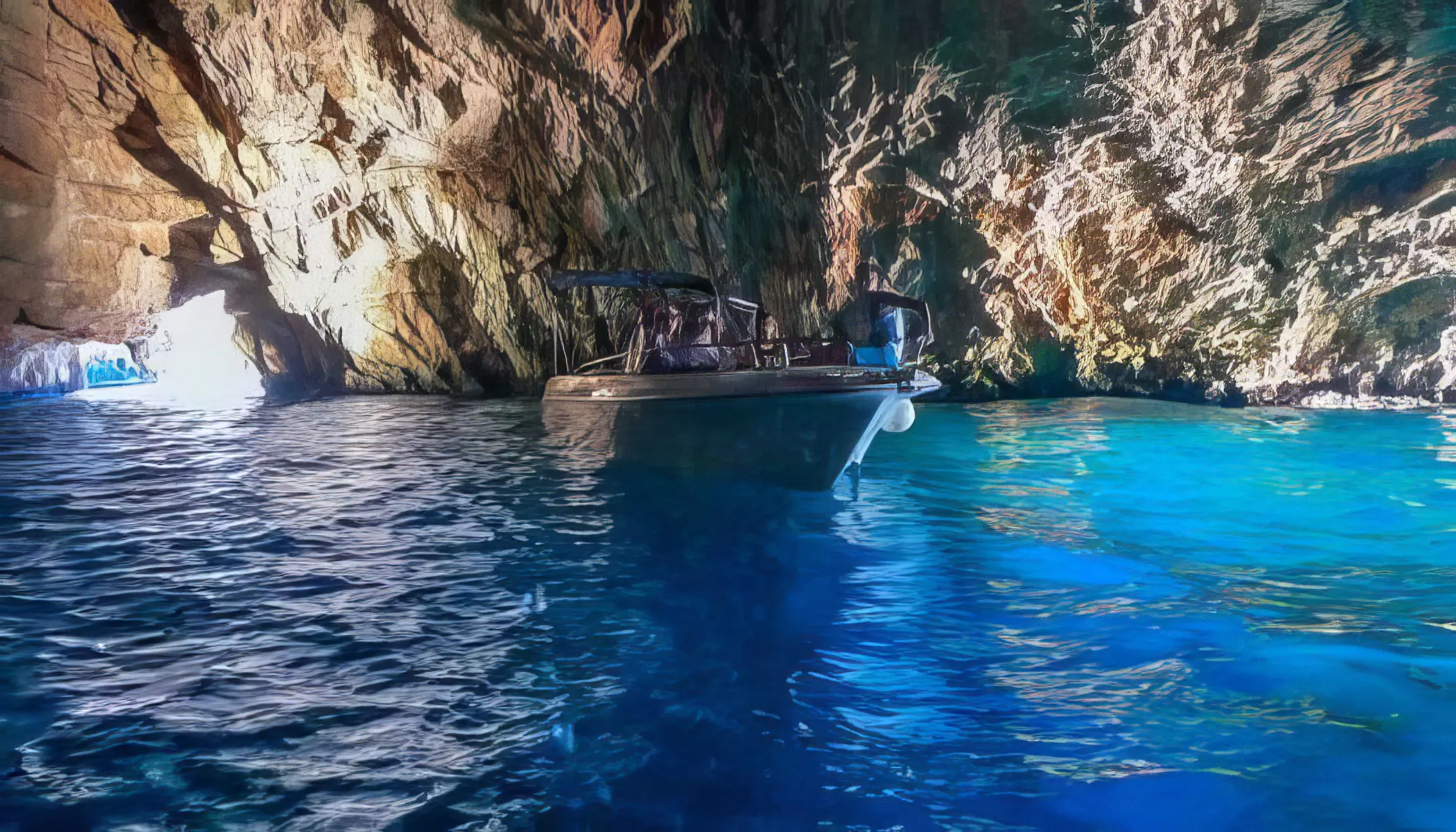
Travelers in Kotor can explore handsome nature, historic sites, and engage in various outdoor activities along the beautiful coastline.
– Hiking to Kotor Fortress: Climb to the fortress for panoramic views of the Bay of Kotor and surrounding mountains.
– Kayaking in the Bay: Paddle through calm waters and discover hidden beaches and small islands around Kotor.
– Paragliding over Kotor: Experience magnificent aerial views while gliding over the dramatic landscapes of Montenegro's coast.
– Boat tours to Blue Cave: Take a boat trip to see unique natural formations and swim in crystal-clear waters.
– Traditional cooking class: Learn to prepare local dishes using fresh ingredients from the region's markets and farms.
Cuisine
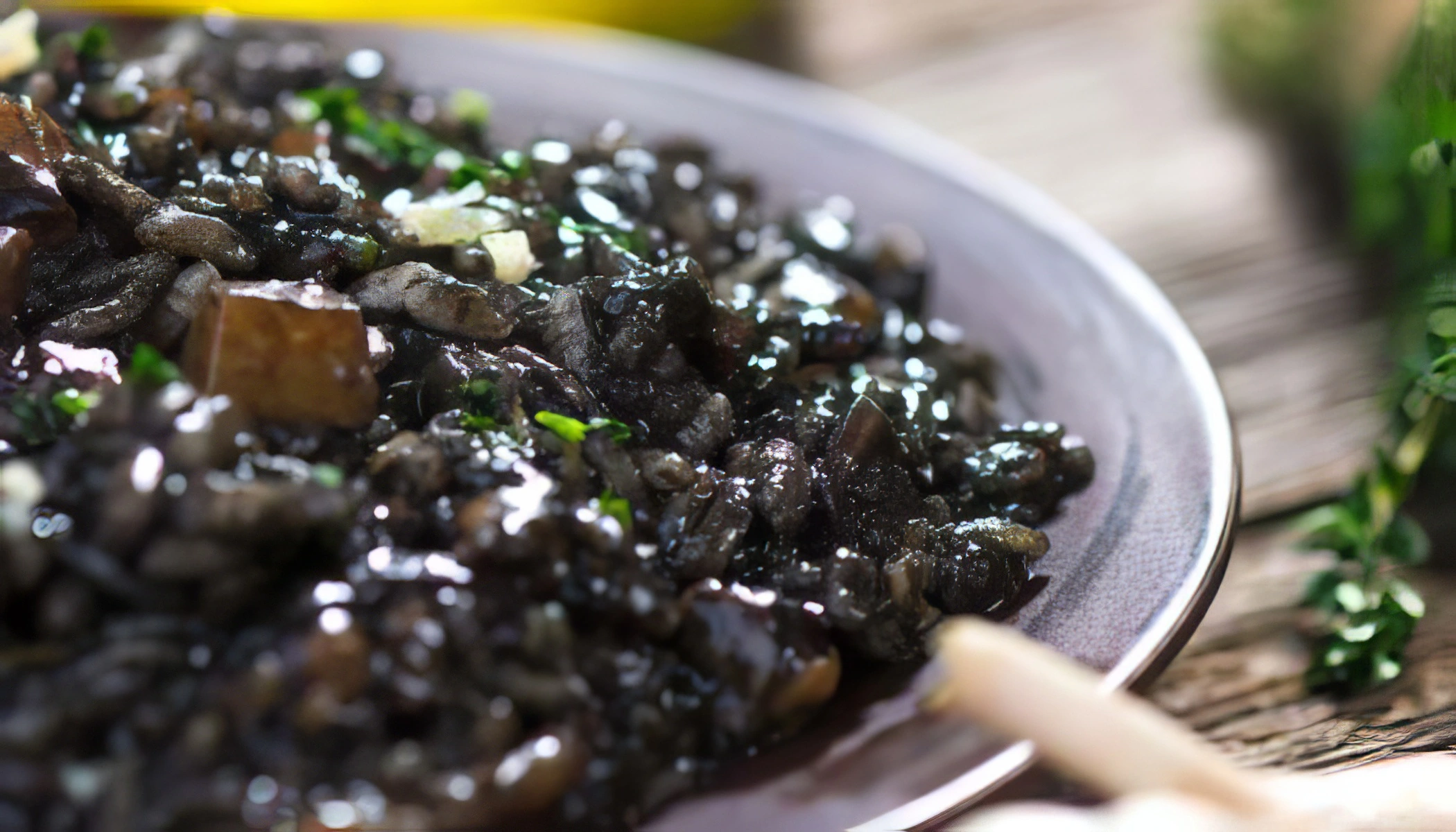
The city offers a blend of Mediterranean and Balkan cuisines, featuring fresh seafood and local ingredients. Some of the city's most famous dishes include:
– Black Risotto: A seafood dish made with cuttlefish ink, rice, and spices.
– Njeguški Pršut: Dry-cured ham from the Njeguši region, often served as an appetizer.
– Buzara: Shellfish cooked in white wine, garlic, parsley, and breadcrumbs.
– Cevapi: Grilled minced meat sausages served with flatbread and onions.
– Pasticada: Slow-cooked beef stew in a rich red wine sauce with prunes.
– Krempita: A creamy custard dessert layered between sheets of puff pastry.
Shopping
There are local markets and shops that offer handmade crafts and souvenirs. A popular gift option is traditional Montenegrin wine, which reflects the region's winemaking heritage. You can also find olive oil products, known for their quality. Other items include jewelry made from local materials. Look for artisanal goods that showcase local craftsmanship. Overall, these gifts represent the culture and traditions of the area.
Arts & Culture
The city hosts the Kotor Carnival, a lively event featuring parades, music, and traditional costumes, usually held in February. The Kotor Art Festival takes place in the summer, showcasing local and international artists through various performances and exhibitions. Additionally, the Maritime Museum displays artifacts related to the region's naval history and culture. There are also numerous churches and historical sites that reflect the area's rich artistic heritage.