

Kraków Travel Guide: Tourist Places & Activities
This historic city features a well-preserved medieval core, including a main square and castle. It is known for its rich cultural heritage, remarkable arts scene, and significant landmarks such as Wawel Cathedral and the historic Jewish district.
- Population
- 0.77 millions
- Size
- 326 square km
- Airport
- John Paul II Kraków-Balice – Int'l
- Train Station
- Kraków Główny & 2 others
- Est. Visit Days
- 3 days
Overview
Kraków is a historic city in Poland known for its well-preserved medieval core and pleasant cultural scene. Pros include its rich history, numerous attractions like Wawel Castle and the Main Market Square, and a lively atmosphere with many cafes and restaurants. The city is also relatively affordable compared to other European destinations. On the downside, it can be crowded with tourists, especially during peak seasons, which may detract from the experience. Additionally, some areas may have issues with pollution.
Traffic & Transport
The city features an efficient public transport system, including trams and buses, which are ideal for exploring various attractions. Walking is also a popular option due to the compact nature of the city center, allowing visitors to easily navigate between sites. Bicycles can be rented from numerous bike-sharing programs, offering a fun and eco-friendly way to see the sights. Additionally, many areas are pedestrian-friendly, making it easy to enjoy the local atmosphere. For reliable taxi services, companies such as iTaxi and MyTaxi operate in the area and are known for their professionalism. Booking apps like Bolt and Uber are also available, providing convenient options for hailing rides directly from your smartphone.
History
The city was founded in the 7th century and became the capital of Poland in the 11th century. It played a significant role during the Polish-Lithuanian Commonwealth in the 16th and 17th centuries, thriving as a center of trade and culture. The city faced invasions, including those by Sweden and Prussia, impacting its development. In the late 18th century, it was partitioned between Austria, Prussia, and Russia. After World War I, it regained its importance as part of an independent Poland.
Itinerary Sample
Here is a 3-day itinerary to explore Kraków, Poland.
– First day: Visit Wawel Castle and Cathedral, stroll through the Old Town, see the Main Market Square, and explore St. Mary's Basilica.
– Second day: Take a trip to Auschwitz-Birkenau concentration camp for a guided tour, then return to Kraków for an evening walk along the Vistula River.
– Third day: Explore Kazimierz (Jewish Quarter), visit Schindler's Factory Museum, and relax at Planty Park before departing.
Near Excursion
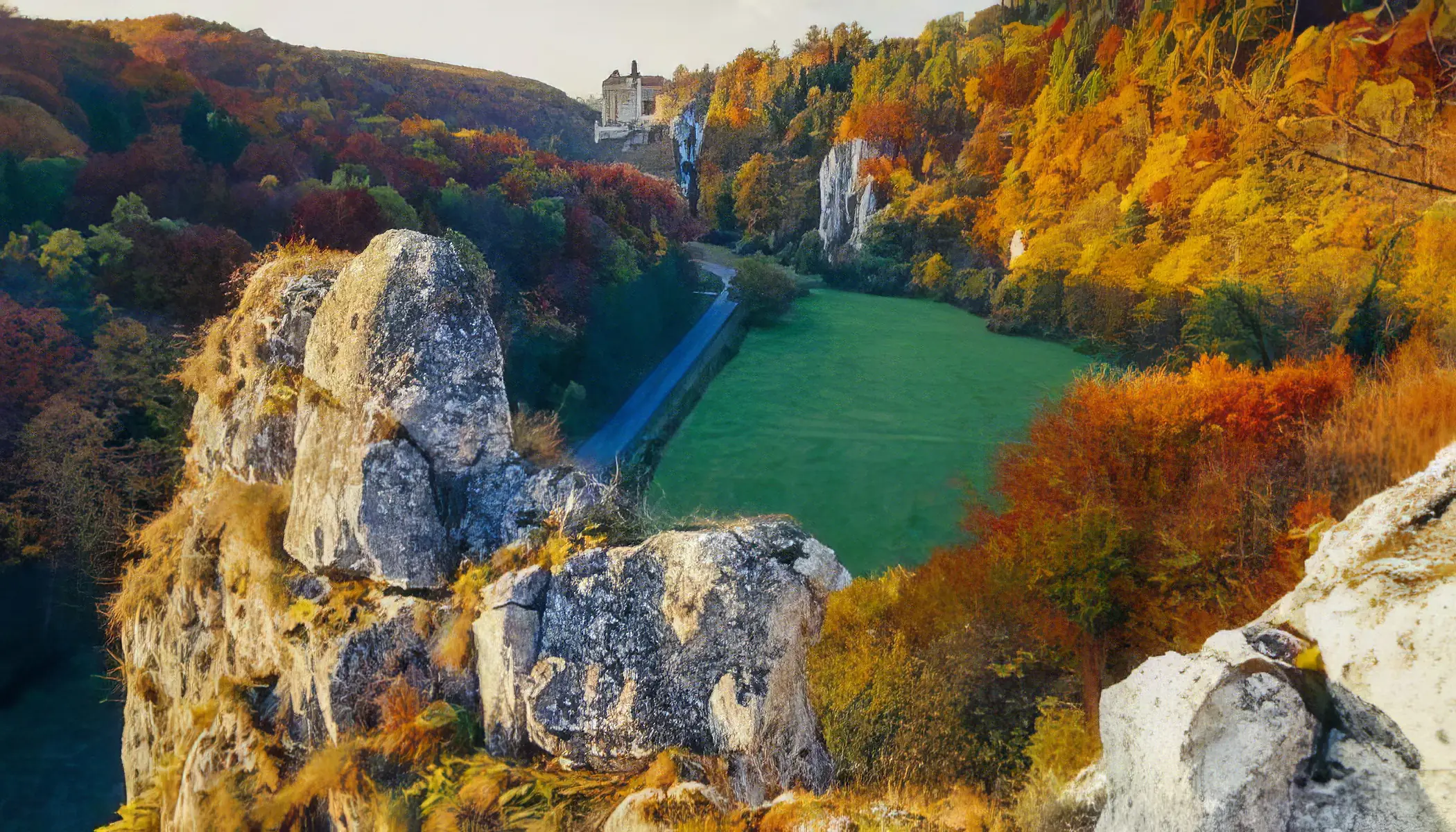
This city offers several interesting day-trip options for visitors. Here are a few suggestions:
– Wieliczka Salt Mine at 15 km: Explore underground tunnels and chambers carved from salt, a UNESCO World Heritage site.
– Auschwitz-Birkenau at 70 km: Visit the former Nazi concentration camp for a solemn historical experience.
– Ojców National Park at 30 km: Discover beautiful nice cliffs, caves, and castles in this charismatic park.
– Zakopane at 110 km: Experience the Tatra Mountains with hiking trails and unique local culture.
– Wadowice at 50 km: Birthplace of Pope John Paul II, featuring a museum dedicated to his life and legacy.
Attraction
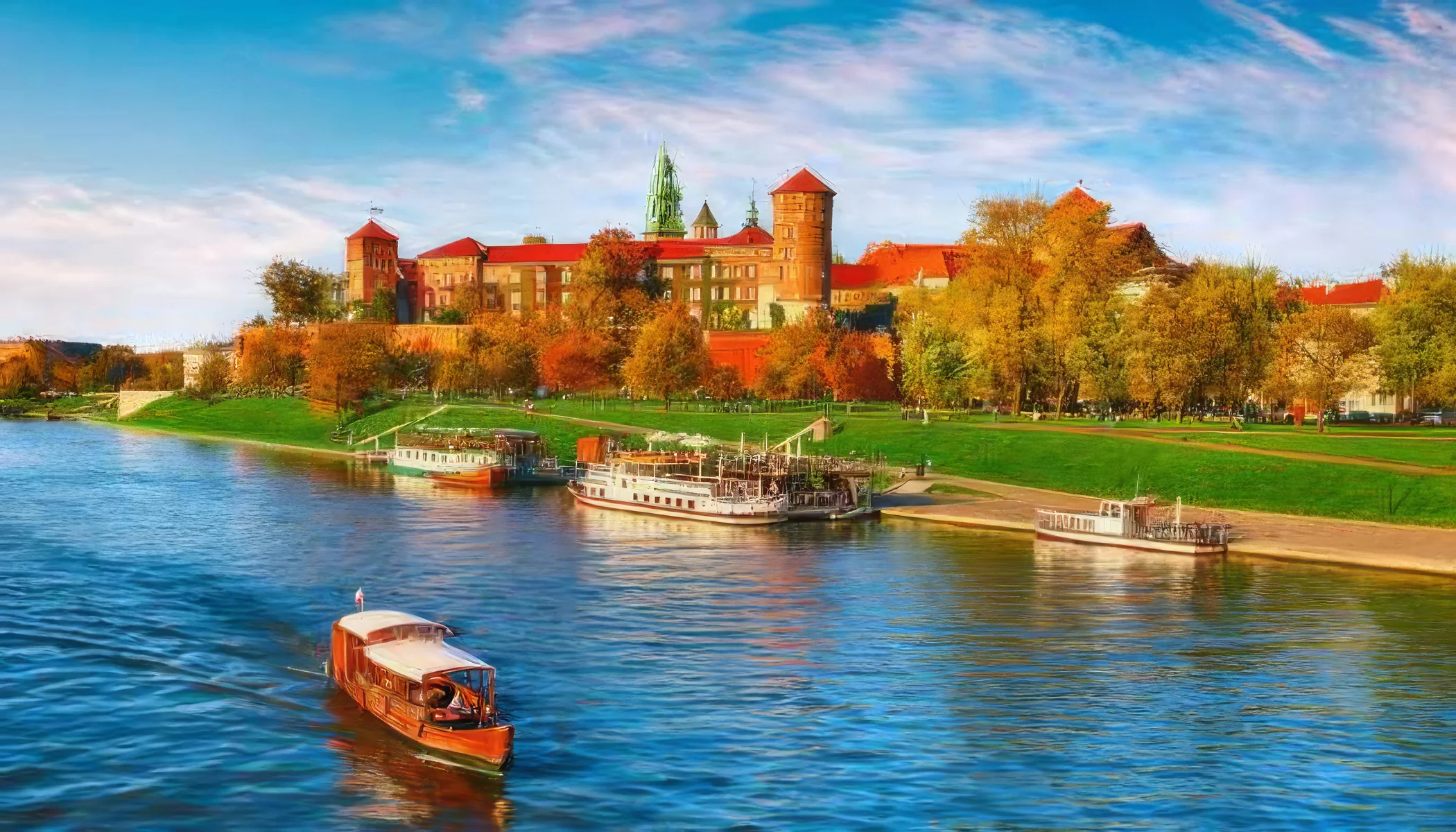
Known for its rich history and well-preserved medieval architecture, the city offers many attractions for tourists.
– Wawel Castle: A historic castle complex that includes a cathedral and former royal residence, offering insights into the country's past.
– Main Market Square: One of Europe's largest medieval town squares, featuring St. Mary's Basilica and the Cloth Hall.
– Kazimierz District: A beautiful area known for its Jewish heritage sites, synagogues, and lively atmosphere with cafes and shops.
– Schindler's Factory Museum: An informative museum detailing wartime history in the actual factory made famous by Oskar Schindler's story.
– Wieliczka Salt Mine: An underground salt mine with impressive tunnels, chambers, and chapels carved from salt rock formations.
– Planty Park: A scenic green space encircling the Old Town, ideal for leisurely walks among trees and historic monuments.
Activity
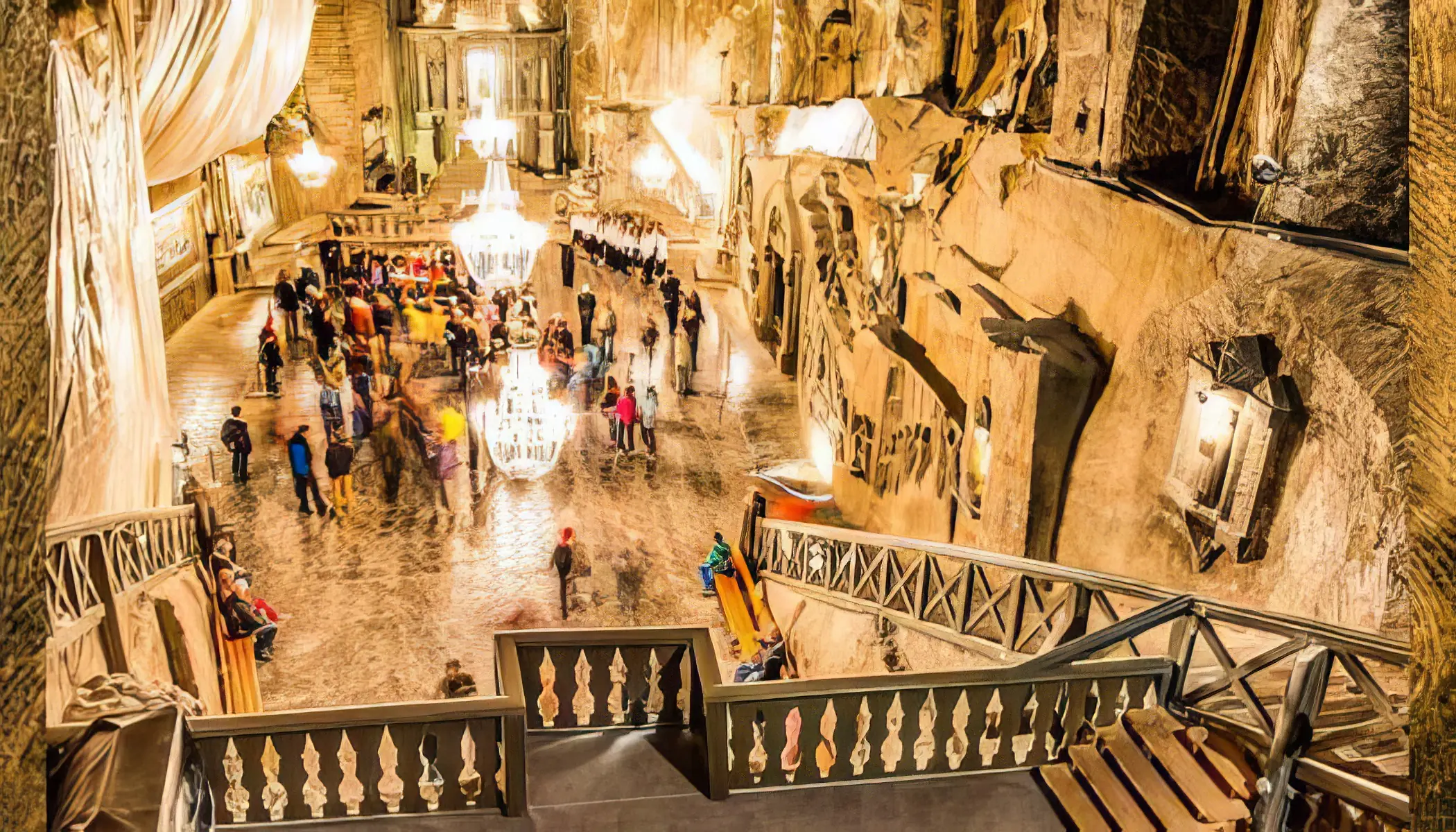
Travelers in Kraków can explore historic sites, animated markets, and enjoy outdoor activities in this culturally rich city.
– Vistula Boulevards: Stroll along the scenic riverbanks with walking paths, cafes, and views of Wawel Castle.
– Zakrzówek Lake: Swim or relax at this charismatic lake surrounded by cliffs, ideal for sunbathing and water sports.
– Nowa Huta Tour: Discover the socialist realism architecture and history of this planned district from the communist era.
– Wieliczka Salt Mine: Explore underground tunnels and chambers carved from salt, featuring sculptures and chapels dating back centuries.
– Ojcowski National Park: Enjoy hiking trails through beautiful lovely cliffs, forests, and caves located just outside the city.
Cuisine
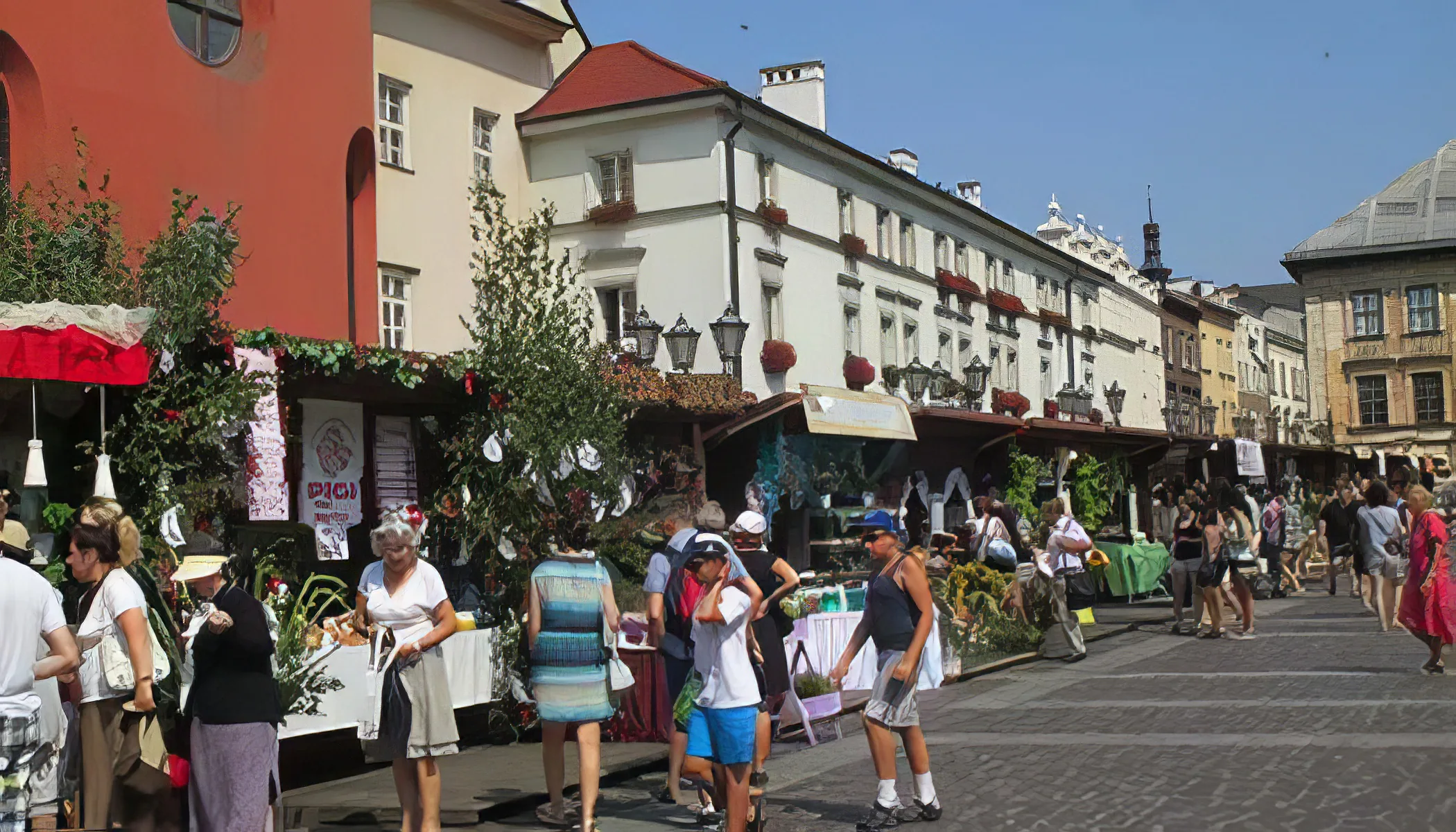
The city offers a mix of traditional Polish cuisine and modern European influences, with numerous restaurants and street vendors. Some of the city's most famous dishes include:
– Pierogi: Dumplings filled with various ingredients like cheese, potatoes, or meat.
– Zurek: Sour rye soup often served in a bread bowl with sausage and eggs.
– Bigos: Hearty stew made with sauerkraut, fresh cabbage, and assorted meats.
– Obwarzanek: Ring-shaped bread topped with sesame or poppy seeds, similar to a bagel.
– Kremówka: Cream-filled pastry made famous by Pope John Paul II's fondness for it.
Shopping
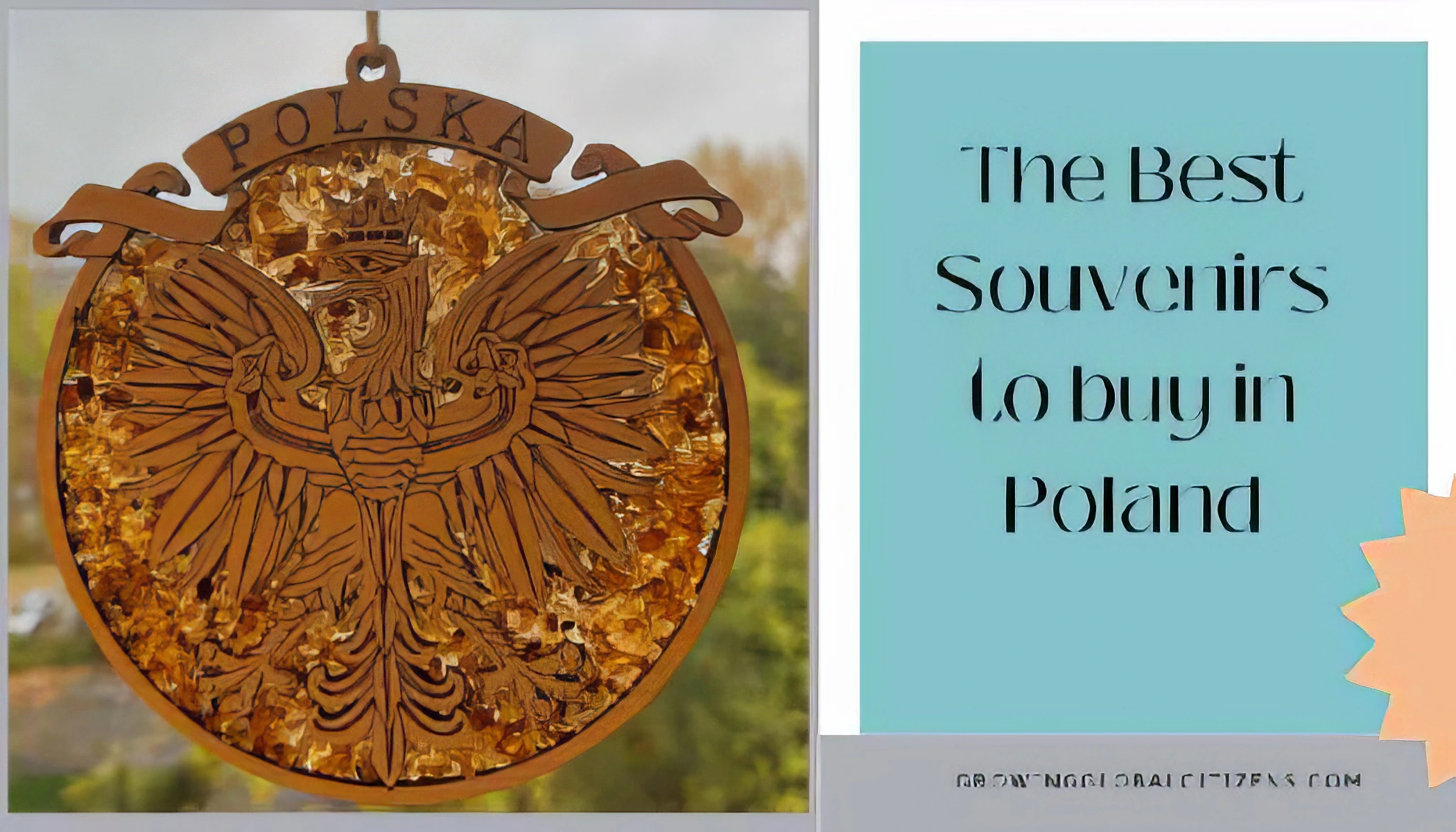
You can find unique handmade crafts at local markets, such as wooden carvings and traditional pottery. A popular gift is amber jewelry, which is a regional specialty. Local food products like honey or spices also make good souvenirs. Look for traditional textiles, including embroidered tablecloths and scarves. Art prints featuring local landmarks are another option. Overall, there are various authentic items to choose from for gifts.
Arts & Culture
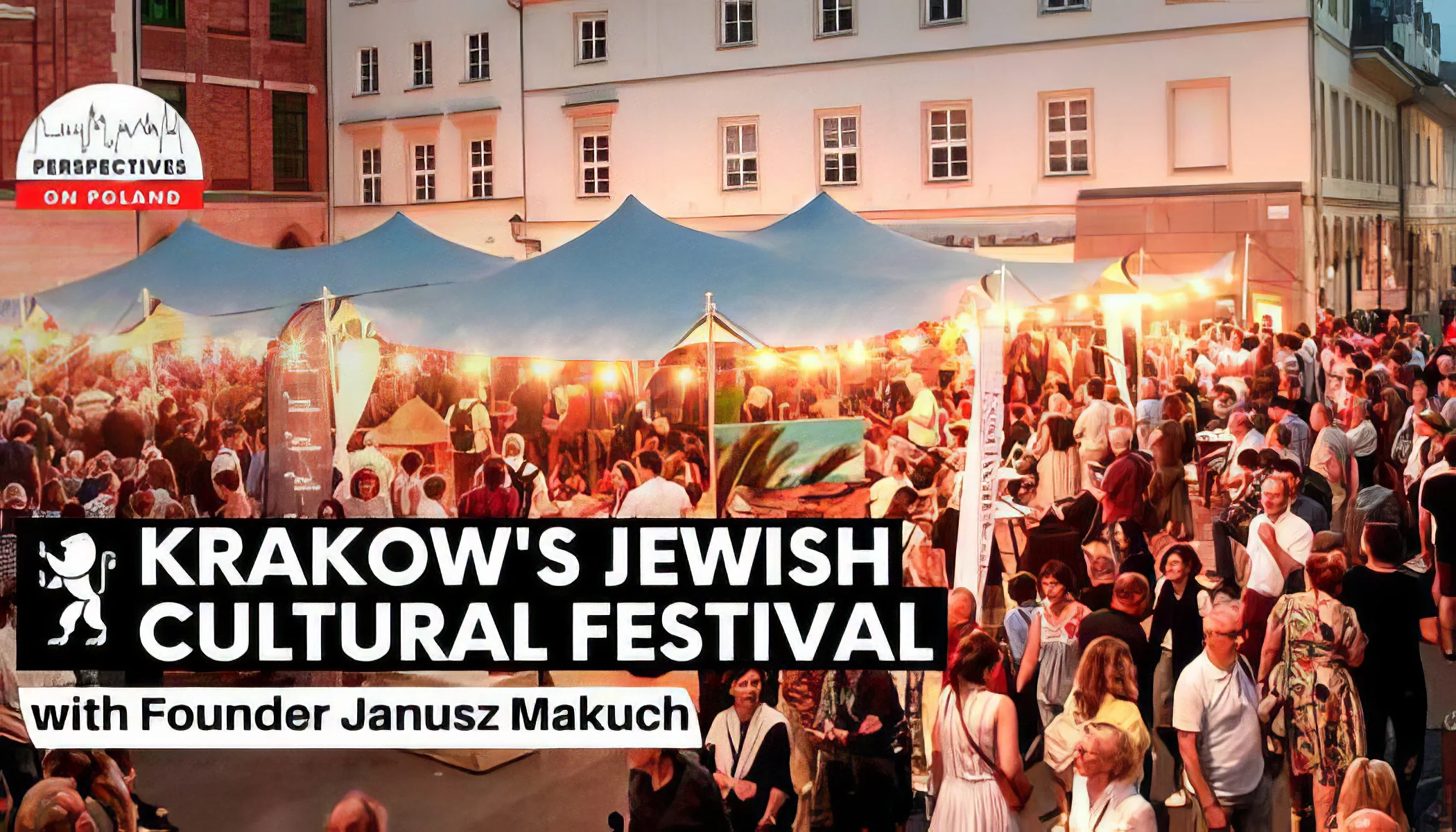
The city hosts the annual Jewish Culture Festival, celebrating Jewish heritage through music, film, and art. There are numerous galleries and museums, including the National Museum and MOCAK, which focus on contemporary art. The Summer Jazz Festival attracts musicians and fans from around the world. Additionally, various theatrical performances take place at venues like the Stary Teatr and Teatr im. Juliusza Słowackiego.