

Lampang Travel Guide: Tourist Places & Activities
Located in the north, this city is known for its horse-drawn carriages and significant temples like Wat Phra That Lampang Luang. It offers a mix of natural beauty and traditional Thai culture.
- Population
- 58,000
- Airport
- Lampang – domestic
- Train Station
- Lampang Station
- Est. Visit Days
- 2 days
Overview
Lampang, a city in northern Thailand, is known for its rich history and traditional culture, notably reflected in its well-preserved temples and horse-drawn carriages. The city's old town area offers a glimpse into its past with wooden houses and carefree streets. However, Lampang is less touristy compared to other cities like Chiang Mai, which can be a pro for those seeking a more authentic experience but a con for those looking for a pretty tourist scene. The city also serves as a gateway to the nearby national parks and is famous for its ceramics industry. Additionally, the annual "Lampang Elephant Conservation Center" is a major attraction for visitors interested in wildlife and conservation efforts.
Traffic & Transport
The city's traffic is generally light compared to larger urban centers, making it relatively easy to navigate. For tourists, the best means to explore the city is by renting a bicycle or a motorbike, which allows for flexibility and access to narrower streets. Additionally, tuk-tuks and songthaews (shared passenger trucks) are available and are convenient for short distances or group travel. Public buses also operate, providing a cost-effective way to reach different parts of the city. For those preferring taxi services, there are several reliable taxi companies operating in the city. Additionally, the Grab app is widely used for booking both taxis and motorbike taxis, offering a convenient and efficient option for getting around.
History
Historically, this city was founded in the 7th century as a Mon outpost and later became part of the Hariphunchai Kingdom. It was then incorporated into the Lanna Kingdom in the 13th century, which significantly influenced its culture and architecture. The city was a key trading center on the routes between China and Myanmar, known for its teak and ceramics. During World War II, it was briefly occupied by the Japanese. Today, it is celebrated for its traditional crafts, particularly the production of ceramics and textiles, which are integral to its cultural identity.
Itinerary Sample
Explore Lampang, Thailand over two days with this simple itinerary:
– First day: Visit Wat Phra That Lampang Luang, explore the Lampang Elephant Conservation Center, and stroll through the Kad Kong Ta Street Market.
– Second day: Tour the Ban Sao Nak, ride a horse-drawn carriage around the old town, and visit the Dhanabadee Ceramic Museum.
Near Excursion
This city offers several interesting day-trip options within a short distance. Here are some suggestions:
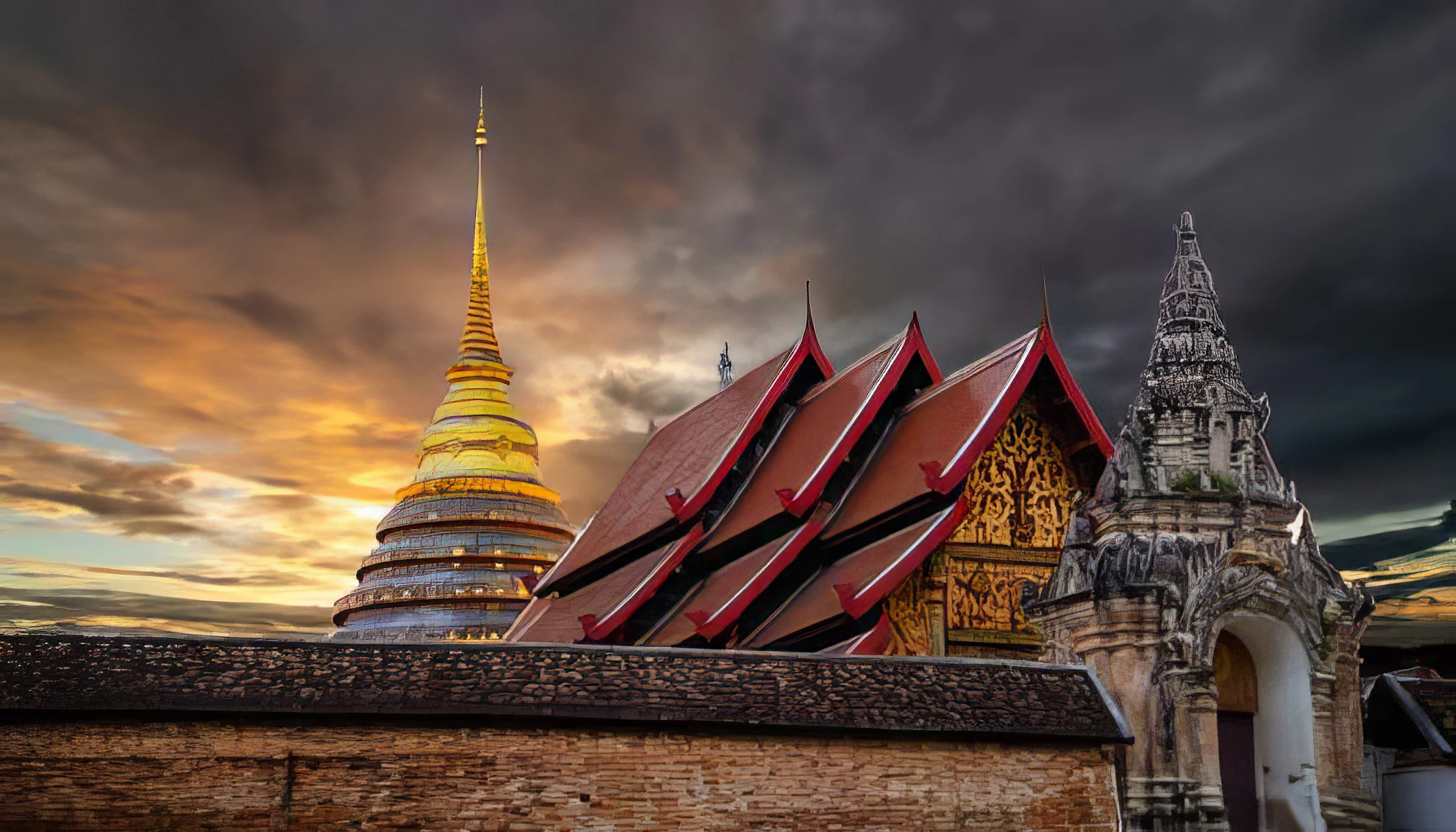
– Wat Phra That Lampang Luang at 20 km: A well-preserved Lanna-style temple with historical significance.
– Chae Son National Park at 75 km: Features hot springs, waterfalls, and scenic hiking trails.
– Phayao Lake at 90 km: A nice lake ideal for boating and enjoying local seafood.
– Doi Khun Tan National Park at 50 km: Offers hiking trails and the longest railway tunnel in Thailand.
– Phra That Chom Ping Temple at 40 km: Known for its unique light reflection phenomenon inside the temple.
Attraction
This city is known for its rich history, traditional architecture, and quiet temples.
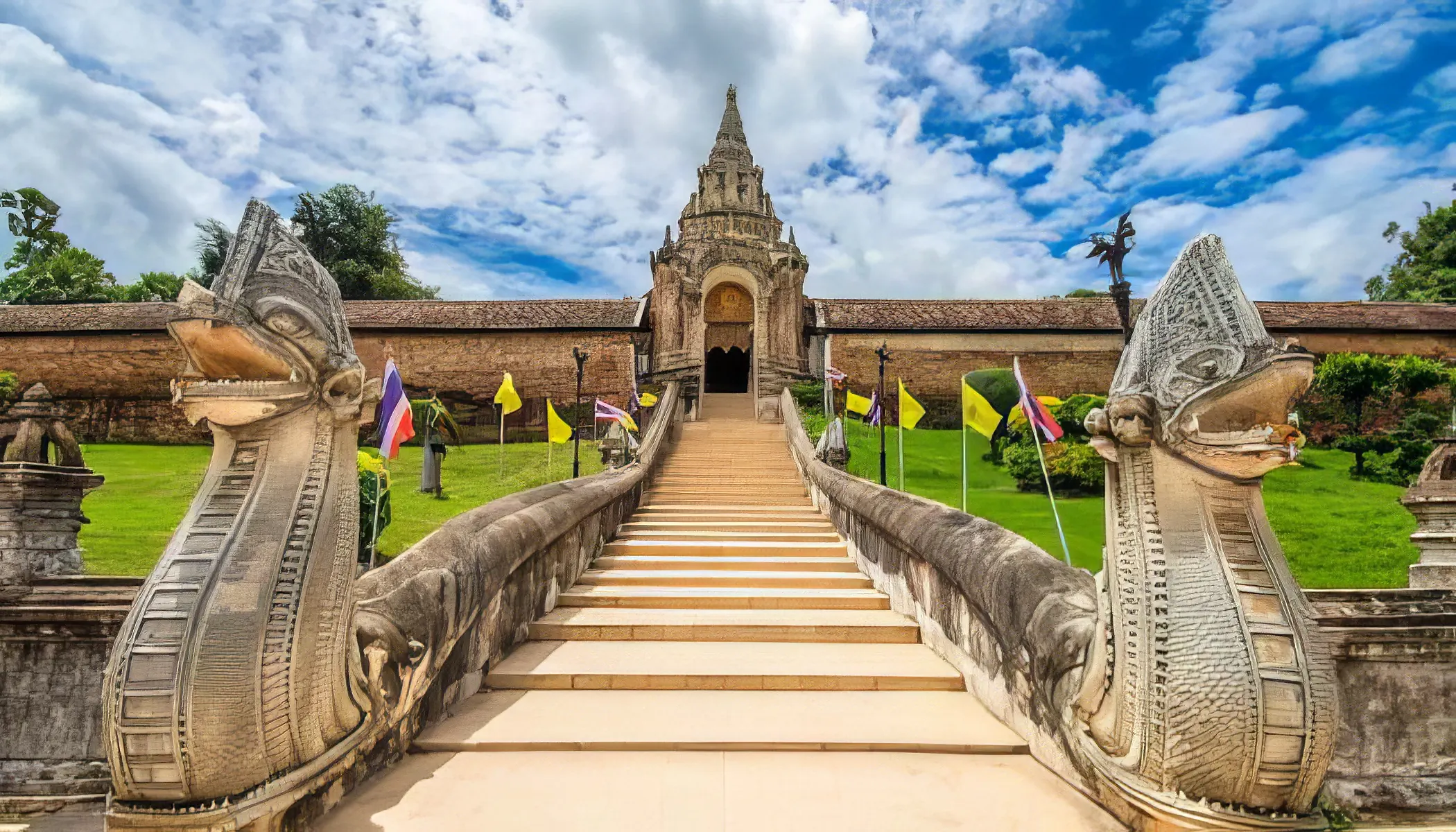
– Wat Phra That Lampang Luang: A well-preserved Lanna-style temple with a nice golden chedi and ancient murals.
– Wat Chedi Sao Lang: Features 20 white chedis and a peaceful atmosphere, ideal for quiet reflection.
– Dhanabadee Ceramic Museum: Showcases the history and process of traditional ceramic making, including hands-on activities.
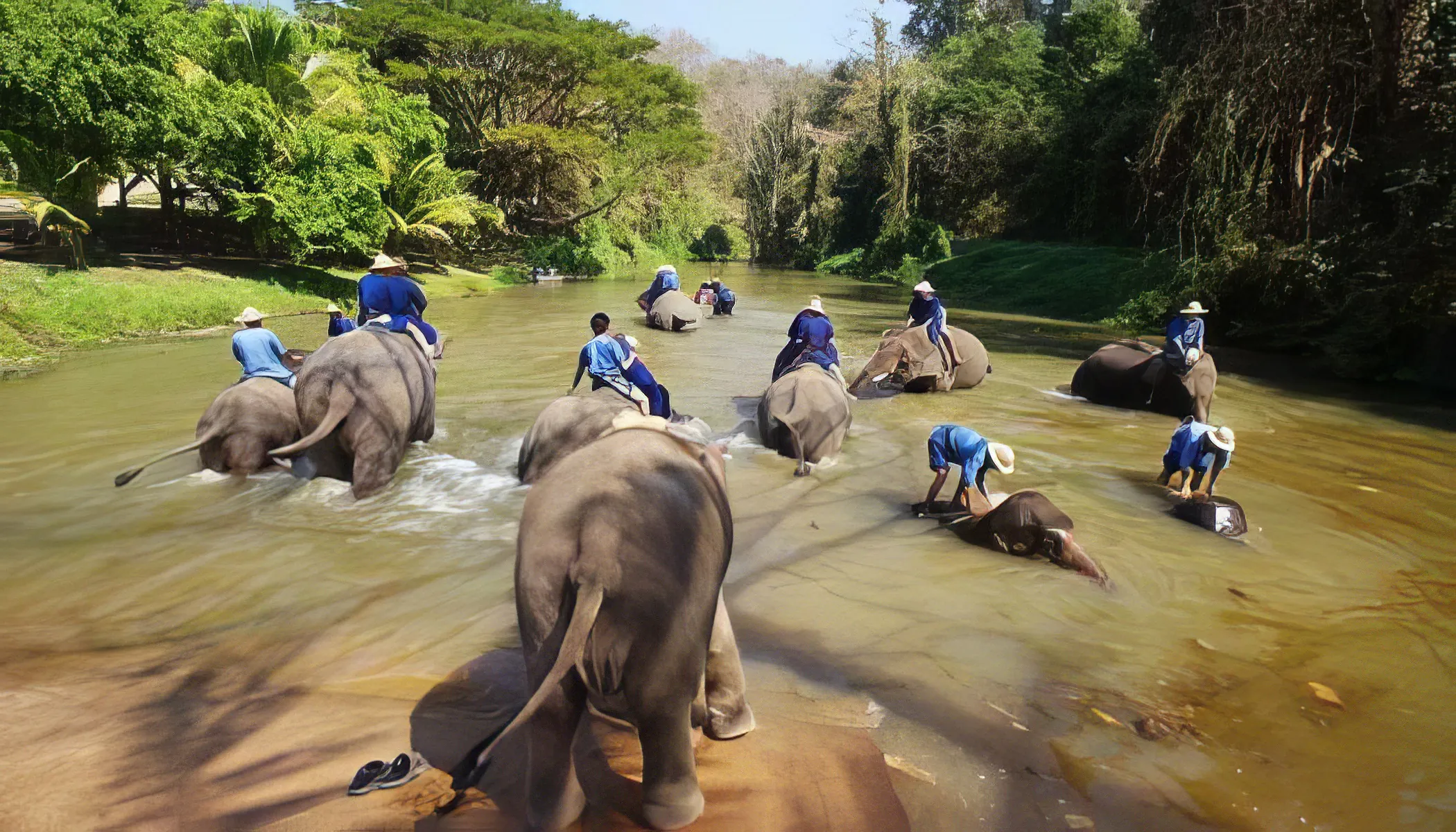
– Thai Elephant Conservation Center: Offers elephant shows, rides, and a hospital for injured elephants.
– Kad Kong Ta Street Market: A animated weekend market with local crafts, food, and live performances.
– Ban Sao Nak: A 100-year-old teak house museum displaying traditional Northern Thai architecture and antiques.
Activity
In Lampang, travelers can experience unique activities blending nature, culture, and local traditions.
– Elephant Conservation Center: Observe and learn about elephants in a responsible and educational setting.
– Horse Carriage Ride: Explore the city in a traditional horse-drawn carriage.
– Thai Massage School: Learn traditional Thai massage techniques from experienced instructors.
– Lampang Ceramic Fair: Visit the annual fair showcasing local ceramic art and craftsmanship.
Shopping

In the city you mentioned, tourists can enjoy a unique shopping experience at the local markets and ceramic factories. The area is renowned for its handmade ceramics, which make excellent gifts. These ceramics often feature traditional designs and are available in various forms such as dishes, vases, and decorative items. Additionally, the weekend walking street market offers a variety of local crafts, food, and souvenirs that reflect the local culture and craftsmanship. Another notable gift item is the hand-woven textiles, especially scarves and bags, made by local artisans. These items not only serve as beautiful gifts but also support the local economy and craftsmanship.
Arts & Culture
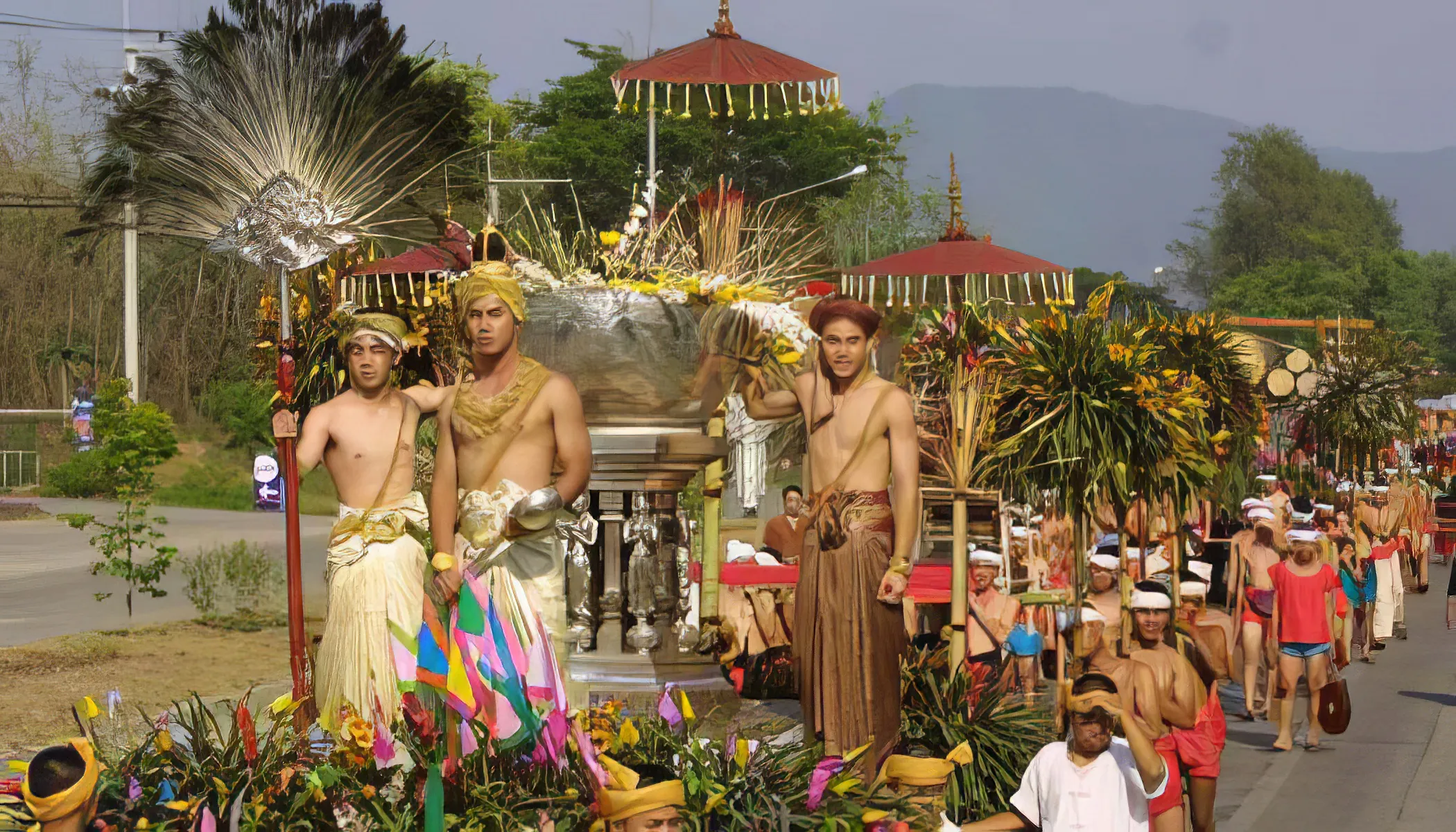
The city hosts the annual Salung Luang Festival, a significant event during Songkran, where large, beautifully decorated silver bowls are paraded and used for water blessings. It is also known for its traditional horse-drawn carriages, which reflect its historical and cultural heritage. The city's Dhanabadee Ceramic Museum showcases the history and art of ceramic making, a significant local craft. Additionally, the city celebrates the Wat Phra That Lampang Luang Festival, which features a procession, local performances, and religious ceremonies.