

Sightseeing in Lamu: Culture & Must‑See Spots
This coastal town features narrow streets, traditional Swahili architecture, and a rich history influenced by trade. It is known for its beautiful beaches and remarkable cultural festivals, attracting visitors seeking a blend of relaxation and heritage experiences.
- Airport
- Lamu (Manda) – Int'l
- Est. Visit Days
- 5 days
Overview
Lamu is a historic coastal town in Kenya, known for its Swahili architecture and rich culture. Pros include its UNESCO World Heritage status, beautiful beaches, and a relaxed atmosphere. However, the town faces challenges such as limited infrastructure and access to modern amenities. Additionally, security concerns have been raised in the past due to regional instability. Overall, Lamu offers a unique experience but may not suit everyone’s travel preferences.
Traffic & Transport
The city is predominantly car-free, with narrow streets and alleys that prioritize walking and non-motorized transport. The best way to explore the area is on foot or by using traditional wooden dhows for water-based travel. Bicycles are also available for rent, offering a leisurely way to navigate both land and coastal routes. In some areas, you may find local guides who can provide insights while escorting you through the historic sites. For taxi services, there are a few reliable local companies that can be hired for transportation needs. However, there are no well-known taxi-booking apps specifically for this destination at this time.
History
This coastal city was founded in the 14th century and became a key trading center for gold, ivory, and spices. It was part of the Swahili Coast trade network, influenced by Arab, Persian, and later Portuguese traders. In the 17th century, it fell under Omani control after conflicts with the Portuguese. The city experienced cultural exchanges that shaped its architecture and language, blending African and Arab influences. It is now recognized for its historical significance and unique cultural heritage.
Itinerary Sample
Here is a suggested 5-day tour itinerary for exploring Lamu, Kenya.
– First day: Arrive in Lamu, settle into your accommodation, and take a leisurely walk around Lamu Old Town to admire the architecture and local shops.
– Second day: Visit Fort Lamu and the Swahili House Museum to learn about the island's history and culture. Enjoy dinner at a local restaurant.
– Third day: Take a dhow boat trip to nearby Manda Island for swimming, snorkeling, or relaxing on the beach. Return to Lamu for the evening.
– Fourth day: Explore Shela Beach and visit the nearby sand dunes. Consider trying some water sports or simply enjoy the sunset.
– Fifth day: Visit local markets for souvenirs and experience traditional Swahili cuisine before departing from Lamu.
Near Excursion
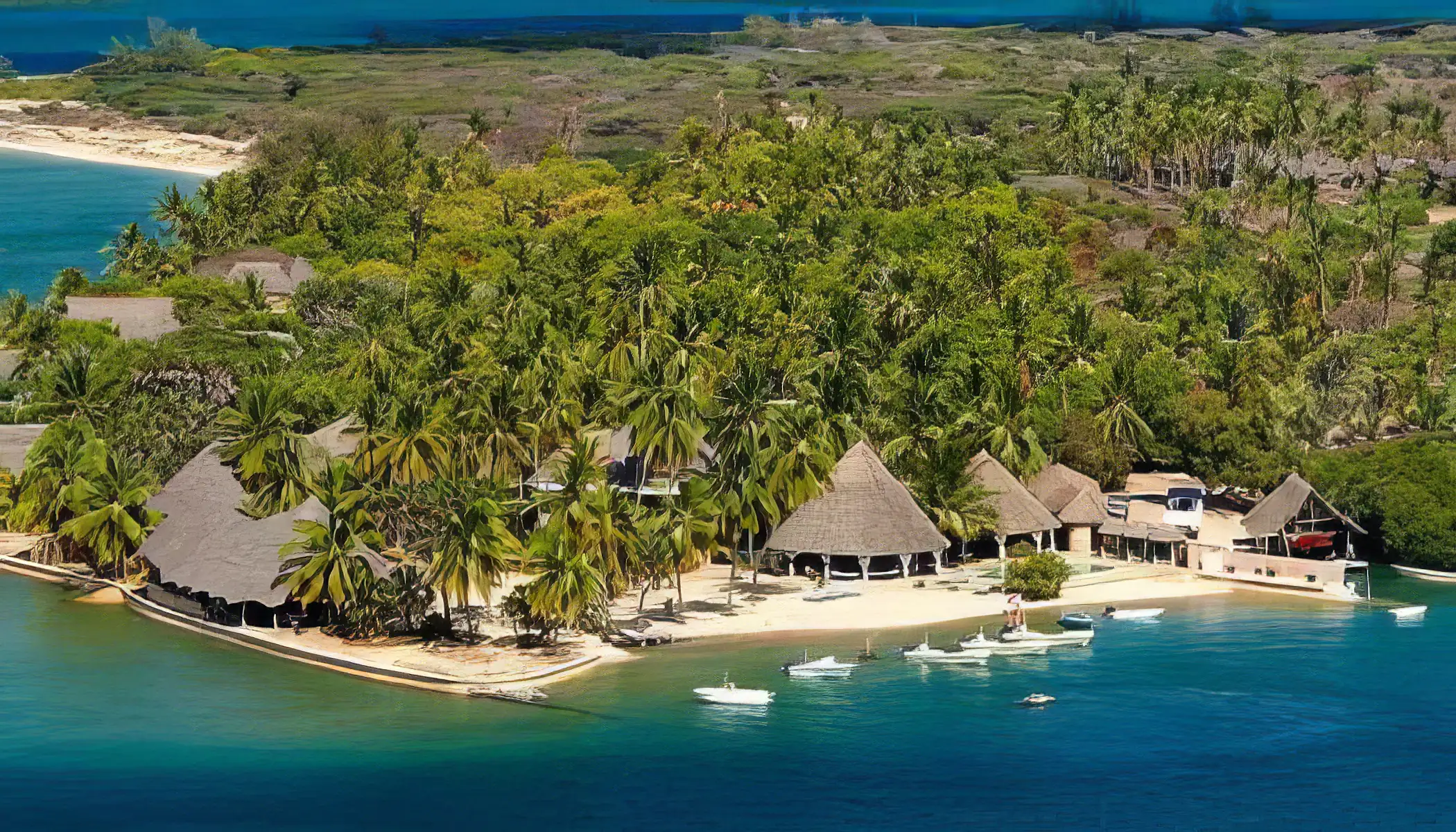
This coastal town offers several interesting day-trip options within a reasonable distance. Here are some suggestions:
– Manda Island at 30 km: Known for beautiful beaches and the ancient Takwa Ruins, an archaeological site of historical significance.
– Kiwayu Island at 50 km: Offers crystalline beaches and opportunities for snorkeling in its clear waters.
– Pate Island at 40 km: Features Swahili culture, traditional villages, and historic ruins dating back centuries.
– Dodori National Reserve at 100 km: A protected area rich in wildlife, ideal for nature enthusiasts seeking adventure.
– Kipungani Village at 35 km: A calm fishing village where you can experience local life and enjoy coastal views.
Attraction
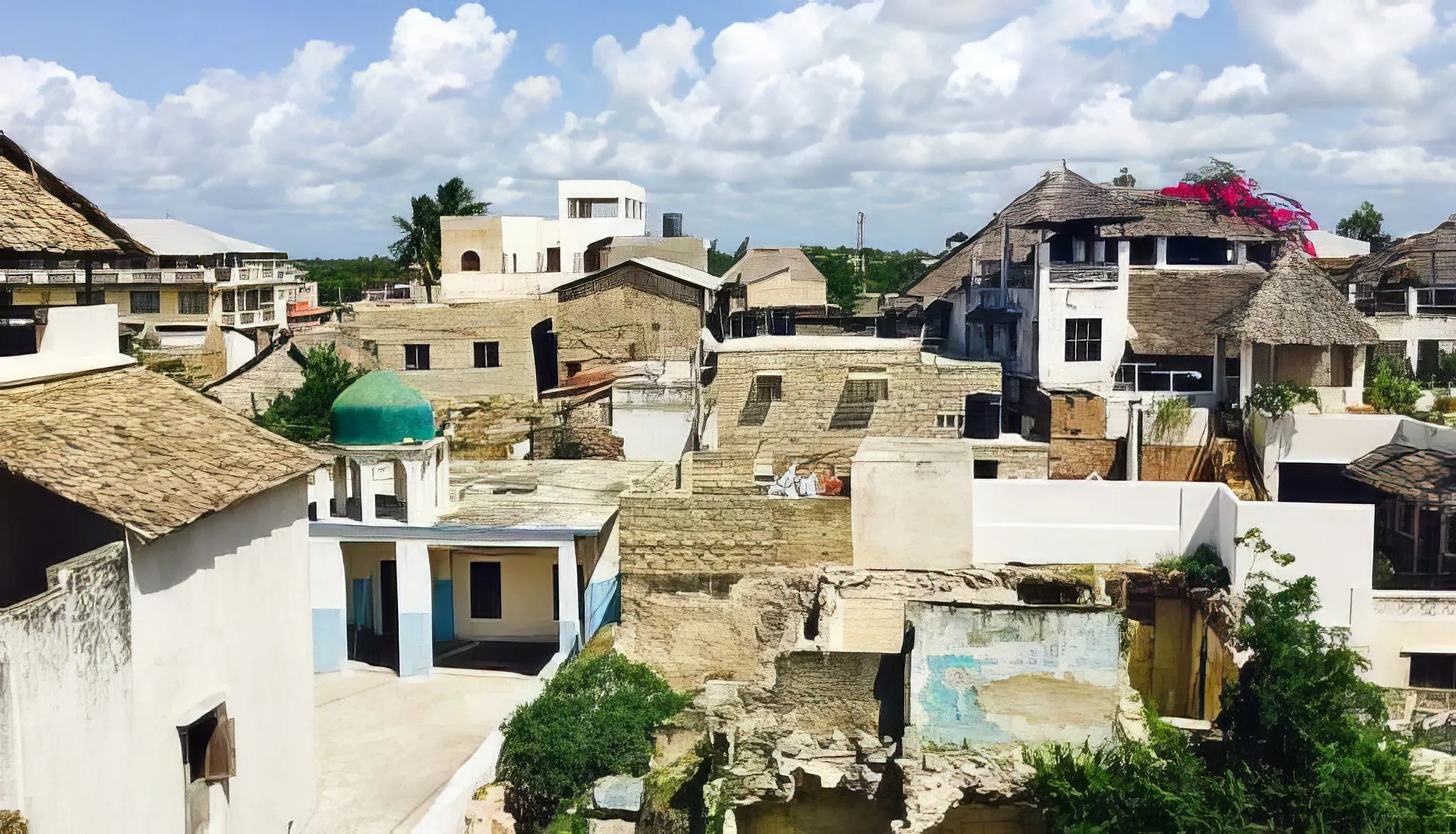
This city is known for its rich history, Swahili architecture, and animated culture.
– Lamu Old Town: A UNESCO World Heritage site featuring narrow streets, traditional homes, and magnificient markets.
– Shela Beach: A easygoing spot perfect for relaxing and enjoying the Indian Ocean's beauty.
– Lamu Museum: Offers insights into local history with exhibits on Swahili culture and maritime heritage.
– Riyadha Mosque: An important religious site, renowned for its annual Maulidi Festival celebrating Prophet Muhammad's birth.
– Takwa Ruins: Explore the remains of a 15th-century Swahili settlement located on Manda Island.
– Donkey Sanctuary: Visit this center dedicated to the welfare of working donkeys in the area.
Activity
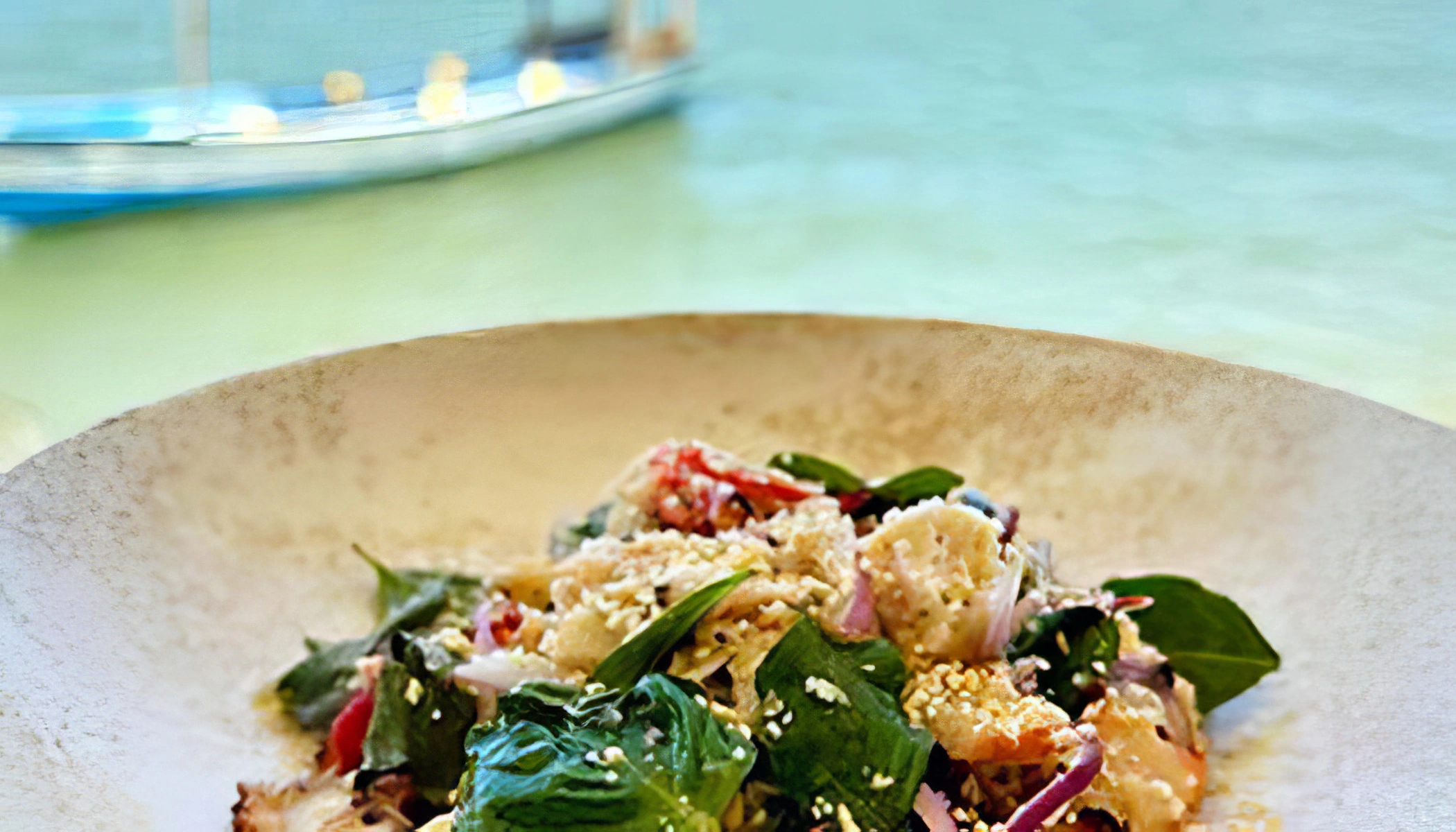
Travelers in Lamu can explore its rich Swahili culture, beautiful beaches, and unique architecture through various activities.
– dhow sailing: Experience traditional sailing on a wooden dhow along the Lamu coastline, enjoying scenic views and local marine life.
– beach relaxation: Spend time on Lamu's immaculate beaches, perfect for sunbathing, swimming, or simply enjoying the peaceful atmosphere.
– village tours: Visit nearby villages to learn about local customs, crafts, and daily life of the Swahili people.
– culinary classes: Participate in cooking classes to discover traditional Swahili cuisine and learn about local ingredients and techniques.
– kite surfing: Try kite surfing at Shela Beach for an adventurous experience with wind and waves in a fascinating setting.
Shopping

You can find unique handmade crafts, including intricately carved wooden items. Local jewelry made from beads and shells is also popular. Textiles like kikoys and kanga are good choices for clothing or souvenirs. Look for traditional Swahili-style home decor, such as lamps and wall hangings. These gifts reflect the local culture and craftsmanship. Overall, shopping here offers a chance to take home something authentic.
Arts & Culture

The city is known for its Swahili culture, which is reflected in its architecture and traditional crafts. The Lamu Cultural Festival, held annually, showcases local music, dance, art, and traditional sports. Additionally, the annual Lamu Poetry Festival attracts writers and poets from various regions to celebrate literature and storytelling. Traditional dhow races are also a highlight of local events, emphasizing maritime heritage.