

Latakia Travel Guide: Tourist Places & Activities
This city, located along the eastern Mediterranean coast, is known for its port and historical significance. It features a mix of ancient ruins and modern infrastructure, playing a key role in trade and transportation in the region.
- Airport
- Bassel Al-Assad – Int'l
- Est. Visit Days
- 2 days
Overview
Latakia is a coastal city in Syria known for its Mediterranean beaches and port. Pros include its historical sites, such as ancient Roman ruins, and a relatively mild climate. However, the city has faced challenges due to ongoing conflict in the region, which can affect safety and infrastructure. Economic conditions may also be difficult due to the broader situation in Syria. Visitors should stay informed about travel advisories before planning a trip.
Traffic & Transport
The city features a mix of local buses, shared taxis, and private vehicles as the primary means of transportation for visitors. The best way to explore the area is often by using shared taxis, which are economical and can take you to various attractions efficiently. Walking is also a viable option in certain neighborhoods, especially those with pedestrian-friendly areas. Traffic can vary throughout the day, so it's advisable to plan your travels during off-peak hours. For taxi services, there are several local companies that provide reliable transportation options. While specific taxi-booking apps may not be widely available, traditional taxis can easily be hailed on the street or booked through hotel concierge services.
History
This coastal city has a history influenced by various civilizations, including the Phoenicians, Greeks, and Romans. It was an important trade center due to its strategic location along the Mediterranean Sea. The city changed hands multiple times throughout history, especially during the Crusades and Ottoman rule. In the 20th century, it became significant during Syria's struggle for independence from French colonial rule. Today, it reflects a blend of these diverse cultural influences in its architecture and local traditions.
Itinerary Sample
Here is a suggested 2-day itinerary for exploring Latakia, Syria.
– First day: Visit the ancient city of Ugarit, explore the local market, and relax at the beach in the evening.
– Second day: Tour the Citadel of Latakia, visit Al-Assad National Library, and enjoy seafood at a local restaurant.
Near Excursion
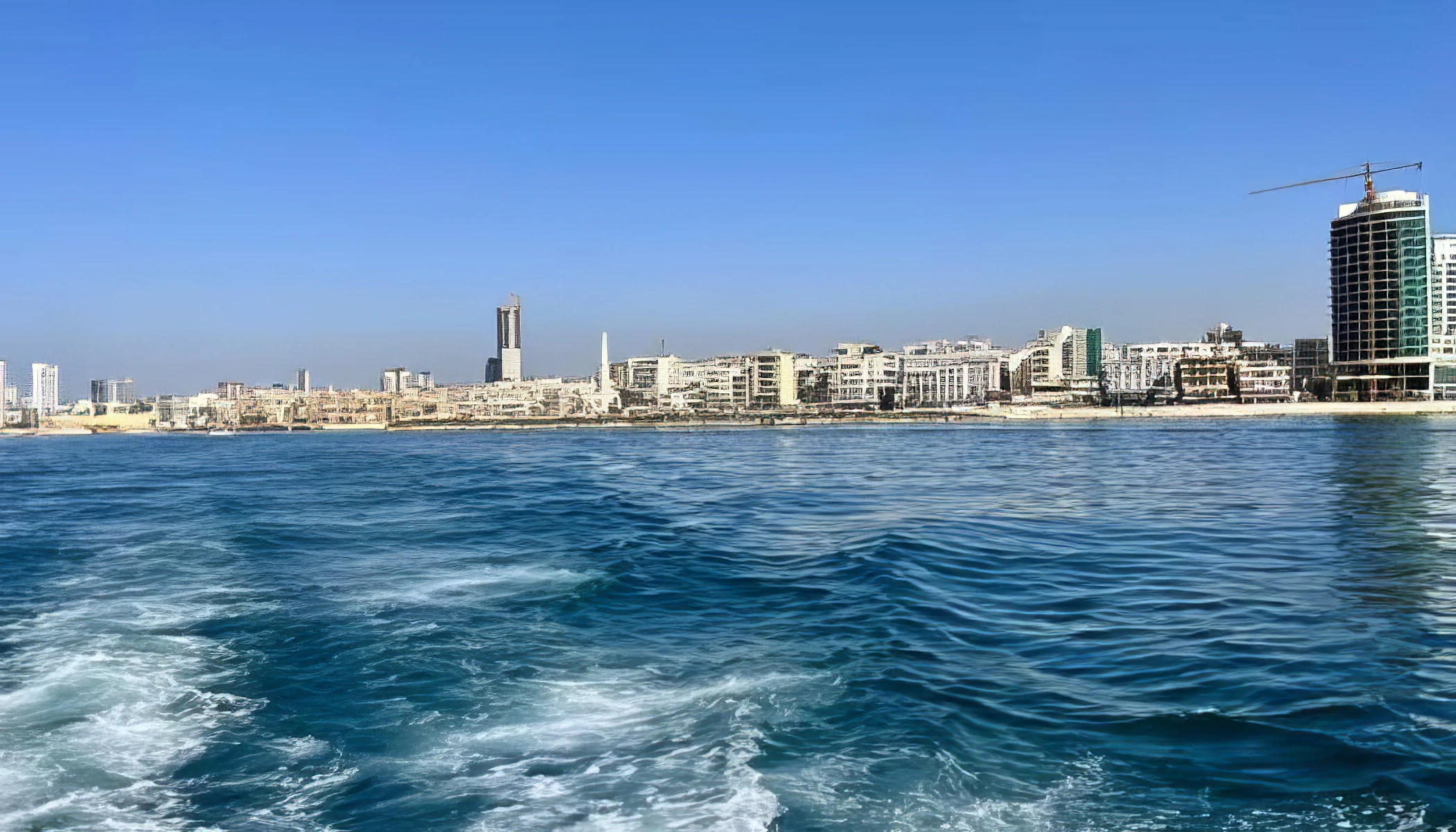
This city offers several interesting day-trip options within a reasonable distance. Here are some recommendations:
– Ugarit at 15 km: Explore the ruins of an ancient port city, considered one of the oldest in the world.
– Saladin Castle at 37 km: A well-preserved medieval fortress with handsome views over surrounding landscapes.
– Tartus at 90 km: Visit this coastal city known for its historic Crusader castle and charming old town.
– Krak des Chevaliers at 130 km: Discover one of the best-preserved medieval castles, a UNESCO World Heritage site.
– Apamea at 145 km: Wander through the archaeological site featuring a long colonnaded street and Roman ruins.
Attraction
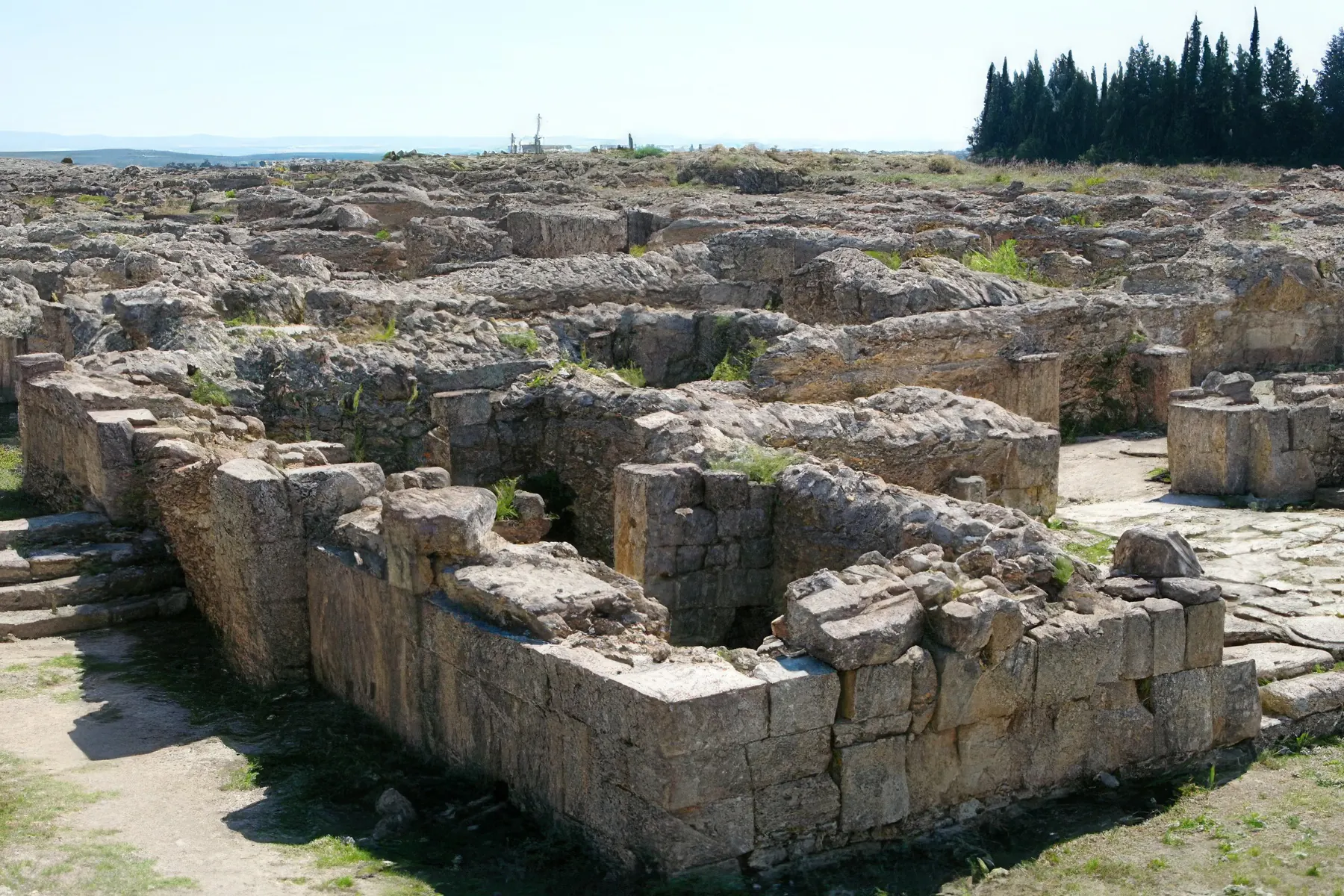
This coastal city offers historical sites, beaches, and cultural experiences.
– Ugarit Ruins: Explore the ancient city believed to be the birthplace of the alphabet.
– Saladin Castle: Visit this well-preserved medieval fortress located in a scenic mountainous area.
– Al-Assad Stadium: Catch a local football match in this prominent sports venue.
– Tishreen University: Walk around one of the largest universities in the region with modern architecture.
– Jableh Amphitheater: Discover a Roman-era amphitheater still used for events today.
– Corniche al-Basel: Enjoy a stroll along the seaside promenade with views of the Mediterranean Sea.
Activity
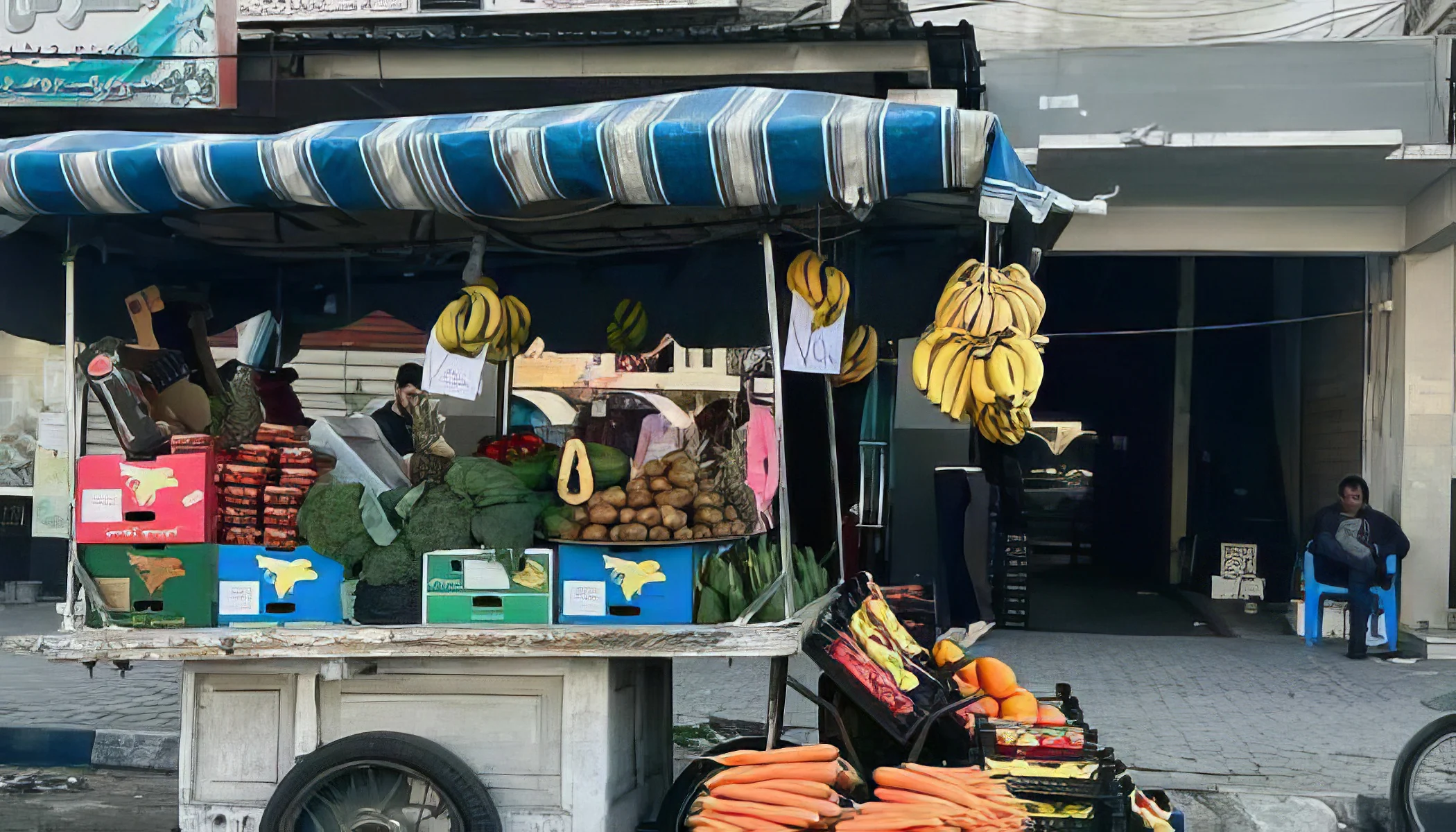
Latakia offers a mix of beach activities, historical sites, and outdoor adventures along its Mediterranean coastline.
– Beach relaxation: Enjoy the sandy beaches and warm waters of the Mediterranean Sea for sunbathing and swimming.
– Tartus day trip: Visit nearby Tartus for its ancient harbor and historical architecture, just a short drive from Latakia.
– Hiking in the mountains: Explore the surrounding mountains for scenic trails and views of the coastal landscape.
– Local markets: Experience local culture by visiting lovely markets selling fresh produce, spices, and handmade goods.
– Water sports: Engage in activities like jet skiing or windsurfing available at various beach locations.
Shopping
You can find a variety of local handicrafts, including traditional textiles and pottery. Spices are also popular and can make unique gifts. Olive oil from the region is another option that many tourists appreciate. Markets offer a lively shopping experience with fresh produce and local products. Jewelry made from silver or gold is available in some shops. These items reflect the local culture and can be memorable souvenirs.
Arts & Culture
The city has a rich history of arts, particularly in traditional music and dance. There are often cultural festivals that showcase local talents and heritage. The annual al-Assad Cultural Center hosts various art exhibitions and performances throughout the year. Additionally, local artisans produce crafts that reflect the region's artistic traditions.