

Legazpi Travel Guide: Tourist Places & Activities
This city is located in the Bicol region, known for its proximity to Mayon Volcano. It features a mix of urban and natural attractions, including beaches and historical sites, making it a notable destination for visitors.
- Airport
- Legazpi – Dom & 1 other
- Est. Visit Days
- 3 days
Overview
Legazpi is a city in the Philippines known for its proximity to Mayon Volcano. Pros include its rich culture, local cuisine, and outdoor activities like hiking and sightseeing. The city has basic amenities and good transportation options. However, it can experience heavy rainfall and occasional volcanic activity, which may pose risks. Overall, Legazpi offers a mix of natural beauty and urban life with some challenges.
Traffic & Transport
The city has a relatively manageable traffic situation, making it easy for tourists to navigate. The best way to explore is by using local tricycles or jeepneys, which are affordable and offer an authentic experience of the local culture. Biking is also a popular option for those looking to enjoy the scenery at a leisurely pace. Walking can be quite pleasant in certain areas, especially near attractions. For reliable taxi services, visitors can consider established companies like Mellow Taxi and Legazpi Taxi. Additionally, ride-hailing apps such as Grab are available for convenient booking and fare estimation.
History
This city was founded in 1569 by Spanish explorers, becoming a key location for trade and commerce in the Philippines. It served as a center for agricultural production and shipping during the colonial period. The area experienced conflicts during the Philippine-American War in the early 20th century. After World War II, it grew rapidly due to reconstruction efforts. Today, it reflects a mix of indigenous and colonial influences in its culture and traditions.
Itinerary Sample
Here is a suggested 3-day itinerary for exploring Legazpi, Philippines.
– First day: Arrive and visit Cagsawa Ruins and the Daraga Church. Explore Albay Park and Wildlife, then enjoy local cuisine at a nearby restaurant.
– Second day: Take a trip to Mayon Volcano for hiking or sightseeing. Visit the Embarcadero de Legazpi for shopping and dining in the evening.
– Third day: Explore the Legazpi City Museum and go to Lignon Hill for panoramic views. Relax at the beach before departure.
Near Excursion
This city offers several interesting day-trip options within a short distance. Here are some suggestions:
– Cagsawa Ruins at 10 km: Explore the remains of a 16th-century church buried by the eruption of Mayon Volcano.
– Donsol at 50 km: Known for whale shark watching, offering opportunities to see these gentle giants up close.
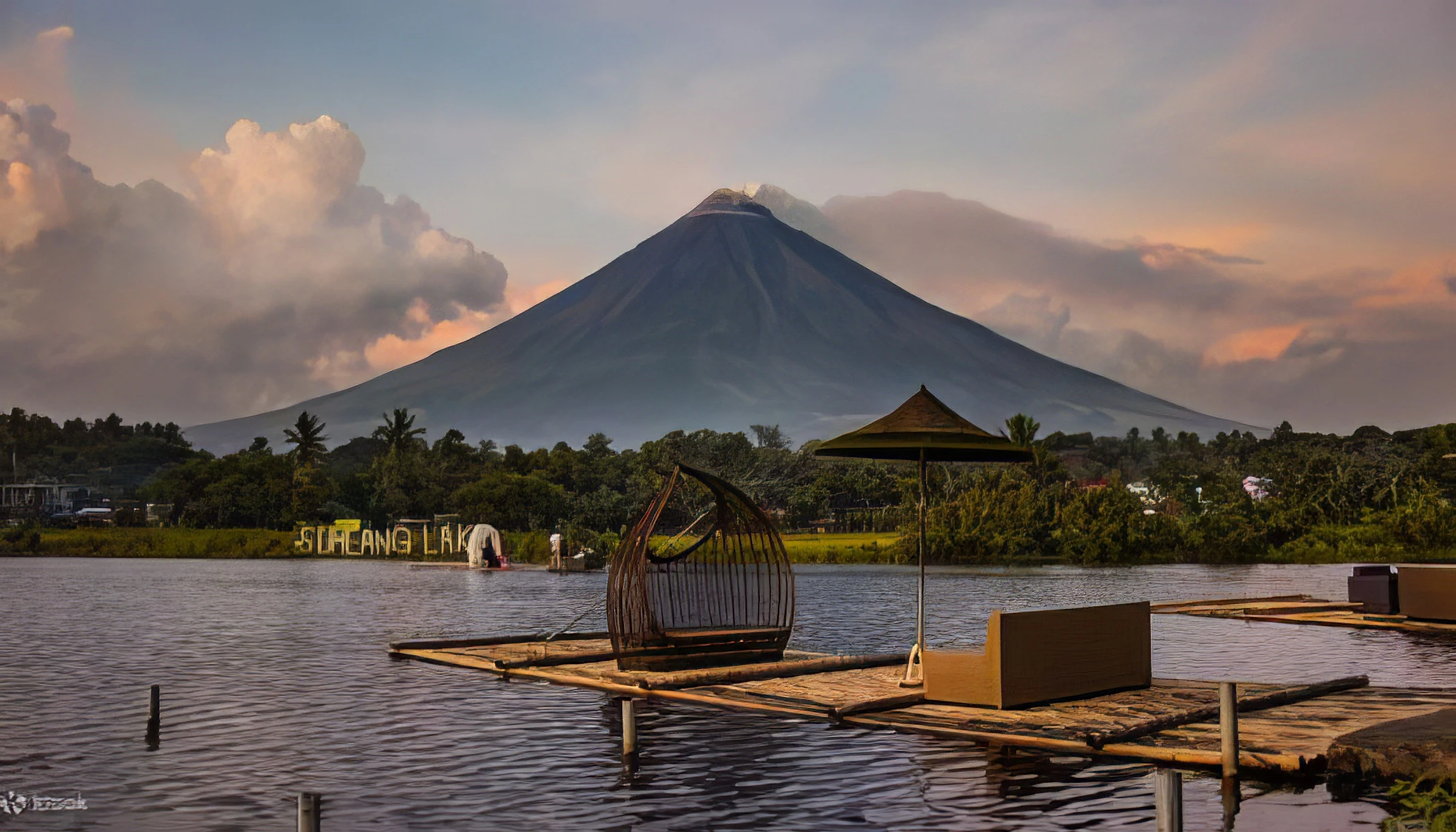
– Sumlang Lake at 12 km: A carefree lake with views of Mayon Volcano, perfect for bamboo rafting and picnics.
– Quitinday Green Hills Formation Reserve at 37 km: Offers scenic views similar to the Chocolate Hills in Bohol.
– Vera Falls at 60 km: A refreshing waterfall nestled amidst nice greenery, ideal for nature lovers and relaxation.
Attraction
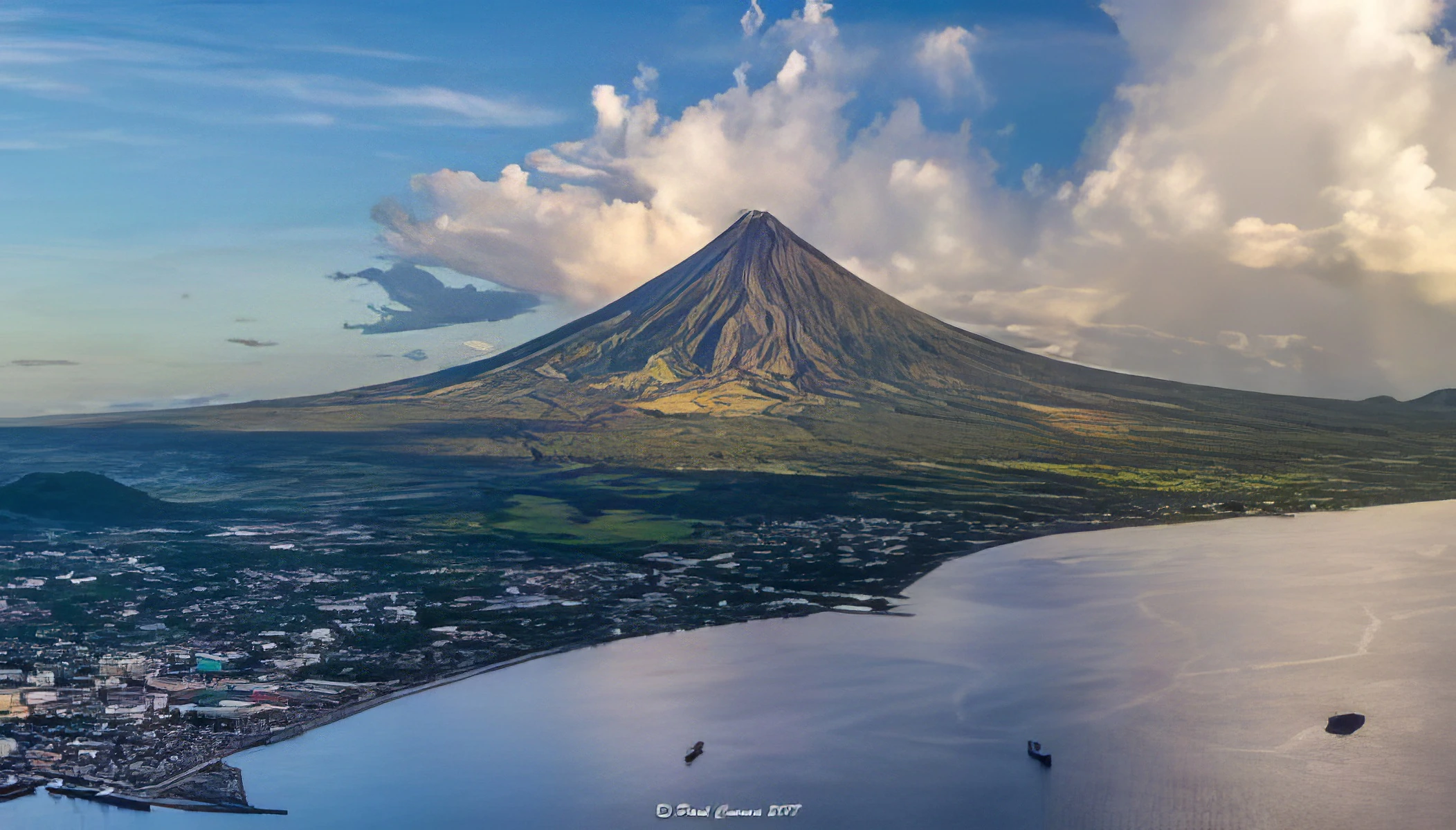
The city is known for its beautiful views of a famous volcano and rich cultural heritage.
– Mayon Volcano: Known for its perfect cone shape, it's the most iconic landmark offering scenic views and hiking opportunities.
– Cagsawa Ruins: Historical site featuring remnants of a church buried by a volcanic eruption in 1814, with picturesque views of Mayon.
– Lignon Hill Nature Park: Offers panoramic views of the city, hiking trails, and an adventure park with zip-lining activities.
– Daraga Church: An 18th-century baroque church known for its complex architecture and historical significance.
– Embarcadero de Legazpi: A waterfront lifestyle hub with shopping, dining options, and entertainment facilities overlooking the harbor.
– Albay Park and Wildlife: A family-friendly destination housing various animal species, picnic areas, and walking paths in a luxuriant environment.
Activity
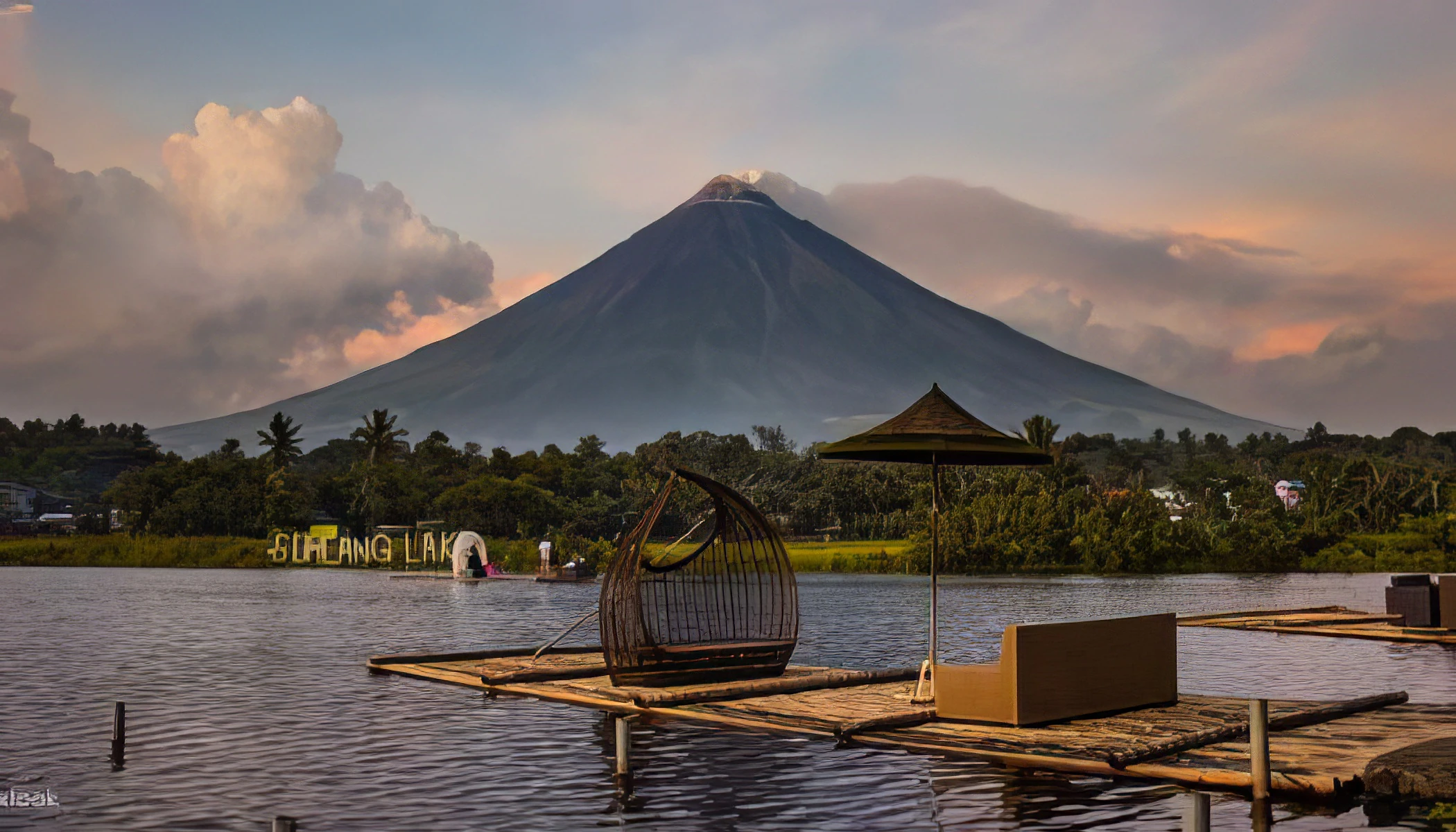
Travelers in Legazpi can enjoy beautiful views of Mayon Volcano and engage in various outdoor and cultural activities.
– ATV Ride: Explore the lava fields and trails around Mayon Volcano on an all-terrain vehicle for an adrenaline rush.
– Cagsawa Ruins: Visit the historic site of Cagsawa Church, partially buried by a volcanic eruption, offering scenic views of Mayon.
– Whale Shark Interaction: Experience swimming with gentle whale sharks in nearby Donsol, a unique marine encounter in the region.
– Sumlang Lake Kayaking: Paddle on Sumlang Lake while enjoying charming scenery, including views of Mayon Volcano in the background.
– Pili Nut Tour: Learn about pili nut harvesting and processing, a local delicacy that showcases the region's agricultural practices.
Cuisine

The city offers a unique culinary experience with dishes highlighting local ingredients and flavors, particularly featuring coconut milk and chili. Some of the city's most famous dishes include:
– Bicol Express: Spicy stew made with pork, coconut milk, shrimp paste, and chili.
– Laing: Taro leaves cooked in coconut milk with shrimp or meat and spiced with chili.
– Pinangat: Coconut milk-stewed dish using taro leaves, meat or seafood, wrapped in banana leaves.
– Sili Ice Cream: Unusual dessert combining creamy ice cream with spicy local chili peppers.
– Kinunot: Flaked fish or stingray cooked in coconut milk with malunggay leaves and spices.
Shopping

You can find local handicrafts and souvenirs at various markets. Products like handwoven bags and traditional clothing are popular. Food items, such as pili nuts and local snacks, make good gifts. There are also shops selling artwork from local artists. Look for items that reflect the culture of the area. Overall, shopping here offers unique local products.
Arts & Culture
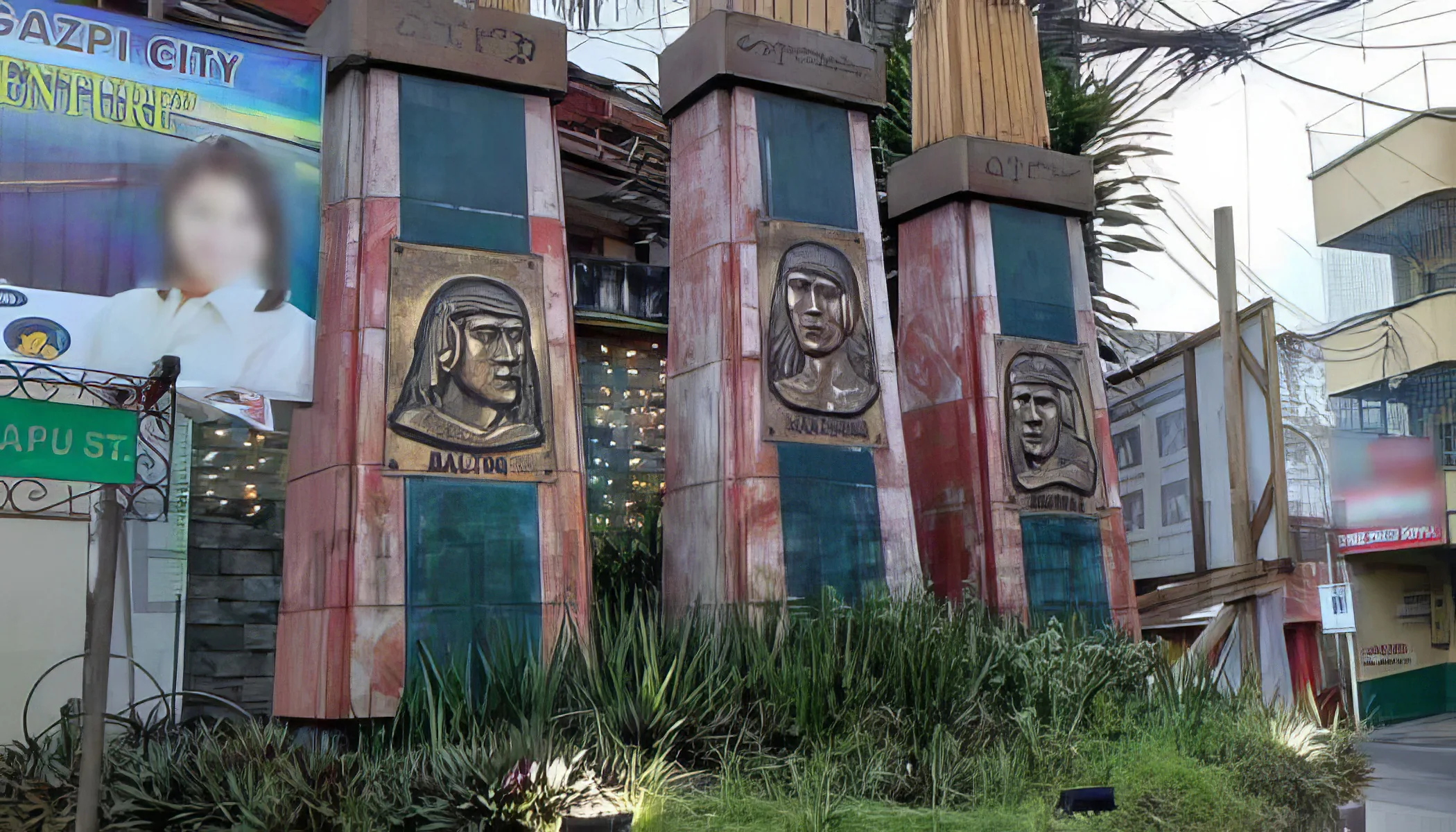
The city hosts the Ibalong Festival, which celebrates local legends and culture through street dancing and performances. Art exhibits featuring local artists are often held, showcasing various forms of visual arts. Additionally, traditional crafts such as pottery and weaving can be found in local markets. Various cultural events throughout the year promote the rich heritage of the region.