

Sightseeing in Leh: Culture & Must‑See Spots
This town is situated in the northern region, known for its high altitude and nice landscapes. It serves as a gateway to various monasteries and trekking routes, attracting many adventure seekers and cultural enthusiasts throughout the year.
- Airport
- Kushok Bakula Rimpochee – Int'l
- Est. Visit Days
- 5 days
Overview
Leh is a town in the northern Indian region of Ladakh, known for its remarkable landscapes and Buddhist culture. Pros include its unique scenery, rich history, and opportunities for trekking and adventure sports. However, Leh also has drawbacks such as limited access to medical facilities and fluctuating weather conditions that can affect travel plans. Additionally, the altitude can pose health risks for some visitors. Overall, Leh offers a distinct experience but requires careful planning for visitors.
Traffic & Transport
The city features a relatively low volume of traffic, making it easy for visitors to explore on foot or by bicycle. However, for longer distances or to access more remote areas, hiring a taxi or auto-rickshaw is advisable. The roads are scenic but can be narrow and winding, so caution is recommended while driving. Public transport options are limited, so private transportation tends to be the most convenient way to get around. Reliable taxi services include local companies that offer both airport transfers and sightseeing trips. While there may not be widely recognized taxi-booking apps specific to the area, some travelers find success using general ride-hailing apps that operate in India.
History
The area has a long history of trade, being part of the Silk Route connecting India and Central Asia. It was historically ruled by various empires, including the Maurya and Kushan empires. In the 17th century, it became an important center for Tibetan Buddhism under the rule of the Namgyal dynasty. The region faced conflict during the Dogra expansion in the 19th century and later during India-Pakistan wars over Kashmir. Today, it reflects a blend of Buddhist culture and influences from neighboring regions.
Itinerary Sample
Here is a sample itinerary for a 5-day tour of Leh, India:
– First day: Arrive in Leh, acclimatize to the altitude, and explore local markets and eateries.
– Second day: Visit Shey Palace, Thiksey Monastery, and Hemis Monastery for cultural insights.
– Third day: Take a trip to Pangong Lake; enjoy the scenic views and return to Leh.
– Fourth day: Explore Nubra Valley via Khardung La Pass; visit Diskit Monastery and enjoy sand dunes.
– Fifth day: Visit Shanti Stupa and Leh Palace; relax before departure.
Near Excursion
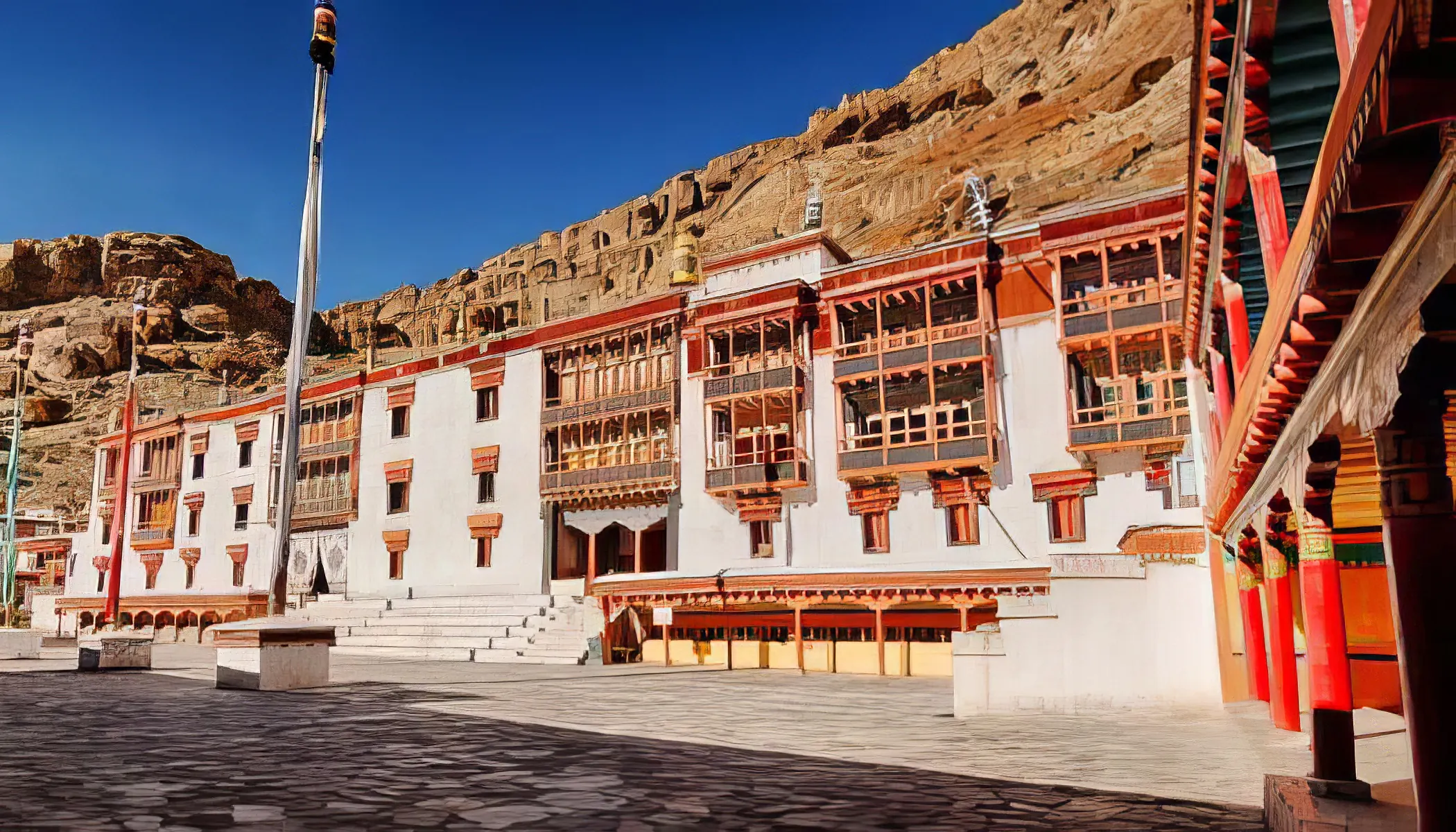
This city offers access to various day-trip destinations with unique cultural and natural attractions. Here are some suggestions:
– Magnetic Hill at 30 km: Known for its gravity-defying optical illusion, where vehicles appear to roll uphill.
– Alchi Monastery at 70 km: An ancient Buddhist monastery famous for its Indo-Tibetan art and wall paintings.
– Hemis Monastery at 45 km: The largest monastery in the region, known for its annual festival celebrating Tibetan culture.
– Thiksey Monastery at 20 km: A beautiful monastery resembling the Potala Palace in Lhasa, offering panoramic views.
– Pangong Lake at 150 km: A fascinating high-altitude lake that changes colors and stretches across international borders.
Attraction
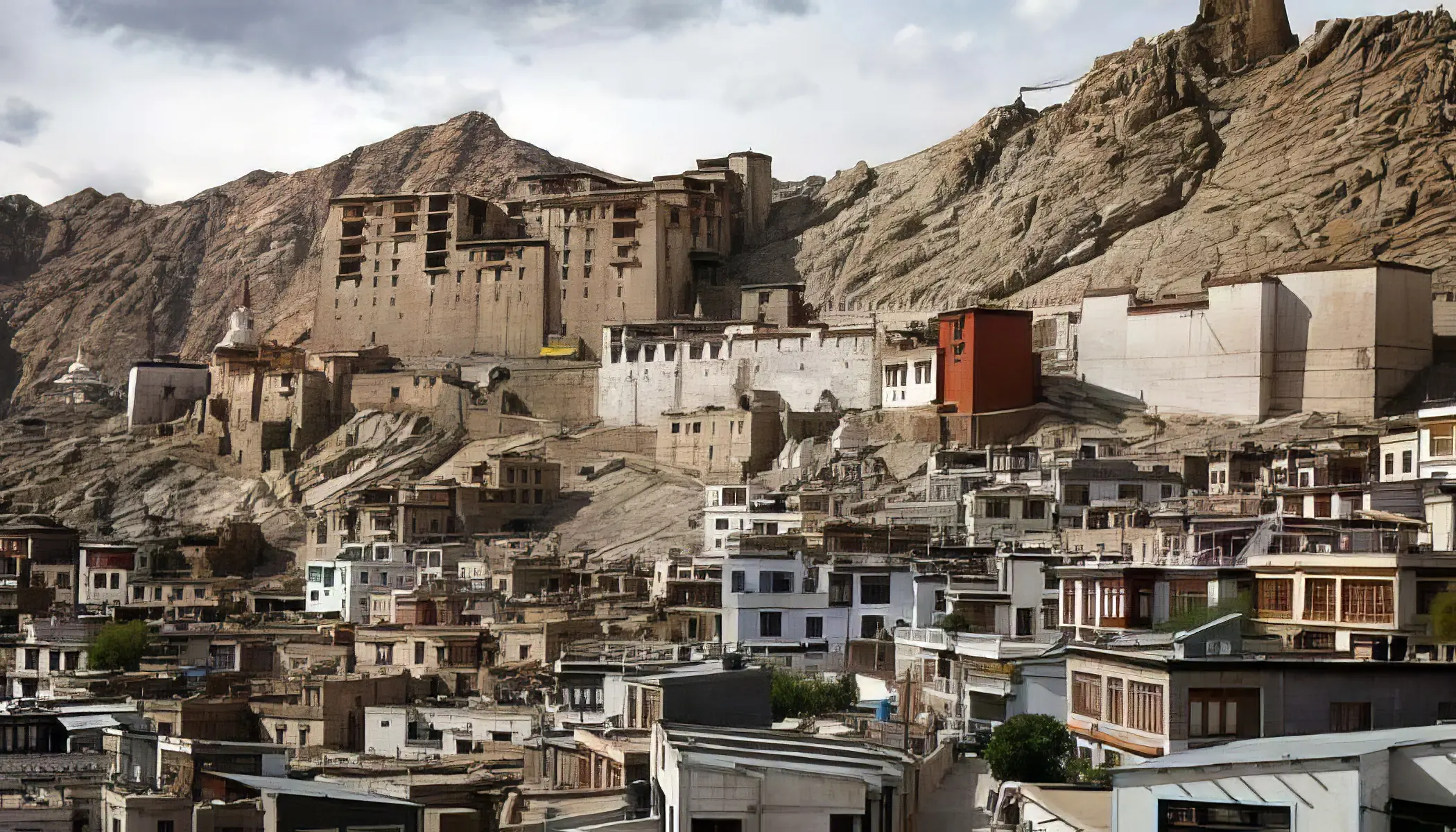
A popular destination for its sensational landscapes, cultural heritage, and monasteries.
– Leh Palace: A former royal palace offering panoramic views of the city and surrounding mountains.
– Shanti Stupa: A white-domed stupa providing a peaceful atmosphere and beautiful sunset views.
– Thiksey Monastery: A large monastery featuring beautiful architecture and a giant Buddha statue.
– Pangong Lake: A high-altitude lake known for its changing colors and smooth beauty.
– Magnetic Hill: An optical illusion where vehicles appear to roll uphill against gravity.
– Hemis Monastery: The largest monastery in the region, famous for its annual festival and ancient artifacts.
Activity
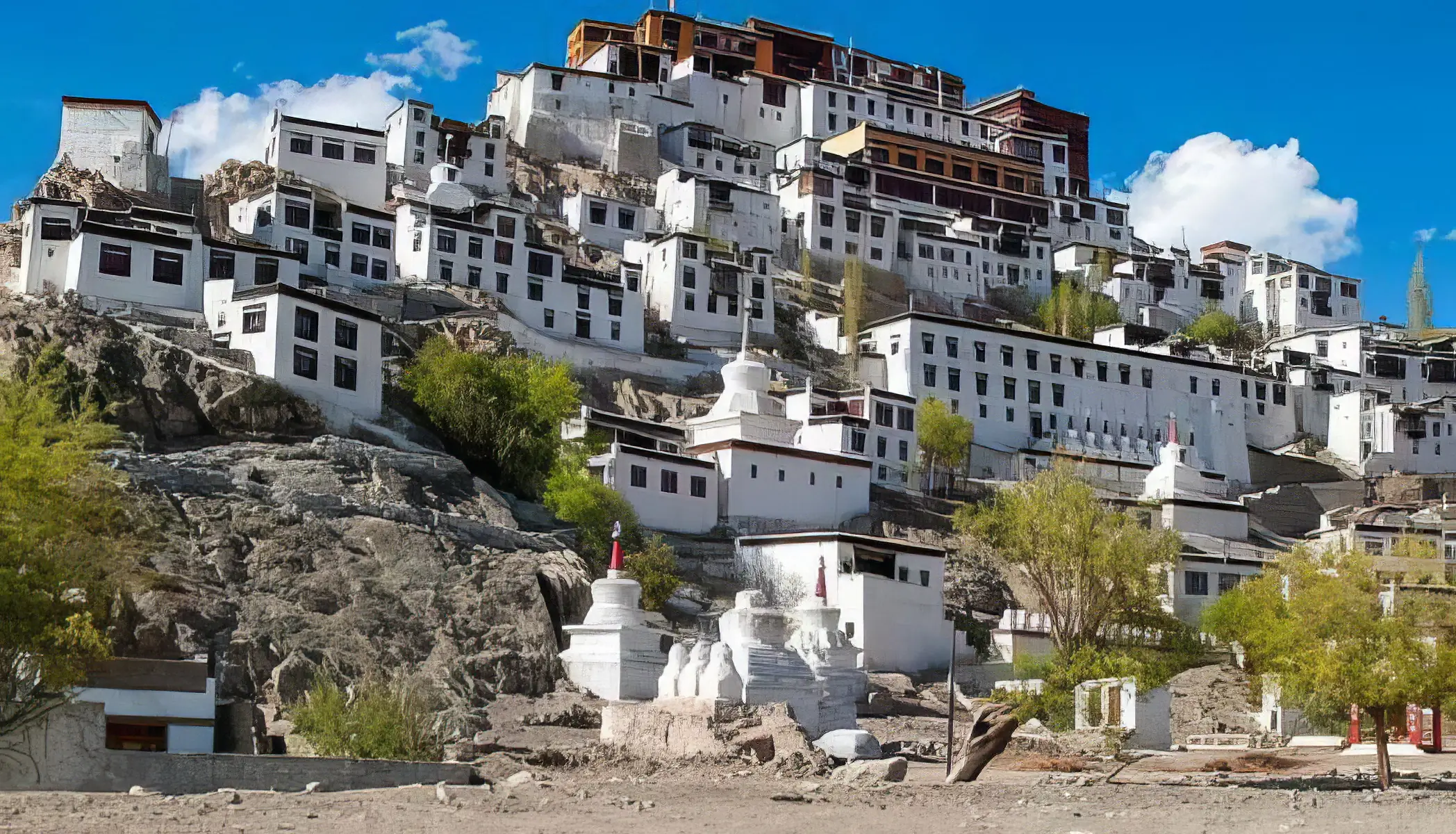
Travelers in Leh can explore sensational landscapes, engage with local culture, and participate in various adventure activities.
– Trekking: Experience scenic trails through the Himalayas, suitable for different skill levels and offering amazing views.
– River rafting: Navigate the Zanskar River's rapids for an adrenaline-pumping experience amidst beautiful surroundings.
– Camel safari: Ride Bactrian camels in the Nubra Valley, enjoying unique desert landscapes and local village interactions.
– Monastery visits: Explore ancient Buddhist monasteries like Hemis and Thiksey for spiritual insights and cultural experiences.
– Stargazing: Enjoy clear night skies in Leh, perfect for observing stars and constellations away from city lights.
Cuisine

The city's food scene highlights traditional Ladakhi cuisine, influenced by Tibetan and Indian flavors, often featuring simple and hearty meals. Some of the most famous dishes include:
– Thukpa: A noodle soup with vegetables or meat, offering warmth and nourishment.
– Momos: Steamed or fried dumplings filled with vegetables or meat, served with spicy sauce.
– Skyu: A pasta-like dish made from wheat flour dough, cooked with root vegetables.
– Butter Tea: Salty tea mixed with butter and milk, providing energy in cold weather.
– Chhurpi: Hardened cheese snack made from yak milk, chewy and rich in flavor.
Shopping
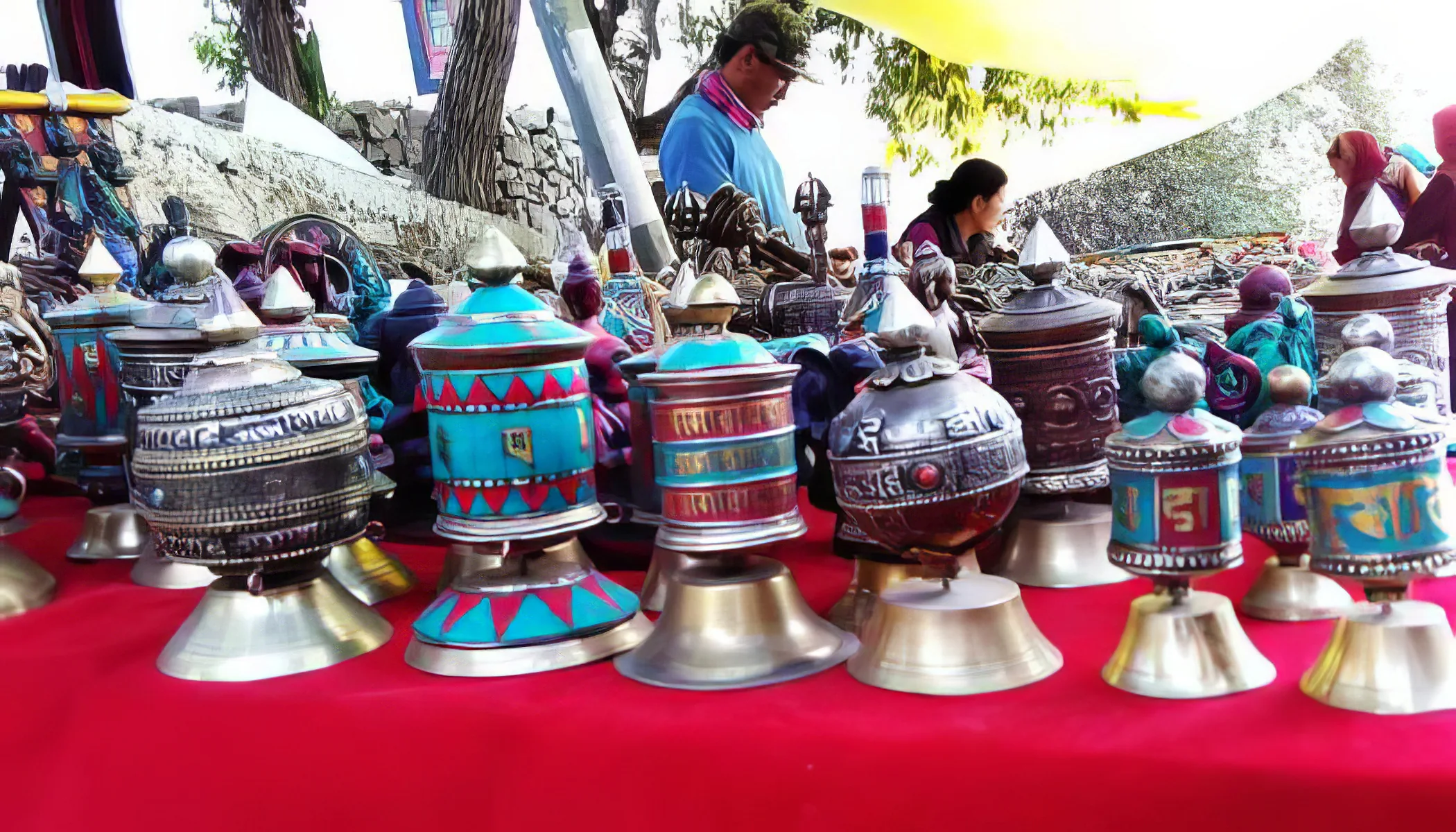
You can find unique handicrafts, such as pashmina shawls and woolen garments. Local markets offer traditional jewelry made from silver and semi-precious stones. Tibetan artifacts, including prayer flags and statues, are also available. For a special gift, consider purchasing hand-painted thangka paintings. These items reflect the local culture and craftsmanship. Shopping here provides an authentic experience of the region's heritage.
Arts & Culture
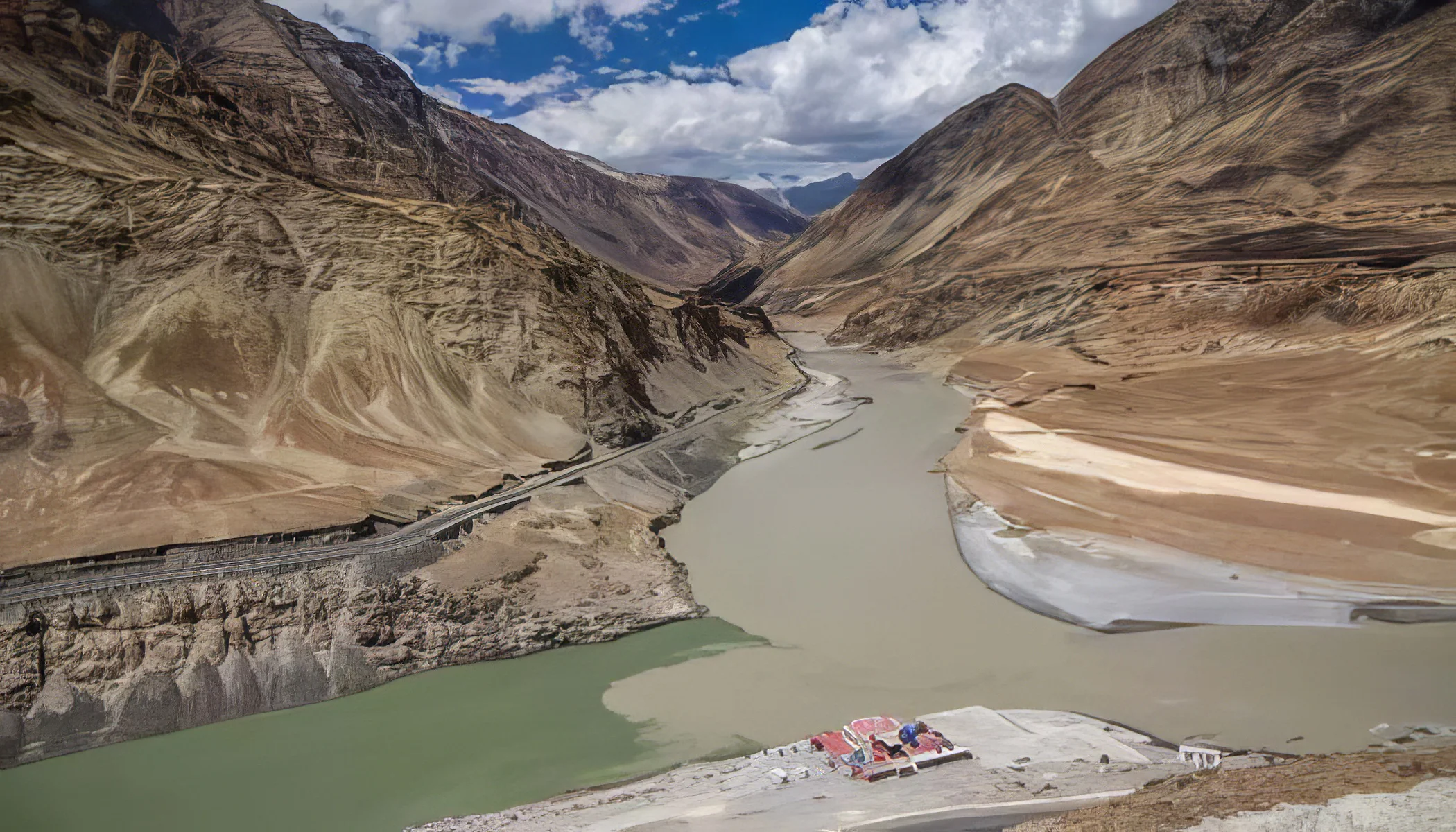
The region is known for its rich Buddhist culture, with numerous monasteries like Hemis and Thiksey hosting festivals throughout the year. The Hemis Festival, celebrated in June or July, features traditional dances and rituals. Local artisans produce unique handicrafts, including thangka paintings and sophisticated wood carvings. Various cultural events also showcase Ladakhi music and dance, reflecting the area's heritage.