

Linz Travel Guide: Tourist Places & Activities
This city is situated along the Danube River and serves as a cultural and economic center. It features modern architecture, museums, and a dynamic arts scene, making it an interesting destination for visitors exploring Central Europe.
- Population
- 0.21 millions
- Size
- 222 square km
- Airport
- Linz Blue Danube – Int'l
- Train Station
- Linz Hauptbahnhof.
- Est. Visit Days
- 2 days
Overview
Linz is the third-largest city in Austria, located along the Danube River. It offers a mix of modern culture and historical sites, such as the Ars Electronica Center and the old town area. Pros include a animated arts scene and good public transport. However, it may lack the international appeal of larger cities like Vienna or Salzburg. Additionally, some visitors find it less tourist-friendly compared to other Austrian destinations.
Traffic & Transport
The city offers an efficient public transportation system that includes trams and buses, making it easy for tourists to navigate and explore various attractions. Walking and cycling are also popular options, with well-maintained paths and bike rental services available throughout the area. Additionally, many key sights are within walking distance of each other, allowing for a leisurely experience. For those looking to venture further, regional trains connect to surrounding areas. For taxi services, reputable companies operate in the city, providing reliable transportation options for visitors. Popular taxi-booking apps like Uber may not be available, but local alternatives can be found through regional apps or by contacting taxi companies directly.
History
The city was first documented in the Roman era as a settlement called "Lentia." It became an important trade center during the Middle Ages due to its location along the Danube River. In the 17th century, it was involved in various conflicts, including the Thirty Years' War. The city played a role in industrialization in the 19th century, leading to economic growth. Cultural institutions began to flourish, reflecting its historical significance and diverse influences.
Itinerary Sample
Here is a sample 2-day itinerary for exploring Linz, Austria.
– First day: Visit the Ars Electronica Center, walk along the Danube River, explore the historic Old Town, and enjoy dinner at a local restaurant.
– Second day: Tour the Linz Castle, visit the Lentos Art Museum, ride the Pöstlingberg railway, and relax in the city park.
Near Excursion
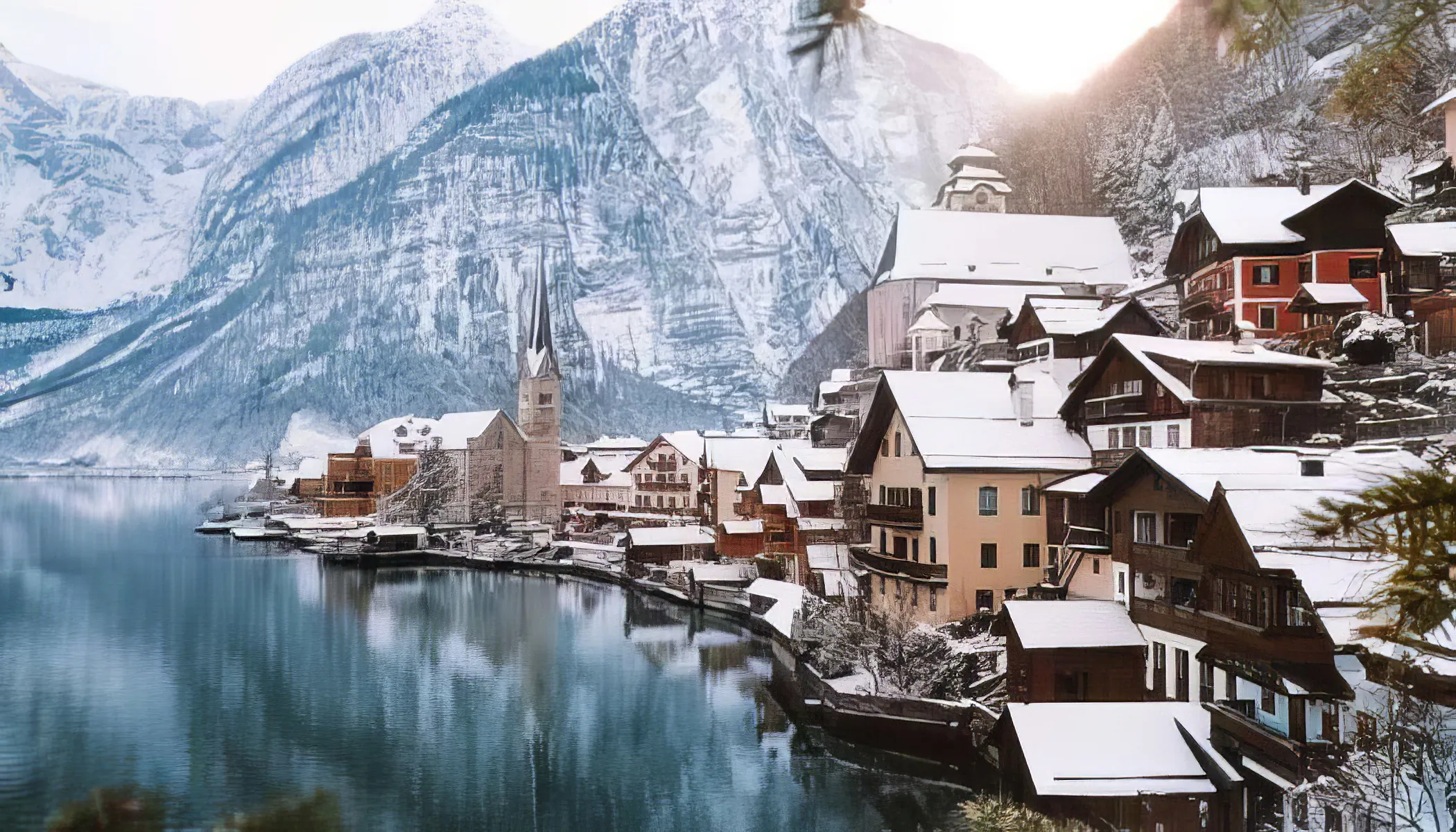
The city offers several interesting day-trip options within a reasonable distance. Here are some recommendations:
– Mauthausen Memorial at 20 km: A solemn site commemorating victims of the Nazi concentration camp.
– Steyr at 50 km: A lovely town with cobbled streets and medieval architecture.
– Hallstatt at 130 km: A UNESCO World Heritage village known for its beautiful lake views and salt mines.
– Kremsmünster Abbey at 40 km: An impressive Benedictine monastery with a rich history dating back to 777 AD.
– Salzburg at 120 km: The birthplace of Mozart, offering baroque architecture and cultural attractions.
Attraction
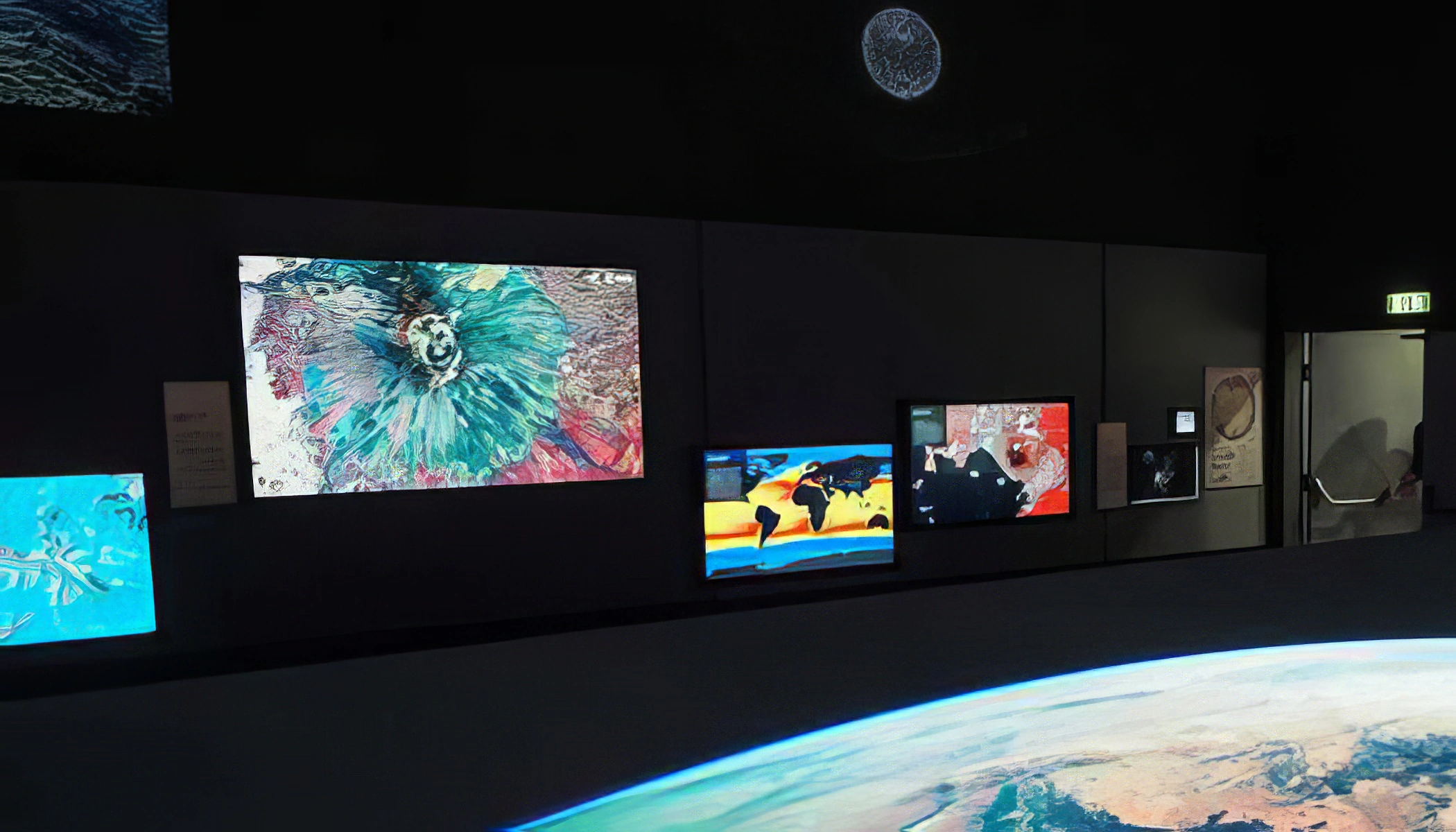
This city is known for its blend of modern art, history, and technology.
– Ars Electronica Center: A museum focusing on technology, media arts, and interactive exhibits.
– Lentos Art Museum: Offers a collection of contemporary and modern art in an architecturally striking building.
– Old Cathedral: Features remarkable baroque architecture and a beautiful interior with impressive frescoes.
– Pöstlingberg Hill: Provides panoramic views and hosts the famous pilgrimage basilica accessible by tram.
– Hauptplatz: The main square, surrounded by historical buildings, shops, and cafes.
– Botanical Garden: Displays diverse plant species across well-maintained gardens suitable for a relaxing stroll.
Activity
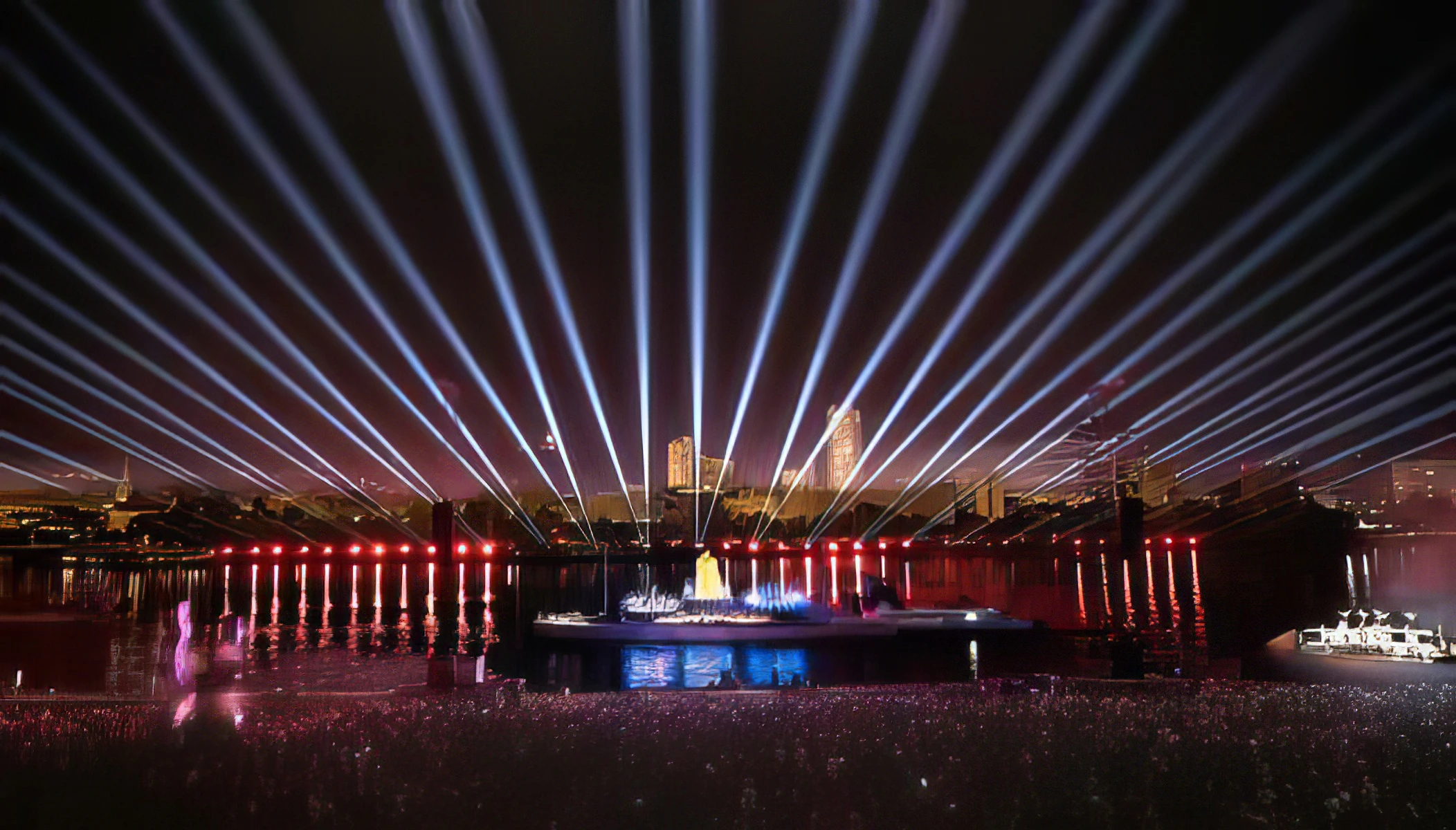
In Linz, travelers can enjoy a mix of outdoor activities, cultural experiences, and local events throughout the year.
– Danube River Cycling: Explore scenic routes along the Danube River with cycling paths suitable for all skill levels.
– Pöstlingberg Mountain: Hike or take a tram to the top for panoramic views of Linz and surrounding areas.
– Ars Electronica Center: Engage with interactive exhibits focusing on technology, art, and society in a unique setting.
– Linzer Klangwolke: Experience a sound cloud performance that combines music and visual art in public spaces (seasonal).
– Gmunden Boat Trip: Take a boat ride on Traunsee Lake for nice views and relaxation amid nature.
Cuisine

The city offers a blend of traditional Austrian cuisine with modern influences, featuring hearty dishes and sweet treats. Some of the city's most famous dishes include:
– Linzer Torte: A spiced nut pastry filled with fruit preserves, known as one of the oldest cake recipes.
– Bratwurst: Traditional sausages often served with mustard and bread or sauerkraut.
– Knödel: Dumplings made from potatoes or bread, often served as a side dish.
– Apfelstrudel: Classic Austrian dessert made with thin pastry filled with spiced apples and raisins.
– Gulasch: Hearty stew made with beef, onions, and paprika, reflecting Hungarian influences.
Shopping
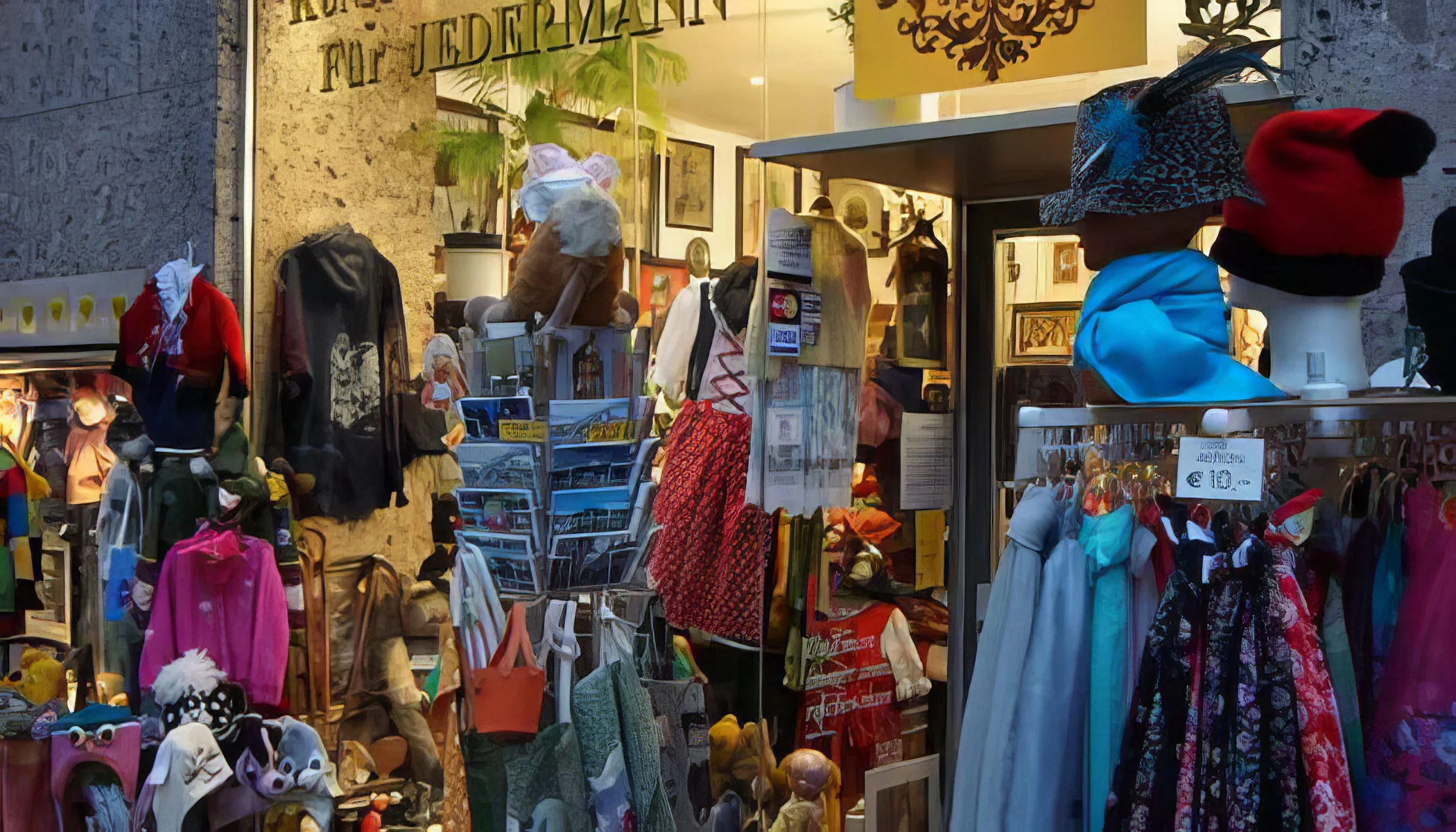
There are several shops offering local handicrafts, such as glassware and ceramics. Traditional Austrian products like schnapps or chocolates can also be found in specialty stores. A unique gift option is a piece of jewelry made from Swarovski crystals. Local markets may feature handmade items that reflect the region's culture. Additionally, you can find clothing featuring traditional Austrian designs. Overall, there are good options for shopping and gifts in the area.
Arts & Culture
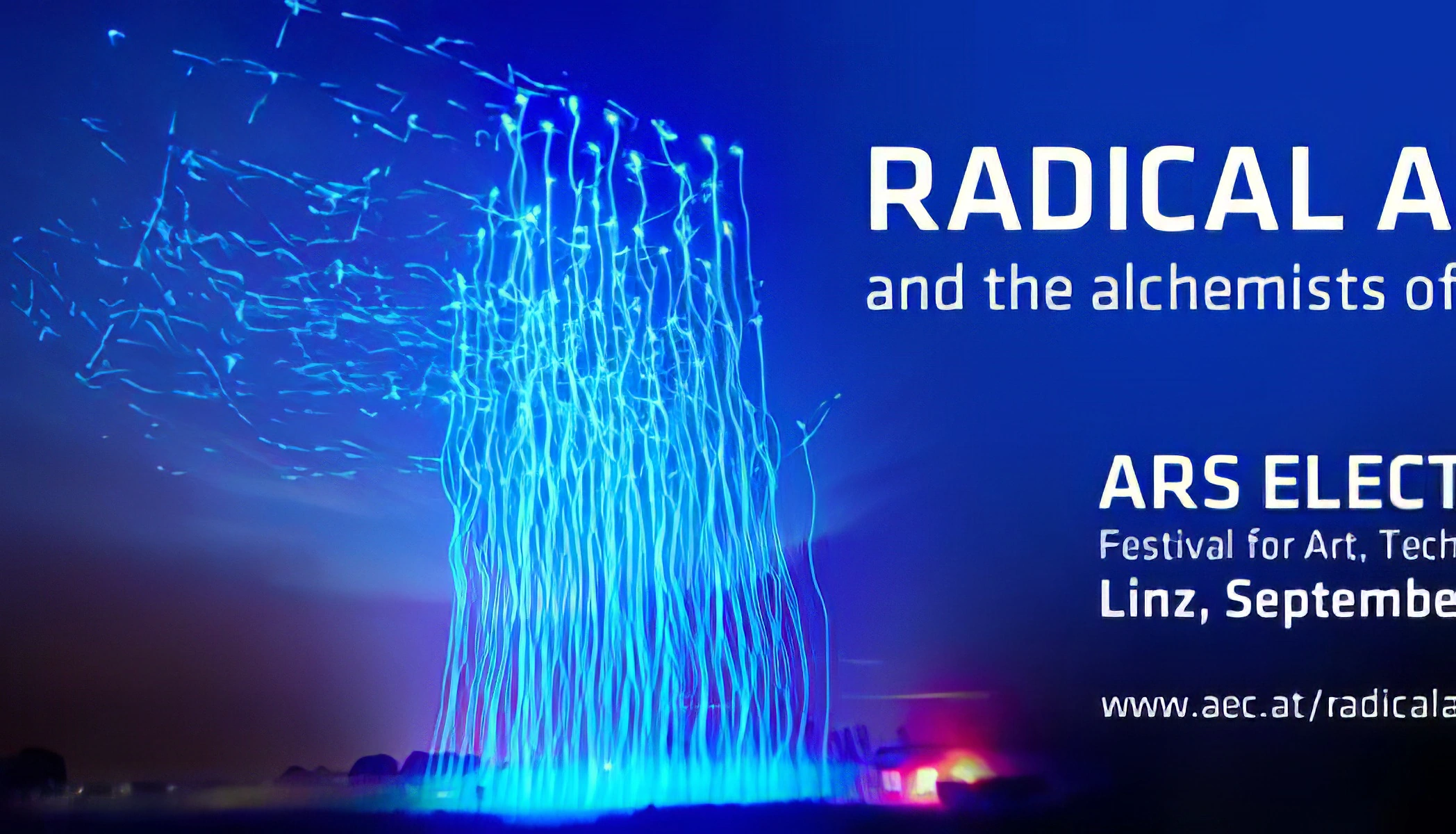
The city hosts the Ars Electronica Festival, which focuses on art, technology, and society. The Brucknerhaus concert hall is known for its classical music performances and hosts various festivals throughout the year. Additionally, the Lentos Art Museum features contemporary art exhibitions and is a key cultural site. There are also regular events at the Post City venue, showcasing innovative arts and cultural projects.