

Lisbon Travel Guide: Tourist Places & Activities
This coastal city is known for its rich history, lively culture, and distinctive architecture. It features historic neighborhoods, scenic viewpoints, and a diverse culinary scene, making it a popular destination for travelers exploring the Iberian Peninsula.
- Population
- 0.54 millions
- Size
- 100 square km
- Airport
- Humberto Delgado – Int'l
- Train Station
- Gare do Oriente & 2 others
- Subway
- Yes.
- Est. Visit Days
- 4 days
Overview
Lisbon, the capital of Portugal, is known for its rich history and beautiful culture. Pros include a mild climate, diverse neighborhoods, and a strong culinary scene. Public transportation is relatively good, making it easy to explore the city. However, cons include steep hills that can be challenging for walking and a rising cost of living in certain areas. Additionally, tourist crowds can be overwhelming in popular spots during peak seasons.
Traffic & Transport
The city's hilly terrain and narrow streets can make driving challenging, so public transport is often the best way to explore. Tram 28 is a popular choice for tourists, offering a scenic route through historic neighborhoods. Buses and metro lines provide extensive coverage, making it easy to reach various attractions. Additionally, walking can be an enjoyable way to experience the animated atmosphere and discover hidden gems. For taxi services, reputable companies include Uber and Bolt, which operate widely in the area. These apps offer convenient booking options and transparent pricing for travelers.
History
This city was established by the Phoenicians around 1200 BC, becoming an important trading post. It later came under Roman control in 205 BC and flourished as a significant commercial center. In the 8th century, it was captured by the Moors and remained under their rule until the Christian Reconquista in 1147. The Age of Discoveries in the 15th century marked a period of maritime expansion and wealth. A devastating earthquake struck in 1755, leading to significant rebuilding and changes in urban planning.
Itinerary Sample
Here is a sample 4-day itinerary for exploring Lisbon, Portugal.
– First day: Visit the historic district of Alfama, explore São Jorge Castle, and enjoy views from Miradouro De Santa Luzia. End with dinner in a local fado restaurant.
– Second day: Discover Belém's landmarks including Jerónimos Monastery and Belém Tower. Try pastéis de nata at Pastéis de Belém. Relax at the riverside park.
– Third day: Explore the Bairro Alto neighborhood, visit the National Museum Of Ancient Art, and take a tram ride on Tram 28 through the city’s hills.
– Fourth day: Visit the Oceanário de Lisboa, stroll through Parque das Nações, and take a cable car ride for views of the Vasco da Gama Bridge before departure.
Near Excursion
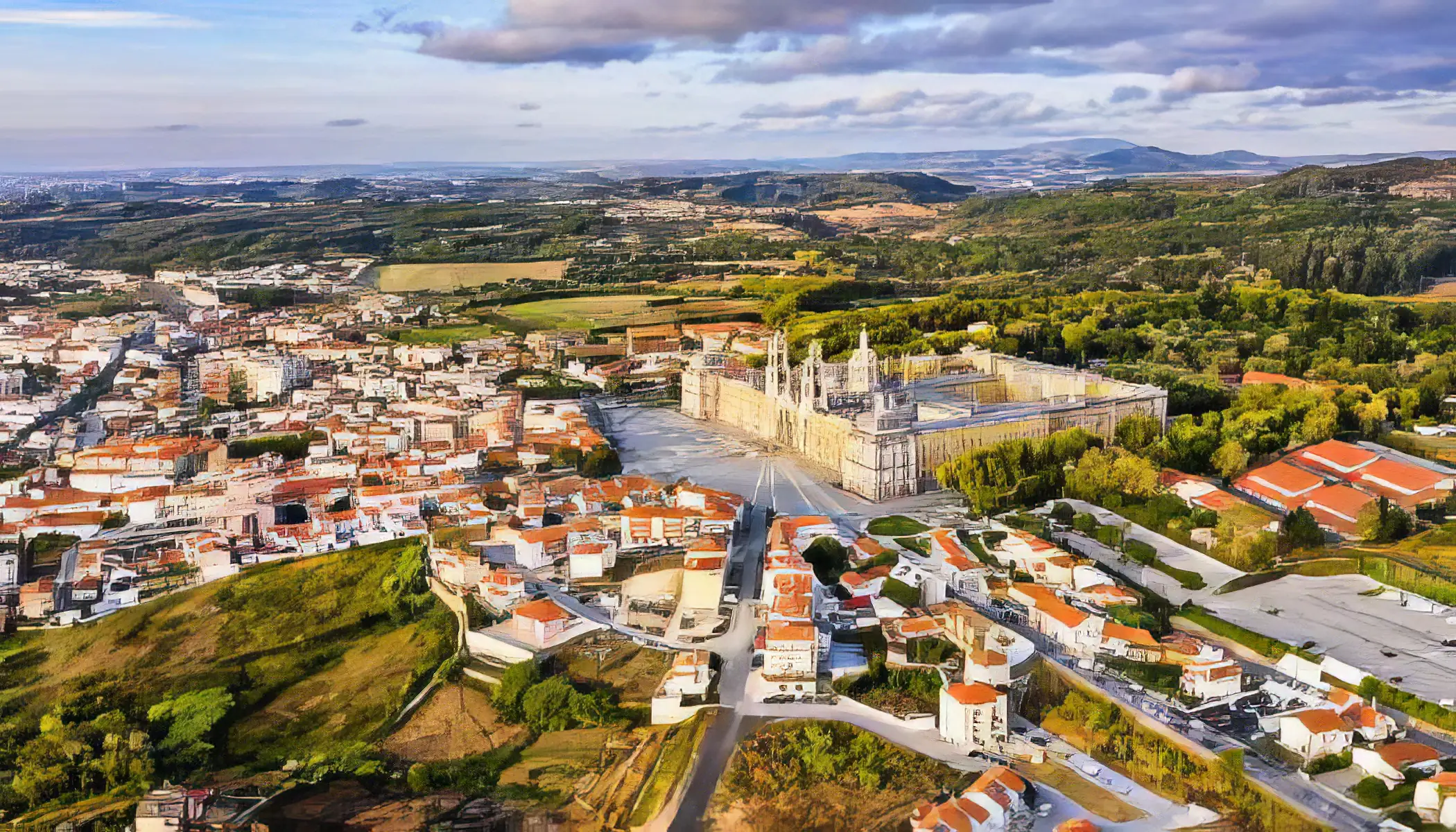
This city offers several fascinating day-trip options within a short distance. Here are some suggestions:
– Sintra at 30 km: Explore the romantic 19th-century architecture and sumptuous gardens of this UNESCO World Heritage site.
– Cascais at 34 km: A coastal town known for its beautiful beaches, charming old town, and lively marina.
– Mafra at 40 km: Visit the grand Mafra National Palace with its baroque architecture and impressive library.
– Óbidos at 85 km: A nice medieval town surrounded by ancient walls, perfect for a leisurely stroll.
– Nazaré at 120 km: Famous for its big wave surfing, this seaside town also offers gorgeous ocean views and seafood.
Attraction
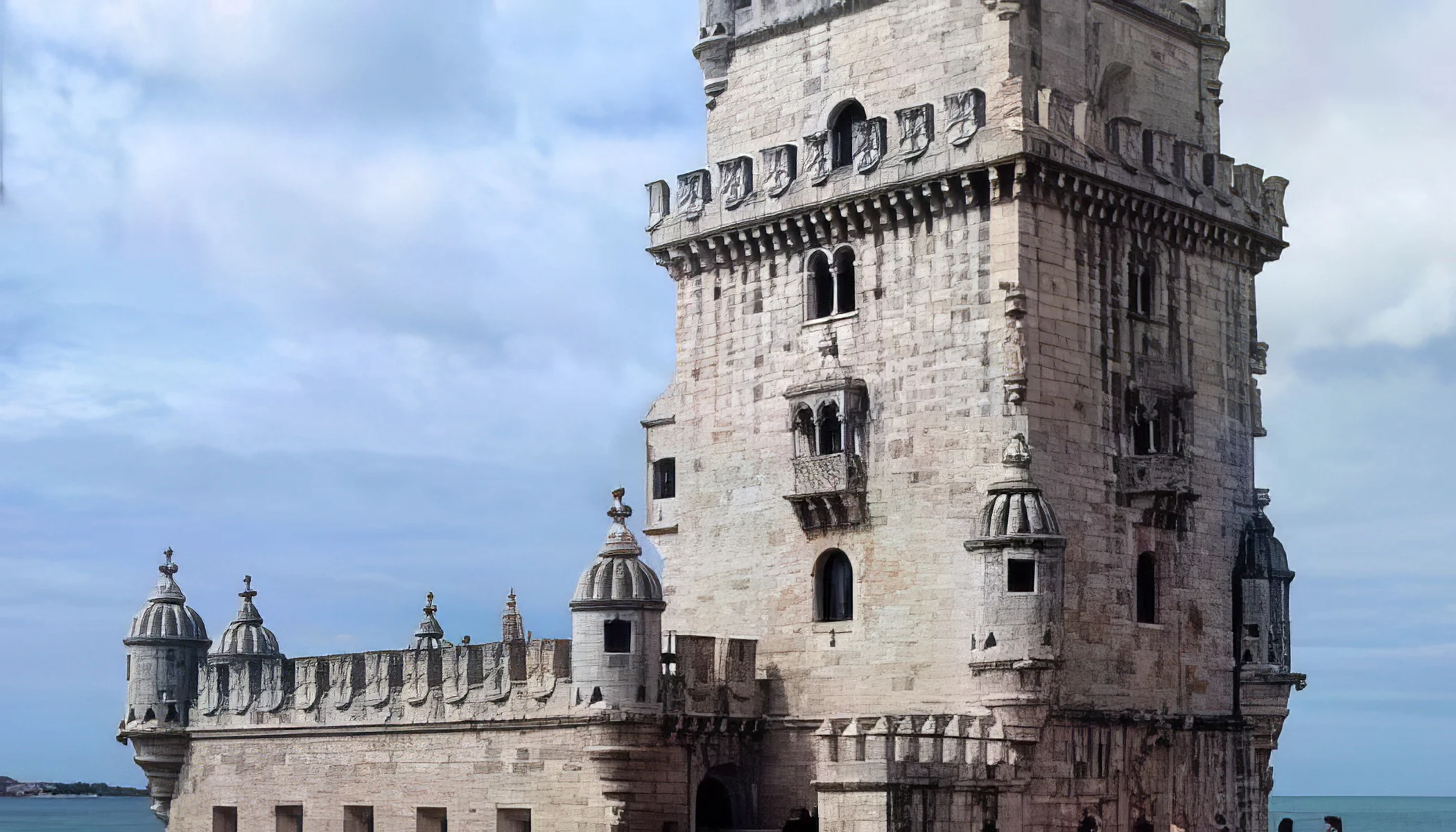
This city offers a rich history, dynamic culture, and scenic views.
– Belém Tower: A historic fortress that symbolizes maritime discoveries and offers pleasant views from its waterfront location.
– Jerónimos Monastery: An architectural masterpiece showcasing fascinating Manueline style and housing the tomb of explorer Vasco da Gama.
– Alfama District: Wander through narrow streets in this charming area known for traditional Fado music and historic sites.
– São Jorge Castle: A medieval castle providing panoramic views over the city and insight into its ancient past.
– Praça do Comércio: A grand riverside square ideal for exploring local shops, dining, and enjoying the atmosphere.
– Oceanário de Lisboa: One of the largest aquariums in Europe featuring diverse marine life and engaging exhibits.
Activity
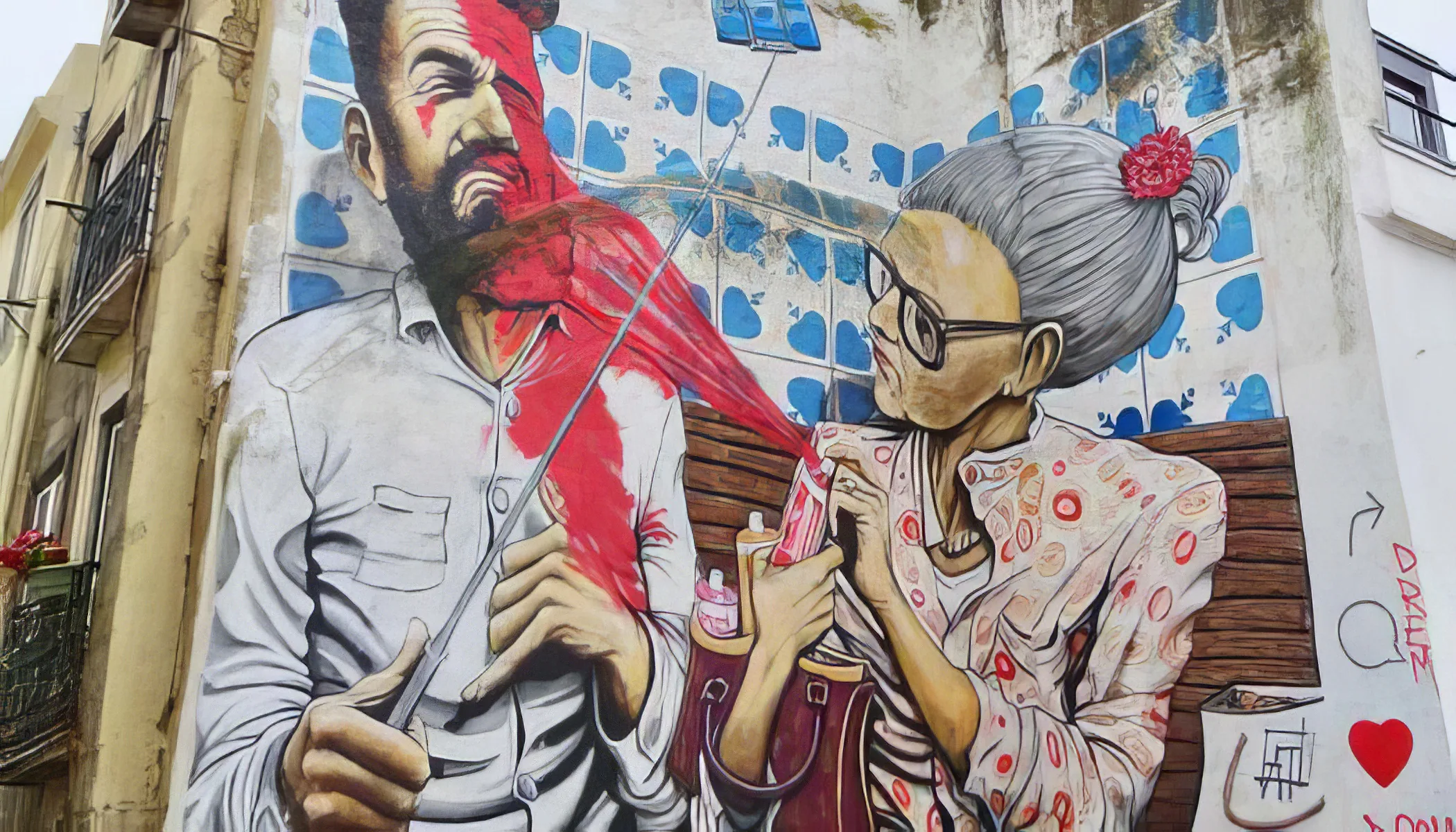
Travelers in Lisbon can explore historic neighborhoods, enjoy local cuisine, and experience lovely street life and scenic viewpoints.
– Tram 28: Ride this iconic tram through historic districts for a unique view of the city’s architecture and culture.
– Fado Night: Attend a traditional Fado music performance to experience Portugal's soulful musical heritage in an intimate setting.
– Tile Workshop: Participate in a workshop to learn about the art of azulejos, traditional Portuguese ceramic tiles.
– Street Art Tour: Discover Lisbon's lively street art scene with guided tours showcasing murals and graffiti by local artists.
– Cooking Class: Join a class to learn how to prepare traditional Portuguese dishes using fresh, local ingredients.
Cuisine

The city offers a rich culinary heritage with seafood-focused dishes and traditional pastries, highlighting local flavors and ingredients. Some of the city's most famous dishes include:
– Bacalhau à Brás: Shredded salted cod mixed with onions, potatoes, eggs, and olives.
– Sardinhas Assadas: Grilled sardines typically served during festivals, seasoned simply with salt.
– Caldo Verde: A comforting soup made with kale, potatoes, and chorizo.
– Pastéis de Nata: Iconic custard tarts featuring a flaky pastry crust and creamy filling.
– Bifana: Pork sandwich seasoned with garlic and spices, often enjoyed as street food.
Shopping
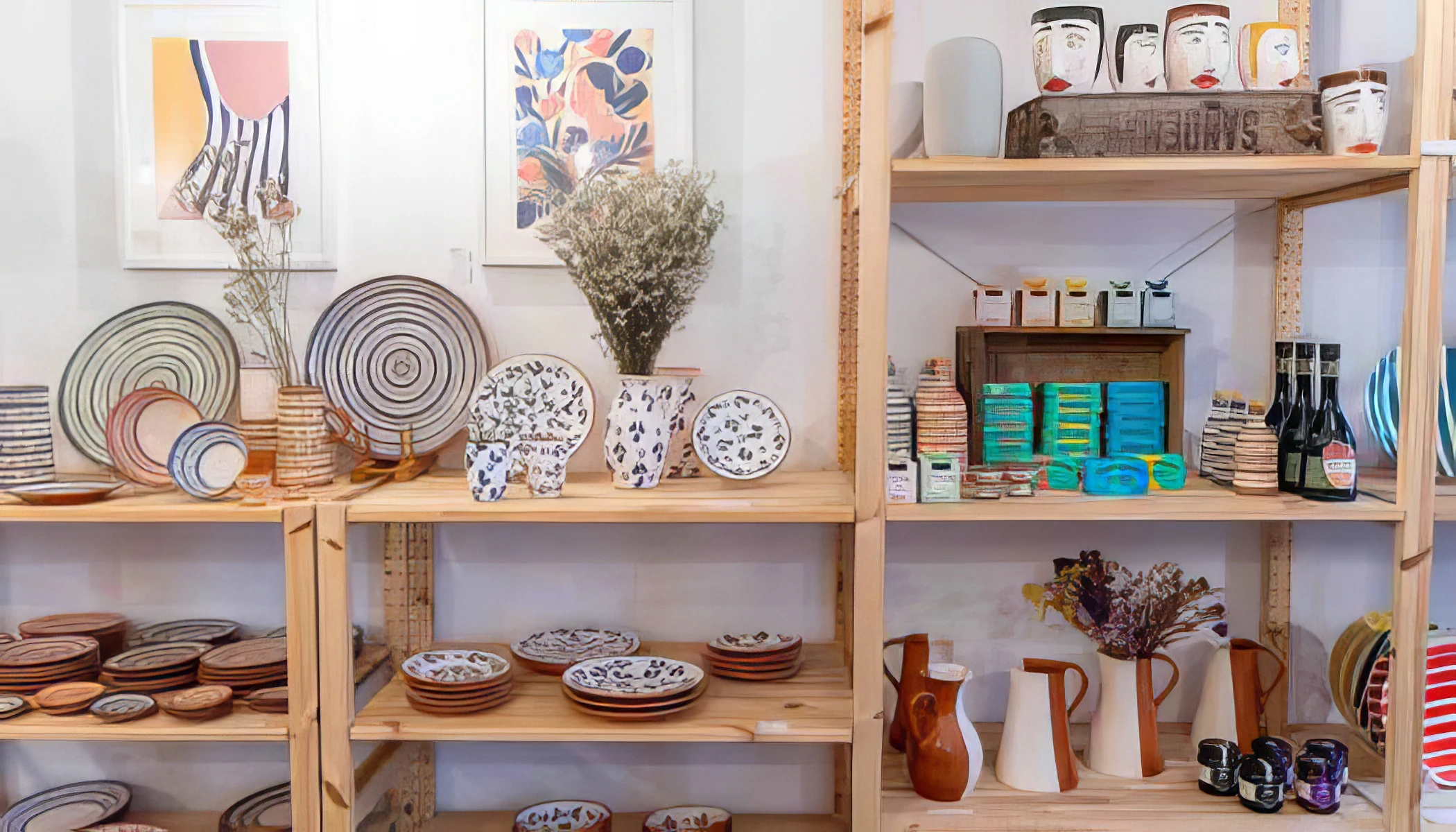
One popular shopping area is the Chiado district, known for its variety of shops and boutiques. Visitors can find traditional Portuguese items like azulejos (ceramic tiles) and cork products. A notable gift option is Port wine, which can be purchased from local wine shops. Alfama also offers unique handmade crafts and souvenirs. For fashion lovers, Avenida Da Liberdade features international brands. Overall, there are many options for memorable gifts to take home.
Arts & Culture

The city is known for its Fado music, a traditional genre characterized by melancholic themes and often performed in local taverns. The annual Festas de Lisboa in June celebrates the city's patron saint with street parties, parades, and cultural performances. There are numerous art galleries and museums, such as the Calouste Gulbenkian Museum, which features a diverse collection of art from different periods. Additionally, the Lisbon Architecture Triennale showcases contemporary architecture and urban design every three years.