

Sightseeing in Ljubljana: Culture & Must‑See Spots
This capital city is known for its charming architecture, a pleasant river, and attractive cultural scene. It features a mix of historical sites and modern attractions, making it a popular destination for visitors exploring Central Europe.
- Population
- 0.29 millions
- Size
- 275 square km
- Airport
- Jože Pučnik – Int'l
- Train Station
- Ljubljana.
- Est. Visit Days
- 2 days
Overview
Ljubljana is the capital city of Slovenia, known for its charming old town and pedestrian-friendly streets. Pros include a remarkable cultural scene, green spaces like Tivoli Park, and a strong emphasis on sustainability. The city is relatively small, making it easy to explore on foot or by bike. However, it may lack the hustle and bustle of larger cities, which some visitors might find boring. Additionally, while public transport is available, options can be limited compared to bigger urban areas.
Traffic & Transport
The city is known for its pedestrian-friendly layout, making walking one of the best ways to explore its charming streets and attractions. Biking is also popular, with numerous rental services and dedicated bike lanes available throughout the area. Public transportation includes buses that connect key points of interest, though many visitors find that most sites are easily accessible on foot. For a unique experience, consider using electric scooters that can be rented via various apps. Reliable taxi services include local companies that operate throughout the area, ensuring convenient transportation options for visitors. Popular taxi-booking apps are also available, providing an easy way to arrange rides directly from your smartphone.
History
The city was founded by the Romans in the 1st century AD as a military outpost. It later became part of the Byzantine Empire and then the Holy Roman Empire. During the late Middle Ages, it was an important trade center due to its location on trade routes. The city experienced significant changes under Habsburg rule, which lasted for several centuries. In the 20th century, it was affected by both World Wars and became part of Yugoslavia until gaining independence in 1991.
Itinerary Sample
Here is a sample 2-day itinerary to explore Ljubljana, Slovenia.
– First day: Visit Ljubljana Castle, stroll through the Old Town, see Triple Bridge and Tivoli Park. Enjoy local food at a nearby restaurant.
– Second day: Explore Central Market, visit the National Gallery, and relax by the Ljubljanica River. Consider a boat tour for views of the city.
Near Excursion
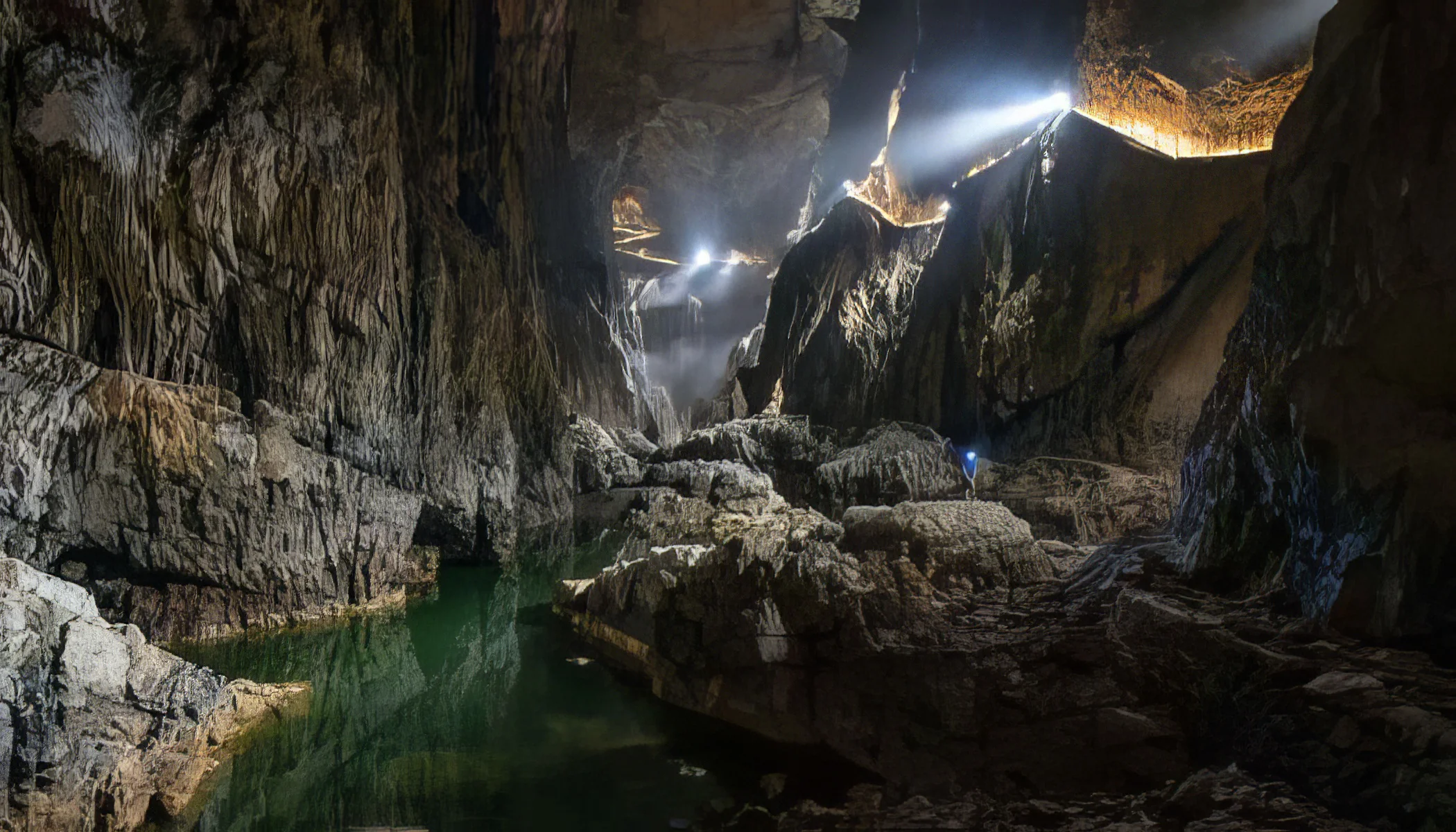
This city is an ideal base for exploring nearby attractions on day trips. Here are some options:
– Lake Bled at 55 km: A elegant lake with a charming island church and medieval castle.
– Postojna Cave at 53 km: A nice karst cave system offering guided tours through its impressive formations.
– Škocjan Caves at 75 km: A UNESCO World Heritage site known for its vast underground canyons and unique ecosystem.
– Piran at 120 km: A coastal town with Venetian architecture and a scenic Adriatic coastline.
– Velika Planina at 40 km: An alpine plateau famous for traditional herder settlements and panoramic views.
Attraction
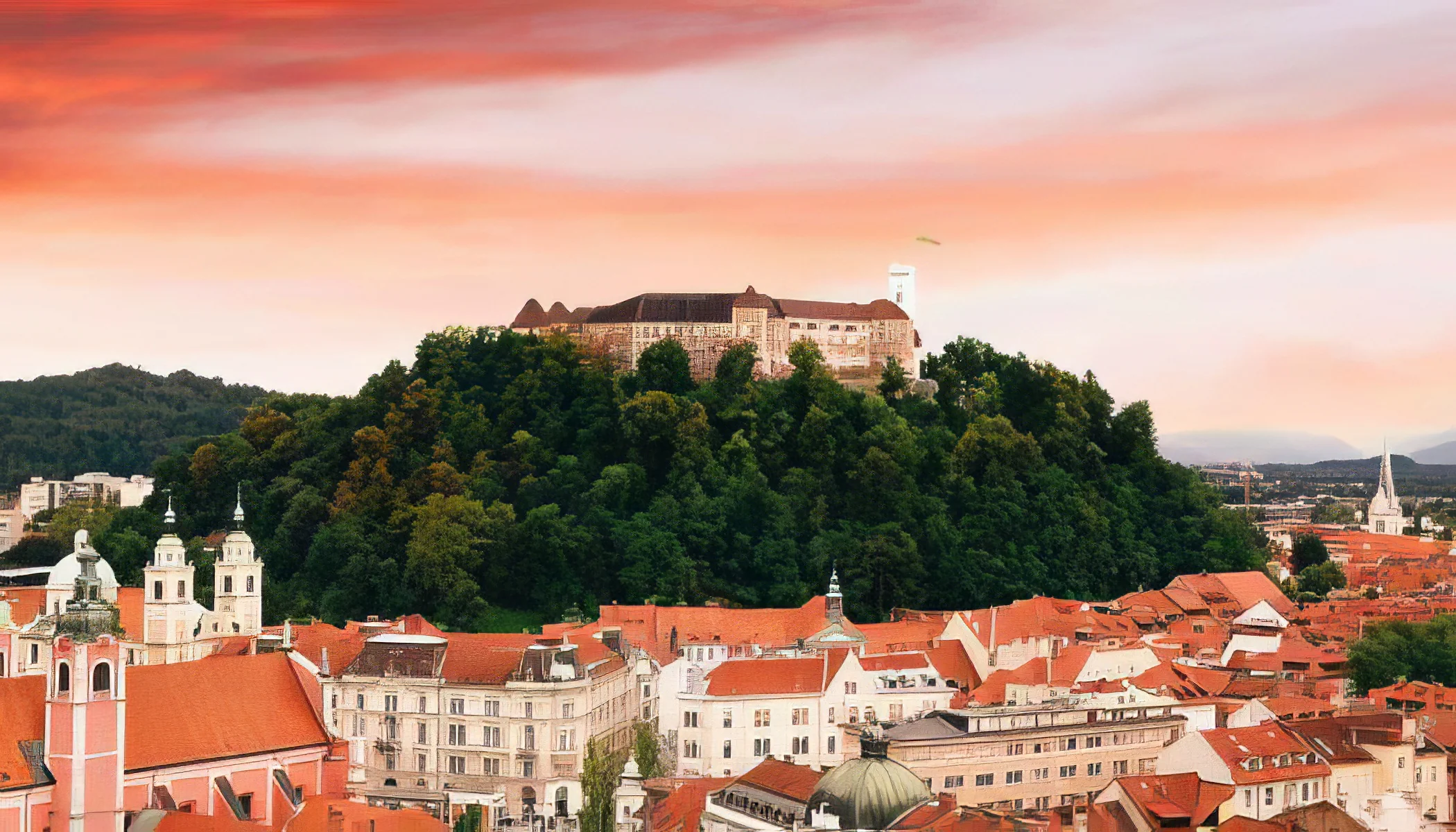
This city offers a mix of historical sites, green spaces, and animated cultural experiences.
– Ljubljana Castle: A medieval fortress offering panoramic views and a glimpse into the city's history via its museum exhibits.
– Tivoli Park: The largest park in the city, perfect for leisurely walks and outdoor activities amidst lush greenery.
– Triple Bridge: An architectural landmark connecting the old town with the modern city center over the Ljubljanica River.
– Dragon Bridge: Known for its dragon statues, this bridge is a symbol of strength and courage.
– Prešeren Square: A lively central square surrounded by historic buildings, often hosting events and performances.
– Central Market: Designed by architect Jože Plečnik, it's a great place to explore local produce and traditional foods.
Activity
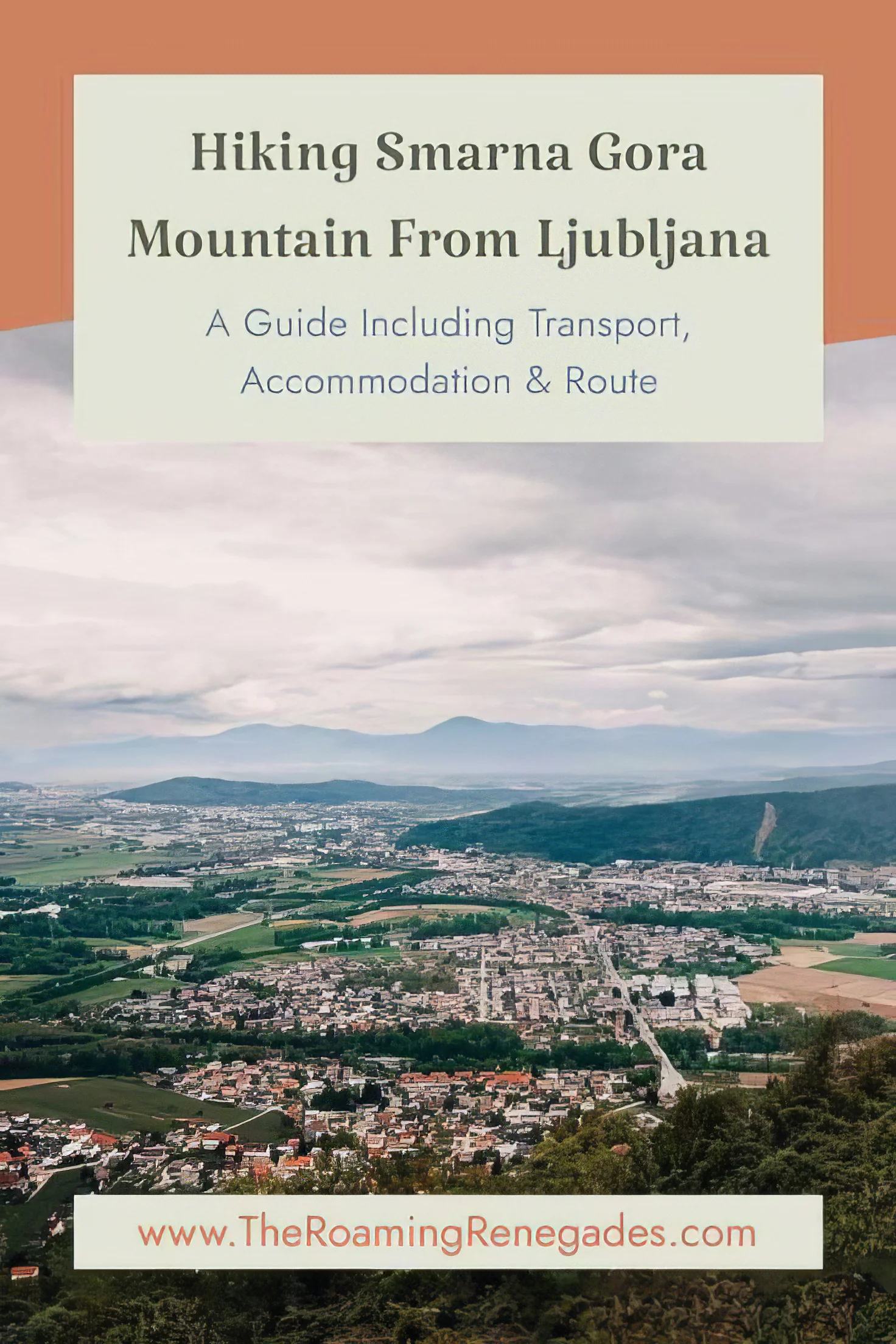
In Ljubljana, travelers can explore a blend of nature, culture, and unique experiences throughout the city and its surroundings.
– Dragon Bridge: Iconic bridge featuring dragon statues; a great photo opportunity and a symbol of Ljubljana's mythology.
– Tivoli Park: Large city park perfect for walking, jogging, or picnicking amidst beautiful greenery and paths.
– Ljubljanica River kayaking: Enjoy kayaking on the river to see the city from a different perspective.
– Hike to Šmarna Gora: Popular hiking spot with scenic views of Ljubljana and surrounding landscapes.
– Ljubljanica River boat tour: Relaxing boat ride offering views of historical buildings along the riverbanks.
Cuisine
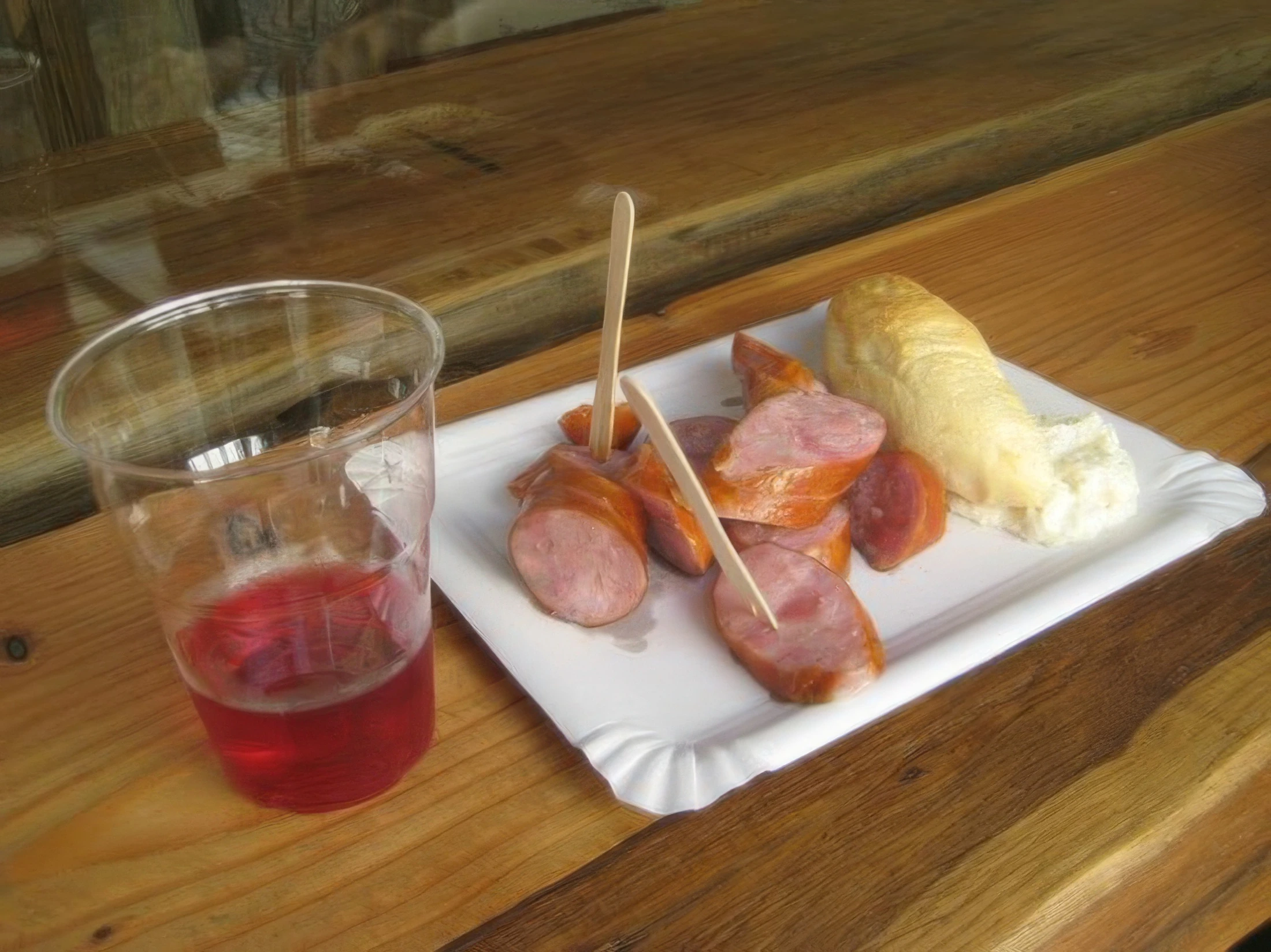
The city's food scene blends traditional Slovenian flavors with modern culinary trends, offering a variety of hearty dishes and local specialties. Some of the most famous dishes include:
– Kranjska Klobasa: A traditional sausage made from pork, seasoned with garlic and pepper.
– Potica: A rolled pastry filled with walnuts, poppy seeds, or other sweet fillings.
– Štruklji: Rolled dumplings filled with cottage cheese, nuts, or herbs, often served as a side dish.
– Jota: Hearty stew made with sauerkraut or turnip, beans, potatoes, and smoked pork.
– Prekmurska Gibanica: Layered pastry dessert filled with poppy seeds, walnuts, apples, and quark.
– Idrijski Žlikrofi: Small potato-filled dumplings traditionally served with meat sauce.
Shopping
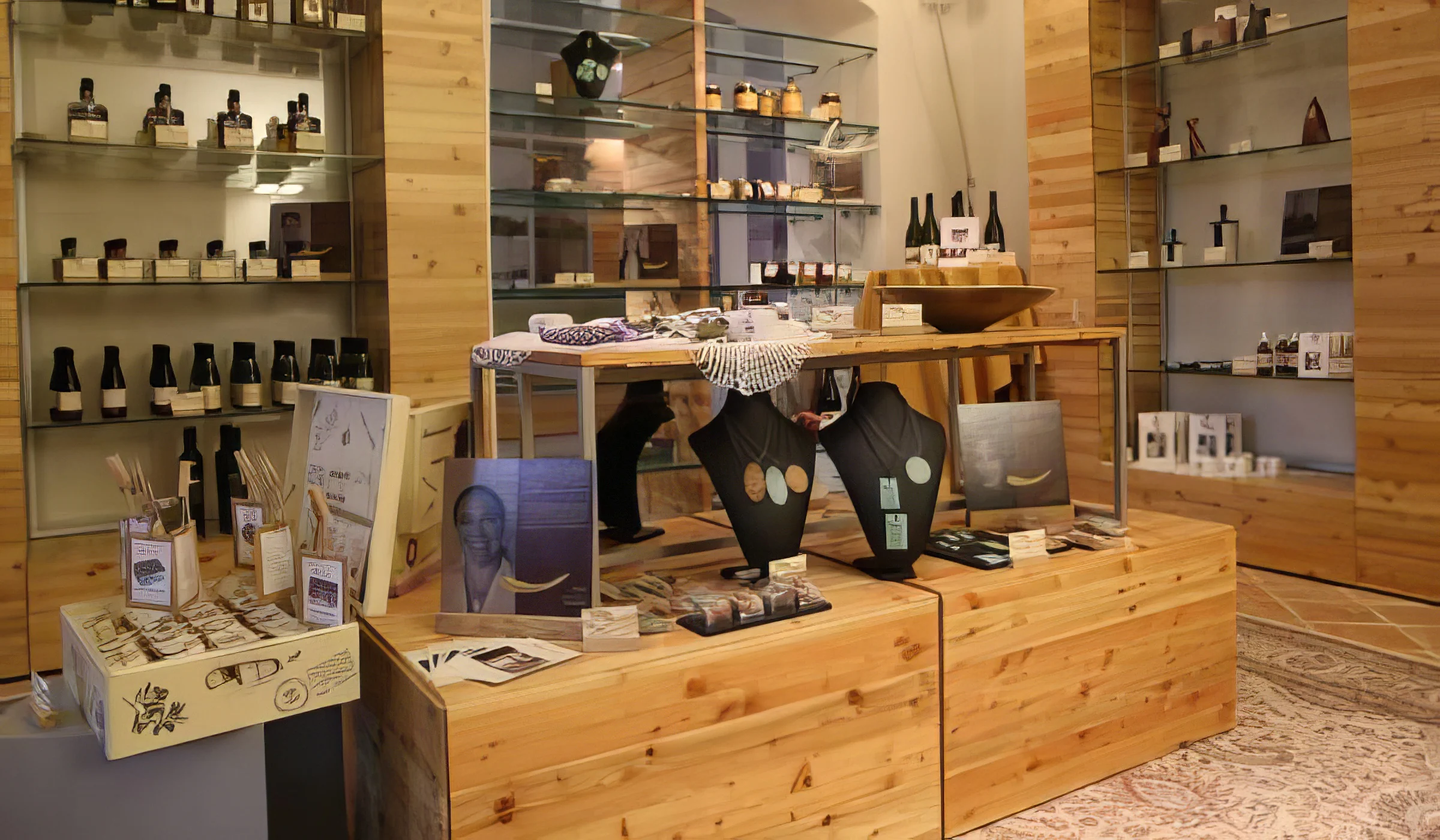
The Central Market offers a variety of local products, including fresh produce, crafts, and souvenirs. A popular gift is handmade ceramics, which reflect the region's artistic heritage. You can also find traditional Slovenian honey and various herbal teas. For clothing, look for shops selling locally designed fashion items. Another option is to buy a bottle of local wine or schnapps as a gift. These items represent the culture and craftsmanship of the area.
Arts & Culture
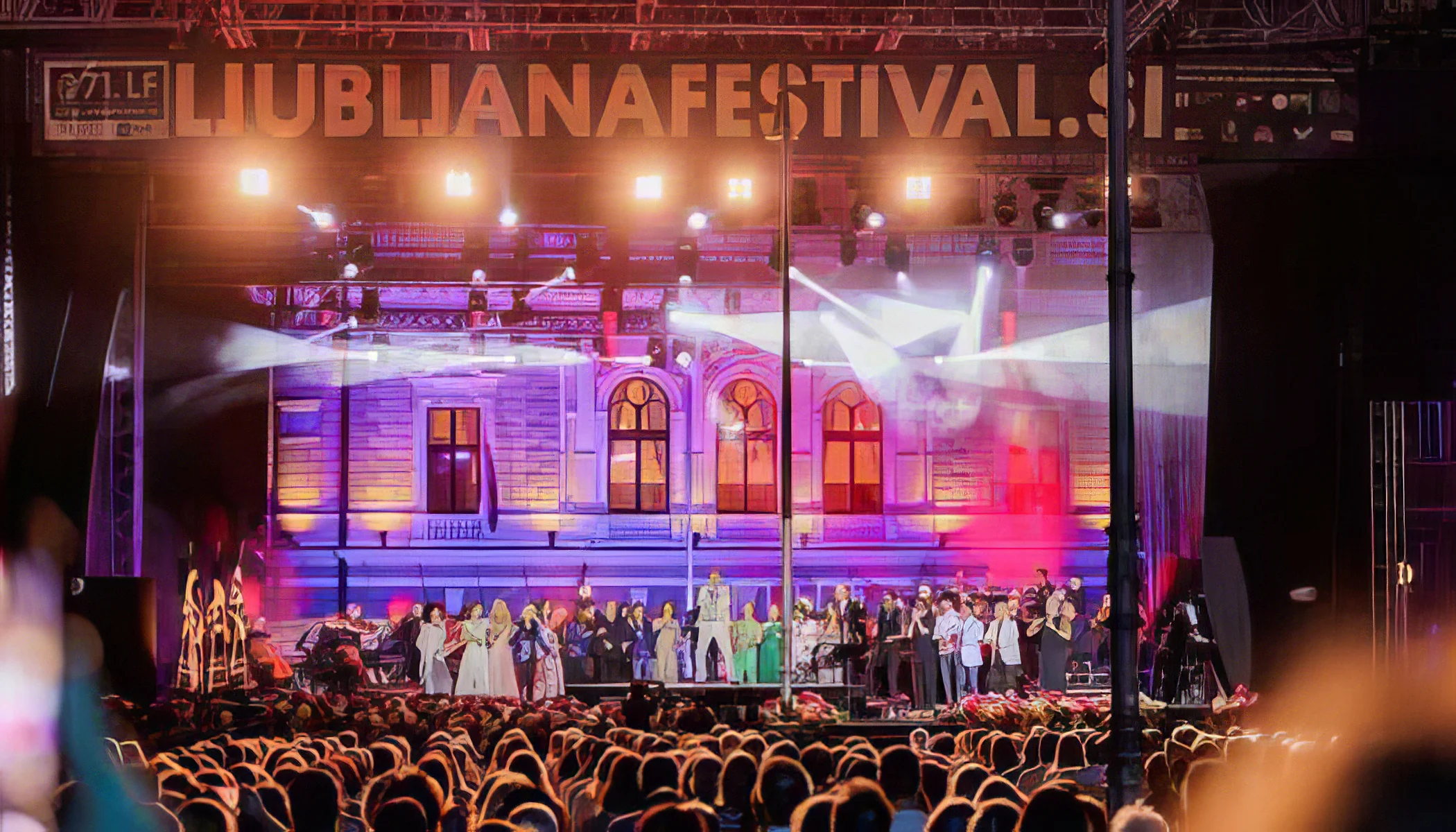
The city hosts the Ljubljana Festival, an annual event featuring music, theater, and dance performances. The International Biennial of Graphic Arts showcases contemporary graphic art from around the world. Numerous galleries and museums, such as the Museum of Modern Art and the National Gallery, present local and international artists' works. Additionally, street art can be found throughout the city, contributing to its artistic landscape.