

Sightseeing in Lomé: Culture & Must‑See Spots
This coastal city is the capital of a West African nation. It features a port, markets, and cultural sites. The climate is tropical, with a mix of French and local influences evident in its architecture and cuisine.
- Population
- 1.5 millions
- Size
- 100 square km
- Airport
- Gnassingbé Eyadéma – Int'l
- Train Station
- Gare de Lomé.
- Est. Visit Days
- 2 days
Overview
Lomé is the capital city of Togo, located along the Gulf of Guinea. Pros include its dynamic markets, cultural diversity, and access to beaches. The city has a relatively low cost of living compared to many other capitals. However, it faces challenges such as traffic congestion and limited infrastructure. Additionally, visitors may encounter issues with cleanliness in some areas.
Traffic & Transport
The city features a mix of pretty streets and animated markets, making it essential for visitors to navigate wisely. The best way to explore is by using shared taxis or moto-taxis, which are both affordable and widely available. Public buses also operate, but they can be less reliable and more challenging for newcomers to navigate. Walking is another option in certain areas, especially along the coastal promenade. For taxi services, there are reliable companies like "Taxi Lomé" and "Lomé Taxis," which offer safe transportation throughout the city. While dedicated taxi-booking apps may not be prevalent, local ride-hailing options might exist, so checking with your accommodation for recommendations is advisable.
History
The area was originally inhabited by the Ewe people, who established trade routes in the 18th century. In the late 19th century, it became a center for German colonial trade. After World War I, control shifted to French administration, which influenced local culture and governance. The city played a significant role in Togo's independence movement in the mid-20th century. Today, its markets reflect a blend of indigenous traditions and colonial history.
Itinerary Sample
Here is a suggested two-day itinerary for exploring Lomé, Togo.
– First day: Visit the Lomé Grand Market, explore the Independence Monument, and relax at the beach. End the day with dinner at a local restaurant.
– Second day: Tour the Togo National Museum, visit the Artisanal Center, and see the Fetish Market. Enjoy local cuisine for lunch before departure.
Near Excursion
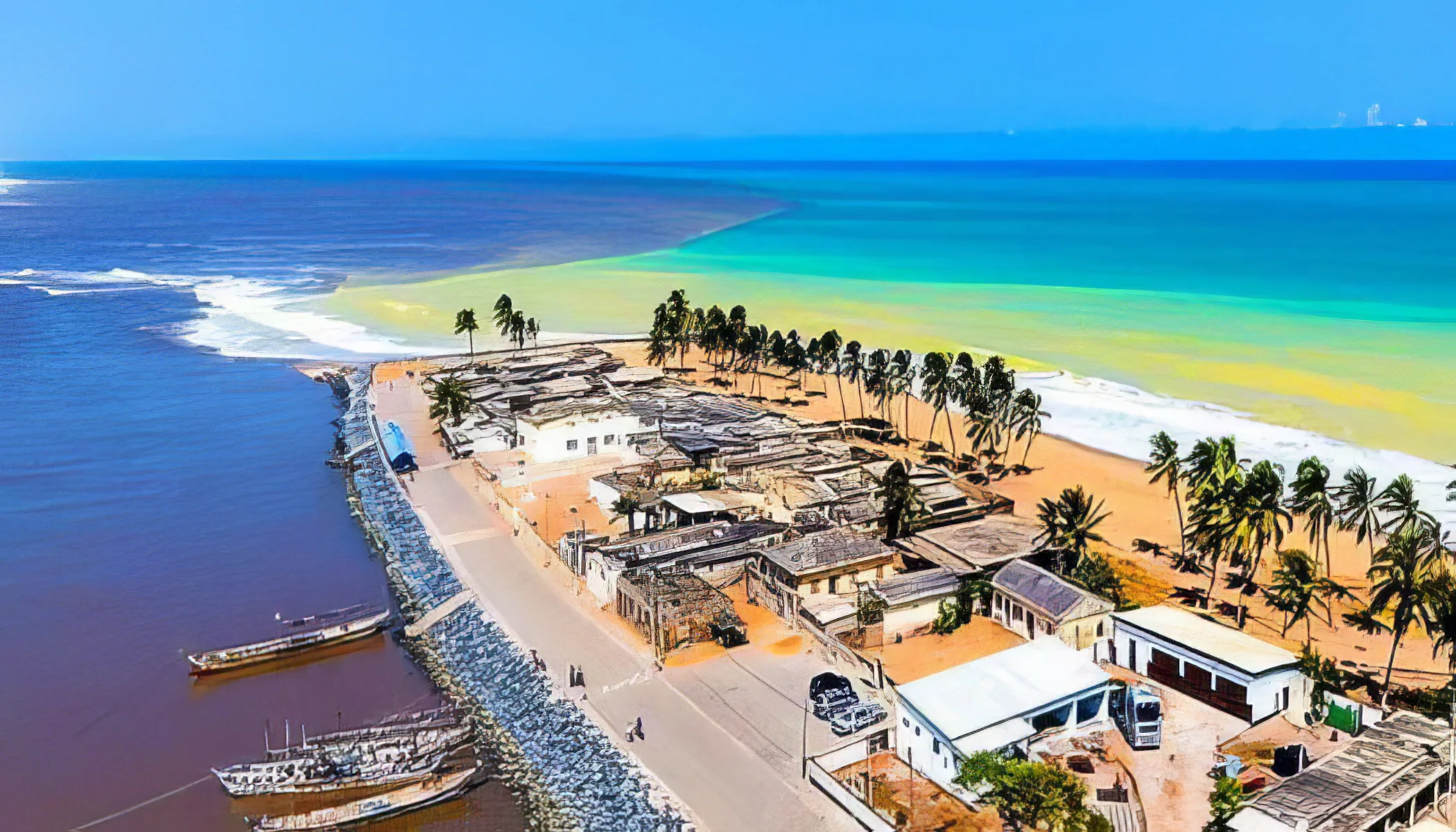
This city serves as a gateway to several captivating day trips. Here are some options:
– Kpalimé at 120 km: A town surrounded by luxurious hills, known for its craft villages and scenic waterfalls.
– Togoville at 65 km: A historic town on Lake Togo with a rich cultural heritage and traditional voodoo practices.
– Aného at 45 km: A coastal town with colonial architecture and nearby sandy beaches for relaxation.
– Agou Mountain at 140 km: The highest peak in Togo, offering hiking opportunities and panoramic views of the region.
– Akloa Falls at 100 km: Nice waterfalls nestled in a restful forest, ideal for nature lovers seeking serenity.
Attraction
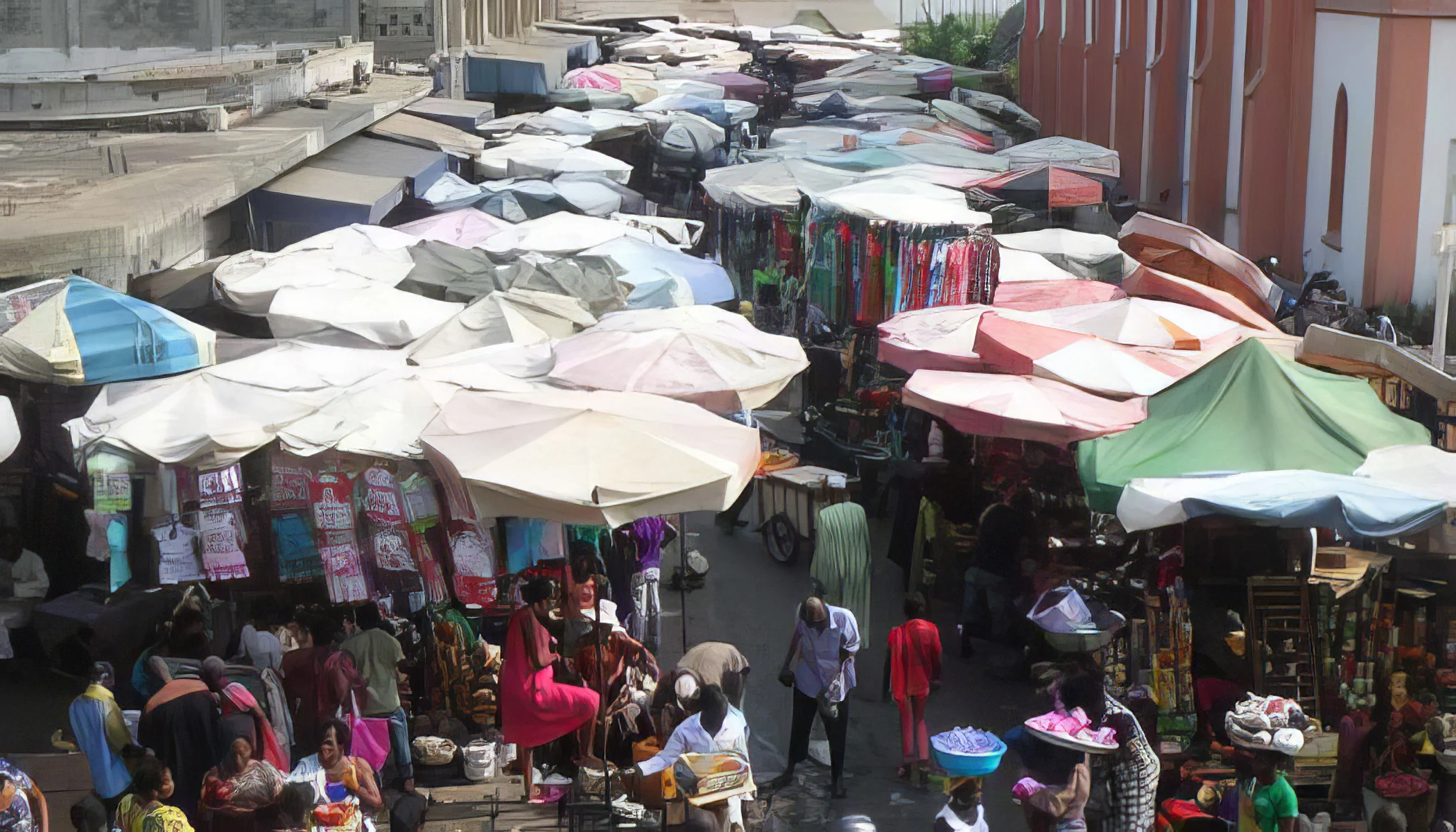
The city offers a mix of cultural experiences, markets, and coastal views.
– Grand Marché: A magnificient market known for its remarkable atmosphere and variety of goods including textiles, crafts, and local produce.
– National Museum: Offers insights into the region's history with exhibits on traditional art, culture, and archaeological finds.
– Independence Monument: A significant landmark symbolizing freedom; it's a popular spot for photographs and reflection.
– Village Artisanal: A center showcasing local crafts where visitors can purchase handmade souvenirs directly from artisans.
– Lomé Beach: Known for its sandy shores, it's a place to relax or enjoy water activities along the Gulf of Guinea.
– Fetish Market: Unique market selling traditional medicines and voodoo items, offering a glimpse into local spiritual practices.
Activity
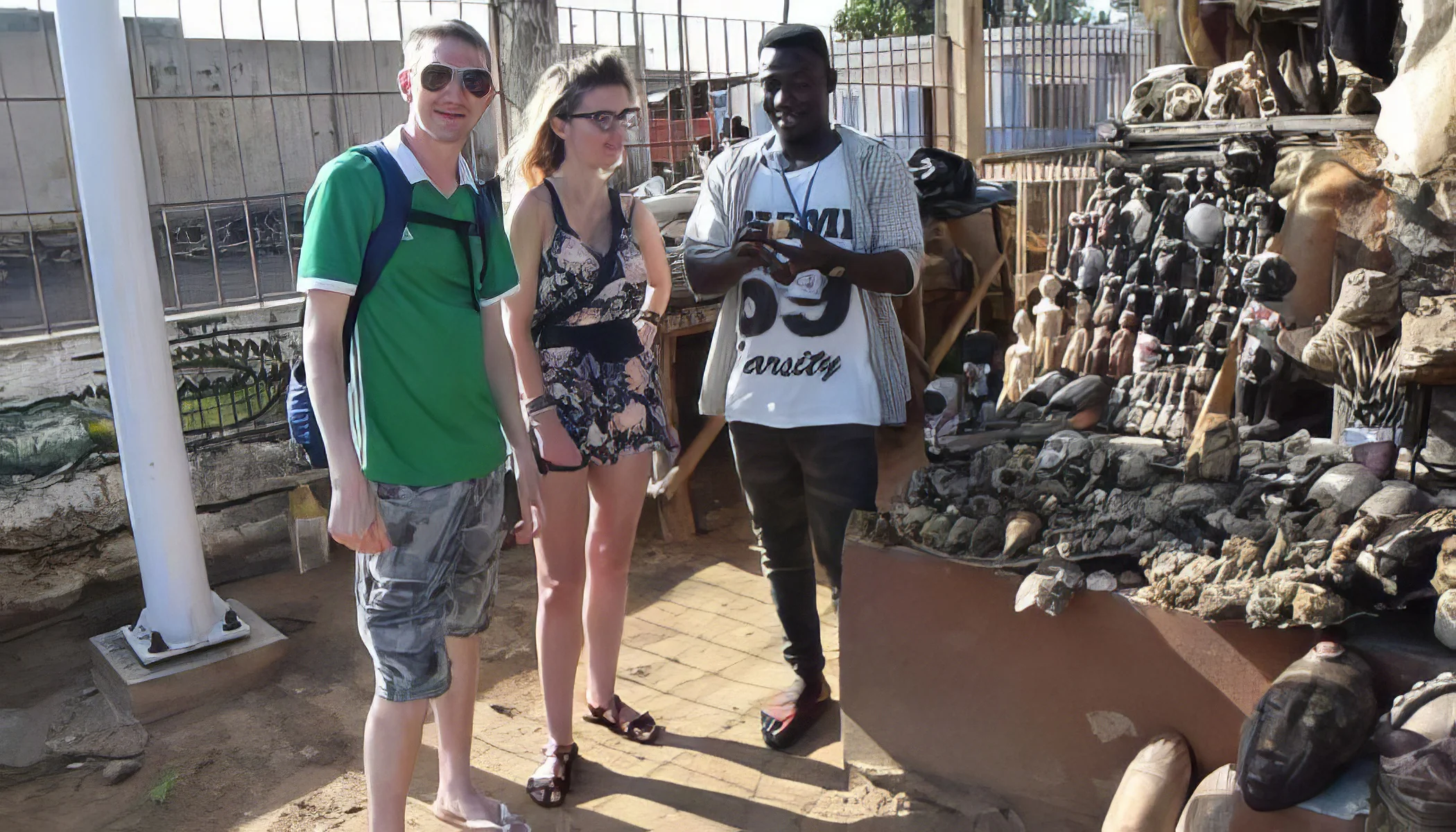
Travelers in Lomé can explore local markets, beaches, and unique cultural sites while enjoying the coastal atmosphere of Togo.
– Grand Marché: A vibrant market where travelers can shop for local crafts, textiles, and fresh produce.
– Togoville Visit: Experience traditional Togo culture by visiting this historic town near Lake Togo.
– Lomé Beach: Relax on sandy shores or engage in beach activities like swimming and volleyball along the coast.
– Fetish Market: Explore a unique market offering traditional remedies, amulets, and insights into local beliefs and practices.
– Akodessawa Fetish Market: Discover one of the largest voodoo markets in Africa, showcasing various spiritual items and rituals.
Shopping
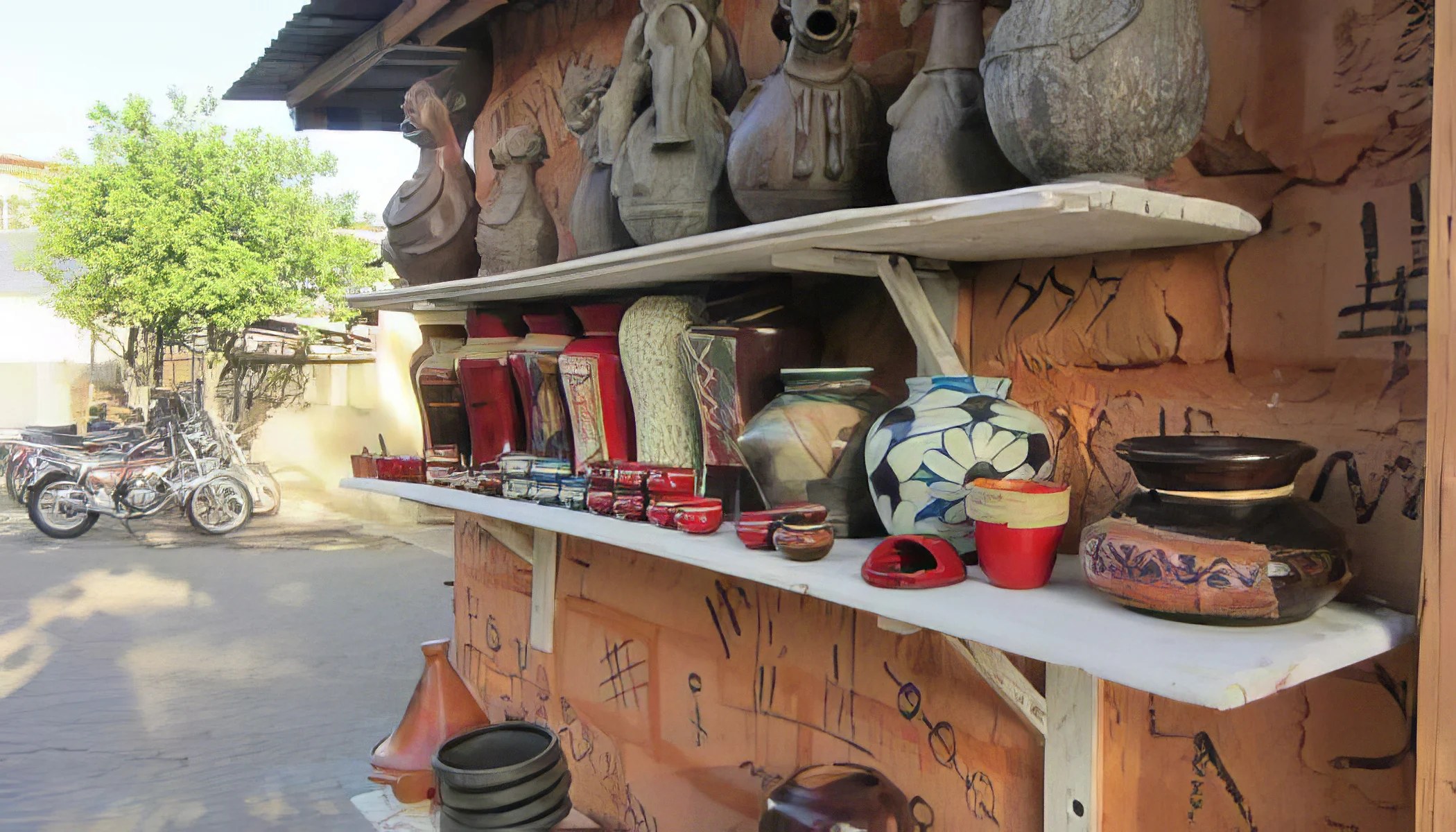
You can find local crafts, such as handmade baskets and textiles, which make great gifts. The markets often sell traditional clothing and jewelry that reflect the culture. Look for batik fabric, popular for its lively colors and patterns. Fresh produce and spices are also available if you want to take home some local flavors. Visit artisan shops for unique souvenirs created by local artists. Overall, there are several options for interesting shopping experiences and gifts.
Arts & Culture
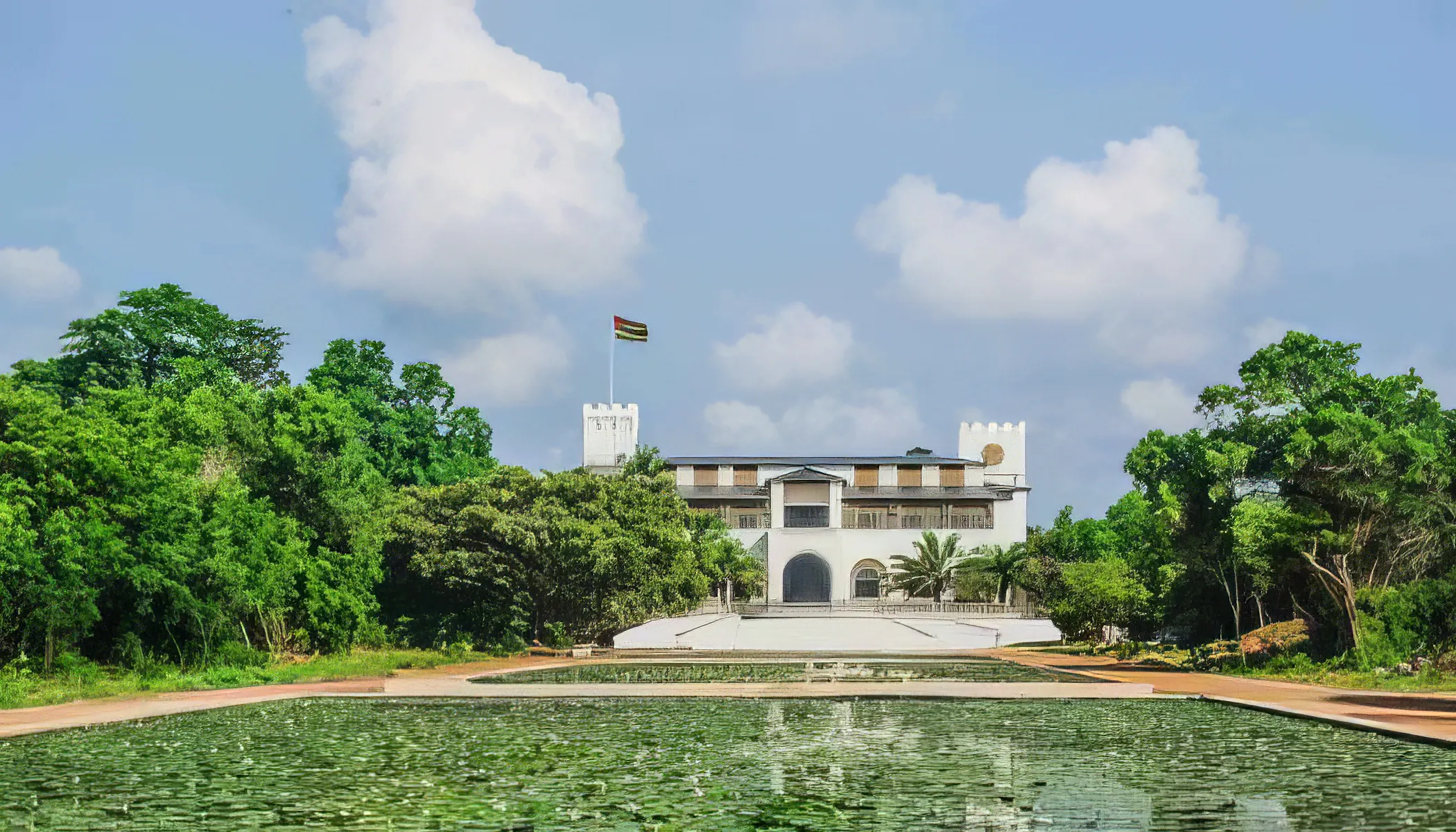
The city hosts the annual Festival of the Arts, which showcases local music, dance, and visual arts. The National Museum of Togo features traditional artifacts and contemporary art pieces. Local markets often display handmade crafts and textiles reflecting Togolese culture. Additionally, there are various music events highlighting traditional genres like Agbadja and modern styles.