

Loreto Travel Guide: Tourist Places & Activities
Situated on the Baja California Peninsula's eastern coast, this town is known for its rich history, remarkable marine life, and as the starting point of the historic Camino Real trail.
- Airport
- Loreto – Int'l.
- Est. Visit Days
- 3 days
Overview
Loreto, located in Mexico's Baja California Sur, is known for its historical significance as the first Spanish settlement on the Baja California Peninsula. The city offers a rich cultural experience with attractions such as the Mission of Our Lady of Loreto, which dates back to the 18th century. Its coastal location also makes it a hub for marine activities like fishing and diving, with the Loreto Bay National Marine Park being a major draw. However, the city can be quite hot during the summer months, which might deter some visitors. Additionally, its somewhat remote location can make access a bit challenging for those not keen on long drives or flights.
Traffic & Transport
The city's compact size and relatively low traffic congestion make it ideal for exploring on foot, especially in the central areas where most of the tourist attractions are located. For longer distances, bicycles are a popular and efficient option, offering both mobility and a closer connection to the surroundings. Additionally, small electric golf carts are available for rent, providing a fun and eco-friendly way to navigate the city and its outskirts. Public buses are also available, offering a budget-friendly mode of transportation to reach different parts of the city and nearby areas. For those preferring taxi services, there are several reliable taxi companies operating in the city. Additionally, the use of taxi-booking apps like [mention any specific apps if applicable] provides a convenient way to hail a cab directly from your location, ensuring quick and hassle-free travel around the area.
History
Founded in 1697 by Jesuit missionaries, the city was the first Spanish settlement on the Baja California Peninsula. It served as the capital of Las Californias from 1697 to 1777, playing a significant role in the region's colonization and mission system. The city was repeatedly targeted by indigenous uprisings in the 18th century, leading to its temporary abandonment in 1829. It was a key site during the Mexican-American War in 1847, changing hands between Mexican and American forces. Historically, it was a hub for pearl diving and trade, contributing to its economic importance in the region.
Itinerary Sample
Explore Loreto, Mexico over three days with this simple itinerary:
– First day: Visit the historic Mission Loreto, then stroll through the town square. End your day with a sunset at Loreto Bay.
– Second day: Take a boat tour to Coronado Island for snorkeling and wildlife viewing.
– Third day: Enjoy a morning hike in Sierra de la Giganta, followed by an afternoon of shopping for local crafts.
Near Excursion
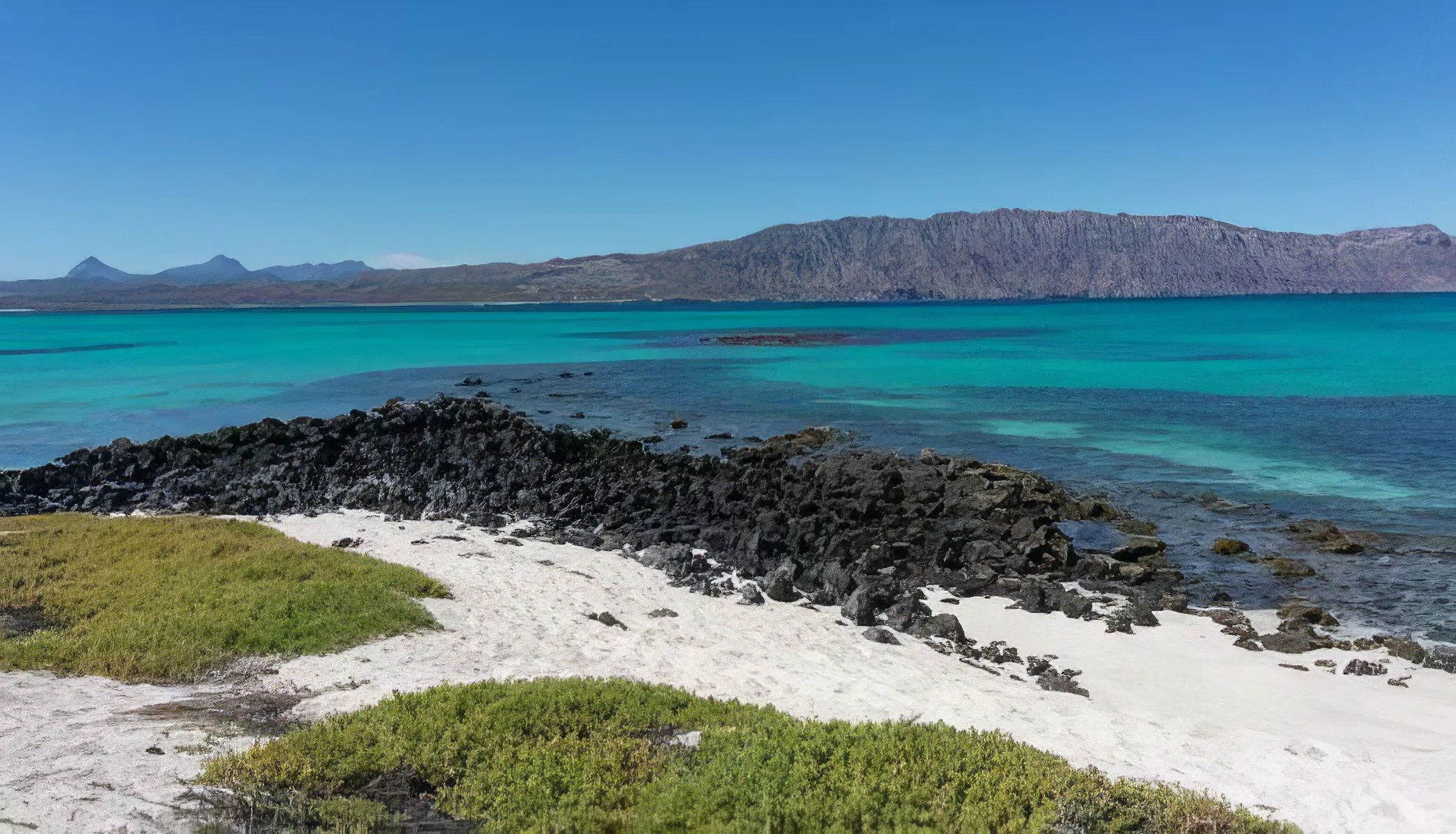
This city offers several interesting day trips within a short distance. Here are some suggestions:
– Isla Coronado at 30 km: A beautiful island with white sandy beaches, clear waters, and opportunities for snorkeling.
– San Javier Mission at 35 km: A well-preserved 18th-century mission located in the scenic Sierra de la Giganta mountains.
– Mulegé at 140 km: A charming town with a historic mission, abundant date palms, and the harmonious Mulegé River.
– Bahia Concepcion at 90 km: A fascinating bay with numerous beaches perfect for swimming, kayaking, and relaxing.
– Punta Chivato at 70 km: A quiet beach area known for its shell-covered shores and excellent fishing spots.
Attraction
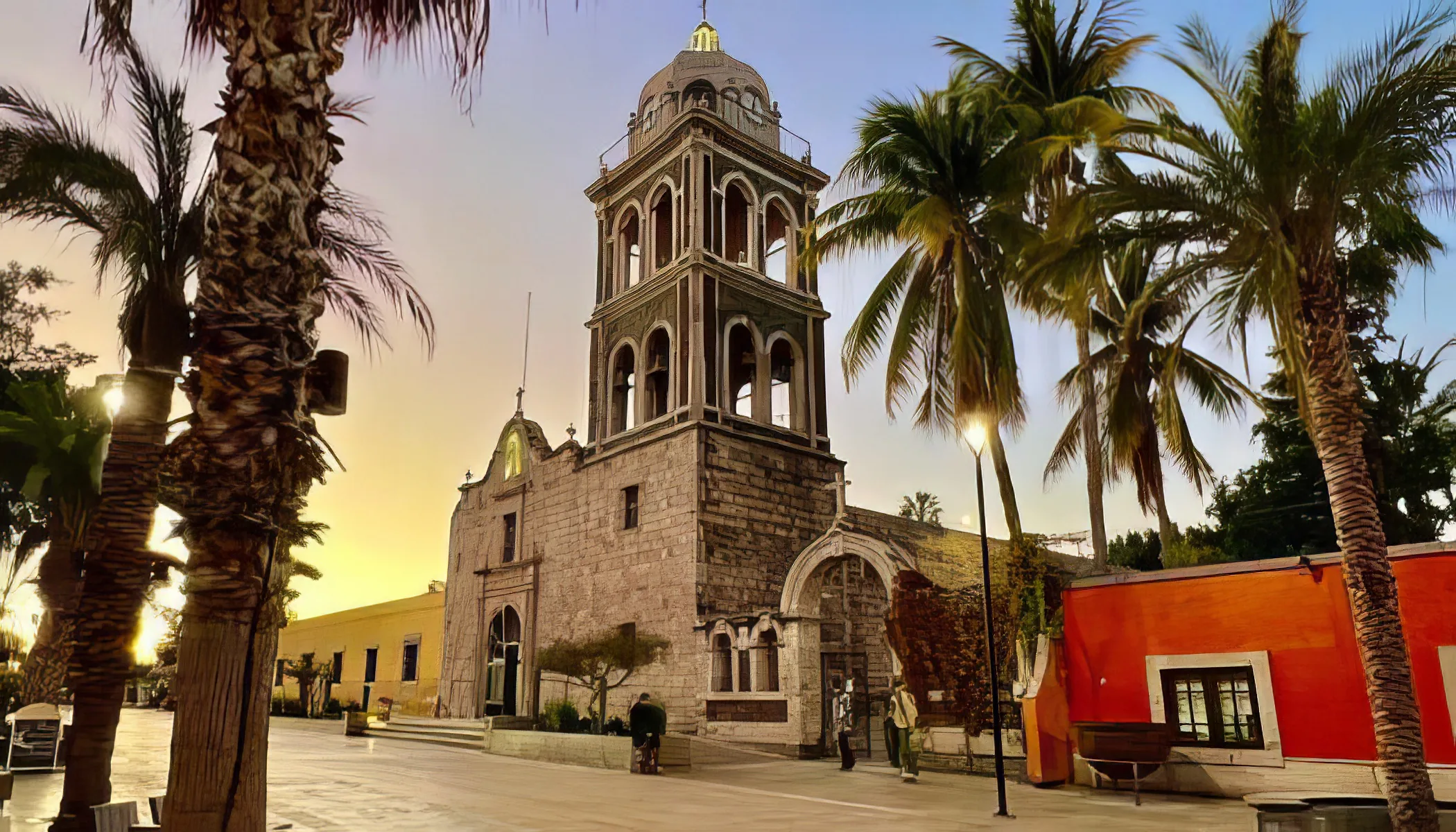
This city is known for its historical sites, natural beauty, and marine activities.
– Mission of Our Lady of Loreto: A historic church founded in 1697, showcasing colonial architecture and religious artifacts.
– Loreto Bay National Marine Park: A protected area ideal for snorkeling, diving, and observing marine life.
– Coronado Island: Offers white sandy beaches, sea lion colonies, and clear waters for kayaking and snorkeling.
– Malecon: A scenic waterfront promenade perfect for leisurely walks and sunset views.
– San Javier Mission: An 18th-century mission located in the mountains, known for its well-preserved architecture and easygoing surroundings.
– Museum of the Missions: Displays artifacts and exhibits related to the region's missionary history and indigenous cultures.
Activity
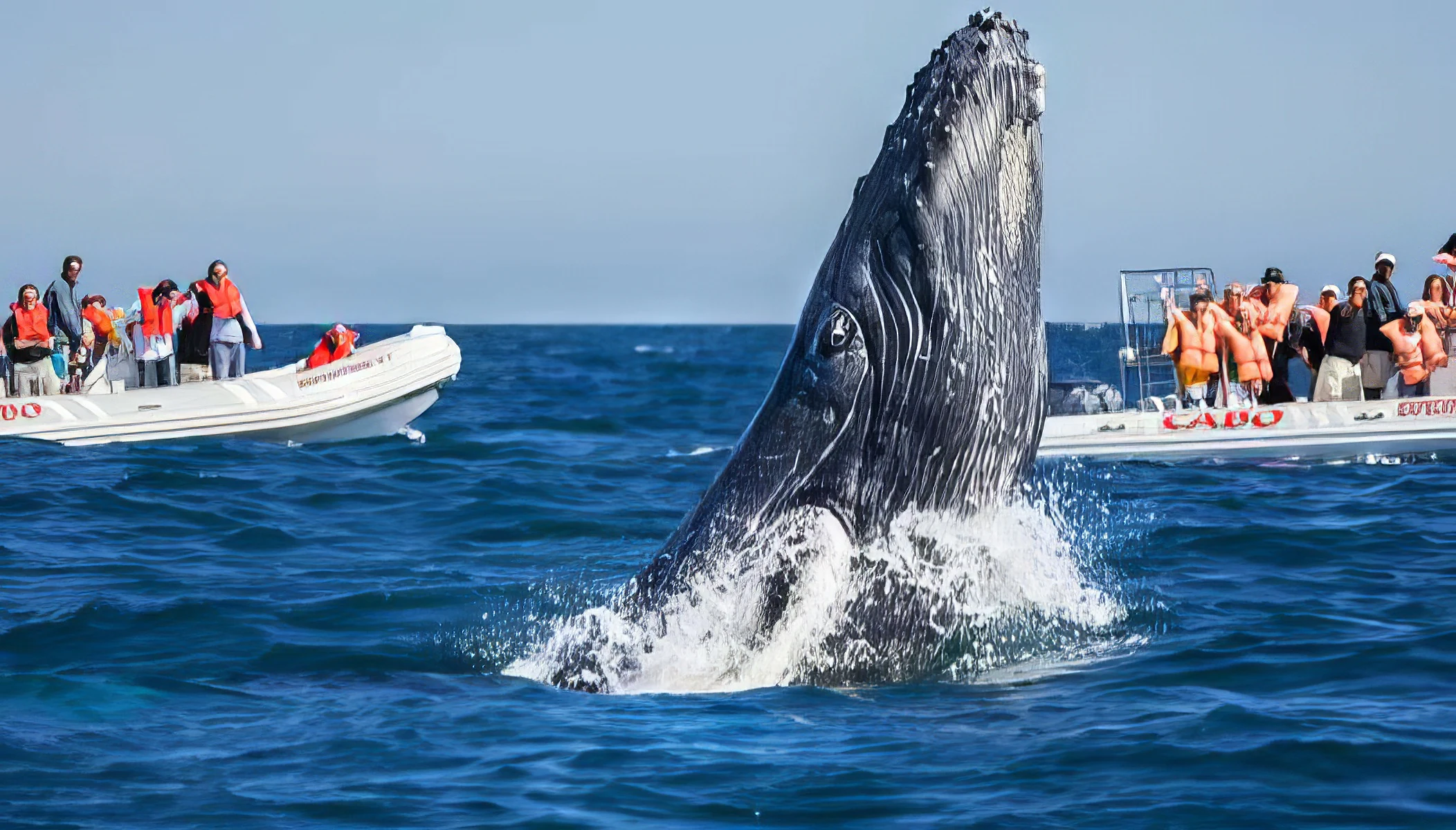
In Loreto, travelers can enjoy unique marine and desert experiences, including whale watching and island exploration.
– Whale Watching: Observe gray whales in their natural habitat during the winter months.
– Island Hopping: Visit Isla Coronado for hiking, snorkeling, and bird watching.
– Kayaking in Loreto Bay: Paddle through calm waters with views of the Sierra de la Giganta mountains.
– Mission Loreto: Explore the historic Mission Nuestra Señora de Loreto Conchó, founded in 1697.
– Desert Tours: Experience the unique flora and fauna of the Baja California desert on guided tours.
Shopping
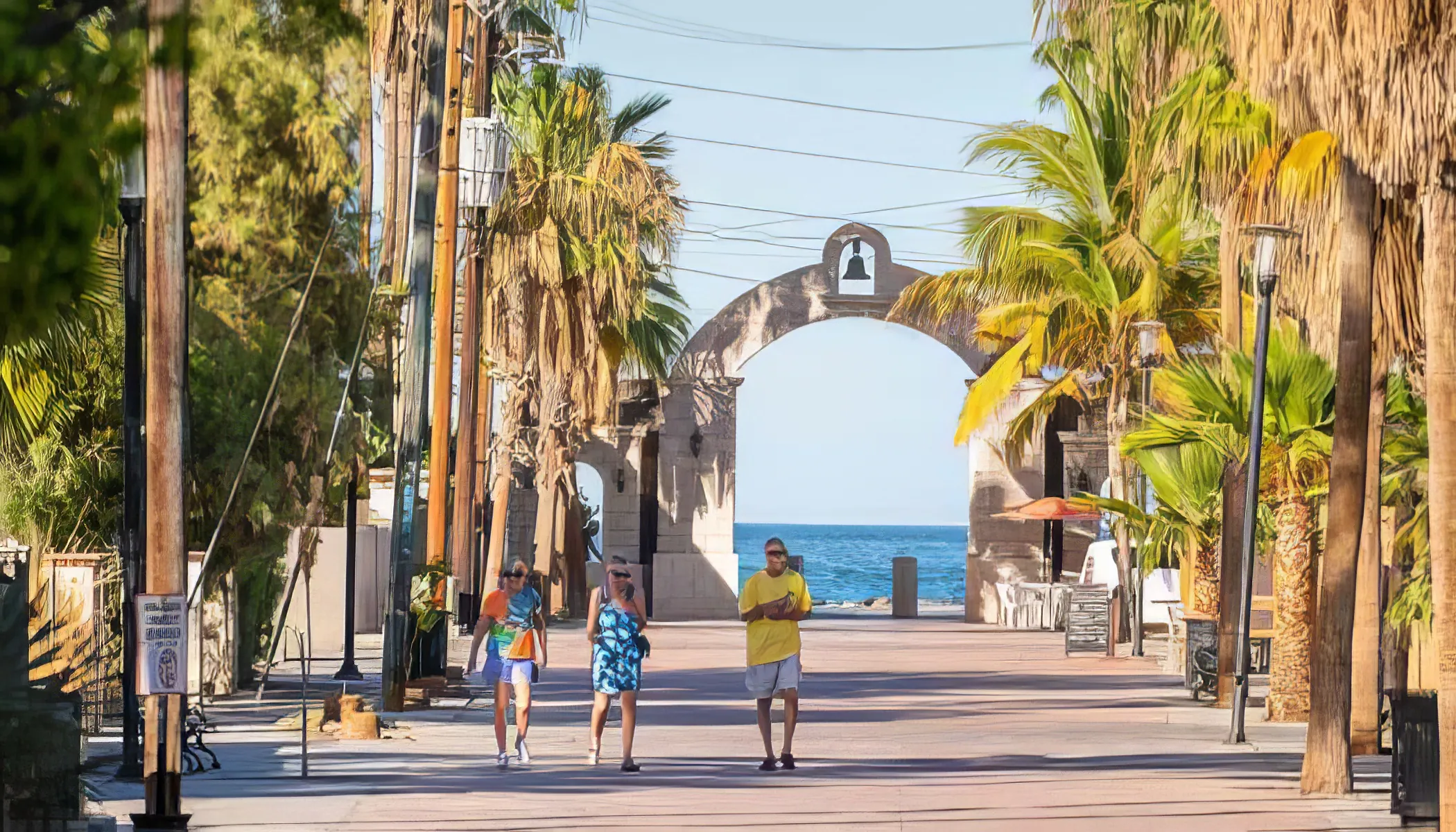
In the city, visitors can explore local markets and shops that offer unique handicrafts. A popular gift to purchase is traditional Mexican Talavera pottery, which is both decorative and functional. Handmade jewelry and leather goods are also excellent souvenirs. For a truly local experience, consider buying artisanal chocolates or locally produced honey. These items reflect the region's culture and craftsmanship, making them meaningful gifts.
Arts & Culture
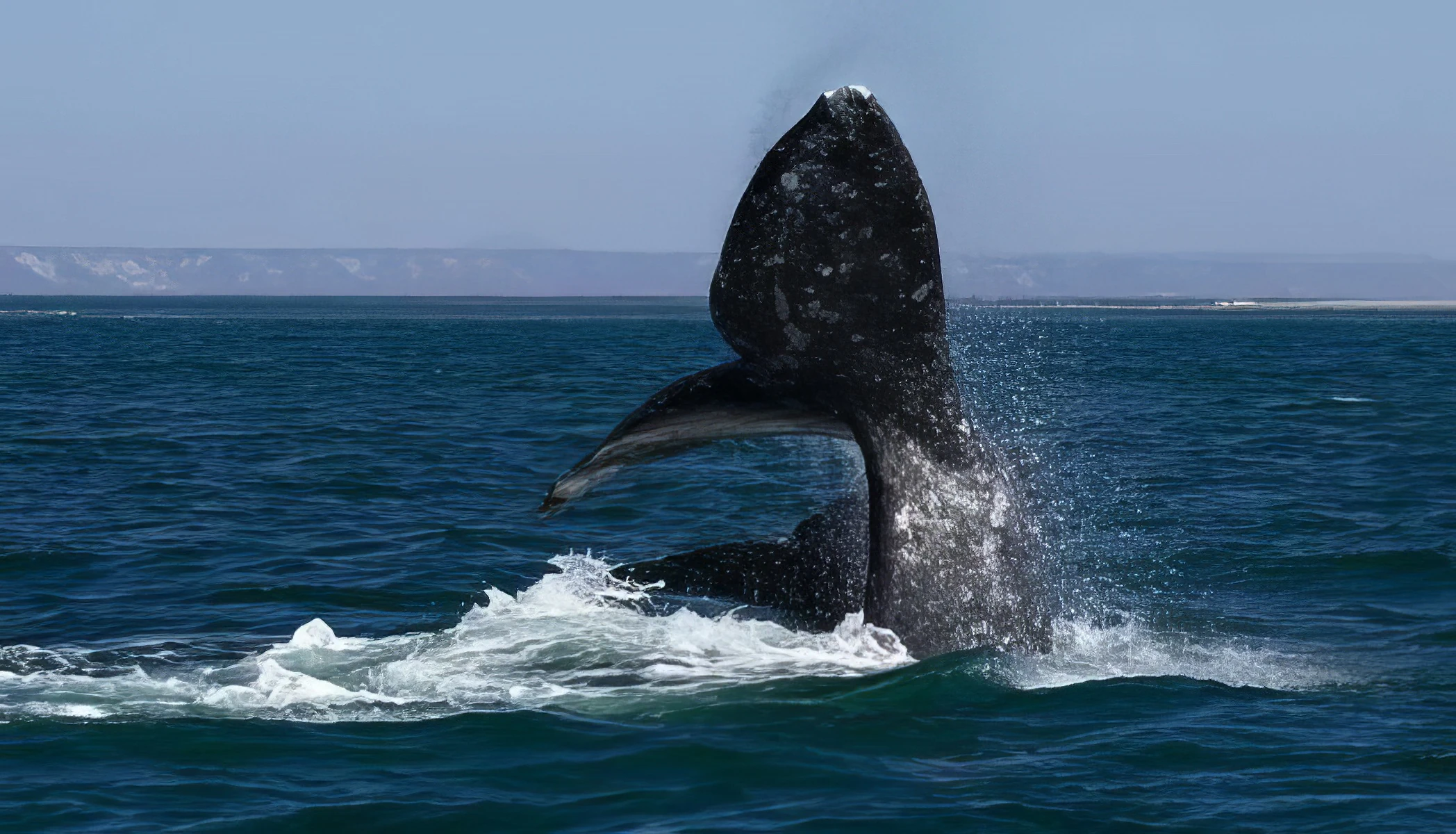
The city hosts the annual Loreto Blue Whale Festival, celebrating the migration of blue whales with cultural events, art exhibitions, and educational activities. The Misión de Nuestra Señora de Loreto, a historic mission founded in 1697, is a focal point for local cultural heritage and religious events. Local artisans showcase their crafts, including pottery and basket weaving, reflecting the rich traditions of the indigenous communities. The city also features several small galleries and cultural centers that promote the works of local artists.