

Lübeck: Best Things to Do & Top Attractions
This city, known for its medieval architecture, is situated in northern Europe. It features distinctive brick Gothic buildings and is a former Hanseatic League member, renowned for its marzipan and historic city center, a UNESCO World Heritage Site.
- Population
- 216,253
- Size
- 214 square km
- Train Station
- Lübeck Hauptbahnhof
- Est. Visit Days
- 2 days
Overview
Lübeck, a city in northern Germany, is renowned for its well-preserved medieval architecture, particularly in its Altstadt (Old Town), which is a UNESCO World Heritage site. The city is also known for its marzipan industry and the annual Christmas market. Lübeck's historical significance as the former capital of the Hanseatic League adds to its appeal for history enthusiasts. However, the city's relatively small size might limit the range of activities for longer stays, and its weather can be quite chilly, especially in winter. Despite this, Lübeck's charm and historical depth make it a worthwhile destination.
Traffic & Transport
The city's compact size and well-preserved medieval center make it ideal for exploring on foot, especially in the historic Old Town, where many of the main attractions are located. For longer distances, buses are available and provide a convenient way to navigate the city and reach the surrounding areas. Bicycles are also a popular mode of transport, offering visitors a flexible and environmentally friendly way to see the sights. However, it's important to note that the city center is mostly pedestrianized, so cycling is more suitable for exploring the outskirts. For those preferring taxi services, several reliable taxi companies operate in the city, including Taxi Lübeck and Taxi Funkzentrale. Additionally, the MyTaxi app is widely used for booking taxis, providing a convenient option for securing a ride directly from your smartphone.
History
Founded in 1143 as the first major city of the Hanseatic League, this city quickly became a leading center for trade in the Baltic region, particularly in salt. Its strategic location at the crossroads of the major trade routes of the time led to significant economic and cultural prosperity during the Middle Ages. The city was a key player in the League's activities, which greatly influenced its development and wealth. It was also the site of the signing of the Peace of Westphalia in 1648, which ended the Thirty Years' War and confirmed its status as an independent city-state within the Holy Roman Empire. The city's well-preserved medieval architecture and historic sites continue to reflect its rich history and Hanseatic heritage.
Itinerary Sample
Explore the highlights of Lübeck, Germany over two days with this structured itinerary:
– First day: Visit the Holstentor Museum, stroll around the Old Town, and explore Lübeck Cathedral. Enjoy local cuisine in a traditional restaurant.
– Second day: Tour the Heiligen-Geist-Hospital, visit the Buddenbrookhaus, and relax at the An der Obertrave waterfront.
Near Excursion
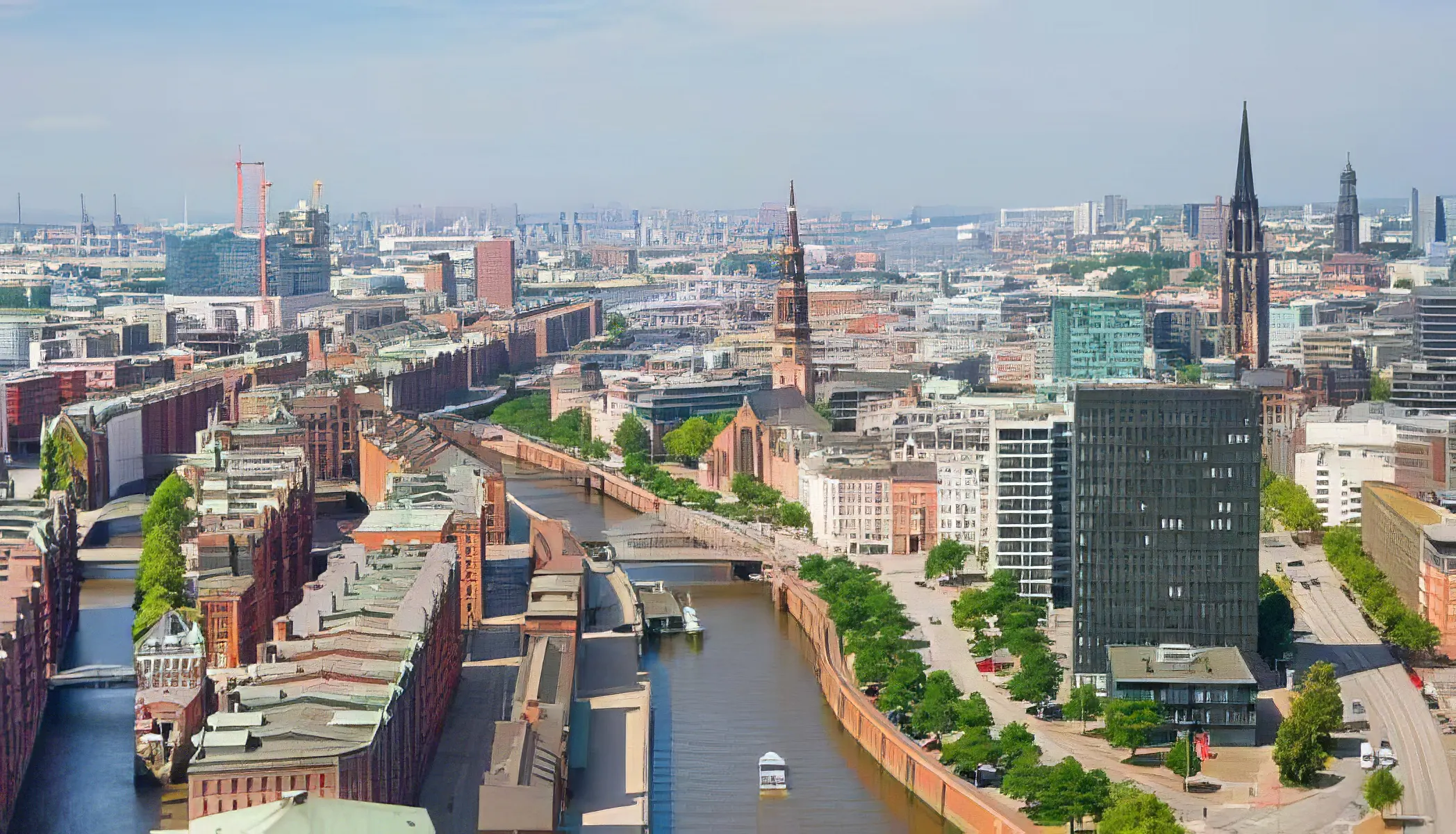
This city offers several interesting day trips within a short distance. Here are some suggestions:
– Hamburg at 65 km: A major port city with a charming cultural scene and historic architecture.
– Schwerin at 90 km: Known for its remarkable Schwerin Castle and beautiful lakes.
– Wismar at 60 km: A UNESCO World Heritage site with well-preserved medieval buildings.
– Travemünde at 20 km: A seaside resort with a long beach and historic lighthouse.
– Plön at 70 km: Offers scenic lakes and the impressive Plön Castle.
Attraction
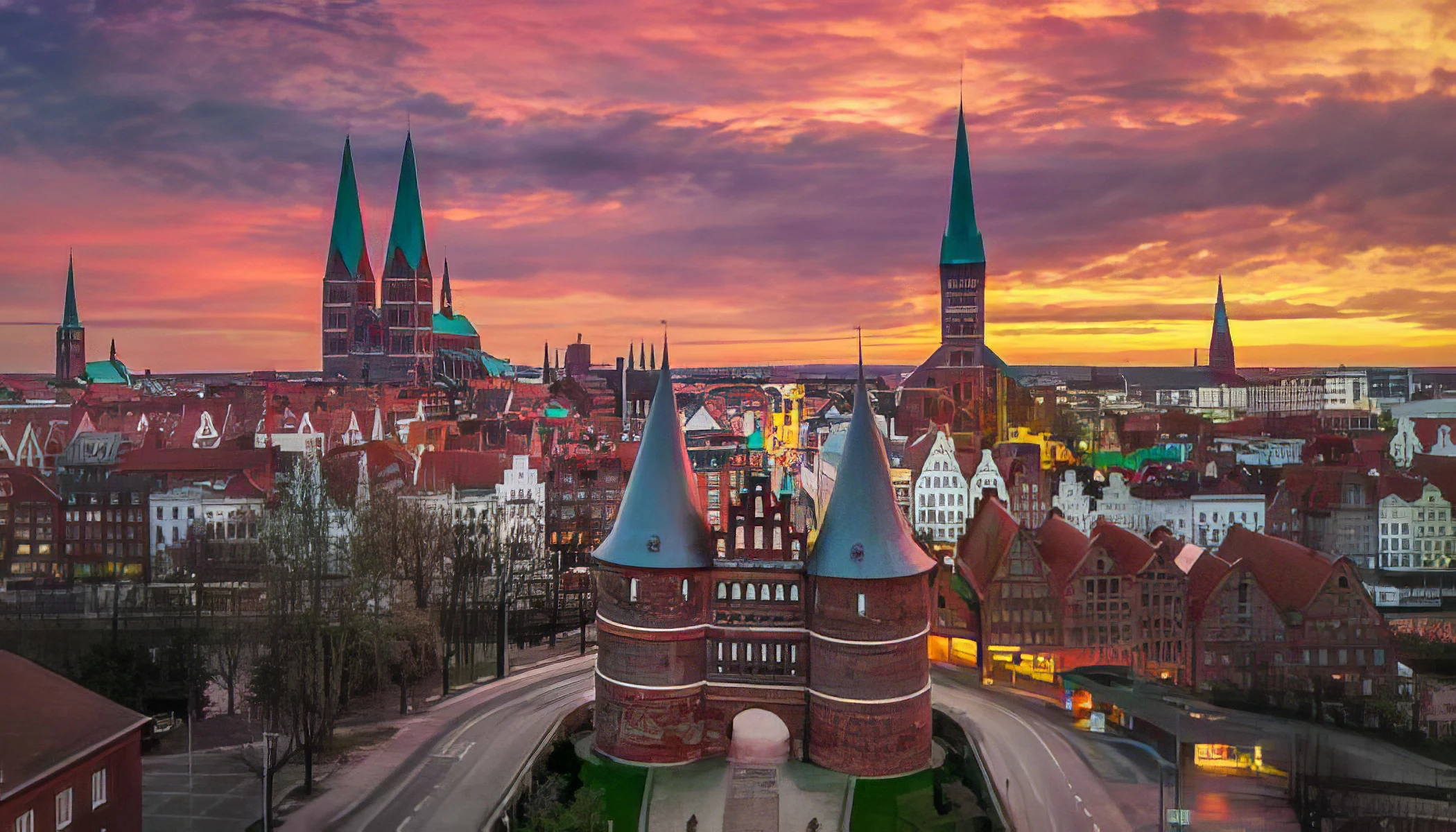
Known for its medieval architecture and maritime history, this city offers a rich cultural experience.
– Holstentor: A well-preserved city gate that symbolizes the city's medieval heritage.
– Marienkirche: A Gothic church with impressive architecture and historical significance.
– Lübeck Cathedral: A Romanesque-style cathedral with beautiful interiors and a peaceful atmosphere.
– Buddenbrook House: A museum dedicated to the famous writers Thomas and Heinrich Mann.
– St. Anne's Museum Quarter: A complex showcasing art and cultural history in a former convent.
– Travemünde: A seaside resort with a charming beach and historic lighthouse.
Activity
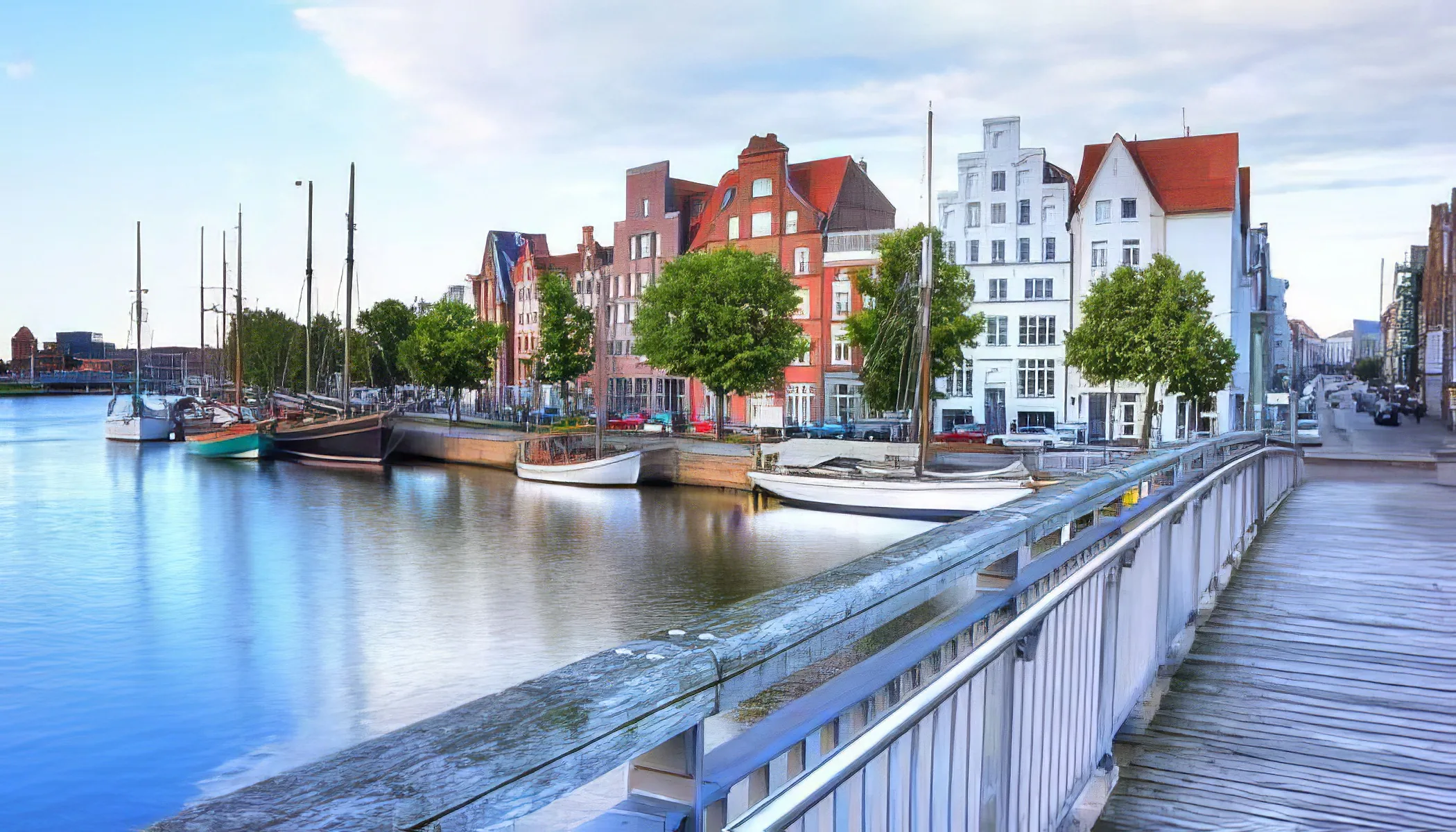
Lübeck offers unique experiences blending history, architecture, and maritime culture.
– Lübeck Old Town Walking Tour: Explore medieval architecture and UNESCO World Heritage sites.
– Lübeck Canoeing Tour: Paddle through the city's waterways and see historic buildings from a different perspective.
– Lübeck Salt Grotto Visit: Experience relaxation and wellness in a unique salt cave setting.
– Lübeck Harbor Boat Trip: Enjoy a scenic boat ride around Lübeck's historic harbor and waterfront.
– Lübeck Marzipan Workshop: Learn to make traditional marzipan treats in a hands-on workshop.
Cuisine
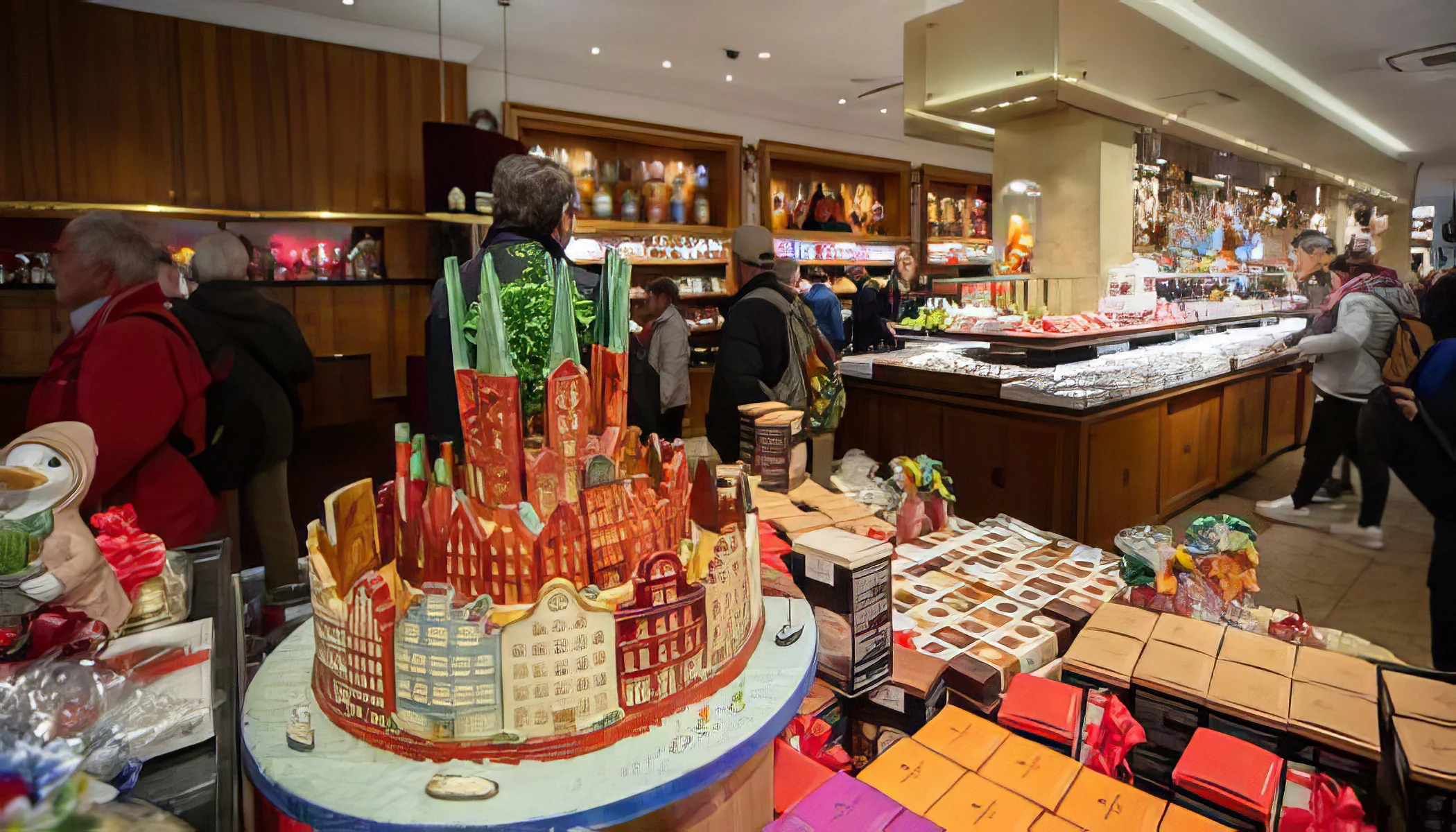
The city is known for its marzipan and traditional German cuisine, offering a mix of sweet and savory dishes. Some of the city's most famous dishes and desserts include:
– Marzipan: Sweet almond paste, often shaped into fruits or covered in chocolate.
– Rote Grütze: Red berry pudding served with cream or vanilla sauce.
– Labskaus: A hearty dish of corned beef, potatoes, and beetroot, often served with a fried egg.
– Pannfisch: Pan-fried fish with mustard sauce and potatoes.
– Holsteiner Sauerfleisch: Pickled pork served cold with onions and vinegar.
– Franzbrötchen: A sweet, cinnamon-flavored pastry similar to a croissant.
Shopping
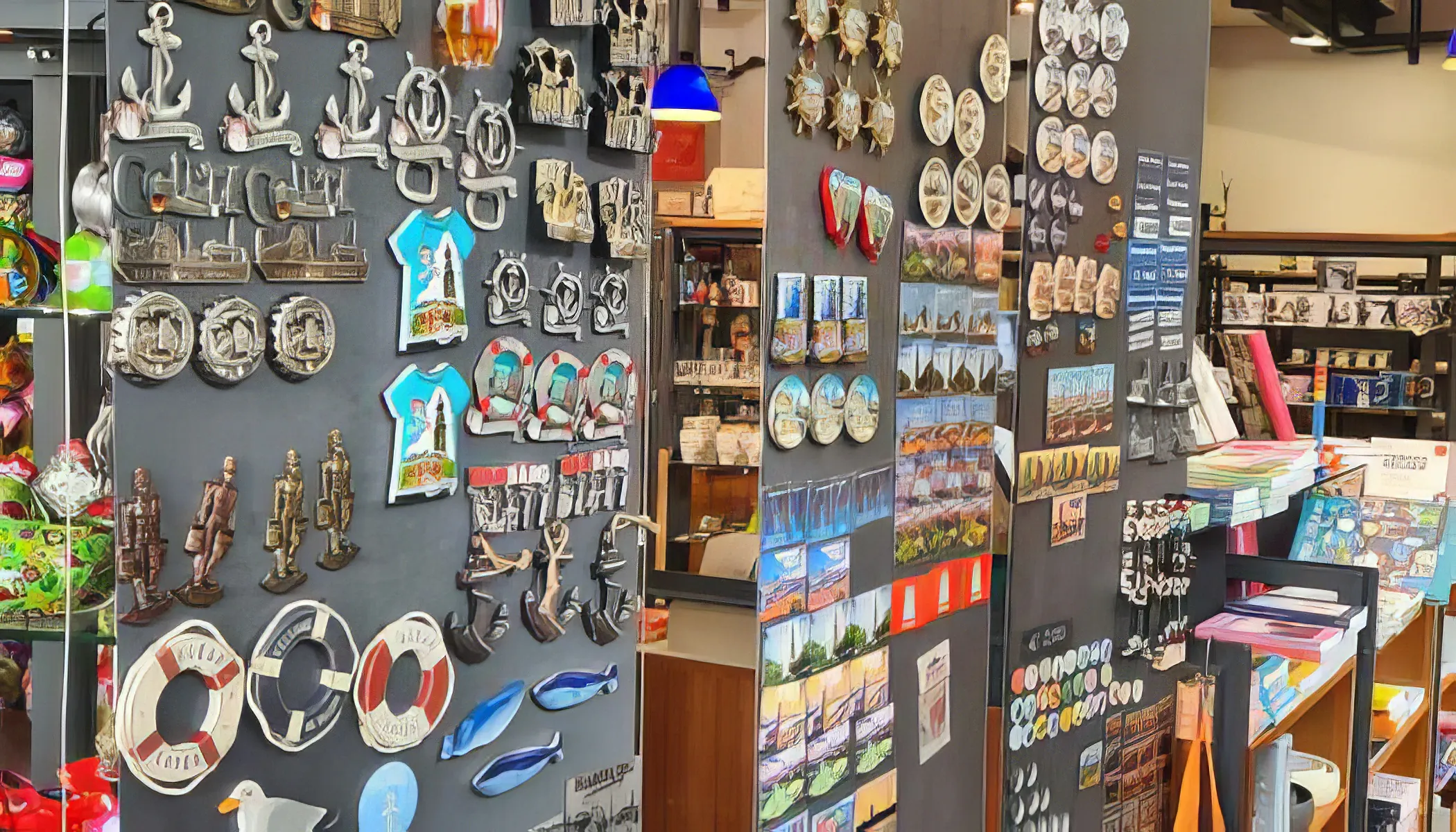
In the city, marzipan is a must-buy gift, renowned for its quality and history. The area is also famous for its charming Christmas markets, where you can find unique handmade crafts and decorations. For a more traditional shopping experience, visit the local boutiques and shops that offer a variety of artisan products, including beautifully crafted jewelry and ceramics. The quaint streets are lined with independent stores selling an array of interesting books, antiques, and local gourmet foods. Don't miss the opportunity to explore the historic buildings that house some of these shops, adding to the overall shopping experience.
Arts & Culture
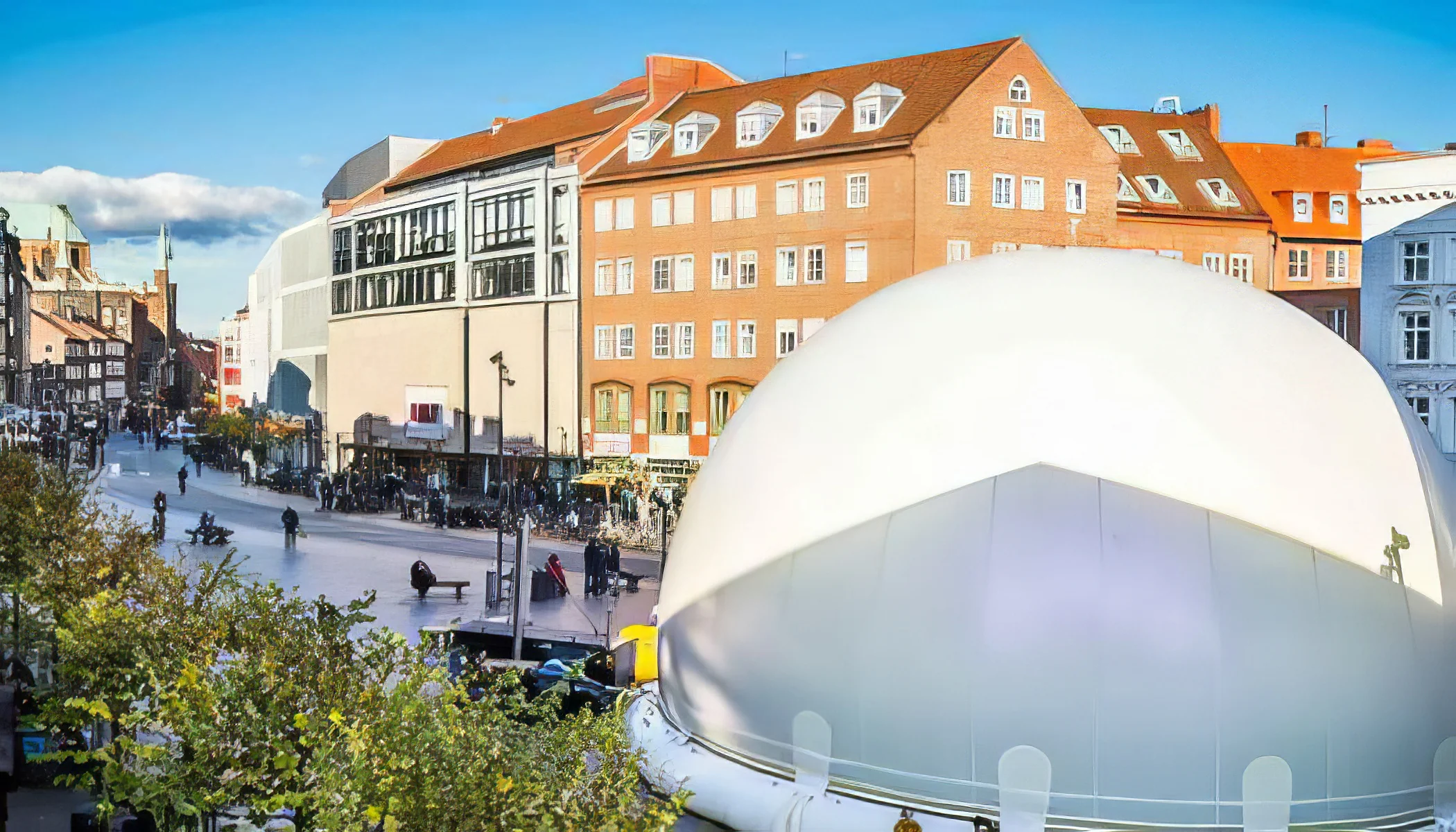
The city hosts the renowned Nordische Filmtage, an annual film festival focusing on works from Scandinavian countries, held since 1956. It is also home to the Günter Grass-Haus, a museum dedicated to the life and works of the Nobel Prize-winning author. The Buddenbrookhaus is another significant cultural site, offering insights into the lives and works of the Mann family, particularly the brothers Thomas and Heinrich Mann. Additionally, the city's historical architecture, like the Holstentor and the Marienkirche, provides a backdrop for various cultural events and festivals throughout the year.