

Luxor: Best Things to Do & Top Attractions
This city is known for its ancient temples, tombs, and monuments. It served as a historical capital and is situated on the east bank of the Nile River, offering significant archaeological sites and insights into ancient civilization.
- Airport
- Luxor International – Int'l
- Train Station
- Luxor.
- Est. Visit Days
- 4 days
Overview
Luxor, located in Egypt, is known for its ancient monuments, including the Karnak Temple and the Valley of the Kings. A major pro is its rich historical significance, attracting many tourists interested in Egyptology. However, the city can be very hot, especially in summer, which may be uncomfortable for some visitors. Limited modern amenities and infrastructure might pose challenges for tourists seeking comfort. Overall, Luxor offers a unique glimpse into ancient Egyptian civilization but comes with considerations for climate and facilities.
Traffic & Transport
The city is relatively compact, making it easy to explore on foot, especially around popular sites like temples and the Nile. For longer distances or when the heat gets intense, renting a bicycle or using a motorbike can be effective alternatives. Horse-drawn carriages are also a traditional and enjoyable way to navigate the streets, though they may not be the fastest option. Additionally, mini-buses provide a budget-friendly way to reach various attractions. Reliable taxi companies are available, with several offering metered services to ensure fair pricing. Smartphone apps for booking taxis may not be as prevalent, but traditional taxi stands can be found throughout the area, and negotiating a price beforehand is common practice.
History
The area was originally part of ancient Thebes, which served as the capital of Egypt during the New Kingdom. It was a key religious center with significant temples and tombs, reflecting its importance in ancient Egyptian culture. In the 18th Dynasty, many monumental structures were built, including the Karnak Temple complex. Following various conquests, including the Greeks and Romans, the region continued to thrive due to its association with trade and pilgrimage. In the modern era, it became a focal point for tourism, drawing visitors to its historical sites.
Itinerary Sample
Explore Luxor's historical sites and rich culture over four days with this itinerary.
– First day: Visit the Karnak Temple and Luxor Temple. Explore the local markets in the evening.
– Second day: Tour the Valley of the Kings, including King Tutankhamun's tomb, and the Temple of Hatshepsut.
– Third day: Discover the Colossi of Memnon, then visit the Temple of Medinet Habu. Enjoy a felucca boat ride on the Nile at sunset.
– Fourth day: Visit the Luxor Museum, then relax at the local cafes or take a hot air balloon ride over the city.
Near Excursion
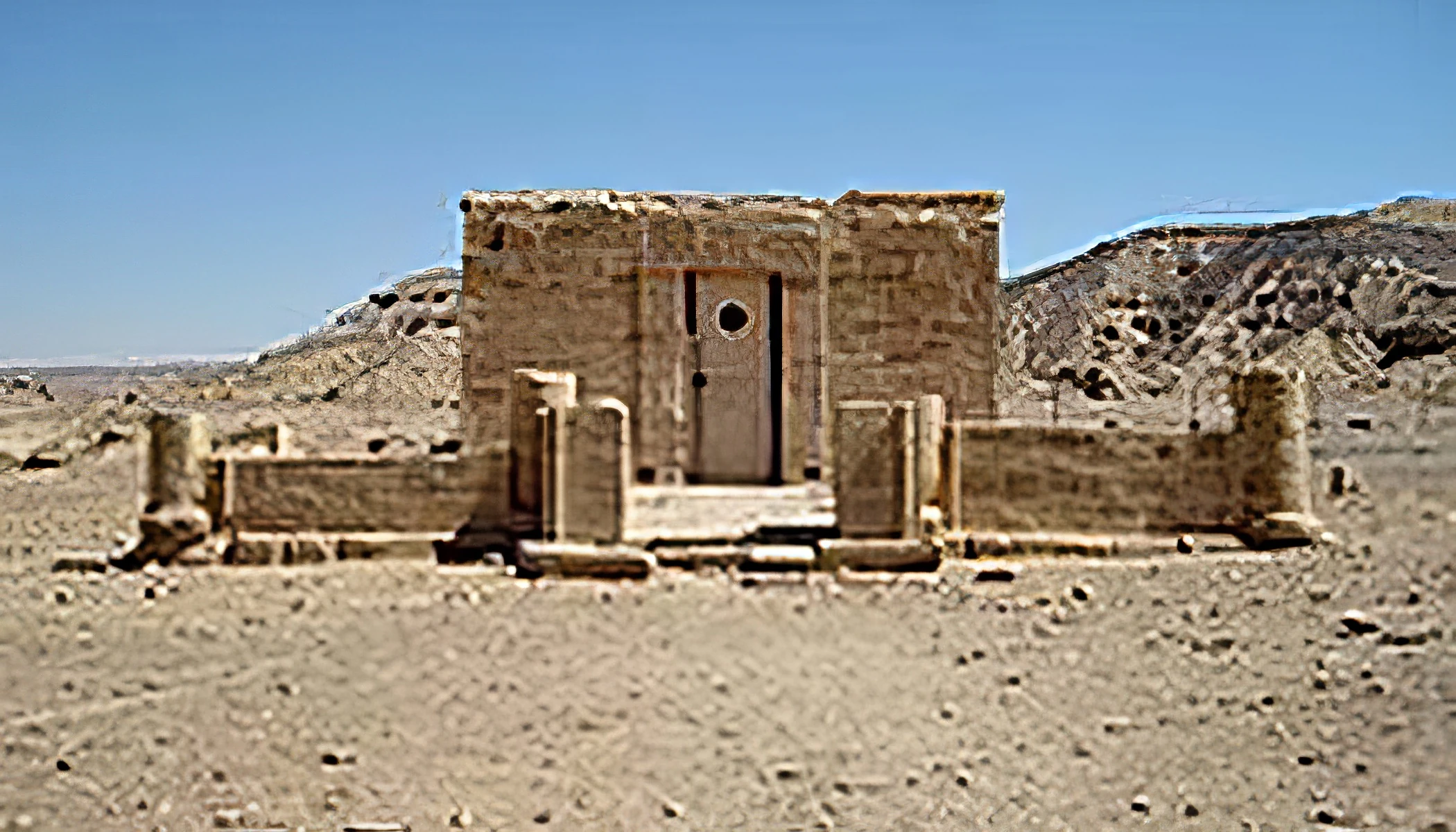
This city offers access to a range of captivating day trips in Egypt. Here are some options:
– Dendera Temple Complex at 70 km: Features well-preserved temples dedicated to the goddess Hathor.
– Abydos at 140 km: An ancient city with the Temple of Seti I, known for its impressive carvings.
– El Kab at 80 km: Visit this archaeological site for ancient tombs and a necropolis.
– Theban Tombs at 35 km: Explore rock-cut tombs of nobles from ancient times.
– Esna Temple at 55 km: Known for its hypostyle hall with beautiful engravings and columns.
Attraction
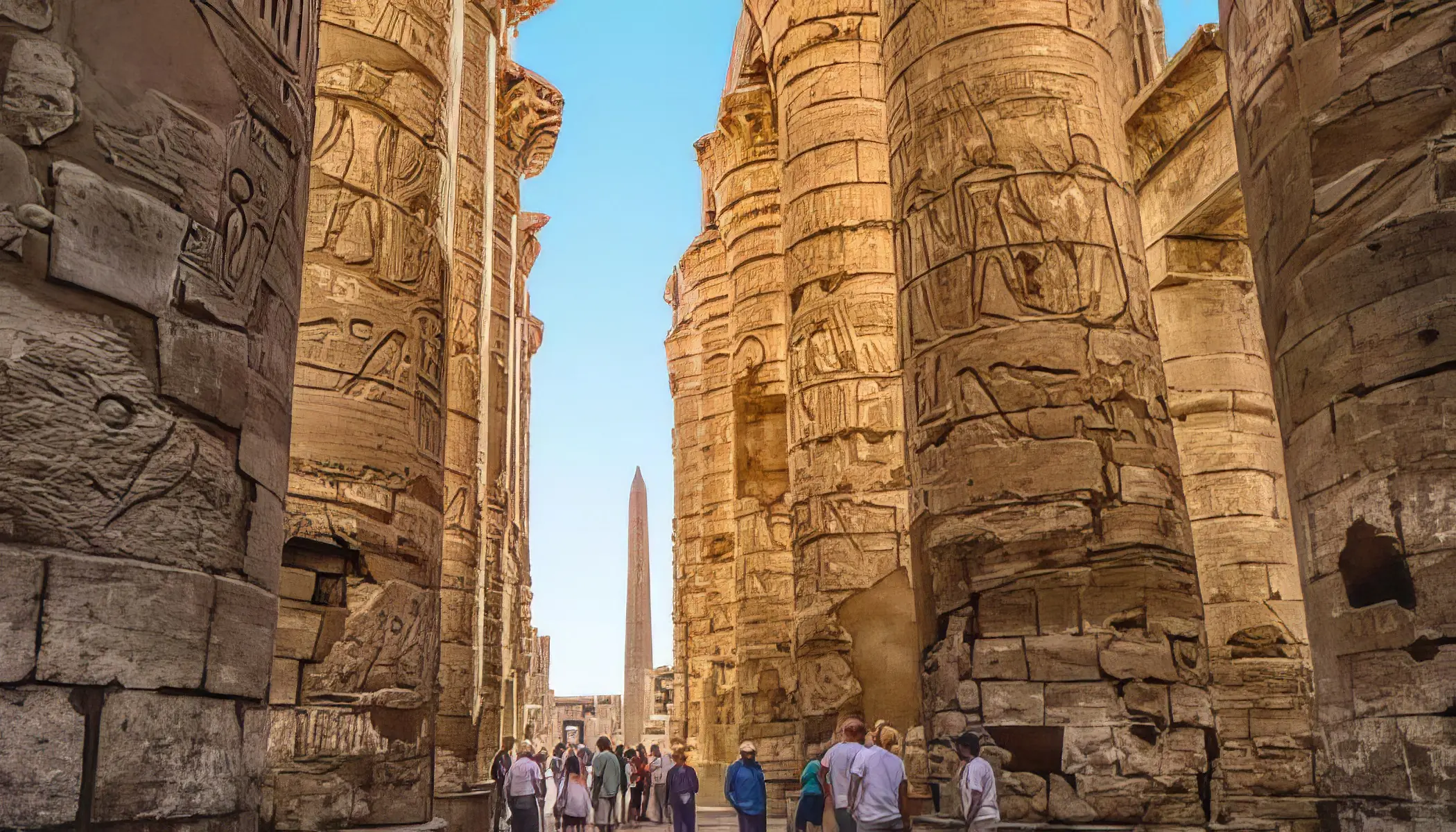
This city is renowned for its ancient temples and royal tombs.
– Karnak Temple: A vast complex featuring impressive columns and hieroglyphs, significant in ancient religious practices.
– Valley of the Kings: A burial site with richly decorated tombs of pharaohs, including Tutankhamun.
– Temple of Hatshepsut: A unique mortuary temple dedicated to one of the rare female pharaohs.
– Luxor Temple: Located on the Nile's east bank, it was a center for religious festivals.
– Colossi of Memnon: Two massive stone statues, remains of a once enormous temple.
– Medinet Habu: A large temple complex known for its well-preserved wall reliefs.
Activity
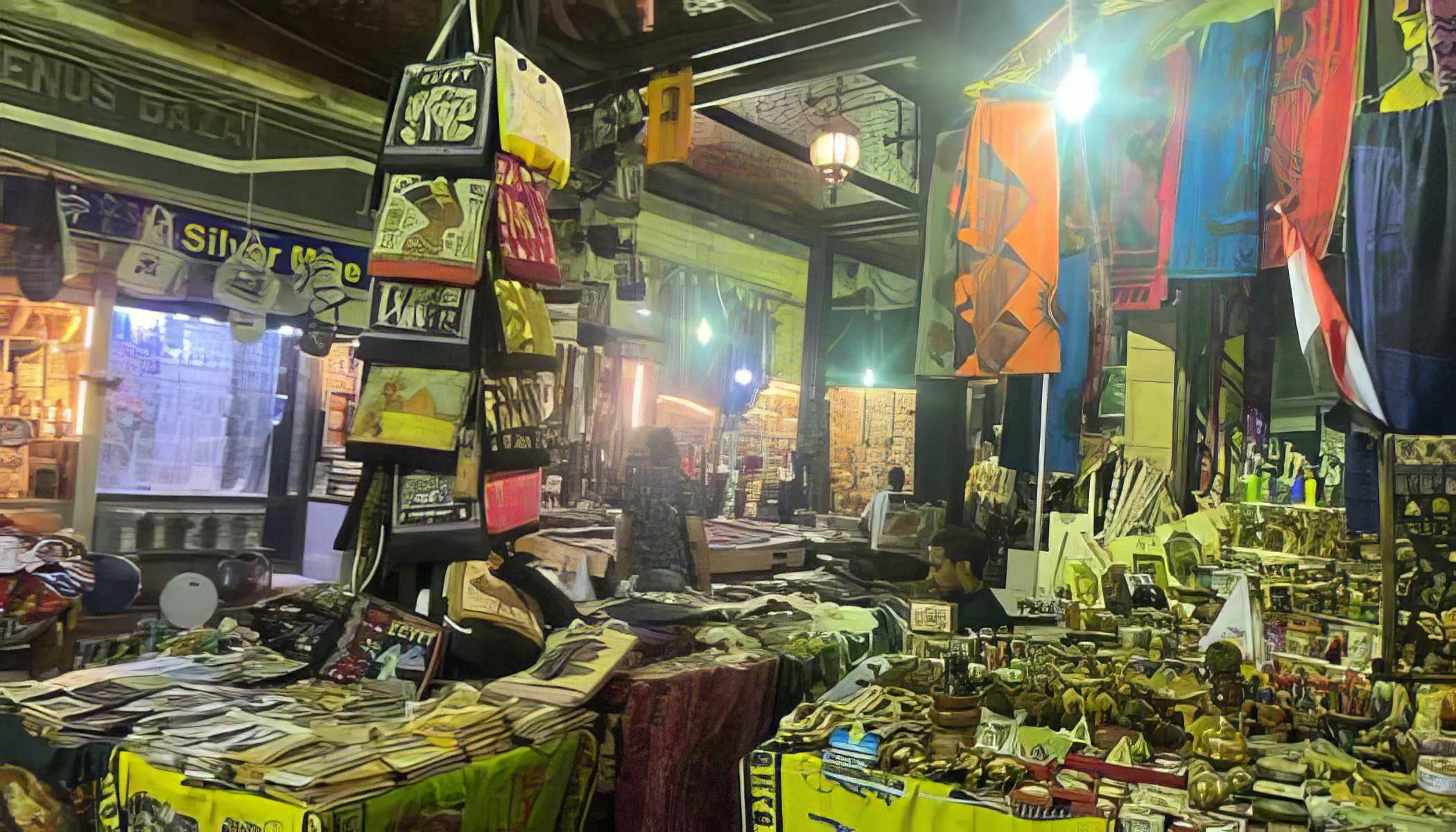
In Luxor, travelers can explore ancient monuments, take hot air balloon rides, and enjoy unique local experiences.
– Hot Air Balloon Ride: Experience nice views of Luxor and the Nile Valley at sunrise from a hot air balloon.
– Felucca Boat Ride: Enjoy a traditional sailing experience on the Nile River, taking in the scenic landscapes.
– Valley of the Kings Hike: Explore the hiking paths around this iconic burial site, offering lovely desert views.
– Local Market Visit: Experience local culture and buy unique souvenirs at animated markets in Luxor.
– Nubian Village Tour: Visit a traditional village to interact with locals and learn about Nubian culture and customs.
Shopping
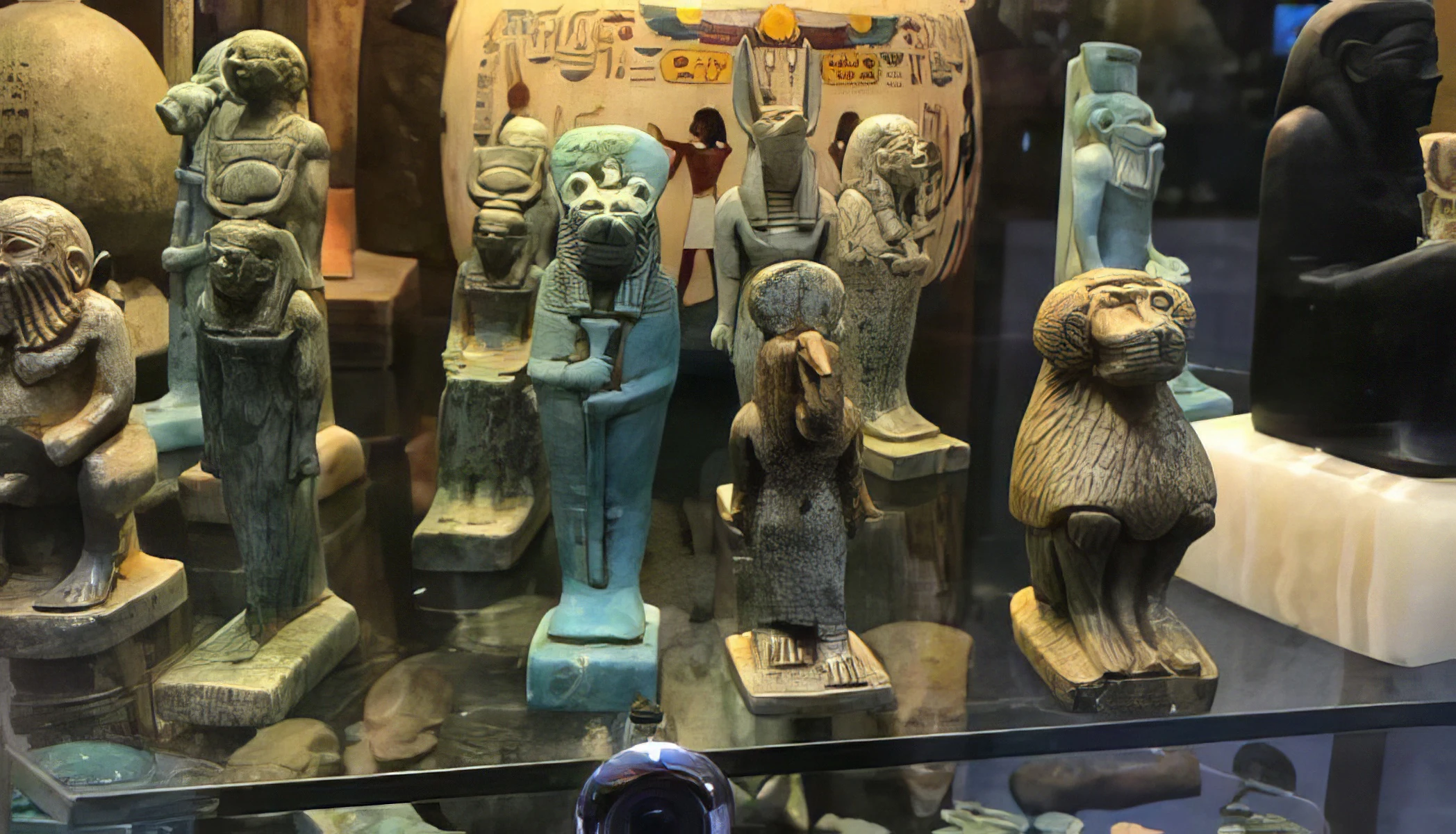
Visit the local markets for authentic Egyptian souvenirs. Papyrus art is a popular gift, showcasing ancient designs. You can also find handmade jewelry, especially pieces made with local gemstones. Scarab figurines and traditional textiles are other good options. Bargaining is common, so be prepared to negotiate prices. Enjoy the experience of shopping among locals.
Arts & Culture

The city hosts the annual Luxor African Film Festival, showcasing films from various African countries. There are often cultural performances at the Karnak Temple, which feature music and dance that reflect ancient Egyptian traditions. The area is also home to various art galleries that focus on both ancient Egyptian artifacts and contemporary works inspired by the history of the region. Additionally, the nearby Valley of the Kings has significant archaeological findings that contribute to its cultural heritage.