

Málaga Travel Guide: Tourist Places & Activities
Located on the southern coast of the Iberian Peninsula, this city is known for its rich history, Mediterranean beaches, and as the birthplace of Pablo Picasso. It's a popular destination for its nice culture and historic architecture.
- Population
- 580,000
- Size
- 400 square km
- Airport
- Málaga-Costa del Sol – Int'l
- Train Station
- María Zambrano
- Subway
- Metro de Málaga
- Est. Visit Days
- 3 days
Overview
Málaga, a city in southern Spain, is known for its rich history, including the Alcazaba, a medieval Moorish fortress, and the Roman Theater. The city also boasts the Picasso Museum, dedicated to the famous artist who was born here. Málaga's pleasant climate and beautiful beaches are major draws for tourists. However, it can be quite crowded, especially during the peak summer months. Additionally, some visitors might find the city a bit more commercialized compared to other Spanish destinations.
Traffic & Transport
The city's traffic can be moderate to heavy, especially during peak tourist seasons and on major routes. For exploring the city, the best means of transport are the efficient bus network and the metro, which covers key areas. Additionally, renting a bicycle is a popular and eco-friendly way to navigate the city center and the beach promenade. Walking is also a great option, particularly in the historic district, where many streets are pedestrianized. For those preferring taxi services, several reliable taxi companies operate in the city. Additionally, the use of taxi-booking apps like MyTaxi and Uber provides convenient options for securing a ride, with availability typically high throughout the city.
History
Founded by the Phoenicians in the 8th century BC, the city was originally named Malaka. It later came under Roman rule in 218 BC and flourished as a significant port for the region, exporting olive oil and wine. During the Moorish period from the 8th to the 15th century, it was a major Islamic Iberian city, known for its trade and textile production. The city was reconquered by the Catholic Monarchs in 1487 after a lengthy siege, marking the end of Muslim rule. This diverse history is reflected in its architecture, including the Alcazaba fortress and the Roman theater, as well as in its annual cultural events, such as the Feria de Agosto, which celebrates its historical and cultural heritage.
Itinerary Sample
Explore Málaga over three days with a planned itinerary to capture its essence.
– First day: Visit the Alcazaba and Roman Theatre, stroll through the historic city center, and explore Picasso Museum.
– Second day: Spend the morning at La Malagueta beach, then visit the Centre Pompidou Málaga.
– Third day: Explore the Gibralfaro Castle, enjoy panoramic views, and finish with shopping at Calle Larios.
Near Excursion
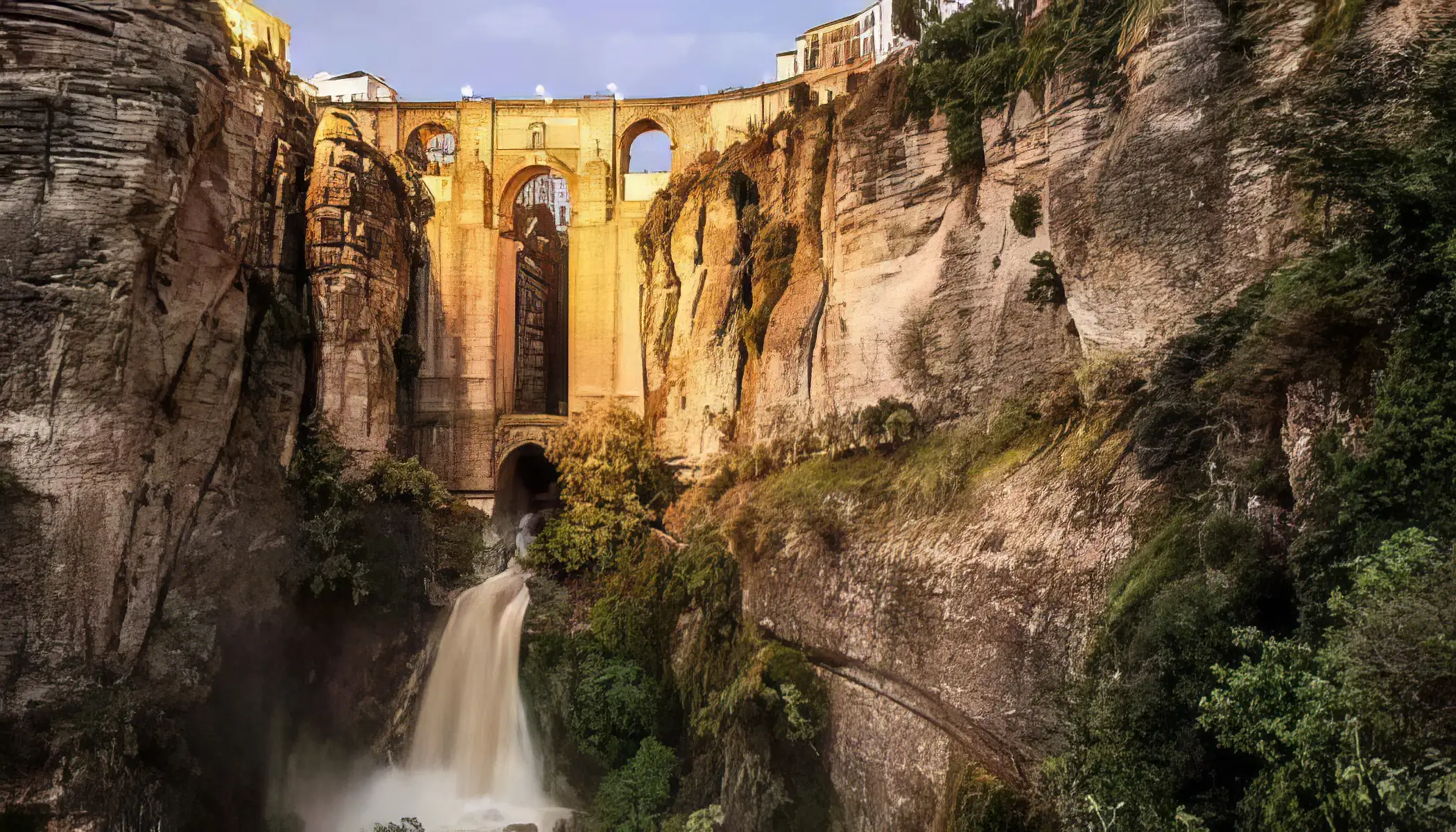
This city offers several interesting day trips within a short distance. Here are some suggestions:
– Ronda at 100 km: A historic town known for its dramatic cliffs and the Puente Nuevo bridge.
– Nerja at 55 km: Famous for its remarkable caves and the Balcón de Europa viewpoint.
– Antequera at 50 km: Home to ancient dolmens and the impressive El Torcal natural park.
– Marbella at 60 km: A popular resort town with beautiful beaches and a charming old town.
– Mijas at 35 km: A charming white-washed village with narrow streets and panoramic views.
Attraction
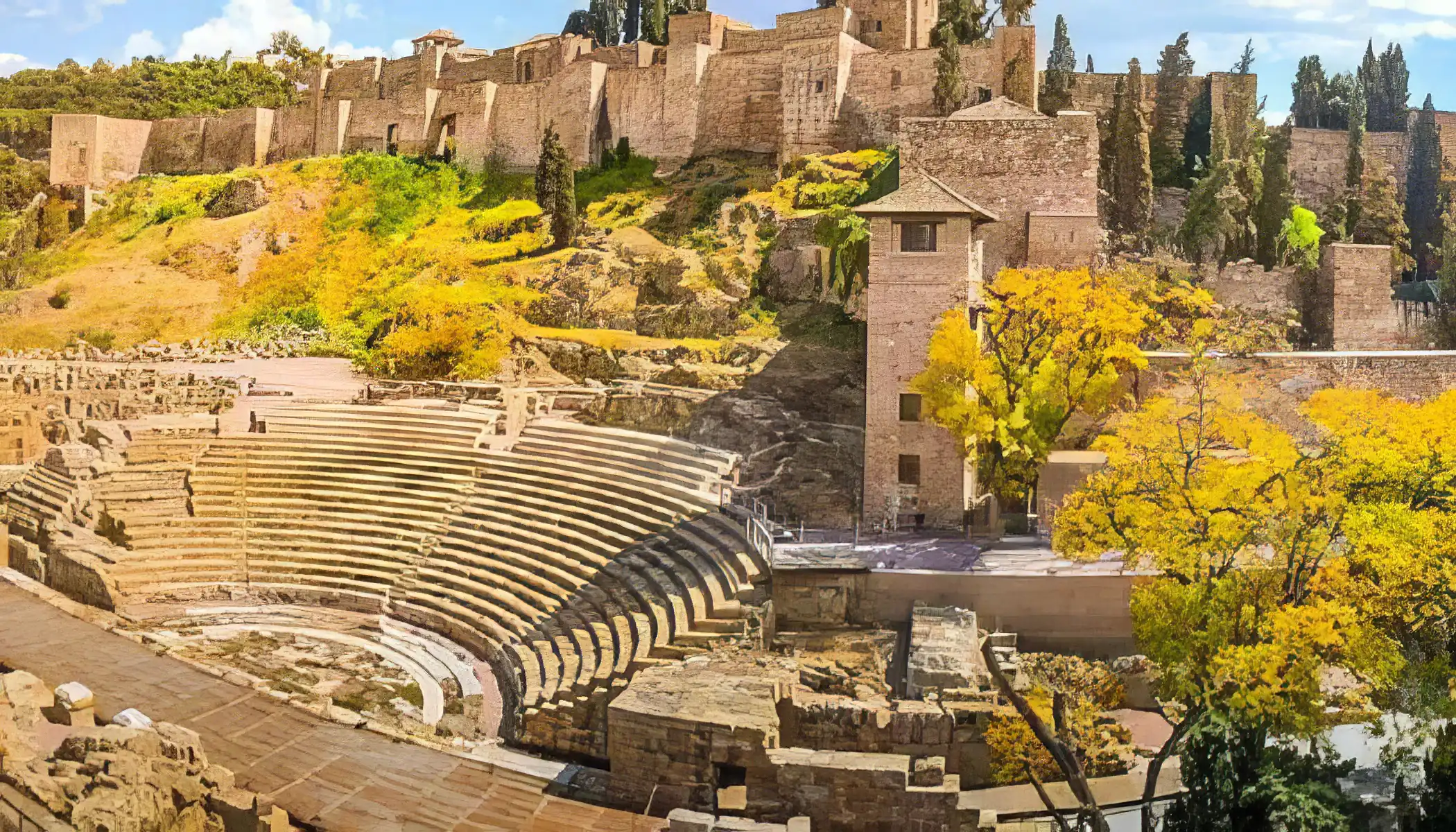
This city is known for its rich history, beautiful beaches, and animated culture.
– Alcazaba: A well-preserved Moorish fortress offering fascinating views and historical insights.
– Picasso Museum: Dedicated to the famous artist, showcasing a vast collection of his works.
– Cathedral: Known as "La Manquita," this Renaissance-style cathedral is a key architectural landmark.
– Roman Theatre: Ancient ruins that provide a glimpse into the city's Roman past.
– Malagueta Beach: A popular urban beach perfect for relaxation and water activities.
– Gibralfaro Castle: Offers panoramic views of the city and the Mediterranean Sea.
Activity
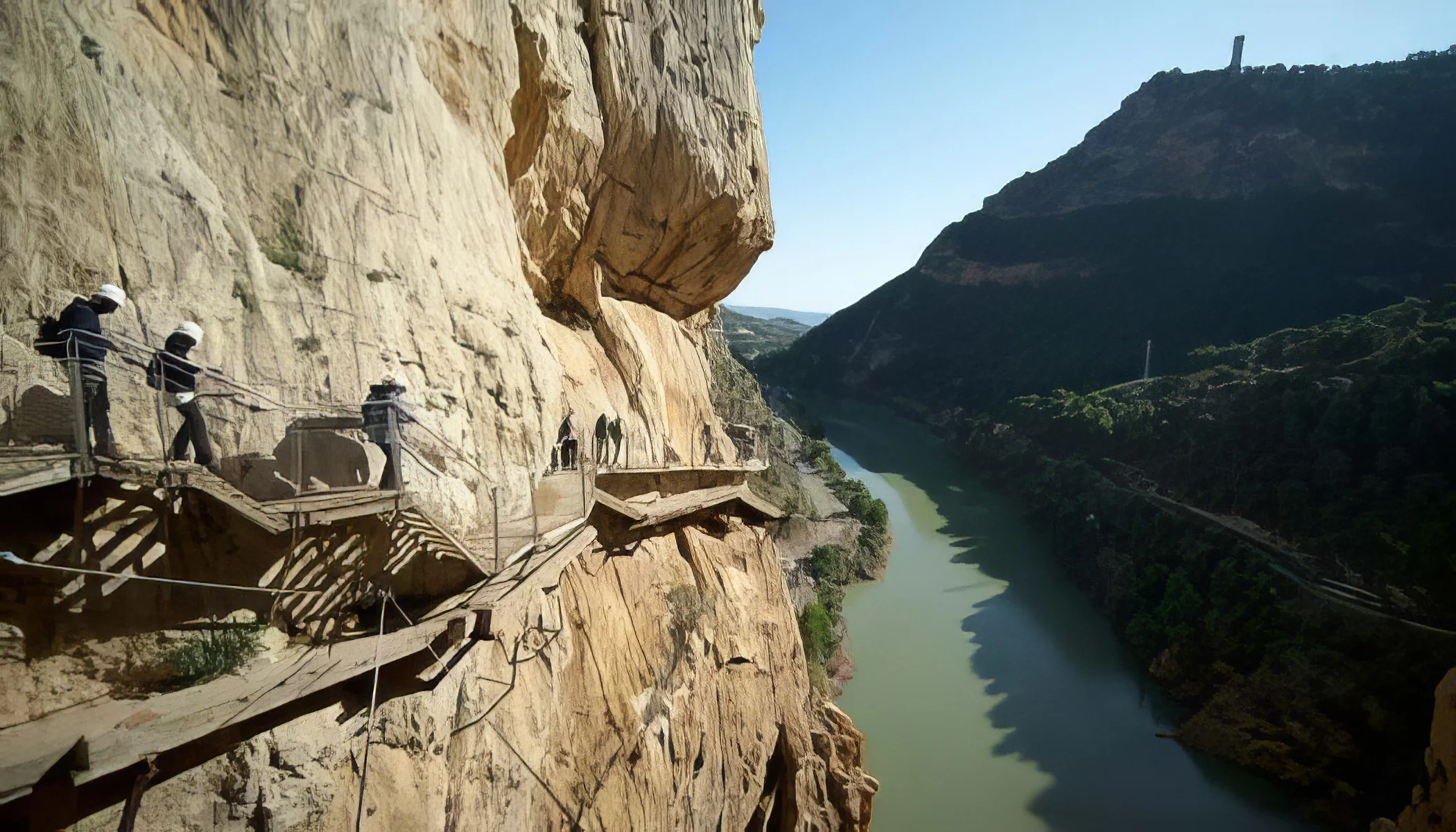
In Málaga, travelers can enjoy unique experiences blending history, culture, and natural beauty.
– Caminito del Rey: Walk the famous narrow pathway along steep cliffs.
– Malaga Segway Tours: Explore the city on a guided Segway tour.
– El Torcal De Antequera: Visit unique bright rock formations in a natural park.
– Flamenco Show: Experience traditional Spanish dance and music performances.
– Málaga Wine Tours: Discover local wines and vineyards in the region.
Cuisine

The city offers a rich culinary experience with a mix of traditional Andalusian flavors and fresh seafood. Local markets and tapas bars are popular spots to enjoy these dishes:
– Espeto de Sardinas: Skewered sardines grilled over an open flame, often enjoyed on the beach.
– Gazpacho: Cold tomato-based soup with cucumber, peppers, and garlic, perfect for hot days.
– Ajoblanco: Chilled almond and garlic soup, typically served with grapes or melon.
– Fritura Malagueña: Assorted fried fish, including anchovies, squid, and shrimp, lightly battered and crispy.
– Porra Antequerana: Thick tomato and bread-based cold soup, garnished with hard-boiled eggs and ham.
– Tarta Malagueña: Almond cake flavored with sweet wine and often topped with raisins.
Shopping
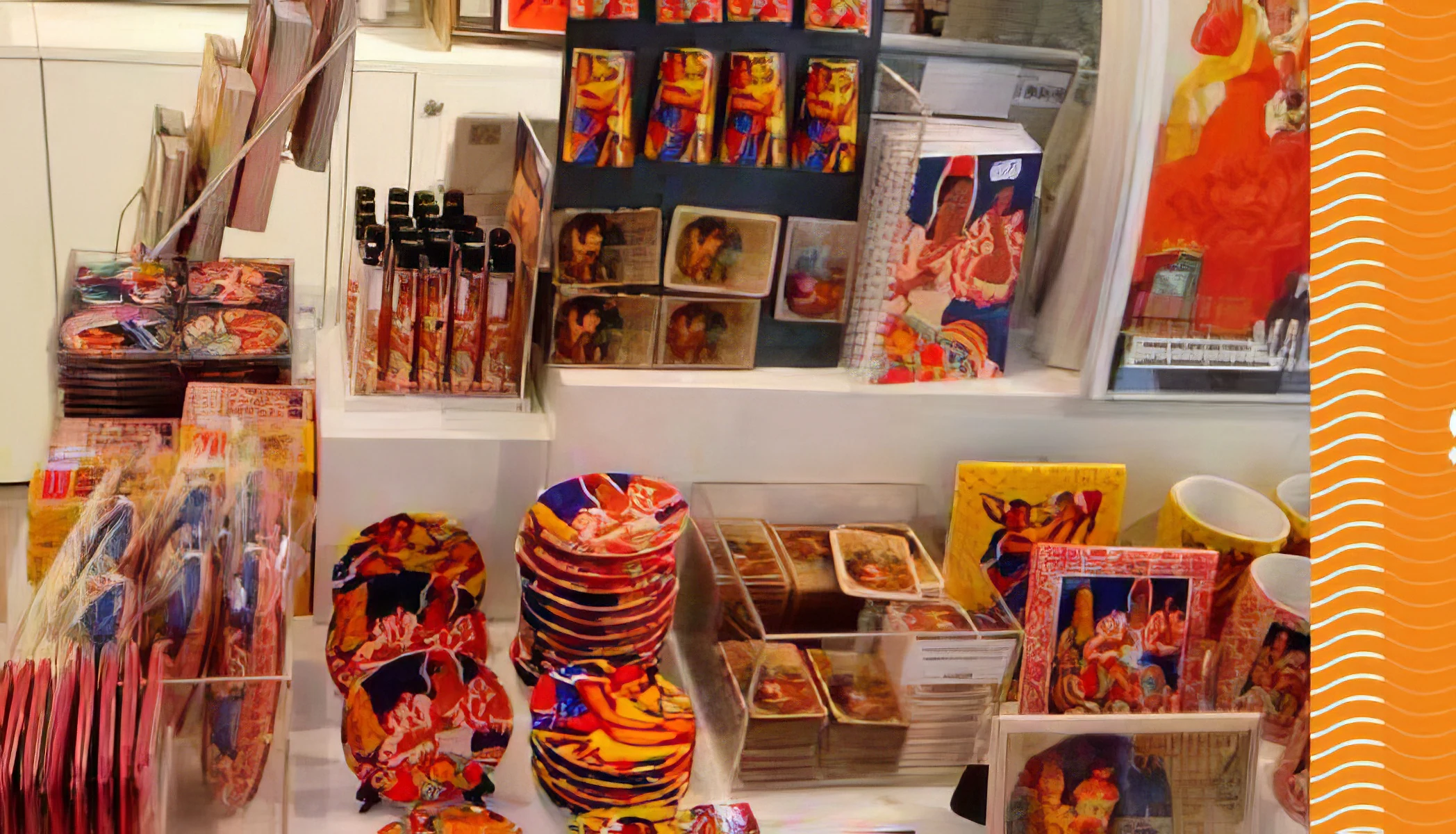
For a unique shopping experience, visit the historic Atarazanas Market, where you can explore local produce and artisanal goods. Calle Larios is ideal for fashion and brand-name shopping. Consider purchasing hand-painted ceramics or local wines as gifts, both of which reflect the region's rich cultural heritage. The nearby Muelle Uno offers a modern shopping experience by the sea, with a variety of shops and eateries. For a more traditional gift, pick up some handcrafted espadrilles or a jar of locally made olive oil.
Arts & Culture
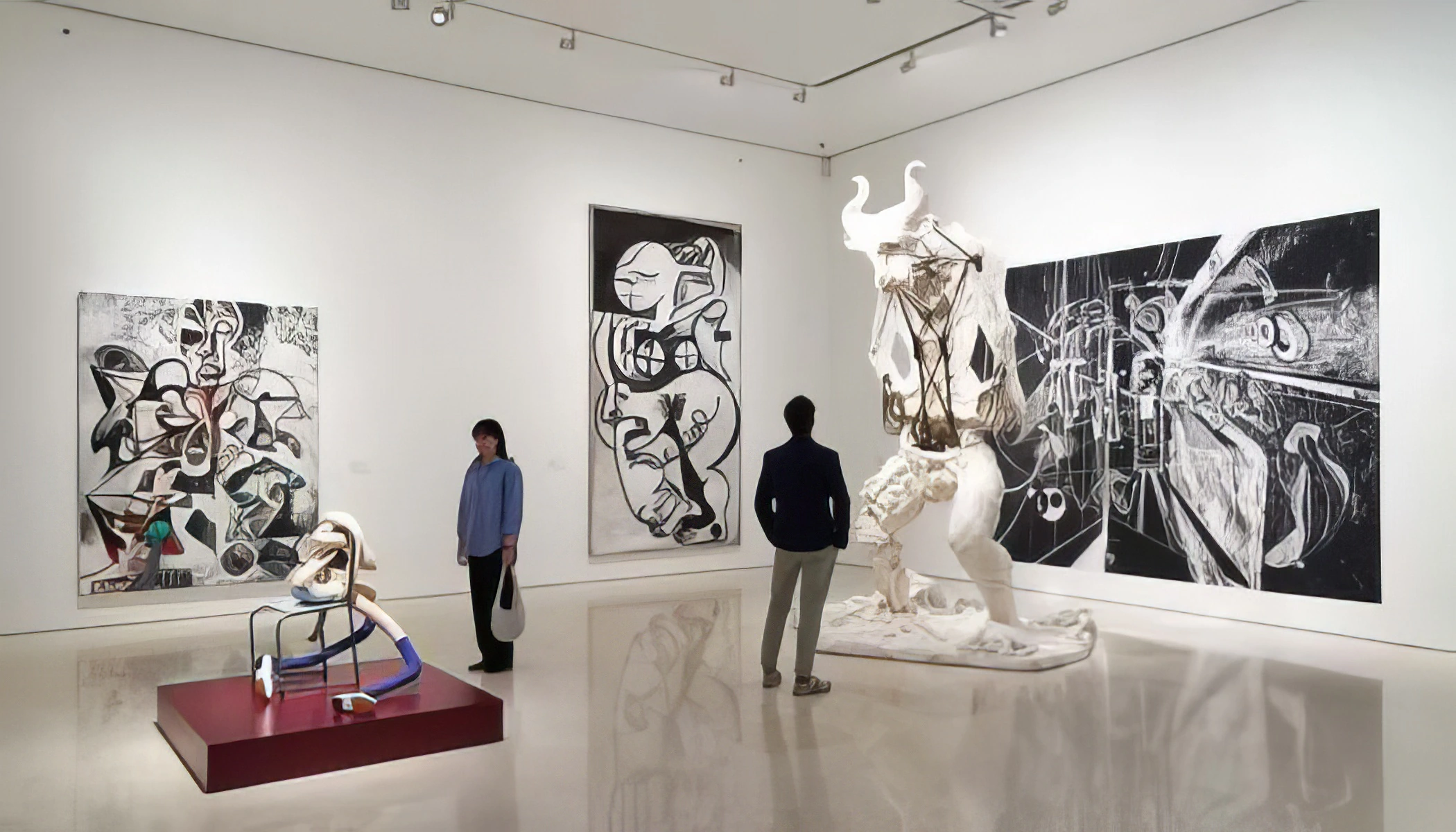
The city hosts the Picasso Museum, dedicated to the works of Pablo Picasso, who was born here. It also features the Centre Pompidou, a branch of the famous Parisian museum, showcasing modern and contemporary art. The annual Málaga Film Festival is a significant event, celebrating Spanish cinema. Additionally, the Carmen Thyssen Museum offers an extensive collection of 19th-century Spanish paintings.