

Malbork Travel Guide: Tourist Places & Activities
Located on the Nogat River, this town is renowned for its massive 13th-century Teutonic castle, one of the largest brick fortresses in the world, now a UNESCO World Heritage site.
- Train Station
- Malbork Główny
- Est. Visit Days
- 1 day
Overview
Malbork, located in northern Poland, is renowned for its impressive medieval castle, a UNESCO World Heritage site and one of the largest brick castles in Europe. The city offers a rich historical experience, particularly for those interested in the Teutonic Order and medieval history. However, Malbork can be quite crowded with tourists, which might detract from the experience, especially during peak seasons. The city's tourism infrastructure is somewhat limited beyond the castle, which could potentially leave visitors with fewer activities. Despite this, Malbork's castle and historical significance make it a worthwhile destination for history enthusiasts.
Traffic & Transport
The city's compact size and well-maintained roads make it ideal for exploring on foot, especially in the historic center where many of the main attractions are located. For longer distances, buses are available and provide a cost-effective way to navigate the area. Bicycles can also be a great option, offering flexibility and the opportunity to enjoy the scenic routes at your own pace. However, it's important to note that traffic can be heavier during peak tourist seasons, so planning your travel times accordingly can help avoid delays. For those preferring taxi services, several reliable taxi companies operate in the city. Additionally, the use of taxi-booking apps like Uber provides a convenient and efficient way to secure a ride, with the added benefit of transparent pricing and ease of payment through the app.
History
Originally founded by the Teutonic Order in the 13th century, the city was established as a fortress to secure their control over the region. It became a significant center for the Teutonic Knights, who used it as their headquarters for nearly 150 years. The city's history is closely tied to the Teutonic Order's conflicts, including the Battle of Grunwald in 1410, which marked a turning point in their power. Following the secularization of the Order in the 16th century, the city came under Polish rule and became a vital part of the Kingdom of Poland. Its cultural heritage reflects both its Teutonic past and its subsequent integration into the Polish-Lithuanian Commonwealth.
Itinerary Sample
Explore the historic city of Malbork, Poland, with this one-day itinerary designed to cover key attractions efficiently.
– Morning: Visit Malbork Castle, the largest castle in the world by land area, and explore its museums and exhibitions.
– Afternoon: Stroll through the town, visit the Malbork Castle Museum's second site, and enjoy local dining.
– Evening: Walk along the Nogat River for scenic views and relaxation.
Near Excursion
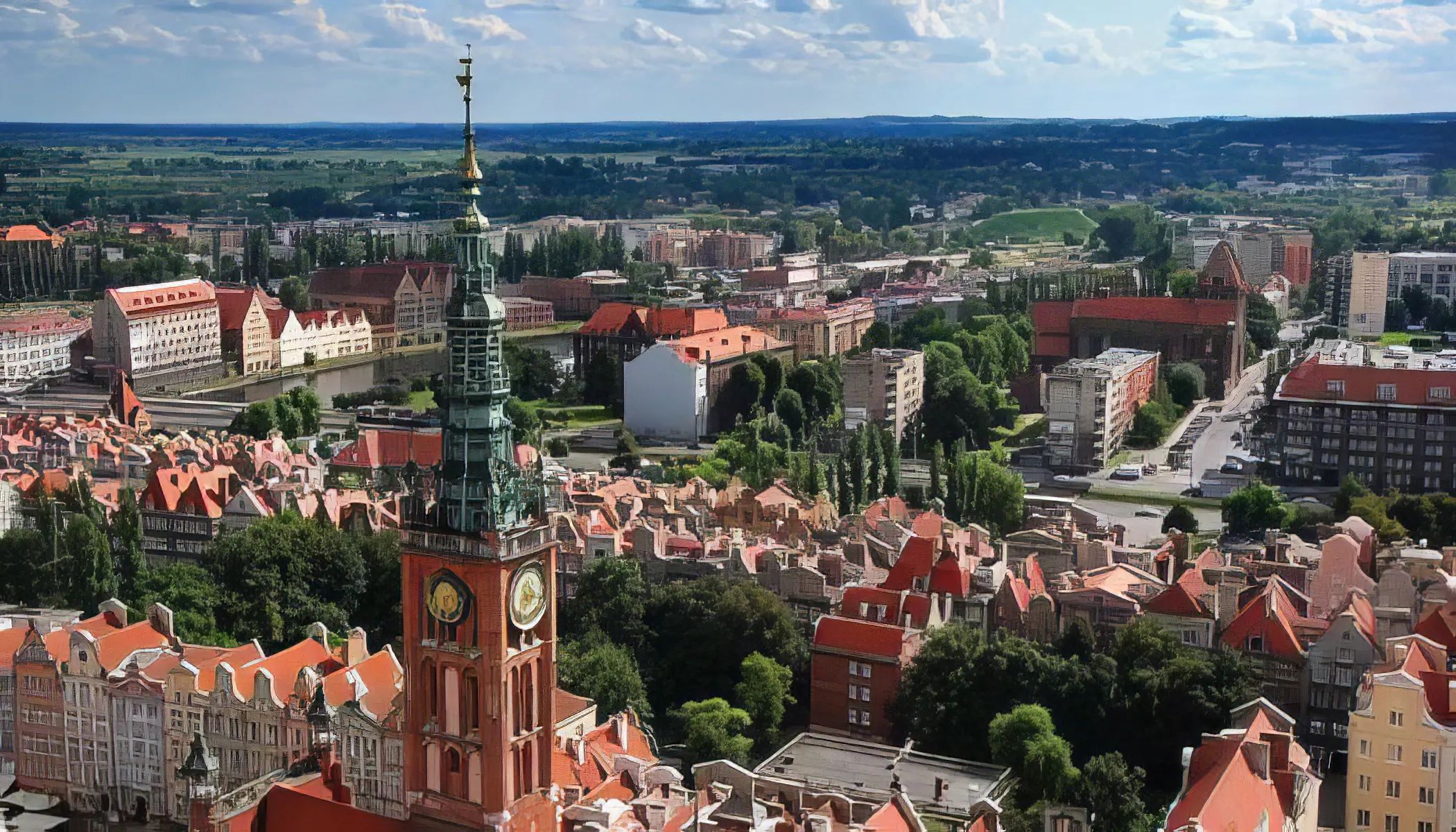
This city is a great starting point for several exciting day trips. Here are some suggestions:
– Gdańsk at 60 km: A historic port city with beautiful architecture and rich maritime history.
– Sopot at 75 km: A seaside resort town known for its long wooden pier and sandy beaches.
– Elbląg at 30 km: A city with a reconstructed old town and the unique Elbląg Canal.
– Frombork at 80 km: Famous for its cathedral and the former residence of astronomer Copernicus.
– Kwidzyn at 35 km: Home to a medieval castle and the unique combination of a cathedral and castle complex.
Attraction
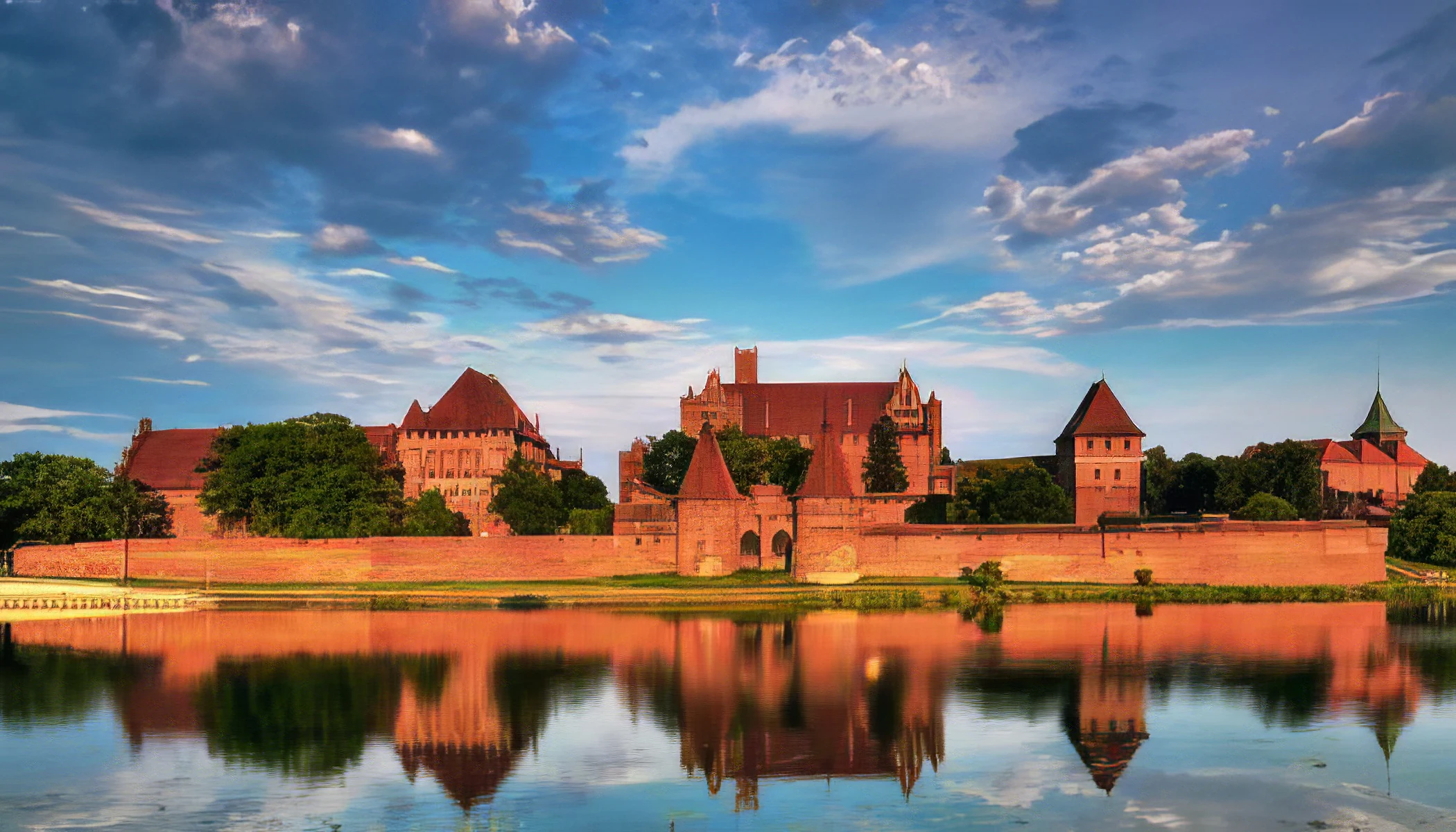
The city is best known for its medieval architecture and historical significance.
– Malbork Castle: A UNESCO World Heritage site and the largest brick castle in the world.
– St. John's Church: A historic Gothic church with beautiful stained glass windows.
– Malbork Castle Museum: Offers extensive exhibits on the history of the castle and the Teutonic Knights.
– Nogat River: Ideal for boat trips and scenic views of the castle.
– Dinosaur Park: A family-friendly attraction with life-sized dinosaur models and educational exhibits.
– Skwer Esperanto: A peaceful park perfect for a relaxing walk or picnic.
Activity
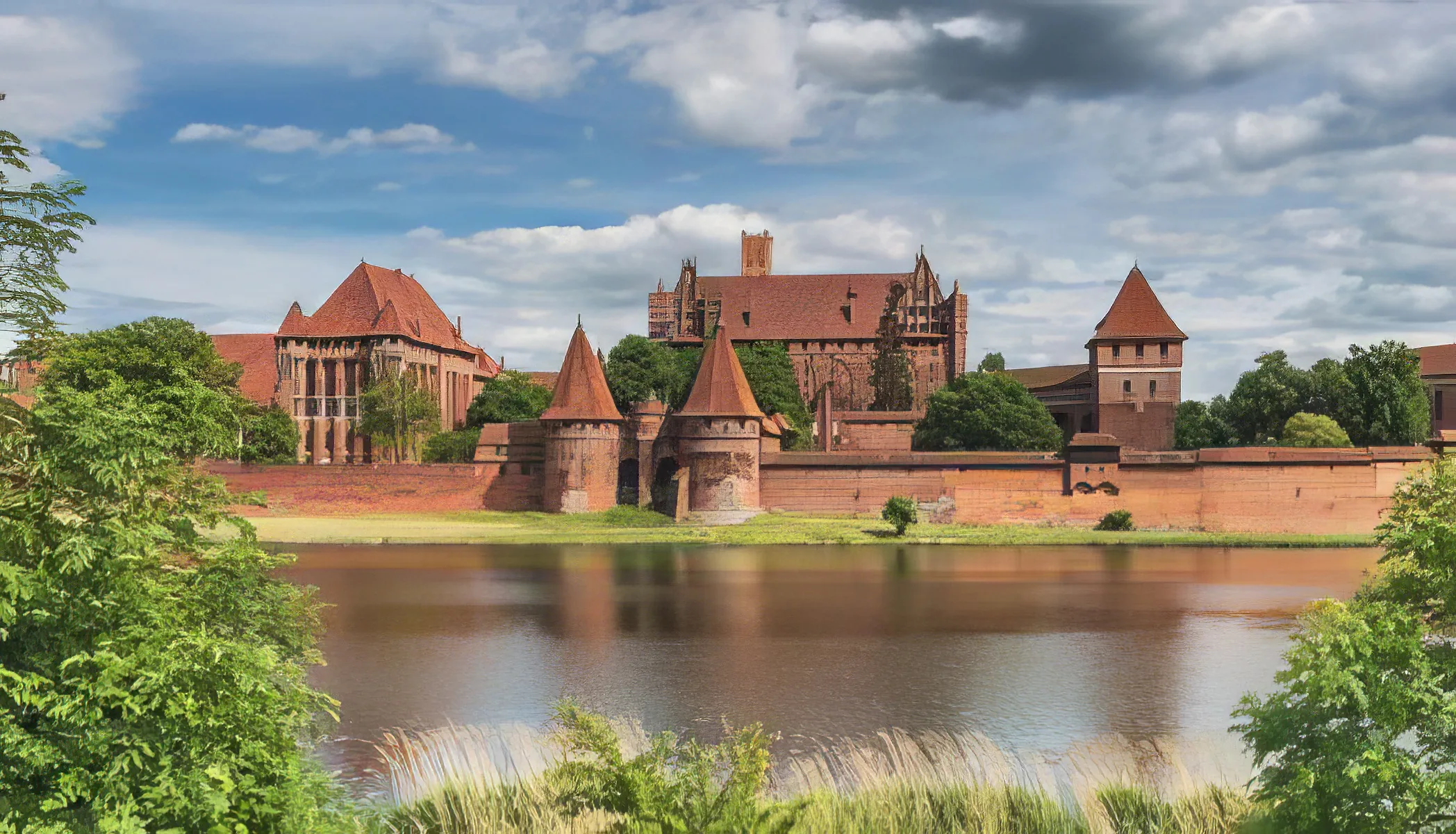
In Malbork, travelers can explore the impressive medieval castle and enjoy unique river cruises.
– Kayaking on the Nogat River: Paddle through scenic landscapes and see the castle from a different perspective.
– Teutonic Castle guided tour: Learn about the history and architecture of the largest brick castle in the world.
– Nogat River boat trip: Relax on a boat while admiring the castle and surrounding nature.
– Malbork Brewery visit: Taste local craft beers and learn about traditional brewing methods.
– Malbork Forest hiking: Enjoy peaceful walks in the nearby forest with various trails and wildlife.
Shopping
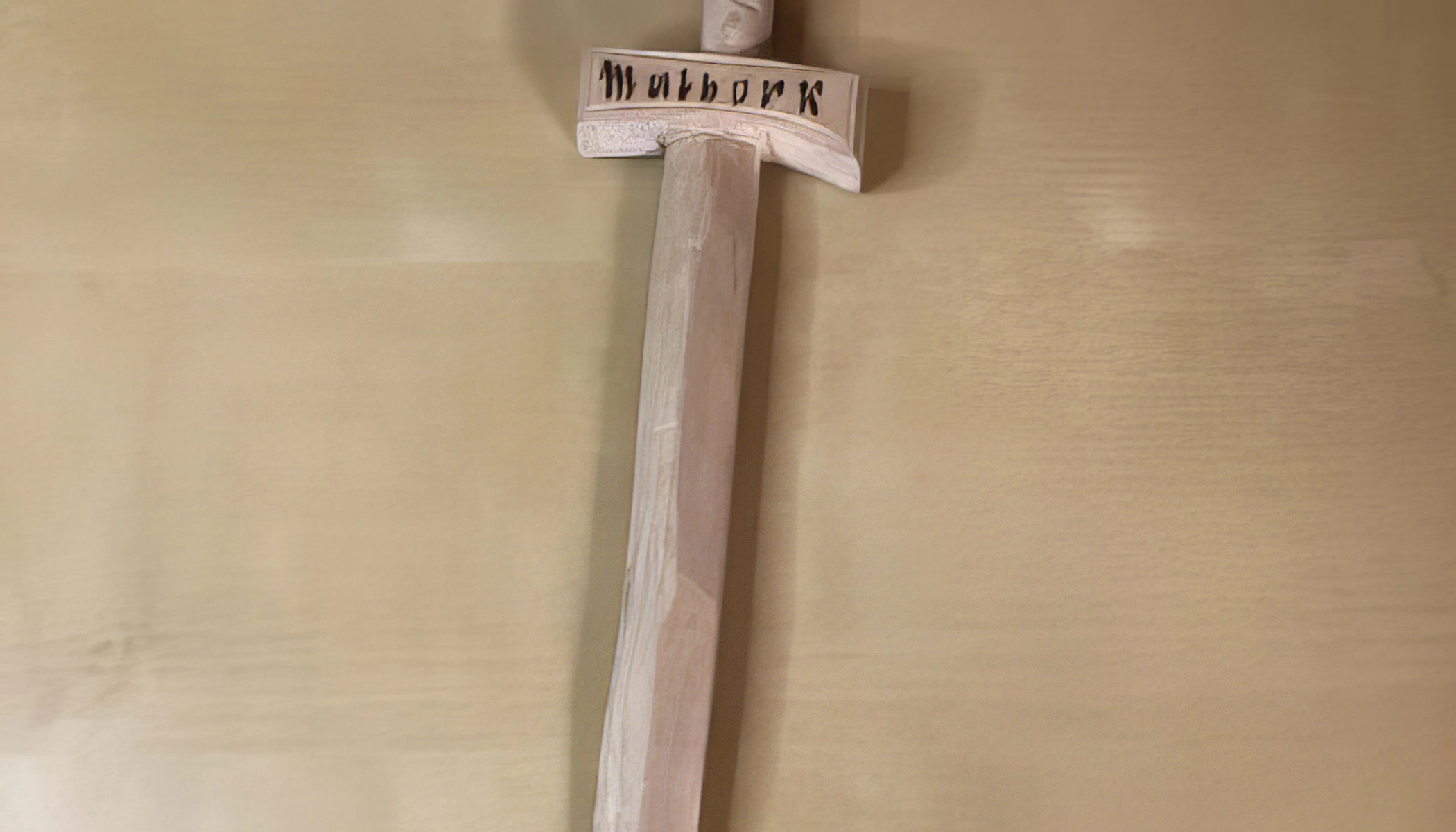
In the city, the best shopping experience for a tourist is often centered around its historical significance. A recommended gift to purchase is a replica of the Teutonic Knights' artifacts or medieval-themed souvenirs, which reflect the city's rich medieval history. Local amber jewelry, another popular gift item, showcases the region's natural resources. Handcrafted items and traditional Polish crafts are also available in local shops, providing a unique take-home memory. These items are not only reflective of the area's culture but also support local artisans.
Arts & Culture
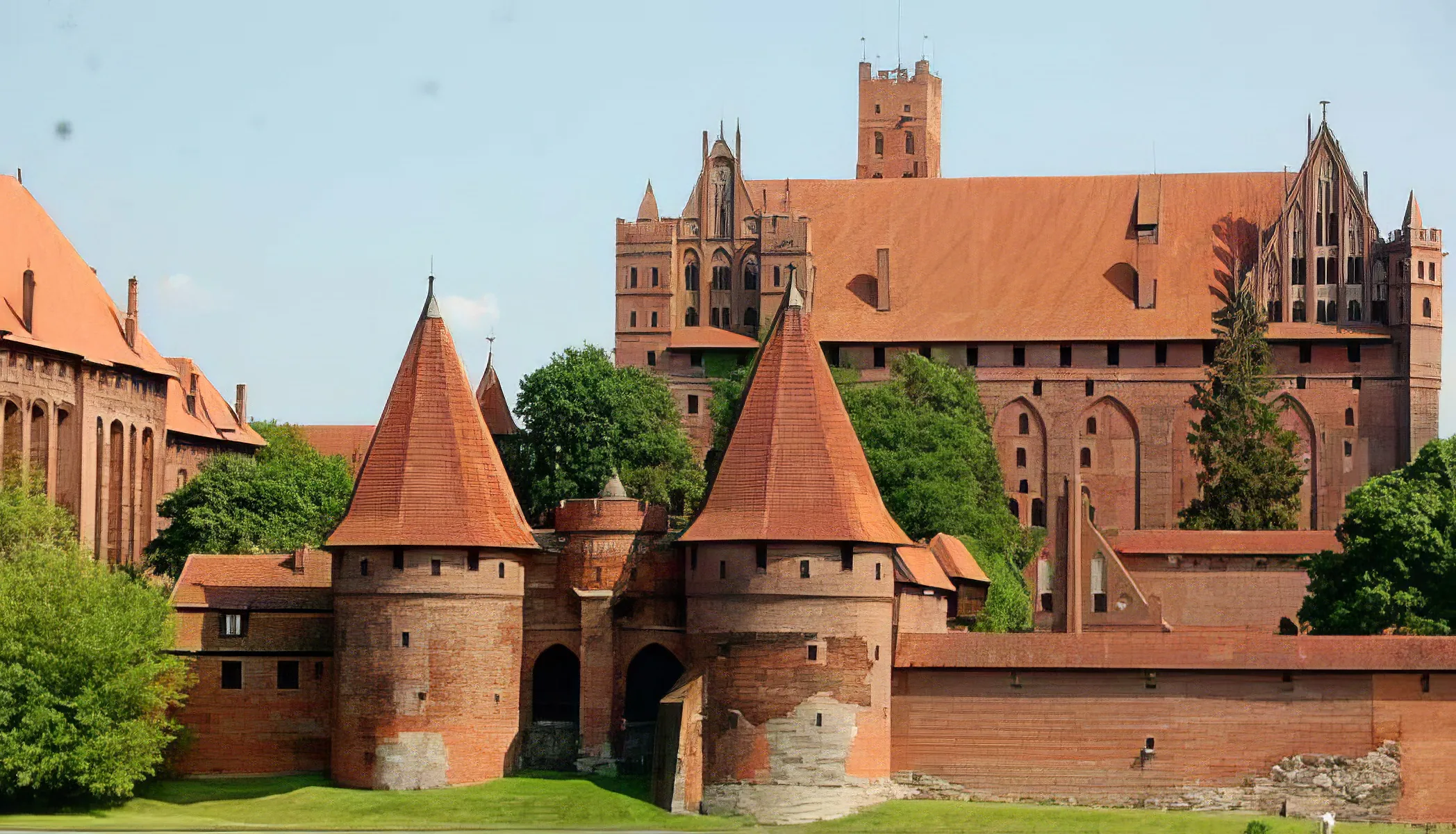
The city is renowned for its Castle, a stunning example of medieval architecture that hosts various cultural events, including historical reenactments and a famous light and sound show. The castle also serves as a venue for art exhibitions and classical music concerts throughout the year. Additionally, the city celebrates the Siege of the Castle festival, which recreates medieval life with crafts, knight tournaments, and old music. This festival is a significant cultural highlight that attracts numerous visitors interested in history and the arts.