

Sightseeing in Mandalay: Culture & Must‑See Spots
This city is the second largest in the country and serves as a cultural and historical center. It features notable landmarks such as ancient temples, monasteries, and the royal palace, reflecting its rich heritage and importance in local history.
- Population
- 1.2 millions
- Airport
- Mandalay International – Int'l
- Train Station
- Mandalay Station.
- Est. Visit Days
- 3 days
Overview
Mandalay is the second-largest city in Myanmar and serves as a cultural and economic hub. Pros include its rich history, numerous temples, and proximity to attractions like the ancient city of Amarapura and Mandalay Hill. However, cons include limited infrastructure, traffic congestion, and air pollution. The city can be quite hot during the summer months, which may affect travel comfort. Overall, Mandalay offers a unique glimpse into Myanmar's heritage but comes with some challenges for visitors.
Traffic & Transport
The city features a mix of roadways and waterways, making it relatively easy to navigate. The best means of transport for tourists includes bicycles, motorbikes, and trishaws, which allow for an intimate exploration of the local sights. Public buses also serve various routes throughout the city but may be less convenient for those unfamiliar with the area. Walking is another popular option, particularly in the more compact neighborhoods. For reliable taxi services, local companies such as "Mandalay Taxi" provide safe transportation options. Additionally, ride-hailing apps like Grab can be used to book taxis conveniently through your smartphone.
History
This city was established in the mid-19th century as the last royal capital of Burma. It became a significant center for trade and commerce due to its strategic location along the Irrawaddy River. The British took control during the Second Anglo-Burmese War in 1885, leading to colonial rule. After gaining independence in 1948, it faced challenges including military rule and ethnic conflicts. The city remains a cultural hub, known for its monasteries, traditional crafts, and historical landmarks.
Itinerary Sample
Explore Mandalay's cultural and historical sites over three days.
– First day: Visit Mandalay Hill for sunrise, explore Mahamuni Pagoda, and tour the Royal Palace. End with a sunset at U Bein Bridge.
– Second day: Discover the ancient city of Amarapura, visit Sagaing Hill, and explore the local markets.
– Third day: Take a boat trip to Mingun to see the unfinished pagoda and the giant bell, then return to Mandalay for shopping or relaxation.
Near Excursion
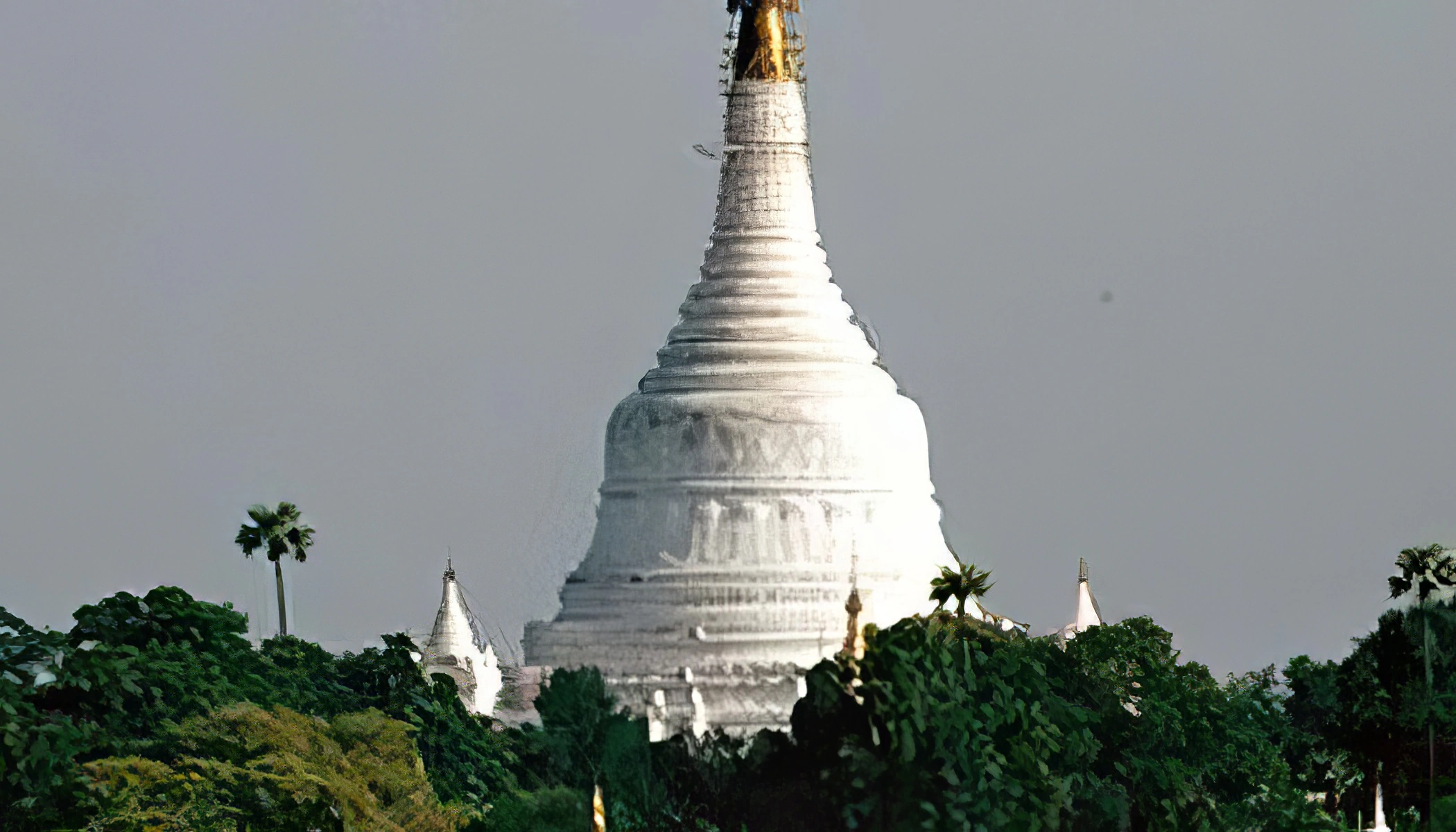
This city offers several interesting day-trip options for visitors. Here are a few suggestions:
– Mingun at 11 km: Visit the massive unfinished stupa and the world’s largest ringing bell.
– Sagaing at 20 km: Known for its numerous monasteries and handsome hilltop views of pagodas.
– Amarapura at 11 km: Famous for U Bein Bridge, the longest teak bridge in the world.
– Innwa (Ava) at 21 km: Explore ancient ruins, monasteries, and quiet countryside by horse cart.
– Pyin Oo Lwin at 67 km: A former British hill station with botanical gardens and colonial architecture.
Attraction
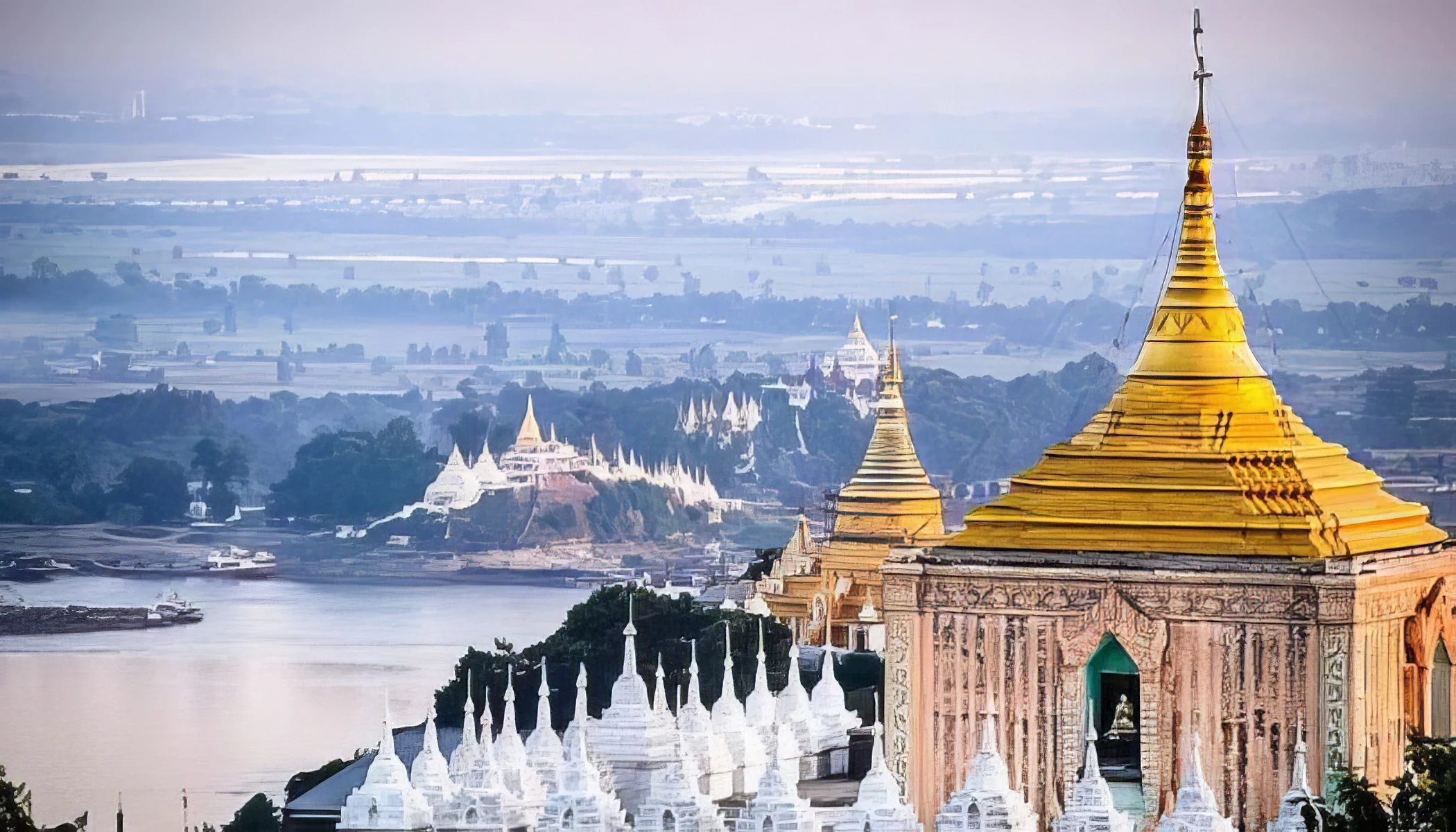
The city is known for its historical and cultural significance, featuring ancient sites and traditional crafts.
– Mandalay Palace: The last royal palace of the Burmese monarchy, surrounded by a moat and offering panoramic views from the watchtower.
– Mahamuni Pagoda: A revered Buddhist site housing a highly venerated statue covered in gold leaf applied by devotees.
– Kuthodaw Pagoda: Known as the "World's Largest Book," it features 729 marble slabs inscribed with Buddhist scriptures.
– U Bein Bridge: The world's longest teakwood bridge, ideal for watching beautiful sunsets over Taungthaman Lake.
– Shwenandaw Monastery: A historic monastery noted for its sophisticated teak carvings and as a former part of the royal palace complex.
– Mandalay Hill: Offers sweeping views of the city and is an important pilgrimage site with several pagodas along its path.
Activity
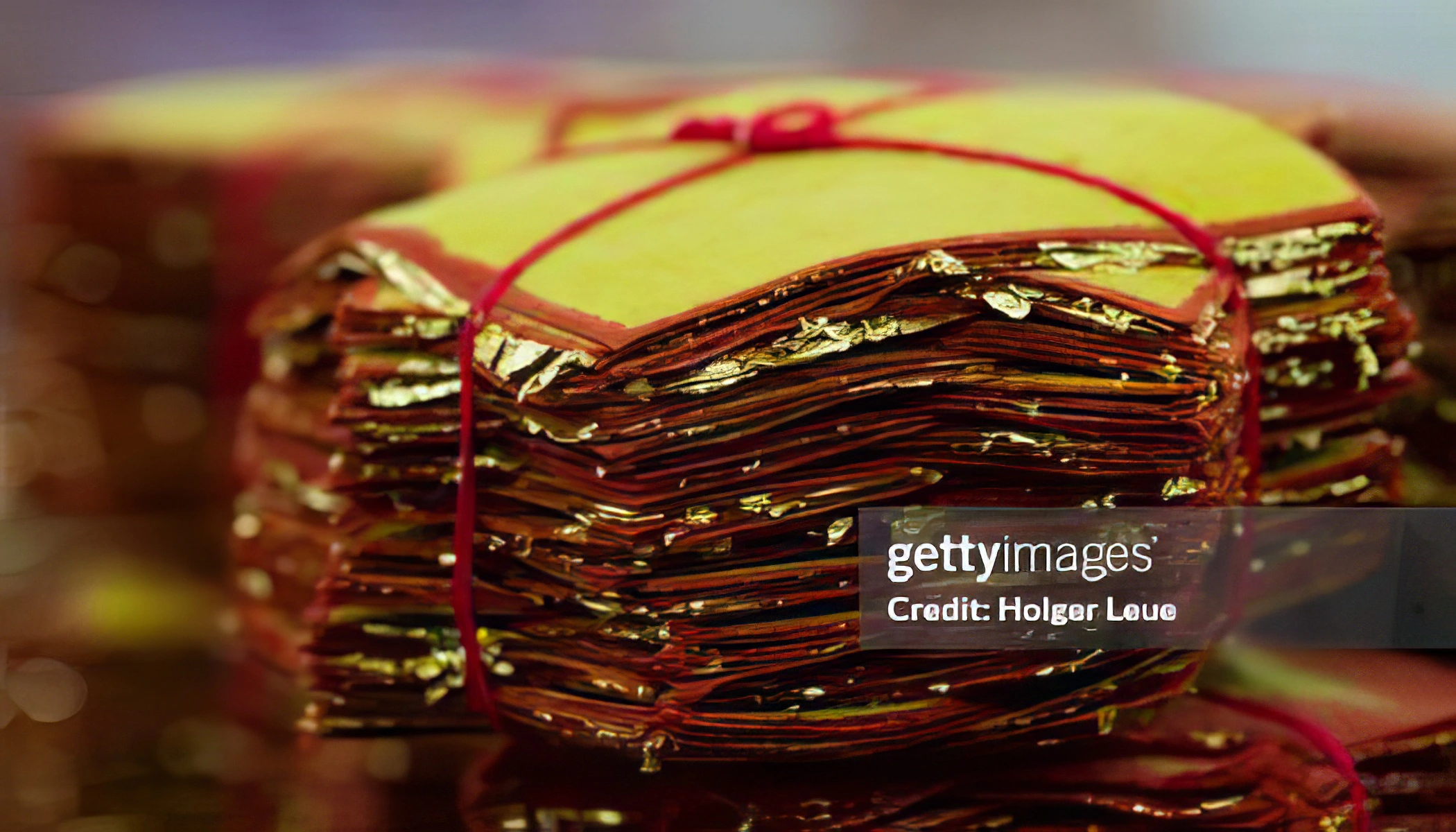
In Mandalay, travelers can explore cultural sites, enjoy scenic views, and engage in local traditions and experiences.
– U Bein Bridge: Walk or bike along this historic teak bridge for gorgeous sunset views over Taungthaman Lake.
– Mandalay Hill: Hike to the summit for panoramic city views and visit sacred pagodas along the way.
– Traditional Puppet Show: Watch a performance showcasing Myanmar’s unique puppetry art with traditional music and storytelling.
– Gold Leaf Workshop: Experience the craft of gold leaf making and try your hand at this traditional technique.
– Local Food Tour: Taste authentic Burmese cuisine by visiting local eateries and markets throughout the city.
Cuisine

The city offers a blend of traditional Myanmar cuisine with influences from Chinese and Indian flavors, often enjoyed at street stalls. Some of the city's most famous dishes include:
– Mohinga: A rice noodle fish soup flavored with lemongrass, ginger, and garlic.
– Shan Noodles: Rice noodles with savory broth, chicken or pork, and pickled vegetables.
– Laphet Thoke: Fermented tea leaf salad mixed with nuts, seeds, and cabbage.
– Ohn No Khao Swè: Coconut milk-based noodle soup with chicken, garnished with crispy noodles.
– Mont Lin Ma Yar: Crispy snacks made from rice flour batter filled with quail eggs or chickpeas.
– Shwe Yin Aye: A sweet dessert featuring coconut jelly, tapioca pearls, and bread soaked in coconut milk.
Shopping
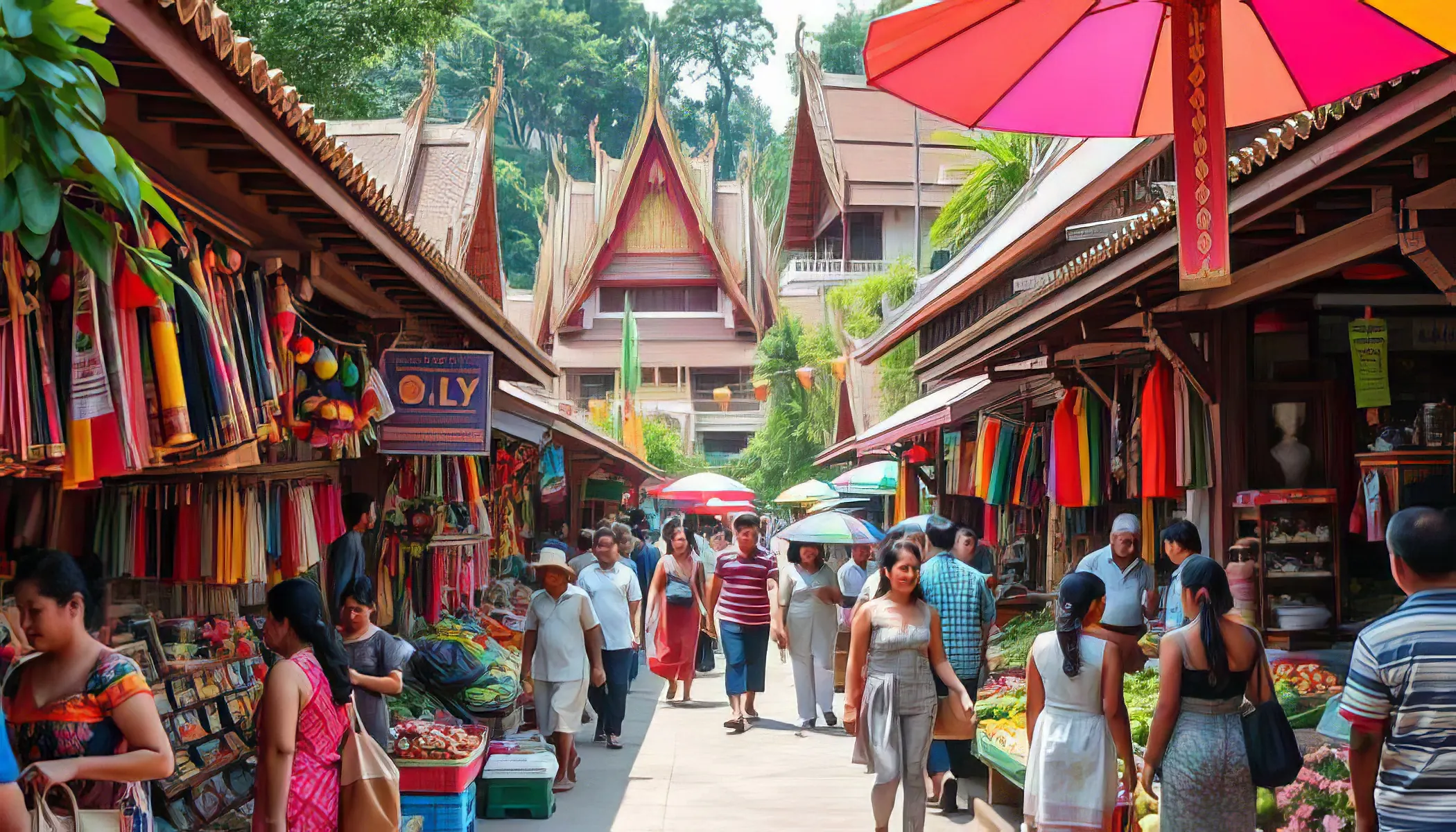
You can find traditional handicrafts, such as lacquerware and wood carvings. These items make unique gifts that reflect local culture. Markets often offer a variety of textiles, including silk and cotton products. Don't miss the chance to buy local jewelry made from gemstones. Bargaining is common, so be prepared to negotiate prices. Overall, there are several options for memorable souvenirs.
Arts & Culture
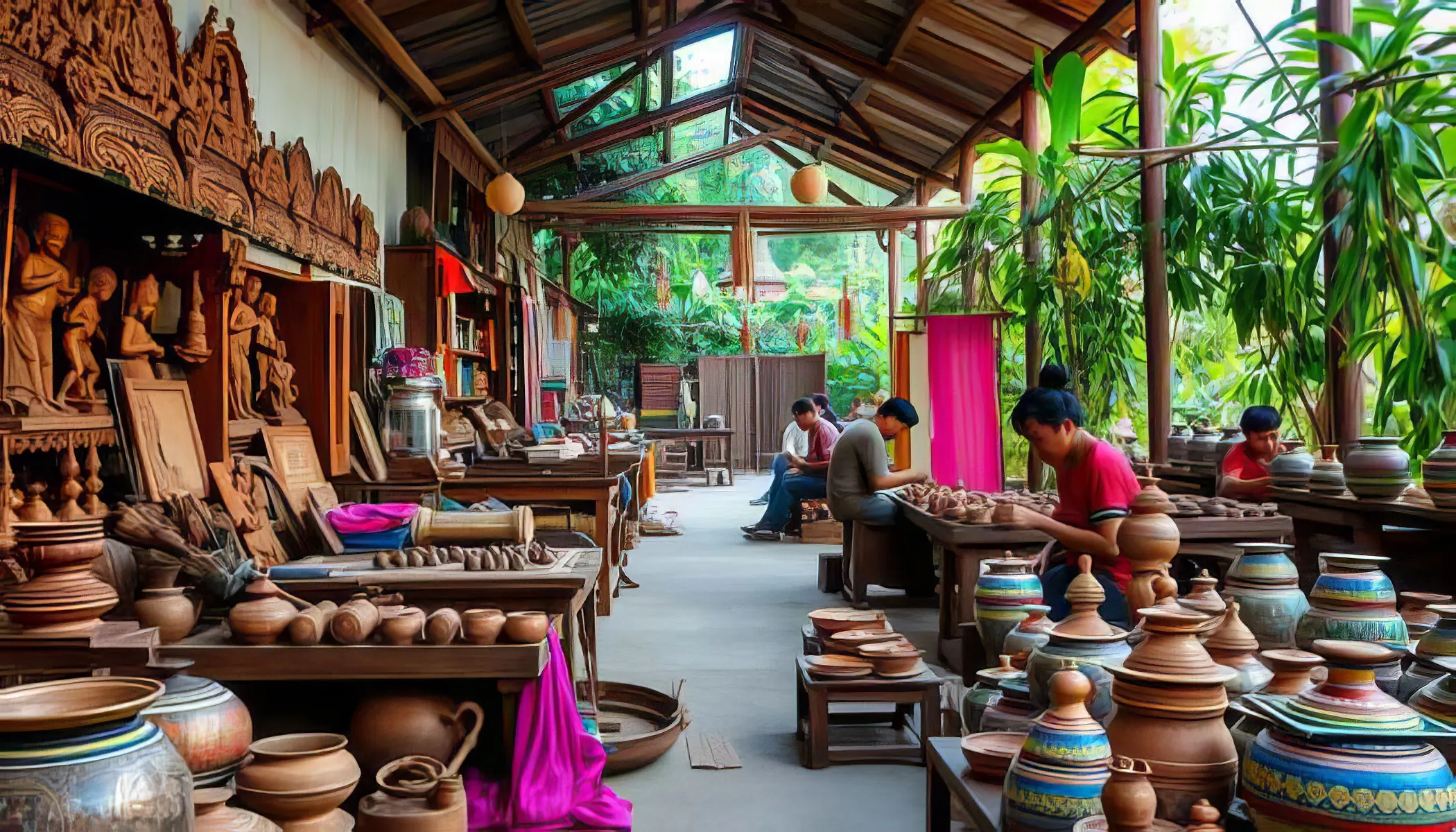
The city is known for its traditional arts, including sophisticated wood carvings and gold leaf work. The annual Mandalay Pagoda Festival showcases local culture through music, dance, and religious ceremonies. Traditional puppet shows are also a popular form of entertainment reflecting the region's storytelling heritage. Various monasteries and workshops offer insights into the craftsmanship of Buddhist art and architecture.