

Matsumoto: Best Things to Do & Top Attractions
Located in Nagano Prefecture, this city is renowned for its beautiful castle, which is a national treasure, and its proximity to the Japanese Alps, making it a popular base for mountain sports and cultural tourism.
- Population
- 240,000
- Airport
- Matsumoto – domestic
- Train Station
- Matsumoto Station
- Est. Visit Days
- 2 days
Overview
Matsumoto, located in Nagano Prefecture, Japan, is renowned for its well-preserved Matsumoto Castle, one of the country's oldest and most beautiful castles. The city also serves as a gateway to the Japanese Alps, making it a hub for outdoor enthusiasts interested in hiking and skiing. Matsumoto's historic Nakamachi district offers a glimpse into the city's merchant past with its traditional storehouses and shops. However, the city can be quite crowded during the peak tourist seasons, which might detract from the experience. Additionally, Matsumoto's public transportation system, while efficient, may be somewhat limited for those looking to explore beyond the city center.
Traffic & Transport
The city's compact size and well-organized public transportation system make it easy for tourists to navigate and explore. The most convenient and efficient way to get around is by using the local buses, which cover all major attractions and areas of interest. Bicycles are also a popular option for those who prefer a more leisurely pace, and rental services are available near the train station. Walking is another excellent way to experience the city, especially in the central areas where many historic sites are clustered closely together. For those preferring taxi services, several reliable taxi companies operate in the city. Additionally, the use of taxi-booking apps like ** and ** provides a convenient option for securing a ride, offering both ease of booking and transparent pricing.
History
Historically, the city was a significant castle town during the Sengoku period in the 16th century, under the ownership of the powerful Ogasawara clan. The castle, originally built in 1504, is one of Japan's oldest and most beautiful, symbolizing the city's historical importance. It was a key strategic location during the unification of Japan under the Tokugawa shogunate. The city also developed as a post town on the Nakasendo highway, enhancing its economic and cultural influence. Throughout its history, it has been celebrated for its traditional arts and crafts, particularly its woodworking and performance arts.
Itinerary Sample
Explore Matsumoto over two days, focusing on its historic and natural highlights.
– First day: Visit Matsumoto Castle, explore Nakamachi Street, and enjoy local cuisine at Nawate Street.
– Second day: Travel to the Utsukushigahara Highlands, then visit the Japan Ukiyo-e Museum.
Near Excursion
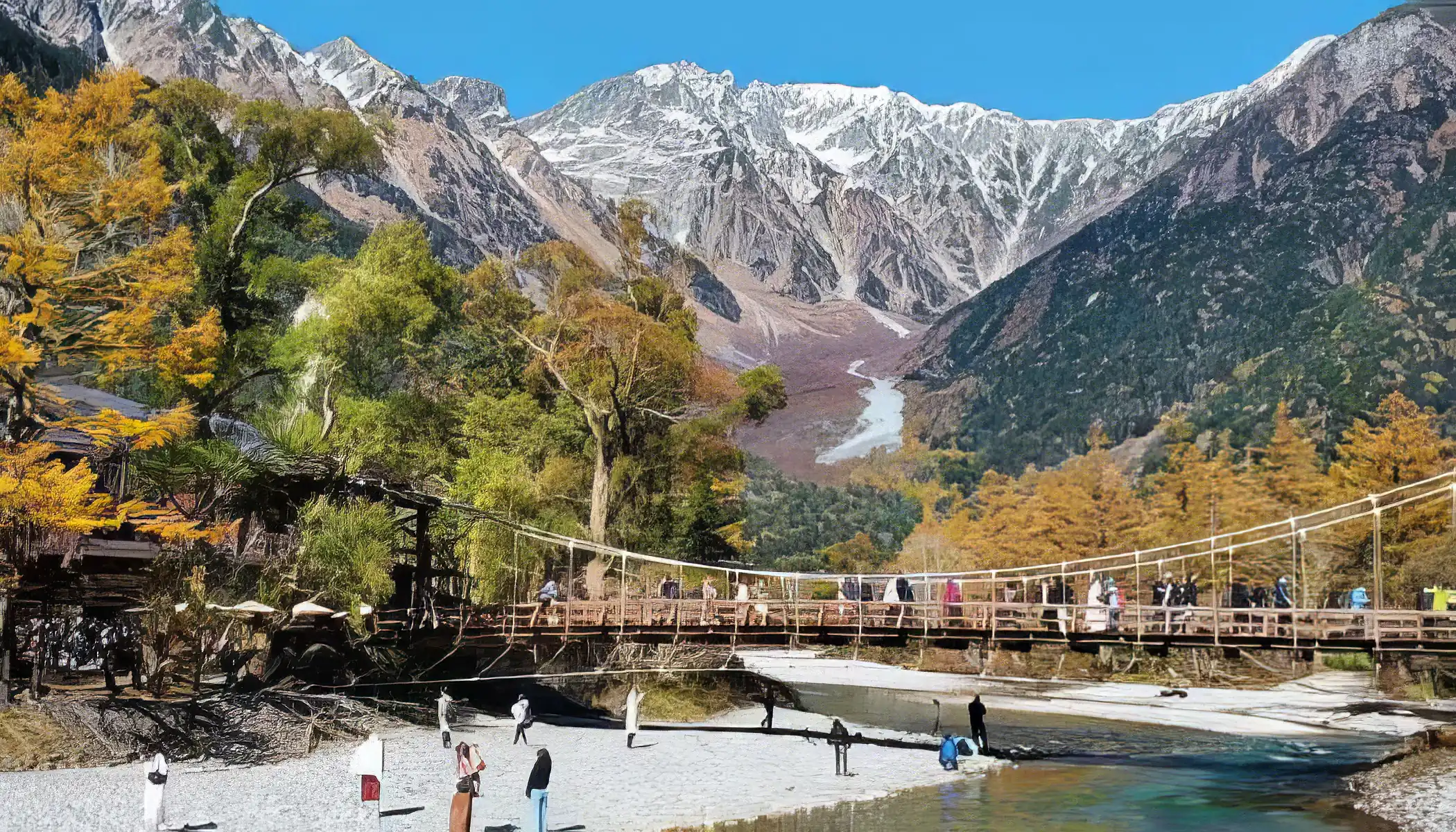
This city offers several interesting day trips within a short distance. Here are some suggestions:
– Kamikochi at 50 km: A scenic mountainous area ideal for hiking and enjoying nature.
– Takayama at 85 km: A well-preserved old town with traditional wooden houses and local markets.
– Norikura Kogen at 35 km: A highland area known for its beautiful waterfalls and hot springs.
– Suwa Lake at 30 km: A charming lake surrounded by hot springs and historical sites.
– Kiso Valley at 90 km: Famous for its well-preserved post towns and scenic hiking trails.
Attraction
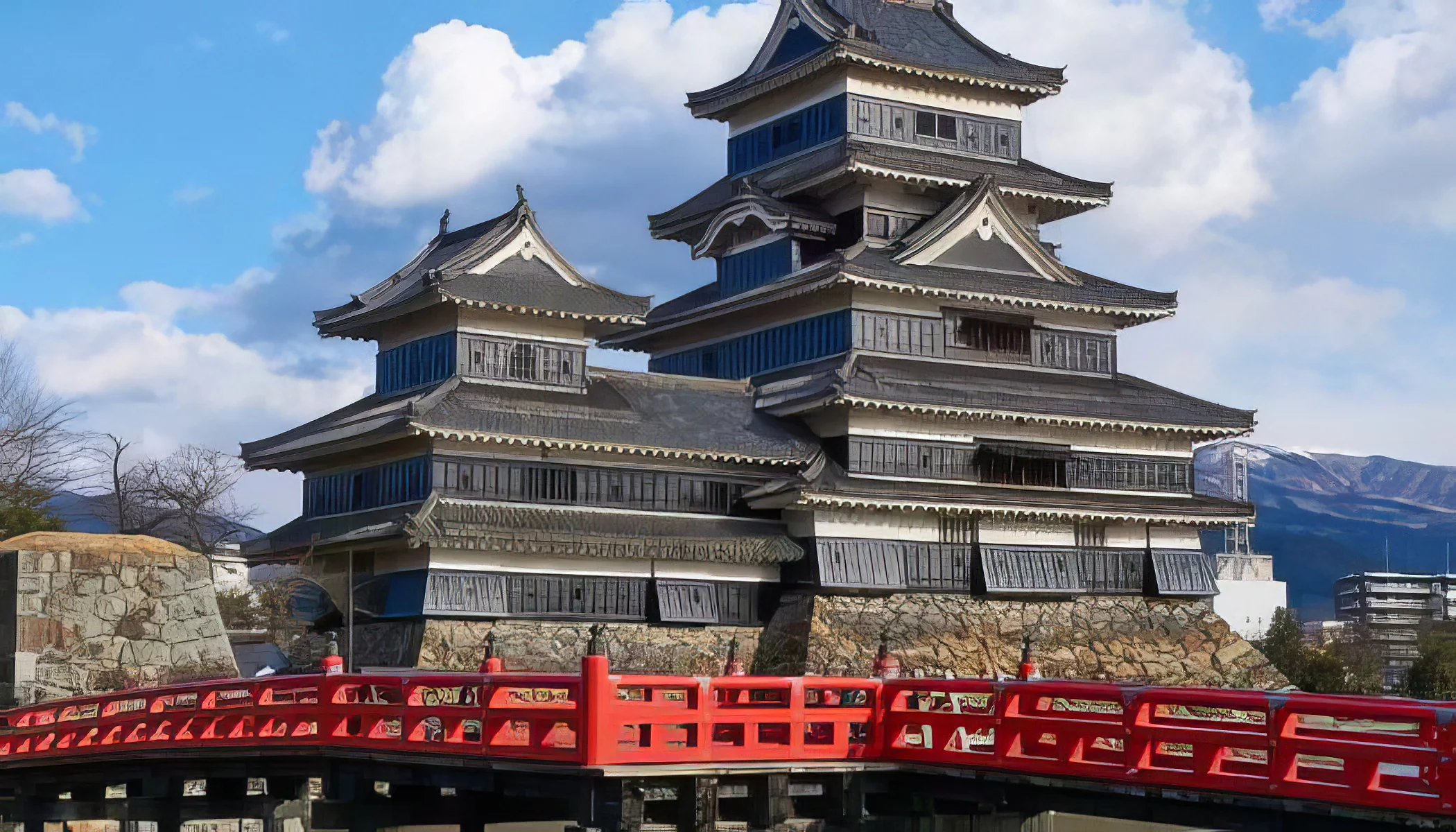
Known for its historic castle and beautiful natural surroundings, this city offers a mix of cultural and outdoor attractions.
– Matsumoto Castle: A well-preserved, historic castle known for its striking black exterior and scenic views.
– Nakamachi Street: A charming street lined with traditional Edo-period buildings, shops, and cafes.
– Japan Ukiyo-e Museum: Home to one of the largest collections of Japanese woodblock prints.
– Daio Wasabi Farm: One of the largest wasabi farms, featuring charming watermills and fields.
– Kamikochi: A nice mountainous area ideal for hiking and enjoying nature.
– Matsumoto City Museum of Art: Showcases contemporary art, including works by Yayoi Kusama.
Activity
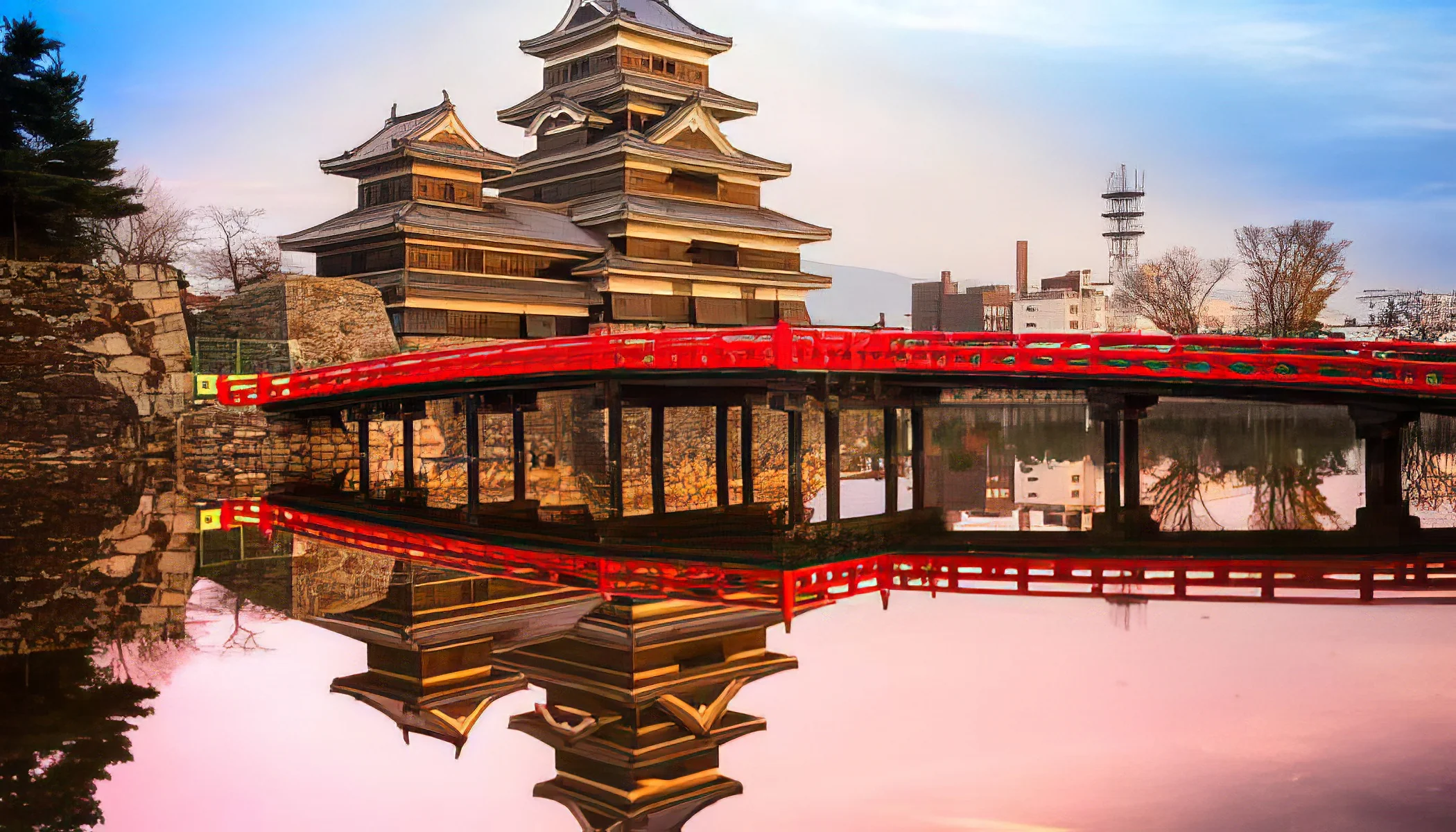
In Matsumoto, travelers can enjoy unique castle visits, scenic mountain hikes, and traditional craft workshops.
– Matsumoto Castle: Explore one of Japan's oldest and most beautiful original castles.
– Kamikochi: Hike in the handsome Chubu Sangaku National Park with mountain views and clear rivers.
– Wasabi Farm: Visit Daio Wasabi Farm to see how wasabi is grown and try wasabi-flavored snacks.
– Hot Springs: Relax in the hot springs of Shibu Onsen, known for its historic charm and snow monkeys.
– Soba Making: Learn to make soba noodles in a hands-on workshop.
Cuisine
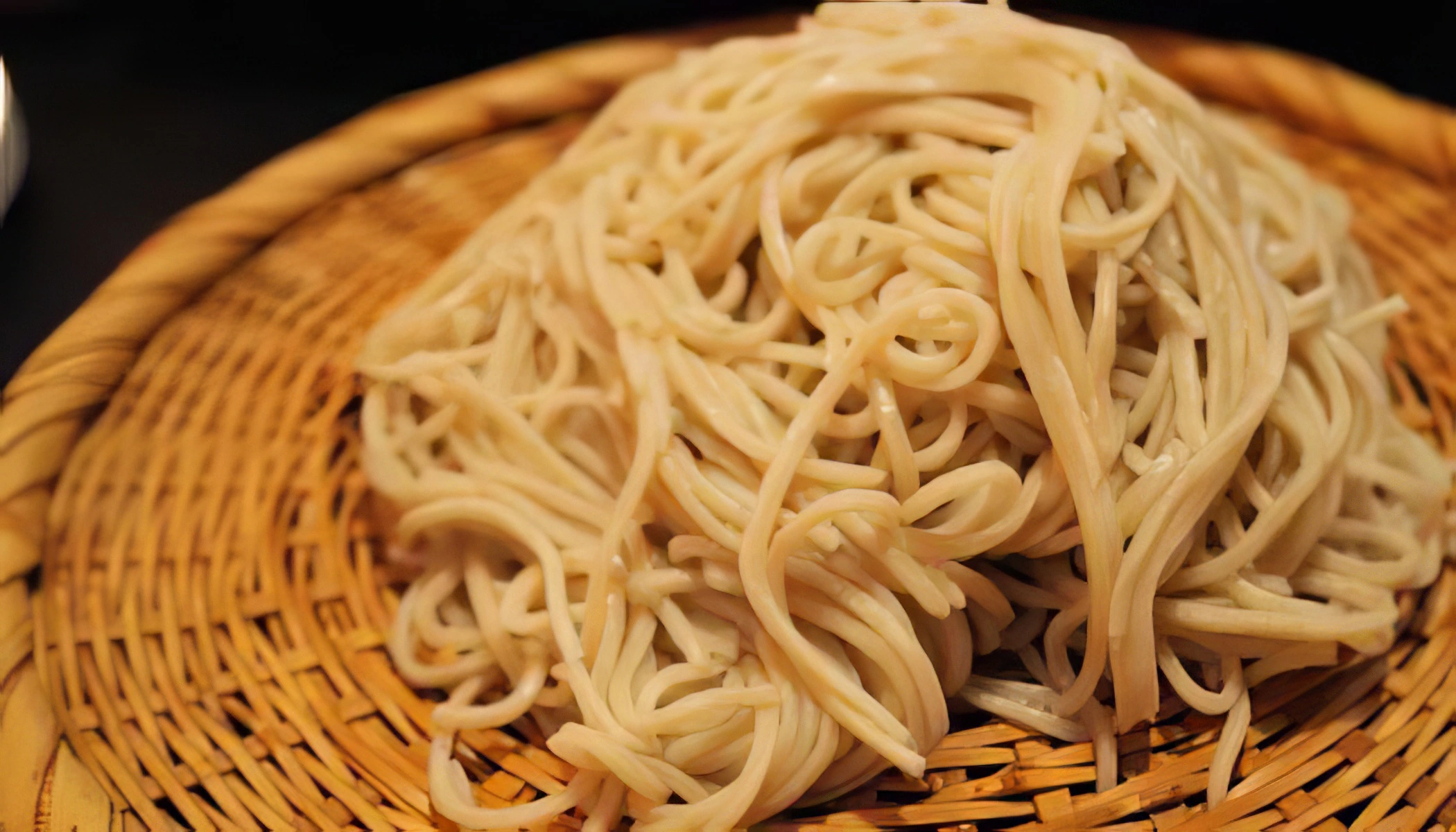
The city offers a unique culinary experience with a mix of traditional Japanese dishes and local specialties. Some of the city's most famous dishes include:
– Soba: Buckwheat noodles served either hot in broth or cold with dipping sauce.
– Basashi: Thinly sliced raw horse meat, often served with garlic and soy sauce.
– Oyaki: Stuffed dumplings filled with vegetables, meat, or sweet bean paste, then grilled or steamed.
– Wasabi: Freshly grated wasabi root, often served with sushi or sashimi.
– Gohei Mochi: Grilled rice cakes coated with a sweet and savory miso sauce.
– Shinshu Apple: Locally grown apples, often used in desserts or enjoyed fresh.
Shopping
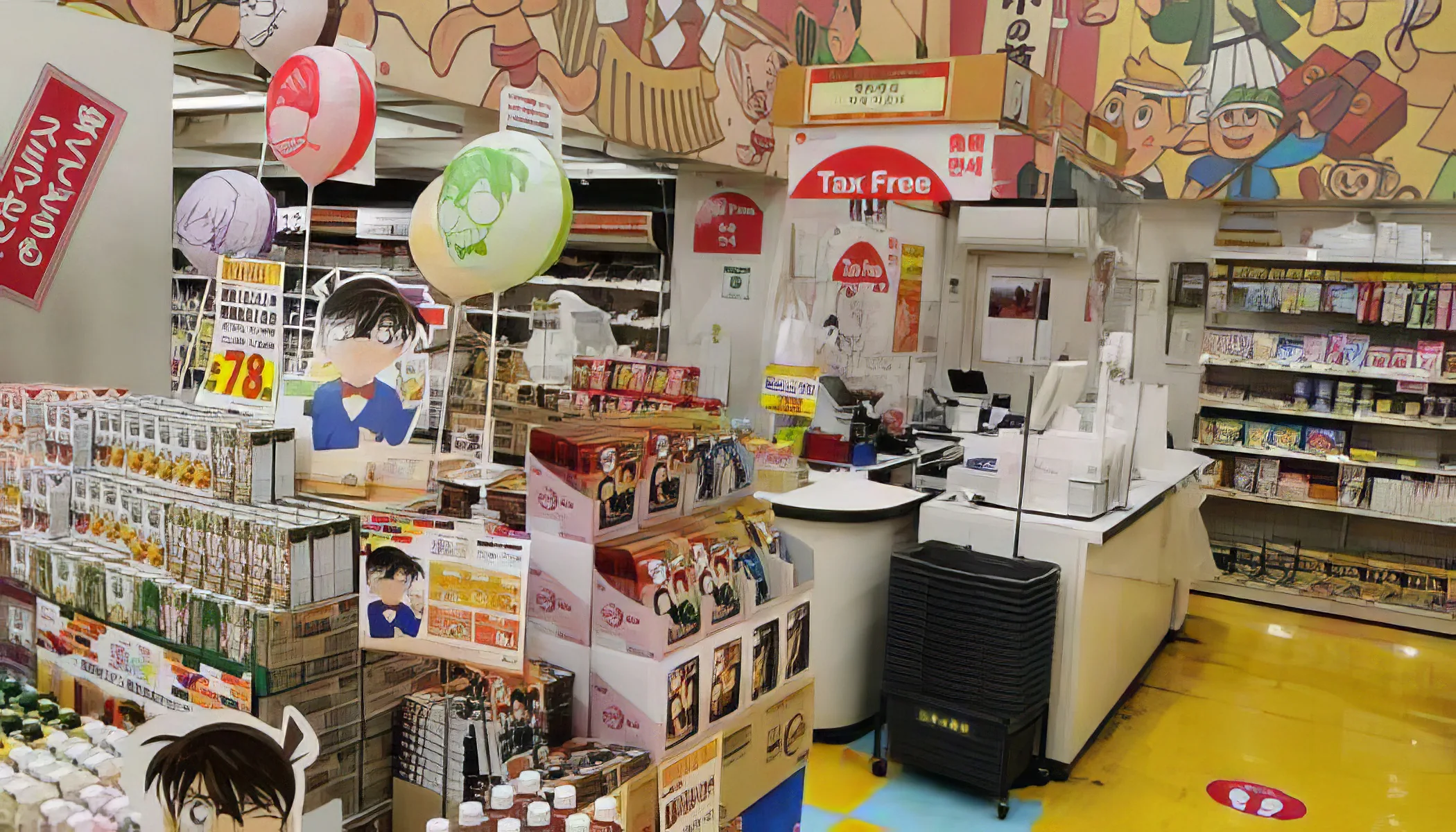
In the city, Nakamachi Street is a notable shopping area where tourists can explore a variety of shops set in traditional kura-style buildings. A popular gift to purchase is the local craft of "Kurashi no Utsuwa Ichiyama," a shop specializing in beautifully crafted lacquerware. Another unique gift option is the "Matsumoto Temari," handcrafted decorative balls that are a symbol of friendship and loyalty. These items not only serve as beautiful souvenirs but also offer a piece of the local craftsmanship and culture.
Arts & Culture
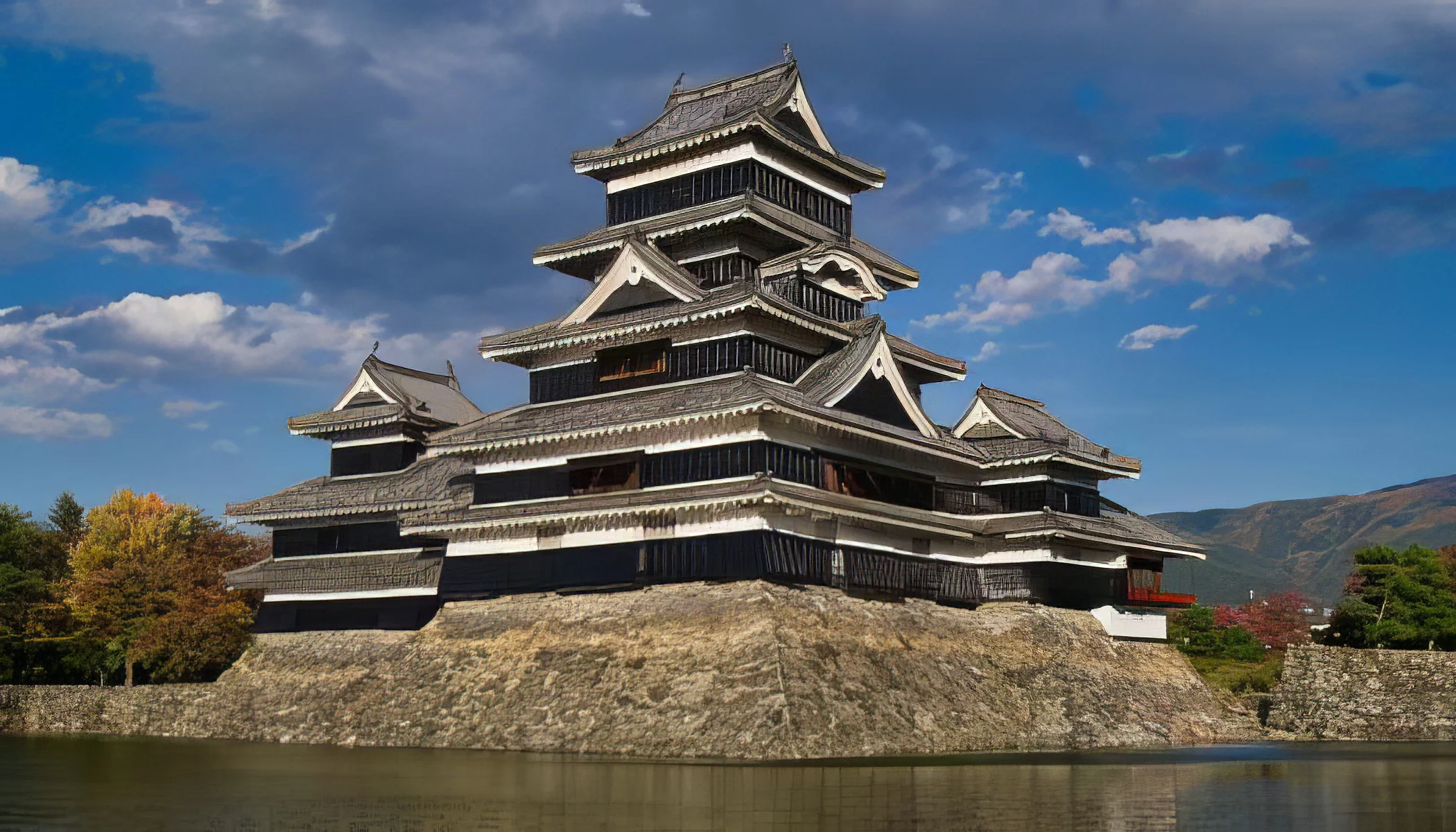
The city is renowned for its Matsumoto Castle, which hosts various cultural events including taiko drum performances and traditional archery. It is also home to the Japan Ukiyo-e Museum, which has one of the largest collections of Japanese woodblock prints in the world. The city celebrates the Soba Festival, highlighting the art of soba noodle making, which is a significant part of local culture. Additionally, the annual Seiji Ozawa Matsumoto Festival showcases classical music performances, attracting international artists and audiences.