

Sightseeing in Milan: Culture & Must‑See Spots
This city is renowned for its fashion industry, impressive Duomo cathedral, and significant art collections, including Leonardo da Vinci's "The Last Supper." It's also a financial hub with a strong presence in design and technology sectors.
- Population
- 1.37 millions
- Size
- 181 square km
- Airport
- Malpensa – Int'l & 2 others
- Train Station
- Milano Centrale
- Subway
- Milan Metro
- Est. Visit Days
- 3 days
Overview
Milan, Italy's second-largest city, is a global capital of fashion and design, renowned for its shopping scene and major fashion events. The city is also a hub for finance and industry, with a rich historical and cultural heritage, including the famous La Scala opera house and the impressive Duomo Di Milano. However, Milan can be quite expensive compared to other Italian cities, and its weather is often gray and damp, especially in the winter. Additionally, the pace of life in Milan is fast, which might be overwhelming for some visitors. Despite these issues, Milan offers excellent transportation infrastructure and serves as a great base for exploring other parts of Italy.
Traffic & Transport
The city's traffic can be quite congested, especially during peak hours, making driving a less favorable option for tourists. The most efficient and popular means of exploring the city are the extensive public transportation network, which includes buses, trams, and the metro, and walking, particularly in the central areas. For longer distances, the metro is often the quickest choice, while trams offer a scenic way to see the city. Bicycles are also a great way to navigate, with numerous bike-sharing services available. For those preferring taxi services, several reliable companies operate in the city, including Radio Taxi and TaxiBlu. Additionally, ride-hailing apps like Uber and Free Now are widely used and provide a convenient option for booking rides directly from your smartphone.
History
Founded by the Celts in the 6th century BC, the city was later conquered by the Romans in 222 BC, becoming a key center of the Western Roman Empire. It was then ruled by various dynasties, including the Visconti and Sforza families during the Renaissance, a period that saw significant cultural and artistic development, exemplified by works such as Leonardo da Vinci's "The Last Supper." The city was also a major financial and commercial hub in the Middle Ages, known for its silk and banking, which contributed to its economic prosperity. Throughout its history, it was frequently involved in conflicts, including the Italian Wars and the Napoleonic Wars, which shaped its political and territorial evolution. In the 19th and 20th centuries, it played a central role in the unification and industrialization of Italy.
Itinerary Sample
Here's a sample 3-day itinerary for exploring Milan, Italy:
– First day: Visit the Duomo Di Milano, stroll through Galleria Vittorio Emanuele II, and explore Sforza Castle.
– Second day: See Leonardo da Vinci's Last Supper, visit the Brera Art Gallery, and walk in the Brera district.
– Third day: Enjoy shopping in the Fashion District, relax at Sempione Park, and visit the Triennale Design Museum.
Near Excursion
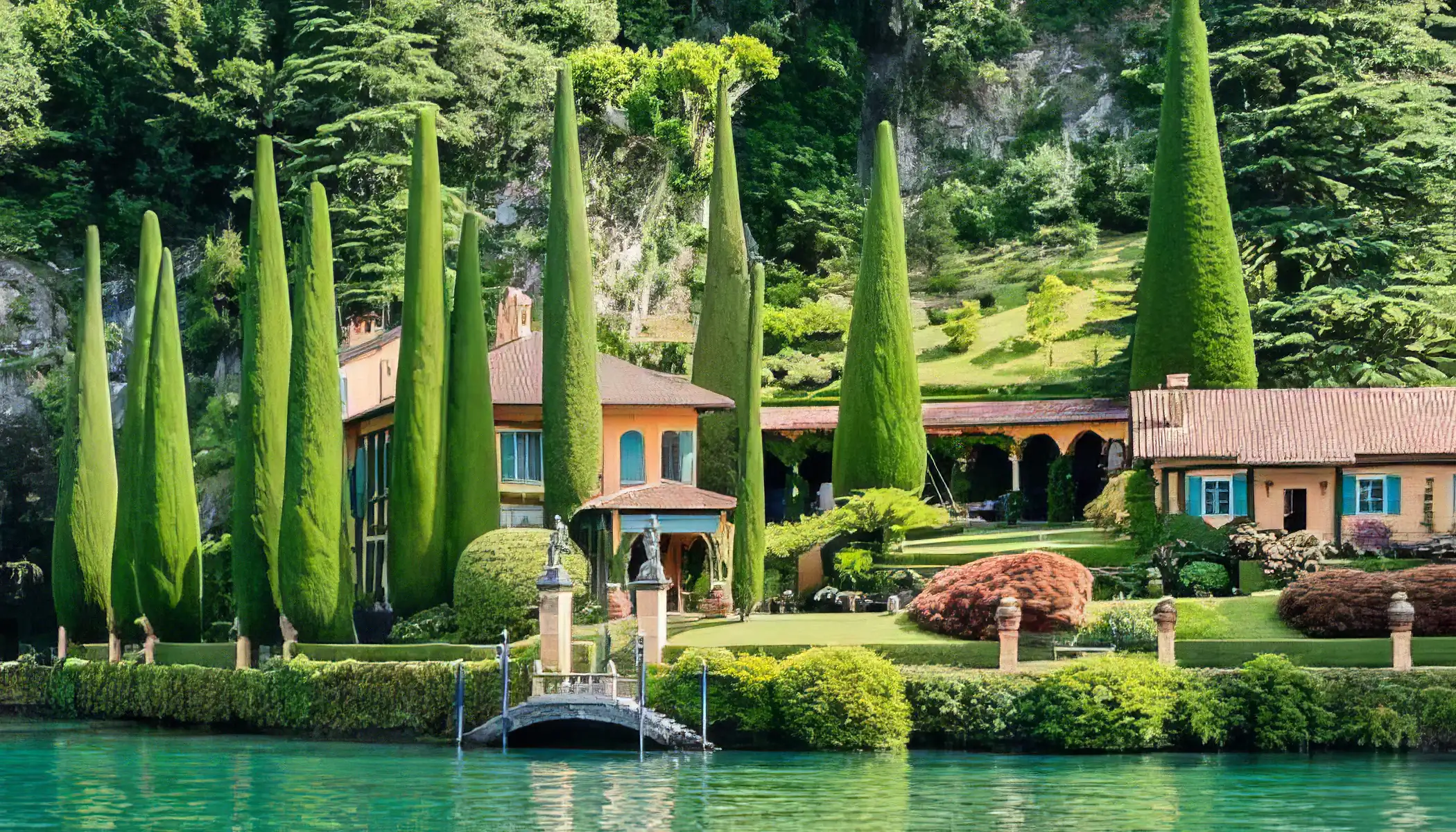
This city is a great starting point for several exciting day trips. Here are some suggestions:
– Lake Como at 50 km: A charismatic lake surrounded by mountains and charming villages.
– Bergamo at 50 km: A historic city with a beautiful old town and impressive architecture.
– Pavia at 40 km: Known for its medieval university and the stunning Certosa di Pavia monastery.
– Monza at 20 km: Famous for its grand park and the historic Monza Formula 1 racetrack.
– Vigevano at 35 km: A small town with a beautiful Renaissance square and a historic castle.
Attraction
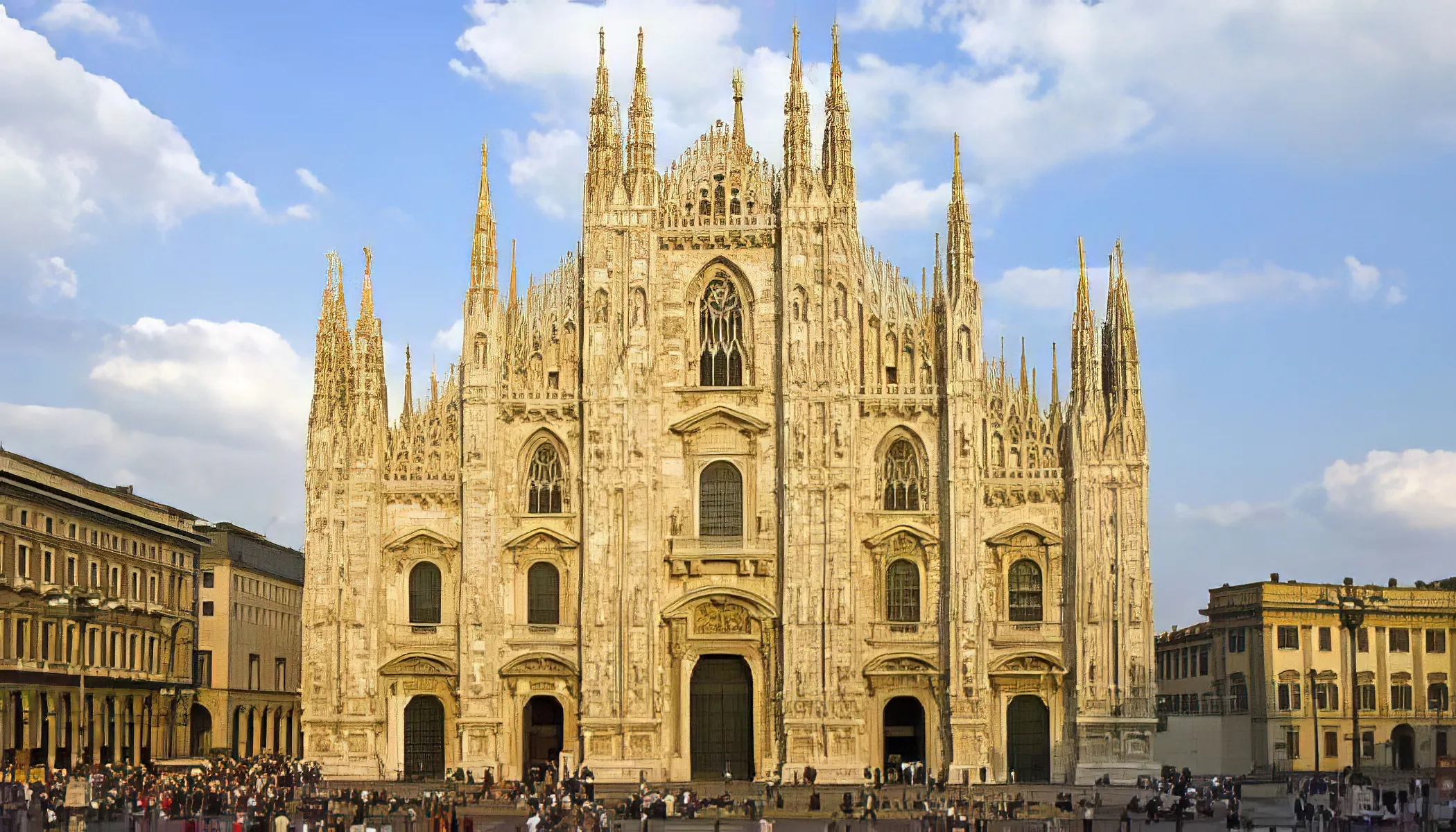
Known for its fashion, design, and historical landmarks, this city offers a mix of modern and ancient attractions.
– Duomo Di Milano: A fascinating Gothic cathedral with sophisticated details and a rooftop view of the city.
– Galleria Vittorio Emanuele II: One of the world's oldest shopping malls, featuring luxury shops and elegant architecture.
– Sforza Castle: A historic fortress housing several museums and art collections.
– La Scala Opera House: A world-renowned opera house with a rich history and impressive performances.
– Brera Art Gallery: An art museum showcasing Italian Renaissance masterpieces.
– Navigli District: A lively area with canals, restaurants, and nightlife.
Activity
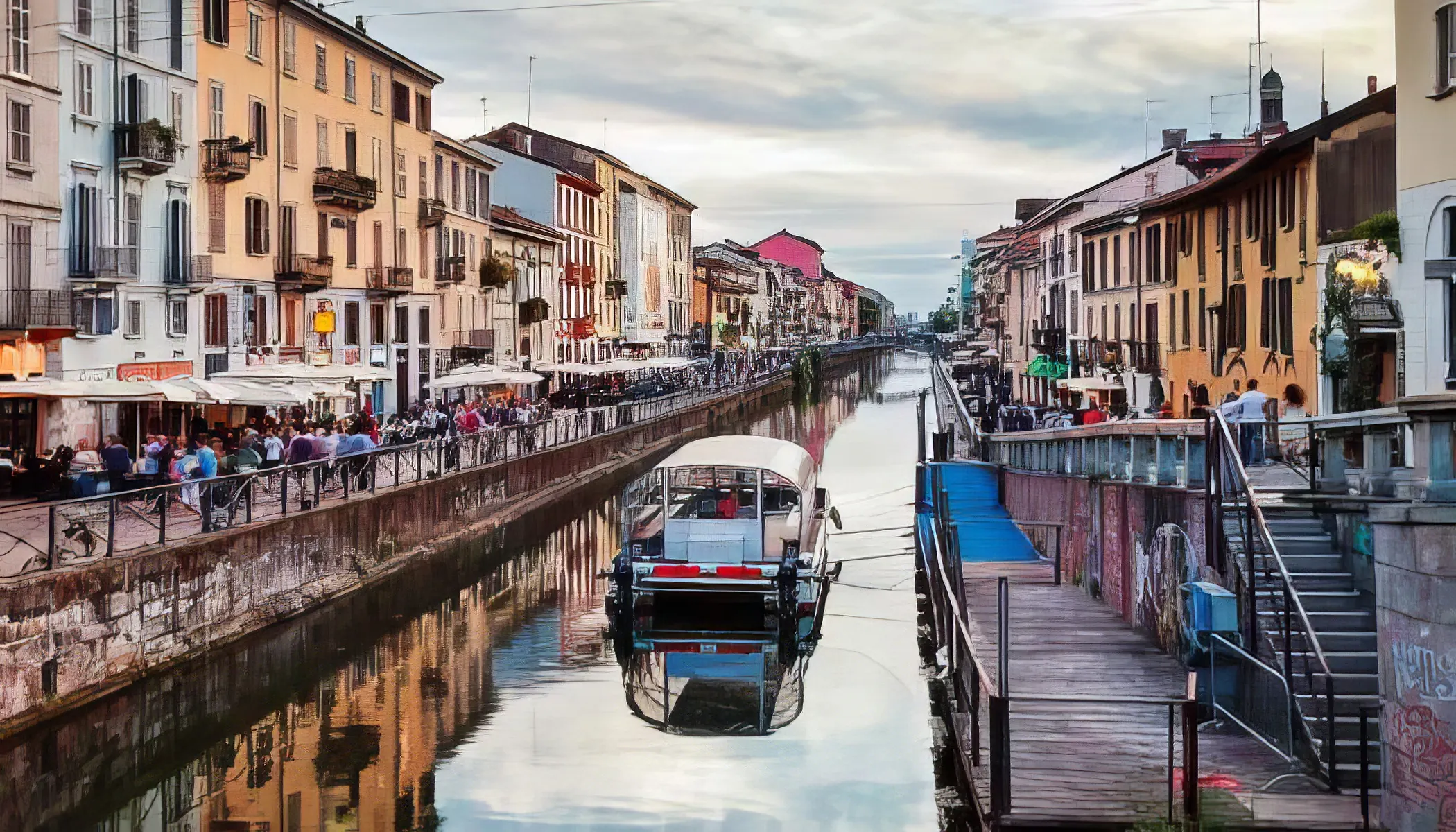
In Milan, travelers can enjoy unique experiences blending history, fashion, and modernity.
– Navigli Canal Walk: Stroll along charming canals lined with cafes, shops, and street art.
– Rooftop Terraces: Visit Duomo or other buildings for panoramic city views.
– Leonardo da Vinci's Vineyard Tour: Explore the vineyard once owned by the famous artist and inventor.
– San Siro Stadium Tour: Experience a guided tour of AC Milan and Inter Milan's shared stadium.
– Milanese Aperitivo: Enjoy a traditional pre-dinner drink with snacks in local bars.
Cuisine
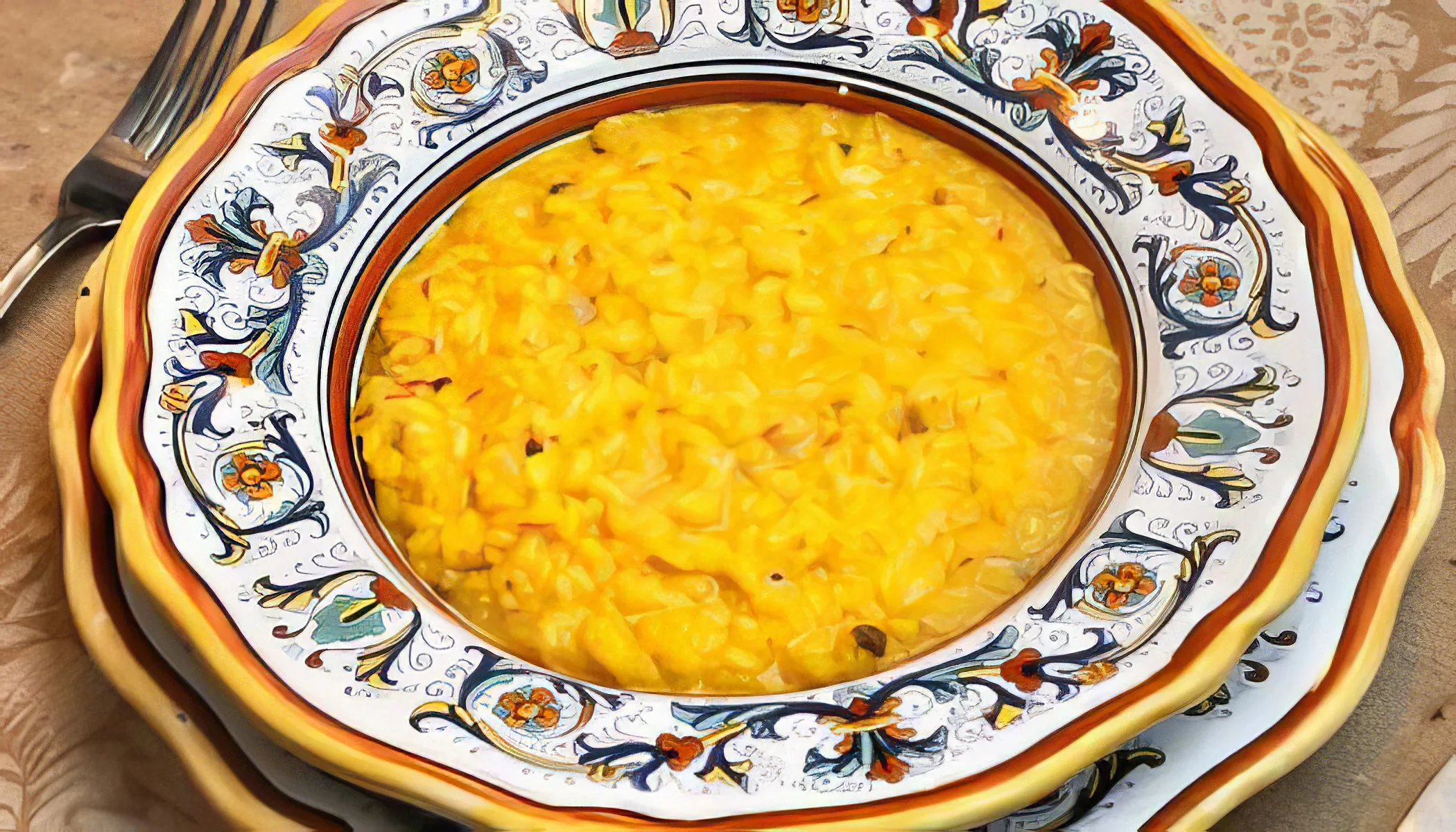
The city offers a rich culinary tradition with a mix of classic Italian and regional Lombard dishes. Its food scene is known for both hearty meals and elegant desserts. Some of the city's most famous dishes include:
– Risotto alla Milanese: Creamy risotto flavored with saffron and often served with ossobuco.
– Ossobuco: Braised veal shanks cooked with vegetables, white wine, and broth.
– Cotoletta: Breaded and fried veal cutlet, similar to a schnitzel.
– Panettone: Sweet bread loaf with candied fruits, traditionally enjoyed during Christmas.
– Gorgonzola: Creamy blue cheese originating from the nearby town of Gorgonzola.
– Polenta: Cornmeal dish often served with meats or cheese, a staple in Lombard cuisine.
Shopping
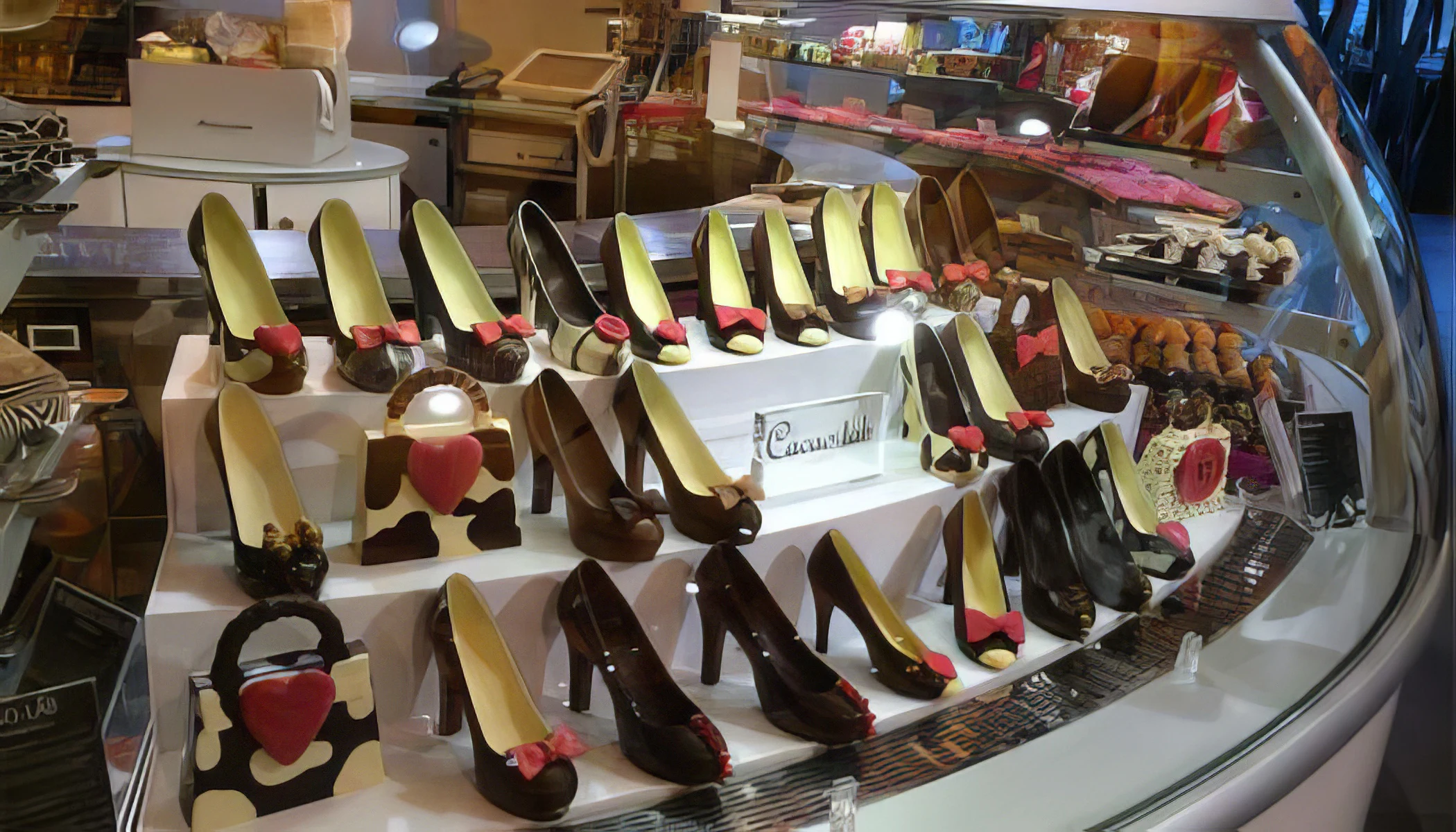
The city offers a premier shopping experience, especially in the Fashion Quadrilateral, where you can find high-end boutiques and designer brands. For a unique gift, consider purchasing Italian leather goods such as handbags or shoes, renowned for their quality and craftsmanship. Another great option is Italian jewelry or accessories from local artisans. For food enthusiasts, gourmet Italian products like olive oil or balsamic vinegar make thoughtful gifts. Additionally, the city's numerous markets are ideal for finding antiques and local crafts.
Arts & Culture
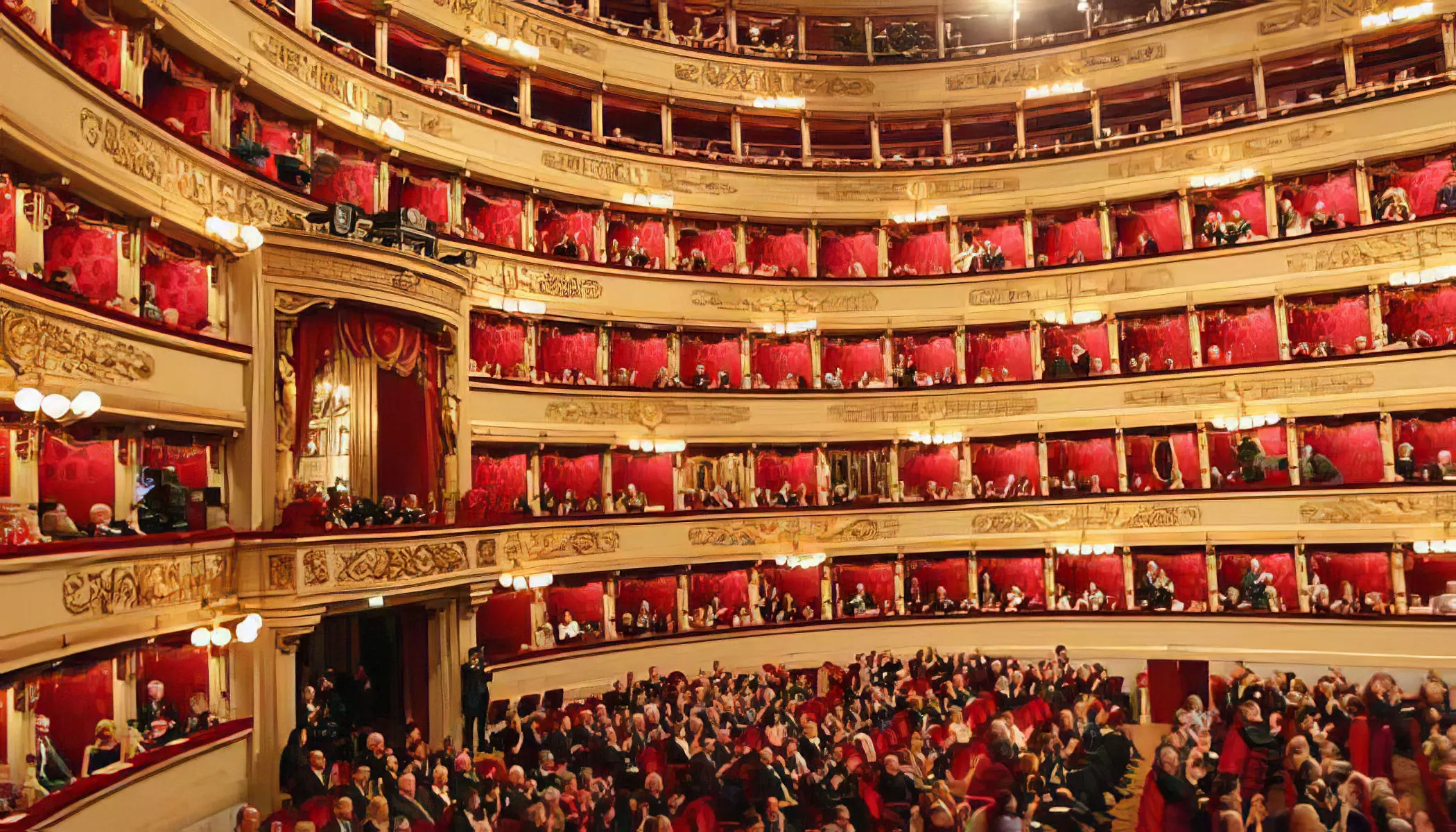
The city is renowned for its lively arts scene, including the world-famous La Scala Opera House, which hosts high-quality opera performances. It is also home to the Pinacoteca Di Brera, a prestigious art gallery with a vast collection of Italian Renaissance art. The city hosts the annual Milan Fashion Week, which is one of the most important fashion events globally. Additionally, the Design Week, including the Salone del Mobile, is a key event in the international design community, showcasing innovation and new trends.