

Miyajima: Best Things to Do & Top Attractions
Famous for its floating torii gate, this scenic island is a revered spiritual site featuring ancient temples and wild deer roaming freely. It's accessible by ferry and known for its traditional crafts and oysters.
- Est. Visit Days
- 2 days
Overview
Miyajima, a small island in Japan, is renowned for its iconic "floating" torii gate and the Itsukushima Shrine, both UNESCO World Heritage sites. The island's natural beauty, including the scenic Mount Misen and the friendly wild deer that roam freely, attracts many visitors. However, its popularity can lead to crowds, especially during peak tourist seasons, which might detract from the experience. Additionally, accommodation options on the island are somewhat limited and can be expensive. Despite these issues, Miyajima remains a culturally rich destination with a unique blend of history and nature.
Traffic & Transport
The primary mode of transport for navigating the city is by foot, as the main attractions are located in a relatively compact area. For longer distances, the most convenient option is the local bus service, which covers the major points of interest and offers a cost-effective way to travel. Additionally, bicycles are available for rent near the ferry terminal, providing a flexible and enjoyable way to explore at your own pace. It's important to note that private cars are not allowed in the central area, contributing to a more pedestrian-friendly environment. For those preferring taxi services, there are several reliable taxi companies operating in the city. Additionally, the use of taxi-booking apps like ** and ** can be convenient for securing a ride, especially during peak tourist seasons when demand is high.
History
Historically, the city was a site of religious significance and was a place of worship from ancient times. It was a sacred island and an important location for Shinto rituals. The iconic floating torii gate, which is a symbol of the city, was built in the water in the 12th century. The city also played a role in the Itsukushima Shrine, a UNESCO World Heritage Site, which has been a major cultural and religious center. During the Meiji period, it became a part of the national park system, further enhancing its cultural and historical value.
Itinerary Sample
Here's a 2-day itinerary to explore Miyajima, Japan, ensuring you experience its most iconic sights and cultural offerings:
– First day: Visit Itsukushima Shrine early to avoid crowds, explore Daisho-in Temple, and hike up Mount Misen for panoramic views.
– Second day: Stroll through Momijidani Park, shop on Omotesando Shopping Street, and catch a sunset at the floating torii gate.
Near Excursion
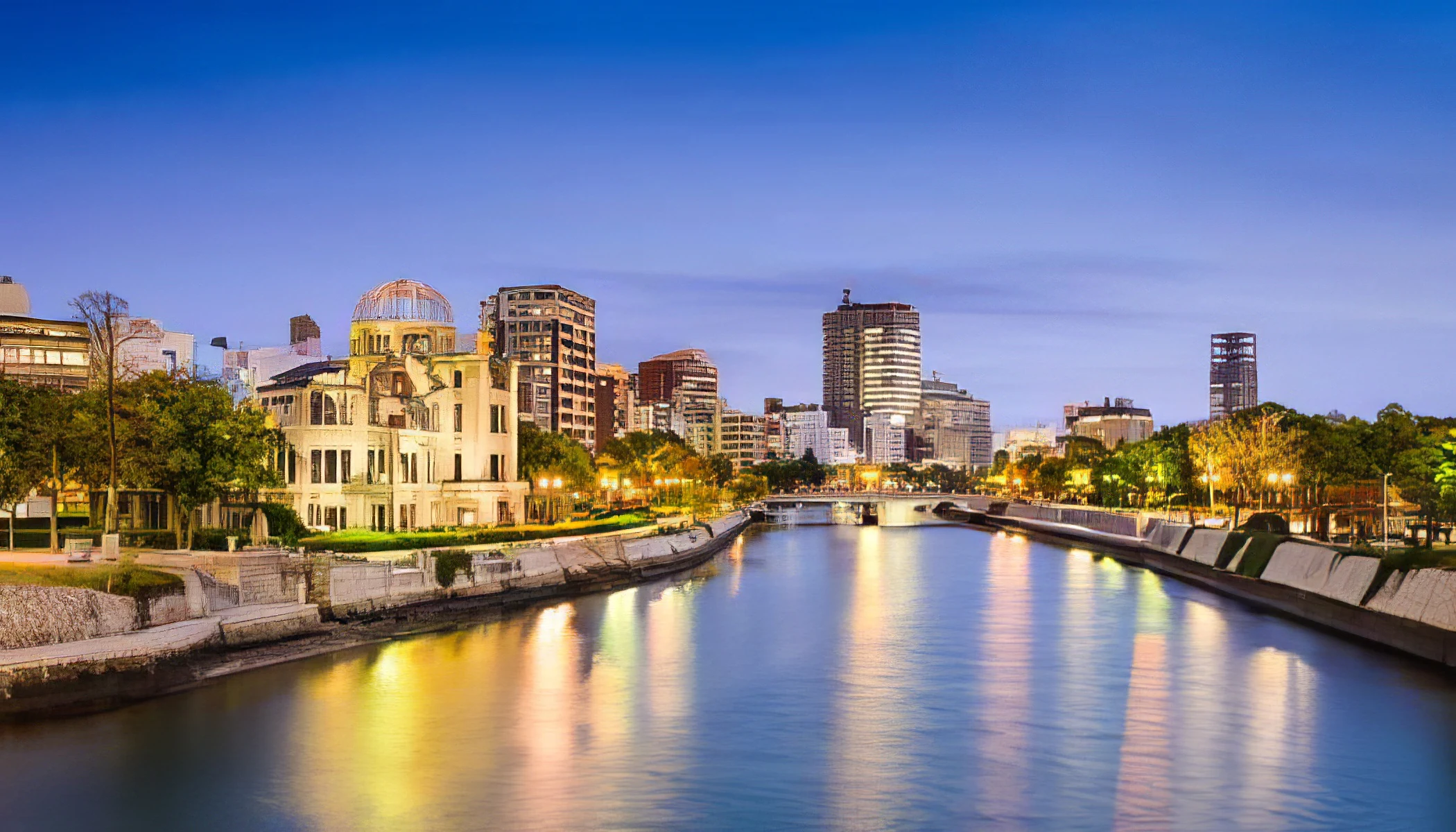
This area offers several interesting day trips for tourists. Here are some suggestions:
– Hiroshima at 25 km: Visit the Peace Memorial Park and Museum to learn about the atomic bombing.
– Iwakuni at 40 km: Famous for the Kintai Bridge and Iwakuni Castle with scenic views.
– Onomichi at 90 km: A charming town known for its temples, cycling routes, and hillside views.
– Fukuyama at 100 km: Explore Fukuyama Castle and the beautiful Tomonoura port town.
– Okayama at 150 km: Home to the famous Korakuen Garden and Okayama Castle.
Attraction
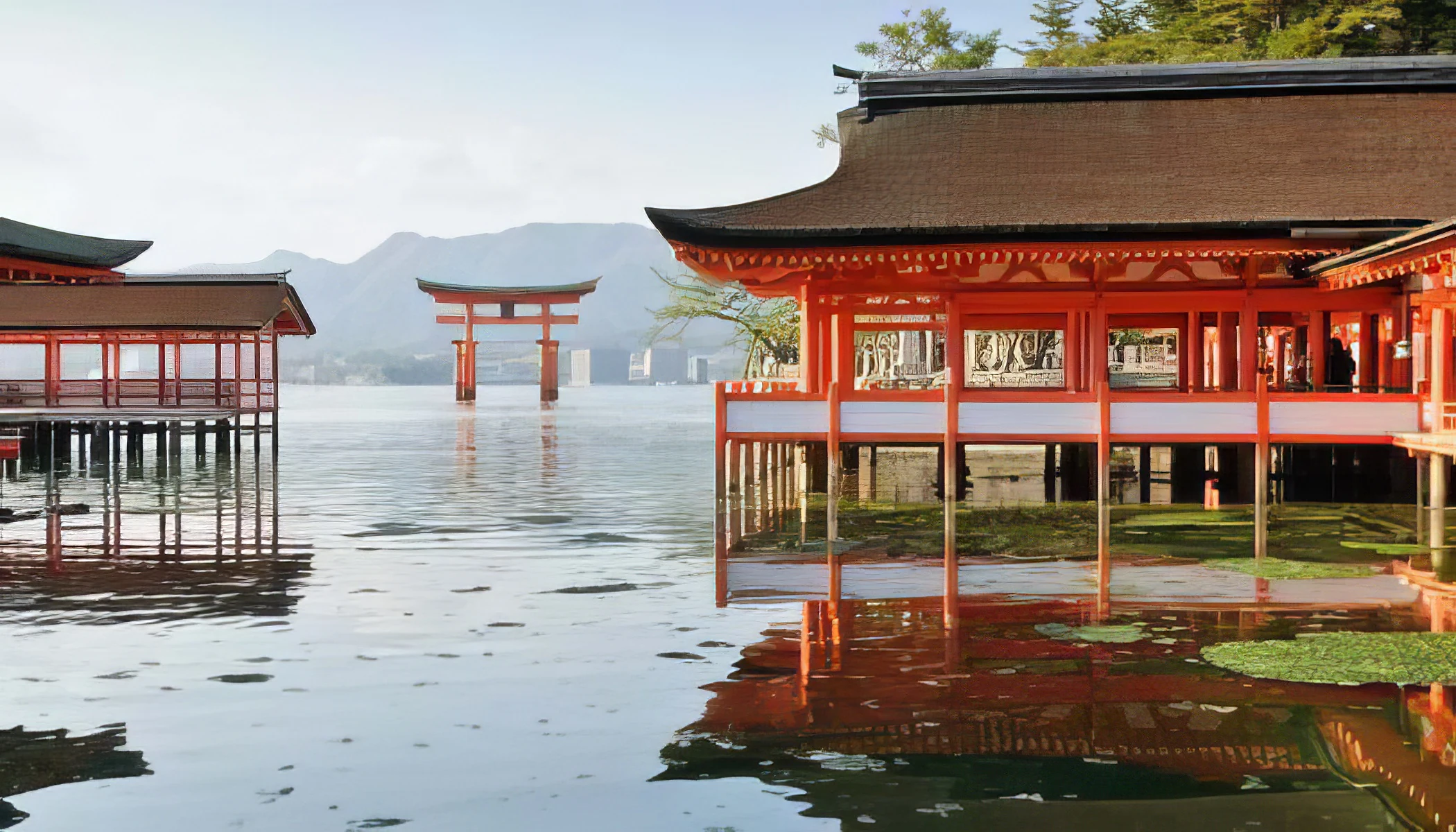
Known for its iconic floating torii gate and rich cultural heritage, this city offers a unique blend of natural beauty and historical sites.
– Itsukushima Shrine: Famous for its "floating" torii gate, this UNESCO World Heritage site is a must-see.
– Mount Misen: Offers panoramic views and several hiking trails, accessible by ropeway or on foot.
– Daisho-in Temple: A historic Buddhist temple with beautiful gardens and numerous statues.
– Momijidani Park: A scenic park known for its remarkable autumn foliage and peaceful atmosphere.
– Senjokaku Pavilion: An unfinished wooden hall with historical significance and great views of the surrounding area.
– Omotesando Shopping Street: A remarkable street filled with shops, restaurants, and local specialties.
Activity
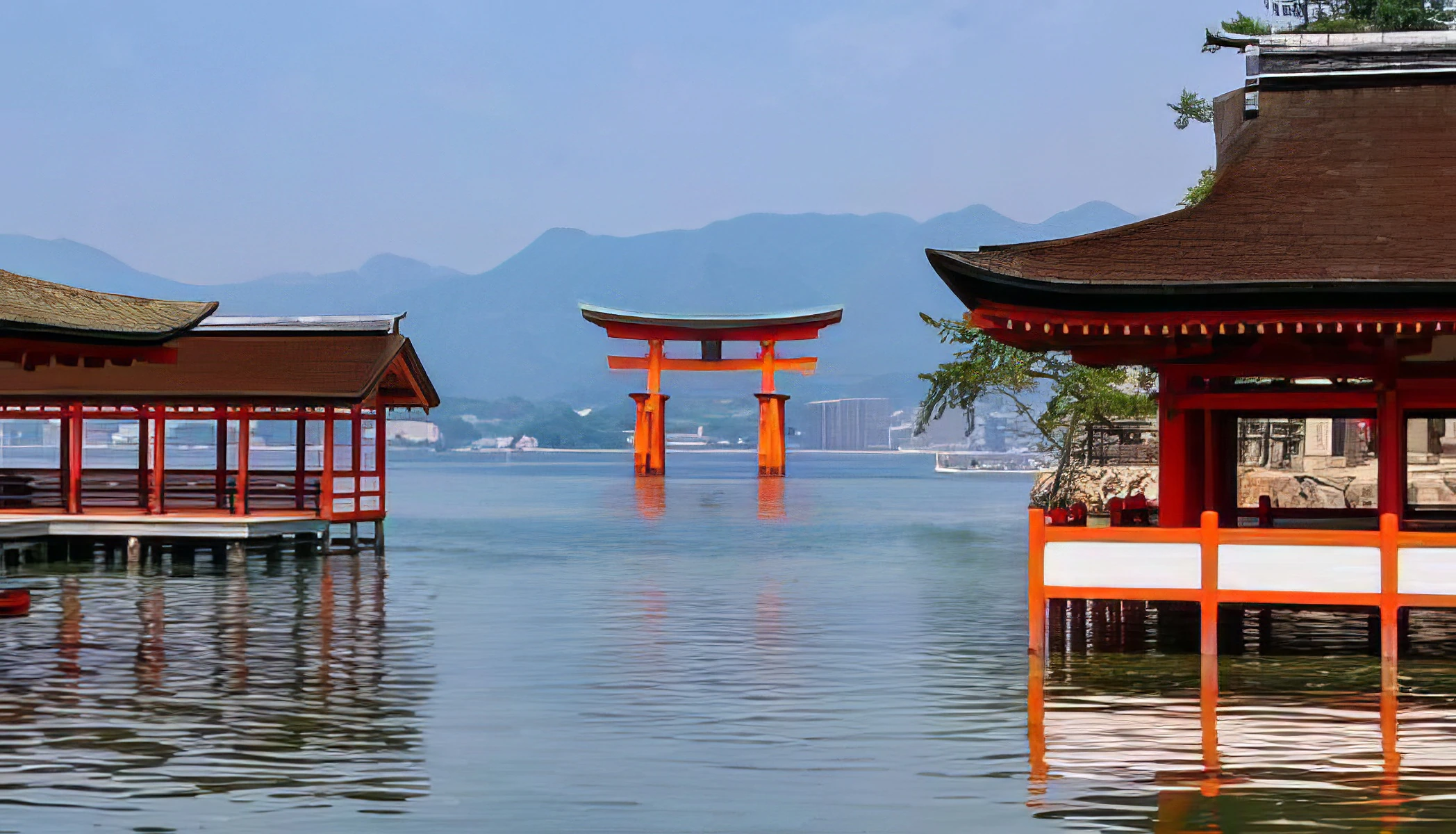
Miyajima offers a mix of cultural, nature-based, and unique experiences for travelers.
– Visit Itsukushima Shrine: Famous for its "floating" torii gate and scenic beauty.
– Hike Mount Misen: Enjoy panoramic views from the island's highest peak.
– Try Momiji Manju: Sample local maple leaf-shaped cakes.
– Attend a traditional Miyajima Fire Festival: Experience a unique cultural event held annually.
– Explore Daisho-in Temple: Discover refined Buddhist statues and peaceful gardens.
Cuisine
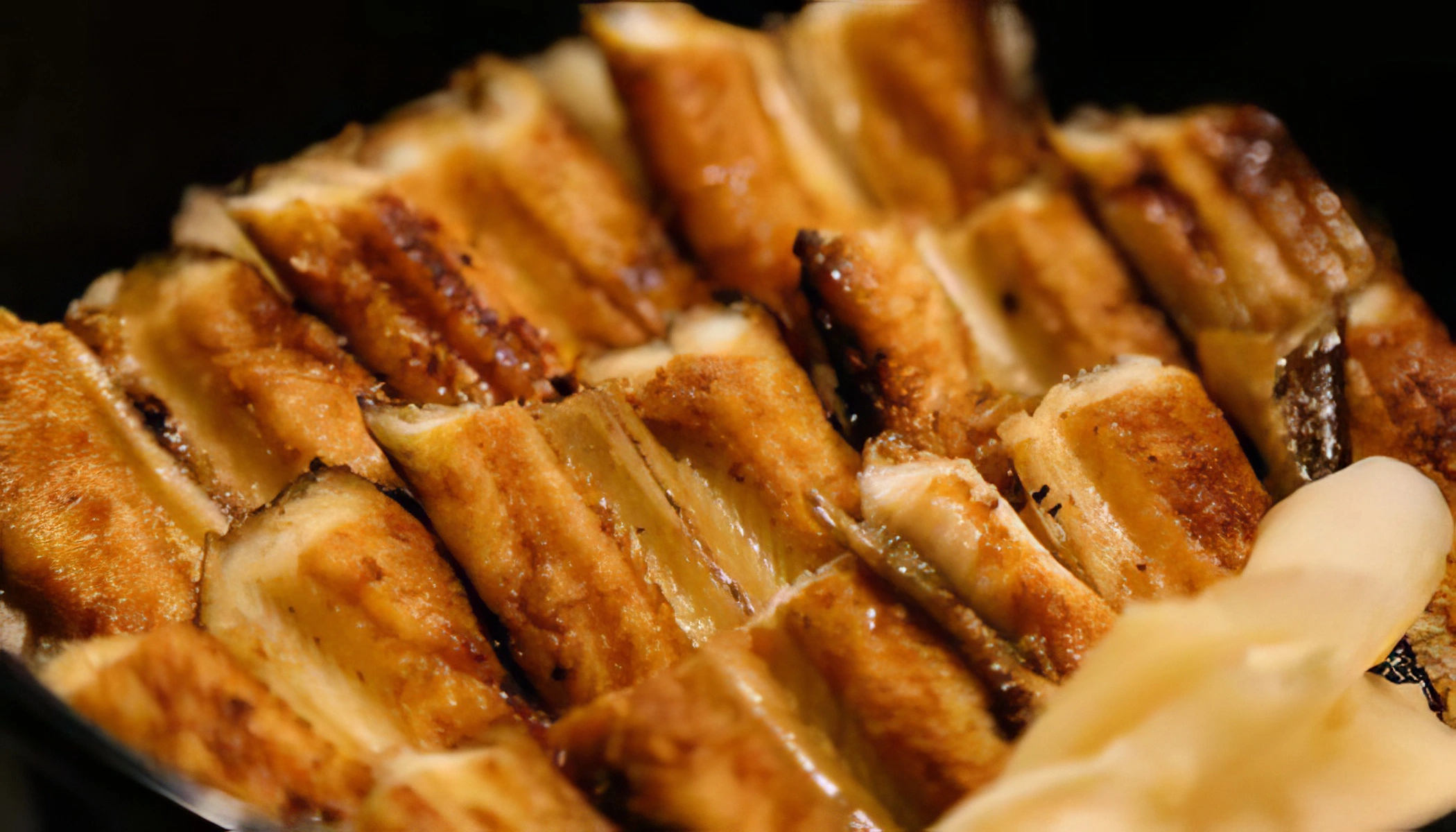
The city is known for its fresh seafood and traditional Japanese sweets, often enjoyed by visitors exploring its scenic beauty. Some of the city's most famous dishes include:
– Anago Meshi: Grilled conger eel served over rice, a local delicacy.
– Momiji Manju: Maple leaf-shaped cakes filled with sweet red bean paste.
– Oysters: Freshly harvested and often grilled or served raw.
– Kaki-no-Dotenabe: Oyster hot pot cooked with miso and vegetables.
– Uiro: Steamed sweet rice jelly, available in various flavors.
– Tsukemono: Assorted Japanese pickles, often served as a side dish.
Shopping
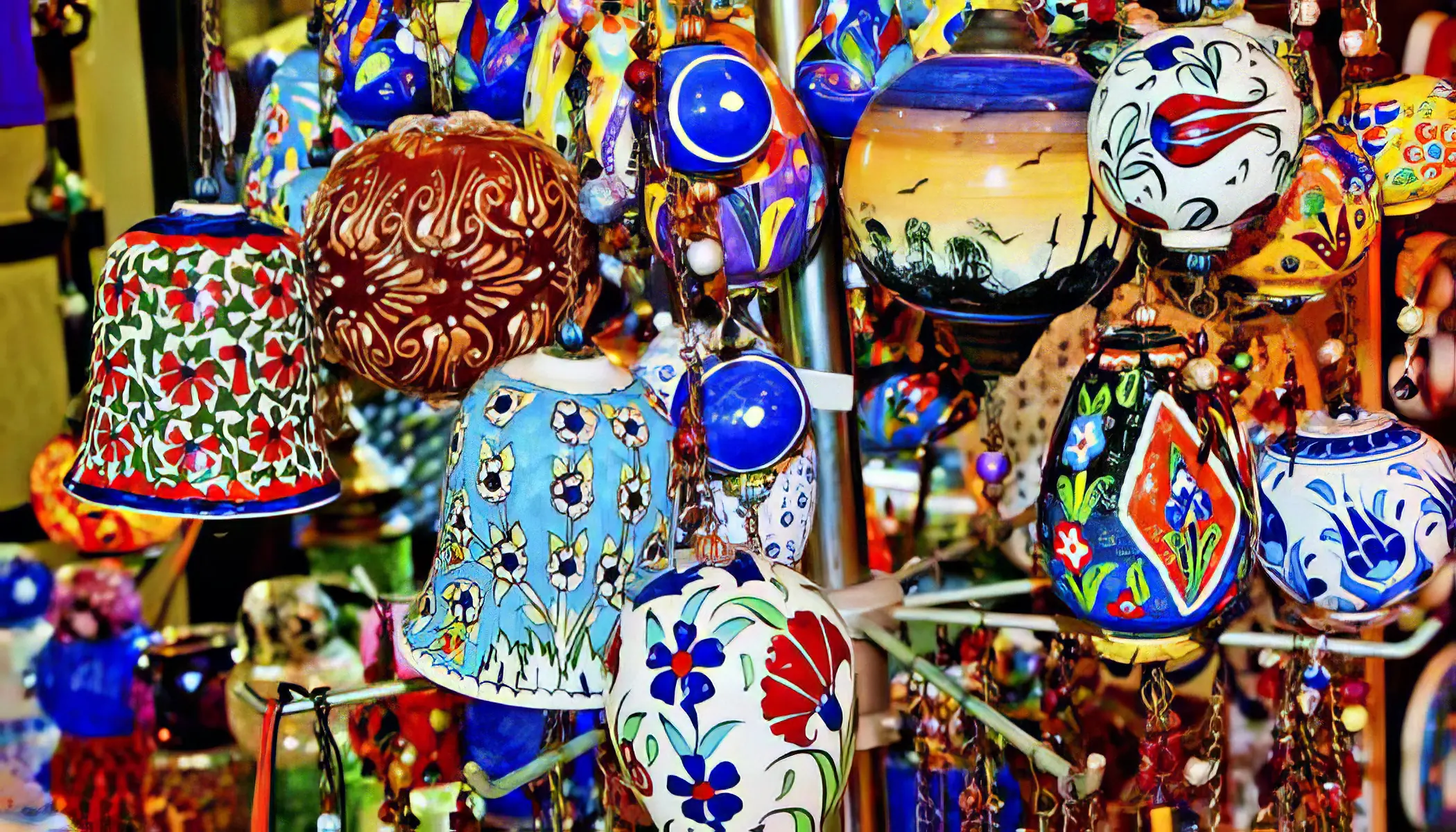
In this city, tourists can enjoy shopping for unique gifts such as handcrafted wooden rice scoops, known locally as shamoji, which are a traditional item. Another popular souvenir is the momiji manju, a maple leaf-shaped cake filled with sweet red bean paste. Artisanal shops also offer beautifully crafted glassware and pottery, reflecting the local craftsmanship. For a more spiritual souvenir, small torii gate replicas are available, symbolizing the famous floating torii gate of the region. These items make for meaningful gifts that represent the cultural and artistic heritage of the area.
Arts & Culture
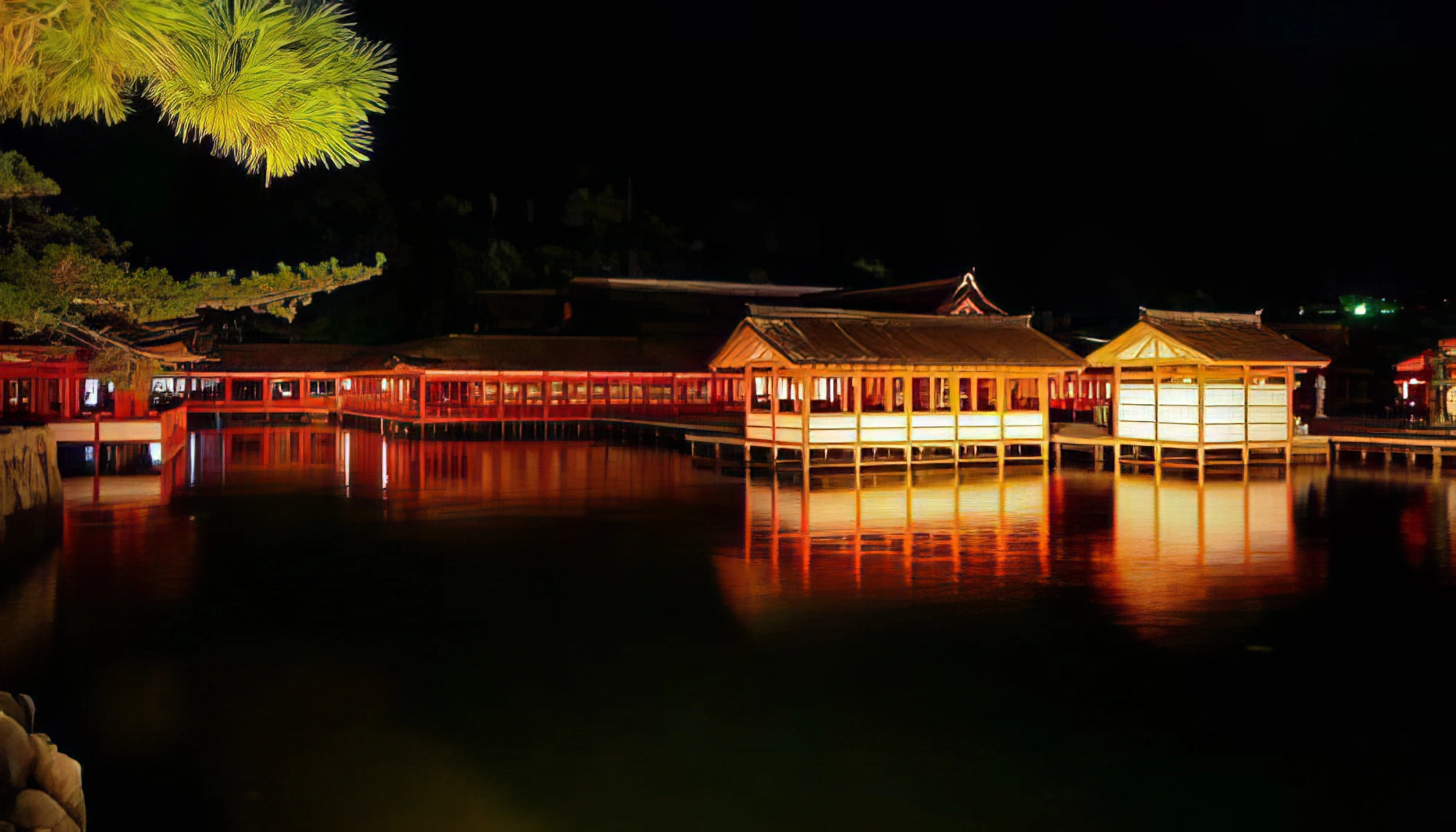
The city is renowned for its Itsukushima Shrine, a UNESCO World Heritage site, which features the iconic floating torii gate. Traditional events such as the Miyajima Water Fireworks Festival, which showcases spectacular fireworks displays over the water, draw visitors from around the world. Cultural performances, including Noh theater staged on the beach at low tide, highlight the area's rich artistic heritage. The Oyster Festival, celebrating local aquaculture, also features cultural exhibitions and performances.