

Mombasa: Best Things to Do & Top Attractions
This coastal city is known for its historical significance, diverse culture, and beautiful beaches. It serves as a major port and tourist destination, featuring attractions like Fort Jesus and vibrant local markets. The climate is generally warm and humid.
- Population
- 1.2 millions
- Size
- 229 square km
- Airport
- Moi International – Int'l
- Train Station
- Mombasa Station.
- Est. Visit Days
- 4 days
Overview
Mombasa is a coastal city in Kenya known for its beaches and historical sites. Pros include beautiful scenery, diverse culture, and access to the Indian Ocean. However, it faces challenges such as traffic congestion and occasional crime. The city can be crowded, especially during tourist season. Overall, Mombasa offers a mix of attractions but also requires caution for visitors.
Traffic & Transport
The traffic in the city can be congested, especially during peak hours, making it essential for visitors to plan their journeys wisely. The best means of transport to explore the area includes using matatus (shared minibuses), which are affordable and provide a local experience. Bicycles and scooters are also popular options for those looking to navigate the city at their own pace. Walking is feasible in certain districts, allowing tourists to soak in the local culture and sights. For reliable taxi services, companies like Uber and Bolt operate in the area, providing a convenient way to get around. Additionally, traditional taxi services can be booked through local operators or apps, ensuring safe and efficient transportation.
History
This coastal city has a history influenced by various cultures and powers. It was part of the Swahili Coast, thriving on trade with Arab, Persian, and Indian merchants. The Portuguese captured it in the late 15th century, followed by Omani Arabs in the 17th century. The British took control in the late 19th century, impacting its commerce and development. Its diverse heritage is reflected in local architecture, languages, and traditions.
Itinerary Sample
Here is a 4-day itinerary to explore Mombasa, Kenya.
– First day: Arrive in Mombasa, check into your hotel, then visit Fort Jesus and explore the Old Town's narrow streets and local markets.
– Second day: Take a trip to the beautiful beaches of Nyali and Diani for swimming and relaxation. Enjoy local seafood for lunch.
– Third day: Visit Haller Park to see wildlife, then head to the Mamba Village for crocodile viewing and optional boat rides.
– Fourth day: Explore the Mombasa Marine National Park for snorkeling or glass-bottom boat tours before departing.
Near Excursion
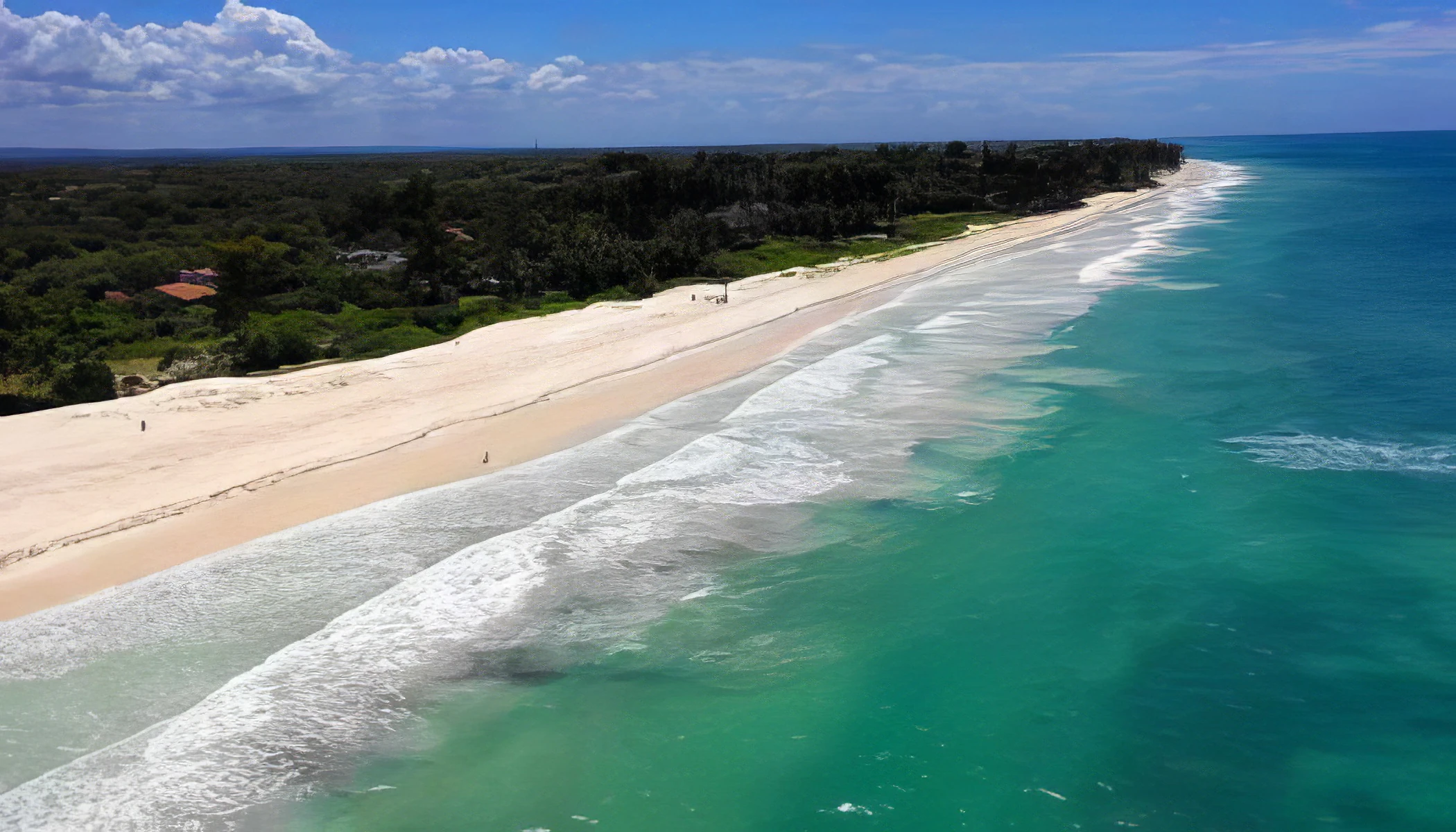
This coastal city offers a variety of day-trip options for travelers. Here are some suggestions:
– Shimba Hills National Reserve at 33 km: Known for its scenic landscapes and the rare Sable antelope.
– Wasini Island at 75 km: Offers snorkeling, dolphin watching, and cultural experiences with local Swahili communities.
– Kilifi at 56 km: A carefree town known for its beautiful beaches and historical ruins.
– Arabuko Sokoke Forest at 110 km: The largest coastal forest in East Africa, home to rare bird species.
– Malindi Marine National Park at 120 km: Features coral gardens, diverse marine life, and opportunities for water sports.
Attraction
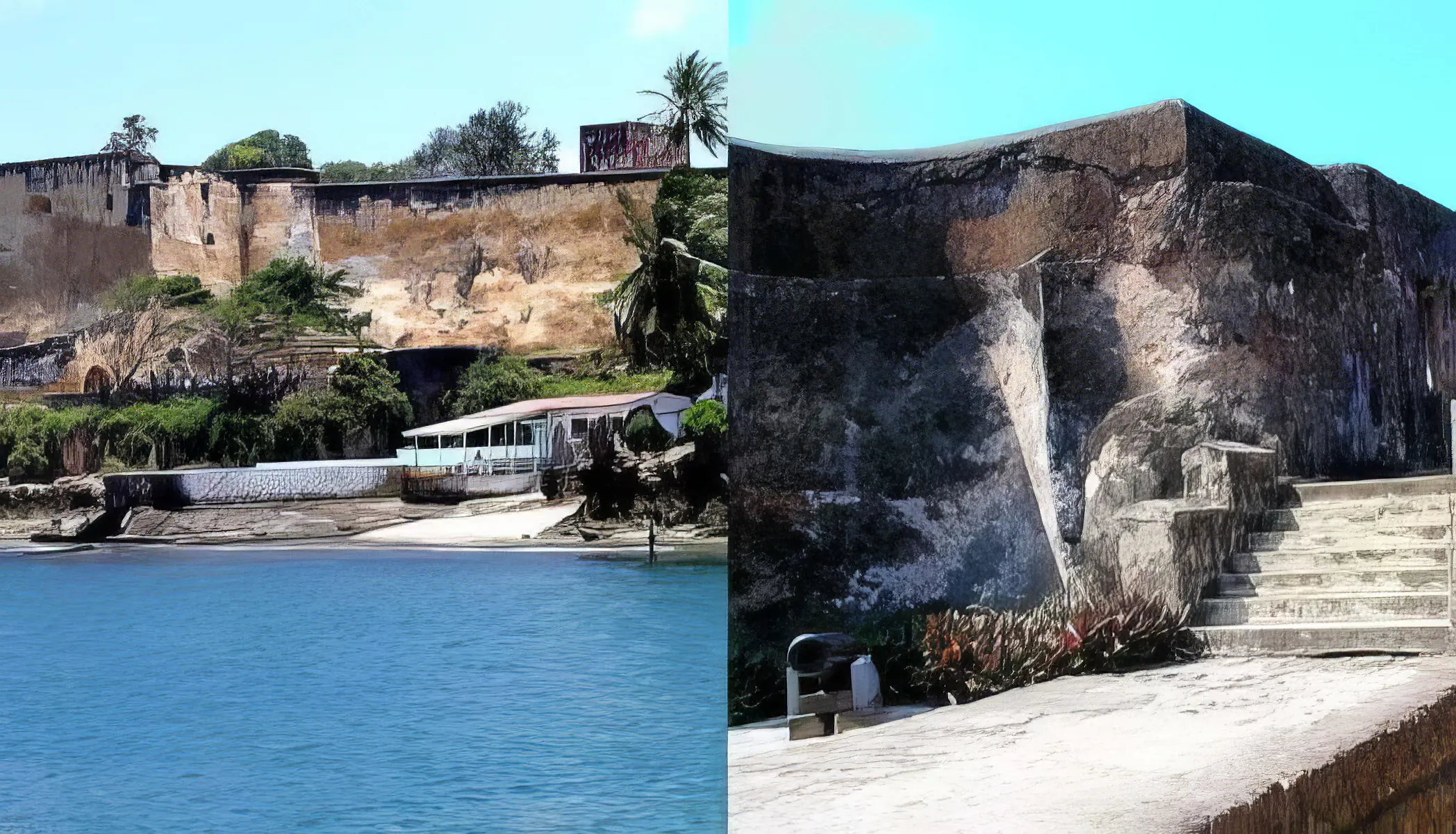
A coastal city known for its rich history, diverse culture, and beautiful beaches.
– Fort Jesus: A UNESCO World Heritage Site built by the Portuguese in the 16th century, showcasing historical architecture and artifacts.
– Haller Park: A nature park offering wildlife encounters, including giraffes and hippos, with walking trails and picnic areas.
– Old Town: A historic area with narrow streets, Swahili architecture, and lively markets reflecting a mix of cultures.
– Nyali Beach: A popular beach destination ideal for relaxation and water sports like snorkeling and windsurfing.
– Mamba Village Centre: The largest crocodile farm in East Africa where visitors can watch feeding sessions and learn about reptiles.
– Bombolulu Workshops: A cultural center featuring handcrafted products made by people with disabilities, promoting local craftsmanship.
Activity
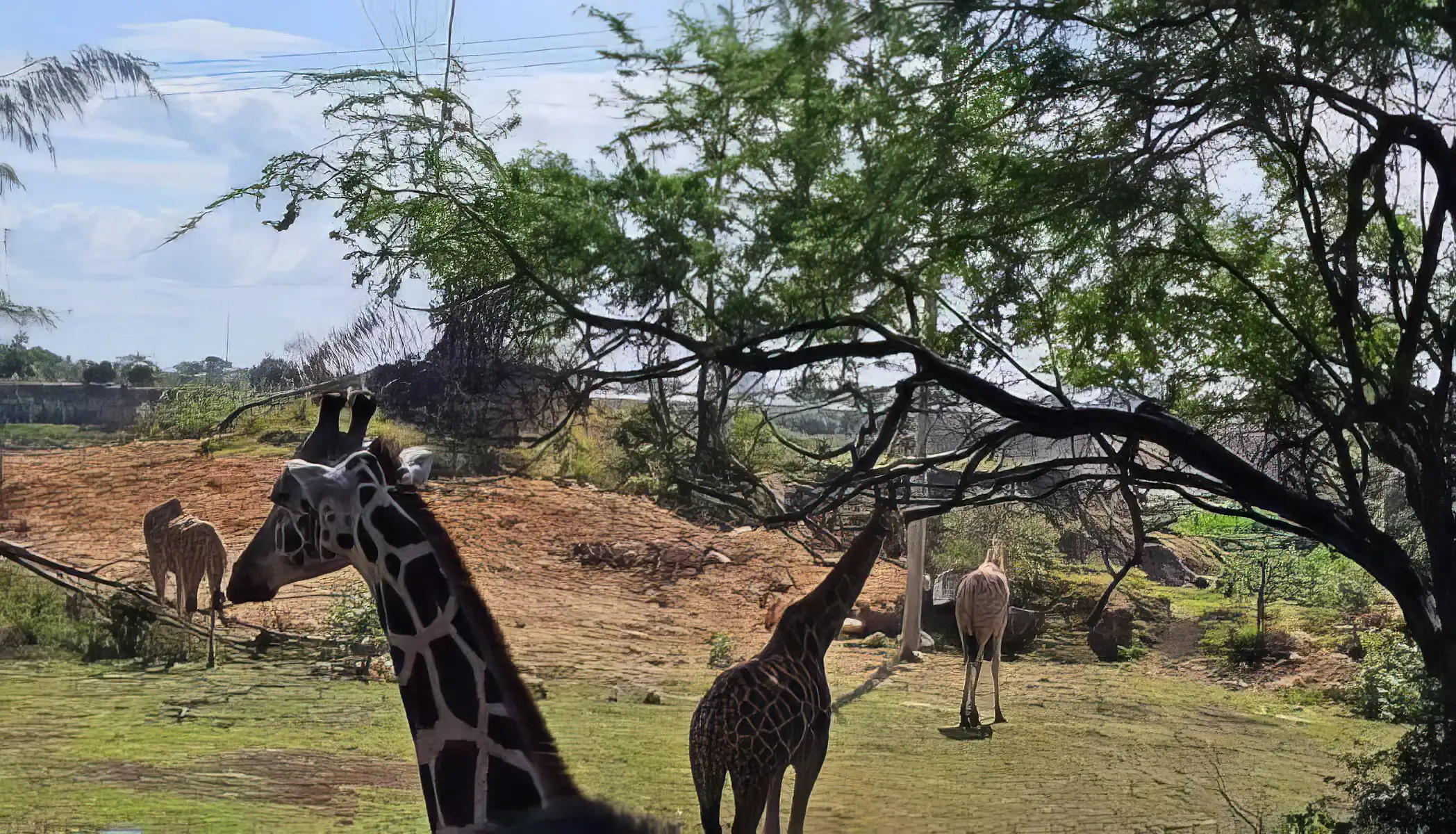
Travelers in Mombasa can enjoy beaches, water sports, local cuisine, cultural sites, and wildlife experiences.
– Snorkeling at Kisite-Mpunguti Marine National Park: Explore lively coral reefs and diverse marine life in this protected area.
– Visit Fort Jesus: Discover the historical significance of this 16th-century Portuguese fort overlooking the harbor.
– Dhow sailing experience: Enjoy a traditional sailing trip on a wooden dhow along the coast at sunset.
– Explore Haller Park: Walk through this nature park featuring various wildlife species and beautiful gardens.
– Take a Swahili cooking class: Learn to prepare traditional dishes using local ingredients and spices from Mombasa.
Cuisine
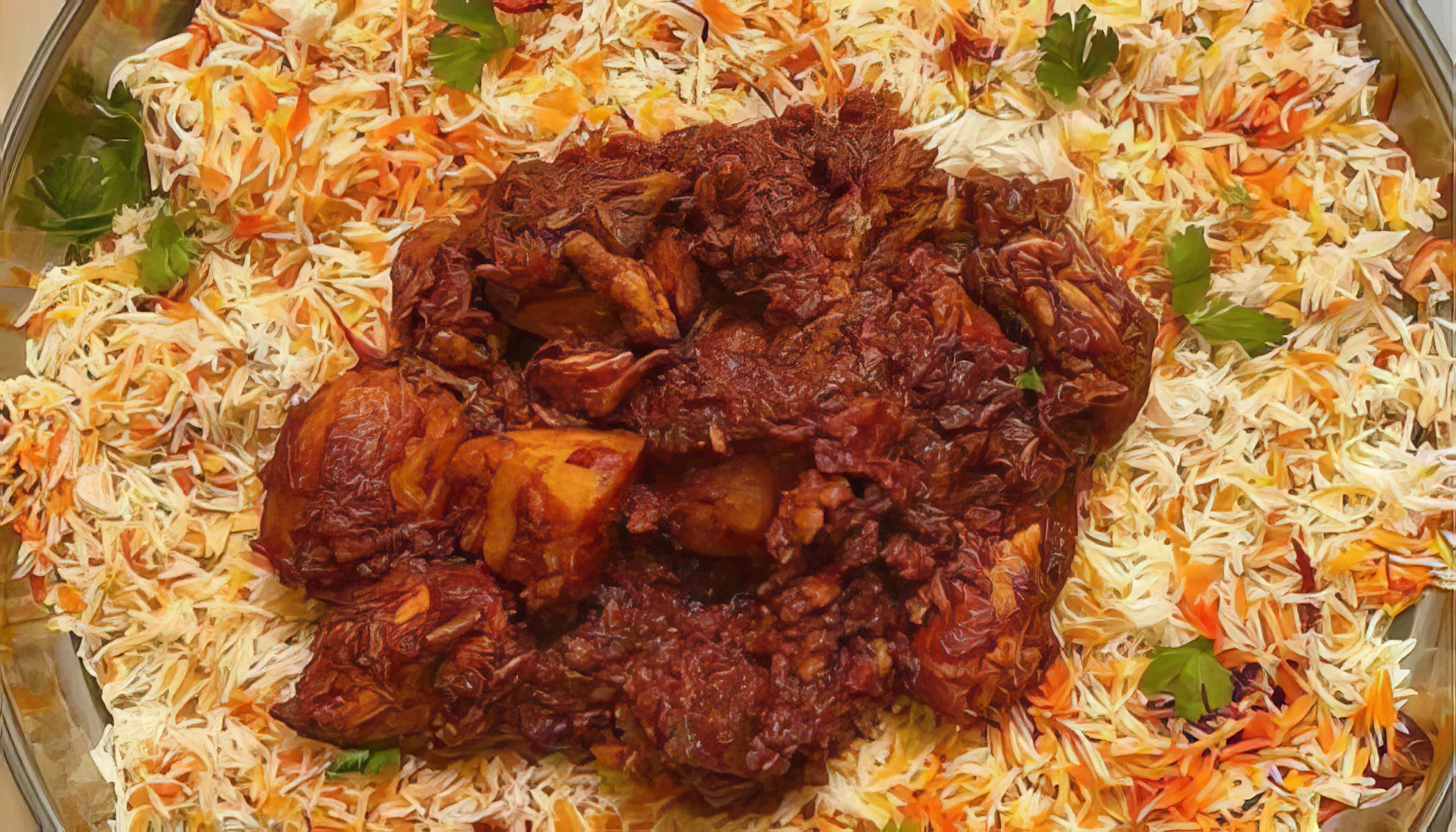
The coastal city offers a rich blend of Swahili, Indian, and Arabic culinary influences, reflecting its diverse cultural heritage. Some of the city's most famous dishes include:
– Biryani: Spiced rice dish cooked with meat, often chicken or beef, and aromatic spices.
– Pilau: Fragrant rice dish seasoned with spices like cumin and cardamom, usually served with meat or vegetables.
– Samosa: Deep-fried pastry filled with spiced meat or vegetables, a popular snack.
– Mahamri: Sweet fried bread made with coconut milk, often enjoyed at breakfast.
– Viazi Karai: Potatoes coated in spicy batter and deep-fried until crispy.
– Kashata: Sweet snack made from coconut or peanuts mixed with sugar and spices.
Shopping
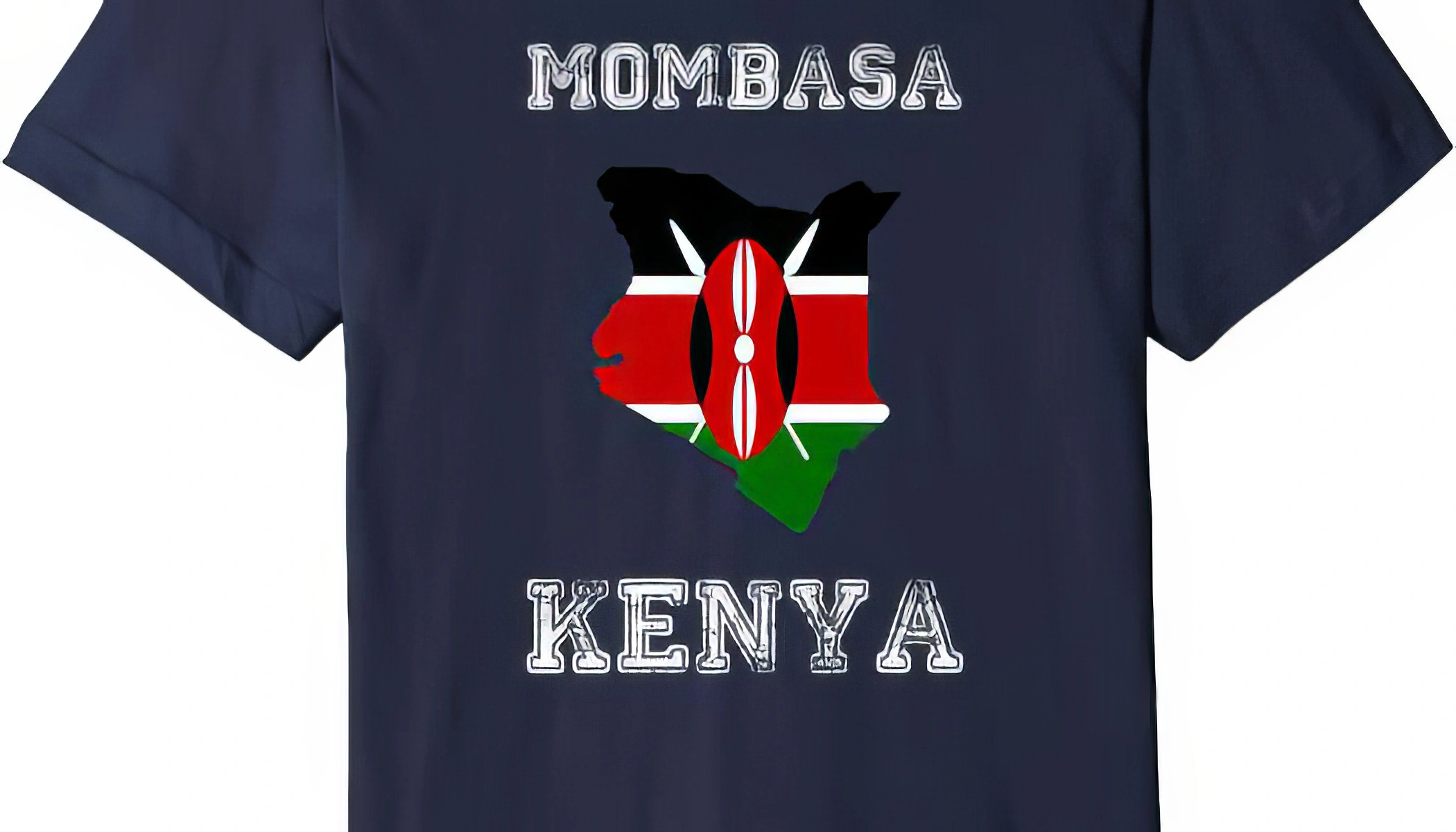
One popular shopping experience is visiting local markets where you can find handmade crafts and souvenirs. Items such as Maasai jewelry, wooden carvings, and colorful textiles are common gifts. The markets also offer spices and local snacks that reflect the region's culture. Shopping centers provide a range of products from clothing to electronics. For a unique gift, consider purchasing traditional Swahili art or decorations. Overall, there are various options for tourists looking to shop or find gifts.
Arts & Culture
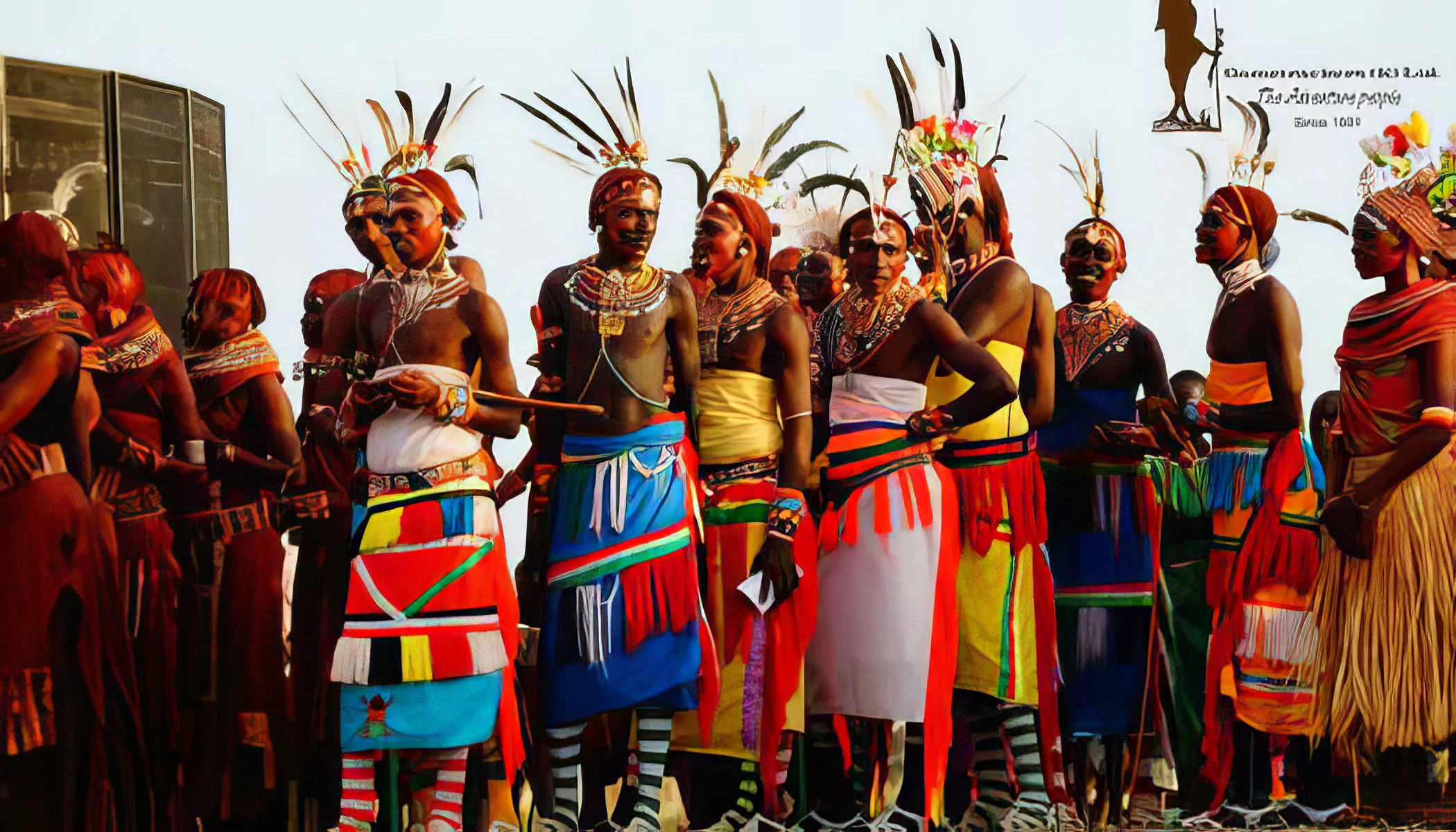
The city hosts the annual Mombasa Carnival, which features animated parades, traditional dance performances, and cultural displays from various communities. The Fort Jesus Museum showcases the region's history and heritage through art exhibitions and artifacts. Local artists often display their work in galleries and markets, reflecting coastal culture and Swahili influences. The Old Port area is also known for its historical significance and artistic expressions related to maritime traditions.