

Sightseeing in Rabat: Culture & Must‑See Spots
This capital city is situated along the Atlantic Ocean and the Bou Regreg River. It features historical sites, including a royal palace, ancient ruins, and lively markets, reflecting a blend of modern and traditional culture.
- Population
- 1.8 millions
- Size
- 118 square km
- Airport
- Salé – Int'l & 1 other
- Train Station
- Gare de Rabat Ville.
- Est. Visit Days
- 2 days
Overview
Rabat is the capital city of Morocco, known for its historical sites and political significance. Pros include its rich culture, UNESCO World Heritage sites like the Kasbah of the Udayas, and relatively calm atmosphere compared to other Moroccan cities. On the downside, Rabat can be less animated in terms of nightlife and entertainment options. The public transportation system is available but may not always be reliable. Overall, Rabat offers a mix of history and tranquility but lacks some of the hustle found in larger cities like Marrakech or Casablanca.
Traffic & Transport
The city features a well-developed public transportation system, including buses and trams that are convenient for tourists. Walking is also a great way to explore the compact city center, allowing visitors to appreciate local architecture and charming markets. Bicycles are available for rent, providing an eco-friendly option for those looking to cover more ground. Traffic can be moderate during peak hours, so it’s advisable to plan accordingly. For reliable taxi services, visitors can use local companies such as Taxi Rabat or Grand Taxi. While there may not be widely known taxi-booking apps specific to this area, traditional taxis can often be hailed on the street or booked through hotel concierge services.
History
The area has a history of being inhabited since the Phoenician and Roman times. It became significant during the Almohad dynasty in the 12th century, serving as a military and administrative center. The city was later influenced by various cultures, including Spanish and French, due to colonialism. In the early 20th century, it was designated the capital of French Morocco. The blend of these influences is evident in its architecture and cultural practices today.
Itinerary Sample
This itinerary outlines a two-day visit to Rabat, Morocco, highlighting key attractions and activities.
– First day: Visit the Hassan Tower, explore the Mausoleum of Mohammed V, stroll through the Kasbah of the Udayas, and relax at the beach.
– Second day: Tour the Royal Palace, visit the Chellah ruins, explore the Medina, and check out the National Archaeological Museum.
Near Excursion
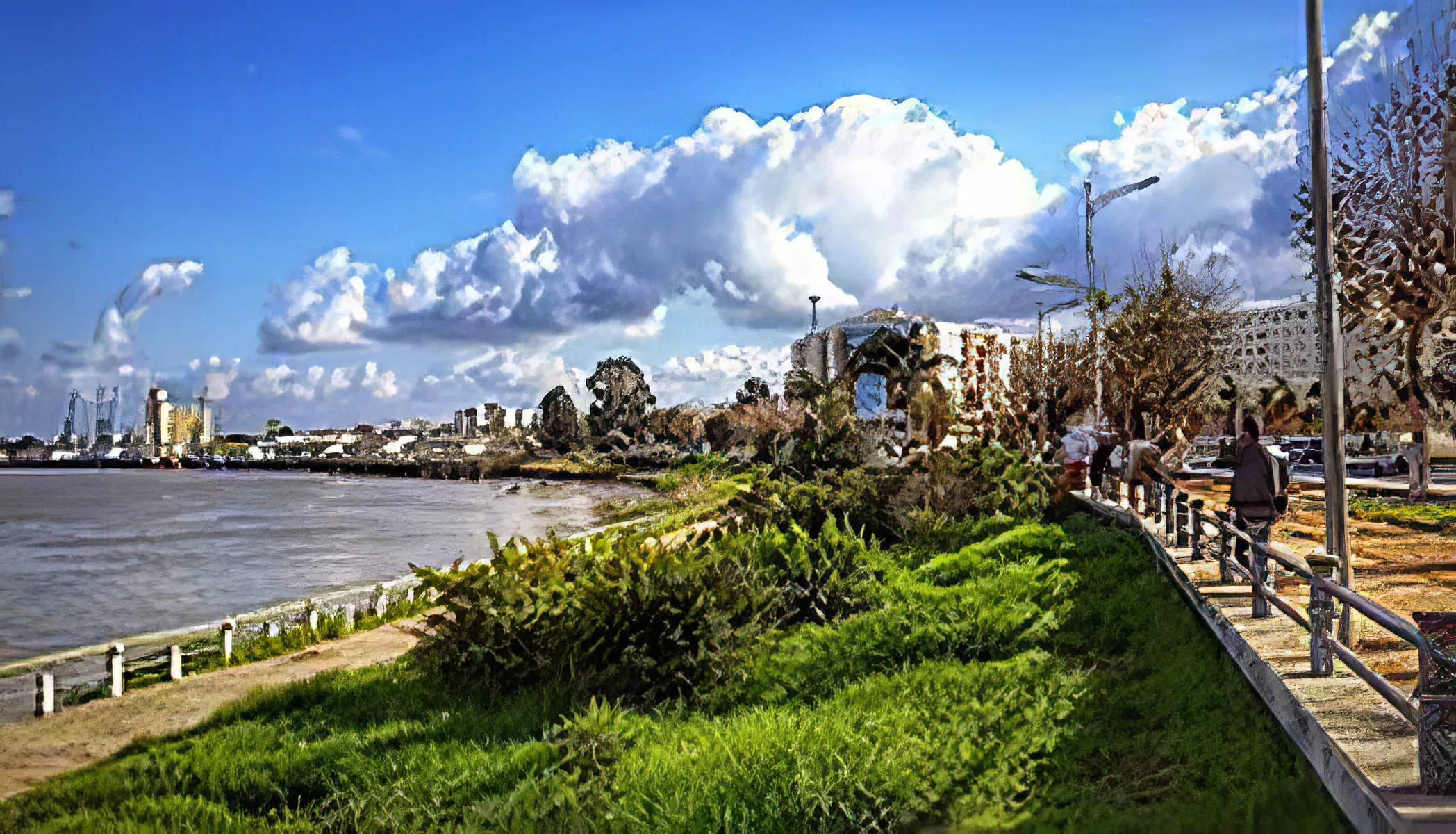
This city offers several unusual day-trip options within a short drive. Here are some ideas:
– Casablanca at 90 km: Explore Hassan II Mosque, one of the largest mosques in the world.
– Meknes at 130 km: Discover this imperial city's historical sites and its renowned Bab Mansour gate.
– Kenitra at 40 km: Visit Mehdia Beach for a relaxing day by the Atlantic Ocean.
– Moulay Bousselham at 140 km: A coastal town known for its beautiful lagoon and birdwatching opportunities.
– Mohammedia at 70 km: Enjoy sandy beaches and explore local markets in this charming port city.
Attraction
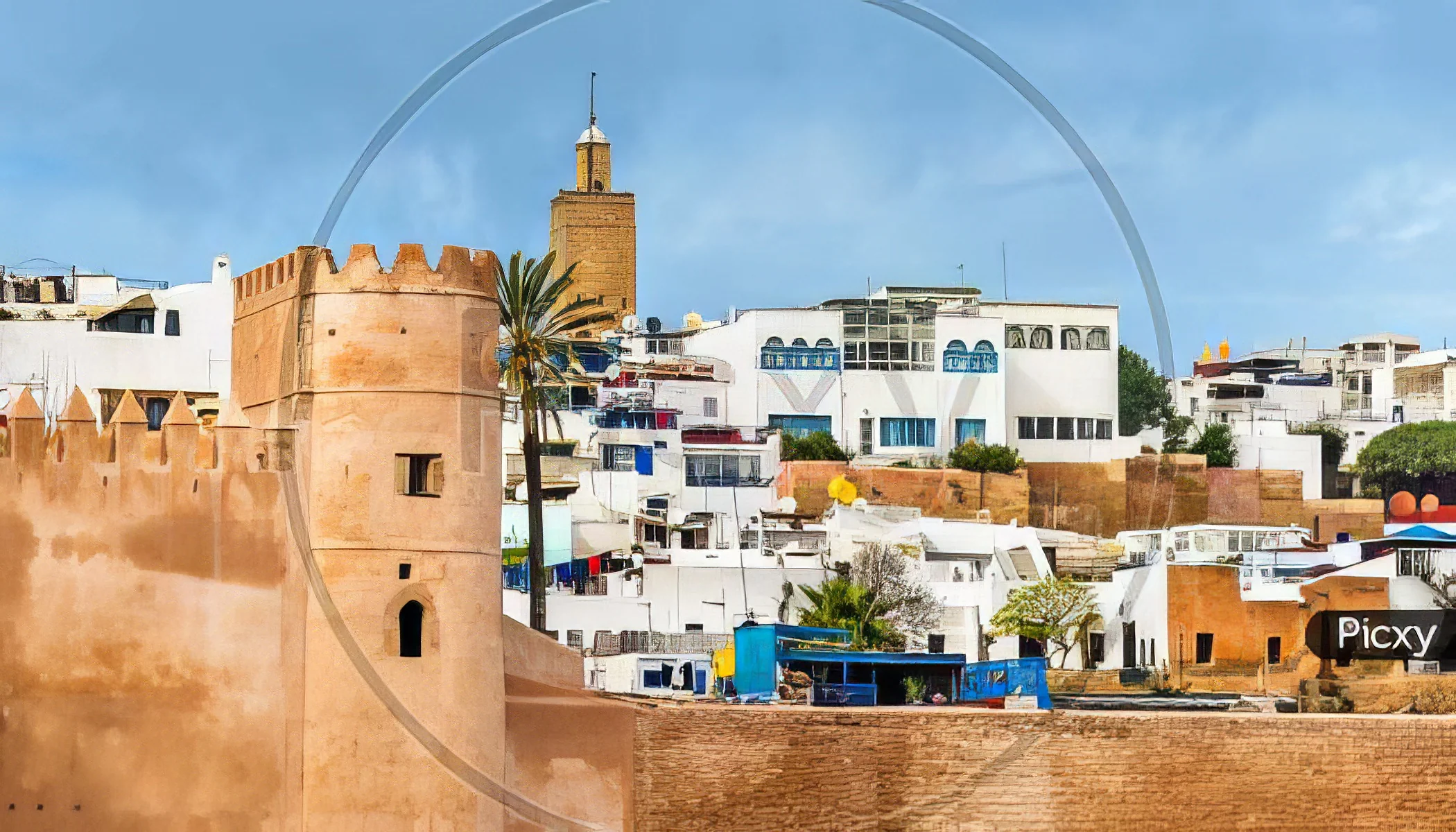
The city offers a mix of historical sites, modern architecture, and coastal views for tourists.
– Kasbah of the Udayas: A historic fortress with narrow streets and Andalusian gardens overlooking the ocean.
– Hassan Tower: An incomplete minaret from the 12th century next to the mausoleum of Mohammed V.
– Mausoleum of Mohammed V: A royal tomb with remarkable architecture, housing King Mohammed V and his sons.
– Chellah: Ancient Roman ruins turned into a medieval necropolis with beautiful gardens and storks.
– Rabat Archaeological Museum: Offers exhibits showcasing artifacts from Morocco's prehistoric to Islamic periods.
– Medina: A traditional market area with shops selling crafts, textiles, and local food.
Activity
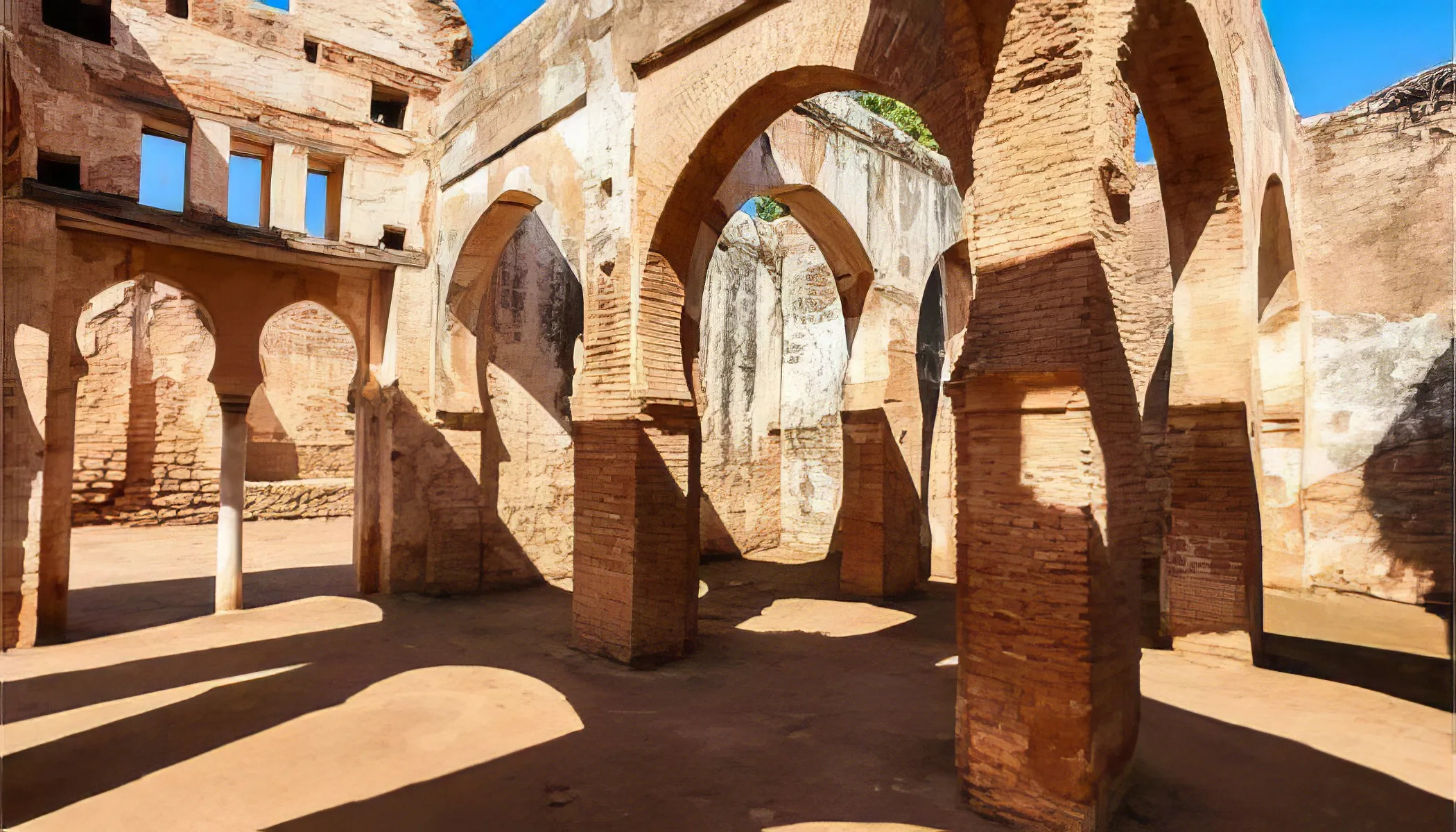
In Rabat, travelers can explore historical sites, enjoy local cuisine, and experience cultural activities unique to Morocco.
– Coastal walk: Stroll along the scenic coastline while enjoying views of the Atlantic Ocean and local wildlife.
– Kasbah of the Udayas: Visit this historic fortress with narrow streets, gardens, and remarkable ocean views.
– Royal Palace Gardens: Relax in beautifully landscaped gardens near the royal residence with fountains and palm trees.
– Chellah Necropolis: Explore ancient ruins and gardens that reflect Roman and Islamic heritage in a calm environment.
– Traditional souks: Experience local shopping in pleasant markets offering crafts, textiles, and spices.
Cuisine
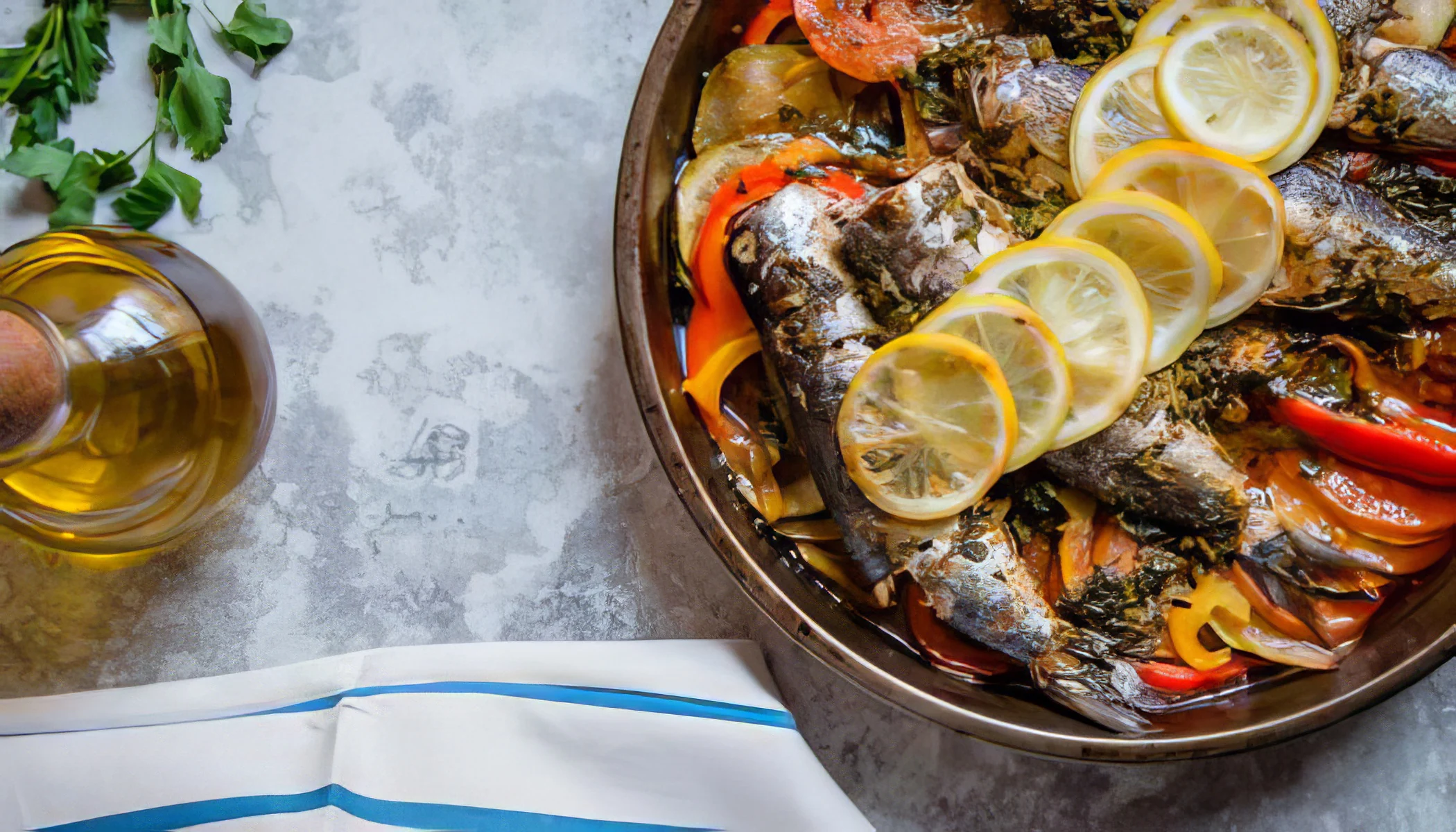
The city offers a blend of traditional Moroccan cuisine with influences from French and Mediterranean flavors. Some of the city's most famous dishes include:
– Tagine: Slow-cooked stew made with meat, vegetables, and aromatic spices, served in a clay pot.
– Couscous: Steamed semolina grains topped with vegetables, meat, and flavorful broth.
– Harira: Hearty soup with tomatoes, lentils, chickpeas, and spices, often eaten during Ramadan.
– Pastilla: Savory-sweet pie filled with pigeon or chicken, almonds, and cinnamon.
– Chebakia: Fried sesame cookies coated in honey; popular during Ramadan.
– Mint Tea: Traditional sweetened green tea infused with fresh mint leaves.
Shopping
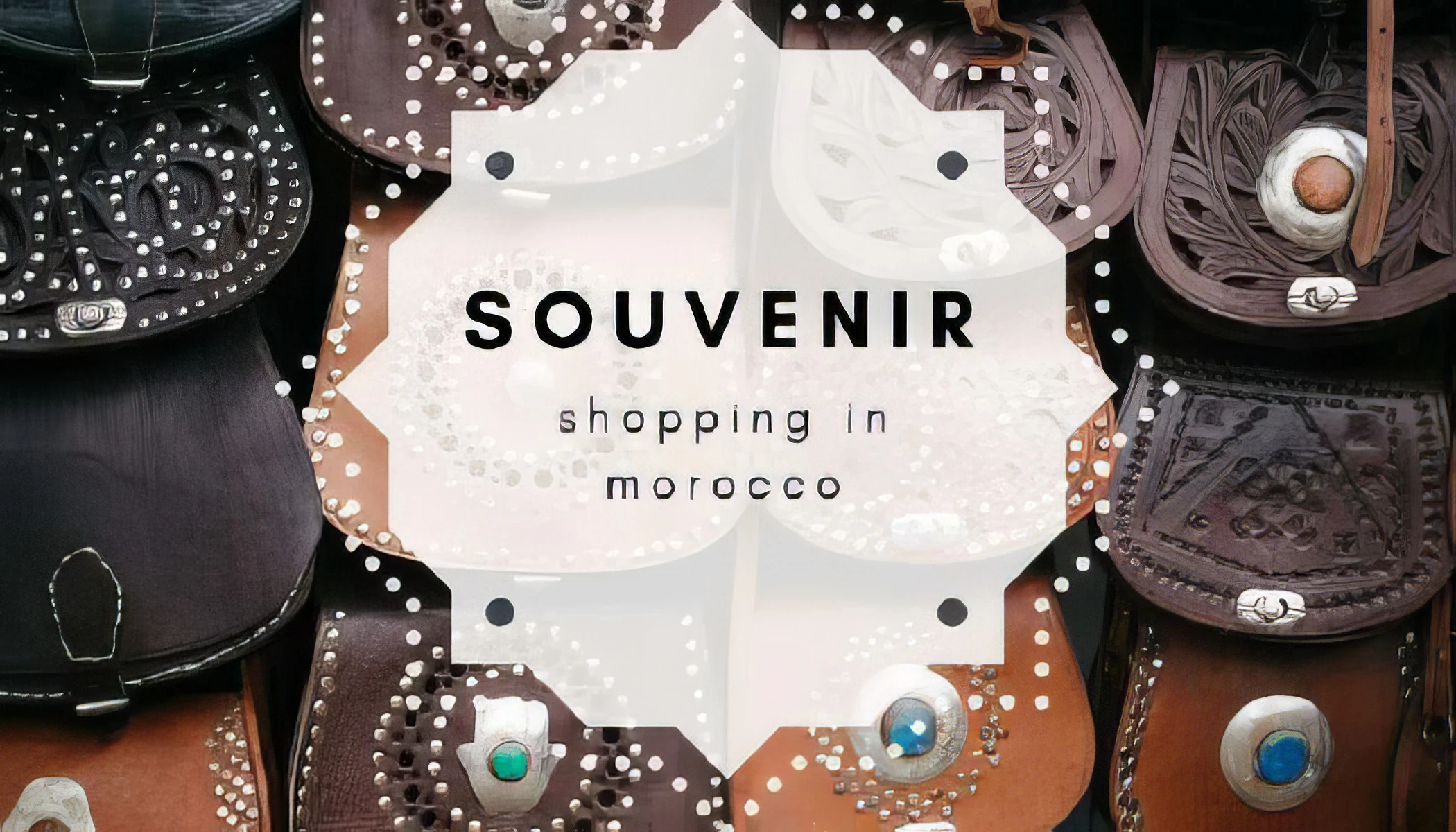
You can find a variety of traditional handicrafts in the local markets. Leather goods, such as bags and slippers, are popular purchases. Pottery and ceramics are also unique gifts that represent the region's culture. Look for items made with Moroccan patterns or designs. Spices are another good option, offering a taste of local flavors to take home. Bargaining is common, so be prepared to negotiate prices.
Arts & Culture
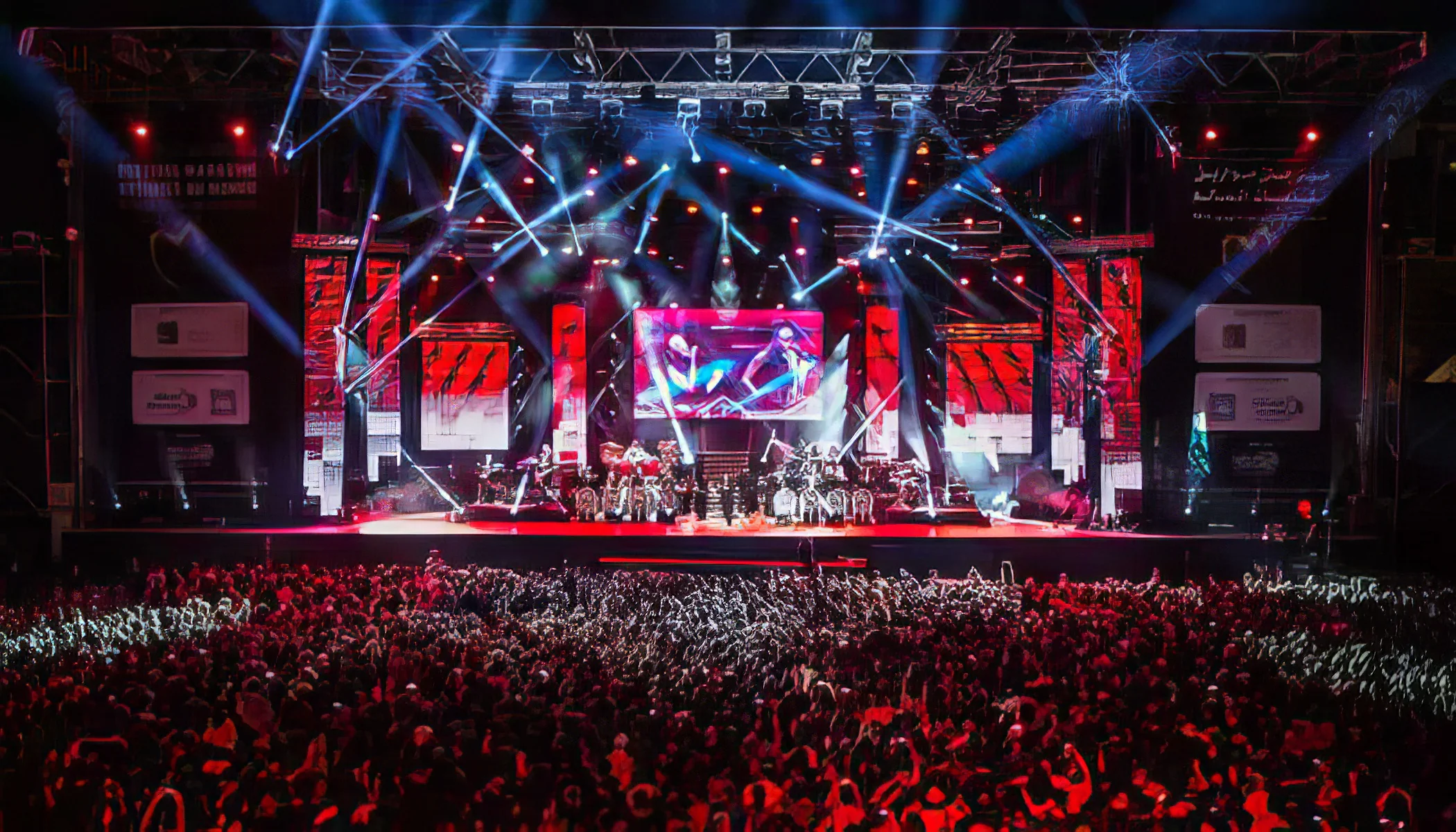
The city hosts the Mawazine Festival, a significant music event that attracts international artists and large crowds every year. There are several art galleries showcasing contemporary Moroccan art, including the Museum of Modern and Contemporary Art. The Royal Palace often features cultural events related to traditional Moroccan arts. Additionally, various museums highlight the country's history and artistic heritage throughout the year.