

Sightseeing in Multan: Culture & Must‑See Spots
This city is known for its rich history, ancient tombs, and energetic culture. It serves as a major economic hub in the region, with agriculture and trade playing significant roles in its development. The climate is typically hot and arid.
- Population
- 1.5 millions
- Airport
- Multan International – Int'l
- Train Station
- Multan Cantonment & 1 other station
- Est. Visit Days
- 2 days
Overview
Multan is a city in Pakistan known for its rich history and cultural heritage. Pros include its historical sites, such as ancient forts and shrines, which attract visitors. The city has a growing economy and is an important center for agriculture and trade. However, cons include traffic congestion and pollution, which can affect daily life. Additionally, infrastructure may not be as developed as in larger cities like Karachi or Lahore.
Traffic & Transport
The city has a mix of narrow streets and wider roads, which can lead to congestion during peak hours. The best means of transport for exploring the area is by using auto-rickshaws or motorbikes, as they can navigate through traffic more efficiently than cars. Public buses also serve various routes but may not be the most convenient for tourists. Walking is another great option in certain areas, especially around historical sites. For reliable taxi services, local companies are available, and some popular taxi-booking apps may function in the area, providing convenience for visitors. It's advisable to check for options like ride-hailing services that operate in urban centers to ensure safe transportation.
History
The region has a long history of various rulers, including the Indus Valley Civilization and later empires like the Maurya and Gupta. It became an important center for trade due to its strategic location on ancient routes. The area was influenced by Islamic culture after the arrival of Muslim conquerors in the 8th century. It experienced significant conflict during the Mughal Empire, which left a lasting architectural legacy. In more recent history, it was affected by British colonial rule until Pakistan's independence in 1947.
Itinerary Sample
Here is a suggested 2-day itinerary for exploring Multan, Pakistan.
– First day: Visit the Shah Rukn-e-Alam Shrine and explore the ancient Multan Fort. In the afternoon, check out the Tomb of Bahauddin Zakariya and enjoy local cuisine at a nearby restaurant.
– Second day: Start with the beautiful Hussain Agahi Bazaar for shopping. Then visit the Multan Museum and end your day at the relaxed Ghanta Ghar (Clock Tower) area for some local snacks.
Near Excursion
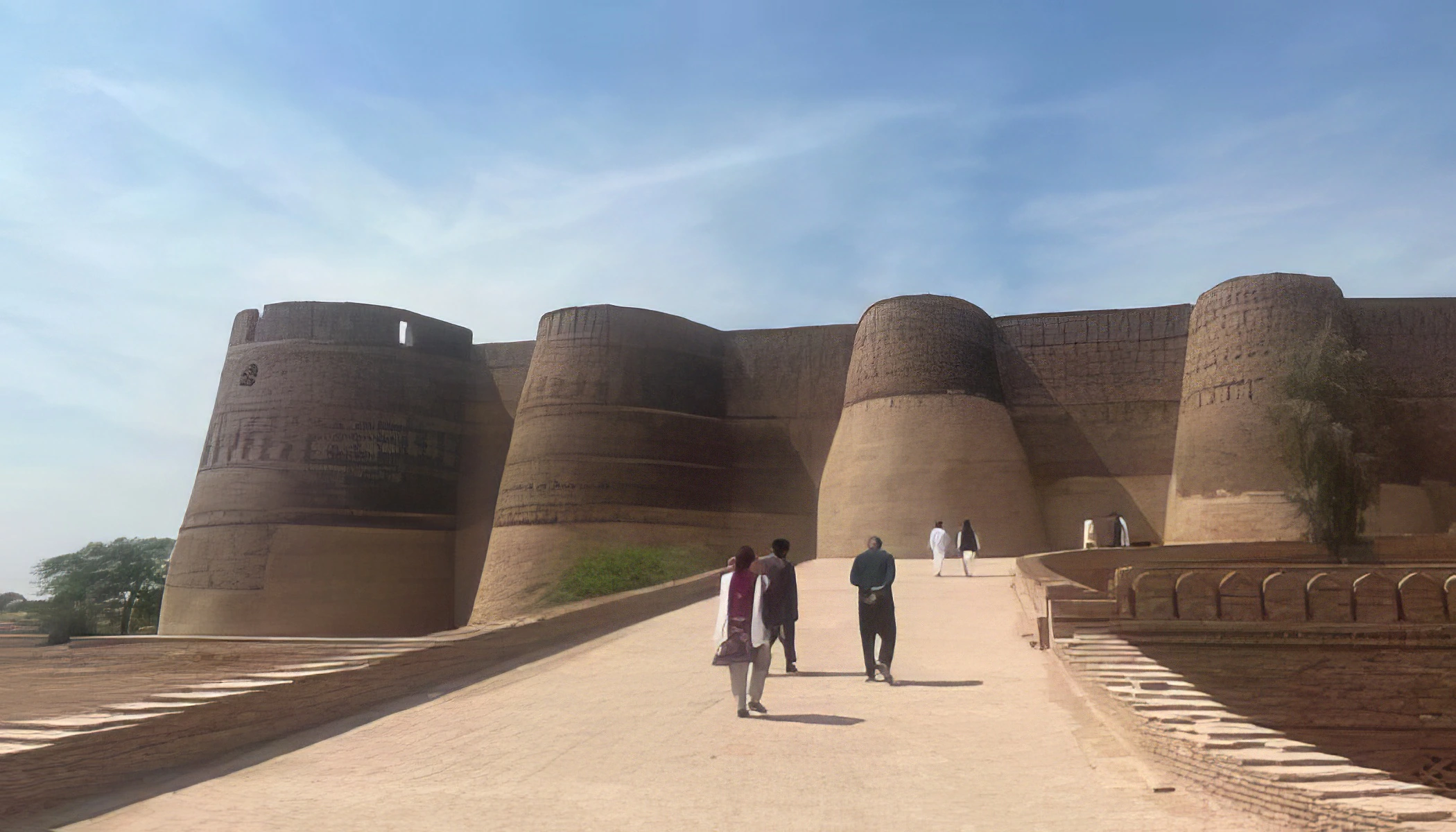
This city serves as a gateway to several interesting day trips. Here are some options:
– Harappa at 130 km: Explore the ruins of an ancient Indus Valley civilization with a small museum on-site.
– Uch Sharif at 75 km: Visit historical tombs and shrines in this ancient city known for its Sufi heritage.
– Derawar Fort at 100 km: A massive square fortress in the Cholistan Desert, known for its impressive architecture.
– Kot Mithan at 90 km: Discover the birthplace of famous Sufi poet Khawaja Ghulam Farid, with his shrine located here.
– Head Panjnad at 70 km: Witness the confluence of five rivers with picturesque views and picnic spots.
Attraction
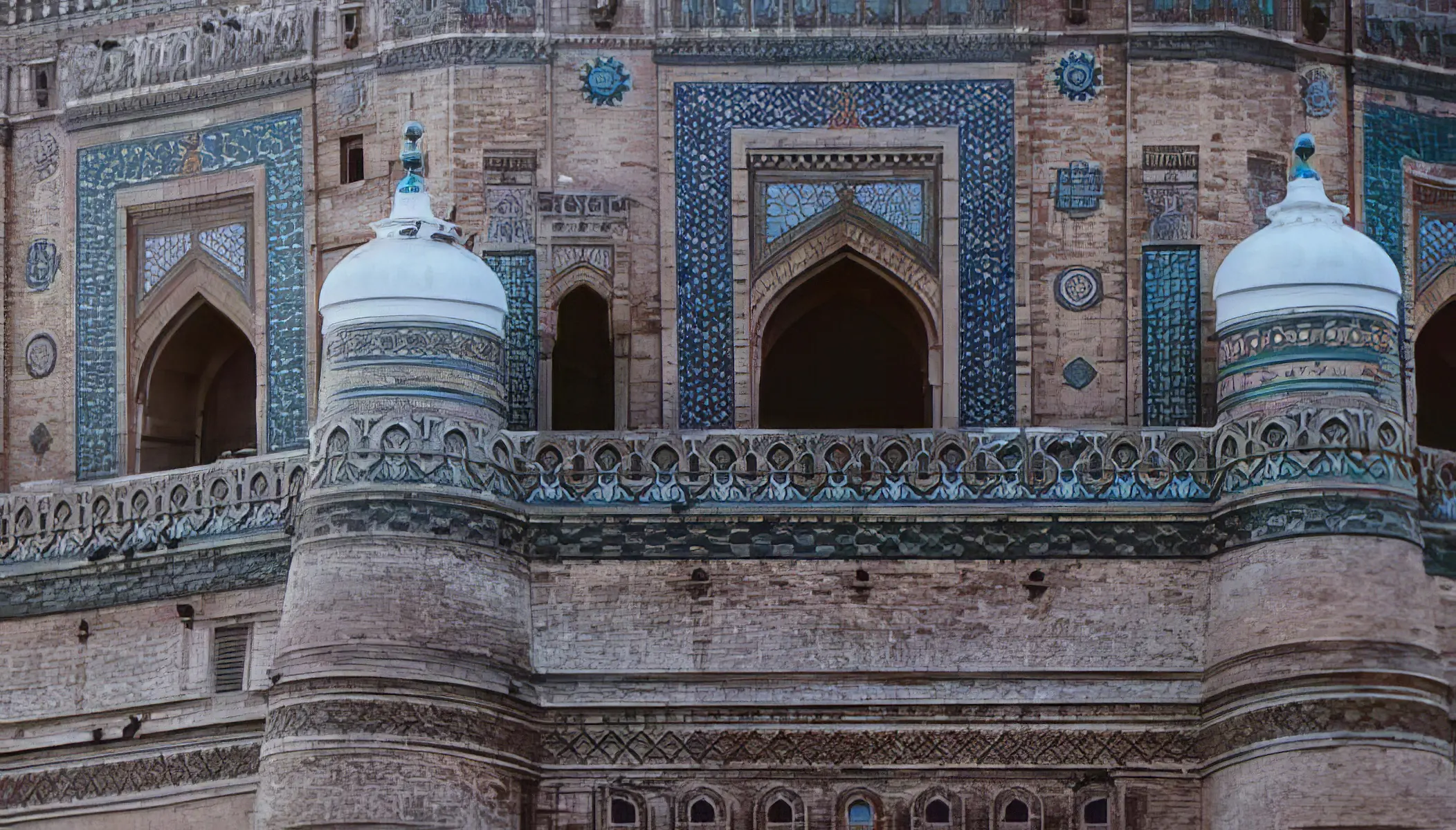
Known for its rich history and architecture, the city offers a range of cultural and historical sites.
– Shah Rukn-e-Alam Tomb: A beautiful example of early Islamic architecture with sophisticated tile work and a spiritual atmosphere.
– Multan Fort: An ancient fort offering panoramic views of the city, though much of it is now in ruins.
– Shrine of Bahauddin Zakariya: A significant Sufi shrine attracting pilgrims and showcasing beautiful Islamic art and architecture.
– Ghanta Ghar (Clock Tower): Located in the heart of the city, this landmark serves as a pleasant hub for local commerce.
– Hussain Agahi Bazaar: A animated market where you can experience local culture and buy traditional handicrafts.
– Qasim Bagh Stadium: Offers insight into local sports culture with occasional cricket matches and events.
Activity
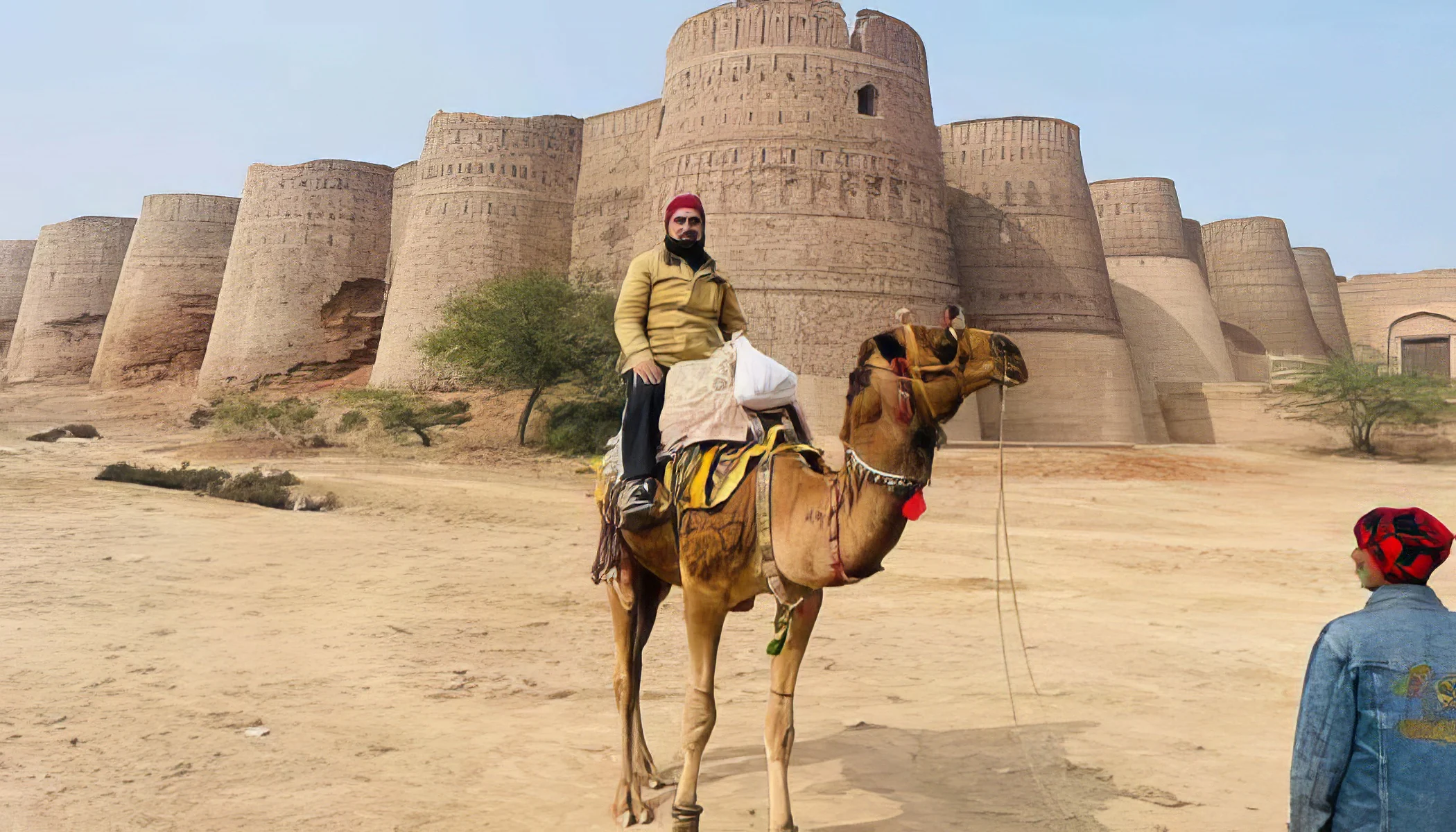
Travelers in Multan can explore its rich history, remarkable culture, and unique local traditions through various activities.
– Sufi Shrines Visit: Explore the famous shrines of Sufi saints, experiencing spiritual ambiance and local rituals.
– Pottery Workshops: Participate in traditional pottery-making sessions to learn this ancient craft from local artisans.
– Multani Cuisine Tour: Taste authentic dishes at local eateries, discovering the flavors of Multan's culinary heritage.
– Desert Safari: Experience a thrilling jeep ride in the nearby Cholistan Desert, enjoying sand dunes and sunsets.
– Local Handicraft Shopping: Shop for handmade crafts like carpets and pottery, supporting local artisans while taking home unique souvenirs.
Shopping
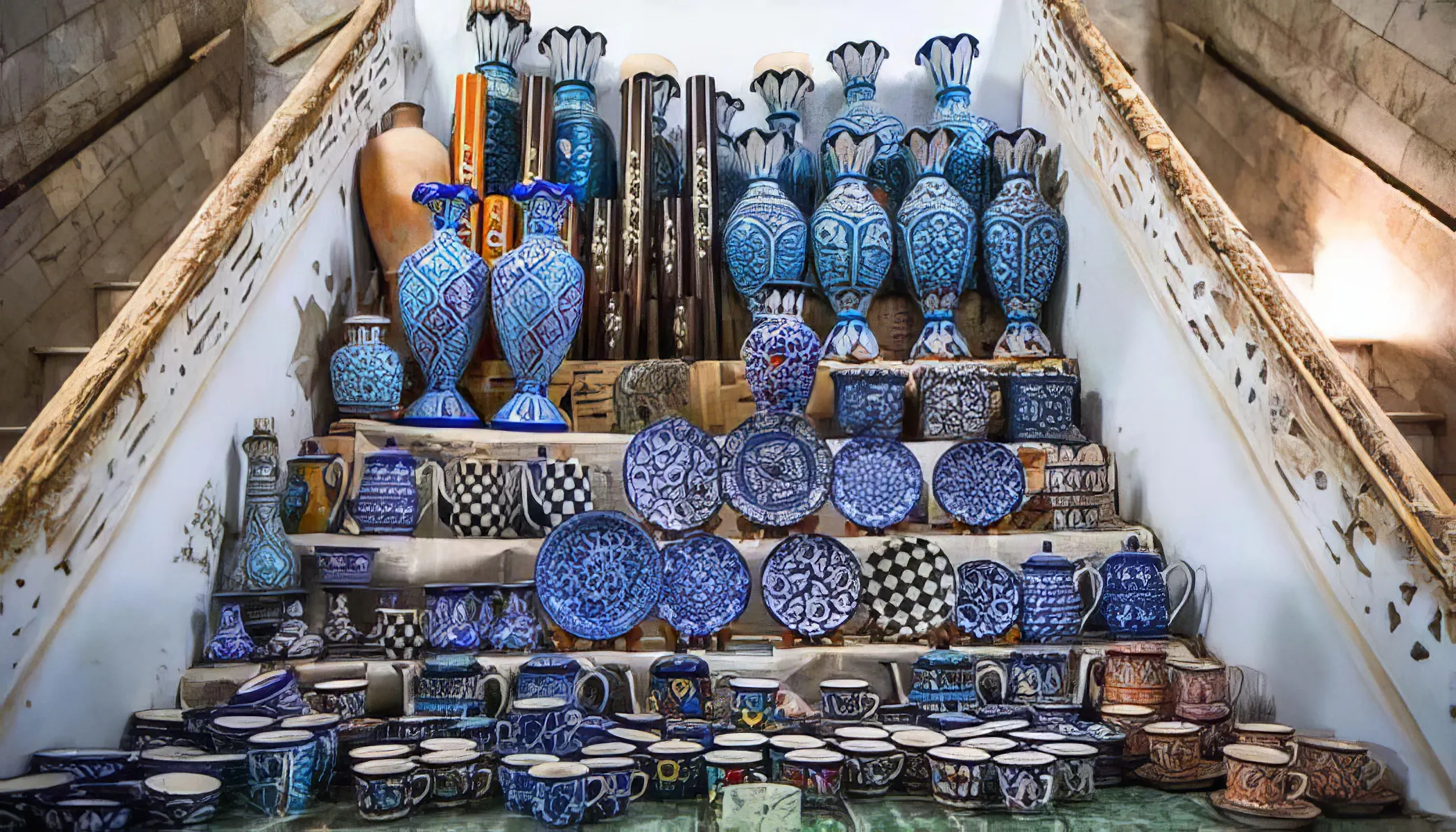
One of the best shopping experiences is to visit local bazaars, where you can find traditional handicrafts. Items like blue pottery, embroidered textiles, and handmade carpets are popular choices. You can also buy dried fruits and sweets as gifts. Another option is to purchase handcrafted jewelry, which showcases local craftsmanship. Bargaining is common, so be prepared to negotiate prices. Overall, these items reflect the local culture and make meaningful gifts.
Arts & Culture
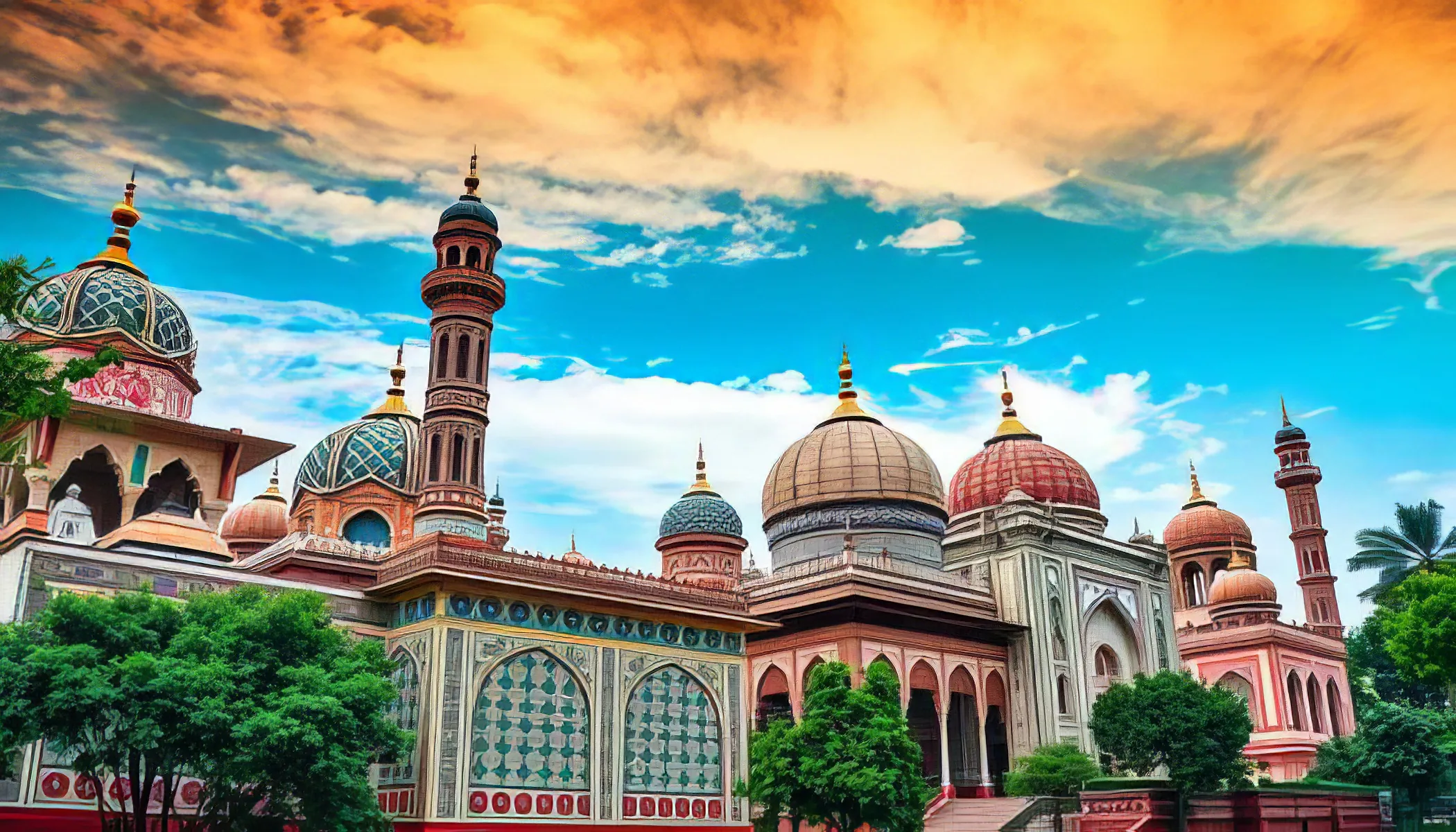
The city is known for its rich tradition of Sufi poetry and music, particularly associated with the shrine of Shah Rukn-e-Alam. Annual Urs festivals celebrate the lives of Sufi saints, featuring qawwali performances and gatherings. The local art scene includes sophisticated tile work and traditional crafts such as pottery and embroidery. Various cultural events are held throughout the year, showcasing local artists and artisans.