

Mumbai Travel Guide: Tourist Places & Activities
This city is a major financial hub, known for its diverse culture and lovely streets. It features a mix of modern skyscrapers and historic landmarks, along with pretty markets and a significant film industry.
- Population
- 20.4 millions
- Size
- 603 square km
- Airport
- Chhatrapati Shivaji Maharaj – Int'l & 1 other
- Train Station
- Chhatrapati Shivaji Maharaj Terminus & 11 others
- Subway
- Yes.
- Est. Visit Days
- 4 days
Overview
Mumbai is a major city in India known for its economic opportunities and cultural diversity. On the positive side, it offers a pleasant job market, especially in finance and entertainment, and has a rich mix of cultures and cuisines. However, it also faces challenges like heavy traffic, high living costs, and significant pollution. The city's infrastructure can be strained due to its large population. Overall, Mumbai presents both exciting opportunities and notable difficulties for residents and visitors alike.
Traffic & Transport
The city experiences heavy traffic congestion, especially during peak hours, which can make navigating by car challenging. The best means of transport to explore the area include the local suburban trains, which are efficient and connect various parts of the city, as well as auto-rickshaws for shorter distances. Additionally, public buses offer an economical way to travel while experiencing local life. For a more comfortable option, using app-based ride services can help avoid the hassle of finding parking or dealing with traffic. Reliable taxi companies include Meru Cabs and Easy Cabs, both of which have a good reputation for service. For convenience, popular taxi-booking apps such as Uber and Ola provide easy access to transportation throughout the city.
History
The area was originally a collection of fishing villages before being colonized by the Portuguese in the 16th century. In 1661, it was given to the British as part of a marriage dowry and became an important trading port. The city played a significant role during the First War of Independence in 1857, which marked growing resistance against British rule. Following independence in 1947, it rapidly industrialized and became a financial hub. The diverse cultural landscape reflects various influences from colonial times to modern-day India.
Itinerary Sample
This 4-day itinerary covers key attractions and experiences in Mumbai.
– First day: Visit the Gateway of India, take a ferry to Elephanta Caves, explore Colaba Causeway for shopping, and end with a walk along Marine Drive.
– Second day: Explore Chhatrapati Shivaji Maharaj Terminus, visit the Victoria and Albert Museum, stroll through Kala Ghoda art district, and enjoy dinner at a local restaurant.
– Third day: Visit the Sanjay Gandhi National Park and Kanheri Caves in the morning, then head to Juhu Beach for sunset and try street food.
– Fourth day: Explore Dharavi slum on a guided tour, visit Mahim Nature Park, see Haji Ali Dargah, and finish with a visit to Siddhivinayak Temple.
Near Excursion
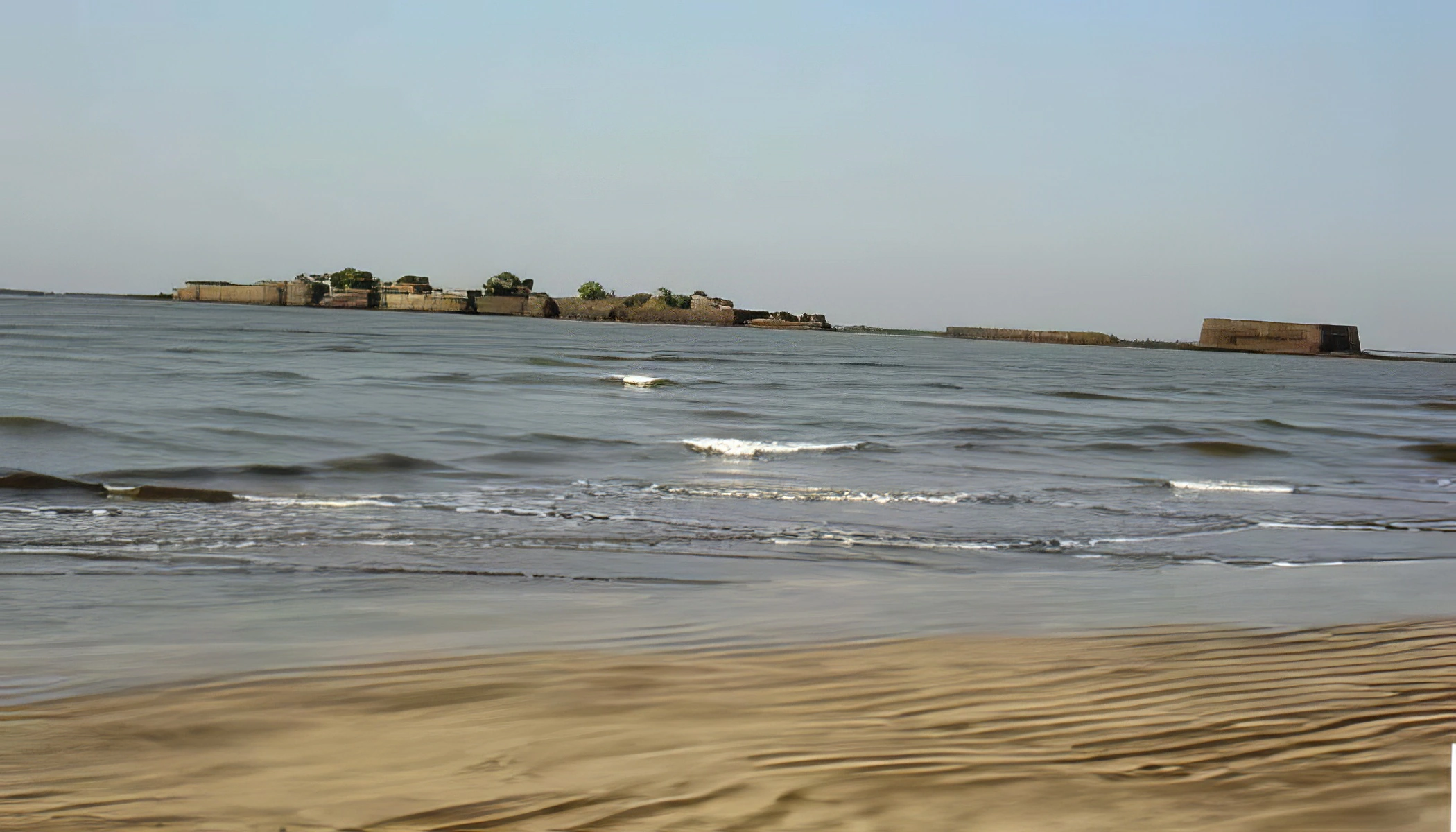
This city offers several interesting day-trip options within a short drive. Here are some suggestions:
– Elephanta Island at 11 km: Famous for ancient rock-cut caves and sculptures dedicated to Hindu gods.
– Lonavala at 83 km: A hill station known for its scenic beauty, waterfalls, and the famous chikki sweet.
– Alibaug at 95 km: A coastal town with sandy beaches, historic forts, and fresh seafood.
– Matheran at 80 km: A vehicle-free hill station with panoramic views and pleasant walking trails.
– Karnala Bird Sanctuary at 47 km: Home to over 150 bird species and a small fort trek.
Attraction
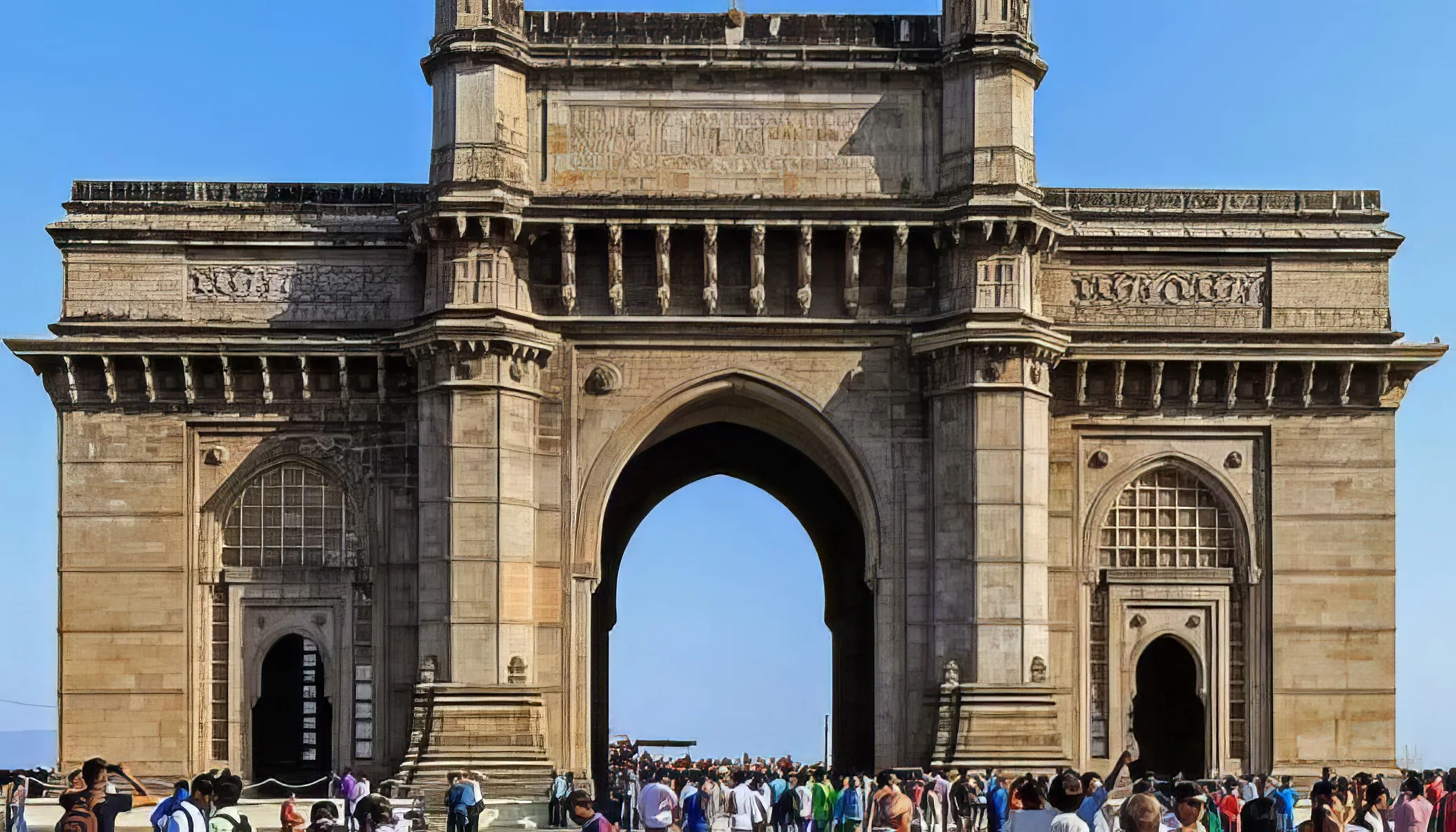
This beautiful city offers a mix of historical landmarks, cultural experiences, and remarkable markets.
– Gateway of India: Iconic arch monument built during the 20th century, offering views of the Arabian Sea and nearby historic hotels.
– Chhatrapati Shivaji Terminus: UNESCO World Heritage site known for its beautiful Victorian Gothic architecture and busy railway station.
– Marine Drive: Scenic promenade along the coast, popular for evening walks and views of the skyline.
– Elephanta Caves: Ancient rock-cut caves featuring impressive sculptures and carvings on an island accessible by ferry.
– Colaba Causeway: Lively market street filled with shops selling clothes, jewelry, and souvenirs; a place to experience local shopping.
– Sanjay Gandhi National Park: Large green space offering wildlife sightings, nature trails, and ancient Buddhist caves in an urban setting.
Activity
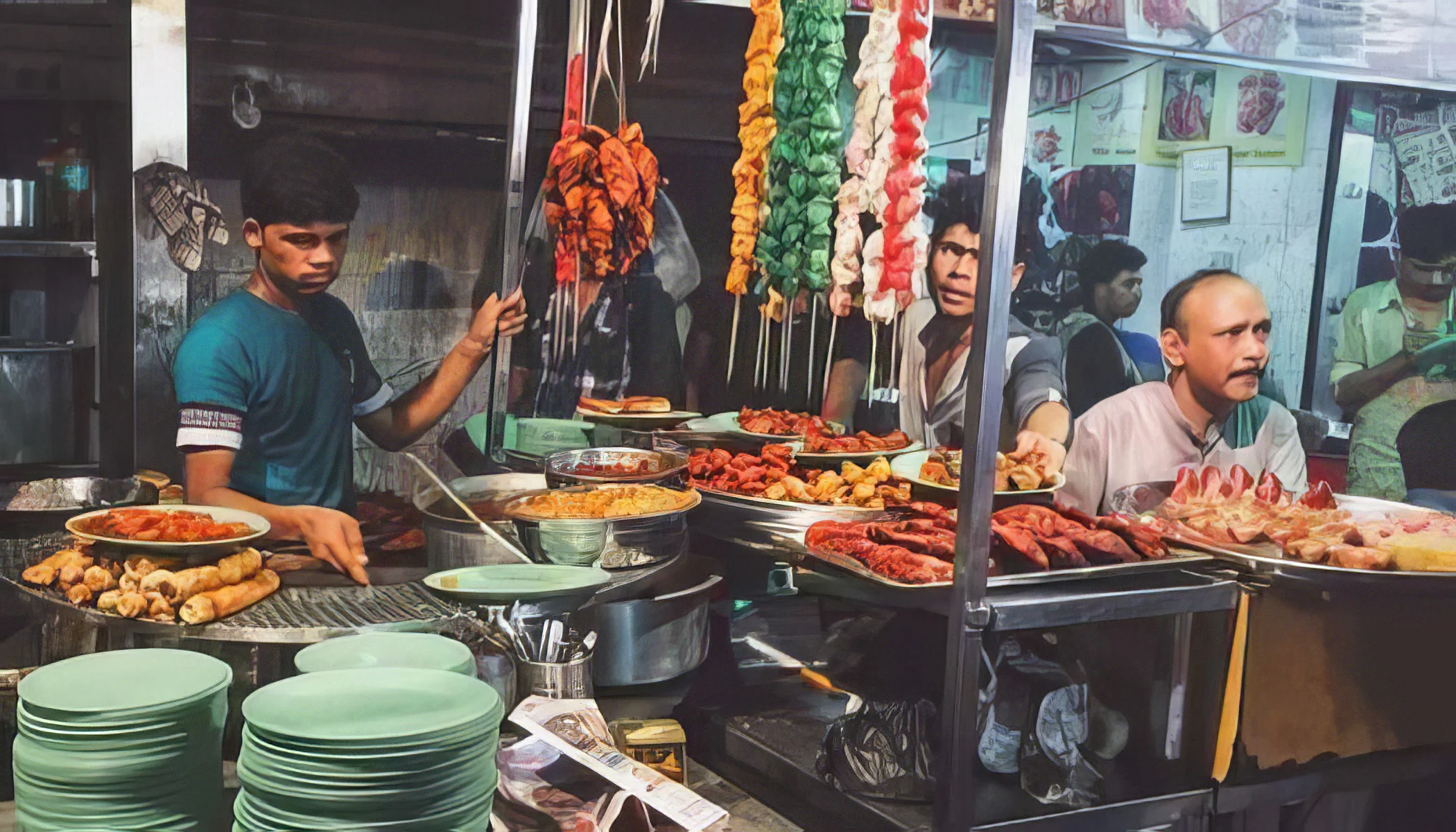
Travelers in Mumbai can explore attractive markets, historic sites, and coastal views while enjoying local cuisine and diverse cultural experiences.
– Dharavi Slum Tour: Experience the daily life and entrepreneurial spirit of Asia's largest slum with a guided tour.
– Gateway of India Boat Ride: Take a scenic boat ride from this iconic landmark to enjoy views of the coastline.
– Local Train Experience: Travel like a local on Mumbai’s suburban trains for a unique insight into daily commuting.
– Street Food Tour: Sample diverse street food offerings while learning about Mumbai's culinary culture from local vendors.
– Bollywood Studio Visit: Get an inside look at the Indian film industry with a guided tour of a working studio.
Cuisine
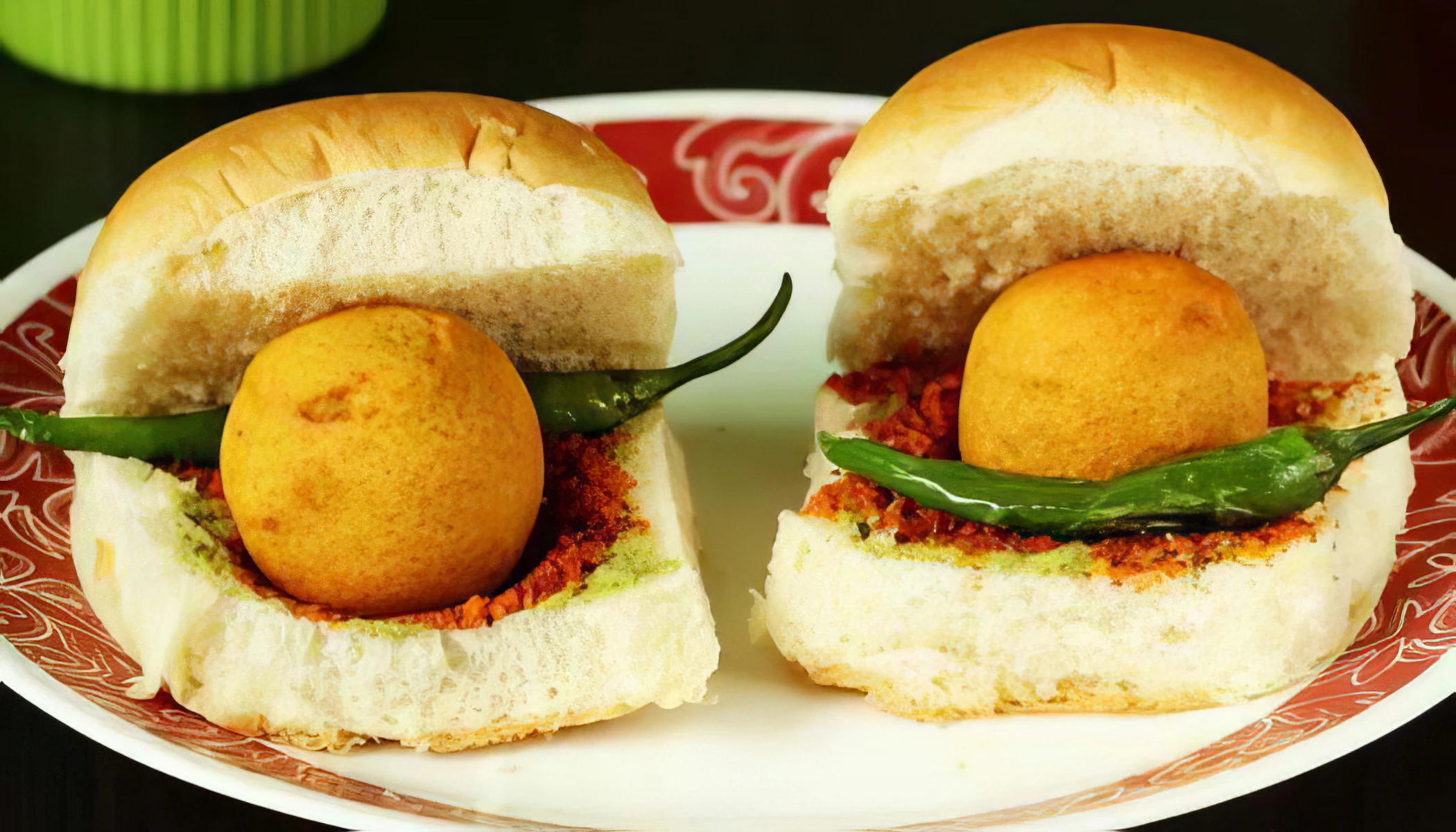
The city offers a animated food scene with a mix of street food and regional specialties, reflecting its diverse cultural influences. Some of the city's most famous dishes include:
– Vada Pav: Spicy potato fritter sandwiched in a bun, often called India's burger.
– Pav Bhaji: Thick vegetable curry served with buttered bread rolls.
– Bhel Puri: A savory snack made of puffed rice, vegetables, and tangy tamarind sauce.
– Sev Puri: Crisp puris topped with diced potatoes, onions, chutneys, and sev.
– Pani Puri: Hollow puris filled with spicy water, tamarind chutney, and chickpeas.
– Modak: Sweet dumplings filled with coconut and jaggery, typically offered during festivals.
Shopping
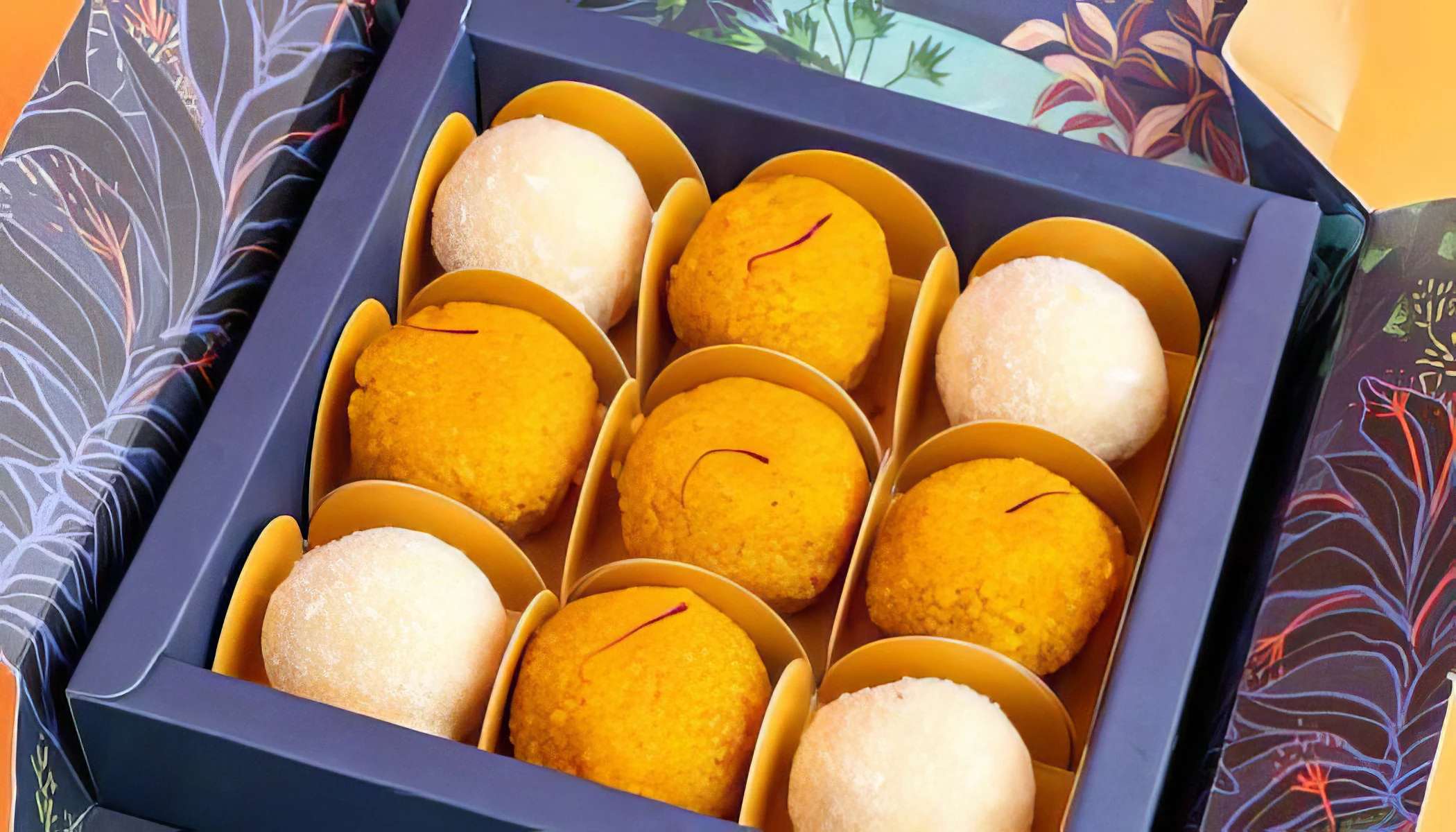
You can visit local markets for traditional handicrafts and textiles. Items like colorful bangles, embroidered bags, and handcrafted jewelry are popular. Look for unique spices or tea blends as gifts. Street stalls often sell attractive clothing at reasonable prices. Souvenirs such as paintings or art prints can also be found. These items reflect the local culture and make thoughtful gifts.
Arts & Culture
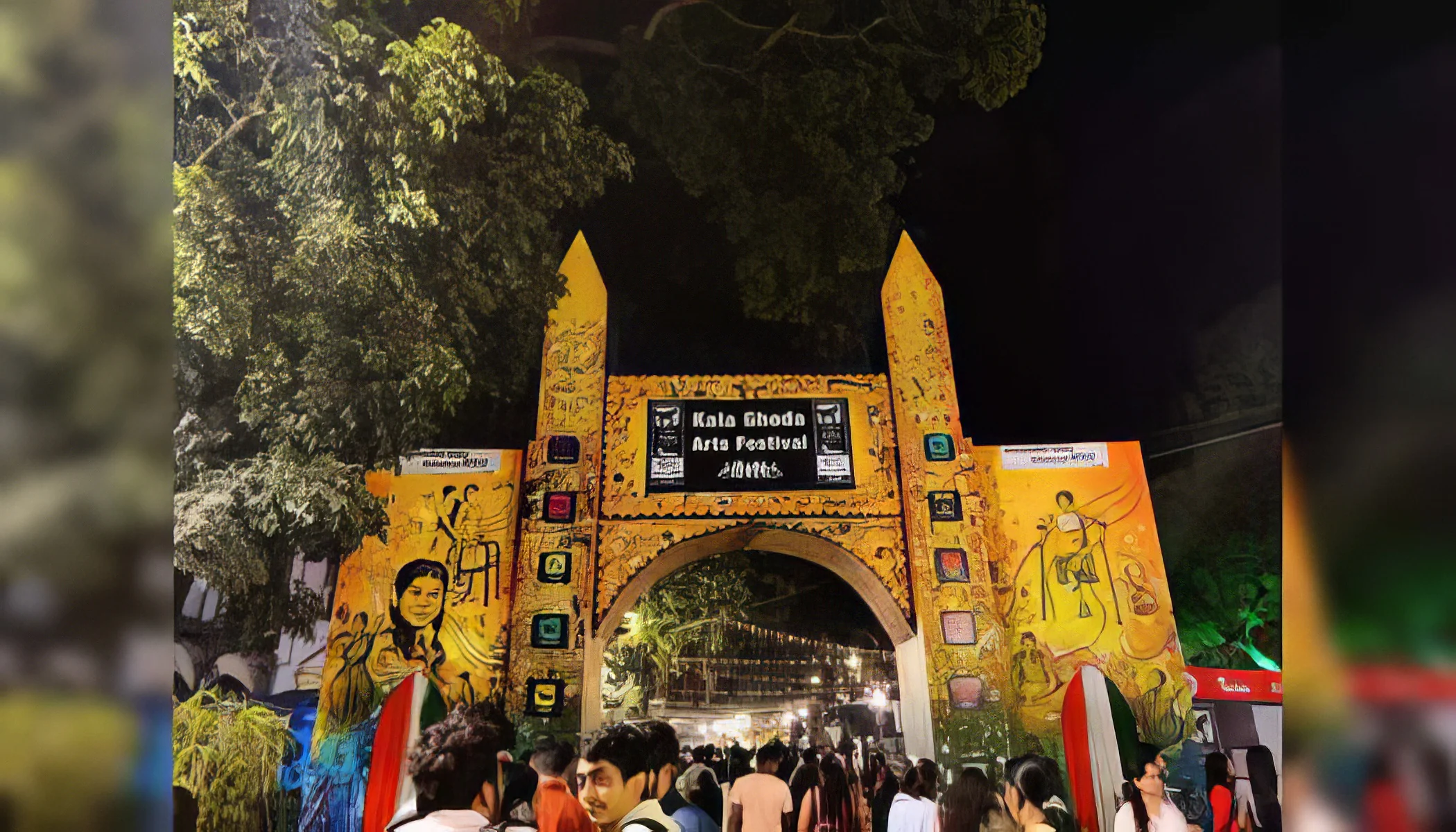
The city hosts the Kala Ghoda Arts Festival, an annual event celebrating visual arts, performing arts, and literature. There are numerous galleries showcasing contemporary and traditional art, including the National Gallery of Modern Art. The city is also known for its vibrant street art scene, particularly in areas like Bandra. Additionally, various theaters offer performances in multiple languages throughout the year.