

Munich: Best Things to Do & Top Attractions
This city, the capital of Bavaria, is known for its annual Oktoberfest, rich history, and the BMW Museum. It boasts numerous parks, historic architecture, and a remarkable cultural scene, making it a key European cultural and economic hub.
- Population
- 1.49 millions
- Size
- 310 square km
- Airport
- Munich – Int'l.
- Train Station
- München Hauptbahnhof
- Subway
- U-Bahn
- Est. Visit Days
- 3 days
Overview
Munich, the capital of Bavaria in Germany, is renowned for its rich cultural scene, historic architecture like the Nymphenburg Palace and the Residenz, and the annual Oktoberfest celebration. The city is also a hub for technology and innovation, with companies like BMW headquartered there. However, Munich is known for its relatively high cost of living, which can be a drawback for visitors. Additionally, the weather tends to be quite unpredictable, with cold winters and rainy summers. Despite these issues, Munich's efficient public transportation and the beautiful English Garden are definite highlights for tourists.
Traffic & Transport
The city's public transportation system is highly efficient and is often the best way to navigate the urban area, especially for tourists. The extensive network includes buses, trams, and the U-Bahn (subway), all of which are interconnected and operate frequently. For visitors looking to explore the city center, walking and cycling are also excellent options, as the area is pedestrian-friendly and offers dedicated bike lanes. Renting a bike is a popular choice and provides a flexible and enjoyable way to see the sights at your own pace. For those preferring to use taxi services, several reliable companies operate in the city. Additionally, ride-hailing apps like Uber and Free Now (formerly MyTaxi) are widely available and offer a convenient option for booking rides directly from your smartphone.
History
Originally founded in 1158 by Henry the Lion, the city was a significant point on the salt and grain trade routes. It became the capital of the Duchy of Bavaria in 1506 and later a significant center of the German Renaissance. The city was heavily bombed during World War II, resulting in the destruction of much of its architectural heritage. Post-war, it was rebuilt, becoming a symbol of the country's post-war economic boom. It is renowned for its annual Oktoberfest celebration, which dates back to 1810 and is now a world-famous event celebrating Bavarian culture.
Itinerary Sample
Here's a 3-day itinerary to explore Munich, Germany, ensuring you experience its key attractions efficiently:
– First day: Visit Marienplatz to see New Town Hall, explore the Viktualienmarkt, and tour the Munich Residenz.
– Second day: Spend the morning at the English Garden, then visit the Bmw Museum and Olympic Park.
– Third day: Explore the Deutsches Museum, stroll through the Nymphenburg Palace and its gardens, and finish with a Bavarian dinner at Hofbräuhaus.
Near Excursion
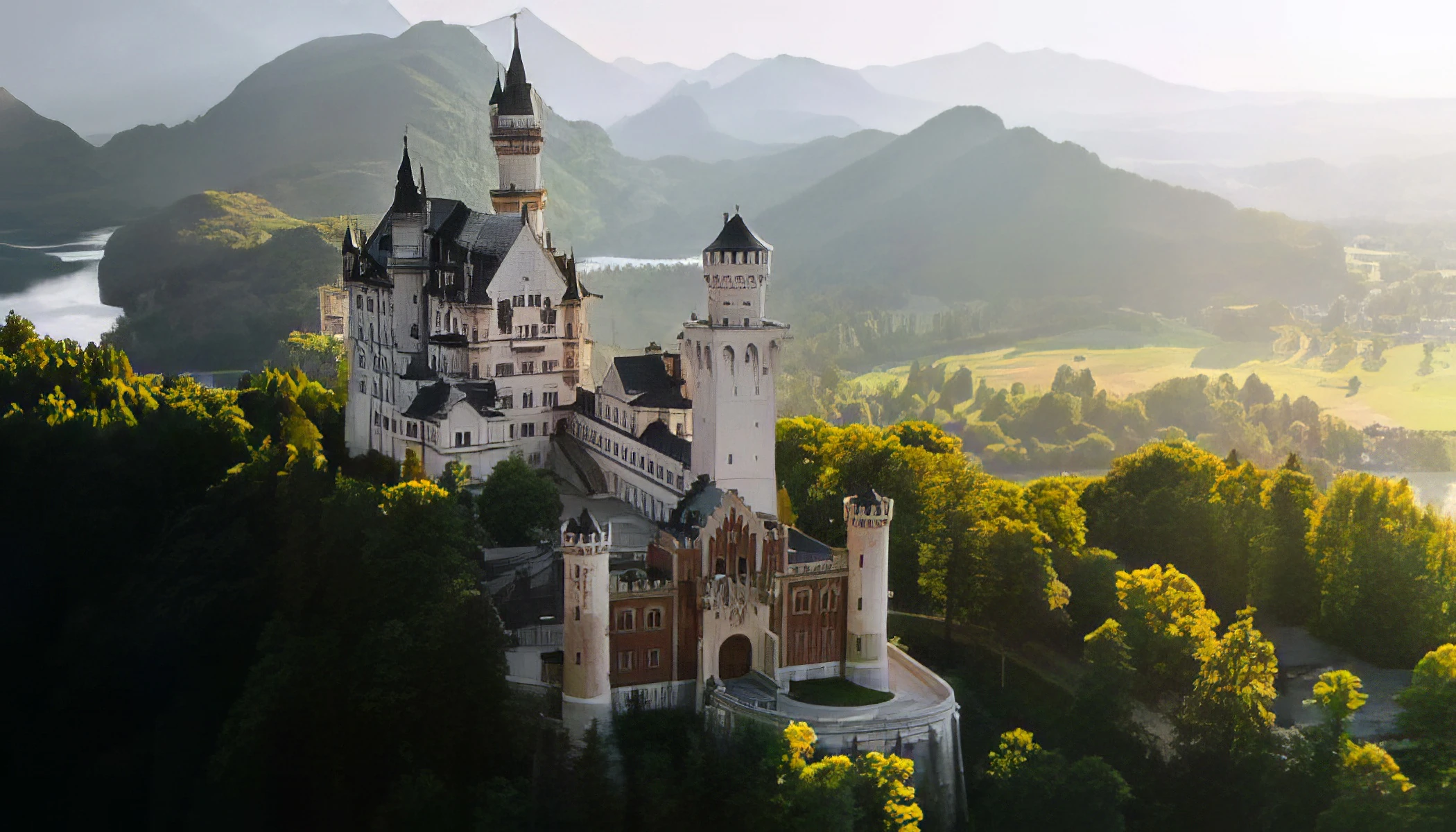
This city offers several interesting day trips within a short distance. Here are some suggestions:
– Neuschwanstein Castle at 120 km: A fairy-tale castle nestled in the Bavarian Alps, known for its remarkable architecture.
– Dachau Concentration Camp Memorial Site at 20 km: A somber historical site offering guided tours and exhibits.
– Lake Starnberg at 25 km: A beautiful lake ideal for boating, swimming, and picnicking.
– Andechs Monastery at 40 km: A Benedictine monastery famous for its brewery and scenic views.
– Augsburg at 70 km: One of Germany's oldest cities, rich in history and Renaissance architecture.
Attraction
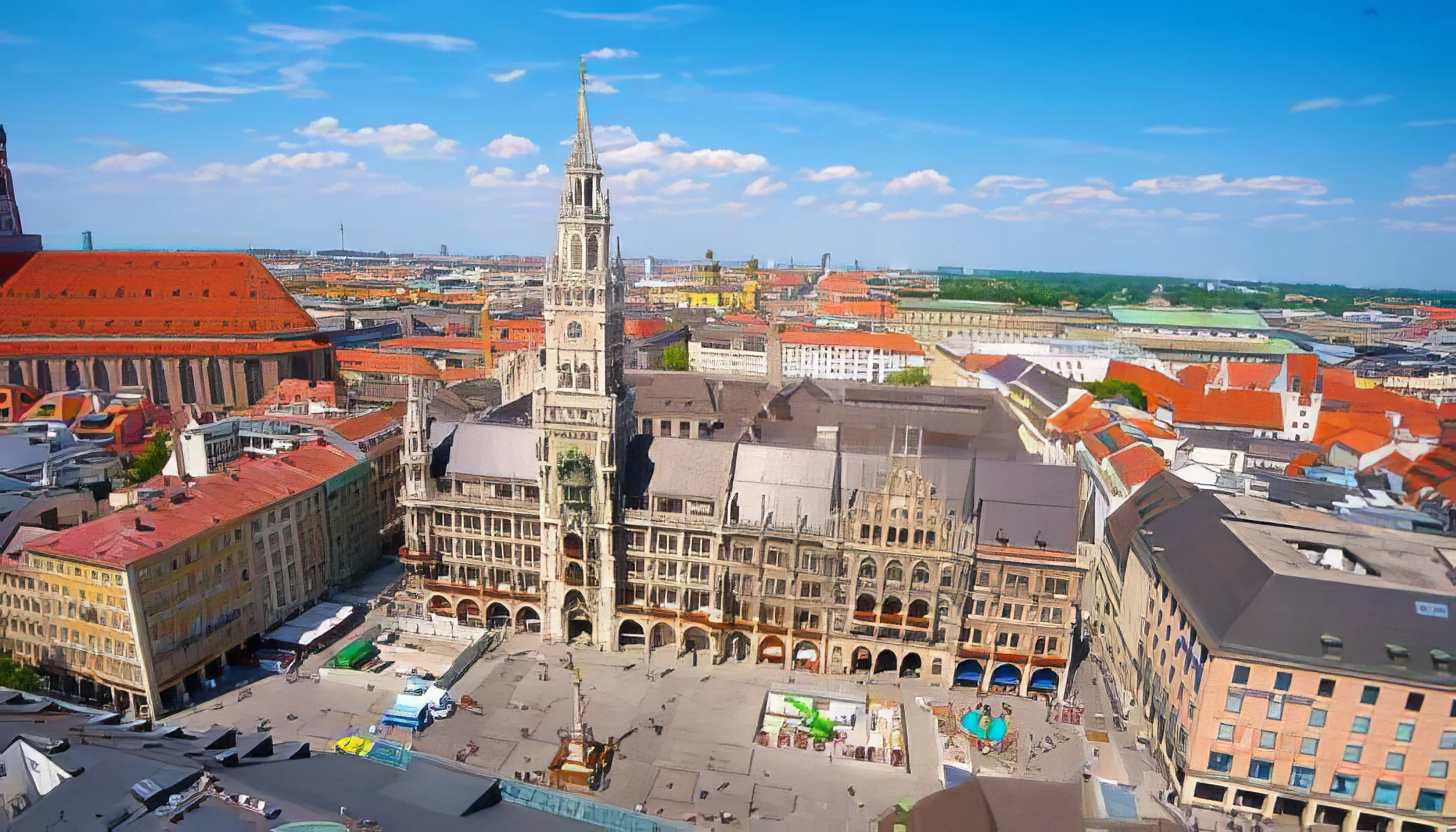
This city is known for its rich history, cultural landmarks, and attractive beer culture.
– Marienplatz: The central square with the famous Glockenspiel and historic buildings.
– Nymphenburg Palace: A grand baroque palace with beautiful gardens and museums.
– English Garden: One of the largest urban parks, perfect for relaxing and walking.
– Deutsches Museum: The world's largest museum dedicated to science and technology.
– Viktualienmarkt: A magnificient food market offering local and international delicacies.
– Bmw Museum: Showcases the history and innovations of the BMW brand.
Activity
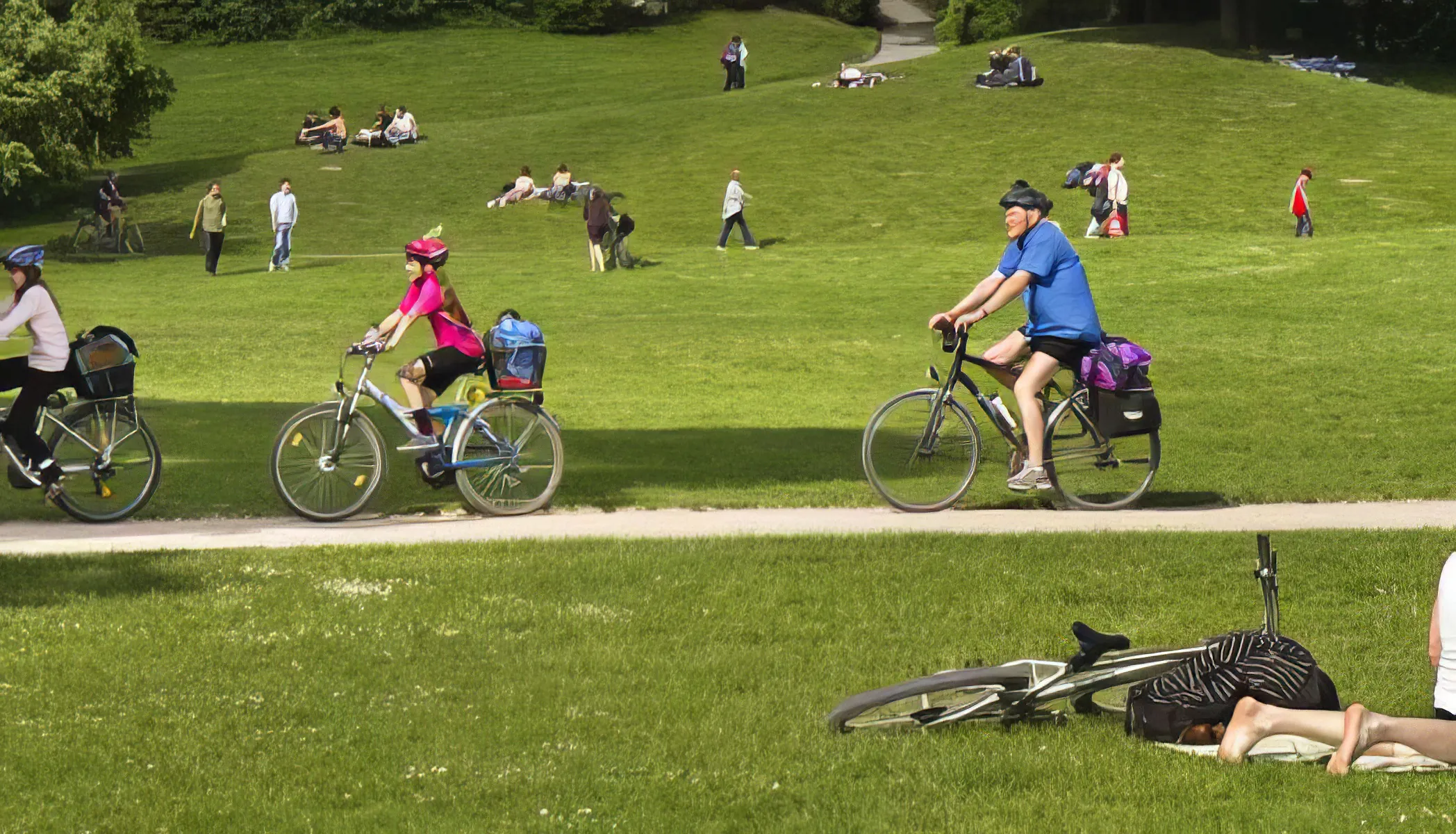
In Munich, travelers can enjoy a mix of historical, cultural, and outdoor activities.
– Englischer Garten: Explore one of the world's largest urban parks with beer gardens and a river for surfing.
– Viktualienmarkt: Visit a attractive food market offering local produce, snacks, and traditional Bavarian specialties.
– Olympiapark: Experience sports, concerts, and events in a park built for the 1972 Summer Olympics.
– Dachau Concentration Camp Memorial Site: Reflect on history with a guided tour of the former Nazi concentration camp.
– Bmw Welt and Museum: Discover the history and innovation of BMW cars through interactive exhibits and guided tours.
Cuisine
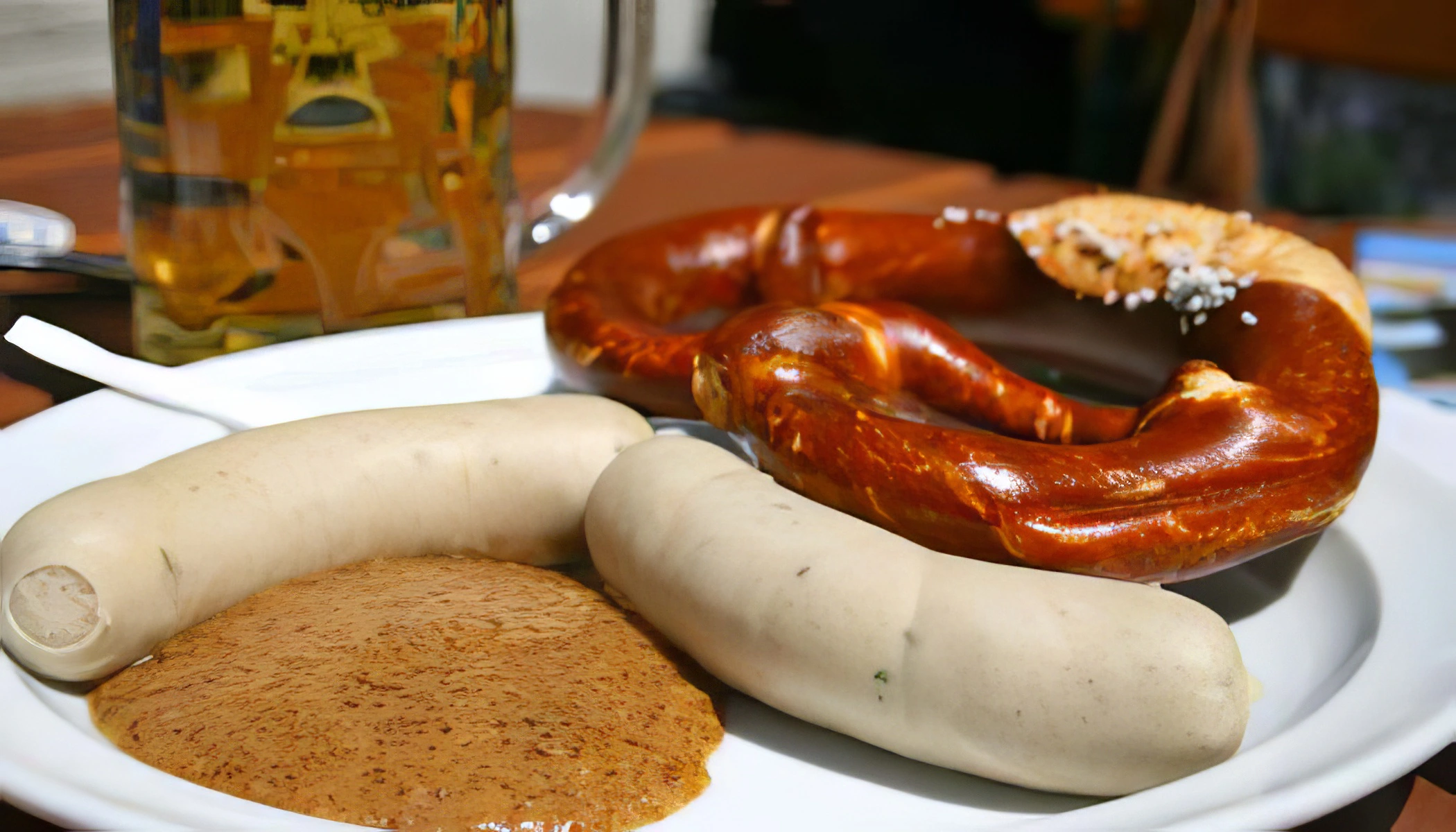
The city offers a rich culinary experience with traditional Bavarian cuisine and hearty dishes. Beer gardens and local eateries serve a variety of flavorful foods.
– Weisswurst: Traditional Bavarian white sausage made from minced veal and pork, often served with pretzels and mustard.
– Schweinshaxe: Roasted pork knuckle with crispy skin, typically served with sauerkraut and potato dumplings.
– Brezen: Large, soft pretzels often enjoyed with beer or as a snack.
– Leberkäs: A type of meatloaf made from finely ground corned beef, pork, and bacon, usually served in a bread roll.
– Apfelstrudel: Classic dessert of thin pastry filled with spiced apples, raisins, and cinnamon.
– Kaiserschmarrn: Fluffy shredded pancake served with powdered sugar and fruit compote.
Shopping
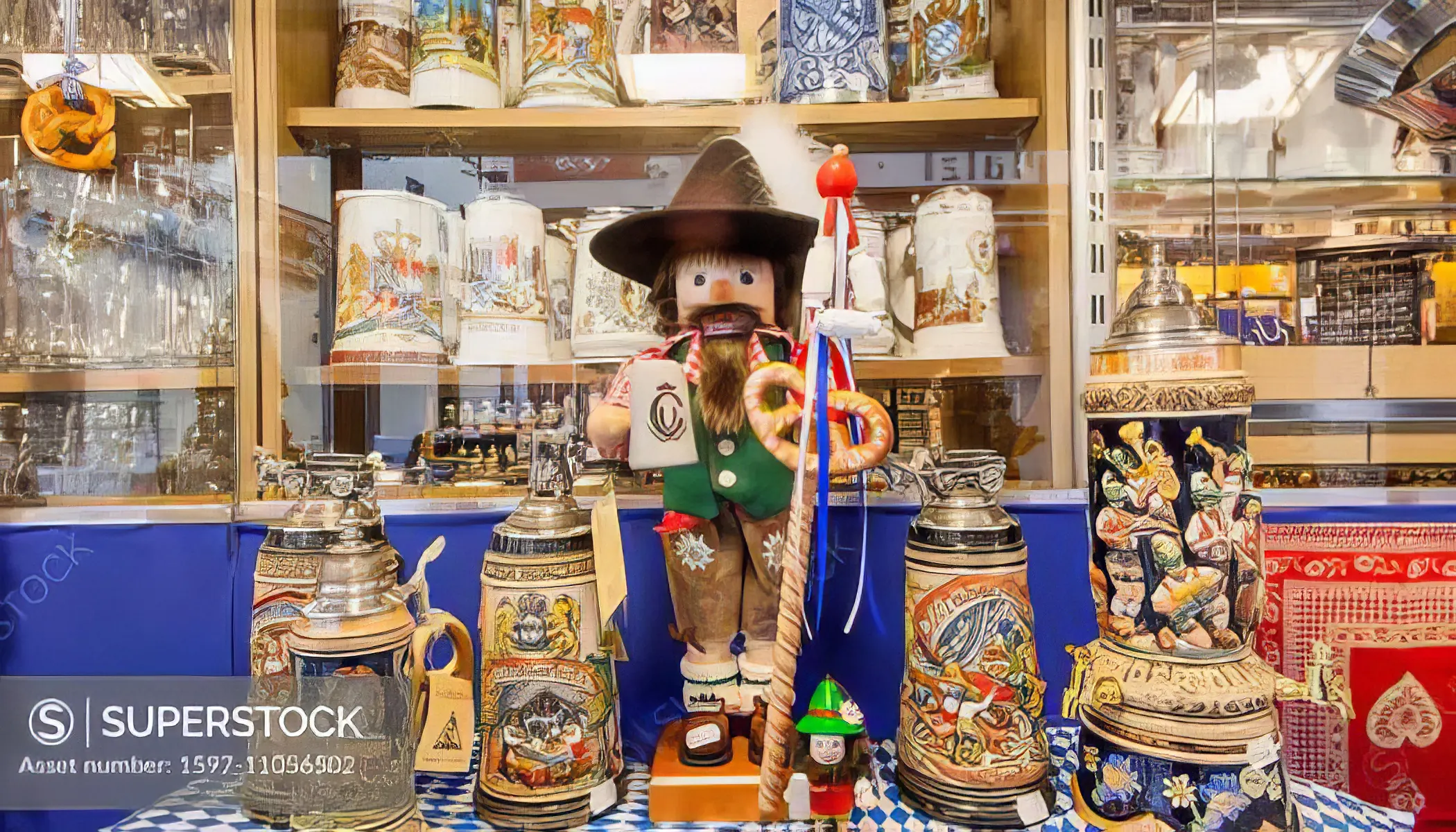
For a quintessential shopping experience, visit the Viktualienmarkt, a beautiful outdoor market offering fresh produce, gourmet foods, and local crafts. Another notable shopping destination is Maximilianstrasse, known for its luxury boutiques and designer stores. As a memorable gift, consider purchasing a traditional German beer stein or a piece of Bavarian Tracht, such as a dirndl or lederhosen, which are emblematic of the local culture. Handcrafted cuckoo clocks, available in various shops, also make unique and cherished gifts.
Arts & Culture
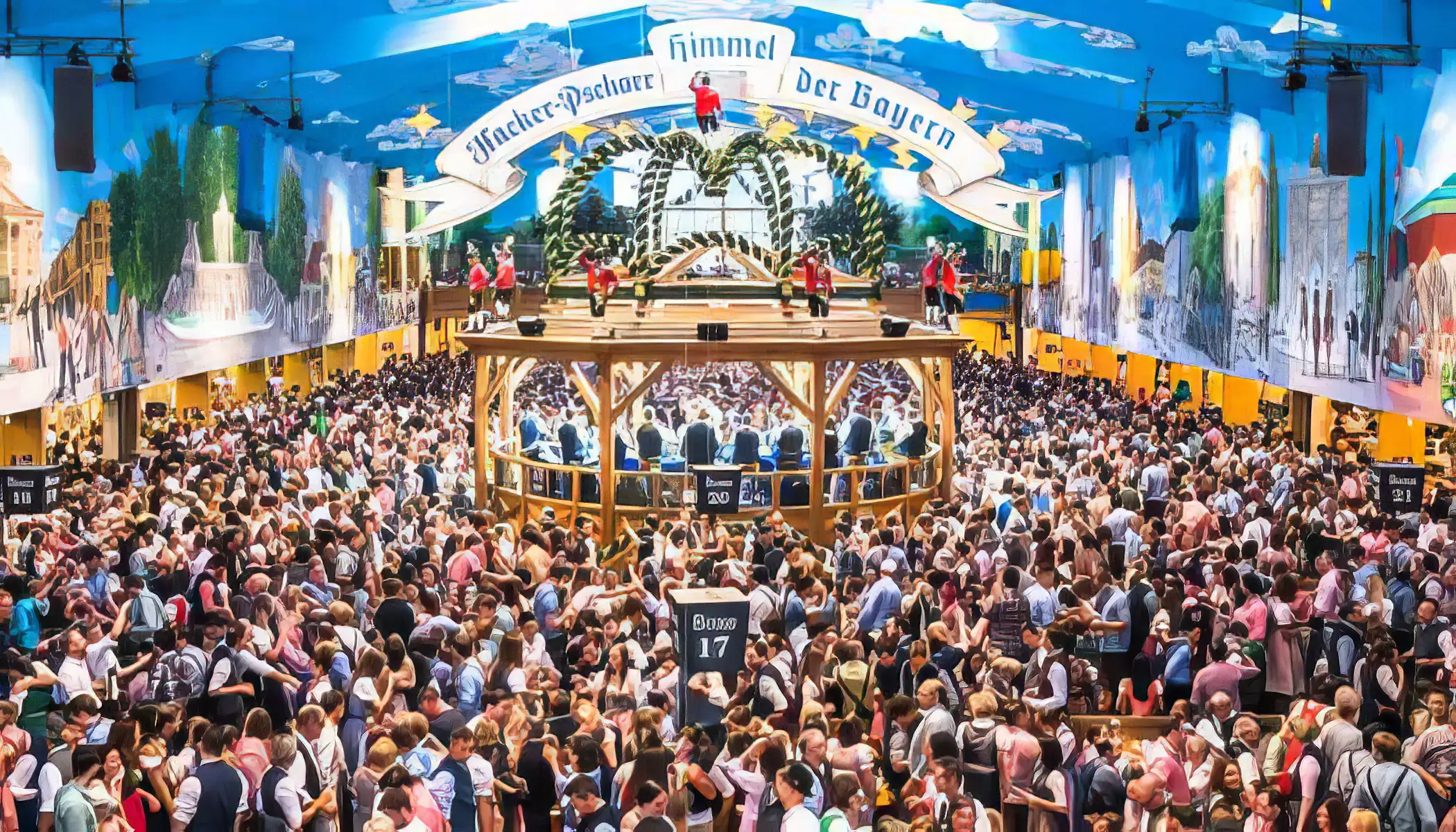
The city hosts the renowned Oktoberfest, an annual festival celebrating beer and Bavarian culture, attracting millions of visitors. It is home to numerous museums, including the Alte Pinakothek, one of the oldest galleries housing an extensive collection of European art. The Bayerische Staatsoper offers a high-caliber program of opera and ballet performances. Additionally, the city's pretty arts scene is highlighted during the Filmfest München, showcasing international cinema.