

Sightseeing in Murmansk: Culture & Must‑See Spots
This city, located above the Arctic Circle, is known for its port on the Barents Sea. It has a significant fishing industry and serves as a base for naval operations. The climate is cold with long winters and short summers.
- Population
- 0.3 millions
- Size
- 144 000 square km
- Airport
- Murmansk – Int'l
- Train Station
- Murmansk Station.
- Est. Visit Days
- 4 days
Overview
Murmansk is a port city in northwestern Russia, known for being the largest city above the Arctic Circle. A key advantage of Murmansk is its strategic location, which allows access to the Barents Sea and year-round shipping. The city has a rich history related to World War II and offers various museums and cultural sites. However, it experiences harsh winters with long periods of darkness, which can be challenging for some visitors. Additionally, while it has unique natural beauty, options for entertainment and dining may be limited compared to larger cities.
Traffic & Transport
The city features a well-connected public transportation system, including buses and trolleybuses that provide convenient access to major attractions. For a more personalized experience, walking or renting a bicycle can be ideal for exploring the scenic waterfront areas. Additionally, car rentals are available for those who wish to venture beyond the city limits to enjoy the surrounding nature and landscapes. Overall, public transport is efficient and budget-friendly for tourists. For reliable taxi services, visitors can use local companies such as "Yandex.Taxi" or "Gett," which are popular in many cities and offer easy-to-use apps for booking rides. These services generally provide transparent pricing and English-language support, making them accessible for travelers.
History
The area was originally inhabited by the Sámi people before becoming a site for Russian settlements in the late 19th century. It developed rapidly after the establishment of a port in 1916, primarily due to its strategic location for Arctic shipping. During World War II, it served as an important naval base and witnessed significant military activity. The city has been influenced by various cultures, particularly during the Soviet era, which shaped its architecture and social structure. Today, it reflects a blend of historical influences through its museums and local traditions.
Itinerary Sample
Here is a suggested 4-day itinerary for exploring Murmansk, Russia.
– First day: Arrive in Murmansk, visit the Alyosha Monument and explore the city center. Enjoy local cuisine at a nearby restaurant.
– Second day: Take a trip to the Kola Bay, visit the Museum of the Northern Fleet, and see the nuclear icebreaker Lenin.
– Third day: Explore Teriberka village, walk along the beach, and experience the scenic views of the Barents Sea.
– Fourth day: Visit the Murmansk Regional Museum and shop for souvenirs before departure.
Near Excursion
This city offers several interesting day-trip options for visitors. Here are a few recommendations:
– Teriberka at 130 km: A small coastal village known for its dramatic Arctic landscapes and the filming location of the movie "Leviathan."
– Khibiny Mountains at 150 km: Ideal for hiking and skiing, offering remarkable views and outdoor activities in a mountainous setting.
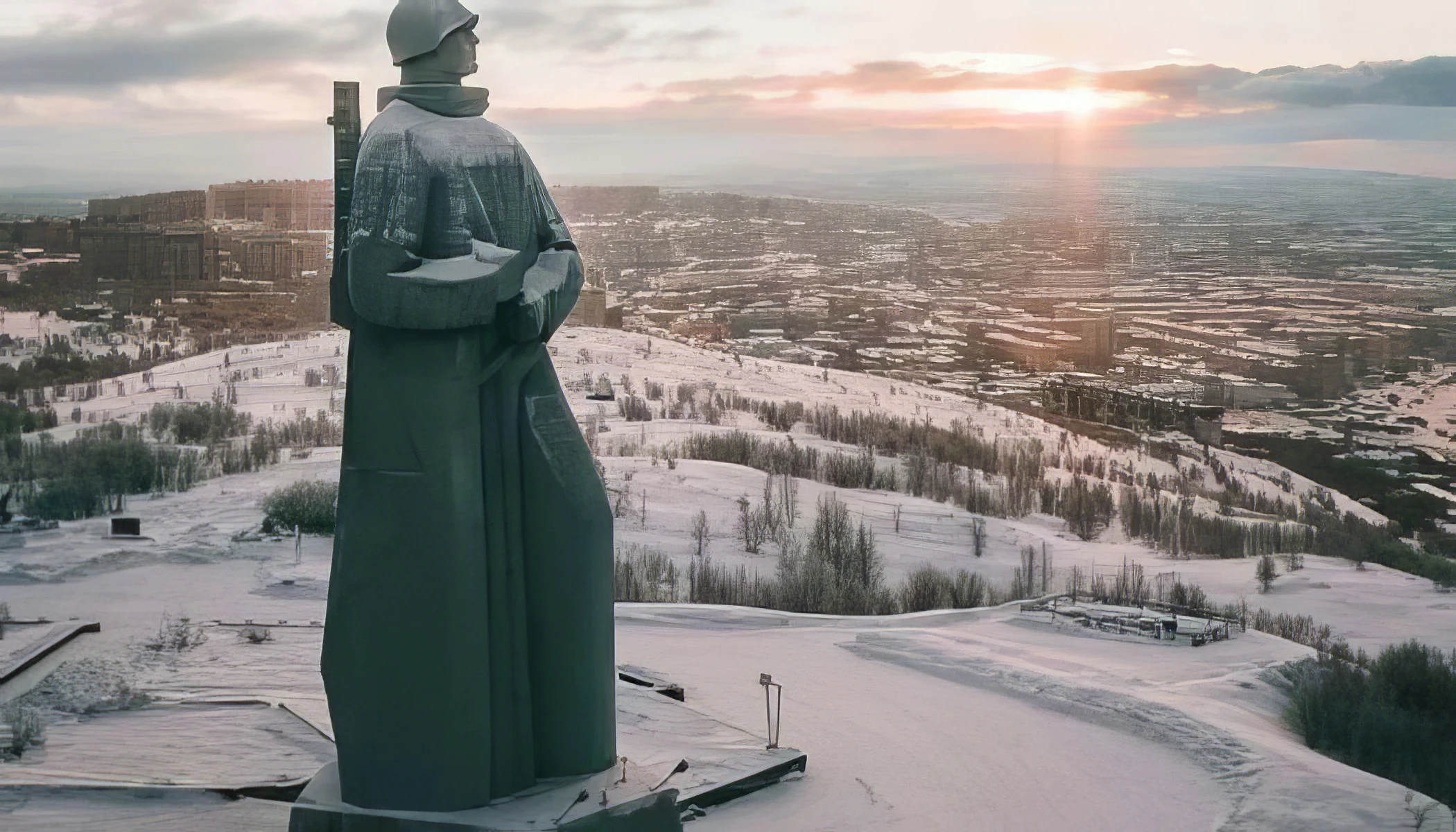
– Alyosha Monument at 30 km: Visit this towering statue dedicated to Soviet soldiers from World War II, offering panoramic views.
– Lake Imandra at 110 km: Enjoy fishing or simply relax by this large freshwater lake surrounded by lovely scenery.
– Saami Village at 110 km: Experience indigenous culture with traditional Saami reindeer herding and local crafts.
Attraction
This city is known for its Arctic location and unique natural phenomena.
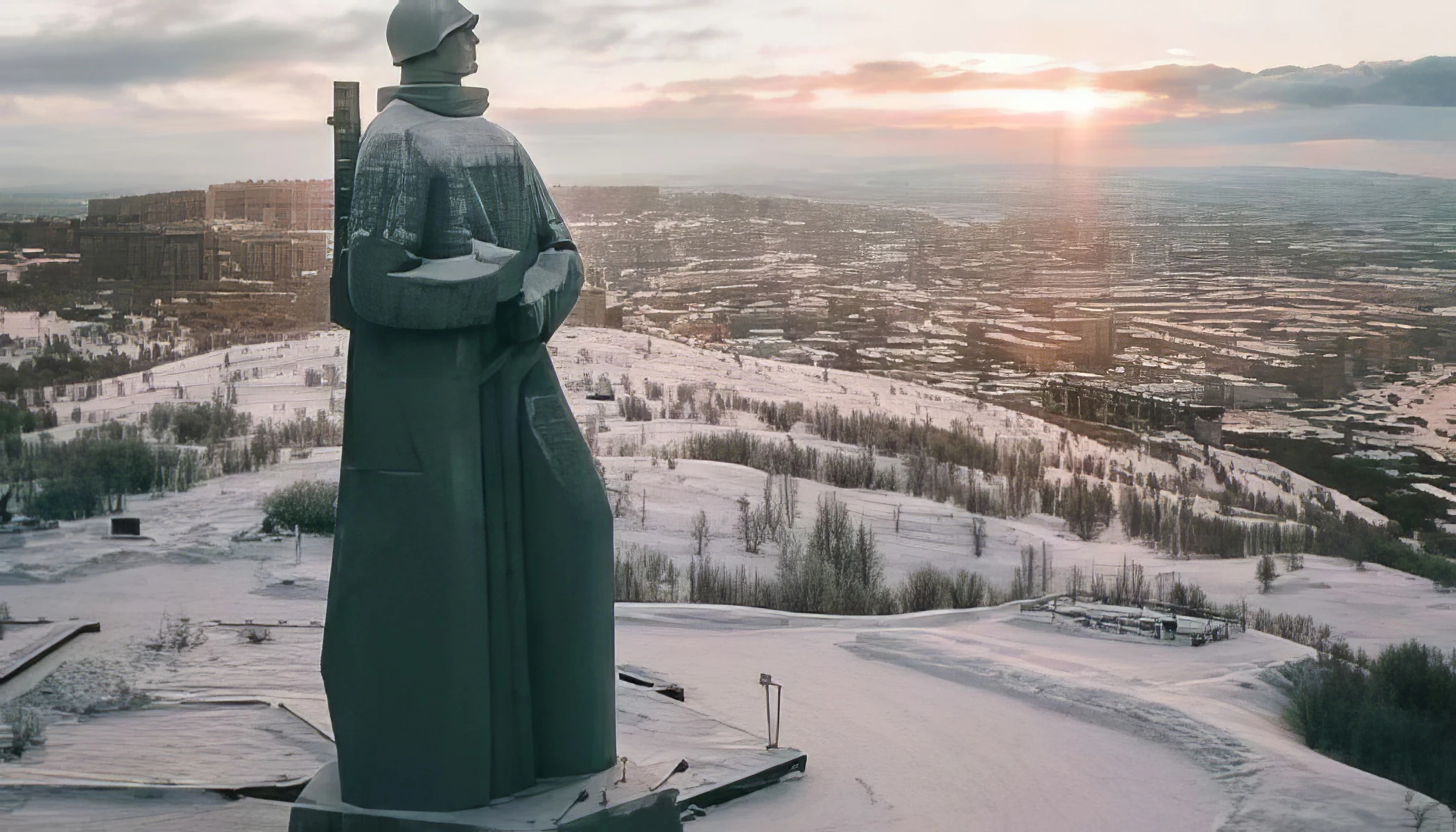
– Alyosha Monument: A towering statue honoring Soviet soldiers, offering panoramic views of the surrounding area.
– Lenin Icebreaker: The world's first nuclear-powered icebreaker, now a museum showcasing maritime history.
– Regional Museum of Local Lore: Features exhibits on local history, nature, and culture.
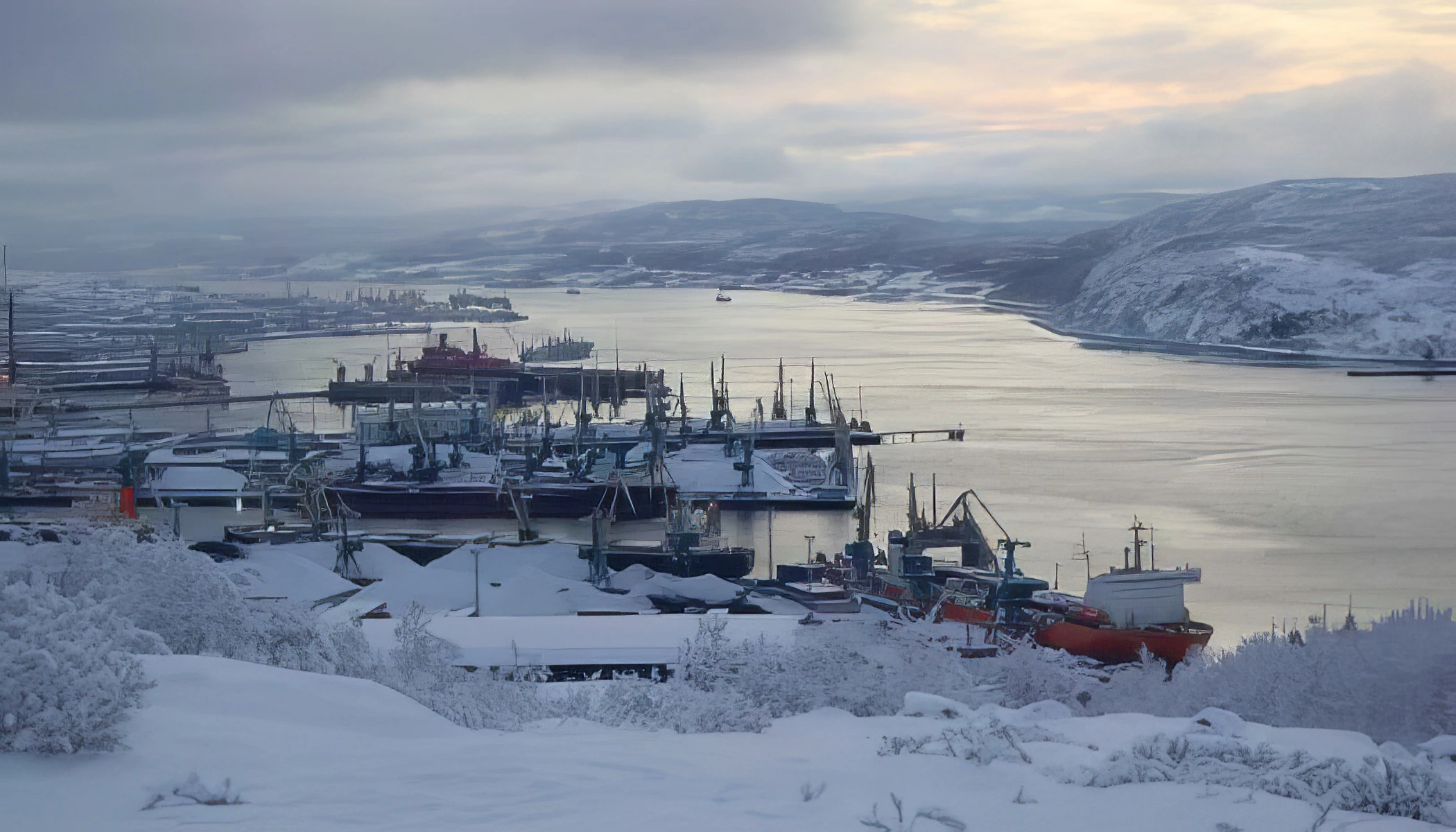
– Kola Bay Bridge: Offers scenic views of the bay and connects different parts of the city.
– Northern Lights Viewing: Best seen in winter months, providing a spectacular natural light show.
– Oceanarium: Displays marine life native to Arctic waters, including seals and fish.
Activity
Travelers in Murmansk can explore unique Arctic landscapes, local culture, and outdoor activities throughout the year.
– Northern Lights Viewing: Experience the lovely aurora borealis in winter months, a natural light display in the polar sky.
– Husky Dog Sledding: Enjoy a thrilling ride through snow-covered terrains pulled by trained husky dogs during winter.
– Sami Culture Tour: Learn about the indigenous Sami people, their traditions, and lifestyle through guided experiences.
– Ice Fishing: Try your hand at fishing on frozen lakes, an engaging winter activity popular among locals.
– Snowmobile Safari: Explore vast snowy landscapes on a snowmobile for an adventurous way to see the region.
Shopping
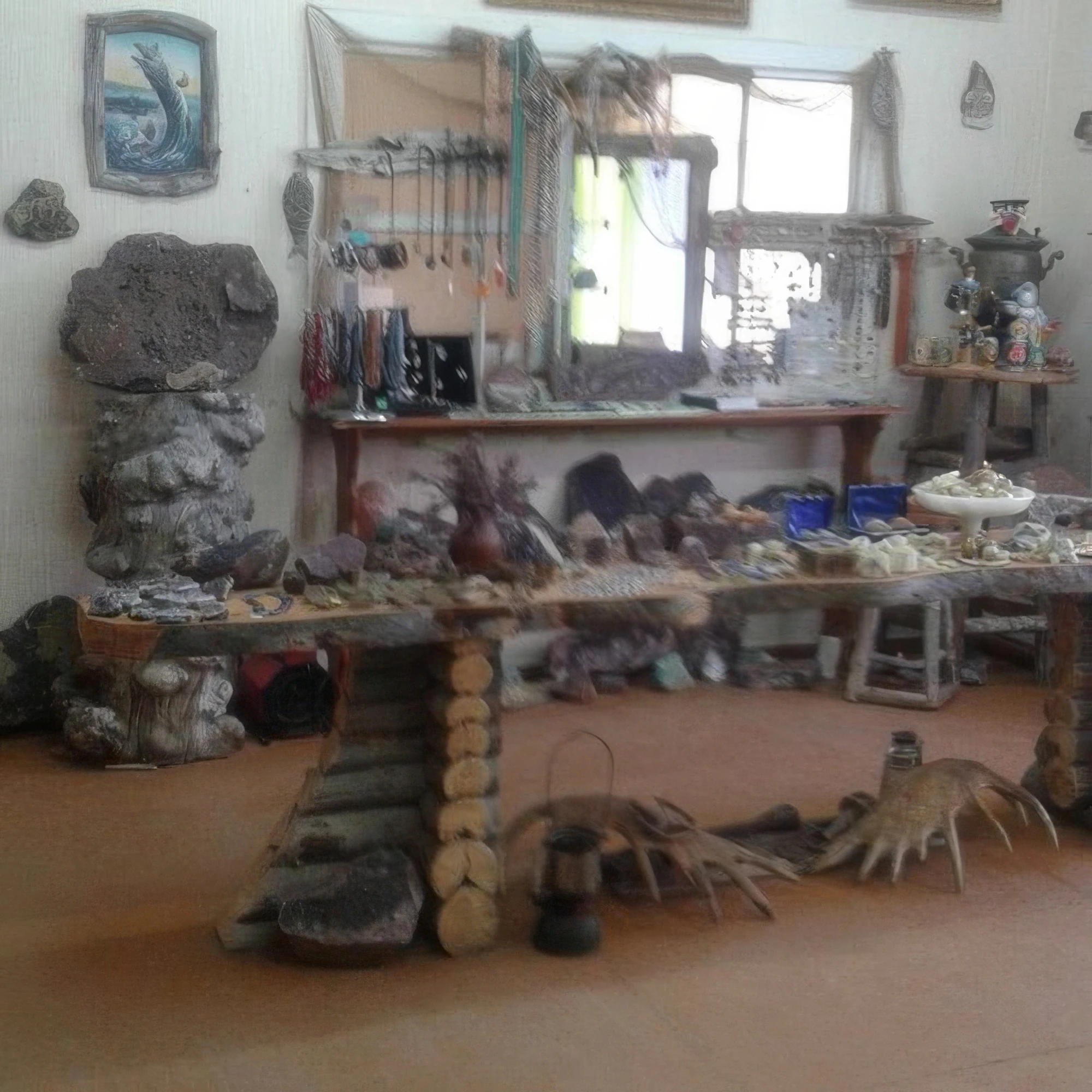
You can find traditional Russian handicrafts, such as Matryoshka dolls, which make good gifts. Local markets often sell unique items like fur hats and warm clothing suitable for cold climates. Souvenirs made from local wood or ceramics are also available. Consider purchasing fish products, like smoked salmon or caviar, as local specialties. There are shops that offer winter gear if you need practical items. Overall, shopping here provides a mix of cultural and practical options.
Arts & Culture
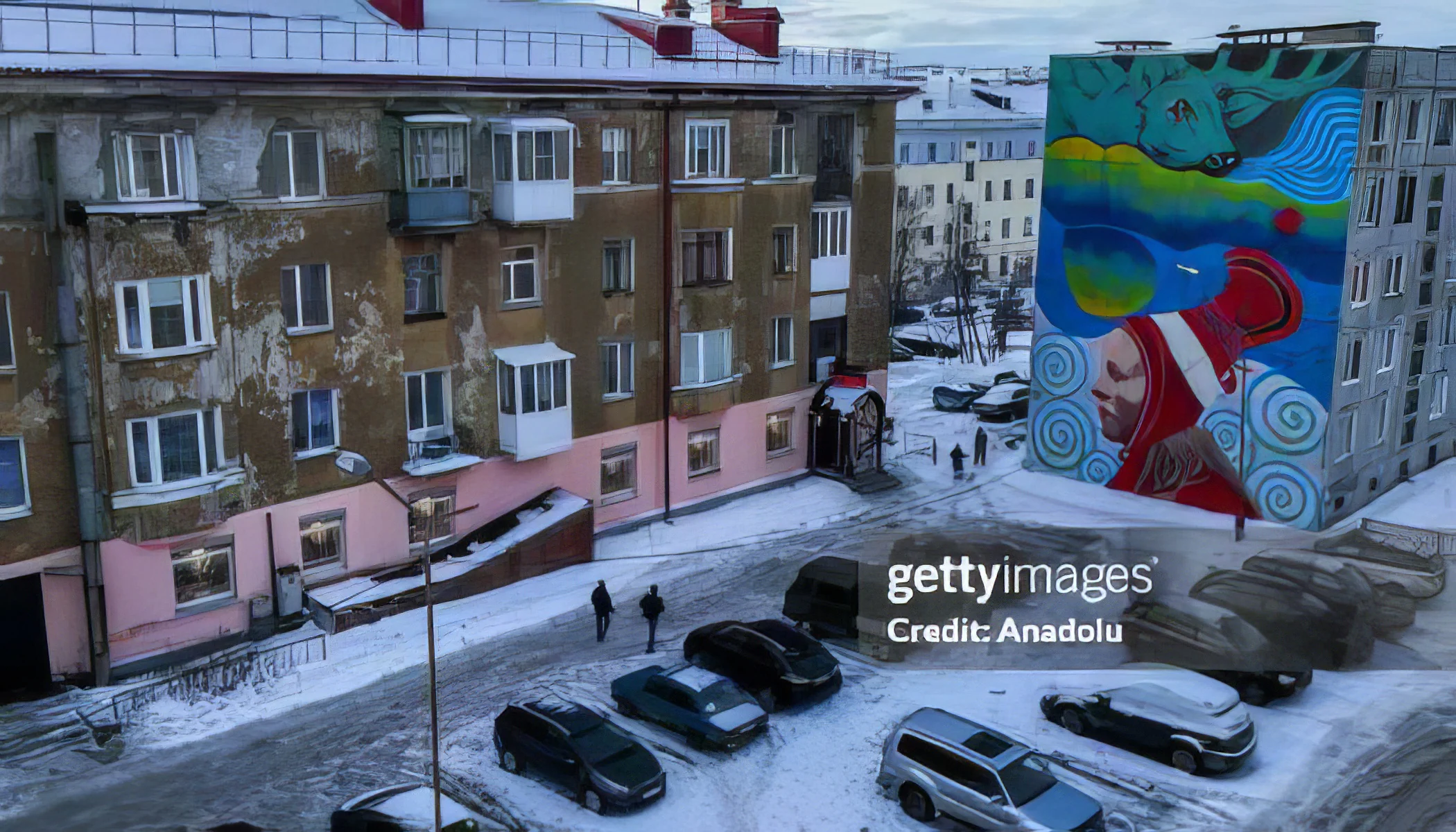
The city hosts the annual Arctic Festival, which features performances by local artists and cultural exhibitions. There are several galleries showcasing works by regional artists, particularly focusing on themes related to the Arctic environment. The Regional Museum offers insights into the local history and culture through various exhibits. Additionally, there are theater performances that often highlight folklore and contemporary issues.