

Sightseeing in Mutare: Culture & Must‑See Spots
This city is located near the eastern border, close to the mountains. It serves as a commercial center and has attractions such as parks and cultural sites, making it a point of interest for visitors in the region.
- Airport
- Mutare – Int'l
- Train Station
- Mutare.
- Est. Visit Days
- 2 days
Overview
Mutare is the fourth largest city in Zimbabwe, located near the eastern border with Mozambique. It has a mild climate and beautiful scenery, including nearby mountains and forests. Pros include its relatively peaceful environment and access to natural attractions like the Nyanga National Park. However, challenges include economic issues and limited infrastructure development. Overall, Mutare offers a quieter alternative to larger cities but may lack some urban amenities.
Traffic & Transport
The city features a mix of public and private transportation options, with minibuses being a popular choice for local travel. These shared vehicles are often the most economical way to navigate the area, providing access to various neighborhoods and attractions. Alternatively, walking can be a pleasant way to explore the city center, as many sites are within close proximity. For those preferring more comfort, car rentals are available but may require advance booking. Reliable taxi services operate in the city, with several local companies offering safe and efficient rides. While traditional taxis can be hailed on the street or booked via phone, there may not be any well-known taxi-booking apps currently available in the area.
History
The area was originally inhabited by the Shona people, who engaged in agriculture and trade. In the late 19th century, European settlers arrived, leading to conflicts with local communities. The city developed as a center for commerce during the British colonial period, particularly through mining and agriculture. It played a role in the liberation struggle against colonial rule in the 20th century. Today, it reflects a mix of indigenous and colonial influences in its culture and economy.
Itinerary Sample
Here is a suggested 2-day itinerary to explore Mutare, Zimbabwe:
– First day: Visit the Mutare Museum, then explore the botanical gardens. Enjoy lunch at a local restaurant before heading to the nearby Vumba Mountains for scenic views and a hike.
– Second day: Start with a visit to the nearby Nyanga National Park for nature walks. After lunch, tour the local markets for crafts and souvenirs, then relax at a café in town before departure.
Near Excursion
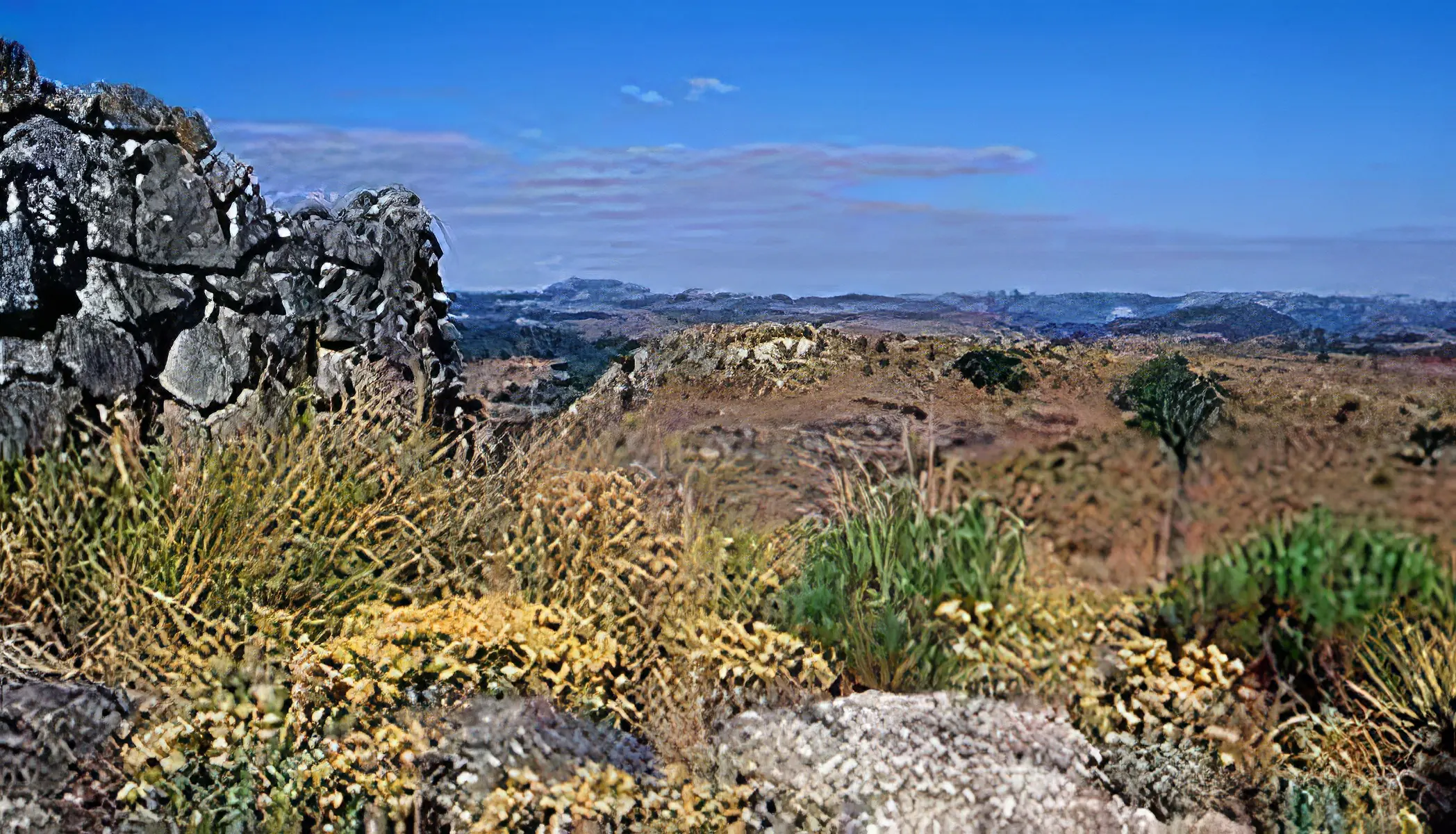
This city offers access to several interesting day-trip destinations within a reasonable distance. Here are some options:
– Vumba Mountains at 30 km: Offers scenic views, botanical gardens, and diverse birdlife.
– Chimanimani Mountains at 90 km: Ideal for hiking with beautiful landscapes and unique rock formations.
– Nyanga National Park at 110 km: Features waterfalls, the Mutarazi Falls, and opportunities for hiking.
– Honde Valley at 70 km: Known for tea plantations and beautiful scenery in a lush valley setting.
– Osborne Dam at 45 km: A popular spot for fishing, picnicking, and enjoying calm waterside views.
Attraction
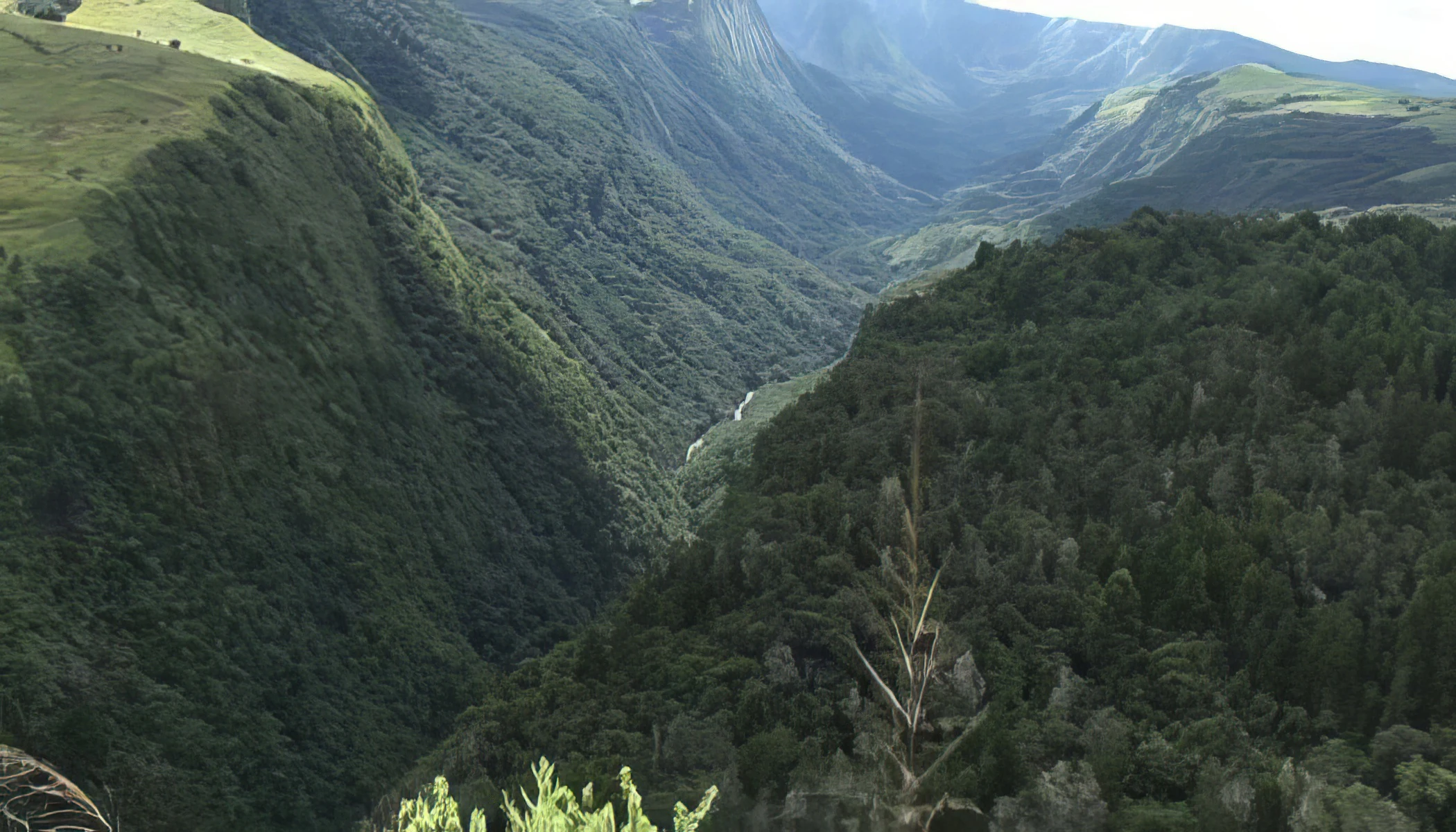
This city is known for its beautiful landscapes and access to nature reserves.
– Vumba Mountains: Offers lovely views, hiking trails, and unique flora and fauna.
– Mutare Museum: Features exhibits on local history, culture, and wildlife.
– Leopard Rock Hotel: A historic hotel with a golf course and scenic surroundings.
– Bvumba Botanical Gardens: Known for diverse plant species and peaceful walking paths.
– Cecil Kop Nature Reserve: Provides opportunities to see various wildlife in their natural habitat.
– Cross Kopje: A hill offering panoramic views of the city and surrounding areas.
Activity
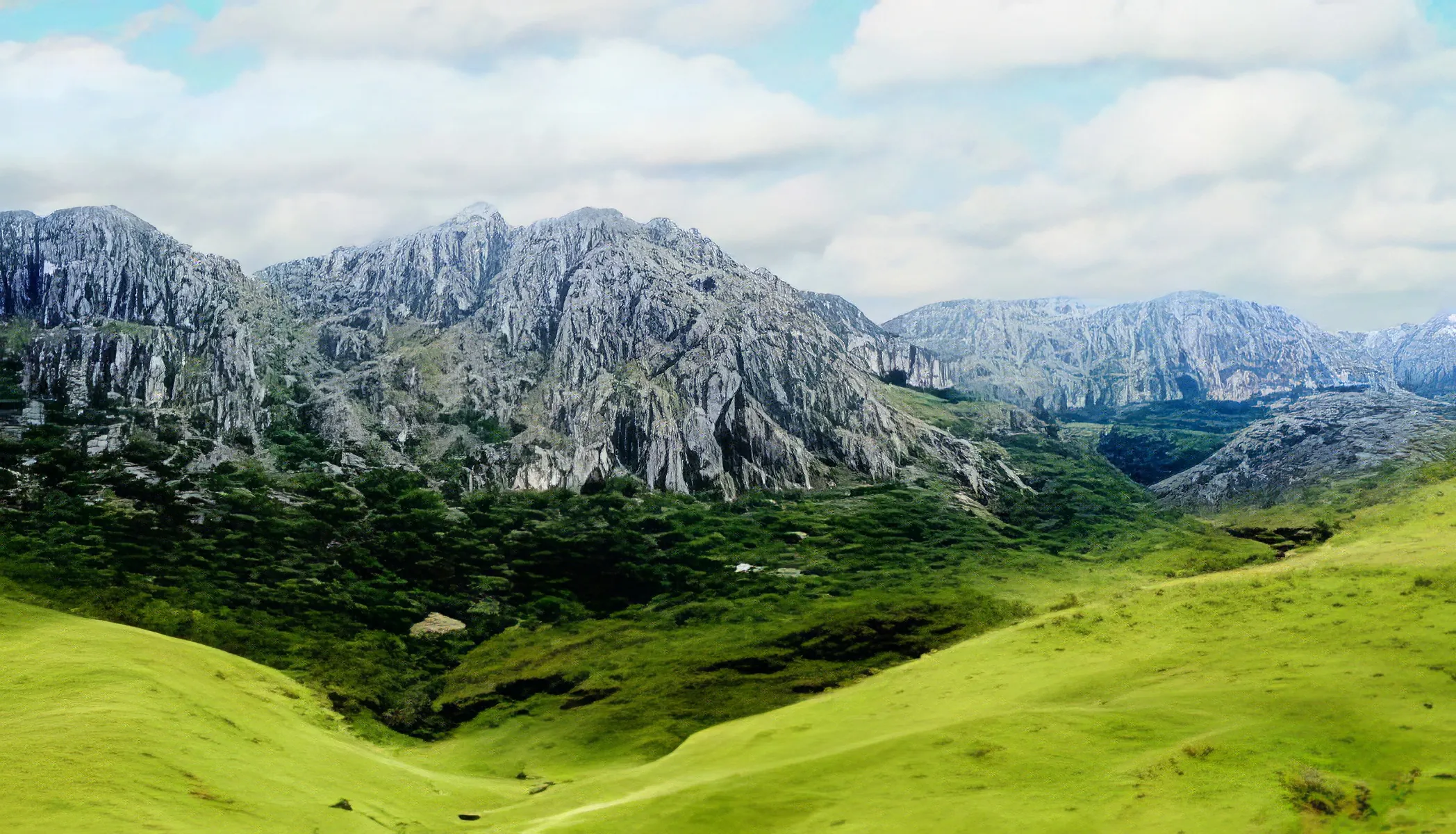
Travelers in Mutare can explore nature, culture, and adventure through various unique activities in the region.
– Bvumba Mountains: Enjoy hiking trails with scenic views, diverse flora, and fauna in this beautiful mountain range.
– Mutare Market: Experience local culture by visiting this remarkable market where you can buy crafts, food, and textiles.
– Nyanga National Park: Engage in outdoor activities like bird watching, hiking, and fishing in remarkable natural surroundings.
– Chimanimani Mountains: Discover rugged landscapes perfect for hiking and rock climbing with amazing views of the countryside.
– Vumba Botanical Gardens: Relax in these gardens showcasing native plants while enjoying peaceful walks and picnics.
Shopping
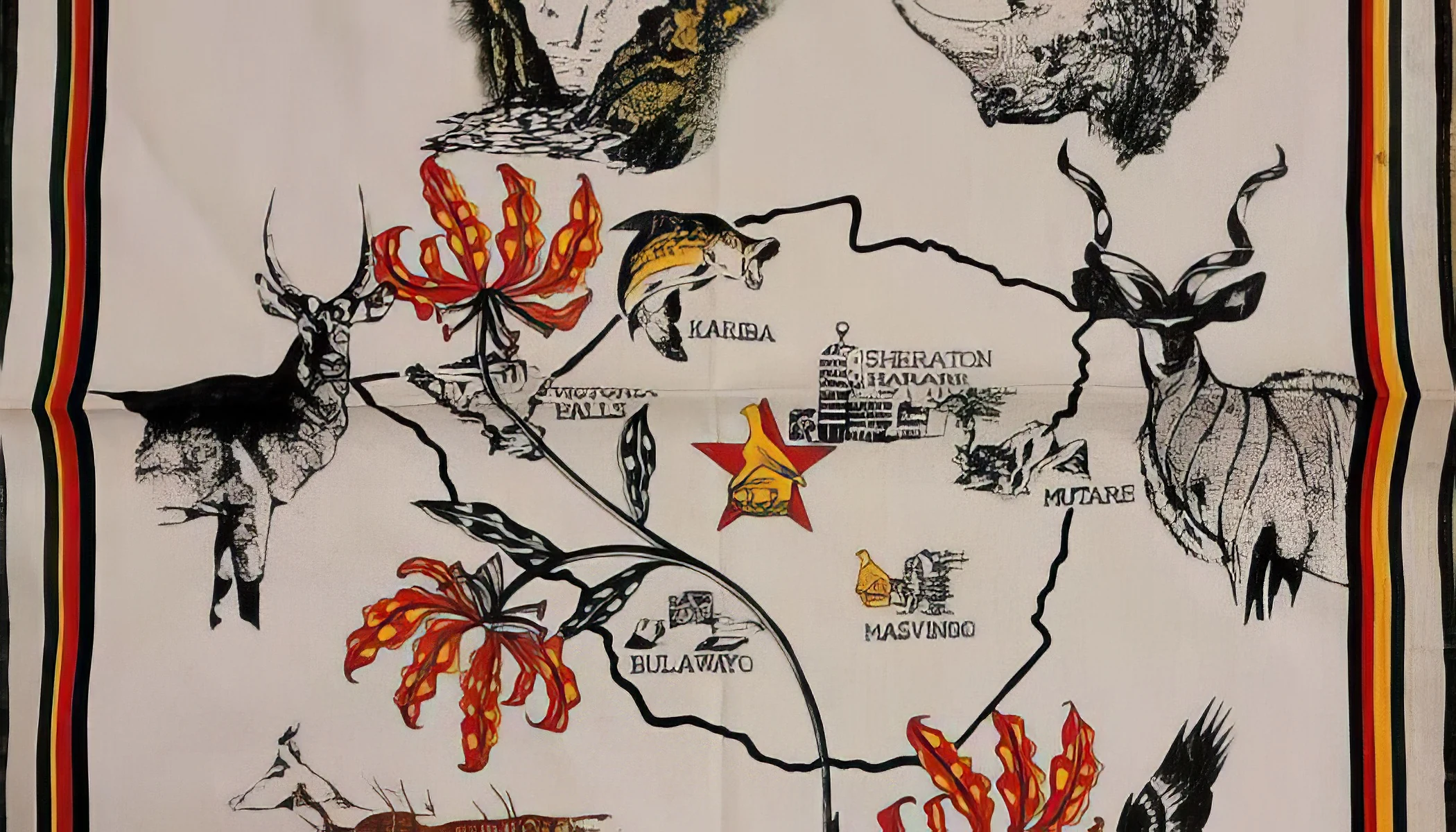
There are local markets where you can find handmade crafts and traditional textiles. Look for wooden carvings, which are popular souvenirs. Jewelry made from local materials is also available. You might consider purchasing a basket or a piece of art as a gift. These items reflect the culture and craftsmanship of the area. Overall, shopping here offers unique options for gifts.
Arts & Culture
The city hosts various cultural events, including the Mutare Arts Festival, which showcases local talent in music, dance, and visual arts. The National Gallery of Zimbabwe in Mutare features exhibitions that highlight both traditional and contemporary Zimbabwean art. Local craft markets offer handmade items reflecting the region's artistic heritage. Additionally, there are community theater performances that engage with social themes relevant to the area.