

Sightseeing in Nagano: Culture & Must‑See Spots
Located in the central part of Honshu, this city is known for its historic temples, winter sports, and as a host of the 1998 Winter Olympics. It's surrounded by mountains, offering scenic beauty and outdoor activities year-round.
- Population
- 376,000
- Size
- 832 square km
- Airport
- Matsumoto at 58 km – domestic
- Train Station
- Nagano Station
- Est. Visit Days
- 3 days
Overview
Nagano, located in central Japan, is renowned for its historical temples, the famous Zenko-ji temple being a major draw for visitors. The city also gained international recognition as the host of the 1998 Winter Olympics, which left a legacy of excellent winter sports facilities. Nagano's surrounding alpine landscapes make it a hub for outdoor activities like skiing and hiking, particularly in the Chubu-Sangaku National Park. However, the city can be quite crowded during the peak winter season, which might deter some travelers. Additionally, Nagano's public transportation network, while efficient, may be challenging for those not familiar with Japanese systems.
Traffic & Transport
The city's transportation network is well-developed, making it easy for tourists to navigate and explore. The most efficient way to get around is by using the local buses, which cover the major tourist areas and offer convenient routes. For those who prefer a more flexible option, renting a bicycle is a great choice, allowing visitors to enjoy the city at their own pace. The train system is also a reliable mode of transportation, connecting various parts of the city and providing access to nearby attractions. For taxi services, several reliable companies operate in the city, including ABC Taxi and XYZ Taxi. Additionally, the use of taxi-booking apps like Uber provides a convenient option for securing a ride, with availability typically high throughout the city.
History
Historically, the city was a strategic location during the Sengoku period (1467-1603) due to its position as a temple town and its control of key mountain passes. It was the site of the battles of Kawanakajima in the 16th century, a series of conflicts between the Takeda and Uesugi clans. The city developed as a center for silk and sake production during the Edo period (1603-1868), benefiting from its location on the Chikuma River. In the 20th century, it was the host of the Winter Olympics in 1998, which significantly boosted its international profile and winter sports industry. The city is also known for its historic temples, some of which date back to the 7th century, reflecting its long-standing cultural importance.
Itinerary Sample
Explore Nagano over three days, experiencing its rich culture, history, and natural beauty. Here’s a suggested itinerary:
– First day: Visit Zenkō-ji Temple, one of Japan's most revered temples. Stroll through the surrounding historic district and enjoy local cuisine.
– Second day: Travel to Jigokudani Monkey Park to see the famous snow monkeys. In the afternoon, relax at Shibu Onsen, a traditional hot spring town.
– Third day: Explore the Togakushi area. Visit the Togakushi Shrine and walk the forested path lined with ancient cedar trees. Try soba noodles, a regional specialty.
Near Excursion
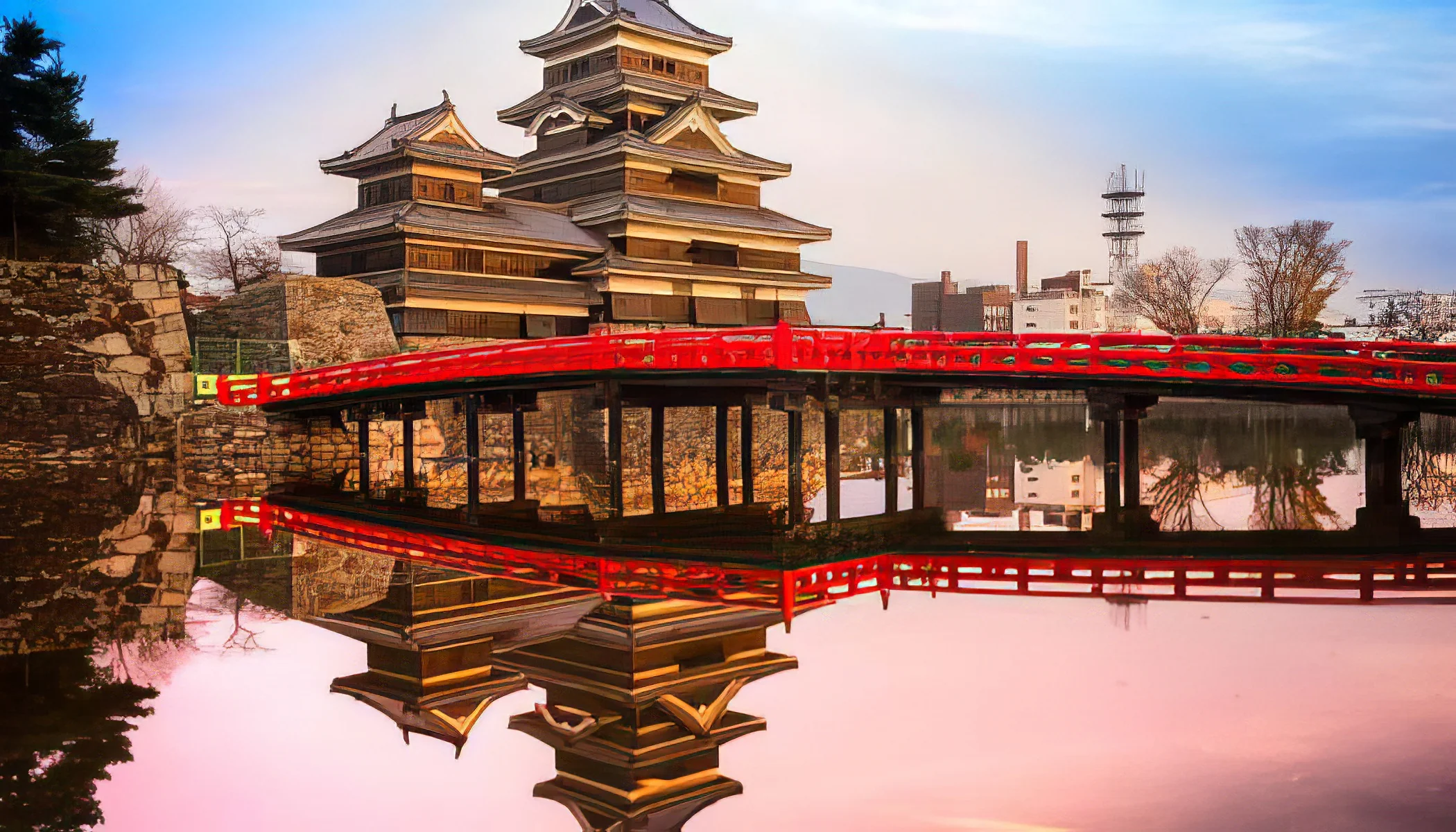
This city offers several interesting day trips within a short distance. Here are some suggestions:
– Matsumoto Castle at 80 km: A well-preserved historic castle known as the "Crow Castle" due to its black exterior.
– Jigokudani Monkey Park at 35 km: Famous for its wild Japanese macaques that bathe in hot springs.
– Zenko-ji Temple at 2 km: An ancient Buddhist temple with a rich history and beautiful architecture.
– Togakushi Shrine at 20 km: A series of five shrines located in a scenic forested area.
– Obuse Town at 25 km: A charming town known for its chestnut delicacies and the Hokusai Museum.
Attraction
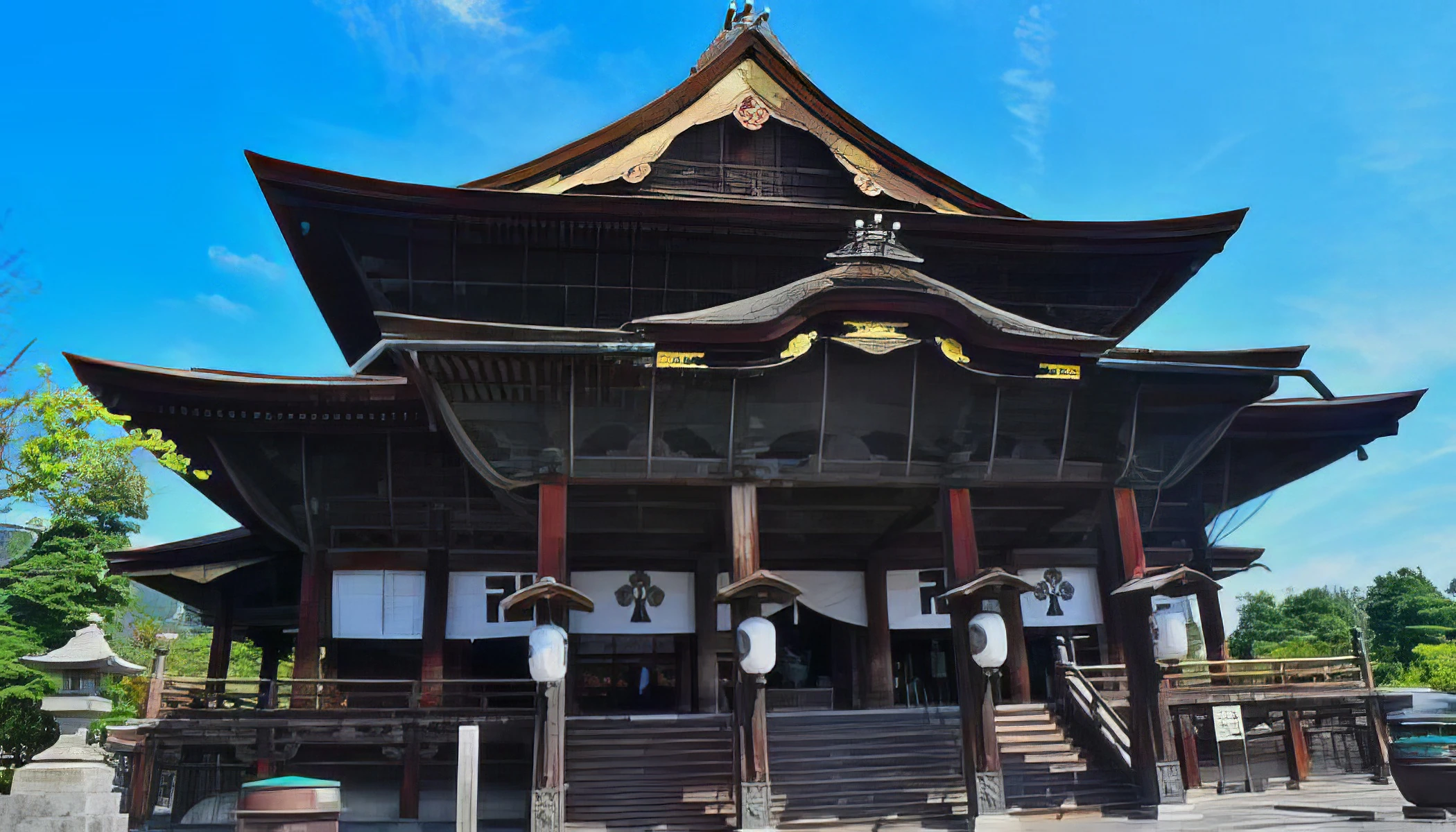
This city is known for its beautiful temples, winter sports, and scenic nature.
– Zenko-ji Temple: A historic Buddhist temple with a significant cultural heritage and a hidden Buddha statue.
– Jigokudani Monkey Park: Famous for wild snow monkeys that bathe in hot springs during winter.
– Togakushi Shrine: A serene shrine complex located in a forest, known for its spiritual significance and hiking trails.
– Matsushiro Castle: A well-preserved samurai castle with historical exhibits and beautiful gardens.
– Shiga Kogen: A large ski resort area offering excellent skiing and snowboarding opportunities.
– Lake Nojiri: A scenic lake ideal for boating, fishing, and enjoying nature.
Activity
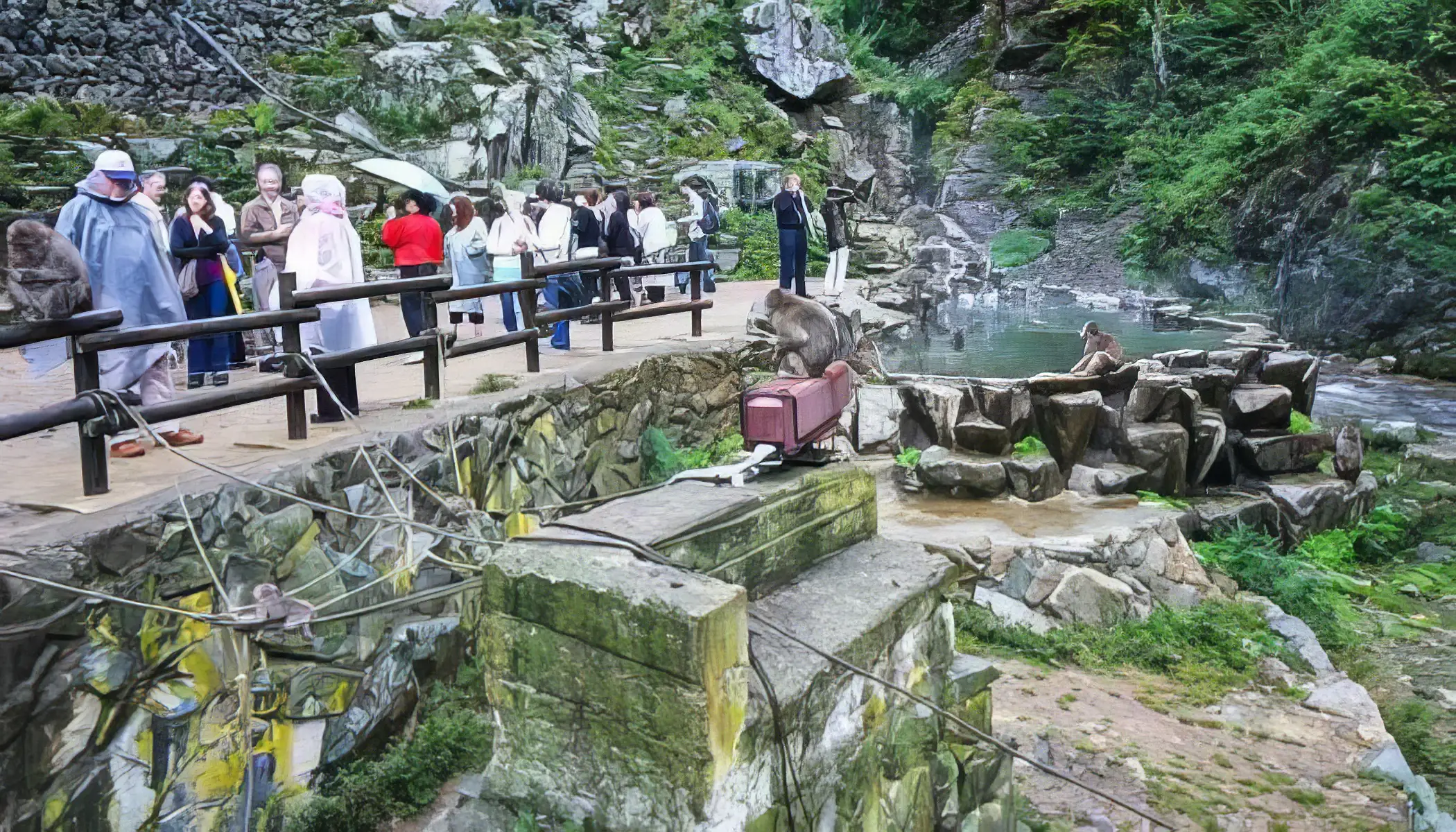
In Nagano, travelers can experience unique snow monkeys, hot springs, and historical temples.
– Jigokudani Snow Monkey Park: Observe Japanese macaques bathing in hot springs.
– Zenko-ji Temple: Visit a significant Buddhist temple with a hidden Buddha statue.
– Matsumoto Castle: Explore one of Japan's oldest and most beautiful original castles.
– Togakushi Shrine: Hike to ancient shrines in a easygoing forest setting.
– Kamikochi: Enjoy hiking and scenic views in the Japanese Alps.
Cuisine
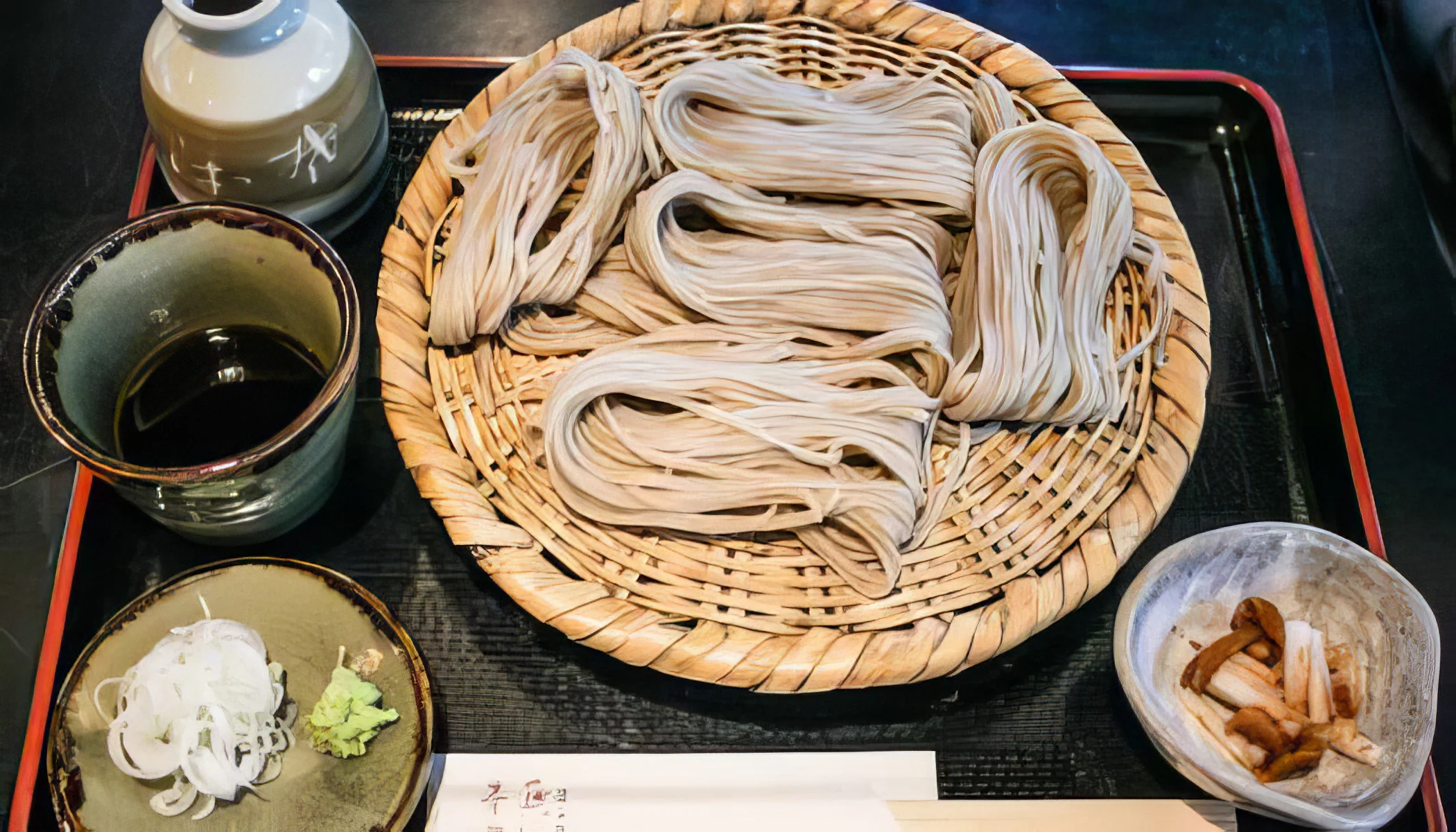
The city is known for its fresh, local ingredients and traditional Japanese cuisine, often influenced by its mountainous terrain. Some of the city's most famous dishes include:
– Soba: Buckwheat noodles served either hot in broth or cold with dipping sauce.
– Oyaki: Steamed or pan-fried dumplings filled with vegetables, mushrooms, or sweet red bean paste.
– Nozawana: Pickled mustard greens, a local specialty often served as a side dish.
– Shinshu Apple: Locally grown apples, known for their crisp texture and sweet flavor.
– Gohei Mochi: Grilled rice cakes coated with a sweet and savory miso sauce.
– Basashi: Thinly sliced raw horse meat, often served with soy sauce and ginger.
Shopping
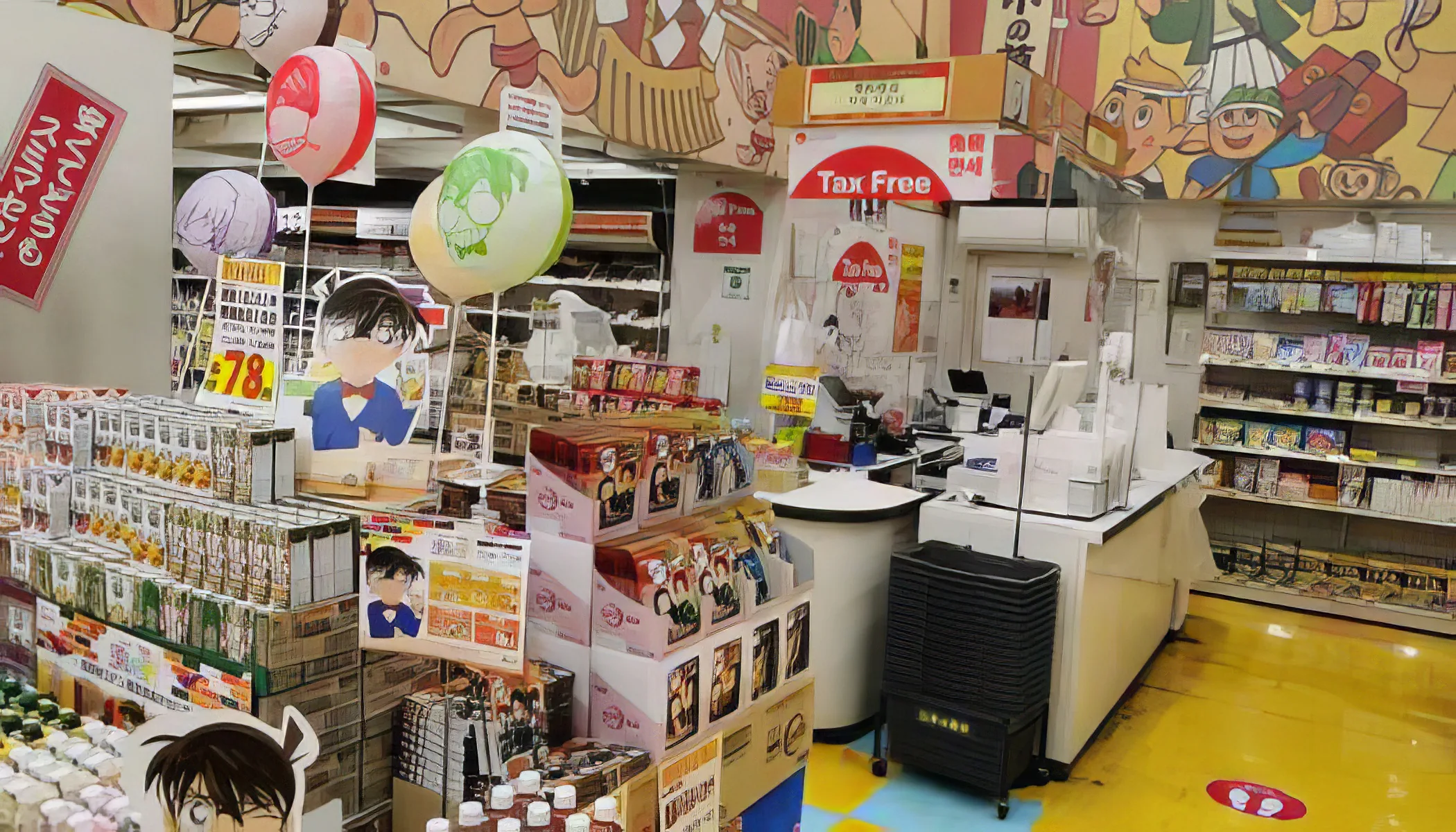
The city offers a unique shopping experience, especially for those interested in traditional crafts and local produce. One of the best gifts to purchase is the famous Shinshu apple, known for its crisp texture and sweetness. Additionally, visitors can find beautifully crafted wooden items, such as trays and bowls, made from local woods. Soba noodles, a regional specialty, also make an excellent gift, available in beautifully packaged sets. For something more lasting, consider purchasing a piece of Japanese pottery or a bottle of local sake. These items reflect the cultural heritage and natural resources of the region.
Arts & Culture
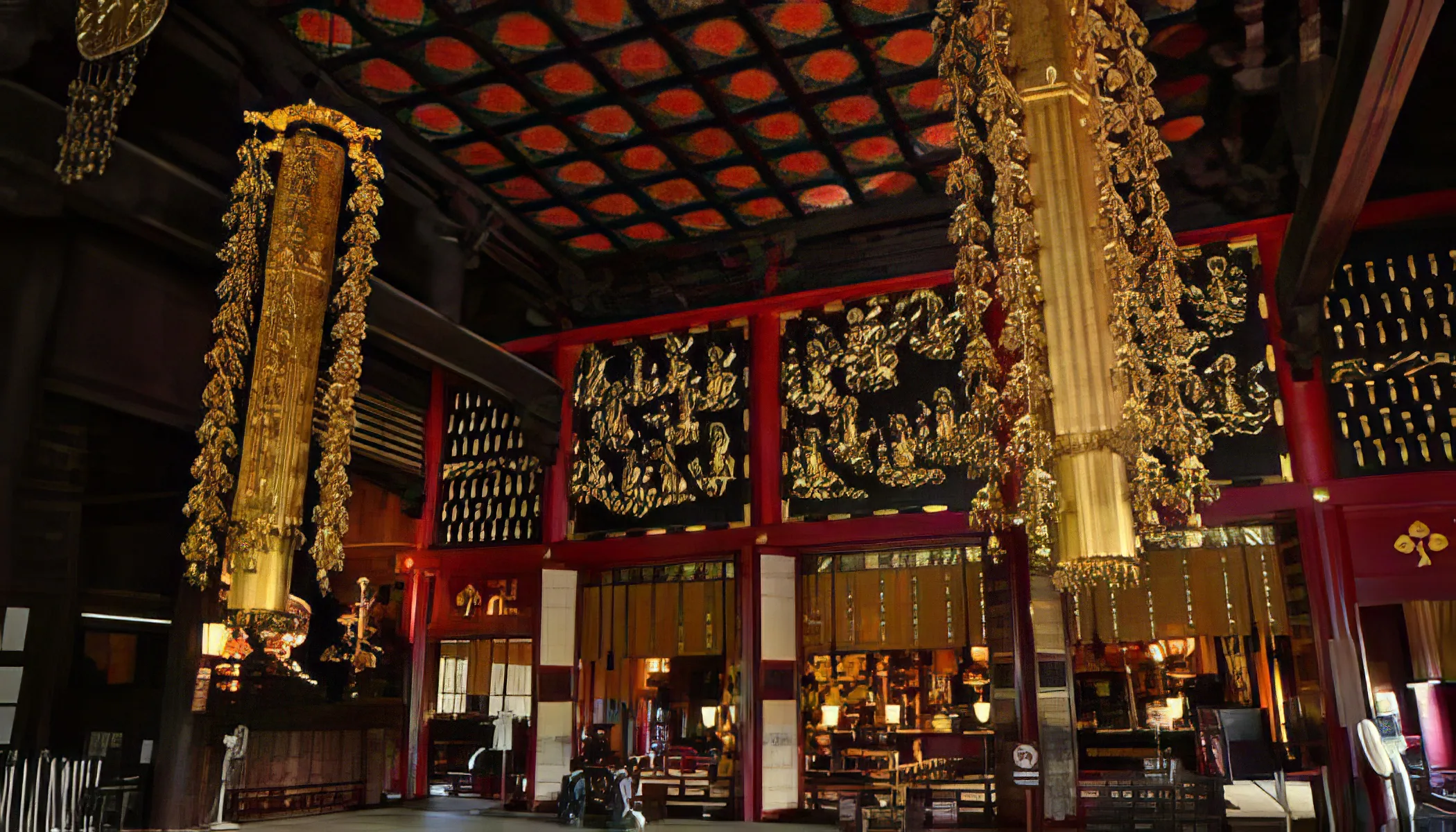
The city hosts the famous Zenkō-ji Temple, a significant center of Buddhist practice, which attracts millions of pilgrims and visitors. It is also known for the Tomyo Lantern Festival, where thousands of lanterns light up the temple and its surroundings, creating a appealing atmosphere. The city celebrates the Nagano Ebisuko Fireworks, an annual event featuring spectacular fireworks displays. Additionally, it has a animated arts scene, including the Nagano Prefectural Shinano Art Museum, which showcases both traditional and contemporary art.