

Nagasaki Travel Guide: Tourist Places & Activities
Located on Kyushu Island, this city is known for its historical significance, particularly the atomic bombing in 1945. It features a blend of cultural influences and is surrounded by scenic natural beauty.
- Population
- 407,000
- Size
- 406 square km
- Airport
- Nagasaki – domestic
- Train Station
- Nagasaki Station
- Est. Visit Days
- 2 days
Overview
Nagasaki, a city on the island of Kyushu in Japan, is renowned for its rich history and diverse cultural heritage, notably as one of the few cities to have been hit by an atomic bomb. The city's Peace Park and Atomic Bomb Museum are significant attractions that offer insight into this tragic past. Nagasaki also boasts beautiful natural scenery, with its harbor and surrounding hills providing charming views. However, the city can be quite hilly and might pose challenges for those with mobility issues. Additionally, Nagasaki's weather is characterized by high humidity and significant rainfall, which could potentially affect travel plans.
Traffic & Transport
The city's compact size and well-organized public transportation system make it easy for tourists to navigate and explore. The most efficient way to get around is by using the trams, which cover the main tourist areas and offer a convenient way to see the city's sights. Buses are also available and provide access to some of the more remote or less central locations. For those who prefer a more active approach, renting a bicycle can be a great option, allowing visitors to move at their own pace and explore both the city and its surrounding areas. For taxi services, several reliable companies operate in the city, including ABC Taxi and Nagasaki Kotsu. Additionally, the use of taxi-booking apps like JapanTaxi is a convenient option, providing easy access to available taxis and the ability to pay electronically.
History
Historically, this city was a significant port for foreign trade during Japan's period of isolation in the 17th century, particularly with the Portuguese and Dutch. It was the second city to suffer an atomic bombing during World War II in 1945. This event had a profound impact on its post-war reconstruction and its role in promoting global peace. The city also has a rich cultural history, influenced by its long-standing connections with Western and Chinese trade partners, which is evident in its architecture, festivals, and cuisine. Today, it is known for its historical landmarks, including a Peace Park and museum that commemorate the atomic bombing.
Itinerary Sample
Explore the highlights of Nagasaki over two days with this focused itinerary:
– First day: Visit the Nagasaki Peace Park and Atomic Bomb Museum. Stroll through the Hypocenter Park. Enjoy dinner in Dejima and explore local shops.
– Second day: Take a trip to Glover Garden. Visit Oura Church, the oldest church in Japan. Explore the Dutch Slope and end your day at the Nagasaki Penguin Aquarium.
Near Excursion
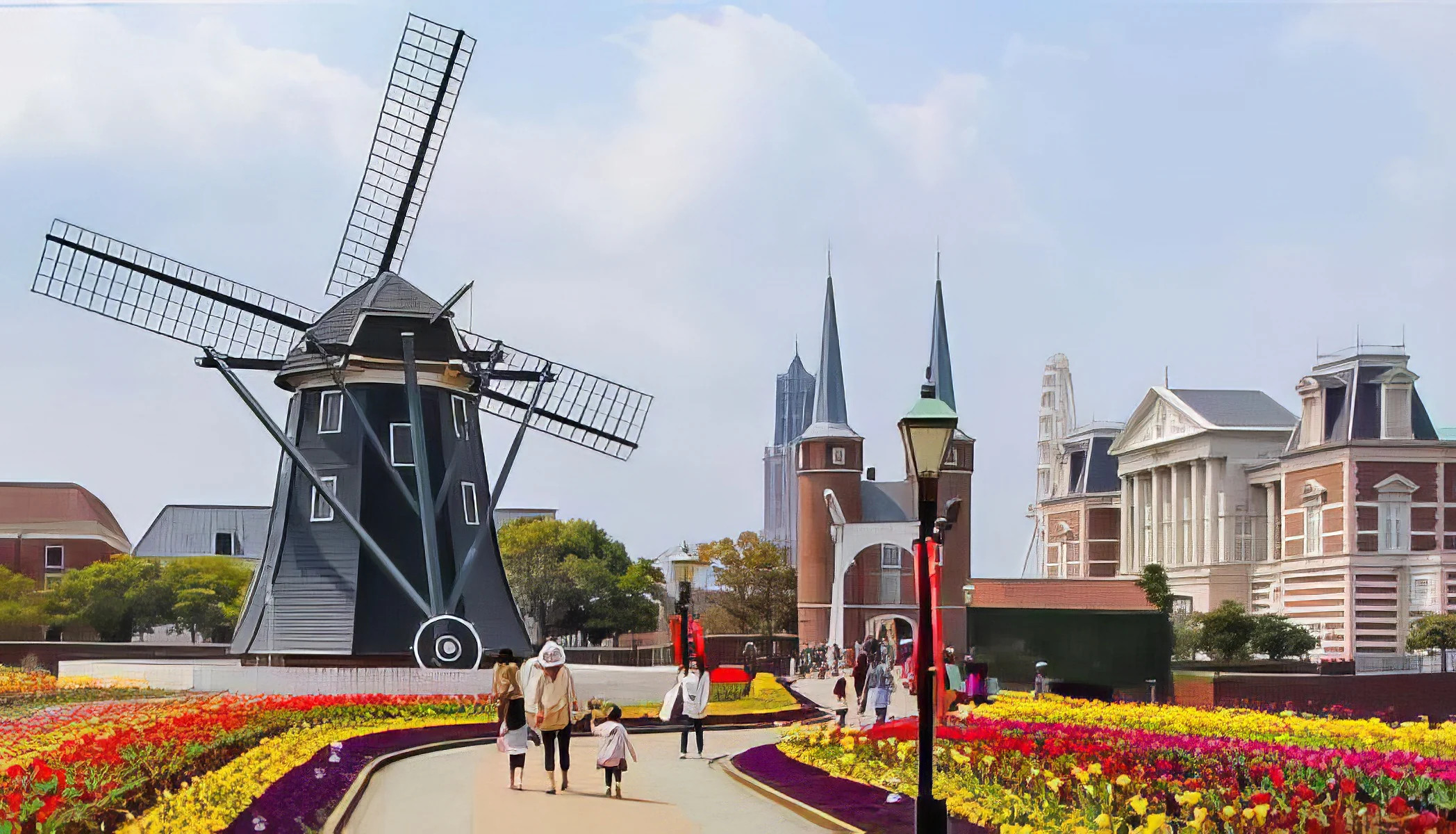
This city offers several interesting day trips within a short distance. Here are some suggestions:
– Huis Ten Bosch at 30 km: A theme park replicating Dutch buildings and landscapes with seasonal events and attractions.
– Unzen Onsen at 50 km: A hot spring resort area known for its therapeutic waters and scenic views.
– Gunkanjima (Battleship Island) at 20 km: An abandoned island with a history of coal mining, now a UNESCO World Heritage site.
– Shimabara Castle at 60 km: A reconstructed 17th-century castle with historical exhibits and beautiful gardens.
– Hirado at 80 km: A historic port town with a mix of Japanese and Western architecture, including Hirado Castle.
Attraction
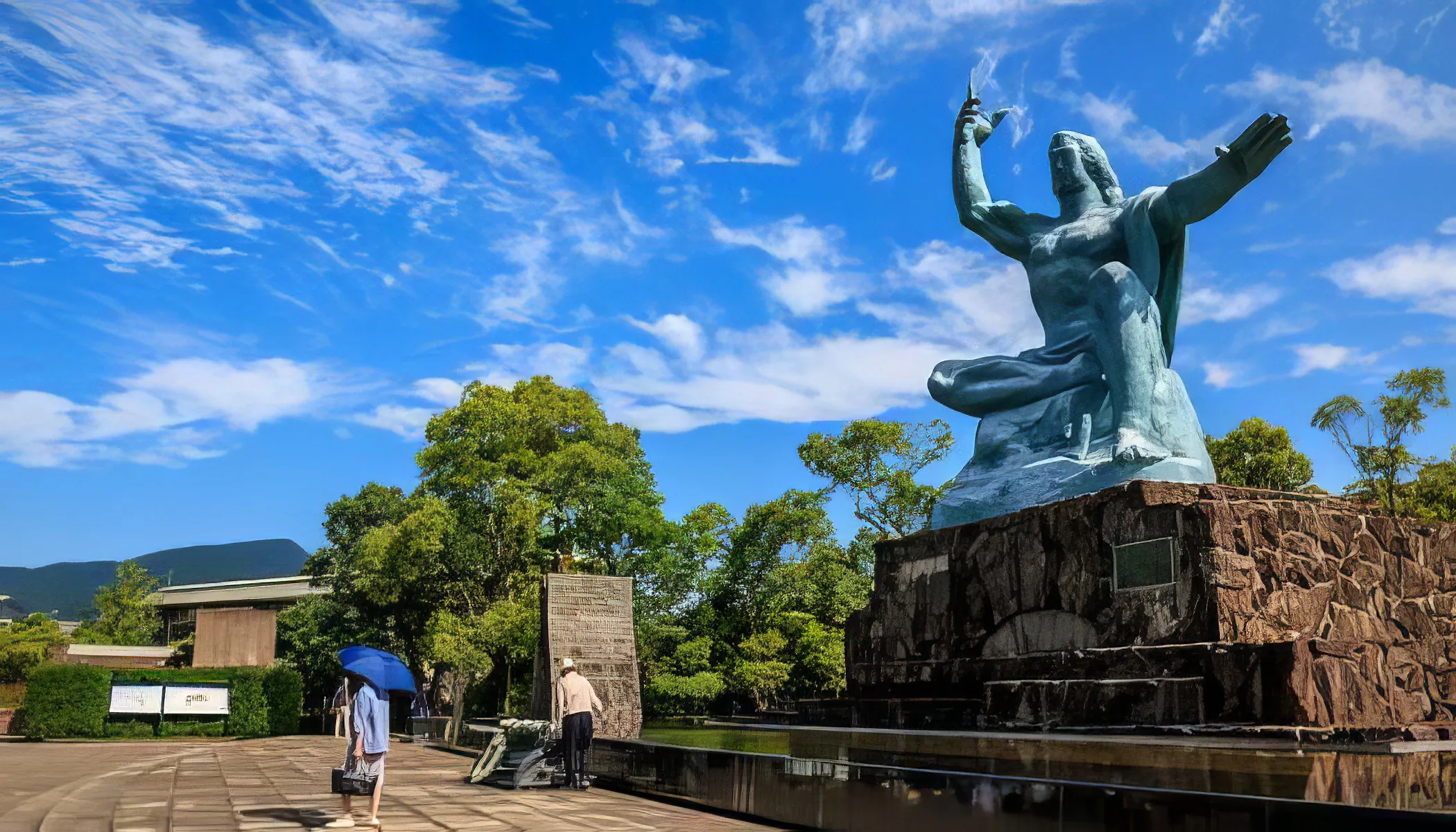
This city is known for its historical significance, beautiful landscapes, and cultural heritage.
– Peace Park: A memorial park dedicated to the victims of the atomic bombing, featuring statues and a peace fountain.
– Atomic Bomb Museum: Provides detailed exhibits on the atomic bombing, its aftermath, and the importance of peace.
– Glover Garden: An open-air museum with Western-style mansions and beautiful gardens, offering panoramic views of the city.
– Dejima: A restored historical site that was once a Dutch trading post, showcasing Japan's international trade history.
– Oura Church: The oldest Christian church in the country, designated as a national treasure.
– Mount Inasa: Offers a scenic viewpoint with a panoramic view of the city, especially beautiful at night.
Activity
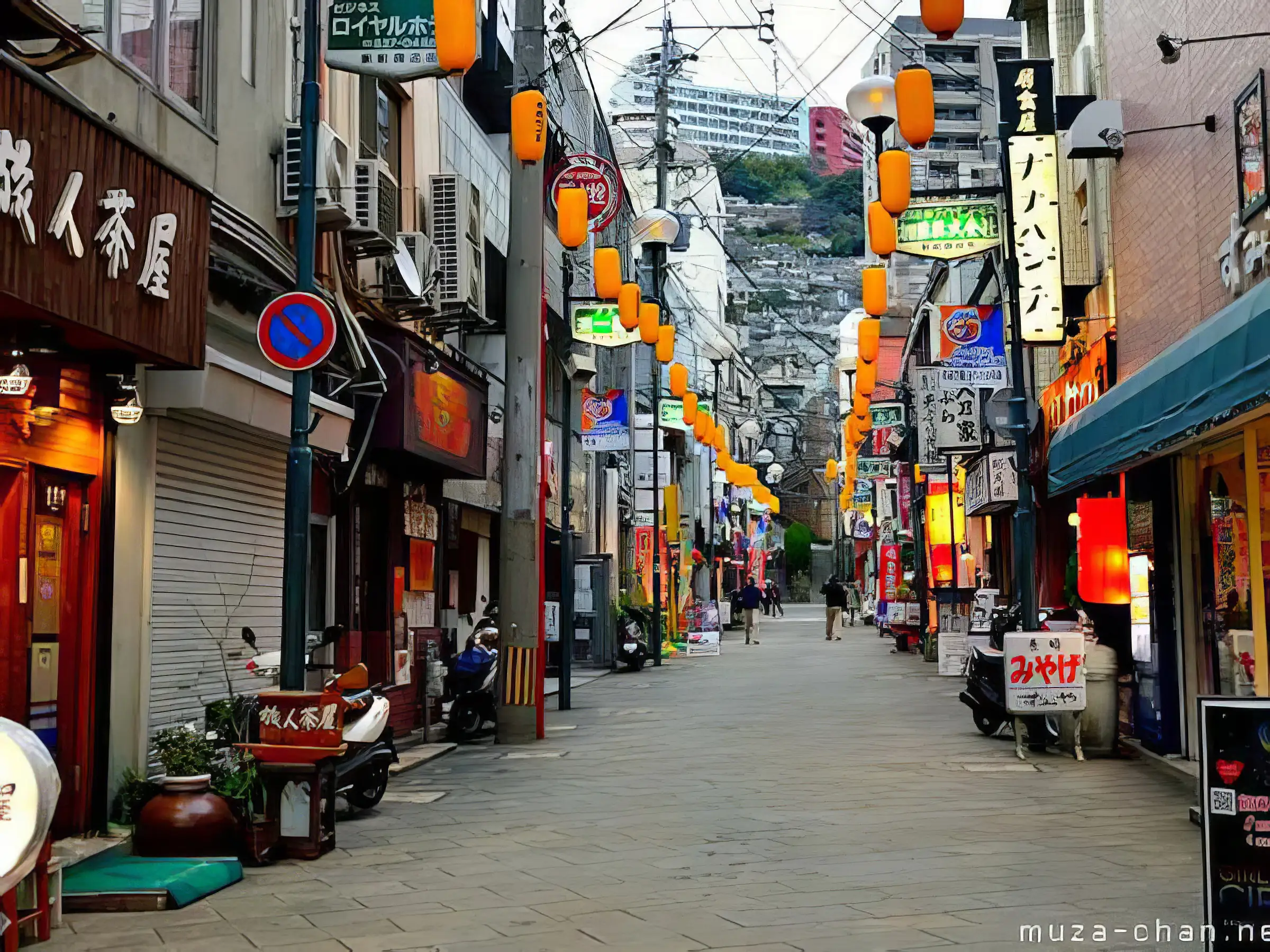
In Nagasaki, travelers can experience unique historical sites, hot springs, island hopping, and scenic viewpoints.
– Glover Garden: Explore Western-style houses from the Meiji era with panoramic city views.
– Megane Bridge: Walk across the iconic "Spectacles Bridge" offering lovely views of the Nakashima River.
– Mount Inasa Ropeway: Ride a cable car to the summit for remarkable night views of Nagasaki.
– Gunkanjima (Hashima) Island Tour: Visit the abandoned island with a dark history and unique architecture.
– Nagasaki Penguin Aquarium: Observe various penguin species in a well-maintained environment.
Cuisine

The city offers a unique blend of Japanese and international flavors, influenced by its history as a trading port. Some of the city's most famous dishes include:
– Champon: A hearty noodle soup with pork, seafood, and vegetables.
– Sara Udon: Crispy noodles topped with a thick sauce of vegetables, meat, and seafood.
– Shippoku Ryori: A traditional banquet-style meal featuring a mix of Japanese, Chinese, and Western dishes.
– Castella Cake: A sponge cake introduced by Portuguese traders, known for its light texture and sweetness.
– Kakuni Manju: Steamed buns filled with braised pork belly, a savory and sweet treat.
– Toruko Rice: A fusion dish with rice, spaghetti, and pork cutlet, often served with curry or demiglace sauce.
Shopping

In the city, tourists can enjoy a unique shopping experience at Hamanmachi Arcade, a animated shopping district with a variety of stores. A popular gift to purchase is Castella, a sponge cake brought by Portuguese merchants in the 16th century, which has become a local specialty. Additionally, handcrafted porcelain from nearby Hasami and Arita towns makes for a distinctive and cherished souvenir. These items not only reflect the rich history and culture but also offer a taste of local craftsmanship.
Arts & Culture
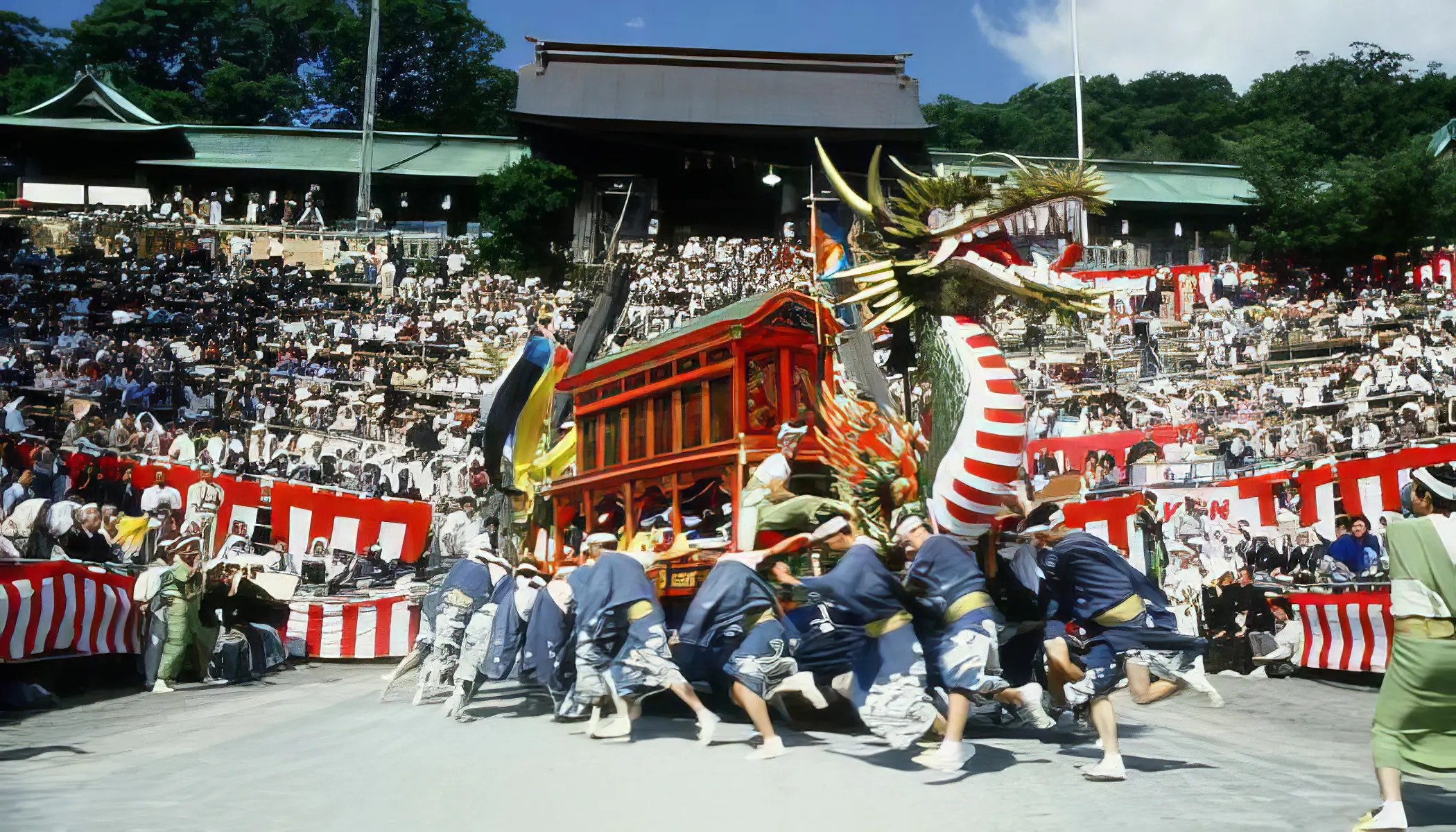
The city hosts the Nagasaki Kunchi, an annual festival that blends Dutch, Chinese, and local influences, showcasing beautiful dance performances and floats. It is also home to the Nagasaki Lantern Festival, celebrating Chinese New Year with thousands of lanterns and decorations. The Nagasaki Atomic Bomb Museum and the Peace Park provide poignant insights into the impacts of nuclear warfare and the city's commitment to peace. Additionally, Glover Garden displays a collection of historic western-style houses from the Meiji period, offering a unique look at the fusion of Western and Japanese architecture.