

Nanjing Travel Guide: Tourist Places & Activities
This city, located in the eastern part of a large Asian country, is known for its rich history, being a former capital. It features significant landmarks, including ancient walls and memorials, reflecting its cultural heritage and historical importance.
- Population
- 9.31 millions
- Size
- 6 598 square km
- Airport
- Nanjing Lukou – Int'l & 1 other
- Train Station
- Nanjing South & 2 others
- Subway
- Nanjing Metro
- Est. Visit Days
- 2 days
Overview
Nanjing is a major city in eastern China with a rich history and cultural significance. Pros include its historical sites, such as the Ming Xiaoling Mausoleum and Nanjing Massacre Memorial, as well as its educational institutions. The cost of living is relatively low compared to other major cities like Beijing and Shanghai. However, cons include air pollution and traffic congestion, which can affect daily life. Overall, Nanjing offers a mix of historical value and modern challenges.
Traffic & Transport
The city boasts a well-developed public transportation system, including buses and a comprehensive metro network that makes it easy for tourists to navigate. The metro is particularly efficient, with multiple lines connecting key attractions and neighborhoods, while buses offer an extensive reach for those looking to explore off the beaten path. Bicycles are also a popular choice, with bike-sharing programs available throughout the area. Walking is another excellent way to experience the city's historical sites and magnificient atmosphere. For reliable taxi services, visitors can opt for local companies such as Didi Chuxing, which is widely used and offers convenient app-based booking options. Additionally, traditional taxis can be hailed on the street or found at designated taxi stands across the city.
History
This city has a long history of being a political and cultural center in China. It served as the capital during several dynasties, notably the Ming Dynasty. The city was the site of significant conflict during the Second Sino-Japanese War, particularly with the Nanjing Massacre in 1937. It has also been an important hub for commerce and trade due to its strategic location along the Yangtze River. Today, it reflects a blend of ancient traditions and modern developments influenced by its historical events.
Itinerary Sample
Here is a suggested 2-day itinerary for exploring Nanjing, China.
– First day: Visit the Ming Xiaoling Mausoleum and walk through the surrounding scenic area.
Explore the Sun Yat-sen Mausoleum and enjoy views of the city from its steps.
End with a stroll along Qinhuai River in the evening.
– Second day: Start at Nanjing Massacre Memorial Hall to learn about history.
Visit the ancient city wall for a walk and panoramic views.
Conclude with a visit to Xuanwu Lake for relaxation and scenery.
Near Excursion
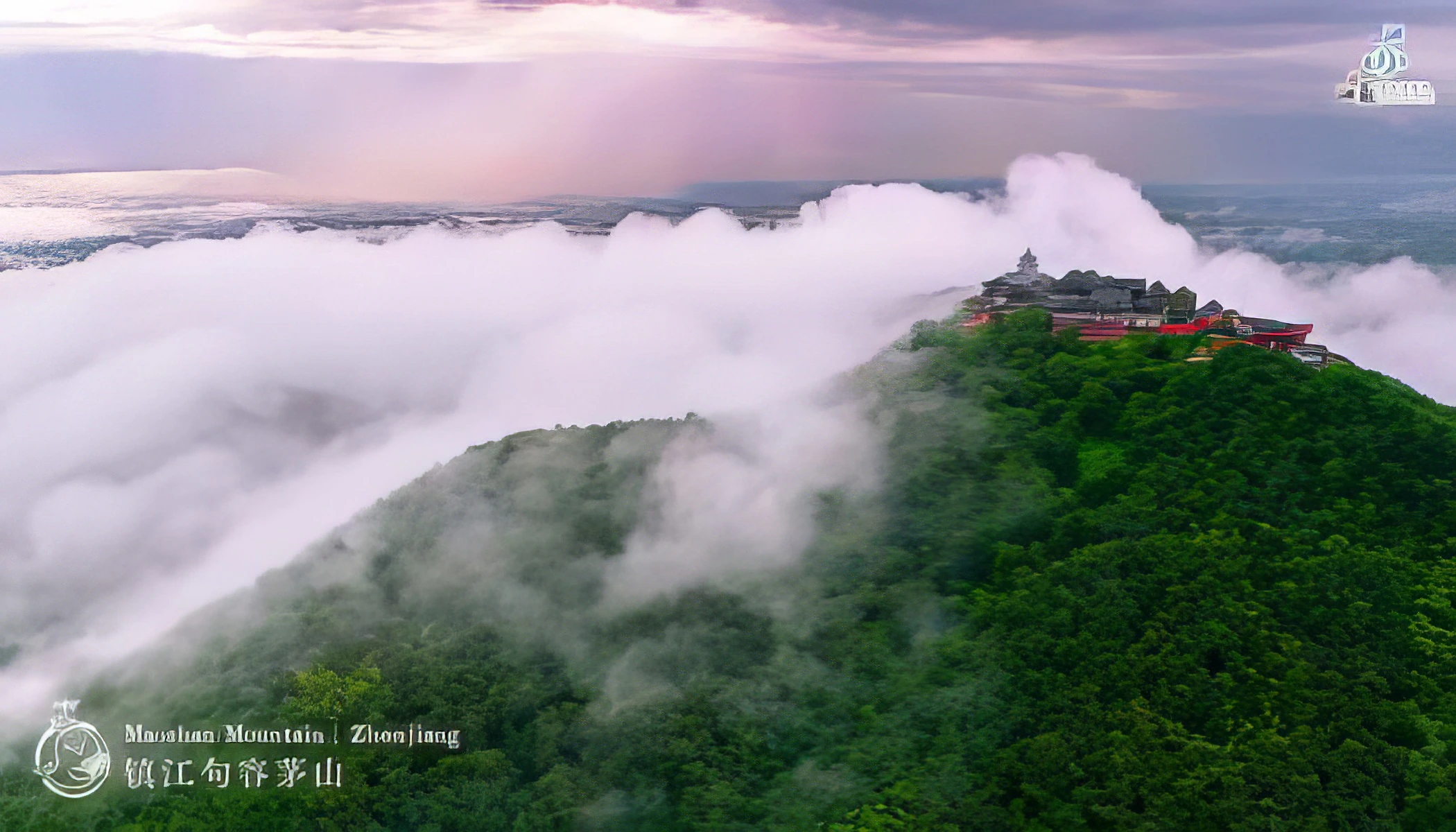
This city serves as a gateway to several interesting day trips in the surrounding region. Here are some options:
– Yangzhou at 90 km: Known for its beautiful gardens, historic sites, and rich culinary heritage.
– Zhenjiang at 70 km: Famous for its vinegar production and Jinshan Temple with scenic views.
– Maoshan Mountain at 60 km: Offers Taoist temples and carefree natural landscapes for relaxation and exploration.
– Yixing at 130 km: Renowned for its distinctive teapots made from local clay and charming bamboo forests.
– Wuxi at 150 km: Home to the giant Lingshan Buddha statue and beautiful Taihu Lake scenery.
Attraction

Known for its rich history and cultural heritage, this city offers numerous historical sites and scenic spots.
– Sun Yat-sen Mausoleum: A tribute to the founding father of modern China, located on the charming Purple Mountain.
– Confucius Temple: A cultural hub with traditional architecture, shops, and a magnificient night market along the Qinhuai River.
– Nanjing Massacre Memorial Hall: A somber museum commemorating the victims of the 1937 massacre during World War II.
– Xuanwu Lake: A large park with gardens, pavilions, and walking paths offering a peaceful retreat in an urban setting.
– Ming Xiaoling Mausoleum: The tomb of Emperor Zhu Yuanzhang with impressive stone carvings amidst beautiful wooded surroundings.
– Presidential Palace: An important historical site showcasing political history with well-preserved buildings and exhibitions.
Activity
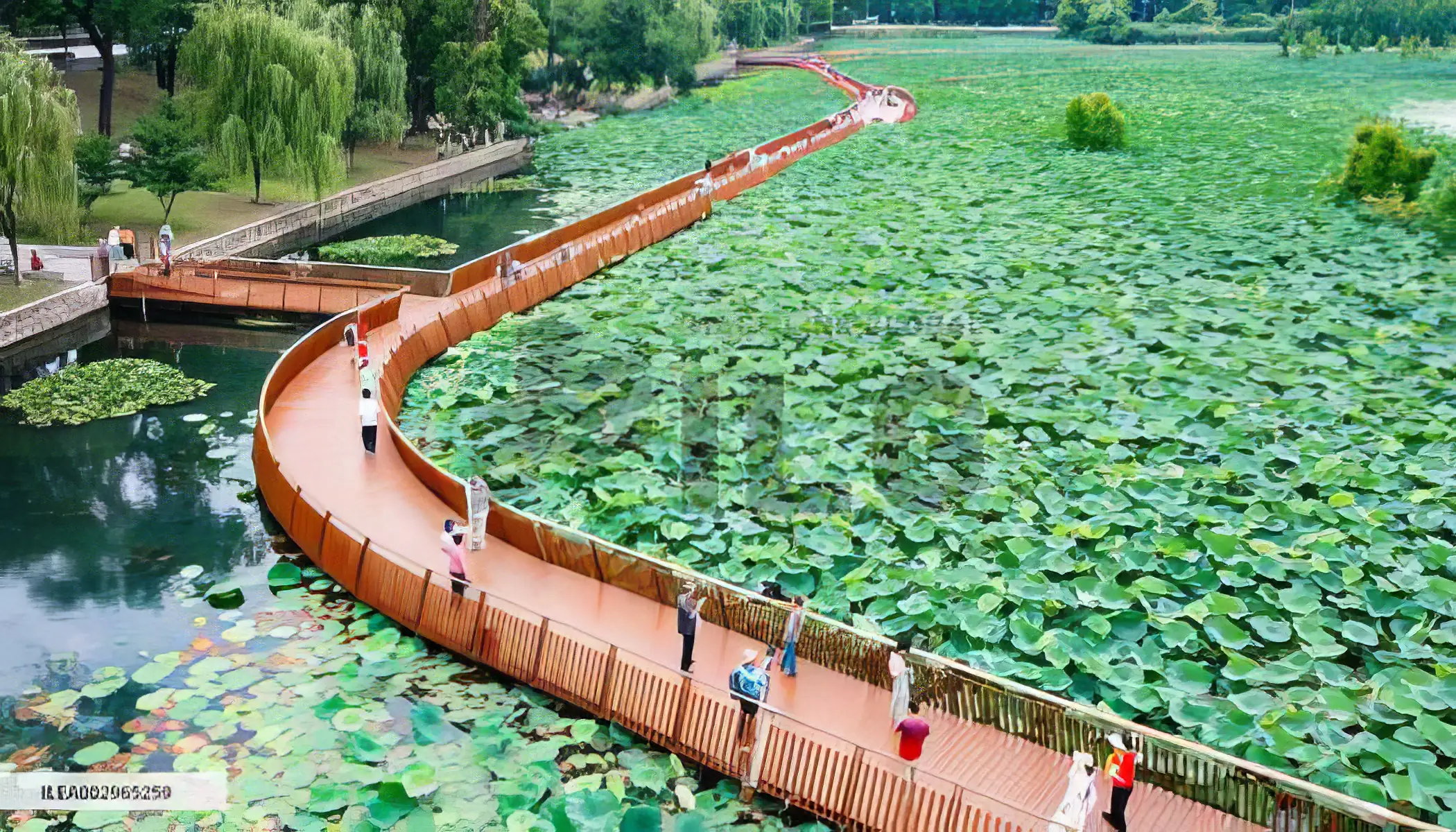
Travelers in Nanjing can explore rich history, beautiful parks, and unique local experiences throughout the city.
– Yangtze River Cruise: Enjoy scenic views along China's longest river with options for dining and sightseeing.
– Nanjing Yangtze River Bridge Walk: Experience walking on this iconic bridge, learning about its historical significance.
– Qinhuai River Night Tour: Take a boat ride along the river to see traditional lanterns and local nightlife.
– Xuanwu Lake Park: Stroll through this large park featuring gardens, lakes, and views of Nanjing's skyline.
– Sun Yat-sen Mausoleum Hike: Hike up to this important site with beautiful architecture and panoramic views of the area.
Cuisine

The city offers a rich culinary tradition with dishes that emphasize hearty flavors and local ingredients. Some of the city's most famous dishes include:
– Salted Duck: A well-known dish, featuring duck seasoned with salt and spices, then boiled.
– Duck Blood Soup: A savory soup made with duck blood, tofu, and vermicelli noodles.
– Lion's Head Meatballs: Large pork meatballs stewed in a flavorful broth, often served with greens.
– Fried Spring Onion Pancake: Crispy flatbread filled with fragrant spring onions.
– Tangbao: Steamed buns filled with rich broth and meat, known for their juicy interior.
Shopping
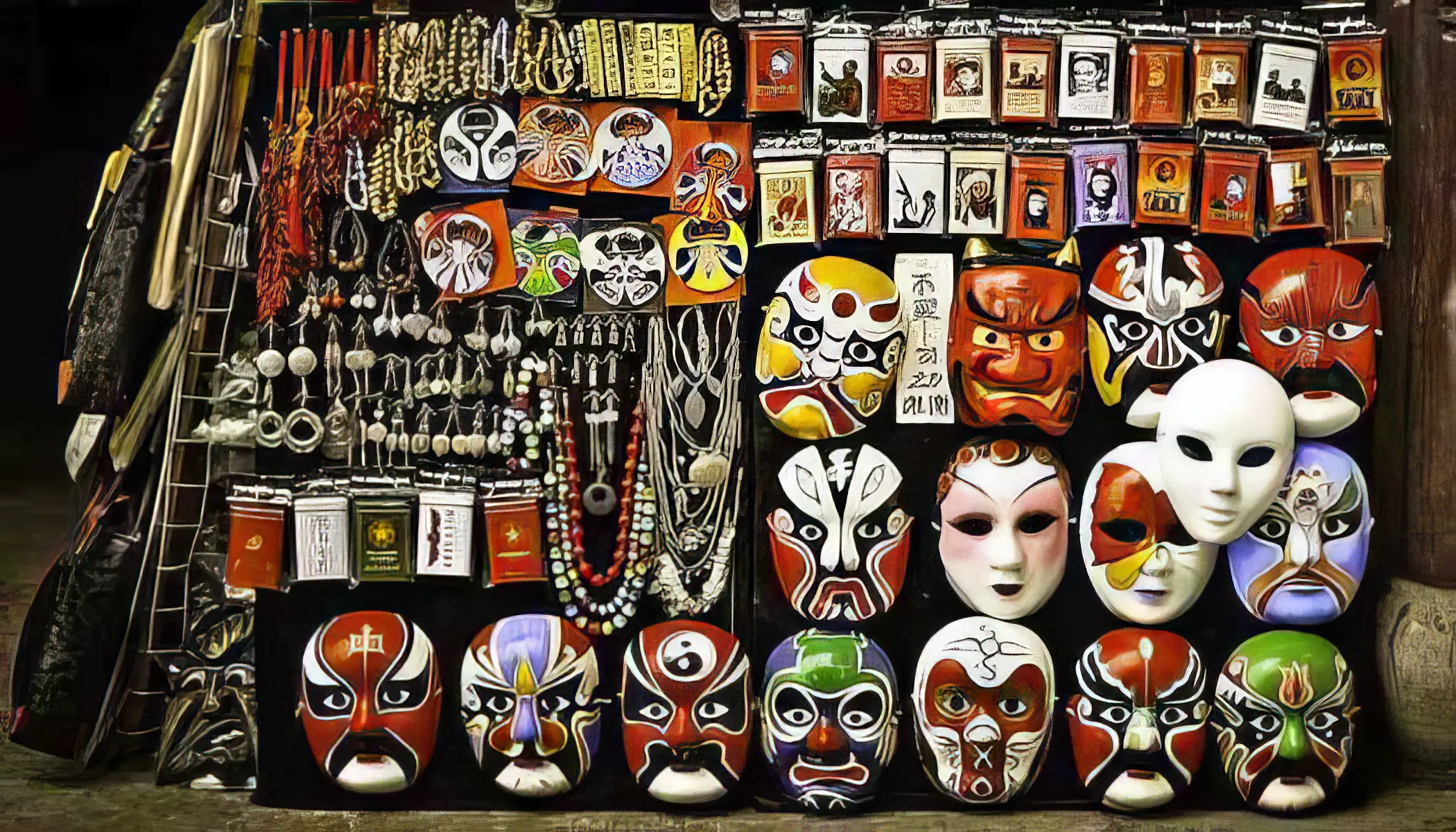
A popular shopping area is the Xinjiekou district, where you can find a mix of international brands and local shops. Silk products, such as scarves and ties, make for good gifts due to their quality and cultural significance. Another option is traditional Chinese tea, which is widely available and appreciated. You can also consider buying local snacks or dried fruits as unique souvenirs. For something more artistic, look for jade carvings or calligraphy items. These gifts reflect the region's heritage and are often well-received.
Arts & Culture
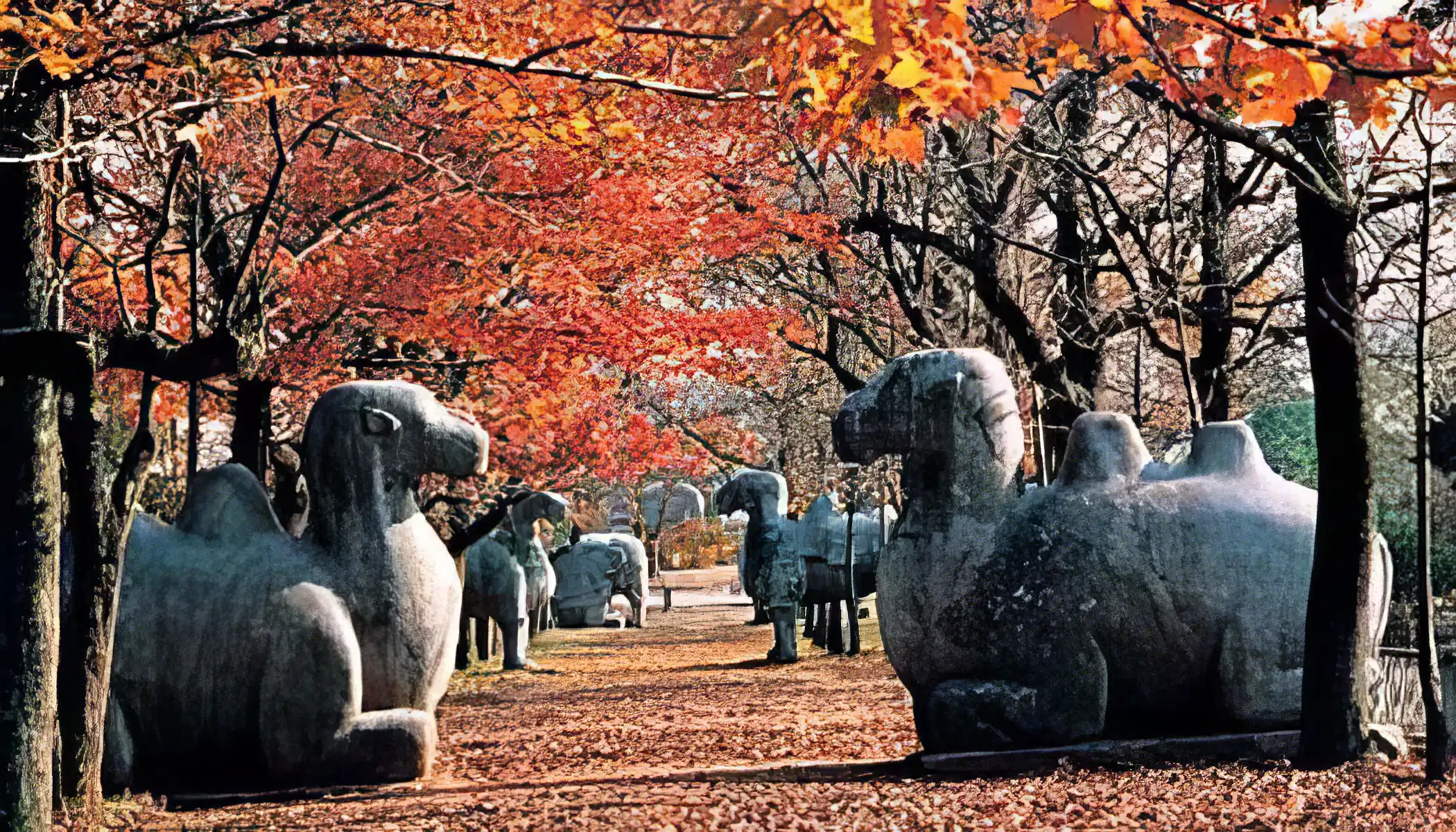
The city is known for its rich cultural heritage, including the Ming Xiaoling Mausoleum and the Nanjing Museum, which showcases local history and art. The annual Nanjing International Cultural Festival features performances and exhibitions from various artistic disciplines. Additionally, traditional Chinese opera performances can often be found in local theaters. Art galleries and cultural centers frequently host contemporary art exhibitions as well.