

Natal Travel Guide: Tourist Places & Activities
This city is located on the northeastern coast of South America. It is known for its beaches and dunes, along with a warm climate. It serves as a popular tourist destination for both domestic and international visitors.
- Population
- 0.9 millions
- Size
- 170 square km
- Airport
- Governador Aluizio Alves – Int'l & 1 other
- Train Station
- Estação Natal.
- Est. Visit Days
- 5 days
Overview
Natal, the capital of Rio Grande do Norte in Brazil, is known for its beautiful beaches and warm climate. One of the main pros is its low cost of living compared to other Brazilian cities. It also offers a variety of outdoor activities, especially related to the ocean. However, on the downside, Natal faces issues with safety and infrastructure, which may concern some visitors. Additionally, tourism can be limited outside peak seasons.
Traffic & Transport
Public transportation in the city offers a variety of options for tourists, including buses and rental cars, though traffic can be congested during peak hours. The most efficient way to explore the area is by using a combination of public buses and rideshare services, as they provide direct access to popular attractions without the hassle of parking. Walking can also be a pleasant way to navigate certain neighborhoods, especially near the coastline. However, be mindful of local traffic regulations and pedestrian zones. For reliable taxi services, reputable local companies usually offer safe and efficient rides. Additionally, popular rideshare apps operate in the area, making it convenient for tourists to book transportation quickly and have a clear estimate of fares.
History
The area was originally inhabited by Indigenous peoples before European colonization. In the 16th century, the Portuguese established a settlement, which became a strategic point for trade and defense. During the 19th century, the city played a role in the transatlantic slave trade. It was also a site of conflict during World War II, serving as an important base for Allied forces. Cultural influences from Indigenous, African, and Portuguese traditions shape the local customs and celebrations.
Itinerary Sample
This 5-day itinerary will help you explore the key attractions in Natal, Brazil.
– First day: Arrive in Natal, settle into your accommodation, and visit the historic Forte dos Reis Magos in the late afternoon.
– Second day: Explore Genipabu Beach, enjoy the sand dunes, and consider a buggy ride.
– Third day: Visit Ponta Negra Beach and the iconic Morro do Careca. Enjoy local cuisine at beachfront restaurants.
– Fourth day: Take a day trip to the fascinating Maracajaú Beach. Snorkeling and a relaxed beach atmosphere await.
– Fifth day: Visit the Natal Aquarium and the Museum of Cultural History before departure.
Near Excursion

The city offers several enjoyable day-trip destinations just a short drive away. Consider these options:
– Pipa Beach at 85 km: Famous for its nice beaches, cliffs, and beautiful nightlife.
– Genipabu at 25 km: Known for its impressive sand dunes and exciting buggy rides.
– Maracajaú at 55 km: Offers crystal-clear waters for snorkeling and diving among coral reefs.
– Pirangi do Norte at 24 km: Visit the largest cashew tree in the world and enjoy beautiful beaches.
– Baía Formosa at 95 km: A relaxed coastal town known for its untouched beaches and beautiful Atlantic Forest.
Attraction
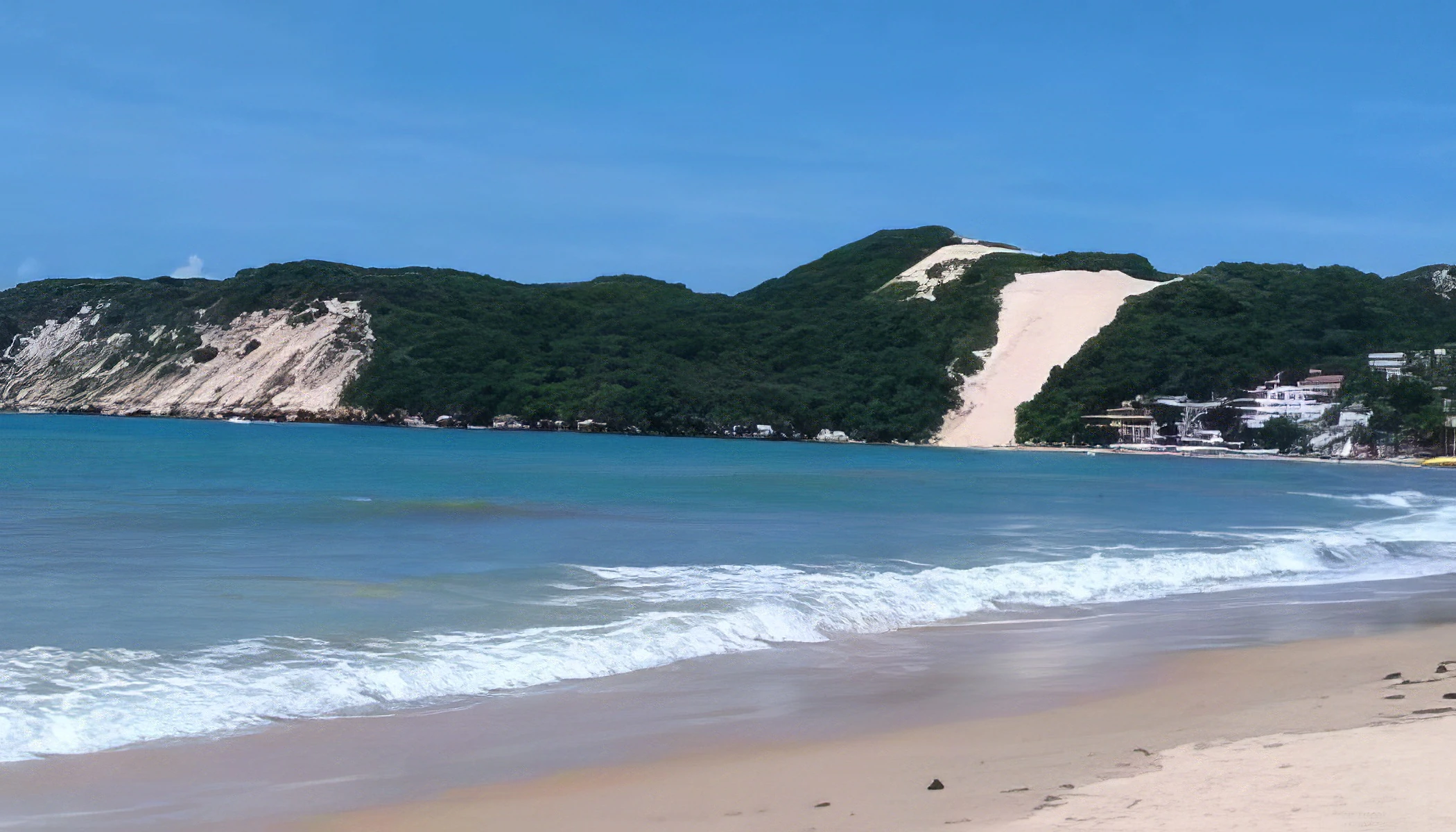
Known for its sandy beaches and natural scenery, this city offers a mix of coastal beauty and historical sites.
– Ponta Negra Beach: A popular beach with a lively atmosphere and views of Morro do Careca, a well-known dune.
– Genipabu: Famous for its dunes and lagoon, this area offers buggy rides and sandboarding.
– Forte dos Reis Magos: A 16th-century star-shaped fortress providing historical insights and panoramic views of the coast.
– Via Costeira: A scenic coastal road lined with hotels and views of the Atlantic Ocean.
– Parque das Dunas: A large urban park offering trails through preserved sand dunes and local flora.
– Barreira do Inferno: An operational rocket launch center that sometimes allows guided tours for visitors.
Activity
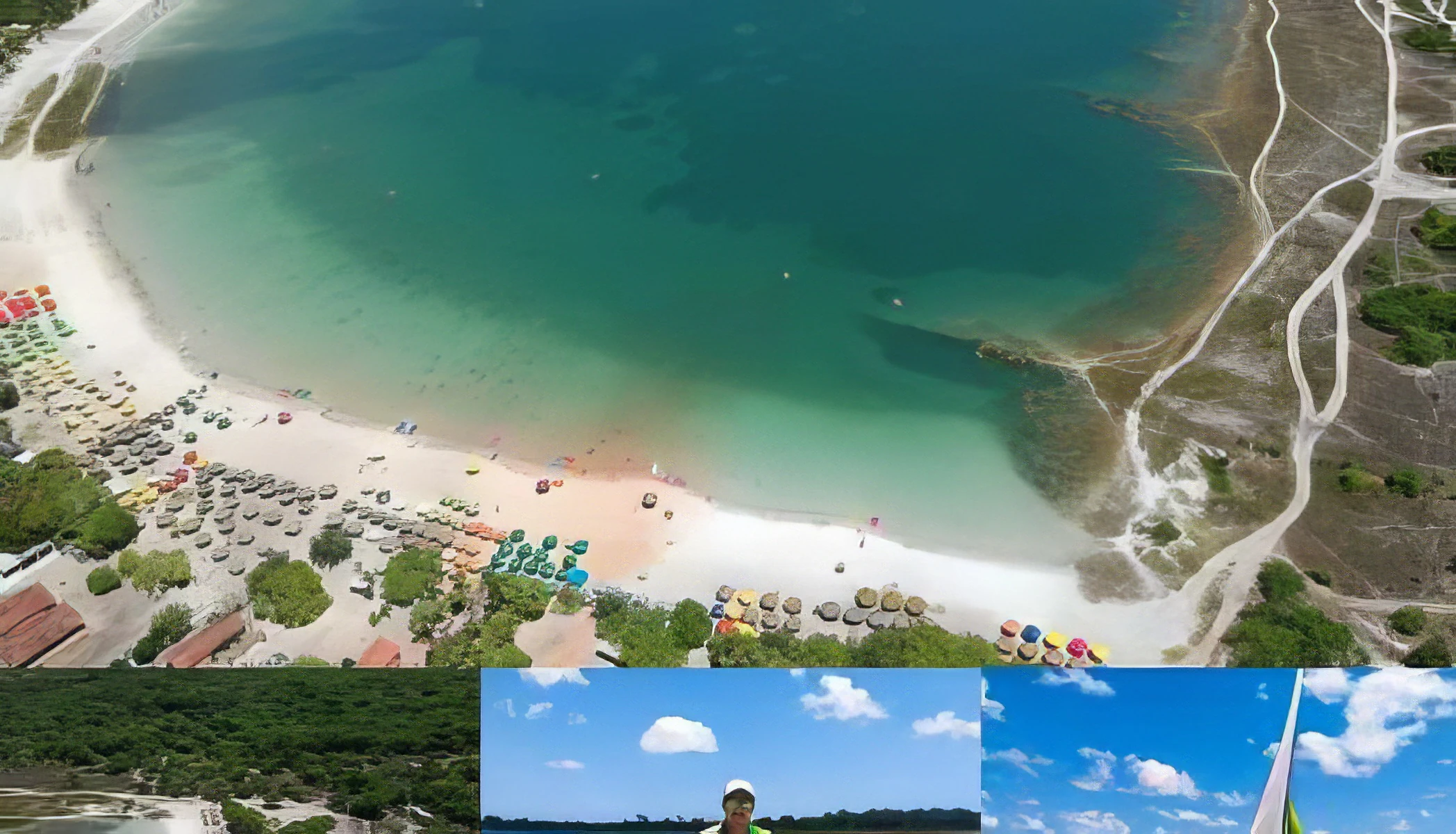
Travelers in Natal can enjoy beautiful beaches, dunes, and unique cultural experiences including adventure activities and local traditions.
– Giant Sand Dunes: Explore and slide down large sand dunes at Genipabu, a popular spot for sandboarding and buggy rides.
– Pipa Beach: Visit this beautiful beach known for its cliffs, beautiful nightlife, and opportunities for dolphin watching.
– Fortaleza dos Reis Magos: Explore this historic fort offering scenic views and insights into Natal's past.
– Lagoa de Carcará: Experience a relaxing day at the lagoon, ideal for swimming and enjoying nature.
– Dunas de Natal State Park: Hike through diverse ecosystems and enjoy panoramic views of the coastal landscape.
Cuisine
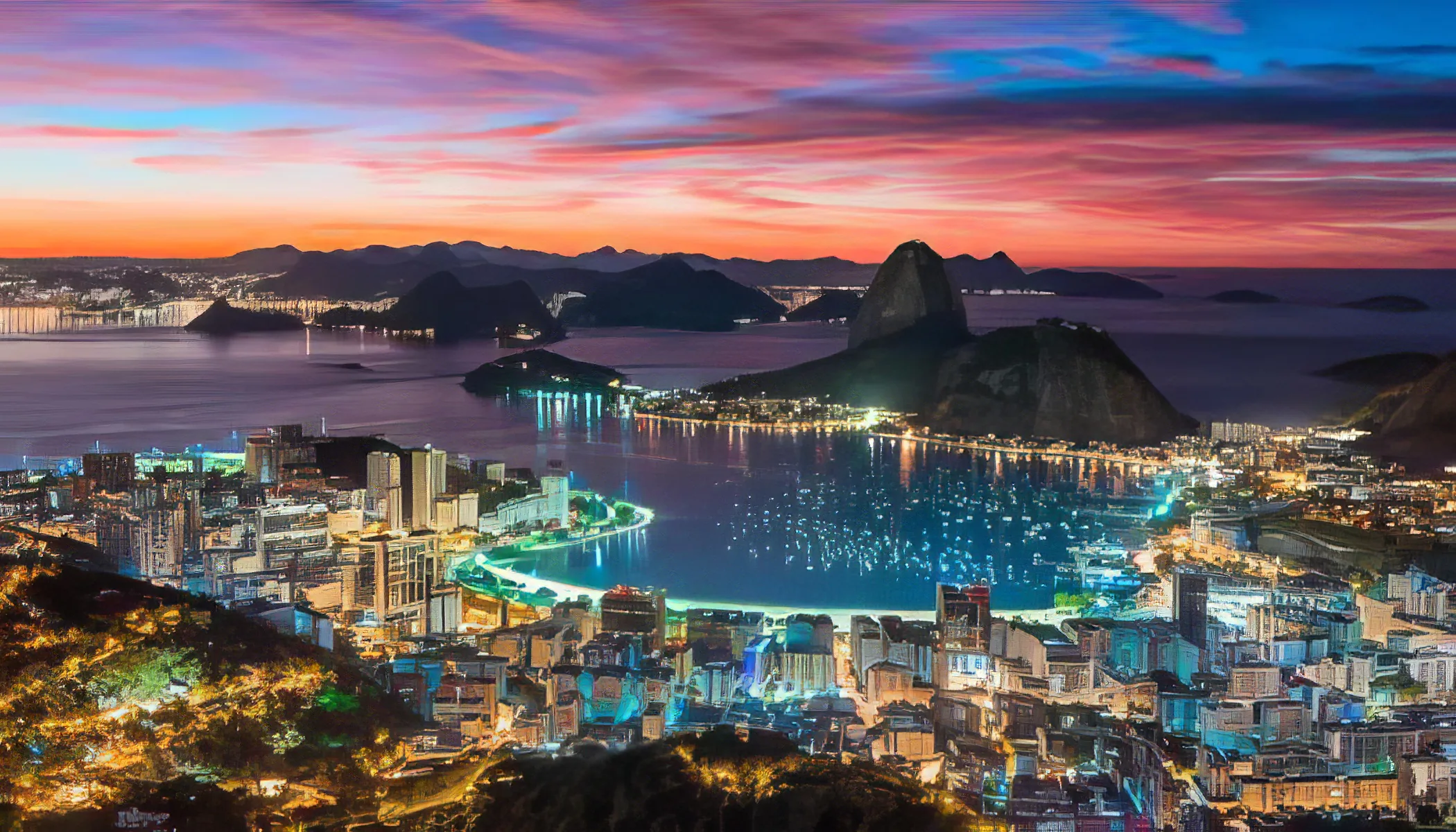
The city offers a mix of fresh seafood and traditional Brazilian flavors, influenced by its coastal location. Some of the city's most famous dishes include:
– Moqueca: Brazilian seafood stew made with fish, coconut milk, and palm oil.
– Tapioca: Soft cassava pancake filled with cheese, coconut, or condensed milk.
– Carne de Sol: Sundried beef often served with cassava or beans.
– Feijoada: Stew of black beans with pork, popular in various regions of Brazil.
– Açaí Bowl: Frozen açaí pulp topped with fruits and granola.
– Cocada: Sweet coconut fudge candy, a popular treat in northeastern Brazil.
Shopping
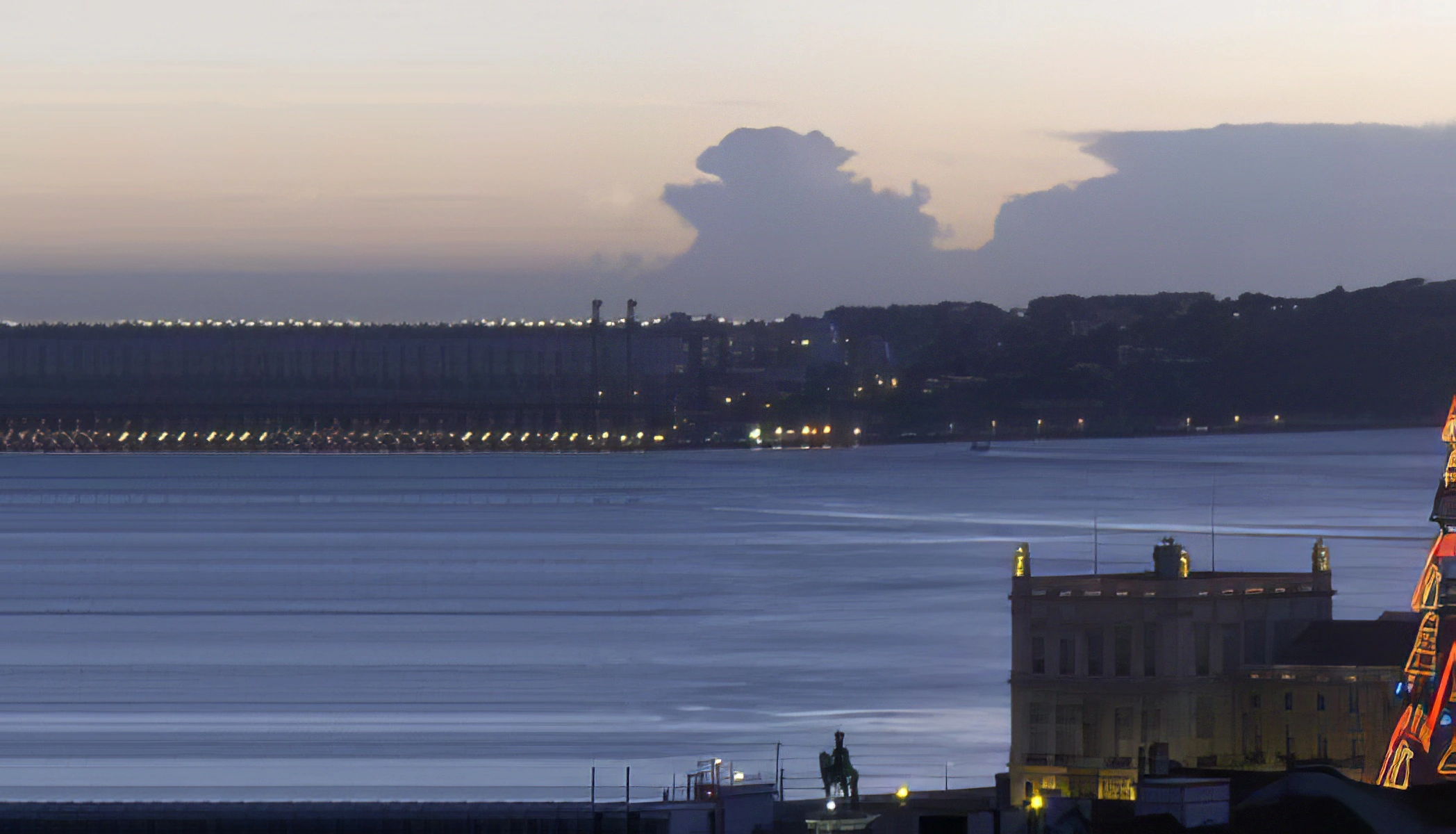
A popular shopping area is the Praia Shopping Mall, which offers a range of local and international brands. Handcrafted goods, such as regional lace and jewelry, make for good gifts. You can also find local foods, like cashews and traditional sweets, to bring home. Artisans often sell their works in local markets, providing unique options. Look for items made from coconut or fish leather as special keepsakes. Overall, there are various local products to choose from.
Arts & Culture
The city hosts the Festival Internacional de Artes e Ideias, showcasing various artistic performances and cultural discussions. There are numerous craft fairs where local artisans display their work, emphasizing traditional craftsmanship. The annual Carnatal is a major event, featuring parades and music that celebrate local culture. Art galleries in the area often feature works by local artists, highlighting the region's artistic talent.