

Sightseeing in Olinda: Culture & Must‑See Spots
This historic city is known for its colonial architecture and dynamic culture. It features colorful houses, art studios, and churches. It's located on the Atlantic coast and is a UNESCO World Heritage site, attracting tourists for its festivals and history.
- Population
- 0.4 millions
- Size
- 41 square km
- Est. Visit Days
- 2 days
Overview
Olinda is a historic city in Brazil known for its colonial architecture and attractive culture. Pros include its UNESCO World Heritage status, beautiful views, and lively carnival celebrations. However, some cons are that the streets can be steep and challenging to navigate, and it can be crowded during peak tourist seasons. Limited nightlife options may also be a downside for some visitors. Overall, Olinda offers a unique cultural experience for those interested in history and arts.
Traffic & Transport
The city features narrow, winding streets that can be challenging for vehicular traffic, making walking the best way to explore. Bicycles are also a popular option, as they allow for easy navigation through the hilly terrain and pleasant views. Public transport options include local buses, which can connect visitors to nearby attractions. However, for more convenience, especially during peak tourist seasons, opt for scooters or rental bikes to enjoy the city's charm at your own pace. Reliable taxi services are available, including well-known local companies that provide safe and efficient transportation. Popular taxi-booking apps like 99 and Uber are also operative, making it easy for visitors to request rides at their convenience.
History
This city was founded in the 16th century by the Portuguese, becoming a key center for sugarcane production. It played a significant role in colonial trade, attracting various European traders. The Dutch occupied the area in the 17th century, influencing local architecture and culture. Following their expulsion, Portuguese control was reestablished, leading to economic decline. The city is recognized today for its well-preserved colonial architecture and lively cultural festivals.
Itinerary Sample
Explore Olinda in two days, experiencing its culture, history, and natural beauty.
– First day: Visit the historic center, see the Cathedral of Olinda, enjoy views from Alto da Sé, and explore local art galleries.
– Second day: Tour the Museu do Frevo, relax at the beautiful beaches, and visit the local craft market for souvenirs.
Near Excursion
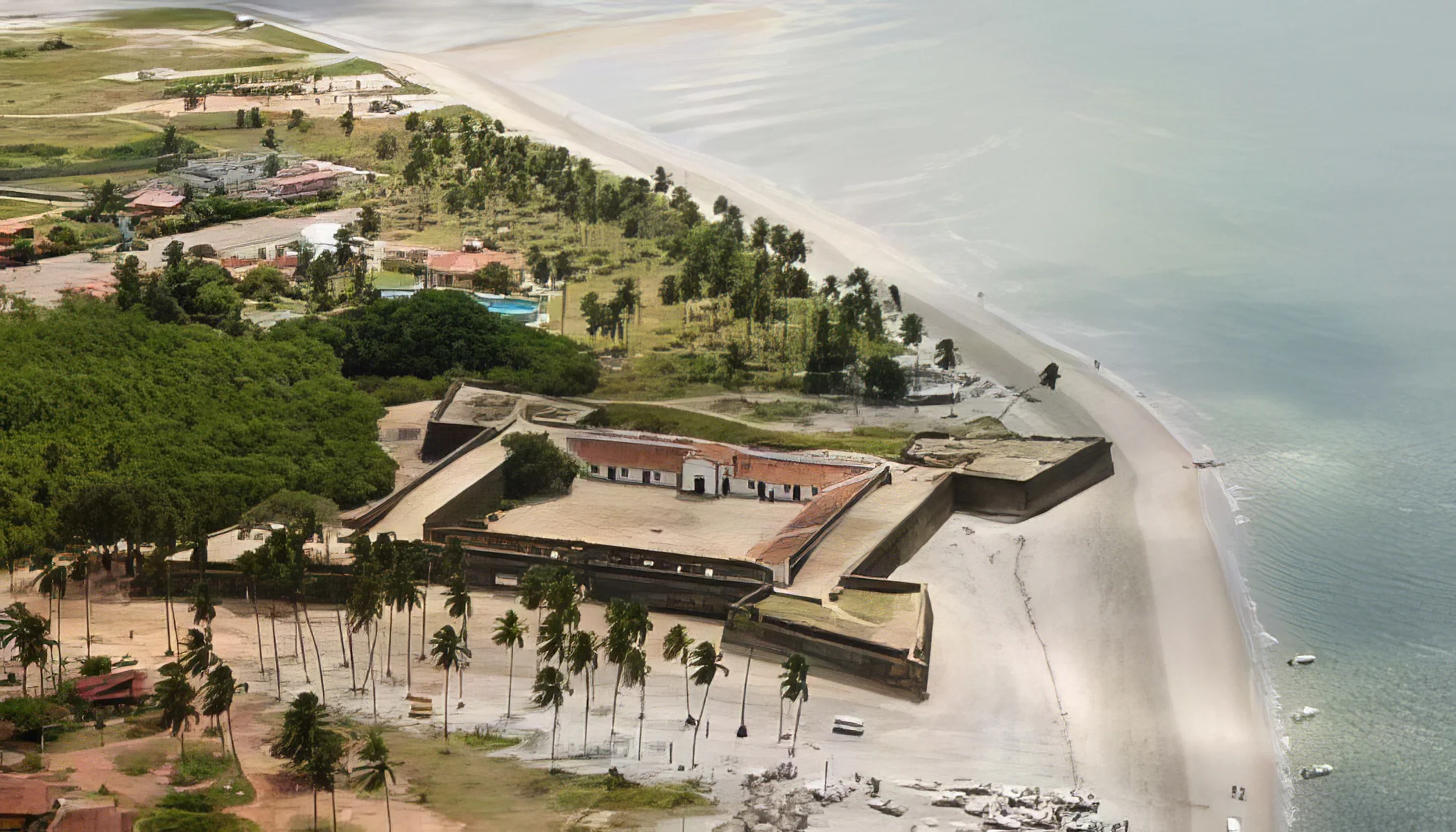
From this city, travelers can explore a variety of engaging day trips. Here are some options:
– Recife at 12 km: Explore animated culture with its historic neighborhoods, beaches, and renowned museums.
– Porto De Galinhas at 65 km: Famed for its clear waters, outdoor activities, and sensational natural pools.
– Itamaracá Island at 55 km: Known for its nice beaches and the historic Fort Orange.
– Caruaru at 135 km: Experience its famous market and local crafts, especially during traditional festivals.
– Gravatá at 84 km: Offers a cooler climate and attractive landscapes, popular for its gastronomy and crafts.
Attraction
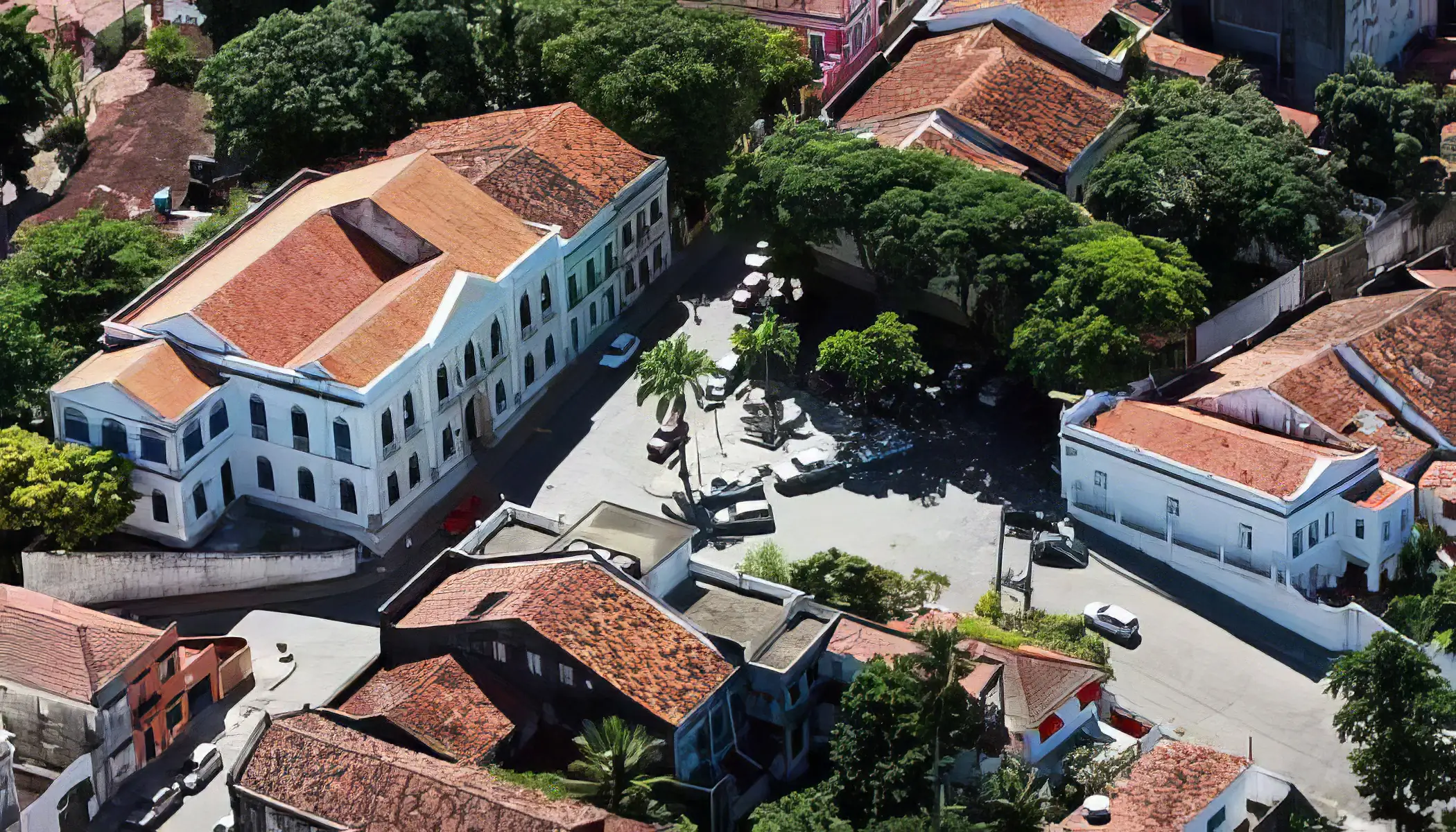
Olinda is known for its well-preserved colonial architecture and vibrant cultural scenes.
– Historic Center: Explore colonial streets and colorful houses, declared a UNESCO World Heritage site.
– Alto da Sé: Offers panoramic views of the city and features 16th-century churches.
– Convento de São Francisco: Oldest Franciscan convent in the country, showcasing beautiful tile work.
– Museu do Mamulengo: Discover traditional puppet art with a diverse collection of handmade dolls.
– Casa dos Bonecos Gigantes: Experience the attractive art of giant carnival puppets used in local festivities.
– Mercado da Ribeira: Browse crafts and souvenirs in a former 17th-century market space.
Activity
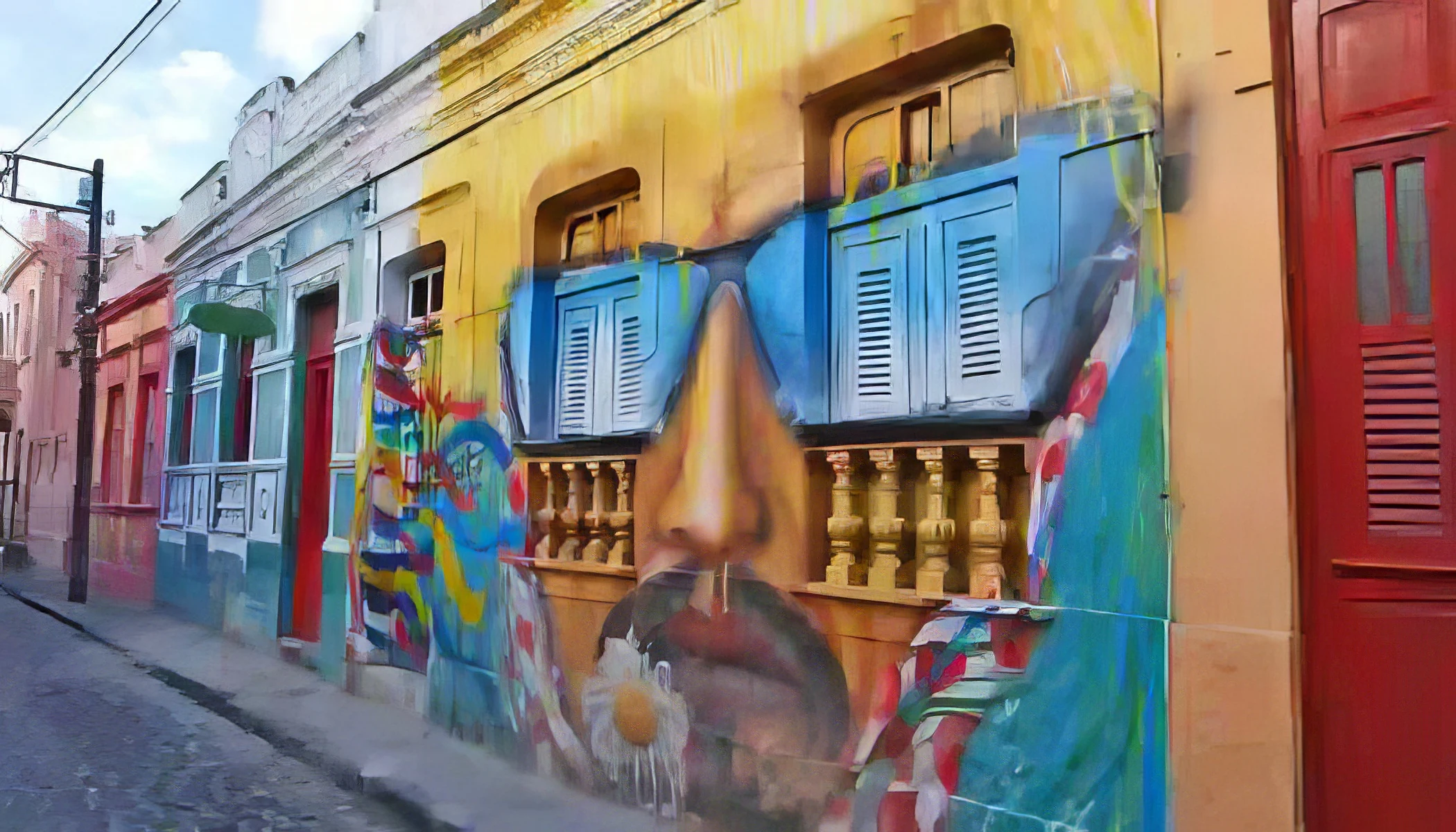
In Olinda, travelers can explore historic sites, enjoy local cuisine, and admire nice arts and crafts.
– Carnival celebration: Participate in one of Brazil's most famous carnivals, experiencing colorful parades and lively music in the streets.
– Olinda's panoramic viewpoints: Hike to viewpoints offering beautiful vistas of the coastline and cityscape for photos and relaxation.
– Local craft workshops: Join workshops to learn traditional crafts, including lace-making or clay pottery, from skilled local artisans.
– Street art tour: Walk through the streets to see beautiful murals and graffiti, showcasing the city's artistic culture and creativity.
– Cooking class: Take a class to learn how to prepare traditional Brazilian dishes using local ingredients and recipes.
Shopping
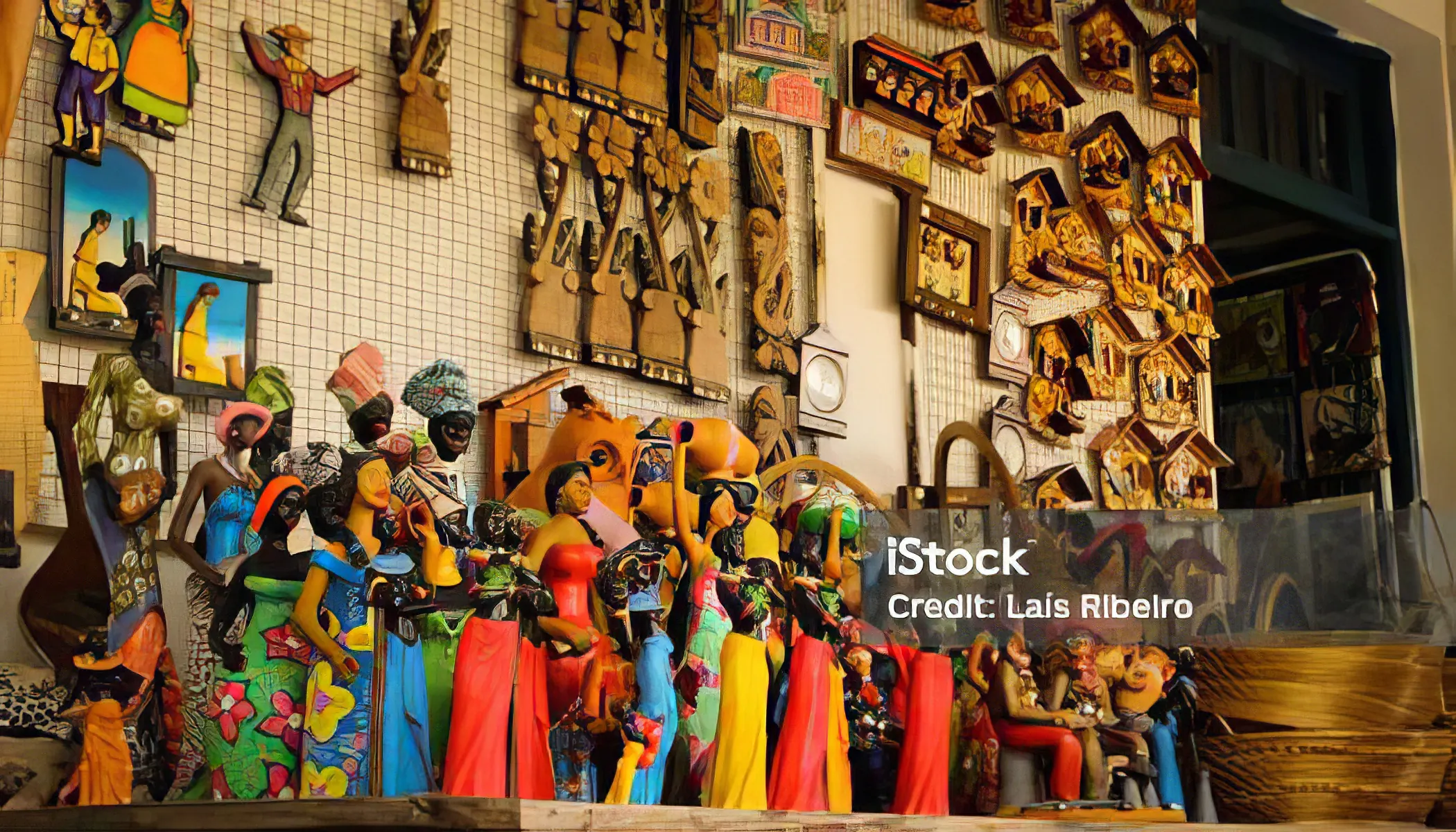
There are local artisan markets where you can find handmade crafts and souvenirs. Popular items include colorful figurines and traditional lacework. Art galleries offer unique artworks by local artists. You can also find local food products, like cachaça and sweets. These items make good gifts to remember your visit. Overall, you can find a variety of options for shopping.
Arts & Culture
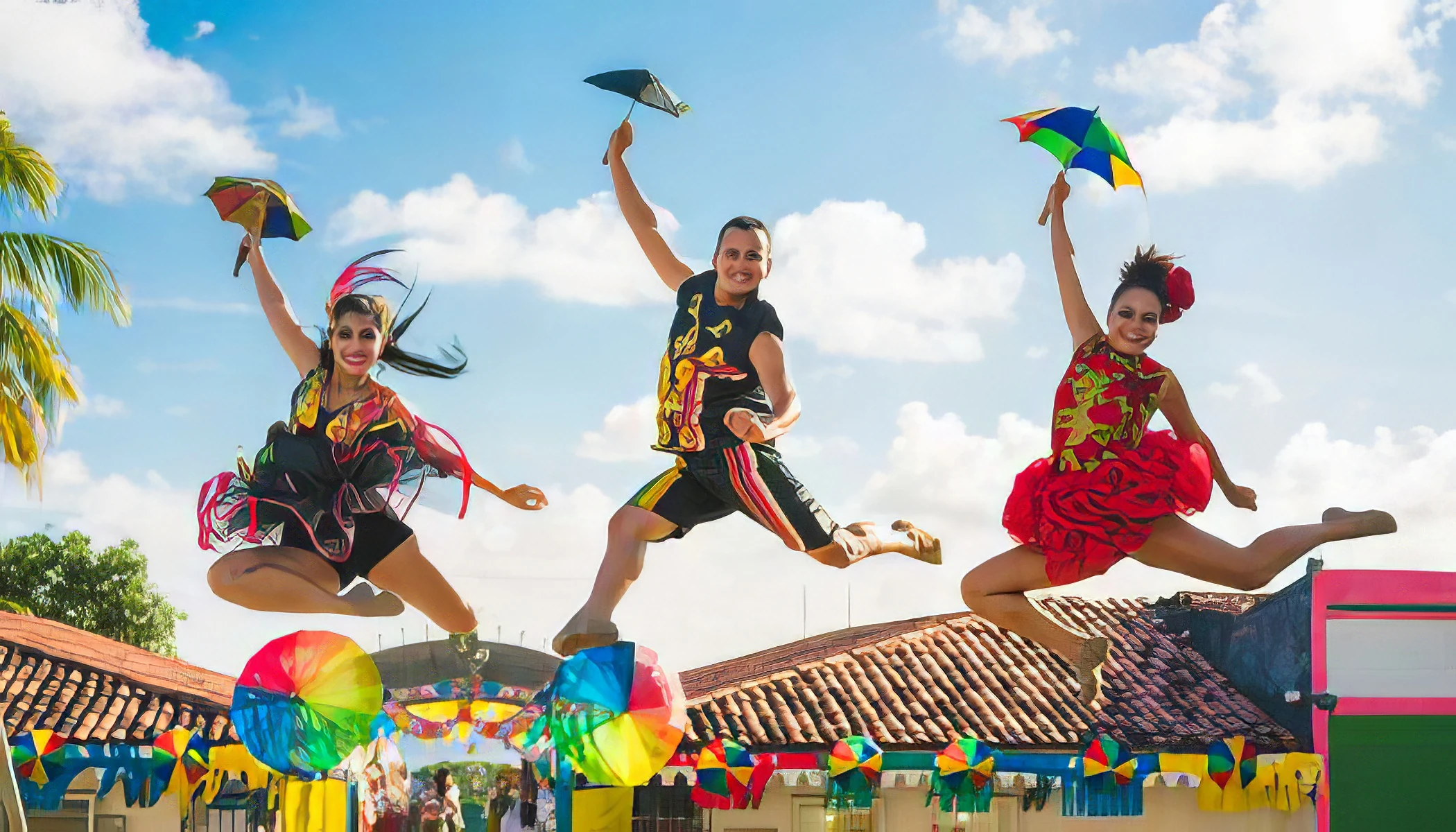
This city is known for its pretty Carnival celebrations, featuring colorful parades and traditional music. It hosts various cultural events throughout the year, including the Festival de Inverno, which showcases local art, music, and performances. The area is also home to numerous colonial churches and museums displaying regional art and history. The city's rich history is reflected in its street art and local crafts.